
In the rapidly evolving landscape of transportation, the future of commercial trucking jobs stands at a crucial crossroads. Over the next decade, various factors including technological advancements, regulatory changes, and shifting market demands are poised to reshape the industry dramatically. Automation and electric vehicles are increasingly being integrated, leading to questions about the permanence of traditional driving roles. As logistics and freight companies, as well as small business owners with delivery fleets, navigate these transformations, it is essential to explore not just the challenges but also the adaptive strategies that can ensure the sustainability of commercial trucking employment. This article delves into the potential trajectories of commercial trucking jobs over the next ten years, highlighting strategic solutions and innovative practices that can help stakeholders remain resilient in an era of significant change. By understanding the forces at play, industry players can proactively position themselves for success in a transformed marketplace.
Key Factors Impacting the Future of Commercial Trucking Jobs
The landscape of the commercial trucking industry is being reshaped by a myriad of factors. As logistics and freight company owners ponder the future of trucking jobs, it is essential to understand the complexities involved. Here are some key factors that could significantly influence this sector over the next decade:
- Automation and Technology
- Advancements in automation, particularly with autonomous trucks, promise to reduce operational costs but pose significant threats to traditional driving jobs. Industry forecasts indicate that autonomous vehicles could comprise a substantial part of long-haul trucking in the coming years, changing the skill sets required in the industry. For further insights, see our analysis on how automation affects trucking jobs.
- Regulatory Changes
- Stricter regulations around emissions and safety standards are expected to impact operational costs and equipment requirements. Compliance with new regulations could push smaller operators out of the market, affecting job availability. To understand more about evolving regulations, please check our detailed report on emissions regulations.
- Market Demand Dynamics
- The demand for trucking services fluctuates based on broader economic conditions, including consumer spending and e-commerce growth. Trends like the increasing preference for last-mile deliveries due to online shopping drives demand for trucking services but can also lead to oversupply in freight capacity.
- Driver Shortages
- The ongoing driver shortage has been a critical issue for the trucking industry. High turnover rates and an aging workforce contribute to this challenge, increasing pressure on companies to implement strategies for driver retention and recruitment.
- Economic Factors
- The state of the economy directly impacts the logistics sector. In times of economic downturn, freight volumes may decrease, leading to reduced job security for trucking professionals. Conversely, economic expansion could lead to higher demand for freight services.
- Fuel Costs and Sustainability Goals
- Rising fuel prices can increase operational costs significantly, affecting profitability and the ability to maintain competitive pricing. Additionally, sustainability goals push trucking companies to consider fuel-efficient and alternative energy vehicles, which may impact the industry’s job landscape as these technologies mature.
- Competitive Landscape and Consolidation
- As competition intensifies and the market consolidates, pricing pressures may force companies to streamline operations, reducing overall workforce needs. The trend towards larger entities absorbing smaller firms can reshape job environments significantly.
In conclusion, the future of commercial trucking jobs is shaped by automation, regulations, and the fluctuating market landscape, all contributing to a complex ecosystem. Logistics and freight company owners must remain vigilant and adaptable to navigate these changes effectively.
Automation in Trucking: Reshaping the Future
The trucking industry is undergoing a significant transformation, predominantly driven by automation and technological advancements. As we look towards the next decade, these technologies are poised to reshape not only operational efficiencies but also job availability and industry dynamics.
The Role of Automation
Automation in the trucking sector encompasses a range of technologies, including artificial intelligence, machine learning, and advanced data analytics. These innovations promise to enhance route optimization, fuel efficiency, and logistics management. For instance, AI-driven tools can assess various factors-from traffic patterns to fuel consumption-to determine the most effective routes, significantly reducing operational costs for companies.
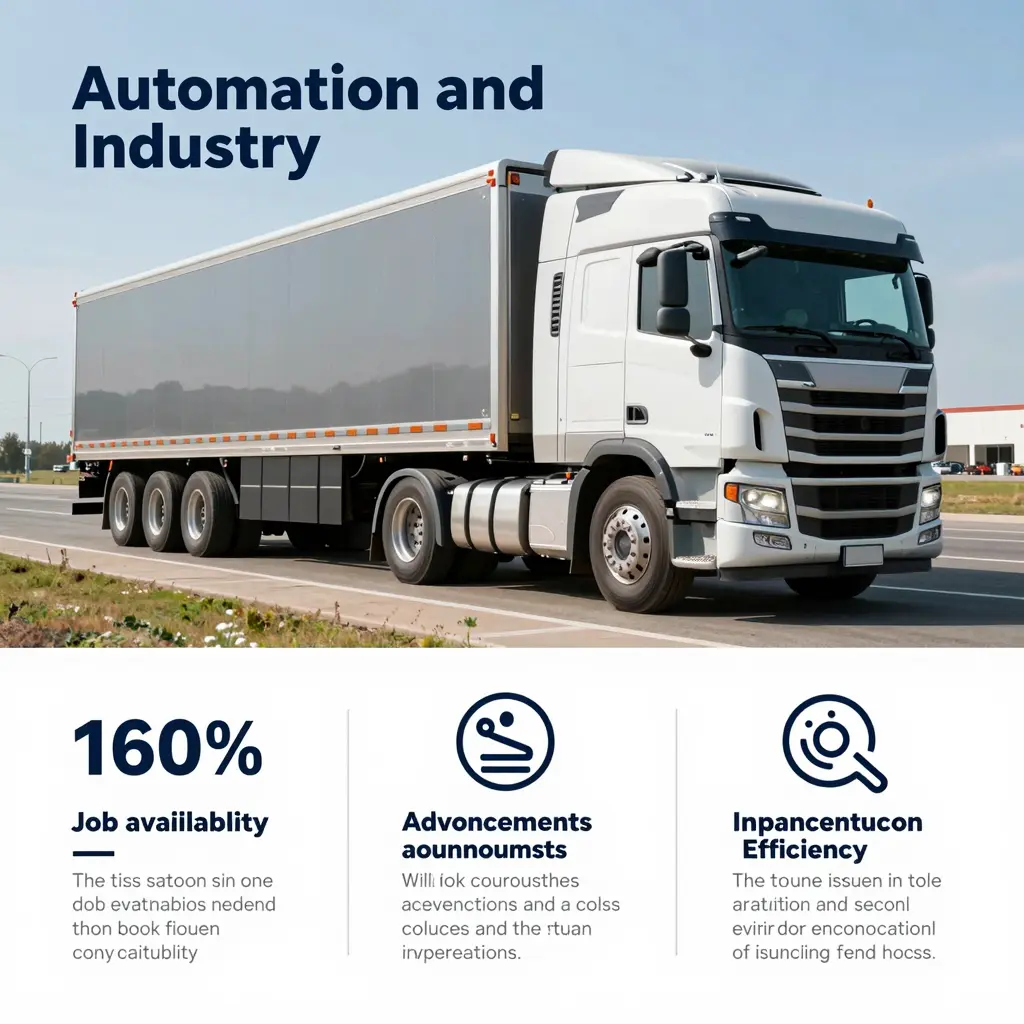
Moreover, the introduction of autonomous vehicles (AVs) represents a crucial leap towards automation. Current projections reveal that if AV technology continues to advance, it could potentially affect up to 94% of long-haul trucking operator-hours. This shift is anticipated due to the ability of automation to handle monotonous and predictable stretches of highway driving, particularly in favorable weather conditions.
“Automation isn’t merely about replacing drivers; it’s about complementing human ability with technology that enhances efficiency and safety.”
Impact on Job Availability
While automation presents several operational benefits, it also raises important questions regarding job availability within the sector. Reports suggest that between 300,000 and 500,000 trucking jobs in the U.S. may be impacted by automation over the next decade. However, this transition is not expected to occur overnight; existing challenges regarding technology effectiveness, regulatory compliance, and safety will influence the pace of change.
The trucking industry is currently facing a significant driver shortage, estimated at over 60,000 positions unfilled, potentially escalating to 160,000 by 2028. In light of this labor gap, automation is being considered a complementary tool rather than a wholesale replacement for the workforce. Companies are actively exploring semi-autonomous systems to assist existing drivers rather than eliminate their roles altogether.
Conclusion
As automation continues to advance in the trucking industry, it is essential for stakeholders-including logistics and freight company owners, as well as procurement teams-to remain informed about these developments. Investing in technology that enhances human capabilities could be key to navigating the evolving landscape of trucking jobs. For those interested in understanding the wider economic impacts, learn more about the ongoing trends in trucking.
Employment Trends in the Commercial Trucking Industry
The commercial trucking industry is experiencing significant changes, particularly regarding employment trends. The following table outlines the current employment figures and projected shortfalls due to driver shortages over the next decade:
| Year | Current Employment (Estimated) | Projected Driver Shortfall | Trend in Employment Numbers |
|---|---|---|---|
| 2023 | ~1.8 million | 80,000 | Starting point of significant driver shortage; steady decline in available drivers due to aging workforce and low entry rates. |
| 2025 | ~1.82 million | 100,000 | Moderate increase in employment; shortfall grows as demand outpaces supply. |
| 2027 | ~1.84 million | 130,000 | Employment growth slows; shortage intensifies due to rising freight volumes and retention challenges. |
| 2030 | ~1.86 million | 160,000 | Shortfall reaches 160,000; industry faces structural labor gap; automation and technology adoption begin to offset some shortages. |
| 2033 | ~1.88 million | 174,000 | Projected shortfall peaks at 174,000; continued pressure on recruitment and retention; increased use of telematics, AI, and semi-autonomous systems to manage workload. |
Note: Employment figures are estimates based on U.S. Bureau of Labor Statistics (BLS), American Trucking Associations (ATA), and industry forecasts from 2024-2026. The projected driver shortfall reflects growing demand for freight transport, declining interest in long-haul driving, and demographic trends including retirement of baby boomer drivers.
Conclusion
The data illustrates a pressing need for workforce development in the trucking industry, especially as we approach 2030. Stakeholders must adapt strategies not only to recruit more drivers but also to retain them by enhancing working conditions.
For more insights on industry stabilization and trends, learn more here.
The Current Driver Shortage and Its Future Implications
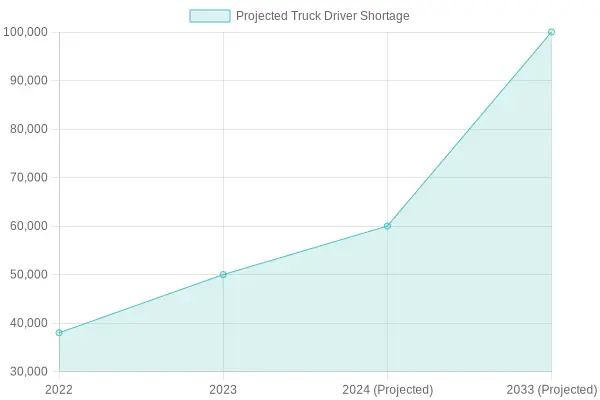
The trucking industry is currently facing a significant driver shortage that poses serious challenges and changes in the availability of jobs over the next decade. According to the American Trucking Associations (ATA), the shortage of truck drivers in the U.S. is estimated to reach 50,000 by the end of 2023, up from 38,000 in 2022. Projections indicate this shortfall could escalate to 60,000 drivers by 2024 and potentially exceed 100,000 by 2033, emphasizing an alarming trend that could alter job availability in the industry (source).
Factors Contributing to the Shortage
There are several interconnected factors driving this workforce gap:
- Aging Workforce: A significant portion of existing drivers is nearing retirement age, with insufficient younger applicants entering the profession.
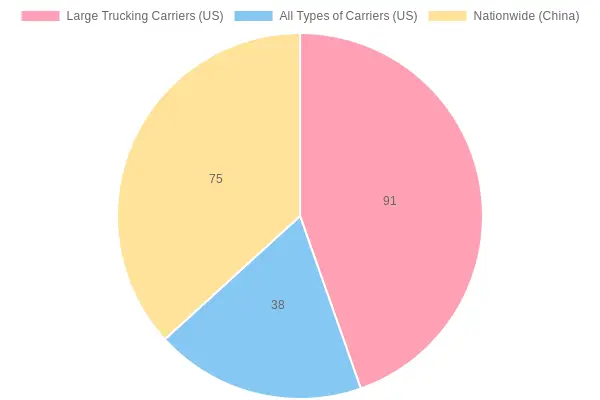
- High Turnover Rates: The trucking industry has a notoriously high turnover rate, which can exceed 91% for large carriers, indicating systemic issues in driver retention (source).
- Increasing Demand for Freight Services: As e-commerce and economic activities expand, the demand for freight transport is escalating, stressing the need for more drivers.
Implications for Job Availability
Given the current trajectory of the driver shortage, job availability in the trucking industry may evolve in several ways:
- Increased Opportunities: While the shortage is a challenge, it could paradoxically lead to a surge in job opportunities for new drivers. Companies may need to expand recruitment efforts, providing more positions to meet growing freight demands.
- Wage Growth: The competition for qualified drivers may result in increased wages and better benefits to attract talent. The industry already shows a trend towards improved pay structures in response to the shortage.
- Changing Job Roles: Companies might also shift their operational structures, leading to more logistic coordinators and roles focused on supply chain management rather than driving alone.
Visual Data on Shortages and Turnover Rates
To visualize this situation, consider the following chart depicting the projected truck driver shortage in the U.S. over the next decade:
Additionally, here’s a pie chart that showcases the turnover rates by category for truck drivers, highlighting the significant retention challenges faced by the industry:
Conclusion
The driver shortage presents a complex landscape for the trucking industry. While the immediate future may appear daunting, it also creates an opportunity for transformation in recruitment and retention strategies, ultimately shaping the future of employment in the logistics sector. Addressing these issues proactively will be vital in stabilizing and strengthening the workforce for years to come.
Current and Upcoming Regulations Impacting the Trucking Industry
Over the next decade, the trucking industry faces a rapidly evolving regulatory landscape that could dramatically affect job prospects for truck drivers and logistics companies. Key regulations are focusing on safety, environmental standards, and economic viability, which will influence not only how trucking operations function but also the qualifications and skills required of their workforce.
Current Regulations
- Electric Vehicle Incentives: Legislation that extends tax exemptions for the purchase of electric vehicles (EVs) is crucial. This aims to lower the cost of clean energy trucks, encouraging logistics companies to transition to a greener fleet. For 2023, several governments continue to offer subsidies for electric commercial vehicles, promoting sustainability within the industry.
- New Driver Rights Legislation: Effective from 2026, new regulations will enhance driver protections by ensuring fair payment practices and limiting the hours of operation to prevent fatigue. These changes will not only improve the working conditions for truck drivers but also likely lead to a more stable workforce, which could boost job security within the industry.
Upcoming Regulations
- Mandatory Compliance on Pricing Models: Starting 2026, the prohibition of operating below cost will prevent predatory pricing in the freight market, fostering fair competition. This could stabilize job prospects as wages become less volatile and improve overall working conditions for drivers.
- Environmental Compliance: In alignment with global sustainability efforts, regulations are being put forth that will demand trucks meet stringent emissions standards. Companies that fail to comply could face heavy fines and affect job security in the long run. Logistics firms might need to invest heavily in new technologies and training, creating tech-savvy job opportunities while phasing out older roles which are less likely to meet these requirements.
- This shift may require logistics companies to adapt quickly, potentially leading to an increased demand for highly skilled workers adept in new technologies.
- Increased Importance on Data and Technology: As the industry moves towards a more digitized environment, new job roles are emerging, such as data analysts, logistics coordinators, and automation specialists. These roles will likely demand new skills, particularly in handling technological solutions that enhance operational efficiencies. Training and upskilling programs will be vital for current truck drivers to remain competitive in the evolving job market.
Overall, these regulatory changes signify a transformative period for the trucking industry, with implications for job creation and loss depending upon the adaptability of the workforce and the firms involved. Stakeholders in logistics must proactively respond to these changes to leverage potential opportunities and mitigate risks associated with the impending regulations.
As the industry evolves, truck drivers and logistics companies must align themselves with these regulations to secure more stable job prospects in upcoming years.
Projected Job Growth in the Commercial Trucking Industry (2024-2034)
The commercial trucking industry is facing significant changes over the next decade. Despite challenges such as automation and workforce shortages, projections indicate a robust growth trajectory for employment within the sector.
Key Projections:
- The industry is expected to see an annual growth rate of 4.4%.
- By 2034, the commercial trucking sector is projected to add over 1 million new jobs, leading to a total of 4.5 million jobs.
Job Growth Data Table
| Year | Number of Jobs (in millions) |
|---|---|
| 2024 | 3.5 |
| 2025 | 3.52 |
| 2026 | 3.6 |
| 2027 | 3.65 |
| 2028 | 3.7 |
| 2029 | 3.75 |
| 2030 | 3.8 |
| 2031 | 3.85 |
| 2032 | 3.9 |
| 2033 | 4.0 |
| 2034 | 4.5 |
Source: Bureau of Labor Statistics
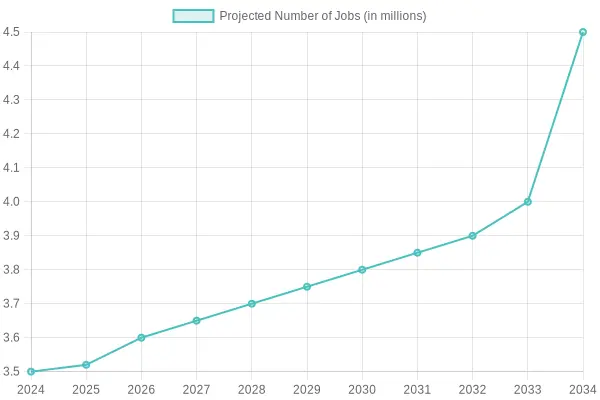
The chart above illustrates the projected job growth in the commercial trucking industry from 2024 to 2034.
For more insights on industry trends, you can learn more about the trucking industry employment stabilization.
Industry Expert Opinions on the Future of Commercial Trucking Jobs
The landscape of commercial trucking jobs is evolving rapidly due to technological advancements and shifting market demands. According to a 2024 McKinsey & Company report, “The Future of Trucking Jobs: Expert Insights on Automation, Demand, and Career Outlook,” the future is characterized by a dual trend: increasing demand from e-commerce and gradual automation. The report states:
“While L3/L4 autonomous trucks are expected to be deployed in controlled environments by 2026, full replacement of human drivers remains unlikely before 2035. Instead of eliminating jobs, automation will shift roles-drivers will transition into fleet supervisors, remote monitoring operators, or maintenance technicians. Skilled, tech-literate drivers will have the best career prospects.”
These insights emphasize that while the industry will certainly transform, opportunities will persist for drivers who embrace new technologies and adapt to the changing environment. You can read more about these insights here.
Moreover, the U.S. Bureau of Labor Statistics (BLS) anticipates a 5% growth in truck driver employment from 2022 to 2032. They assert that despite the rise of automation, there will still be a crucial need for human drivers in complex routing scenarios and specialized freight handling, ensuring significant job availability in the near future. Further details can be found in the BLS report.
This expert perspective underscores the importance of industry adaptability, signaling that commercial trucking jobs are here to stay, albeit in a new form.
In conclusion, the landscape of commercial trucking jobs over the next decade presents a complex interplay between challenges and opportunities. As we’ve explored, while automation and technological advancements are poised to change the industry significantly, the demand for human drivers remains steadfast, especially for nuanced tasks in unpredictable environments. Reports predict a hybrid model will emerge, blending traditional driving roles with new opportunities such as fleet supervision and systems monitoring, supported by ongoing training initiatives to upskill workers. With a projected shortage of drivers coupled with increasing freight volumes, stakeholders in logistics and freight must adapt and embrace these transformations. As you prepare for the future, consider how your fleet can benefit from innovative solutions like those offered by Summit Fairings, enhancing efficiency and meeting industry demands while safeguarding job roles. Stay proactive to ensure your business not only survives but thrives in this evolving environment.