
The Integral Role of Commercial Motor Freight Trucks in Logistics
Have you ever paused to consider the sheer scale of a commercial motor freight truck as it rolls down the highway? It’s not just a vehicle; it’s a vital cog in the grand machine of logistics and freight operations. For business owners in logistics and those managing delivery fleets, these trucks represent the lifeblood of your operations, ensuring that goods traverse vast distances and reach consumers in a timely manner. With the ever-growing demand for swift, reliable delivery services, understanding the significance of these heavy-duty transporters is more crucial than ever.
As we delve into the role of commercial motor freight trucks, we will explore how they bolster supply chains and support economies. The efficiency of logistics hinges on the capability of these vehicles to adapt to varying freight demands, maintain schedules, and contribute to the overall productivity of delivery fleets. From construction and mining enterprises to small businesses reliant on timely deliveries, the impact of these trucks resonates across numerous industries.
Furthermore, we will address the challenges and innovations facing the freight trucking sector today, shedding light on how businesses can optimize their operations through better utilization of commercial motor freight trucks. By understanding these dynamics, logistics and freight company owners can make informed decisions that enhance their operational strategies. So, whether you’re an industry veteran or new to the logistics game, there’s always more to discover about the trucks that keep the wheels of commerce turning. Let’s embark on this journey to uncover the countless ways commercial motor freight trucks shape our economy and how they facilitate the seamless movement of goods across regions. Learn more about the impact of trailer orders on truckload margins to gain insights into the industry’s evolving landscape.
In this exploration, we will not only highlight the importance of these behemoths but also examine their reliability, safety standards, and the technology transforming freight transportation. Join us as we navigate the expansive world of commercial motor freight trucks and their indispensable role in logistics.
The Historical Context of Commercial Motor Freight Trucks
Commercial motor freight trucks have played a crucial role in the evolution of logistics and transportation. The evolution of these trucks reflects significant technological advancements and shifts in the logistics industry, dramatically influencing how goods are transported and distributed today.
Early Beginnings
The history of freight trucks can be traced back to the late 19th century. The first commercial trucks were steam-powered, transitioning to gasoline engines in the early 20th century. Notably, the Ford Motor Company revolutionized the industry in 1917 with the production of the first mass-produced commercial truck. This innovation set the stage for the widespread adoption of trucks in the transport of goods, moving away from the dominant reliance on railways.
The Rise of Trucking in Logistics
The post-World War II era saw a significant transformation in logistics due to the expansion of the Interstate Highway System in the 1950s. This infrastructure allowed trucks to efficiently connect rural areas with urban markets, facilitating what is known as “door-to-door” delivery. By 2023, the trucking sector accounted for about 70% of all freight tonnage in the U.S., emphasizing its dominance in the transport industry.
| Year | Key Event | Impact |
|---|---|---|
| 1917 | First mass-produced commercial truck (Ford) | Revolutionized logistics, enabling mass delivery of goods |
| 1950s | Expansion of Interstate Highway System | Increased efficiency in freight delivery, led to truck dominance over railways |
| 2023 | Trucks account for 70% of U.S. freight tonnage | Highlights trucking’s critical role in supply chain logistics |
Innovations Impacting the Industry
Technological innovations have continuously shaped the freight trucking landscape. In the latter half of the 20th century, the introduction of trailers and advanced braking systems improved payload capacity and safety. Recent advancements include:
- Advanced Driver-Assistance Systems (ADAS): By 2022, approximately 68% of commercial fleets were equipped with these systems, enhancing safety.
- Fuel Efficiency: Since 2010, heavy-duty diesel trucks have improved fuel efficiency by about 25%, helping to reduce operational costs.
- Electrification and Automation: The 21st century has seen the emergence of electric trucks and autonomous vehicles, significantly impacting the future of freight transportation.
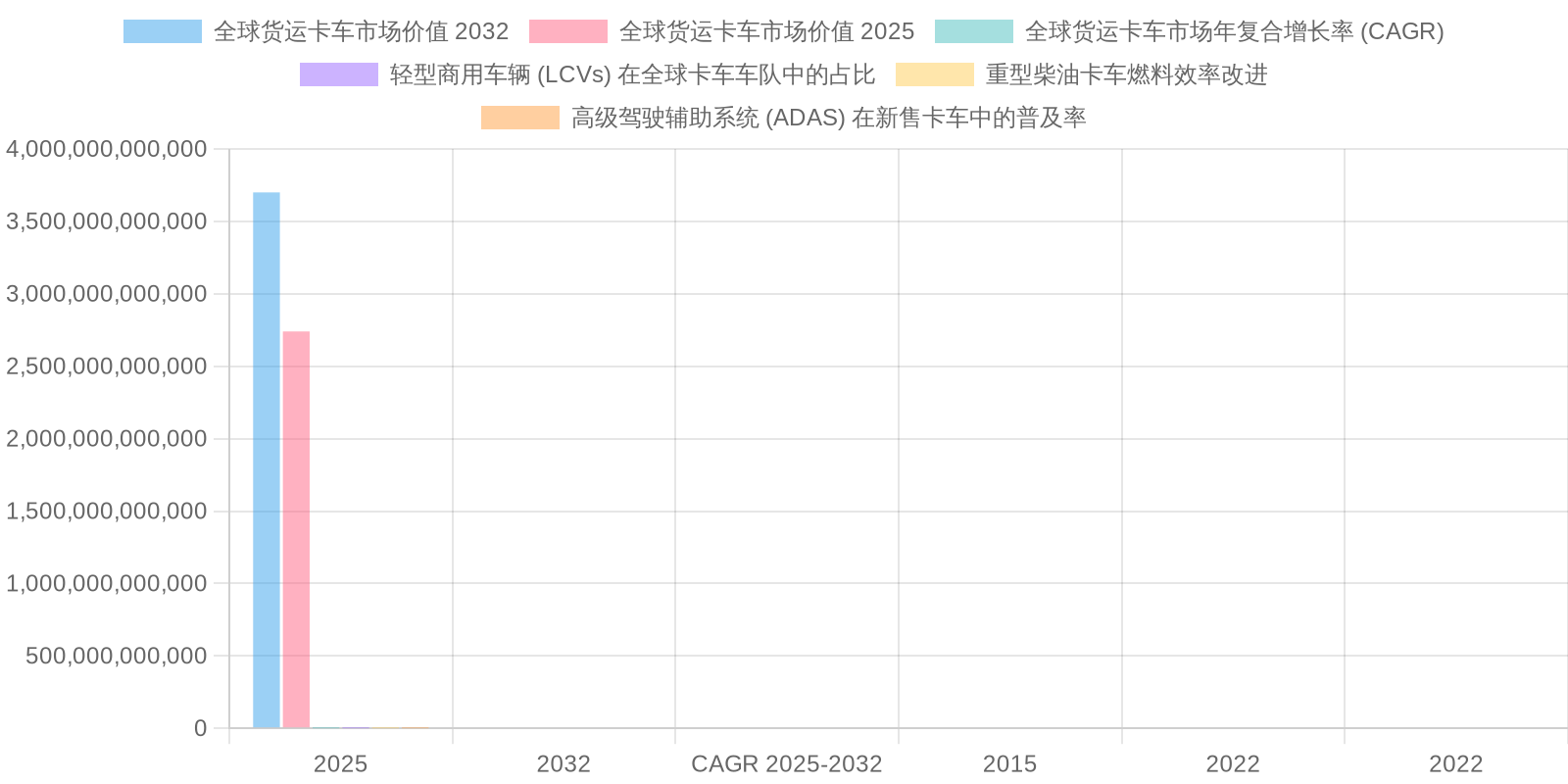
Chart illustrating the evolution of the freight trucking market, including market growth and fleet innovations through 2032.
Conclusion
Commercial motor freight trucks have not only transformed how logistics operate but continue to adapt with technology, making them integral to modern supply chains. As trends like electrification and automation emerge, the freight industry is positioned for further evolution, promising enhanced efficiency and sustainability in the years to come. For business owners looking to optimize their logistics capabilities, investing in modern truck fleets with innovative technologies is essential.
To learn more about trailer market strategies during economic fluctuations, check out trailer purchases strategies in a weak market.
By understanding the historical context and future potential of commercial freight trucks, stakeholders can better navigate the complexities of the logistics landscape and position their businesses effectively for future growth.
Essential Features of Commercial Motor Freight Trucks
Modern commercial motor freight trucks play a crucial role in the logistics and freight industry. Their evolution has brought about essential features that not only improve operational efficiency but also enhance safety and integrate advanced technology. Here’s a detailed look at these key features:
1. Efficiency
- Advanced Engine Technology: Modern freight trucks are equipped with high-efficiency engines that optimize fuel consumption. These engines typically provide an 18% improvement in fuel efficiency compared to older models, reducing operational costs significantly.
- Aerodynamic Design: The integration of sleek designs reduces drag, which can lead to fuel savings of 12-15%. This not only lowers fuel expenses but also contributes to a decrease in emissions.
- Telematics Systems: Real-time data tracking allows fleet managers to optimize routes, monitor vehicle performance, and conduct predictive maintenance, leading to a reduction in downtime and improved delivery performance.
2. Safety Features
- Advanced Driver Assistance Systems (ADAS): Features like lane departure warnings, automatic emergency braking, and collision avoidance systems have been integrated into modern trucks. These systems have led to an approximately 40% reduction in accident rates, enhancing driver safety and overall road safety.
- Electronic Stability Control (ESC): This technology helps prevent skidding and loss of control, especially in adverse weather conditions, ensuring higher levels of driver and cargo safety.
- Blind Spot Monitoring: With larger trucks often having significant blind spots, this feature has become essential for preventing accidents during lane changes and merges.
3. Technological Integration
- Connectivity: Most modern trucks support internet connectivity, enabling seamless integration with fleet management software. This integration provides insight into vehicle health, driver behavior, and cargo conditions.
- Electric and Alternative Fuel Options: The shift towards electric and compressed natural gas (CNG) trucks is notable, promoting not only lower fuel costs but also contributing to environmental sustainability. Modern electric trucks can offer up to 251 km of range on a single charge.
- Data Analytics Tools: Fleet management platforms that analyze data trends help logistics companies make informed decisions regarding maintenance, route planning, and driver performance, leading to improved efficiency and reduced costs.
4. Enhanced Cargo Capacity and Flexibility
- Customizable Cargo Holds: Many new freight trucks feature flexible cargo space that can adapt based on the load requirements. This flexibility helps small businesses optimize their delivery capabilities for a variety of goods.
- Multi-Functional Design: Features such as side sliding doors facilitate easier loading and unloading, enhancing operational efficiency in urban environments.
Conclusion
Modern commercial motor freight trucks are crucial for optimizing logistics and freight operations, offering significant advantages through their advanced features in efficiency, safety, and technology. Investing in these vehicles not only enhances operational capabilities but also aligns with sustainability efforts, crucial for future-oriented logistics companies.
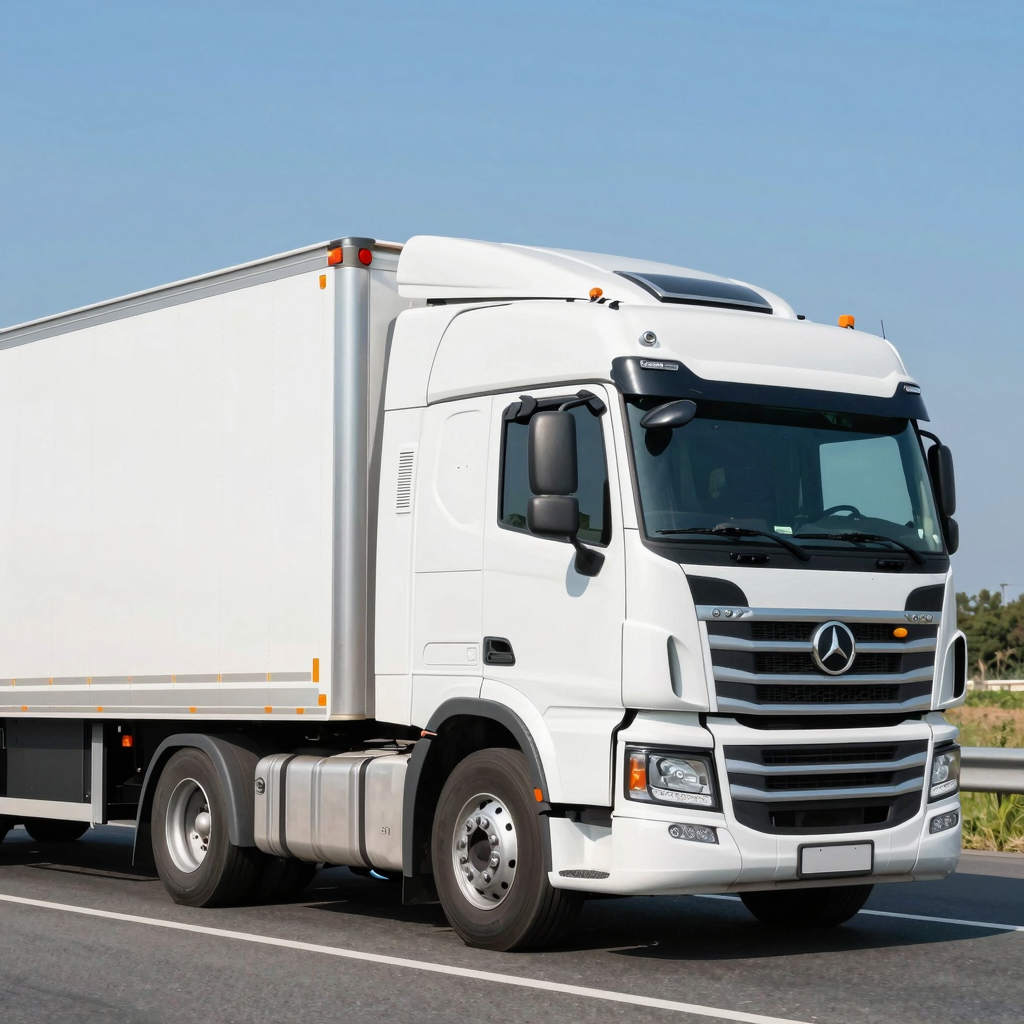
Image of a modern commercial motor freight truck showcasing its advanced features.
Key Performance Indicators
To further illustrate the benefits of modern commercial freight trucks, we can look at key performance indicators related to efficiency and safety:
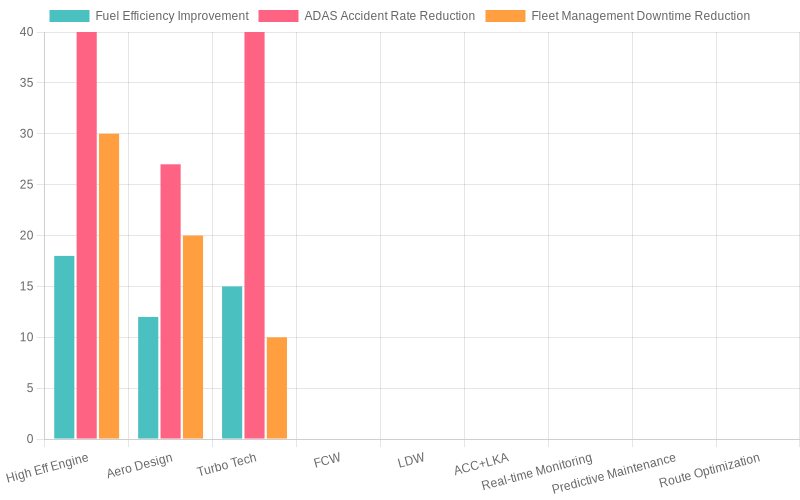
Chart displaying key efficiency, safety, and technology features of modern commercial freight trucks.
For logistics and freight companies looking to stay competitive, embracing the latest advancements in commercial motor freight trucks is vital. Learn more about how trailer orders impact truckload margins and explore how modern trucks can transform your operations.
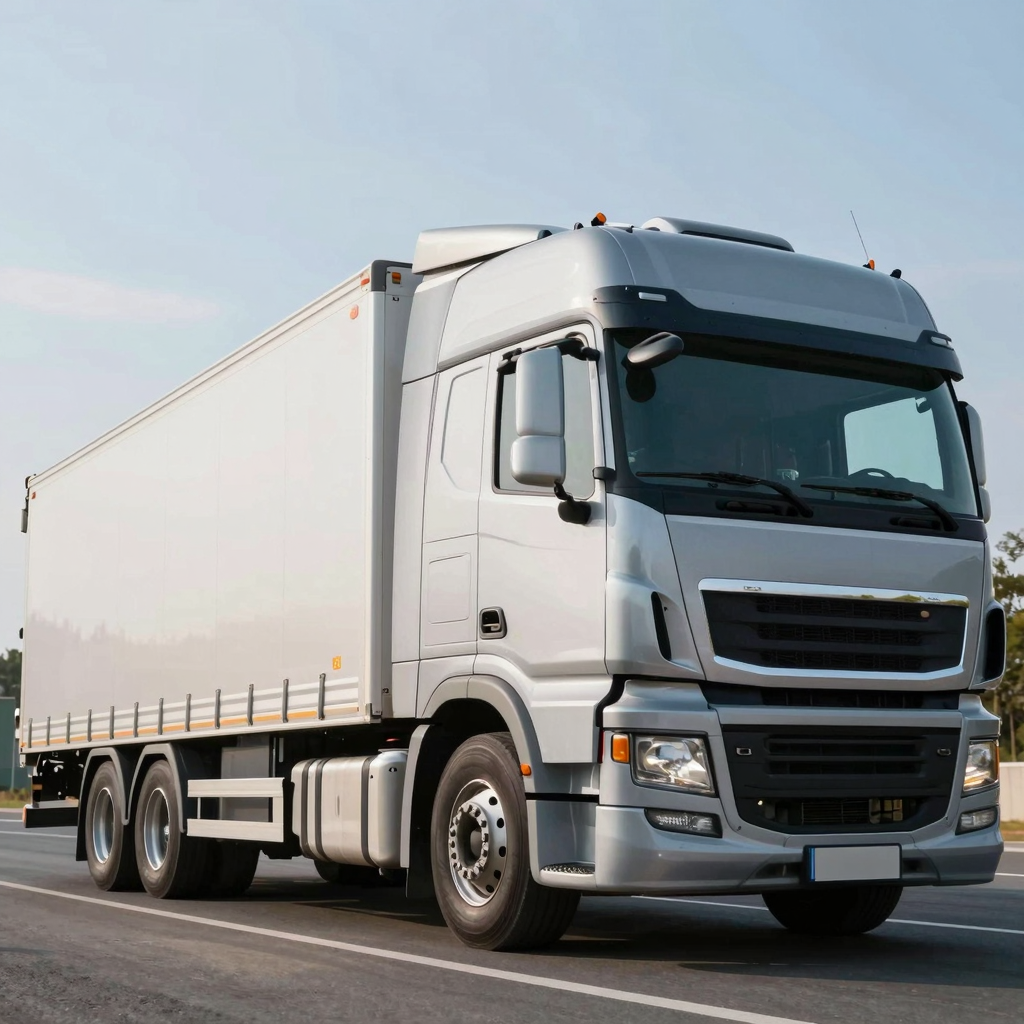
Comparing Leading Commercial Motor Freight Truck Models
When considering the right commercial motor freight truck for your business, various features including load capacity, fuel efficiency, technological advancements, and pricing need to be weighed carefully. Here, we present a comparison of some popular models in the market based on their attributes:
| Truck Model | Load Capacity | Fuel Efficiency | Technology Features | Pricing |
|---|---|---|---|---|
| 解放J6L精英版 | up to 8 tons | ~1.6L/100km | Lightweight materials, aerodynamic design, advanced fuel-saving technologies | Competitive |
| 福特F-150 PowerBoost混合动力 | 11,200 lbs | Equivalent to mid-sized truck | Hybrid powertrain with self-charging system, offers high torque and excellent acceleration | Moderate |
| 比亚迪T5DM 混动轻卡 | ~3 tons | Better than traditional fuel trucks | Supports multiple driving modes, high safety features, focus on urban logistics | Affordable |
| 上汽红岩新能源偏置头牵引车 | Heavy-duty | High energy efficiency | L4 level autonomous driving, smart sensing systems | Premium |
| 吉利远程星瀚H甲醇电动牵引车 | 42 tons | Lower than diesel trucks | Innovative methanol electric technology, record long-distance capability | Cost-effective |
These models represent the current trends in the motor freight trucking industry, providing various options for logistics and freight companies looking to enhance their fleet efficiency. For deeper insights into how these vehicles can impact operational costs, learn more about pricing impacts.
In the evolving landscape of logistics, commercial motor freight trucks have emerged as a pivotal element driving efficiency and effectiveness in the transport of goods. With the ability to combine cost savings, speed, and reliability, these heavy-duty vehicles serve a critical role for logistics providers, construction firms, and small businesses alike.
Cost-Effectiveness
One of the most significant advantages of using commercial motor freight trucks is their remarkable cost-effectiveness. According to a 2023 McKinsey report, freight trucks provide scalable capacity for large-volume shipments, allowing companies to benefit from economies of scale. This scale leads to considerable savings in transportation costs per unit.
Moreover, the implementation of modern technology has significantly reduced operational expenses. Advanced fuel-efficient models have reported up to a 15% reduction in fuel consumption compared to older truck models. This improvement translates to substantial savings over the life cycle of the vehicle. Companies using these trucks have reported a decrease in overall logistics costs especially when optimizing route management and scheduling.
Speed
Speed is another paramount factor when considering freight solutions. With the growing demand for expedient delivery times, the ability of commercial motor freight trucks to traverse both urban and rural settings quickly makes them an indispensable asset. The rapid deployment and flexibility that trucks offer exceed other transport modalities, such as rail, which may have limited operational routes.
Recent trends indicate that with advancements in telematics, freight trucks can now optimize routes in real-time, significantly enhancing the average delivery speed. A case in point is the increased adoption of Dongfeng cabin trucks, which are being recognized for their high speed and efficient delivery capabilities, especially in last-mile delivery. As highlighted in a recent Industry Analysis Report, these trucks can reduce average delivery times due to features such as enhanced driver comfort and safety systems, further ensuring that drivers can operate effectively for longer periods.
Reliability
Commercial motor freight trucks are often regarded for their reliability, a crucial attribute in logistics that cannot be overstated. In an industry where timing and product integrity are vital, having a dependable transportation solution reduces risks associated with delays and product spoilage. A stable fleet that consistently meets deadlines improves overall customer satisfaction and can lead to repeat business.
Reports indicate that modern freight trucks come equipped with enhanced safety features that directly impact their reliability. Systems that include advanced braking mechanisms, lane-keeping assist, and adaptive cruise control not only safeguard the driver but also reduce the potential for accidents that could disrupt delivery schedules. The economic impact of reliability is significant, as reduced accident rates can save companies considerable sums in liability costs and lost transport time.
Conclusion
In summary, the advantages of utilizing commercial motor freight trucks in logistics are manifold. The combination of cost-effectiveness, speed, and reliability equips logistics providers and businesses with a powerful tool for meeting modern consumer demands. Given these advantages, it’s no surprise that businesses are increasingly depending on freight trucks for their transportation needs.
If you’re interested in further exploring how truck solutions can enhance your delivery operations, consider visiting our resource page on trucking economic trends affecting trailer orders. Staying informed about logistical developments can provide competitive advantages in this fast-paced industry.
This compelling mix of operational advantages makes commercial motor freight trucks an essential feature in any comprehensive logistics strategy. Whether you own a small delivery fleet or are part of a larger logistics operation, investing in these vehicles can yield significant operational benefits and enhance your overall service delivery capabilities.
Importance of Commercial Motor Freight Trucks
In the logistics industry, commercial motor freight trucks serve as the backbone of transportation and supply chain operations. Their effectiveness and adaptability are frequently praised by industry experts.
“Logistics companies see rising demand for autonomous trucks, which can help improve transportation efficiency, lower the costs of logistics, and provide more reliable delivery schedules.”
- Expert from South China Morning Post, reflecting on the role of modern freight transport vehicles
This quote underscores the pivotal nature of commercial motor freight trucks in meeting the evolving demands of logistics and transportation. As the industry continues to adapt and innovate, these trucks will remain central to achieving operational efficiencies and responsive supply chains.
For those interested in the complexities of logistics, learn more about the impact of trailer orders on truckload margins and how it affects decision-making in fleet operations.
Conclusion
Commercial motor freight trucks are the backbone of modern logistics, providing essential services that facilitate the movement of goods across vast distances. Through their remarkable efficiency, cost-effectiveness, and adaptability, these vehicles play a crucial role in supporting various industries, including construction, mining, and retail. As highlighted in our discussion, the core benefits of these trucks include:
- Increased Efficiency: Commercial trucks are designed to optimize load capacity and reduce operational costs, enhancing the overall efficiency of supply chains.
- Sustainability: Many modern freight trucks incorporate environmentally friendly technologies, such as electric and hybrid engines, reducing carbon footprints and promoting sustainable logistics practices.
- Safety and Reliability: Advanced safety features and regulations ensure that these vehicles operate safely, protecting both drivers and cargo.
As the logistics landscape continues to evolve, upgrading to state-of-the-art commercial trucks has become a necessity rather than an option. By considering innovations such as Summit Fairings, fleet owners can improve aerodynamic efficiency, thus reducing fuel consumption and maximizing payloads. This not only leads to cost savings but also contributes to a more sustainable operation.
In light of these advantages, we strongly encourage logistics and freight company owners, procurement teams, and small business owners to evaluate their current fleets critically. The investment in newer models or retrofitting existing trucks with innovative solutions like Summit Fairings will result in long-term benefits, from enhanced operational efficiency to reduced environmental impact.
By embracing the latest trends in trucking technology and sustainability, businesses can position themselves as leaders in the logistics sector. Do not wait for industry shifts to dictate your fleet’s future; take proactive steps towards an upgraded fleet that meets today’s challenges while preparing for tomorrow’s opportunities. Learn more about fleet upgrades and discover how Summit Fairings can propel your business ahead in the race for efficiency and sustainability.
Overview of Trends in Commercial Motor Freight Trucks
The commercial motor freight trucking industry has modernized significantly, particularly in 2023, catalyzed by economic recovery, technological advancements, and growing demand for sustainable transport solutions. The adoption rates of various truck types-especially those powered by alternative fuels-have surged, indicating a robust shift in the market.
Adoption Rates and Statistics
- Overall Market Recovery:
- In 2023, the total production and sales of commercial vehicles reached approximately 403.72 million units, reflecting a 27% growth compared to previous years. This growth is primarily driven by the logistics industry’s recovery and supportive governmental policies (Source).
- New Energy Trucks:
- The adoption of new energy commercial vehicles-including electric and natural gas-powered trucks-has been particularly pronounced. In the first half of 2023 alone, the sales of new energy heavy trucks jumped 191%, highlighting their escalating market presence (Source).
- By year-end, the penetration rate for new energy heavy trucks reached 10%, suggesting a strong trend towards eco-friendliness among logistics operators (Source).
- Segment Breakdown:
- The market for heavy trucks exhibited significant expansion, with total sales nearing 91.11 million units, an increase of 36% over the previous year. This segment’s growth is largely influenced by the construction and mining industries’ renewed demand for heavy-duty transportation solutions (Source).
- Government and Policy Influence:
- Government policies, including subsidies for replacing older diesel trucks with新能源 vehicles (new energy vehicles), have been pivotal in shaping these trends. Recent updates expanded subsidies for scrapping older trucks, incentivizing a transition to greener trucks (Source).
- Technological Innovations:
- The adoption of smart logistics technologies, such as vehicle-to-everything (V2X) communication and enhanced routing systems, has led to higher operational efficiencies and reduced costs. These innovations have made adopting new fleets more attractive, meeting the demands of the evolving transportation environment (Source).
Implications for Logistics and Freight Companies
For logistics and freight company owners, the trend towards electrification and the adoption of advanced technologies represents both a challenge and an opportunity. Companies must adapt to changing regulatory frameworks and shifting market preferences while leveraging new technologies to streamline operations.
For instance, the transition towards new energy trucks can significantly reduce operating costs, especially in light of fluctuating fuel prices. Furthermore, engaging actively in the technology upgrade process could improve logistics efficiency, which is crucial in a competitive landscape.
Conclusion
The data indicates that the commercial motor freight truck sector is undergoing a transformative phase, underscored by a significant uptick in the adoption of new energy vehicles and technological advancements. Companies looking to remain competitive should prioritize investments in newer, greener trucks and consider integrating smart technologies into their operations.
For further insights into the impacts of these trends on truck load margins, consider visiting Truck Plus LLC’s exploration of trailer orders’ impact on truckload margins.
By staying informed and adapting to these changes, logistics and freight operators can effectively navigate the evolving landscape and capitalize on new opportunities in the market.
Market Trends for Freight Trucking
Understanding the market trends in freight trucking over the past decade is essential for logistics professionals and fleet managers. The following chart illustrates the growth rates and projections to help visualize these trends.

Key Insights from the Chart:
- Market Size: The market for freight trucking grew from approximately $1.65 trillion in 2013 to around $2.49 trillion in 2023.
- Annual Growth Rates:
- Average compound annual growth rate (CAGR) over the past decade is about 4.5%.
- Notable fluctuation in 2020 due to the COVID-19 pandemic, resulting in a decline of -3.7% in growth.
- A strong recovery happened in 2021 with an 8.2% growth rate driven by economic recovery and resurgent demand.
- Future Projections: By 2030, the freight trucking market is projected to reach approximately $3.43 trillion, expecting a CAGR of about 5.1% from 2024 to 2030.
Growth Drivers:
The growth in the freight trucking market is largely driven by:
- E-commerce Expansion: The increasing demand for rapid delivery solutions is pushing logistics companies to adapt.
- Global Supply Chain Complexity: As markets become more global, the need for efficient trucking solutions is paramount.
- Technological Advances: Adoption of electric trucks and automation is expected to shape the future dynamics of the market.
To learn more about how these trends impact logistics strategies, you can read about the trucking economic trends affecting trailer orders or explore insights on navigating the weak freight market.