
Introduction
As the backbone of logistics and supply chain operations, the transportation of goods requires reliable vehicles and adequate insurance coverage to protect your business interests. When it comes to commercial truck rentals, understanding the nuances of insurance can significantly influence both operational efficiency and overall costs. Business owners in the logistics and construction sectors often face a pivotal question: does insurance cover commercial truck rentals? This inquiry goes beyond mere compliance; it affects budgeting, risk management, and business continuity.
For logistics and freight companies as well as construction firms, every decision is crucial in crafting a streamlined operation. Renting commercial trucks can offer flexibility and scalability, enabling businesses to adapt quickly to fluctuations in demand. However, the significance of appropriate insurance coverage cannot be overstated; it ensures that companies are safeguarded against unforeseen events that could lead to substantial financial loss. Whether you run a small delivery fleet or manage large-scale logistics networks, understanding the insurance implications of renting commercial trucks is vital.
In this article, we will delve into several pertinent points:
- Types of Insurance Coverage: We will explore various insurance options available for commercial truck rentals, including liability, cargo, and collision coverage.
- Cost Implications: Understanding how different coverage types can impact overall rental costs is essential for budget-conscious business leaders.
- Legal Requirements: We will highlight any legal requirements and regulatory considerations that business owners should keep in mind when renting commercial trucks.
- Best Practices: Finally, we’ll offer strategies to optimize insurance coverage while minimizing risks during truck rentals.
By both clarifying these elements and addressing common concerns, this article aims to empower logistics operators and small business owners, allowing them to make informed decisions that align with their operational goals. To gain deeper insights into how trailer purchases can affect truckload margins, feel free to learn more here. Whether you’re navigating insurance complexities or seeking innovative solutions to enhance your logistics strategy, knowledge is your strongest tool.
Understanding the Types of Insurance Relevant to Truck Rentals
When renting commercial trucks, it is essential to understand the various types of insurance available to protect your business and ensure that your operations run smoothly. This section highlights the critical types of insurance relevant to truck rentals, including liability insurance, cargo insurance, and specific provisions for rented vehicles.
1. Liability Insurance
Liability insurance is crucial for any rental vehicle, and commercial trucks are no exception. This insurance protects against claims for bodily injury or property damage that may occur while operating the rented truck. Here are the key aspects of liability insurance:
- Coverage Limits: Commercial liability insurance typically includes coverage for property damage and personal injury claims. The specific limits can vary based on rental agreements and state laws.
- Supplementary Liability Insurance: Some rental companies offer supplementary liability insurance, which provides additional coverage beyond the basic policy, covering the costs of legal defense and settlements should an accident occur.
- Importance for Businesses: Understanding liability insurance is critical for businesses as it helps prevent significant financial losses stemming from accidents during the rental period. Without adequate liability coverage, a single incident could lead to costly lawsuits and property damage claims. Learn more about the importance of trucking insurance.
2. Cargo Insurance
Cargo insurance is specialized coverage designed to protect businesses against loss or damage to goods being transported in rented trucks. This insurance is essential for logistics firms and companies that frequently transport goods. Key points about cargo insurance include:
-
Types of Coverage: There are various types of cargo insurance, including All-Risk Insurance, which provides comprehensive coverage under most circumstances; Named Perils Insurance, which covers only specified risks like fire and theft; and War & Strikes Insurance, which protects against losses due to conflicts or political unrest.
-
Compensation for Loss: Having an appropriate cargo insurance policy ensures that a business is compensated for goods lost or damaged during transit, reducing the risk of significant financial losses. One incident, such as a natural disaster or a traffic accident, can result in substantial losses that could threaten the continuity of business operations. According to a report by the China Logistics and Procurement Federation, uninsured businesses can face an average loss rate of up to 82% when losses occur. This underlines the critical nature of cargo insurance as a financial safeguard.
-
Tailored Coverage Options: Businesses can choose the type of cargo insurance policy that best fits their specific operational needs and the nature of the goods transported, further ensuring they are adequately covered. Explore cargo insurance policies for more insights.
3. Provisions Specific to Rented Vehicles
When renting commercial trucks, understanding the specific provisions related to insurance for rented vehicles is also important. Some common elements include:
- Damages Waiver (CDW): This option allows the renter to avoid financial responsibility for damages to the truck. If the vehicle suffers damage while in the renter’s possession, the CDW often eliminates or reduces the cost of repairs.
- Vehicle-Specific Coverage: Many rental companies provide tailored coverage options that may include comprehensive and collision coverage, ensuring that the rented truck is protected in the case of an accident or theft.
- Policy Differences: It is important to note that rental companies’ insurance policies can vary greatly, thus thorough review and selection are crucial for choosing the right insurance plan.
Conclusion
Understanding these types of insurance is vital for businesses involved in truck rentals. Proper coverage not only safeguards assets but also ensures compliance with legal requirements and protects personal and client relationships. Whether in logistics, construction, or delivery fleets, having the right insurance can mean the difference between a minor setback and a catastrophic financial burden. To further explore the requirements and best practices for insuring rented trucks, you can refer to this comprehensive guide.
Comparison of Commercial Truck Rental Insurance Options
When deciding on commercial truck rental insurance, it’s essential to compare various options to find the best coverage that fits your operational needs. Below is a table summarizing key insurance options, including coverage details, cost estimates, and coverage limits based on recent data.
| Coverage Type | Cost Estimate (Annual) | Coverage Limits | Source |
|---|---|---|---|
| Basic Liability Insurance | $2,500 – $4,500 | $1 million per accident | [Insurance Information Institute (III), 2024] |
| Full Comprehensive (Liability + Collision + Comprehensive) | $6,000 – $12,000 | $1 million per accident; $500,000 property damage | [NAIC Commercial Auto Insurance Report, 2024] |
| Non-Trucking Liability (for owner-operators) | $3,000 – $5,500 | $1 million per occurrence | [TruckersReport.com, 2024 Survey Data] |
| Bobtail Coverage (trucks without trailers) | $800 – $1,800 (additional) | $1 million liability | [American Trucking Associations (ATA), 2024] |
| Cargo Insurance (for leased trucks carrying freight) | $1,200 – $3,000 (per truck) | Up to $100,000 per shipment | [CargoSecure Inc., 2024 Pricing Data] |
| Hired Auto Liability (for rental companies using third-party vehicles) | $2,000 – $4,000 | $1 million per occurrence | [National Association of Insurance Commissioners (NAIC), 2024] |
Note: Costs vary significantly based on vehicle type (e.g., Class 8 semi-truck vs. delivery van), usage (miles driven), driver history, and geographic region. All figures are based on recent 2024 data from authoritative industry sources.
For further insights on how to navigate insurance options, learn more about the trucking industry.
Additionally, understanding market dynamics can help optimize your rental strategy, so be sure to check out our analysis on trucking economic trends.
Understanding Policy Limits in Commercial Truck Rental Insurance
When renting commercial trucks, it is critical for logistics and freight company owners, construction and mining procurement teams, and small business delivery fleet owners to understand policy limits in their rental agreements. Policy limits represent the maximum amount that an insurer will pay for a covered loss or liability. Understanding these limits profoundly impacts logistics operations and financial security.
The Importance of Policy Limits
Policy limits can be a double-edged sword. On one hand, they provide a safety net; on the other, inadequate limits can expose businesses to significant financial risks. For instance, if a rented truck causes a major accident resulting in damages of $500,000, but the policy has a liability limit of only $300,000, the renter is personally responsible for the remaining $200,000. This could lead to severe financial hardship and potentially jeopardize the company’s future.
Understanding both per-incident limits (the maximum payout for a single event) and aggregate limits (the total payout for all claims within a policy period) is crucial. For example:
- Per-Incident Limit: If a company’s typical operations involve transporting high-value cargo, a low per-incident limit could expose them to underinsurance risks if an unforeseen event occurs.
- Aggregate Limit: These caps can limit the overall financial protection available over time, making it vital that companies assess their cumulative risk, especially in busy seasons or during high-stakes projects.
Tips for Reviewing and Verifying Policy Limits
To ensure adequate coverage, consider these key steps when reviewing and verifying policy details with insurance providers:
- Request Detailed Documentation: Always ask for an insurance certificate or a formal document that outlines coverage limits, including liability for bodily injury and property damage, collision, and comprehensive coverage.
- Understand Your Risks: Evaluate the nature of your operations. Businesses that transport expensive or sensitive goods should ensure they have higher policy limits compared to those dealing with low-risk cargo.
- Consult an Insurance Professional: Engage with an insurance agent knowledgeable in commercial vehicle insurance to better understand nuances in policy limits that may impact your specific business operations. They can assist in customizing coverage to fit specific logistical needs.
- Confirm Policy Validity: Utilize external platforms like the National Insurance Crime Bureau (NICB) to verify that the policy is active and covers all necessary liabilities. This can help uncover potential coverage gaps before they lead to uncovered claims.
- Review Rental Agreement: Scrutinize the rental agreement for clauses related to insurance limits. Ensure clarity on any default limits and check if additional premiums are necessary for increased coverage.
In summary, neglecting to comprehend policy limits in commercial truck rentals can lead to severe financial consequences. Achieving a thorough understanding and ensuring adequate coverage can protect against unforeseen logistical challenges, reinforcing a company’s financial resilience, especially in the demanding landscape of logistics operations.
For more insights into optimizing your logistics strategies, learn about evaluating the impact of trailer orders on truckload margins.
Common Misconceptions About Insurance for Truck Rentals
Understanding insurance coverage for commercial truck rentals is pivotal for logistics companies, construction firms, and small businesses with delivery fleets. However, several common misconceptions can mislead business owners and lead to costly mistakes. Here, we clarify these myths and provide factual insights into what insurance for truck rentals entails.
Myth 1: Rental Companies Provide Comprehensive Insurance
Many assume that the insurance offered by rental companies covers all possible risks associated with their vehicles. In reality, most basic insurance policies only cover the truck itself for physical damage. As highlighted by the blog post from Truck Insurance Experts, these policies often exclude liability for cargo loss, injury to drivers, or third-party claims. Business owners should consider supplemental policies that provide broader protection, particularly if valuable goods are transported.
Myth 2: Personal Vehicle Insurance Can Cover Commercial Rentals
Another prevalent myth is that personal auto insurance policies extend to vehicles rented for business purposes. According to Trucking Insurance Solutions, personal vehicle insurance often does not cover business use. This oversight can leave businesses vulnerable to significant out-of-pocket expenses in case of an incident involving a rented truck.
Myth 3: All Trucks Are Covered Equally Under Insurance Policies
There is a misconception that insurance terms apply uniformly to all types of trucks. This is false; coverage depends on the vehicle class and its use. For instance, different insurance rates and policies apply to standard cargo trucks versus specialized vehicles such as refrigerated or flatbed trucks. Understanding these distinctions ensures appropriate coverage, especially in industries with diverse vehicle types.
Myth 4: Basic Coverage Is Sufficient
Many truck rental users believe that just having basic insurance is enough to protect their business from potential losses. This mindset can be detrimental, as basic policies often exclude critical scenarios such as theft, vandalism, or even large-scale liability claims. Coverage should be tailored to the specific use case and the risks inherent in the operational environment. Experts recommend considering additional coverage options like Cargo Liability and General Liability for comprehensive protection.
Myth 5: Once Coverage Is Purchased, No Further Steps Are Required
After acquiring insurance, some believe no additional actions are necessary. However, insurance requirements can change based on various factors like changes in business operations, the number of vehicles, or shifts in employee driving records. Regularly reviewing and updating the insurance policy ensures that it meets the ongoing needs of the business and adheres to changing regulations.
Summary
Debunking these myths is essential for effective risk management in the commercial truck rental space. A thorough understanding of potential misconceptions can help logistics and freight company owners, procurement personnel in construction and mining enterprises, and small business owners make informed decisions and secure appropriate coverage. Relying on comprehensive policies and maintaining regular reviews can mitigate financial risks and enhance operational safety.
Additional Resources
For more insights into how trucking markets and insurance intertwine, consider navigating through our resources like trailer orders impact on truckload margins or trucking HR and recruitment strategies.
Factors Affecting Rental Insurance Costs for Commercial Trucks
When renting a commercial truck, understanding the various factors that influence rental insurance costs is crucial for logistics and freight company owners, construction enterprises, and small business owners with delivery fleets. Several key aspects come into play, including vehicle type, rental duration, driver’s experience, and additional coverage choices.
1. Vehicle Type
The type of truck being rented heavily impacts insurance costs. For example:
- Dry Vans: These typically cost between $1,800 and $3,500 per year in insurance premiums.
- Refrigerated Trailers (reefer trailers): Given the higher value of cargo they transport, insurance ranges from $2,500 to $5,000 annually.
- Box Trucks (up to 26,000 lbs): The average insurance premium lies between $2,000-$4,000.
- Heavy-Duty Dump Trucks: These can have insurance costs soaring to $3,000-$6,000 annually due to the higher risk associated with their operations.
Each vehicle type presents unique insurance risks, which affects the overall premium. The Hartford elaborates on this by detailing that cargo type, vehicle specifications, and safety technology contribute to varying costs.
2. Rental Duration
The length of time for which the truck is rented can also influence insurance costs. Longer rental periods typically mean higher premiums. Insurers may charge on a per-day basis, leading to increased overall rates for extended rentals. If you’re renting a vehicle for a significant duration, ensure to discuss flexible insurance options that might offer better value.
3. Driver’s Experience and Safety Record
A driver’s history plays a significant role in determining rental insurance costs. Insurers evaluate:
- Experience Level: Drivers with extensive commercial driving experience usually receive lower premiums.
- Claims History: A history of claims, accidents, or violations may lead to higher rates, as it indicates a higher risk to insurers.
A strong safety record can help reduce premiums, according to insights from Progressive Commercial Insurance.
4. Additional Coverage Choices
Adding supplemental coverage can significantly affect the overall insurance cost. Options such as:
- Cargo Insurance: Important if transporting high-value or fragile goods.
- Liability Coverage: Essential for protecting against bodily injury and property damage.
- Comprehensive and Collision Coverage: Protects against vehicle damage, which is especially crucial for newer trucks with advanced safety features.
Each additional layer of coverage adds to the base premium, but it provides critical protection against potential risks encountered in commercial truck operations.
Conclusion
Understanding the factors influencing rental insurance costs is essential for making informed decisions when renting commercial trucks. Vehicle type, rental duration, driver experience, and coverage options all play a pivotal role in determining premiums. To minimize insurance costs, businesses should aim for a comprehensive insurance review, discuss flexible options, and ensure a robust safety record to secure the best possible rates for their commercial truck rentals.
For more insights on managing costs in the trucking industry, check out trucking economic trends affecting trailer orders.
Tips for Selecting the Right Insurance Coverage for Rented Commercial Trucks
When it comes to renting commercial trucks, selecting the right insurance coverage is crucial for logistics and procurement teams. Here are actionable tips to ensure adequate protection:
-
Understand Coverage Options: Before renting, familiarize yourself with the various types of insurance available. This includes:
-
Liability Insurance: Covers bodily injury and property damage to third parties. Ensure coverage limits are adequate, typically recommending at least $1 million.
-
Physical Damage Coverage: Protects against damage to the rented truck due to collision or other risks.
-
Cargo Insurance: Necessary if you’ll be transporting goods. Evaluate the value of goods and choose coverage accordingly.
-
Verify Rental Agreement Requirements: Check if your insurance policy meets the rental company’s requirements. Logistics companies often have unique needs that standard insurance may not cover. Learn more about policy requirements.
-
Check Existing Policies: Review your current business auto insurance policy. Sometimes, rented trucks may already be covered, but it’s essential to ensure this is the case. Some companies might need additional endorsements for full protection.
-
Consider Additional Endorsements: Adding endorsements for hired or non-owned auto liability can significantly enhance coverage. This is especially important for logistics teams that frequently rent vehicles for specific jobs.
-
Evaluate the Rental Company’s Insurance Offerings: Rental companies often provide their own insurance options. While convenient, it may not cover all risks associated with business use, especially for specialized cargo. Always examine the coverage limits provided. Check out more on coverage risks.
-
Use Reliable Insurance Providers: Opt to purchase insurance directly through reputable providers. Comparing quotes can help in finding the most suitable coverage at a competitive rate.
-
Review Geographic Coverage Limits: Ensure your insurance covers all locations where the truck will be operated. Some policies may not cover international travel or limited areas, impacting your operations.
-
Avoid Gaps in Coverage: Confirm that all potential risks are covered. Gaps in coverage can lead to significant exposure during accidents or damage incidents, which may incur out-of-pocket costs.
-
Consult Insurance Experts: If unsure, it’s wise to consult with insurance professionals who can provide tailored advice for your specific needs. They can help navigate complex policies and ensure all requirements are met.
By following these tips, logistics and procurement teams can secure the right insurance for their rented commercial trucks, ultimately protecting their assets and ensuring smooth operations.
Claims Process for Commercial Truck Rental Insurance
Understanding the claims process is essential for business owners in logistics and transport. Here is a visual representation of how to file a claim for commercial truck rental insurance:
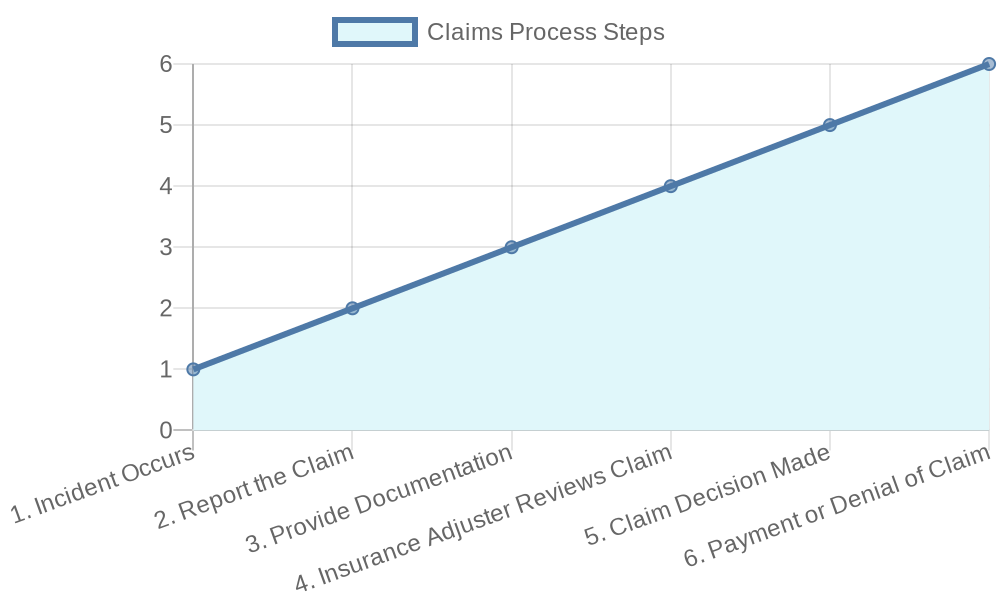
This flowchart outlines the necessary steps:
- Incident Occurs: This is the first step where the insured event takes place.
- Report the Claim: Notify the insurance company as soon as possible.
- Provide Documentation: Ensure all necessary documents are submitted to expedite the process.
- Insurance Adjuster Reviews Claim: The adjuster will evaluate the claim’s details.
- Claim Decision Made: A decision regarding the claim will be reached.
- Payment or Denial of Claim: The final step is the acceptance of the claim and payment or denial.
By following these steps, you can streamline the claims process and avoid potential delays. For more information on insurance aspects related to trucking, learn more here.
In conclusion, understanding and securing adequate insurance coverage for commercial truck rentals is essential for businesses involved in logistics and transportation. As discussed throughout this article, having proper insurance protects companies from potentially devastating financial risks associated with accidents, theft, or damage to rental trucks. The significance of this coverage extends beyond mere compliance; it serves as a safety net that can aid in preserving the integrity of your business operations.
Businesses often face considerable challenges when renting commercial trucks, including the need to provide proof of insurance to rental companies. As highlighted by industry experts, such as those at The Hartford, rental truck insurance not only covers damages to the vehicle and loss of cargo but also includes critical third-party liability claims. Failing to secure this coverage can expose businesses to high out-of-pocket costs and unforeseen liabilities, potentially endangering their financial stability.
Moreover, the latest data underscores the growing demand for commercial truck rental insurance, with the sector witnessing a significant uptick in insurance claims related to rental vehicles. As reported by the Insurance Information Institute, inadequate insurance can lead to substantial costs that could have been mitigated with proper planning and coverage. Thus, it becomes evident that businesses must prioritize understanding their insurance needs, especially when renting vehicles that are vital to their operations.
As you consider how to manage your logistics needs effectively, remember that reaching out for a consultation with insurance professionals can streamline the risk management process. At TruckPlus, we are dedicated to assisting you with your commercial truck rental needs and ensuring you have the right coverage in place. For more information on our services and to discuss your specific insurance requirements, please visit us at Truck Plus.
Taking the necessary steps today to secure your business’s protection ensures a smoother, more successful tomorrow. Don’t let inadequate insurance coverage jeopardize your operations – reach out to us now!