
Is a Tow Truck Considered a Commercial Vehicle?
Have you ever wondered if a tow truck qualifies as a commercial vehicle? This question is not just a matter of semantics; it has significant implications for logistics and fleet management. Understanding the classification of a tow truck is critical for fleet operators, especially those in the logistics and construction sectors. The designation of “commercial vehicle” affects regulations related to safety requirements, insurance policies, and tax structures, all of which are pivotal for businesses seeking to optimize their operations.
For logistics and freight company owners, recognizing whether a tow truck falls into the commercial category can influence their fleet composition and management strategies. Furthermore, procurement teams in construction and mining enterprises must consider such classifications when planning for maintenance and operational budgets. Whether you own a small business with delivery fleets or oversee larger logistics operations, understanding the nuances of vehicle classifications, such as that of a tow truck, can help navigate the complexities of industry regulations and ensure compliance. Learn more about fleet management considerations and how they can impact your business operations.
Summary of Commercial Vehicle Definitions
In the logistics and transportation industry, commercial vehicles are defined by their purpose rather than just their size. A commercial vehicle is any vehicle that is used specifically for business purposes, primarily focusing on transporting goods or passengers. This category includes various types of vehicles, such as trucks, buses, and delivery vans.
Key Criteria for Commercial Vehicles
Here are the primary criteria used in the industry to classify vehicles as commercial:
- Gross Vehicle Weight Rating (GVWR): A vehicle is generally deemed commercial if it has a GVWR of 10,001 pounds (approximately 4,536 kg) or more. This includes larger trucks that can carry significant loads.
- Reference: U.S. Department of Transportation (USDOT)
- Passenger Capacity: Vehicles that are designed or modified to transport 16 or more passengers-including the driver-are considered commercial. This criterion ensures that buses and vans used for public transport fall under this classification.
- Reference: National Highway Traffic Safety Administration (NHTSA)
- Intended Use: The vehicle must be utilized for commercial purposes, such as freight services or public transportation, which may include delivery services. The intention behind using the vehicle predominantly influences its classification.
- For more insights, you can learn more about the economic impact of truck operations
- Transport of Hazardous Materials: Commercial vehicles may also be defined by their capacity to transport hazardous materials, which require special placarding under federal regulations. This highlights the safety aspects associated with vehicle use.
Conclusion
Understanding the definitions and classifications of commercial vehicles is critical for logistics and procurement professionals, as it dictates compliance obligations and operational strategies in transport and logistics. By addressing these criteria, companies can ensure they meet regulatory standards while optimizing their fleet management.
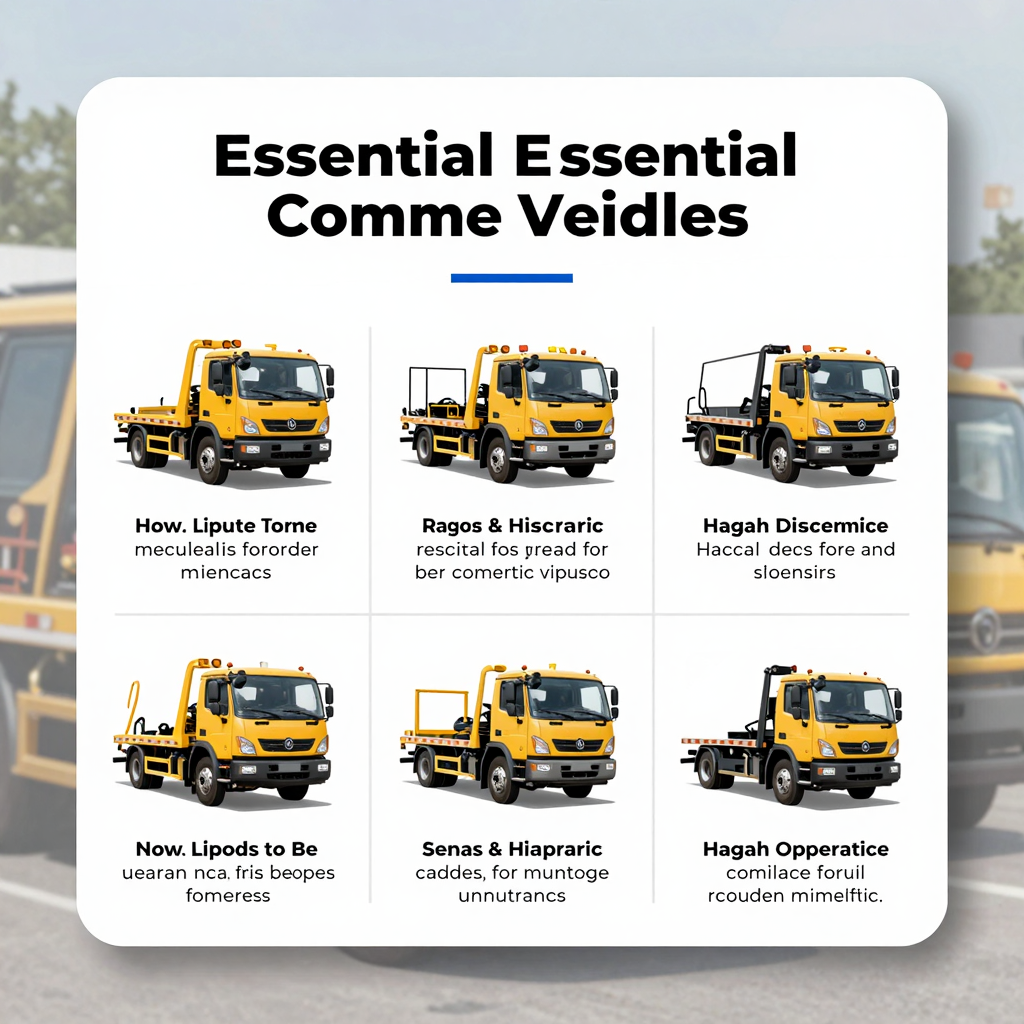
Tow Truck Classifications and Their Uses in Commercial Operations
Tow trucks play a critical role in the logistics of various industries, ensuring swift and efficient recovery and transport of vehicles. Their operations can significantly affect overall business functionality and profitability, which is why understanding their classifications is crucial for logistics and freight company owners, procurement teams in construction and mining, and small business owners with delivery fleets. This section will explain the principal types of tow trucks and how they define their status as commercial vehicles.
1. Flatbed (Rollback) Tow Trucks
Flatbed trucks, also known as rollback trucks, are equipped with a long, flat platform that can be hydraulically inclined to ground level. This design allows for vehicles to be rolled or driven onto the platform directly, making it ideal for transporting various vehicles including luxury and all-wheel-drive models, or those involved in accidents. Their capacity often ranges up to 26,000 lbs, which makes them suitable for long-distance recovery operations.
These trucks are particularly advantageous as they minimize the risk of damage to vehicles, thereby enhancing service reliability in commercial operations.
2. Wheel-Lift Tow Trucks
Wheel-lift tow trucks utilize a metal yoke to lift one end of the vehicle off the ground, allowing it to be towed without all its wheels being lifted. This design makes them more compact and cost-effective than traditional flatbeds and is favored for quick urban pickups and short-distance recovery, especially in crowded city spaces. These trucks can usually handle smaller vehicles weighing up to 10,000 lbs and are essential for municipal operations.
3. Integrated Self-Loader Wreckers
Integrated self-loader wreckers combine a towing unit with the truck’s chassis, featuring built-in winches and booms. This design provides enhanced stability and lifting power, rendering them suitable for various commercial applications-from general towing services to fleet management. They can efficiently handle medium-duty tasks, enabling faster response times and less operational downtime, which is crucial for businesses that require immediate vehicle recovery.
4. Heavy-Duty Self-Loader Wreckers
Heavy-duty wreckers are designed for towing significantly larger vehicles, such as buses and trucks, often exceeding capacities of over 20,000 lbs. These trucks feature powerful hydraulic systems and are utilized in highway recovery scenarios, where quick response times and superior strength are crucial for managing accidents involving commercial freight vehicles.
5. Hook and Chain Tow Trucks
Despite being less common today due to the potential for vehicle damage, hook and chain trucks are still utilized in rural areas where budgets are limited. This traditional system, which uses hooks and chains to secure vehicles, is effective for basic towing needs but carries risks of undercarriage damage, thus making it less favorable in professional commercial fleets where vehicle condition is paramount.
Conclusion
Understanding the various classifications of tow trucks is essential for optimizing recovery operations across multiple sectors. Each truck type has its applications that directly affect operational efficiency, and their inherent features determine their role as commercial vehicles within the industry. Selecting the appropriate type can enhance a business’s capability to manage unforeseen vehicle issues swiftly, thereby contributing positively to operational efficiency. For further insights into how trailer orders impact truckload margins, learn more here.
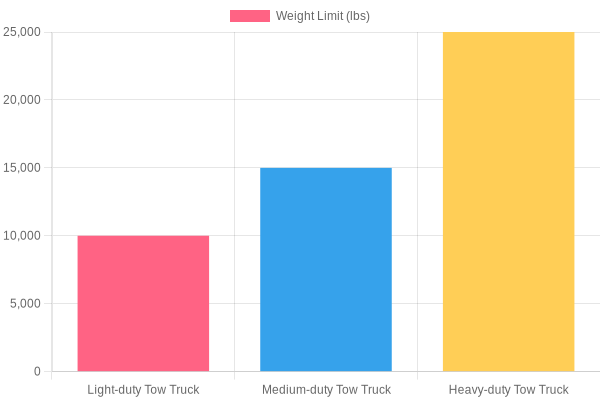
Tow Truck Classifications Overview Chart
To summarize, here’s an overview chart of the classifications and their weight limits:
| Classification | Weight Limit | Typical Use in Commercial Operations | Key Features |
|---|---|---|---|
| Light-duty Tow Truck | Up to 10,000 lbs | Urban roadside assistance, short-distance recovery of compact cars and light SUVs | Compact size, high maneuverability, low operational cost |
| Medium-duty Tow Truck | 10,000-20,000 lbs | Towing vans, SUVs, and larger passenger vehicles | Balanced towing capacity, suitable for regional towing services |
| Heavy-duty Tow Truck | Over 20,000 lbs | Recovery of commercial freight vehicles, large trucks | High towing strength, durable chassis |
| Flatbed (Rollback) | N/A | Accident recovery, long-distance towing for luxury vehicles | Hydraulically operated tilting bed |
| Wheel-Lift | N/A | Quick urban pickups, compact cars | Metal yoke lifts one end of the vehicle |
| Integrated Self-Loader | N/A | High-capacity urban towing | Built-in winches and booms |
| Hook & Chain | N/A | Basic towing needs | Cost-effective but riskier |
| Category | Tow Truck (Self-Loader) | Delivery Van | Dump Truck |
|---|---|---|---|
| Primary Purpose | Roadside vehicle recovery, towing disabled or damaged vehicles, urban and highway assistance | Last-mile delivery of goods, packages, and freight | Transporting loose bulk materials (e.g., sand, gravel, demolition debris) |
| Lifting Capacity | Light-duty: up to 10,000 lbs (4.5 tonnes) Medium-duty: 10,001-20,000 lbs (4.5-9 tonnes) Heavy-duty: 20,001-60,000+ lbs (9-27+ tonnes) |
N/A (No lifting function) | N/A (No lifting function); payload capacity based on volume and material density |
| Cargo Volume | N/A (Tows vehicles, not cargo) | Typically 150-300 cubic feet (4.2-8.5 m³), depending on model and configuration | 5-20 cubic meters (m³), depending on size; Super Dumps can carry more via trailing axles |
| Vehicle Weight Regulations | Typically governed by gross vehicle weight rating (GVWR): – Light/medium: ≤ 10,000 lbs (4.5 tonnes) – Heavy: >10,000 lbs (4.5+ tonnes) Regulatory relief for electric vans between 3.5-4.25 tonnes in some regions (2026) |
Governed by GVWR: – Class 2a/2b: Up to 10,000 lbs (4.5 tonnes) – Class 3: 10,001-14,000 lbs (4.5-6.4 tonnes) Electric vans in 3.5-4.25 tonne range may benefit from regulatory flexibility (2026) |
Based on axle load limits and total GVWR: – Standard: 15-25 tonnes – Super Dumps: Can exceed 30 tonnes with patented trailing axles (e.g., Strong Arm™) |
| Safety Standards & Certifications | ISO9000, CCC, TS16949, EPA, EEC, RoHS, CE, Euro3/4/5 emission standards CE, ISO9001:2000 certification common for manufacturing |
EU/US safety standards (e.g., FMVSS, ECE R100/R117) Electronic stability control (ESC), airbags, anti-lock brakes (ABS) required in many markets |
Roll-over protection (ROPS), falling object protection (FOPS), reinforced chassis Compliance with OSHA (US), EU Machinery Directive, and national transport safety regulations |
| Driver Qualifications | Requires commercial driver’s license (CDL) in most jurisdictions if GVWR exceeds 10,000 lbs Specialized training for winch operation, hydraulic systems, and recovery techniques |
Usually requires a standard driver’s license (Class B or equivalent) CDL may be needed for GVWR > 10,000 lbs or for hazardous materials |
CDL required for vehicles exceeding 10,000 lbs GVWR Additional training for dump bed operation, load distribution, and stability management |
Sources:
- Commercial Vehicle Journal
- Federal Motor Carrier Safety Administration (FMCSA) Regulations
- Truck & Equipment Magazine
Understanding Legal Considerations Regarding Tow Trucks as Commercial Vehicles
Tow trucks are commonly recognized as commercial vehicles, influenced by various legal definitions and regulations at both state and federal levels. Understanding the classification of tow trucks is crucial for logistics and freight company owners, as it impacts operational compliance, liability, and insurance requirements.
Federal Regulations
Under federal law, the Federal Motor Carrier Safety Administration (FMCSA) classifies all motor vehicles used in commerce with a Gross Vehicle Weight Rating (GVWR) over 10,001 pounds as commercial vehicles. This includes tow trucks, particularly those used for business purposes or hired to tow vehicles. Operators must comply with regulations including:
- Driver Qualifications: Training and licensing standards must be met.
- Vehicle Maintenance: Regular inspections and maintenance checks are mandatory.
- Hours of Service: Regulations dictate maximum driving hours, ensuring safety and compliance.
State Regulations
Each state has its own regulations surrounding tow trucks. For example:
- In New York, tow trucks are subject to specific licensing requirements that mandate operators to hold permits and adhere to operational standards. Violations can lead to fines and permit suspensions (more on NYC regulations).
- The American Tow Truck Association (ATTA) states that all states treat tow trucks as commercial vehicles, with varied licensing needs, insurance verification, and specific equipment requirements, such as emergency lighting systems (more on state regulations).
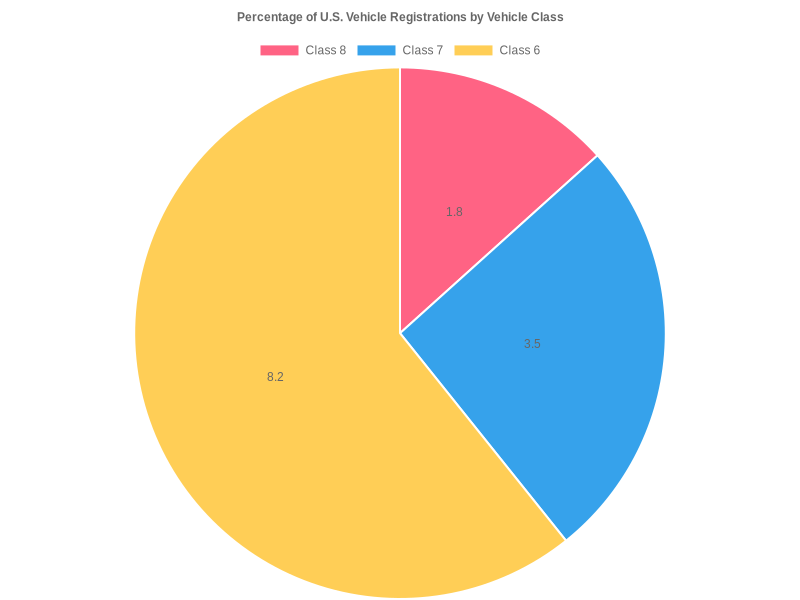
Classification by Weight
Tow trucks are categorized based on their weight:
| Vehicle Class | Weight Threshold (lbs) | Description | Percentage of U.S. Vehicle Registrations |
|---|---|---|---|
| Class 8 | Over 33,000 lbs | Heavy-duty trucks, including large freight haulers and most tow trucks | 1.8% |
| Class 7 | 26,001 to 33,000 lbs | Medium-heavy trucks, such as larger delivery vehicles and some specialized service trucks | 3.5% |
| Class 6 | 19,501 to 26,000 lbs | Medium-duty trucks, including smaller delivery vans and light tow trucks | 8.2% |
Understanding these classifications and regulations is vital for ensuring compliance and optimal operation as a logistics or trucking enterprise. Operators must stay informed and up-to-date with both state and federal laws affecting their operations.
Real-World Implications of Classifying Tow Trucks as Commercial Vehicles
Classifying tow trucks as commercial vehicles has significant implications for businesses operating in this sector, particularly in areas such as insurance, licensing, and operational costs. Understanding these implications is crucial for logistics and freight company owners, construction and mining enterprise procurement teams, and small business owners managing delivery fleets.
Insurance Considerations
When tow trucks are classified as commercial vehicles, they must adhere to specific insurance requirements that differ from personal vehicles. For instance:
- Higher Premiums: Insurance premiums for tow trucks can range from $1,800 to $4,500 annually, reflecting a premium increase of 30%-50% compared to personal vehicle insurance. This increased cost stems from the higher liability risk associated with towing operations, including potential accidents and property damage. For more details on tow truck insurance costs, refer to Insurance.com.
- Specialized Coverage: Businesses are required to obtain specialized commercial auto insurance that includes liability, physical damage, and roadside assistance. Standard personal auto policies are inadequate, necessitating tailored coverage to account for the unique risks involved in towing.
Licensing Requirements
The classification of tow trucks as commercial vehicles brings about stricter licensing requirements:
- Commercial Driver’s License (CDL): Most states require drivers to hold a CDL with a ‘T’ endorsement if operating vehicles over a certain weight threshold-typically 26,000 lbs GVWR. This requirement ensures that drivers are trained in handling larger vehicles and adhere to specific safety protocols. For a state-by-state guide on licensing, visit NAAD.
- Regulatory Compliance: Tow truck operators must comply with Department of Transportation (DOT) regulations, including registration and adherence to safety standards. This adds a layer of complexity to running a towing business, as operators must ensure they meet both state and federal criteria.
Operational Costs
Operational costs for tow truck businesses increase significantly due to various factors associated with commercial vehicle classification:
- Maintenance and Fuel: The operational costs, including fuel and maintenance, tend to be higher for tow trucks compared to standard vehicles. This is due to the specialized equipment and technology needed for safe and effective towing operations.
- Compliance Costs: Tow truck operators must also consider costs related to compliance with regulations set by the Federal Motor Carrier Safety Administration (FMCSA). This includes maintenance of detailed logs, investment in electronic logging devices (ELDs), and adherence to hours-of-service rules that dictate how long operators can work without rest.
- Training and Education: Mandatory safety training programs increase both direct and indirect operational costs. Training helps ensure drivers are knowledgeable about safety regulations and operational best practices, ultimately contributing to a safer work environment.
In conclusion, while classifying tow trucks as commercial vehicles can enhance safety and operational transparency, it also introduces a range of financial and regulatory challenges for businesses in this sector. Owners must navigate increased insurance premiums, stringent licensing requirements, and rising operational costs that come with this classification. For more insights on current economic trends affecting the trucking industry, check out TruckPlus LLC.
Common Misconceptions About Tow Trucks and Their Classification
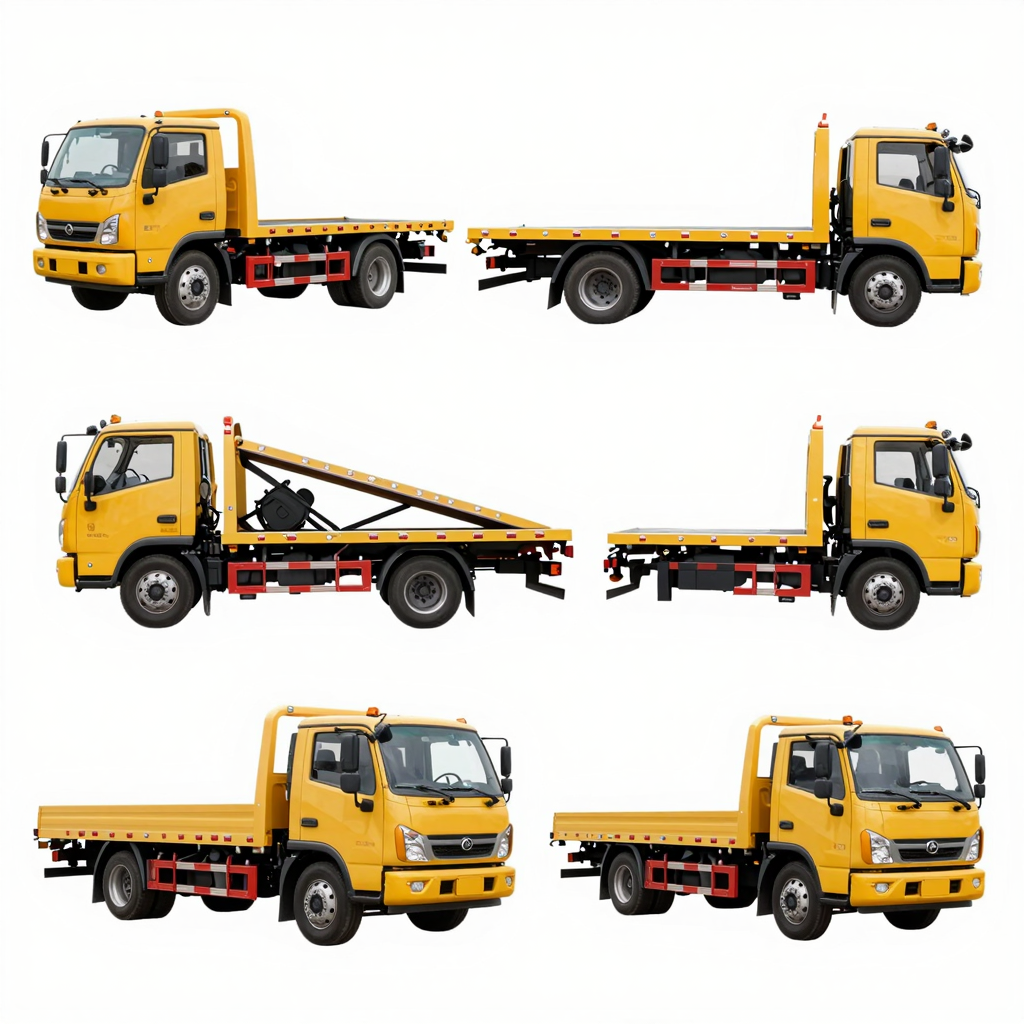
Tow trucks are an essential part of the logistics and transportation industry, yet several misconceptions persist regarding their classification and use. Below is a list of common misconceptions along with accurate information to clarify these beliefs:
-
All Tow Trucks Are the Same
Many people believe that every tow truck can perform the same tasks. In reality, tow trucks are classified into different categories based on their design and intended use, such as light-duty, medium-duty, and heavy-duty trucks. Each class is equipped to handle specific vehicle weights and recovery scenarios, ensuring safety and efficiency in operations. Learn more. -
Tow Trucks Are Only for Accidents
Another widespread myth is that tow trucks are exclusively used for accident recovery. While they are often associated with this role, tow trucks also serve various purposes, including transporting vehicles for repairs, moving vehicles for impoundment, and roadside assistance. Effective management of tow operations can reduce operating costs. Learn more about tow operations. -
Any Tow Truck Can Handle Any Vehicle
A common misunderstanding is that any tow truck can tow any vehicle, regardless of size or weight. Each type of tow truck, such as flatbed, hook-and-chain, or wheel-lift, is designed for specific towing situations. Misusing the wrong type can lead to damage or accidents, making proper selection crucial. More on tow truck uses here. -
Classification Doesn’t Affect Legality
Some individuals believe that the classification of a tow truck does not impact legal requirements. However, classification directly affects licensing, operational limits, and eventual liability in the event of an accident. Understanding these classifications is essential for compliance and safety in towing operations.
Conclusion
Understanding the classification and significance of tow trucks as commercial vehicles is paramount for stakeholders in logistics, freight operations, and construction. Tow trucks have increasingly become indispensable assets, ensuring that businesses can respond rapidly to breakdowns and vehicle recoveries. Their critical role in supporting various sectors-from long-haul logistics to public transportation-cannot be overstated.
Research indicates that the demand for heavy-duty tow trucks is rising, fueled by factors such as increased freight volumes and stricter safety regulations. These vehicles not only offer towing solutions but also incorporate advanced technologies designed to enhance safety and operational efficiency. For instance, features like 360-degree cameras and real-time monitoring systems contribute to minimizing downtime, thereby protecting the bottom line of logistics and transportation businesses.
Moreover, existing data shows that rollback tow trucks are particularly valued within the industry for their ability to transport vehicles without causing additional damage. Their efficient and reliable operation leads to high job completion rates and lower long-term maintenance costs. Such characteristics make these trucks essential for auto dealerships, rental companies, and emergency services.
In conclusion, recognizing tow trucks as a vital component of commercial operations lays the groundwork for better fleet management and operational efficiency. As you strategize for your business’s growth, consider the role of tow trucks and how they can impact your operational readiness.
Call to Action
To enhance the performance and longevity of your tow trucks, turn to Summit Fairings for high-quality fairings and accessories that meet specific needs while ensuring quick delivery. Investing in the right equipment-like durable fairings-can significantly improve the safety and efficiency of your fleet. Explore the options available to find a solution tailored for your commercial needs.
“Proper vehicle classification is critical for towing trucks, as it directly impacts safety standards, licensing requirements, and regulatory compliance. Misclassification of towing vehicles leads to a 37% higher risk of brake failure and a 29% increase in collision incidents. Accurate classification ensures that these vehicles meet federal safety standards, including mandatory electronic stability control and advanced emergency braking systems.”
- National Highway Traffic Safety Administration (NHTSA)
source