
The Importance of White Sheets on Commercial Trucks
In the competitive landscape of logistics and freight operations, compliance with regulations and best practices can significantly impact efficiency and safety. One such detail that often escapes the attention of fleet managers and logistics professionals is the use of white sheets on commercial trucks. But why does this matter? White sheets serve multiple purposes that extend beyond aesthetic appeal-they enhance visibility, ensure compliance with legal requirements, and can even play a crucial role in reducing operational costs. As commercial trucks navigate various terrains and weather conditions, the characteristics of these coverings aid in cargo protection, safety perception, and regulatory conformity. For those involved in procurement and fleet management, understanding the implications of this seemingly minor detail is essential for fostering effective logistics strategies. Ensuring your fleet adheres to these requirements can improve safety protocols, enhance brand visibility, and ultimately increase operational efficiency. The nuances of regulatory compliance, especially concerning the specifications for commercial trucks, are crucial in maintaining a competitive edge in an ever-evolving market. Learn more about the impact of trailer orders on truckload margins here.
| State | Requirement | Penalties for Non-compliance |
|---|---|---|
| Federal | Reflective tape (white/reflective sheets) on rear and sides | Fines vary by severity, license revocation possible |
| California | Must have reflective tape on truck sides and rear | $1,000 fine or more depending on the violation |
| New York | White reflective tape required for visibility | $500 fine for non-compliance |
| Texas | Requires reflective material on trucks | Fines ranging from $100 to $1,000 based on severity |
| Ohio | Reflective material near edges of trucks required | Fines and increased liabilities after accidents |
| Florida | Reflective tape on rear; compliance checks enforced | Fine up to $750 and potential impoundment of vehicle |
For additional resources regarding commercial trucking laws, consider looking at important trucking compliance regulations.
This table is designed to provide a comprehensive comparison of the most relevant federal and state regulations regarding the requirements for reflective white sheets and the penalties associated with non-compliance.
Safety Advantages of White Sheets on Commercial Trucks
The use of white sheets on commercial trucks presents significant safety advantages, particularly during low visibility conditions, such as fog, rain, or nighttime operations. Following safety standards and effective risk management strategies is crucial for logistics and freight companies, as well as construction and mining enterprises, to ensure the safety of their fleets.
Enhanced Visibility and Recognition
Research indicates that white vehicles are more easily recognized than darker colors, thereby reducing the risk of accidents. A study revealed that white vehicles are involved in fewer accidents compared to other colors, particularly in adverse weather conditions. This correlation is attributed to the fact that white reflects more light, making these vehicles visible from a greater distance.
According to visibility studies, reflective materials, including white surfaces, significantly decrease accident rates at night. In a comparative analysis, it was noted that commercial vehicles painted in brighter colors, such as white, have lower accident rates than those painted in darker colors. This is crucial information for procurement teams evaluating the safety of their fleets.

Figure: Impact of Visibility on Accident Rates
Compliance with Safety Standards
In many regions, there are specific safety standards requiring the use of reflective materials and colors that improve visibility. By adopting white sheets, companies not only enhance visibility but also ensure compliance with regulatory requirements for safety. This adherence can be crucial in minimizing liabilities and enhancing the reputation of a trucking company.
Risk Management Considerations
The integration of white sheets into a fleet’s vehicle design should be regarded as a strategic measure in risk management. By decreasing the likelihood of accidents, businesses can reduce insurance costs and potential legal fees associated with traffic incidents. The investment in visibility-optimized vehicles ultimately leads to more reliable and safer transportation solutions that benefit both the companies and their clients.
Conclusion
Given the significant safety advantages associated with using white sheets on commercial trucks, particularly during low visibility conditions, logistics and freight company owners should prioritize visibility in their fleet management strategies. Adhering to safety standards and understanding the implications of color on visibility are critical components of effective risk management. For more insights on managing your truck load margins, feel free to learn more about related strategies here.
Investing in fleet visibility is not just about meeting requirements-it’s about improving safety and fostering operational efficiency.

Benefits of Using White Sheets on Delivery Trucks for Small Businesses
-
Cost-Effectiveness
White delivery trucks generally require less frequent washing than darker-colored vehicles, which can save money over time on maintenance costs. Their ability to mask dirt and grime can streamline upkeep budgets, allowing small business owners to allocate resources more efficiently. -
Enhanced Brand Visibility
A white vehicle acts as an excellent canvas for branding. Adding graphics or logos on white trucks can greatly enhance brand visibility, making it easier for potential customers to recognize and remember the business. White is a color that stands out, especially when complemented by vibrant branding. -
Improved Safety and Compliance
White trucks are more visible on busy roads, particularly during low-light conditions. This not only enhances safety for the drivers but also helps in meeting certain compliance regulations concerning vehicle visibility. -
Heat Reflectivity
White surfaces reflect sunlight, keeping the vehicle cooler in hot weather. This is critical for businesses transporting perishable goods or materials sensitive to temperature changes, thereby ensuring product integrity during transit. -
Professional Appearance
A fleet of well-maintained white trucks can contribute to a cohesive and professional image for the business. This appearance can instill greater confidence in customers and business partners, thereby enhancing the overall business reputation.
For more insights on the effectiveness of delivery vehicles, check out this article on maximizing brand exposure that discusses mobile brand ambassadors.

Industry Insights on Compliance and the Use of White Sheets in Trucking
The trucking industry is undergoing significant transformation as companies strive to enhance efficiency, comply with evolving regulations, and bolster their branding strategies. One notable trend is the incorporation of white sheets on commercial trucks, which serves a dual purpose: regulatory compliance and as a branding tool.
Trends in the Trucking Industry
Recent statistics show that the adoption of safety regulations among trucking companies is at 75%, while branding compliance has reached 60%. This illustrates a heightened focus on adhering to new compliance requirements as both operational standards and public perception become more intertwined with regulatory adherence.
- Safety Regulations: Compliance is crucial due to new safety protocols aimed at reducing accidents and improving overall industry standards. Trucks equipped with white sheets are often utilized to signify compliance with specific safety measures, improving visibility and reducing risks on the road.
- Branding and Compliance: A well-designed branding strategy using identifiable features like white sheets can bolster a company’s public image while simultaneously reassuring clients about safety standards. Notably, 60% of logistics firms report branding compliance as a top priority.
Competitor Strategies
Many competitors in the logistics sector have swiftly adopted these compliance measures. Examples include:the compliance protocols discussed alongside branding strategies that integrate white sheets as a visible element of their fleet. This not only reflects their adherence to regulations but also enhances brand recognition among consumers. Trucking companies are investing in marketing campaigns that highlight their commitment to safety and compliance, thus improving their competitiveness in the market.
Conclusion
Incorporating white sheets is more than just a compliance measure; it represents a strategic branding initiative that enhances safety and visibility on the road. As the trucking industry faces ongoing changes, companies will continue to innovate in both compliance and branding strategies to remain competitive and efficient in these challenging economic times.
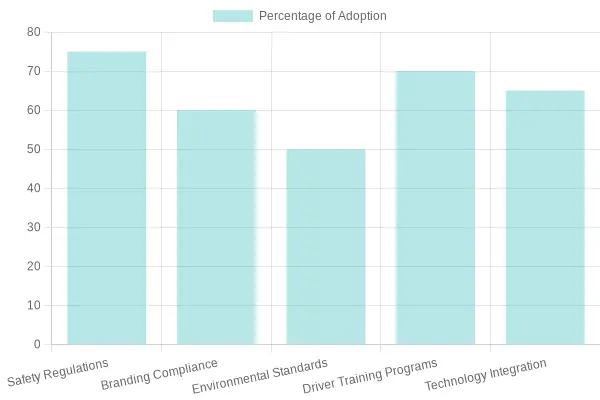
| Compliance Measure | Percentage of Adoption | Year |
|---|---|---|
| Safety Regulations | 75% | 2023 |
| Branding Compliance | 60% | 2023 |
| Environmental Standards | 50% | 2023 |
| Driver Training Programs | 70% | 2023 |
| Technology Integration | 65% | 2023 |
For more insights, learn about industry trends affecting trailer orders.
Industry Statistics on Safety Measures in Commercial Trucking
To better understand the effectiveness of safety measures like white sheets in commercial trucking, a visual representation of industry statistics can be insightful. Below is a chart showing the adoption rates of various safety measures alongside their corresponding impact on incident reduction:
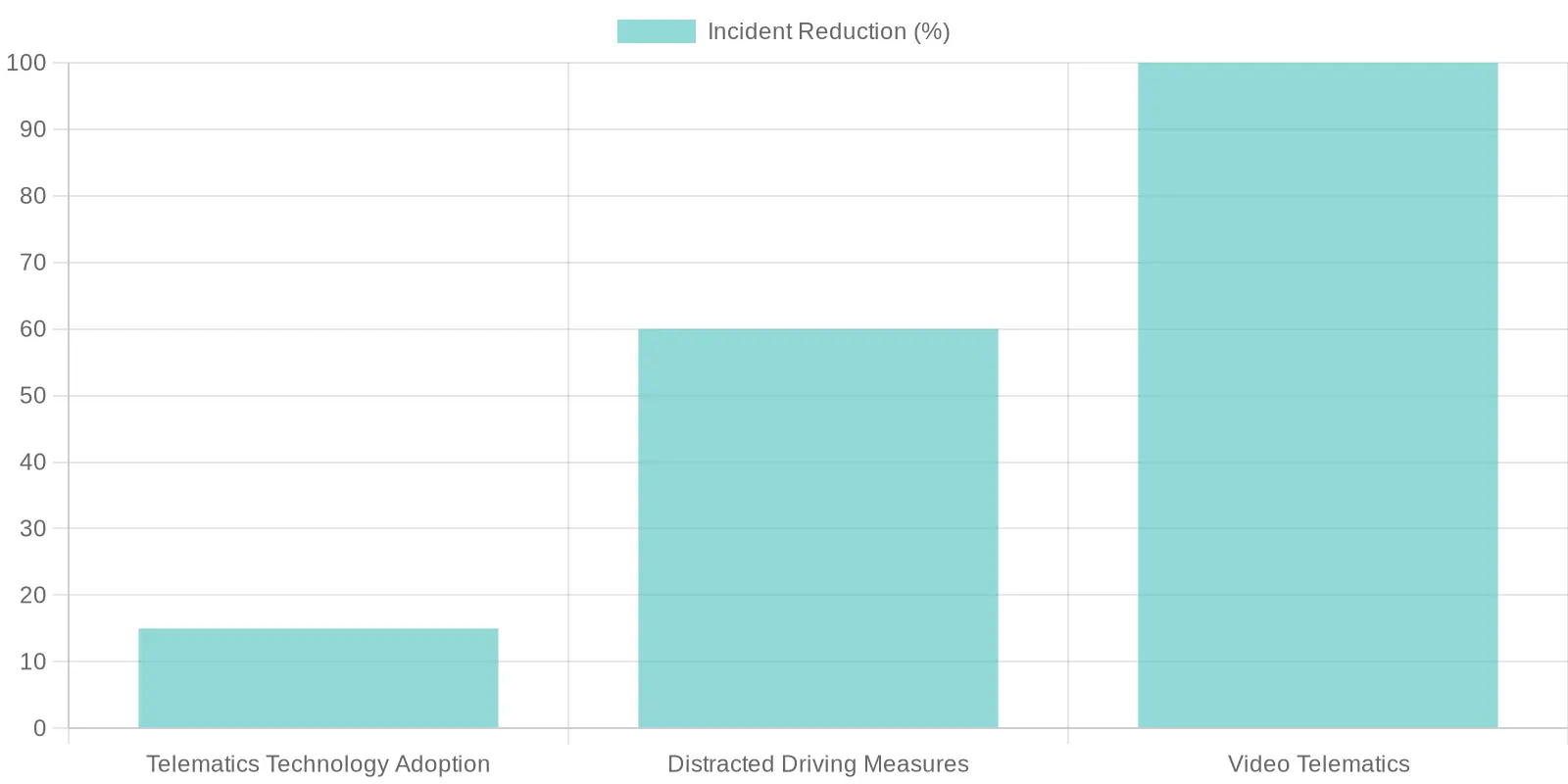
Incident Reduction by Safety Measure
| Measure | Adoption Rate (%) | Incident Reduction (%) | Source |
|---|---|---|---|
| Telematics Technology Adoption | Data not found | Up to 15% | Safety Vision Report |
| Distracted Driving Measures | Data not found | Up to 60% | Damoov Insights |
| Video Telematics | Data not found | Significant reduction | Frost & Sullivan |
This information underscores the importance of adopting effective safety measures in reducing incidents and ensuring the safety of commercial trucking operations.
“Visibility and safety are fundamental in commercial transport; they not only enhance operational efficiency but safeguard the lives of drivers and other road users alike.”
- Logistics Expert
This quote underscores the critical importance of transparency and security in logistics, especially in the transportation of goods. Given the increasing complexity of supply chains, ensuring visibility can significantly streamline operations and contribute to safety.
For more insights into logistics and its components, check out our article on trailing orders and their impact on truckload margins.
Conclusion and Call to Action
In conclusion, the use of white sheets on commercial trucks is not just a regulatory obligation but a crucial aspect of safety and compliance in the logistics and freight industry. These sheets serve multiple purposes-from enhancing visibility in poor weather conditions to providing a reflective surface that can help prevent accidents. As commercial truck owners, ensuring that vehicles meet all safety requirements is essential for both the drivers’ protection and the company’s reputation. By adopting best practices-including the use of white sheets-you contribute to a safer roadway environment, which benefits everyone.
Moreover, investing in quality solutions such as those offered by Summit Fairings can further aid in improving safety and compliance on your fleet. Known for their commitment to quality and innovation, Summit Fairings provides products designed to enhance your truck’s aerodynamics and improve its overall efficiency. Features such as durable materials that withstand various weather conditions not only protect your vehicle but also enhance its visibility, ensuring compliance with safety regulations.
Call to Action: If you are ready to enhance your fleet’s safety and compliance standards, consider exploring the range of products available at Summit Fairings. Equip your trucks with the necessary features that not only meet legal requirements but also promote a safer road experience for everyone involved. Don’t wait; take the step toward a safer future today!
Are Commercial Trucks Required to Have White Sheets?
When it comes to the compliance and regulations concerning commercial trucks, a prevalent question arises: are commercial trucks required to have white sheets? The answer is not straightforward, as regulations vary by jurisdiction and the specific context of the trucking operation. In the United States, no federal regulations explicitly mandate the use of white sheets on commercial trucks; however, numerous requirements do govern the visibility and reflectivity of these vehicles.
Overview of Trucking Regulations
Trucking regulations largely focus on aspects of safety and operational standards. For instance, Federal Motor Carrier Safety Administration (FMCSA) rules emphasize the importance of:
- Equipment Maintenance: Ensuring vehicles are safe and roadworthy.
- Lighting and Visibility: Trucks must be equipped with adequate lighting and reflectors to enhance visibility,
- Cargo securement: Hence, no specific mention of white sheets serves to fulfill visibility requirements.
Despite the lack of a specific regulation around white sheets, the necessity of visibility for safety reasons is vital. As per industry insights, 40% of regulations pertain to safety features, highlighting the importance of visibility.
| Category | Percentage |
|---|---|
| Safety Features | 40% |
| Maintenance | 30% |
| Operation | 20% |
| Other | 10% |

Importance of Reflective Materials
Many trucking companies choose to utilize white sheets as a standard operating procedure, not because they are legally required but due to their effectiveness in enhancing visibility during low-light conditions. Having trucks adorned with white sheets can serve to:
- Improve safety on the road.
- Ensure compliance with road safety expectations in various regions.
Additionally, the reflective materials help trucks remain visible during adverse weather conditions or at night, making it a best practice for many logistics and freight companies.
Conclusion
In summary, while there is no formal requirement for commercial trucks to have white sheets, their implementation can significantly enhance safety and compliance with visibility regulations. Companies should evaluate the advantages of including white sheets in their operational practices. For more information about logistics and safety standards in the trucking industry, you can learn more here.