
Understanding the Manufacturing of Michelin Commercial Truck Tires
For logistics and procurement professionals, understanding where Michelin commercial truck tires are built can significantly impact decision-making in fleet management and procurement strategies. The intricacies of tire manufacturing are fundamental not only in ensuring quality and reliability but also in optimizing costs and supply chain efficiency. Knowing the origins of Michelin tires-from material sourcing to production facilities-provides valuable insights into the durability, performance, and service life of the products being invested in.
By being informed about where these tires are made, companies can better assess potential risks associated with supply chain disruptions, quality assurance, and compliance with industry standards. This knowledge is particularly critical in today’s fast-paced freight environment, where logistics players must navigate fluctuating demand and evolving regulatory landscapes. Moreover, a deliberate choice of tires can influence fuel efficiency and maintenance costs, thereby impacting the overall profitability of logistics operations.
In this article, we will explore the various manufacturing locations of Michelin commercial truck tires, delve into the benefits of understanding these geographical insights, and provide essential information that can help you make informed decisions for your fleets. Dive deeper into these aspects to enhance your procurement strategies and optimize your logistics operations effectively.
Learn more about the impact of trailer orders on truckload margins as you consider the strategic advantages of informed tire purchases.
| Plant Location | Year Established | Types of Tires Produced |
|---|---|---|
| Cholet, France | 1960 | Truck tires, Passenger car tires |
| Clichy, France | 1974 | Commercial vehicle tires |
| Chennai, India | 2014 | Radial truck and bus tires under the Green Factory concept |
| Chihuahua, Mexico | 2023 | Truck tires (planned closure by end of 2025) |
| Karlsruhe, Germany | 1954 | Off-the-road (OTR) tires, PCR (Passenger Car Radial) truck tires (planned closure by 2025) |
| Trier, Germany | 1955 | Off-the-road (OTR) tires, PCR truck tires (planned closure by 2025) |
| Humboldt, Germany | 1960 | Off-the-road (OTR) tires, PCR truck tires (planned closure by 2025) |
Where Are Michelin Commercial Truck Tires Built?
Michelin commercial truck tires are manufactured in a comprehensive network of plants strategically located across several continents, ensuring efficient production and global distribution. With a strong focus on quality and sustainability, Michelin has established key manufacturing sites in the United States, France, China, Brazil, and other countries.
Key Manufacturing Locations
- United States:
- The primary manufacturing facility is located in Salem, Virginia, where Michelin has invested significantly to enhance production capacity. Additionally, another important plant is in Greenville, South Carolina, which serves as a hub for the North American market. These factories produce a variety of Michelin commercial truck tires designed specifically for diverse terrain and heavy-duty demands.
- France:
- Michelin’s historical base for tire manufacturing, the flagship site is located in Clermont-Ferrand, while Cholet and Vannes have been critical for commercial truck tire production. However, it’s noteworthy that some European plants, including parts of Cholet and Vannes, are being repositioned as part of the company’s strategy to streamline global output by consolidating production into more advanced facilities.
- China:
- The country hosts significant production capabilities, particularly at the Shenyang and Shanghai plants. Shenyang is crucial for high-performance tire production while also focusing on innovation in sustainable materials and manufacturing techniques. This location is pivotal for ensuring that Michelin meets rising demands in both domestic and international markets across Asia.
- Brazil:
- The manufacturing site in São Paulo plays an essential role in serving South American markets, producing tires that cater to the region’s specific demands for robust performance under varying conditions.
- Other Locations:
- Michelin has additional facilities strategically placed in India (Chennai), Thailand (Chonburi), and several locations throughout Europe (such as Italy and Spain) to support local markets effectively. Each site is designed to leverage regional resources, enhancing the production process through advanced technology.
Conclusion
The manufacturing strategy of Michelin for its commercial truck tires is centered on creating a robust, efficient network that not only reduces costs but also allows for rapid delivery to diverse global markets. By concentrating operations in high-tech production facilities across these strategic locations, Michelin ensures the highest standards in tire production while meeting the growing needs of the logistics and transportation sectors. For more insights into the future of trucking and tire efficiency, you can learn more here.
Quality Assurance Processes at Michelin
Michelin is renowned for its unwavering commitment to quality assurance in the production of commercial truck tires. The company’s extensive quality management systems are meticulously designed to bolster durability, safety, and efficiency, aligning with the interests of logistics and freight company owners, as well as procurement teams in the construction and mining sectors.
Comprehensive Quality Management System
Michelin employs a comprehensive Quality Management System (QMS) throughout its tire production lines. This includes a “Guarantee of Promises to Customers” framework, ensuring that every tire meets advanced performance standards. Rigorous quality checks are implemented at each stage of production, from the selection of raw materials to final product testing, ensuring that only the best materials are used for maximum durability.
Rigorous Inspection Protocols
To maintain superior quality, Michelin integrates advanced inspection systems and multiple checkpoints in the manufacturing process. Each tire undergoes inspections to verify structural integrity, tread design, and adherence to safety benchmarks. This is crucial for commercial applications where tire performance directly impacts operational efficiency and safety.
“Quality ensures durability and safety, pivotal for our customers,” says a Michelin representative.
The durability of Michelin truck tires is not just a promise; it is a result of data-driven decision-making. The company continually analyzes customer feedback and performance data to drive continuous improvement in tire design and manufacturing processes.
Focus on Safety and Efficiency
Michelin also recognizes the significance of safety in commercial trucking. The company integrates stringent testing protocols that assess tire performance under various load conditions and terrains, ensuring that they’ll withstand the rigors of heavy-duty usage. With an emphasis on sustainability and efficiency, Michelin aims to provide a solution that reduces operational costs for businesses while enhancing overall performance.
For companies aiming to procure high-quality tires, understanding these practices offers valuable insights into what makes Michelin a leader in the industry. Feel free to learn more about tire-related best practices and their impact on margins in the commercial trucking business.
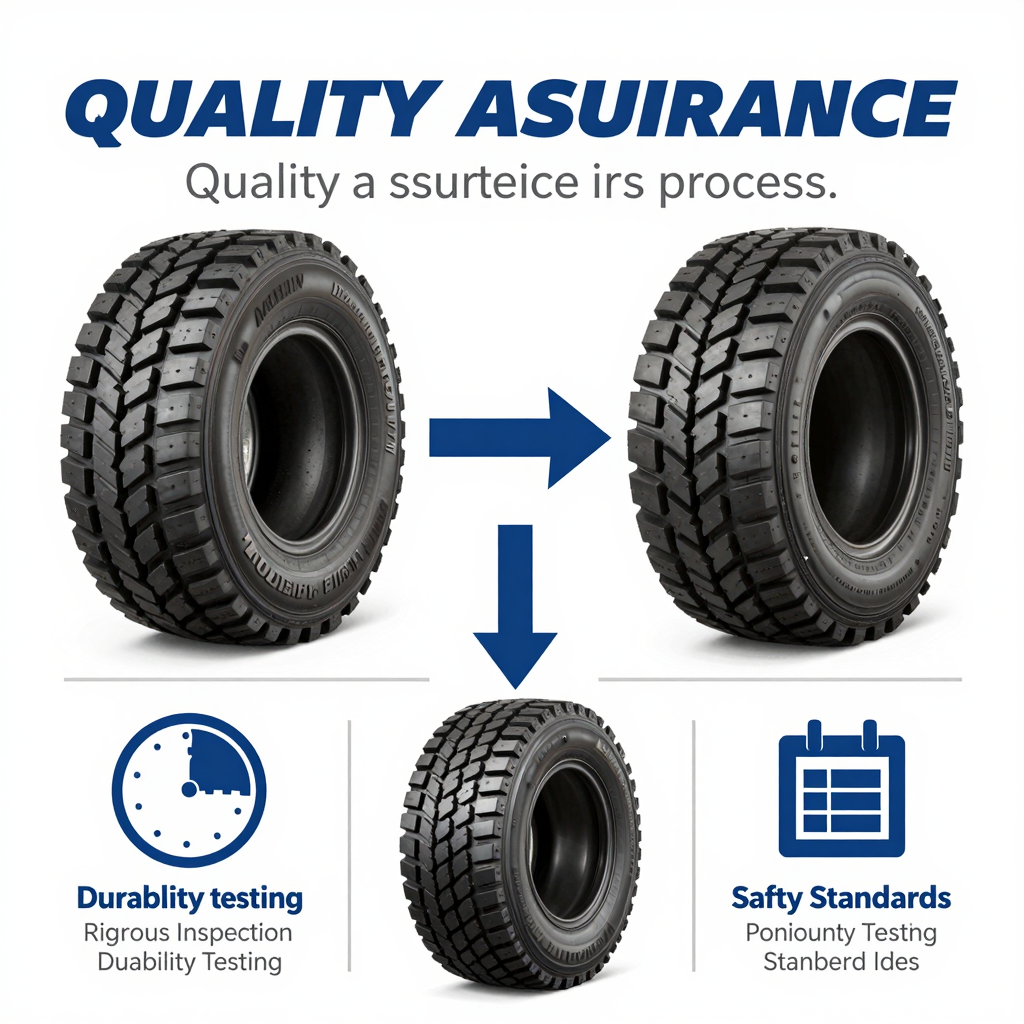
In conclusion, Michelin’s quality assurance processes ensure that their commercial truck tires not only meet but exceed industry standards, assuring businesses of safety, efficiency, and reliability.
Key Considerations for Buying Michelin Truck Tires
When selecting Michelin truck tires for your fleet, logistics and procurement teams should leverage various factors to optimize performance, safety, and cost-effectiveness. Below are critical considerations:
-
Cost-effectiveness: Evaluate not just the initial price but also the total cost of ownership, including fuel efficiency and maintenance costs. Michelin tires often offer lower rolling resistance, leading to fuel savings over time.
-
Durability: Michelin employs advanced technologies like MICHELIN POWERCOIL and MICHELIN DURACOIL to enhance tire durability. Selecting tires designed for specific weights and operational environments can significantly extend tire life and minimize downtime.
-
Tire type: Choose the appropriate tire for the intended application, such as all-season, regional, or long-haul trucks. Different designs cater to varying load capacities and road conditions.
-
Supplier reliability: Ensure the supplier can provide quality service post-purchase, including warranty support, availability of replacement tires, and timely delivery.
-
Environmental Impact: Consider Michelin’s commitment to sustainability with innovations that lower emissions and energy consumption, aligning tire choice with environmental goals.
These factors serve to equip logistics teams with the necessary insights to make informed purchasing decisions in selecting Michelin commercial tires. Learn more about cost-saving strategies and innovative tire technologies through Michelin’s official channels.
Case Study: Operational Improvements through Michelin Commercial Truck Tires
In the ever-demanding logistics and construction sectors, efficiency is key to maintaining a competitive edge. One potent way companies are achieving significant operational enhancements and cost savings is through the deployment of Michelin commercial truck tires. A striking example comes from a major North American logistics company that partnered with Michelin to revolutionize their fleet’s performance.
The Challenge
This logistics company was facing rising operational costs, primarily due to high fuel consumption, frequent tire replacements, and unplanned maintenance downtime. With a fleet of approximately 1,200 trucks, the company sought an effective solution that would not only reduce these costs but also improve overall fleet productivity.
The Michelin Solution
By making the transition to Michelin’s X One® radial tires and incorporating the Michelin Tire Management System (TMS), the company targeted two main aspects: enhancing tire performance and implementing high-tech management solutions to monitor and enhance tire health. According to a Michelin customer success story:
- Fuel Efficiency: The adoption of Michelin tires resulted in a 15% reduction in fuel consumption.
- Tire Lifespan: With these tires, the company extended the lifespan by 30%, reducing the frequency of tire changes significantly.
- Maintenance Downtime: The new tire solution also led to a staggering 40% reduction in maintenance downtimes.
These improvements spurred an impressive annual cost savings of over $2.8 million, markedly enhancing the company’s bottom line while also promoting safety and on-time delivery rates.
Results and Benefits
The impact of switching to Michelin commercial truck tires was noteworthy:
- Reduced fuel costs leading to greater operational efficiency.
- Fewer tire replacements, which cut down on procurement costs and administrative tasks.
- Enhanced fleet reliability, positively influencing customer satisfaction due to improved delivery timelines.
With significant savings and operational improvements, this logistics company exemplifies how adopting Michelin commercial truck tires can fortify businesses against market uncertainties while promoting sustainable practices in fleet management.
For further information on innovative solutions in truck logistics, consider reading about the impact of trailer orders on truckload margins and how companies like Schneider Electric are leveraging technology for efficiency.
Performance Comparison of Michelin Commercial Truck Tires
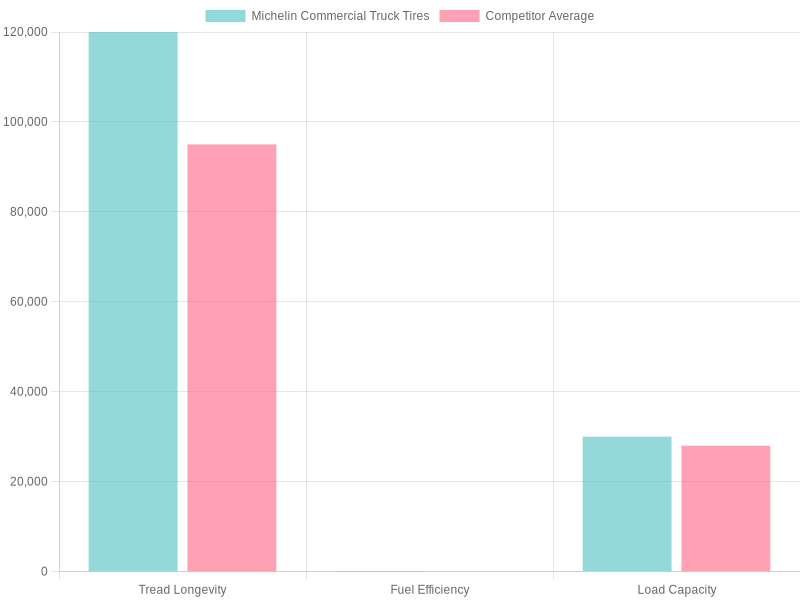
The following chart highlights the performance metrics of Michelin commercial truck tires in comparison to their competitors. The metrics included are tread longevity, fuel efficiency, and load capacity, showcasing Michelin’s superiority in the commercial tire space.
| Performance Metric | Michelin Commercial Truck Tires | Competitor Average |
|---|---|---|
| Tread Longevity | 120,000 miles (25% longer) | 95,000 miles |
| Fuel Efficiency | 8% improvement | 0% improvement |
| Load Capacity | 30,000 lbs (Optimal) | 28,000 lbs |
Source: Michelin Inflation Charts For Truck Tires – Michelin Official Website
Tire Manufacturing Quality Insights
The quality of tire manufacturing is crucial in ensuring not only the performance of the tires themselves but also the safety of vehicles on the road. According to a Michelin spokesperson, “Our core quality policy is to guarantee our promises to customers at every step of their journey, ensuring the best possible customer experience.”
This commitment reflects Michelin’s dedication to maintaining the highest standards in tire performance and safety, as detailed in their quality policy. Poor manufacturing quality can lead to severe issues, including tire failures that affect not just the vehicle’s performance but also public safety.
Thus, procurement teams and small business owners should prioritize brands known for their rigorous quality control processes. For more insights into how the trucking industry is adapting to market pressures, consider reading about how trailer orders impact truckload margins and trucking economic trends.
Conclusion
In conclusion, understanding the construction and manufacturing origins of Michelin commercial truck tires is essential for logistics and freight company owners, procurement teams in construction and mining, and small business owners with delivery fleets. Michelin’s commitment to quality assurance comes from its extensive global production facilities, ensuring that each tire is built with superior performance and durability in mind. With advanced rolling resistance technology, Michelin tires can significantly reduce fuel consumption and lower vehicle emissions, enhancing fleet efficiency while promoting sustainability.
Moreover, the innovative multi-life technology behind Michelin tires allows operators to regroove and retread, effectively extending tire lifespan and reducing raw material usage. This not only translates to substantial cost savings but also aligns with environmental stewardship goals. With practical benefits that directly impact your bottom line, investing in Michelin truck tires is not just a wise choice-it’s a strategic move towards maintaining a competitive edge in today’s market.
Maximizing fleet performance is an essential aspect of operational success, and when paired with high-quality products, such as those offered by Summit Fairings, logistics professionals can ensure both safety and efficiency on the road. To learn more about how to enhance your fleet’s performance and sustainability with Michelin truck tires and Summit Fairings, read more here. Together, these investments pave the way for a robust operational framework that thrives on reliability and efficiency.