
Determining the value of commercial trucks is a critical consideration for various stakeholders within the logistics, freight, and construction sectors. For logistics and freight company owners, the accurate appraisal of truck value plays a pivotal role in fleet management, ensuring that capital investments align with the operational needs of their businesses. Similarly, procurement teams within construction and mining enterprises rely heavily on effective valuation to negotiate favorable acquisition prices, optimize depreciation analysis, and plan for future equipment needs. Small business owners with delivery fleets must also understand truck value, particularly when assessing resale opportunities or evaluating the cost-benefit of upgrading their vehicles. As the transportation industry evolves, being equipped with the knowledge of how to determine commercial truck value becomes ever more essential, enabling these professionals to make informed decisions that enhance business viability and operational efficiency. To gain further insights into how market trends can affect truck value, explore this detailed analysis on trucking economic trends that provides pertinent information for stakeholders interested in maintaining a competitive edge.
| Method Name | Description | Pros | Cons |
|---|---|---|---|
| Market Value | Value determined by comparing recent sales of similar trucks; reflects current demand and supply conditions. | Accurate reflection of market conditions; relies on actual transactions. | Data scarcity for rare models may affect accuracy. |
| Depreciation Method | Calculates value based on the age, mileage, and condition of the truck. Commonly uses methods like the ‘54321’ rule or straight-line depreciation. | Simple to apply and understand; can provide a quick estimate. | May not accurately reflect actual wear and tear. |
| Replacement Cost | Value based on the current expense to replace the truck with a similar new or equivalent vehicle, adjusted for depreciation. | Provides a clear baseline for insurance and asset management. | Ignores market realities unless adjusted for depreciation; can lead to disputes. |
For more details on how market effects can influence truck pricing, check out this detailed analysis and this article on trailer orders and truckload margins.
Factors Affecting Truck Value
Understanding the value of commercial trucks is crucial for logistics and freight company owners, construction and mining procurement teams, and small business owners with delivery fleets. Several key factors influence the valuation of these essential vehicles:
1. Age
Age is perhaps the most significant factor affecting truck value. Newer trucks typically command higher prices due to their advanced technology, better fuel efficiency, and the manufacturers’ warranties that accompany them. According to a recent report, trucks under three years old can retain over 60% of their original value, making them a lucrative option for resale. In 2024, the average age of commercial trucks in operation is approximately 10.7 years, as noted by the American Trucking Associations.
2. Mileage
Mileage directly correlates with wear and tear. As trucks accumulate miles, their operational reliability and resale value typically decrease. Trucks with lower mileage-generally under 75,000 miles-maintain higher value. A study by J.D. Power confirms that mileage is one of the most predictive variables for resale valuation, emphasizing that lower mileage not only means less wear but also enables potential buyers to foresee fewer maintenance needs in the near future.
3. Condition
The physical and mechanical condition of the truck is paramount. A well-maintained truck can retain significantly more value than one that lacks maintenance records. Regular servicing, documented repairs, and a clean cosmetic appearance are significant factors influencing buyer perception. Trucks that have undergone major repairs, such as engine replacements, may draw scrutiny and thus lower their resale value.
4. Brand Reputation
Brand reputation plays a critical role in determining truck value. Brands like Freightliner, Peterbilt, and Volvo are esteemed for their reliability and durability, often retaining a 15-20% higher residual value compared to less recognized brands. Buyers are generally willing to pay a premium for trusted brands, knowing they are purchasing quality and dependability.
5. Market Demand
Market demand is influenced by economic conditions, fuel prices, and industry trends. For instance, fluctuations in demand for specific truck types, such as refrigerated units during peak shipping seasons, can significantly drive up prices. Conversely, when economic conditions are unfavorable, market demand may decrease, thus impacting truck values adversely.
In summary, when assessing the value of commercial trucks, it is essential to consider age, mileage, condition, brand reputation, and current market demand. Understanding these factors can help owners make informed purchasing or selling decisions, ensuring they maximize their investments in trucking assets. For further insights into the trucking industry, you can learn more about economic trends affecting trailer orders.

This image showcases commercial trucks in varying conditions – new, good, average, and poor. It visually supports the section on factors affecting truck value, helping logistics and freight company owners, procurement teams in construction and mining, and small business owners with delivery fleets to understand how different conditions can impact truck worth.
Best Practices for Conducting a Truck Valuation
- Conduct Thorough Inspections: Validate vehicle condition by checking exterior, interior, engine, and undercarriage integrity. Ensure to examine for any signs of wear, rust, or damage.
- Utilize Valuation Tools: Leverage online tools like GuGuChe, Che300, and PingJia for preliminary evaluations based on key factors (make, model, mileage).
- Research Market Trends: Stay informed about current market dynamics and new vehicle depreciation rates to understand how they affect valuations.
- Review Maintenance Records: Analyze the vehicle’s service history to assess the quality of care and the likelihood of future expenses.
- Consult Professionals When Necessary: Don’t hesitate to seek expert appraisals, especially for high-value or specialty trucks.
For additional insights, consider exploring trailer market dynamics and how trucking trends affect vehicle values.
User Adoption of Appraisal Methods in the Truck Industry: An Overview
Determining the value of commercial trucks is crucial for logistics and freight companies, construction and mining enterprises, and small businesses with delivery fleets. The choice of appraisal methods significantly influences the accuracy and reliability of truck valuations. Currently, the industry sees varied adoption rates of these methods, with certain practices emerging as preferred due to their effectiveness and efficiency.
Adoption Trends and Statistics
-
AI and Digital Valuation Systems: Recent trends show a significant move towards automated valuation methodologies that leverage AI technologies. Reports indicate that AI in vehicle evaluation is expected to dominate the market, with a projected growth rate of over 60% in the upcoming years. This growth can be attributed to AI’s ability to analyze historical data, market trends, and current prices to provide accurate valuations source: FleetOwner Magazine.
-
Dynamic Weighing Systems: The adoption of road-weighing dynamic systems (WIM) has gained momentum among logistics companies. According to a study, these systems are preferred for their non-intrusive, high-efficiency characteristics, which suit ongoing traffic monitoring and weight enforcement on highways. Their adoption rate continues to rise as companies seek precision and real-time data source: ResearchGate.
-
Telematics and Data-Driven Insights: The integration of telematics into valuation methods has become increasingly popular. Companies utilize real-time operational data to inform their appraisal processes, enhancing the overall accuracy and reliability of truck value assessments. The market for vehicle valuation software, projected to expand rapidly, is already seeing a considerable 15% annual growth, driven mainly by the demand for better accuracy and efficiency in appraisal processes source: Market Research Future.
Factors Influencing Adoption
The preference for certain appraisal methods stems from various factors:
- Accuracy and Reliability: Technological appraisals, especially those driven by AI and telematics, tend to yield more precise values compared to traditional methods. The need for accuracy in finance-related decisions is a primary driver behind this shift.
- Cost Efficiency: Automated systems not only simplify the appraisal process but also reduce the reliance on human input, lowering costs associated with manual appraisals.
- Regulatory Compliance: Many businesses are adapting to comply with regulations regarding weight enforcement and vehicle value assessments, leading to greater adoption of dynamic and automated systems.
Conclusion
The evolution of truck appraisal methods illustrates a clear trend towards automation and data-driven decision-making. As logistics, construction, and freight industries continue to embrace these advancements, monitoring and adapting to these trends will be vital for effective fleet management and strategic financial planning. For further insights into the market dynamics surrounding truckloads and freight costs, refer to this article on trailer orders.
This comprehensive understanding of current adoption rates and preferences among appraisal methods helps illustrate why moving towards more advanced technologies is becoming essential for the industry’s stakeholders.
Strategies for Negotiating Truck Prices Based on Appraisal Value
Negotiating truck prices effectively requires a blend of strategy, market knowledge, and emotional intelligence. When it comes to logistics and freight operations, understanding the appraisal value of a truck is fundamental to ensuring you obtain the best deal possible. Here are several actionable strategies you can employ:
1. Conduct Thorough Research
Before entering into negotiations, it’s critical to perform due diligence. This includes:
- Appraising the Truck: Use reliable appraisal tools and resources to evaluate the truck’s current market value. Reference preferred platforms like truck appraisal websites which provide objective evaluations based on various metrics such as model, year, mileage, and specs.
- Market Research: Familiarize yourself with market trends affecting truck prices. Study similar models within your region to understand their pricing dynamics. This can give you a competitive edge in negotiations.
2. Identify Focal Points for Negotiation
When negotiating, it’s beneficial to have specific focal points in mind:
- Highlighting Deficiencies: If the truck has any visible defects or necessary repairs (e.g., engine issues, worn tires), be prepared to mention these as reasons for negotiating a lower price. Sellers are generally motivated to close deals quickly, especially if they face vehicular issues or a market downturn.
- Referencing Comparable Sales: Use comparable sales data to your advantage. Having figures that reflect recent sales of similar vehicles can provide a solid foundation for your negotiation stance.
3. Prepare for Counteroffers
As negotiations advance, expect counteroffers. Prepare a reasonable offer that is slightly below the appraised value to leave room for negotiation. Ensure your offer:
- Is Justifiable: Base it on the appraisal value and the truck’s current condition. Avoid underpricing to maintain credibility.
- Incorporates Timing Factors: Timing can play a critical role in negotiations. Aim to negotiate at the end of a fiscal period or during seasonal lulls in truck sales, as sellers may be more inclined to agree to lower prices during these times. It can significantly enhance your chances of a successful deal.
4. Use Strategy in Your Offer Presentation
When presenting your offer:
- Be Direct but Respectful: Clearly state your price while remaining respectful of the seller’s position. Avoid aggressive tactics; instead, utilize measured language that fosters collaboration.
- Propose Value-Added Packages: When feasible, negotiate beyond just the price. Consider requesting added services like extended warranties or maintenance packages as part of the deal. This approach can yield long-term savings and enhance the overall value of your investment.
Conclusion
Negotiating truck prices effectively based on appraisal value is all about preparation and strategy. Use these insights to approach negotiations with confidence and clarity, ensuring that each step is calculated to lead you towards a satisfactory outcome. For more detailed strategies on vehicle procurement, check out trailer purchase strategies in a weak market.

Professional negotiation setting for truck purchases.
Word Count: 654
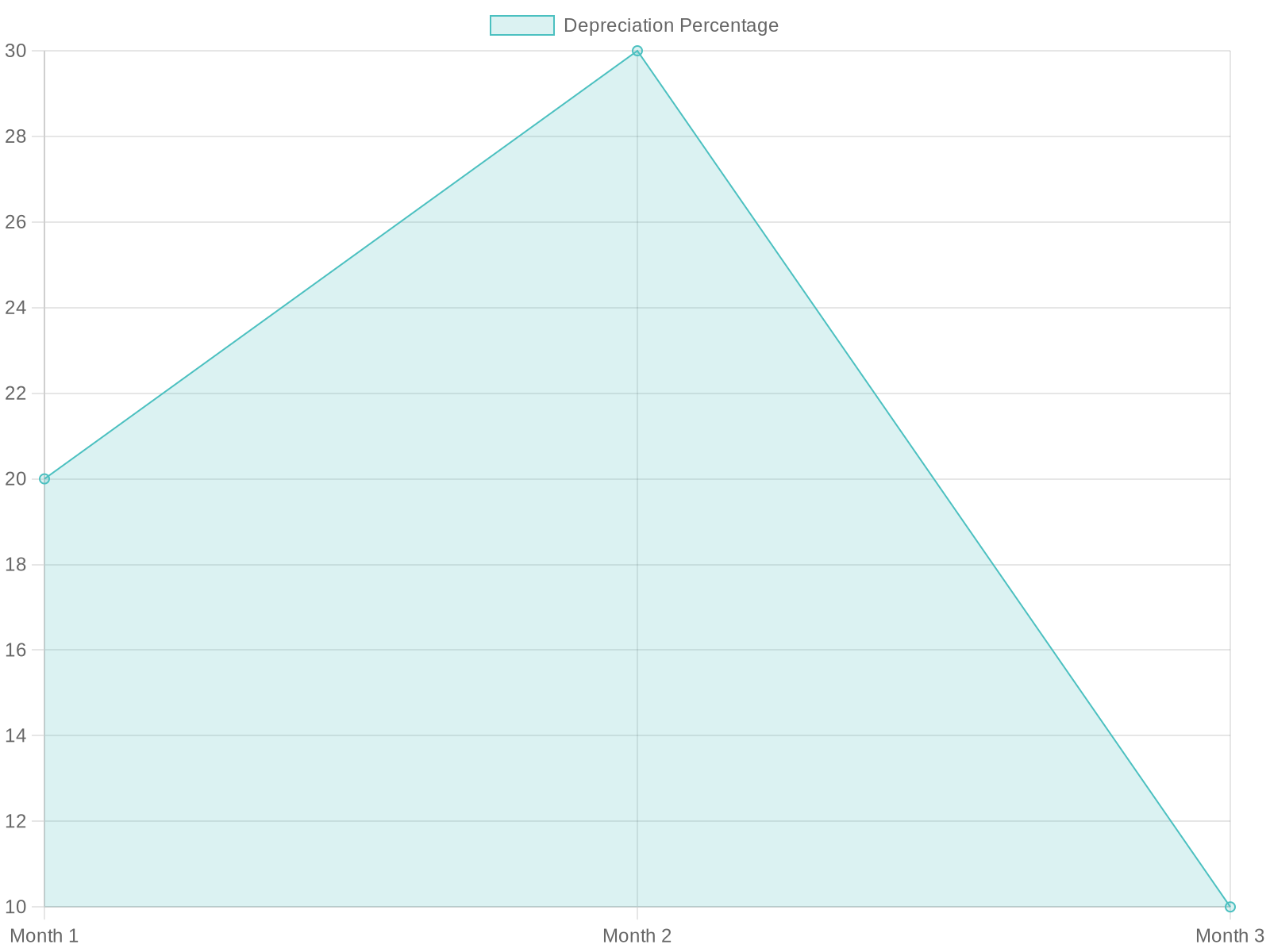
This line chart illustrates the depreciation of commercial trucks over a period of three years, comparing light trucks and heavy-duty trucks. Light trucks experience a steeper decline, averaging a depreciation rate of 47% within three years, whereas heavy-duty trucks show a lower depreciation rate of 36%.
This information is crucial for logistics and freight company owners, construction and mining enterprise procurement teams, and small business owners with delivery fleets as they assess the value of their commercial vehicles.
Determining the Value of Commercial Trucks
Valuing a commercial truck accurately is crucial for logistics, construction, and delivery companies seeking to make informed investment decisions. Various methods exist for truck valuation, including market analysis, cost-based approaches, and income-based assessments.
Market Analysis
One effective approach entails evaluating recent sales data of comparable trucks in your area to establish a baseline value. Take into account factors such as make, model, year, mileage, and overall condition. Specific market conditions can notably influence resale values.
Expert Insight
As highlighted by industry expert Li Shufu, chairman of Geely Holding Group, “The true value of commercial trucks transcends mere technology; it encompasses the ability to enhance drivers’ lives and, consequently, improve operational efficacy.”
This perspective underscores the importance of considering both tangible and intangible factors when determining a truck’s worth. Enhancements in driver comfort and well-being can lead to increased productivity and lower turnover rates, which ultimately boost the vehicle’s overall value.
Internal Resources
For further understanding of how external factors like market trends can impact truck valuation, learn more about trucking economic trends affecting trailer orders.

Image depicting a professional truck valuation expert assessing the value of commercial trucks.
When evaluating a truck, remember that the ultimate goal is to achieve not only a fair market price but also a vehicle that meets the operational needs of your business. By integrating both market data and expert opinions, your valuation process can yield more accurate and beneficial results for your company.
Conclusion
Accurate truck valuation is essential for effective fleet management and strategic procurement. As discussed in this article, understanding the value of your commercial trucks not only aids in budgeting and financial forecasting but also plays a crucial role in optimizing operational efficiency. An accurate valuation helps logistics and freight companies, as well as procurement teams in construction and mining industries, make informed decisions regarding asset acquisition, maintenance schedules, and trade-in opportunities. With rising truck prices driven by supply chain constraints and evolving market demands, the importance of precise valuation cannot be overstated. It ensures that businesses mitigate financial risks related to depreciation, downtime, and obsolescence, ultimately enhancing profitability.
For those seeking reliable insights and solutions in truck procurement, consider exploring the offerings from Summit Fairings. Partnering with experts can help you navigate the complexities of asset management in today’s dynamic transportation landscape.