
As urban environments continue to evolve, the issue of commercial trucks parking on residential streets has garnered significant attention. This topic is particularly crucial for businesses in logistics and construction, where understanding parking restrictions is paramount. Local jurisdictions often implement stringent regulations on where commercial vehicles can park, primarily to mitigate safety risks, maintain neighborhood aesthetics, and reduce traffic congestion. For example, cities like Minneapolis have enacted comprehensive ordinances prohibiting trucks from stopping or parking on residential streets to enhance public safety and improve traffic flow. Such restrictions can pose substantial challenges for logistics operators and construction teams that require access to residential areas for deliveries or project sites.
Understanding these regulations is not merely about compliance; it directly impacts operational efficiency and cost management for businesses dependent on timely deliveries and equipment accessibility. Non-compliance can lead to hefty fines and operational delays, while strategic planning surrounding parking can facilitate smoother logistics operations, ultimately contributing to enhanced service delivery and client satisfaction. Moreover, the conversation around these issues often intersects with broader community concerns, such as pedestrian safety and local quality of life, making stakeholder engagement essential for businesses in these fields. Consequently, this article aims to unpack the complexities surrounding commercial truck parking in residential zones, guiding logistics and construction professionals on how to navigate this challenging landscape effectively. Learn more about parking regulations and their impacts on operations.
Common Reasons for Restrictions on Commercial Trucks in Residential Areas
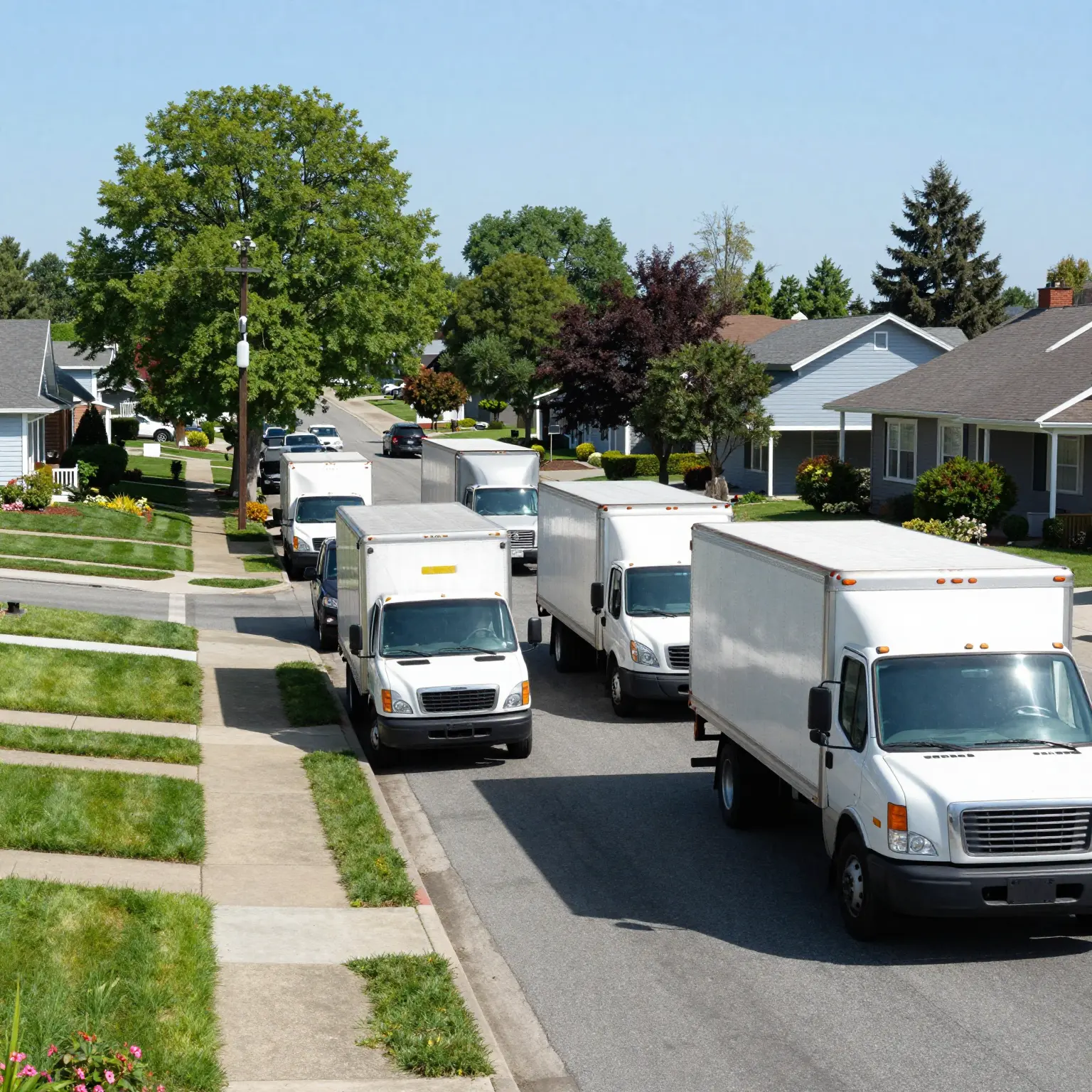
Parking commercial trucks in residential neighborhoods is often met with restrictions due to a host of significant concerns. Below are the main reasons driving these regulations:
-
Safety Concerns:
Heavy commercial trucks pose a safety risk to pedestrians, cyclists, and smaller vehicles commonly found in residential areas. The size and weight of these trucks increase stopping distances, contributing to accidents. Cities like Baltimore have initiated legislation to limit parking for trucks exceeding 20,000 pounds due to these safety issues, emphasizing the protection of local traffic conditions source. -
Road Damage:
The presence of oversized trucks can lead to accelerated wear and tear on roads not designed to handle such loads. This causes increased repair costs for municipalities and further complicates the structural integrity of residential streets. Studies show the detrimental impact on the pavement, necessitating careful monitoring of truck access in these areas source. -
Local Regulations:
Many municipalities enforce strict zoning laws that limit the presence of commercial vehicles in residential districts. These regulations aim to promote the welfare of the community and ensure that residential areas remain peaceful sanctuaries rather than hubs of commercial activity. For instance, in many cities, repeated parking violations can lead to fines reaching up to $1,000 source. -
Impact on Neighborhood Aesthetics:
The visual landscape of a neighborhood heavily influences property values and resident satisfaction. Large, bulky trucks parked along streets can detract from the aesthetic appeal of an area, leading to a less attractive living environment. Aesthetic zoning regulations are often instituted to preserve the neighborhood character and local ambiance source. -
Air Quality Concerns:
The operation of commercial trucks contributes to air pollution, impacting the health of residents. Research has shown that many community members believe the emissions from these vehicles considerably harm local air quality, thus prompting additional restrictions on their parking and operation in residential zones source.
In summary, the restrictions on commercial trucks parking in residential areas are multifaceted, involving safety concerns, infrastructure integrity, regulatory compliance, aesthetic values, and health impacts. Understanding these factors can help logistics and freight company owners plan their operations more effectively, promoting better community relations while optimizing their fleet management strategies.
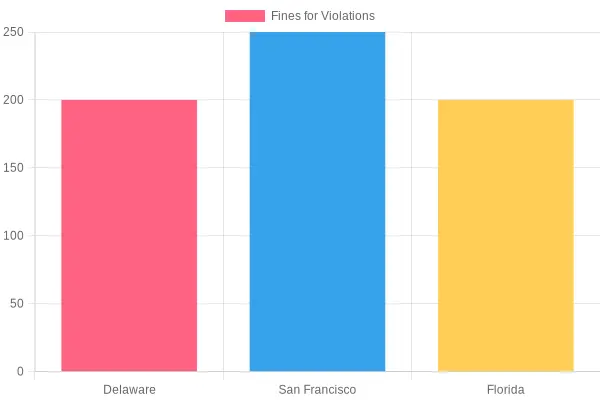
Comparison of Residential Parking Regulations for Commercial Trucks
| City Name | Restriction Details | Fines for Violations |
|---|---|---|
| Delaware | Commercial trucks prohibited from residential zones, parks, and public areas. Must use designated truck parking areas. | Fines vary based on locality but can range from $50 to $200. |
| San Francisco | Trucks must park in designated truck zones; residential parking is restricted. Over time limits result in tickets; certain zones require permits. | Fines typically range from $100 to $250 for violations. |
| Florida | Trucks limited to 10-hour maximum parking at rest areas; restrictions in residential and commercial zones. | Violations can incur fines up to $200 or more depending on the specific regulation. |
Overview
Understanding these regulations can help logistics and freight companies strategize parking logistics better and avoid fines. For more on trucking regulations, it’s essential to keep informed about local laws.
Sources
- Understanding Truck Parking Regulations in Florida
- Commercial Truck Parking Restrictions
- Essential guide to truck parking: Regulations and fines
Implications for Logistics and Freight Companies
The parking restrictions imposed on commercial trucks can significantly impact logistics and freight companies. These limitations not only affect operational efficiency but also lead to increased costs and operational challenges that require timely solutions. Here’s a closer look at these implications:
Operational Efficiency Challenges
Parking restrictions often force logistics companies to re-evaluate their operational methods. Limited parking availability leads to:
- Increased Delivery Time: Drivers must spend extra time searching for appropriate parking spaces, leading to delays and impacting the ability to adhere to strict delivery timelines. This inefficiency can disrupt the entire supply chain.
- Downtime: Equipment and truck downtime rise as drivers are unable to find convenient places to rest and park. According to a report by Averitt, downtime not only causes delays but also frustrates drivers, affecting morale and retention rates in a highly competitive labor market.
Additional Costs
The financial implications of parking restrictions cannot be overlooked. Key areas where logistics companies may incur additional costs include:
- Overtime Fees: Delayed deliveries due to parking challenges can result in overtime pay for drivers and additional charges from clients. Failure to meet scheduled timeframes can incur penalties, aggravating the cost issue further.
- Increased Fuel Consumption: Spending extra time in search of legal parking spaces leads to increased fuel consumption, which dramatically raises operating costs. Urban areas, in particular, see heightened fuel costs due to stop-and-go traffic patterns and longer searches for parking.
- Potential Fines: Companies face risks of being fined for unauthorized parking. According to sources like eMagazine, the need to scout for legal parking options can lead to inadvertently violating local regulations.
Compliance with Local Regulations
In urban areas, logistics companies must carefully navigate through various regulations that dictate parking guidelines. This need can lead to hiring consultants for compliance, which adds to operational expenses and diverts valuable resources from core activities.
Solutions and Strategies
To mitigate these impacts, logistics companies can consider several strategies:
- Advanced Planning: Implementing technology to plan routes that include safe parking locations ahead of time can alleviate last-minute issues that lead to elevated costs.
- Collaborative Efforts: Partnering with local municipalities and private businesses to ensure adequate parking spaces during peak delivery times is vital. Engaging in discussions about developing dedicated truck parking facilities could be beneficial for improving operational feasibility in congested areas.
- Diversifying Fleet Options: Exploring smaller, more maneuverable vehicles for urban deliveries may reduce parking challenges, allowing for more flexible logistics operations.
In conclusion, logistics and freight companies must be proactive in addressing the challenges posed by parking restrictions on commercial trucks. Implementing innovative solutions and strategies to navigate these restrictions is essential for maintaining operational efficiencies and controlling costs. The implications are clear; the industry needs to adapt to remain competitive and successful in the evolving freight landscape.
Recent Legislative Efforts Regarding Commercial Truck Parking
In 2023, various legislative efforts have emerged across the United States aimed at regulating commercial truck parking in residential areas. These proposals are centered around minimizing disruption to neighborhoods and ensuring safety for residents.
Key Developments
-
Baltimore’s Proposed Restrictions
The city of Baltimore is eyeing stringent regulations that would severely restrict large truck parking on residential streets. The Department of Transportation is advocating for these changes to enhance neighborhood safety and improve the overall livability of residential areas. Such restrictions may mitigate noise and congestion issues associated with commercial vehicles parked in residential spaces. For further information, see Overdrive Online. -
Ohio’s Truck Parking Safety Improvement Act
On June 28, 2023, the Ohio Department of Transportation held meetings to discuss the ongoing amendments to the Truck Parking Safety Improvement Act. This legislation focuses on addressing safety concerns related to truck parking, including both commercial and residential contexts. The ongoing discussions underline the importance of creating designated truck parking facilities to alleviate pressure on residential streets, as suggested by NATSO. -
Los Angeles County Ordinances
Local ordinances, especially in places like Los Angeles County, highlight various methods cities employ to regulate large vehicle parking. These regulations often serve to keep residential zones free from commercial vehicles that could obstruct communities. Detailed insights into these ordinances can be found in an article by California YIMBY.
Intent and Potential Impact
The primary intention behind these legislative efforts is to improve community safety and quality of life by restricting the presence of commercial trucks in residential neighborhoods. Such regulations may significantly impact logistics and freight businesses, especially small delivery fleets that might traditionally use these areas for parking.
While these restrictions aim to balance community interests with the operational needs of trucking businesses, companies may need to adapt by seeking alternative parking solutions, possibly increasing operational costs. As cities continue to grapple with parking issues, the development of more truck-friendly infrastructure, such as designated parking areas, will be crucial.
In essence, these legislative trends reflect a growing recognition of the multifaceted challenges surrounding truck parking in residential settings. For logistics, freight, and small business stakeholders, staying informed about these changes is vital for navigating the evolving landscape of parking regulations.
Increase in Commercial Vehicle Regulations Over the Past Decade
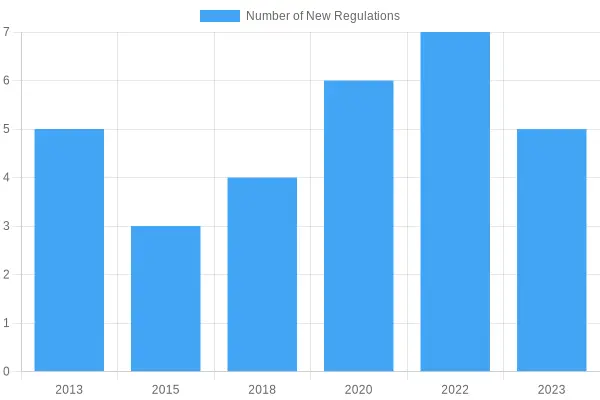
The regulatory landscape for commercial vehicles has evolved significantly over the last decade, with numerous states implementing new regulations aimed at safety, emissions standards, and operational efficiency. Below is a chart illustrating the number of new regulations adopted across various states in specific years:
New Regulations by Year and State
| Year | State | Number of New Regulations | Description | Source |
|---|---|---|---|---|
| 2013 | California | 5 | Increased emissions standards for commercial vehicles | Economic Times |
| 2015 | New York | 3 | Enhanced safety regulations for commercial vehicles | Wikipedia |
| 2018 | Texas | 4 | Introduction of electronic logging device regulations | Forbes |
| 2020 | Florida | 6 | Updated weight restrictions for commercial trucks | UNECE |
| 2022 | Michigan | 7 | New emissions testing standards | |
| 2023 | Illinois | 5 | Stricter maintenance requirements for commercial vehicles | Science |
This data clearly highlights the trend toward stricter regulations which aim to improve the safety and environmental impact of commercial vehicles. Understanding these regulations is crucial for logistics and freight company owners as well as procurement teams in construction and mining enterprises.
Best Practices for Businesses to Adhere to Parking Regulations
Adhering to parking regulations is crucial for logistics companies and small business owners with delivery fleets. Non-compliance not only results in fines but can also impact operational efficiency. Here are some best practices to ensure compliance while maintaining efficiency:
-
Educate Employees: Conduct training sessions for drivers and employees about local parking regulations and the importance of compliance. Ensure everyone understands the designated areas for parking and loading.
-
Utilize Technology: Implement GPS and route optimization software to help drivers locate compliant parking spots quickly. This enhances efficiency and reduces the likelihood of parking violations.
-
Designate Loading Zones: Work with local authorities to establish or maintain designated loading zones for delivery vehicles. This helps streamline operations while ensuring compliance with local parking regulations.
-
Maintain Clear Signage: Ensure that all parking areas have proper signage indicating parking restrictions. Regularly check that signs are visible and well-maintained. Studies show that clear signage reduces the likelihood of violations and fines. For more about proper signage, check out this source.
-
Plan Routes Effectively: Ensure that delivery routes are planned considering parking availability and regulations. This can optimize delivery times and reduce the chance of needing to park in favored residential areas.
-
Audit Parking Practices: Regularly audit your parking practices to identify any areas of non-compliance or potential improvements. Take corrective measures before they lead to citations.
-
Stay Updated on Regulations: Regularly review local parking ordinances to stay informed about any updates or changes. This could help mitigate fines and inadvertently bypassing regulations.
-
Involve Local Authorities: Engage with local authorities to discuss parking issues specific to your business. Building a relationship can provide more flexibility and cooperation regarding parking needs.
-
Encourage Alternative Transport for Employees: For employees who aren’t frequently traveling for deliveries, encourage carpooling, public transport, or cycling. This reduces congestion and parking needs.
By implementing these strategies, logistics companies and small business owners can navigate parking regulations more effectively, leading to smoother operations and fewer fines. For further insights into compliance and regulations in the logistics sector, view this article.
Summary of Key Takeaways
In conclusion, understanding the restrictions surrounding the parking of commercial trucks in residential areas is crucial for logistics and construction businesses alike. The increase in urban legislation limiting truck parking is an essential development for the community’s safety and quality of life. For example, cities like Baltimore and San Antonio have introduced stricter ordinances to manage truck parking in residential neighborhoods. Such regulations aim to reduce congestion, maintain aesthetic appeal, and ensure that community spaces are not hindered by the presence of large commercial vehicles (Overdrive Online, Land Line Media).
Compliance with local regulations is not merely a legal obligation; it also signifies a respect for the communities in which businesses operate. Companies that demonstrate adherence to these guidelines not only avoid potential fines but also enhance their public image and customer trust. Keeping up with local trucking regulations-such as those discussed in articles on safety and compliance (Zinjurylaw, Pioneer Trucking Solutions)-is integral for the reputation and operational success of any trucking enterprise.
Furthermore, the ongoing challenges of parking shortages for trucks-where only one spot is available for every 11 truckers-underline the need for better planning and adherence to parking regulations (KXAN Austin).
In light of these insights, it’s vital for business owners in logistics and construction to stay updated on local regulations and to take them seriously. For those looking to optimize their fleet’s performance and compliance, consider exploring what Summit Fairings can offer to elevate your trucking solutions while maintaining an impeccable public reputation.
As commercial trucking continues to play a vital role in the economy, the challenge of balancing the needs of logistics companies with the concerns of residential communities has become increasingly pertinent. To address this issue effectively, various strategies can be implemented, ranging from community negotiations to modifications in zoning laws.
Community Engagement and Negotiations
Creating a dialogue between commercial trucking companies and residential communities is essential for finding mutually beneficial solutions. Engaging residents in discussions about planned operations and the potential impacts of trucking activities provides an opportunity for truck companies to understand community concerns better. Some strategies for effective community engagement include:
- Town Hall Meetings: Hosting regular forums where residents can voice their concerns and suggestions regarding trucking activities, allowing businesses to address issues on the spot.
- Feedback Loops: Creating channels through which residents can provide ongoing feedback about truck operations, ensuring that their voices are continually heard.
- Collaborative Partnerships: Establishing partnerships between trucking companies and local community organizations can help in finding solutions that promote both economic growth and community welfare.
Modifications in Zoning Laws
Zoning laws play a critical role in determining where commercial trucks can operate and park. Recent trends indicate a need for modifications in these regulations to accommodate the unique requirements of the trucking industry while simultaneously addressing residential concerns. Potential changes could include:
- Designated Trucking Zones: Establishing specific areas for truck parking and operations within residential regions that would limit the impact on local residents. For instance, a pilot program in New York City has introduced metered overnight truck parking to enhance compliance with regulations while addressing community concerns about illegal parking.
- Conditional Use Permits: Allowing trucking companies to operate in residential areas under strict guidelines that ensure minimal disruption, with clearly defined business hours and operational limits.
- Zoning Variances: Providing local governments the flexibility to approve variances upon assessing the particular needs of the community and the benefits of having commercial trucking operations nearby.
Implementation of Technological Solutions
Integrating technology into trucking operations can also significantly alleviate residential concerns. For example:
- Route Optimization Software: Utilizing advanced software that analyzes traffic patterns and residential considerations can help drivers avoid residential streets during peak hours, reducing congestion and noise.
- Telematics Systems: Implementing real-time tracking and monitoring of truck movements can reassure residents that trucking companies are adhering to agreed regulations and operational hours.
Conclusion
Ultimately, balancing the needs of commercial trucking companies with the concerns of residential communities requires multifaceted strategies that include community engagement, modifications to zoning laws, and technological advancements. By fostering open dialogue and implementing practical solutions, both trucking businesses and residents can coexist in a way that supports economic growth while preserving the quality of life in residential areas. These collective efforts can create a more harmonious environment, ensuring that the essential services provided by the trucking industry are delivered without compromising residential peace.