
Commercial truck insurance is an essential aspect of operating a logistics and freight company or managing a delivery fleet for small business owners. It serves as a protective measure that shields businesses from financial losses due to accidents, theft, or damage of their trucks and the goods in transit. The importance of having comprehensive insurance cannot be overstated, especially in an industry where heavy vehicles are constantly on the move, facing various risks daily. According to recent data, the average cost of commercial truck insurance can vary significantly, with local truck insurance averaging around $6,102, whereas the national average sits at approximately $11,797. Factors such as the type of cargo being carried, operational radius, the driver’s history, and vehicle condition all play crucial roles in determining insurance premiums. For example, transporting heavy machinery may incur higher insurance costs due to the associated risks compared to standard freight. Understanding these cost factors is critical for logistics and small business owners, as it can lead to better financial planning and risk management. As you navigate the insurance landscape, understanding how to find the best coverage options may seem daunting. However, we invite you to explore further for insights and solutions into selecting the right commercial truck insurance and mitigating your business’s risks effectively.
| Provider | Coverage Options | Average Costs | Customer Ratings |
|---|---|---|---|
| Progressive | Liability, Cargo, Physical Damage | $14,000 – $30,000 | 4.5 |
| CoverWallet | Liability, Cargo, Physical Damage | $14,000 – $30,000 | 4.6 |
| The Hartford | Liability, Cargo, Physical Damage | $14,000 – $30,000 | 4.2 |
| JDW Truckers Insurance | Liability, Cargo, Physical Damage | $14,000 – $30,000 | 4.1 |
| State Farm | Liability, Cargo, Physical Damage | $14,000 – $30,000 | 4.4 |
Sources
- BravoPolicy – Best Providers of Trucker Insurance for 2023
- JDW Truckers Insurance – Commercial Truck Insurance
Factors Influencing the Cost of Commercial Truck Insurance
When it comes to commercial truck insurance, various factors can significantly affect the overall cost. Understanding these elements can help logistics companies, construction firms, and small business owners optimize their expenses while ensuring adequate coverage. Below are the key factors that influence insurance pricing:
1. Type of Truck
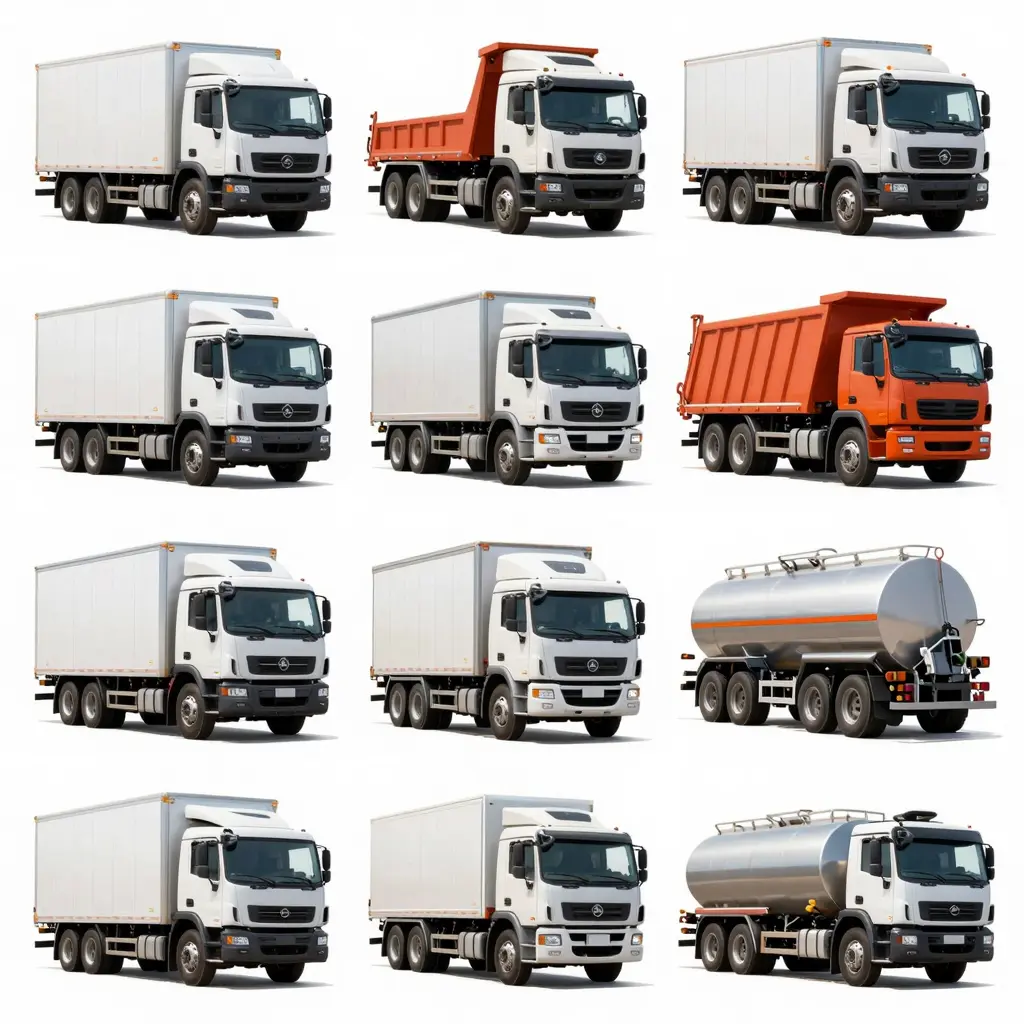
The type of truck being insured plays a crucial role in determining insurance premiums. Different vehicles come with varying levels of risk:
- Heavy-duty trucks typically incur higher insurance costs due to their larger size and increased potential for causing accidents.
- Light-duty or mixed-use trucks may have lower rates, especially if used for less risky operations.
2. Purpose of the Vehicle
The intended purpose of the truck also influences costs. For instance:
- Freight transportation generally has a higher risk associated with it compared to trucks used for local deliveries or service work, impacting the premium positively or negatively.
- Specialized vehicles like refrigerated trucks may have higher insurance rates due to the value of the cargo they transport.
3. Driving Records of Operators
Insurance providers closely evaluate the driving history of operators:
- Clean driving records usually lead to lower premiums, while infractions or accidents raise red flags, resulting in higher costs.
- Companies focusing on hiring experienced drivers with clean records can take advantage of better rates.
4. Geographical Location
Geography can significantly impact insurance costs due to varying risk levels across regions:
- Areas with higher traffic or accident rates typically incur more expensive premiums.
- State regulations and state minimum insurance requirements can also vary, further affecting costs. For instance, average costs in states like California or New York may be considerably higher than in states like Ohio or Pennsylvania.
Summary Table of Average Monthly Costs by State
| State | Average Monthly Cost | Coverage Type | Source URL |
|---|---|---|---|
| Texas | $2,200 | Liability, Cargo, Physical Damage | BravoPolicy |
| California | $1,800 | Liability, Cargo | JDW Truckers Insurance |
| Florida | $1,700 | Liability | National Independent Truckers Insurance Company |
| New York | $2,000 | Liability, Cargo | Vent Magazine |
| Ohio | $1,600 | Liability, Cargo | LogRock |
| Pennsylvania | $1,500 | Liability, Cargo | Mayflower Insurance |
Conclusion and Cost Optimization Tips
In conclusion, understanding these crucial factors can empower business owners and operators in selecting the right insurance plans while optimizing costs. Here are a few strategic tips:
- Evaluate different coverage types to find the most effective plan for your operations.
- Regularly assess the driving history of your operators and make adjustments in hiring and training practices based on this data.
- Review your geographical risk factors and consider operations in locations where insurance costs may be lower.
For more insights on related topics, you can learn more about the impact of trailer orders on truckload margins.
Furthermore, tracking trucking economic trends affecting costs can also assist in keeping your operational costs in check.
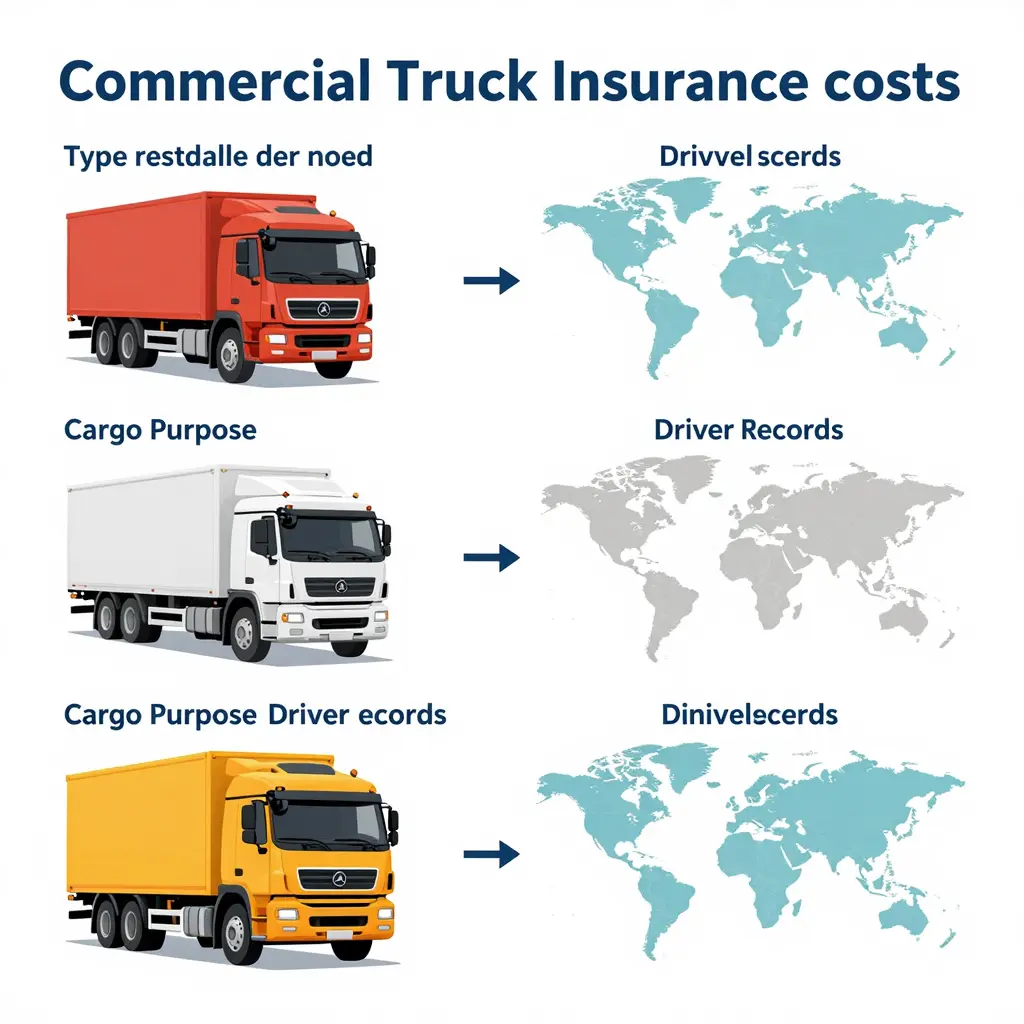
The image above illustrates various factors influencing commercial truck insurance costs such as truck type, cargo purpose, driver records, and geographical location.
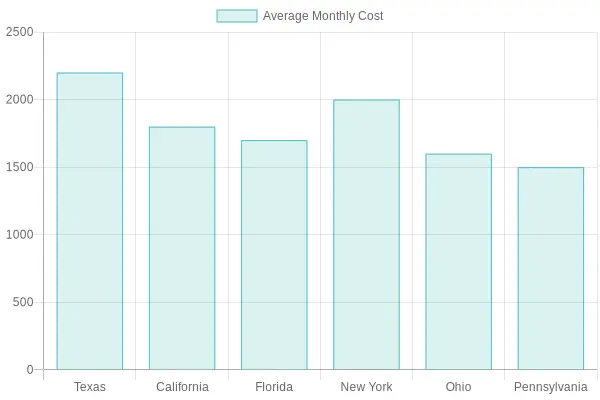
This chart displays the average monthly truck insurance cost by state, highlighting the variations in insurance premiums across different regions.
Understanding the Average Cost of Commercial Truck Insurance
When it comes to commercial trucking, securing the right insurance is crucial for financial protection and regulatory compliance. In 2023, average costs for commercial truck insurance can vary widely based on several factors, including coverage types, cargo, and policyholder characteristics.
Average Costs by Coverage Type
According to various sources, the average costs of different types of commercial truck insurance are as follows:
- Liability Insurance: Ranges from $500 to $1,500 monthly. This is essential as it covers damages and injuries you may cause to others in an accident.
- Physical Damage Insurance: On average costs about $1,500 to $2,500 per month, depending on the vehicle’s value and age.
- Cargo Insurance: Coverage typically falls in the range of $300 to $500 per month, which is vital for protecting the cargo during transport.
- Comprehensive Coverage: Total coverage for a truck can amount to approximately $9,000 to $18,000 per power unit annually depending on various risk factors.
| Coverage Type | Monthly Cost Range | Annual Cost Range |
|---|---|---|
| Liability Insurance | $500 – $1,500 | $6,000 – $18,000 |
| Physical Damage Insurance | $1,500 – $2,500 | up to $30,000 |
| Cargo Insurance | $300 – $500 | $3,600 – $6,000 |
| Comprehensive Coverage | N/A | $9,000 – $18,000 |
Factors Influencing Insurance Costs
The cost of commercial truck insurance is influenced by multiple factors:
- Cargo Type: The nature of what you’re transporting can significantly affect your premiums. Hazardous materials usually incur higher costs.
- Driving History: A record free of accidents or claims can lead to lower premiums.
- Vehicle Age and Condition: Newer trucks may be more expensive to insure due to their higher value.
- Operating Radius and Mileage: Long-haul operations face higher risks, thus increasing costs.
- Location: Insurance rates can vary by state due to differing regulations and risk levels.
As highlighted in articles from Bravo Policy and Chief Carriers, these elements collectively shape the landscape of truck insurance costs. Thus, it is prudent to consider these factors when shopping for insurance to ensure you get the best rate possible and sufficient coverage for your specific needs.
For comprehensive coverage options and to learn more about managing your trucking business, explore our articles on challenges faced by trucking businesses and fundraising efforts in the trucking community.
Common Misconceptions About Commercial Truck Insurance
When it comes to commercial truck insurance, numerous misconceptions can cloud the understanding of its necessity and pricing. Clarifying these misunderstandings is essential for logistics, construction, and small business owners who rely on trucking for their operations.
1. Minimum Coverage Is Sufficient
One prevalent myth is that the minimum liability coverage mandated by law is adequate for business needs. Many truck owners assume that by meeting the legal requirements, they are fully protected. In reality, minimum coverage often falls short in protecting businesses from various liabilities and risks, such as accidents, theft, or cargo damage. A comprehensive insurance policy that exceeds the minimum requirements is crucial for safeguarding one’s financial interests. Learn more about comprehensive insurance for commercial trucking.
2. Commercial Truck Insurance Is Too Expensive
Another common belief is that commercial truck insurance is prohibitively expensive and financially unfeasible for small companies. While the costs can vary significantly based on various factors, the average commercial truck insurance cost ranges from $8,000 to $12,000 annually, depending on the type of coverage required and specific business needs (DAT). Understanding how premiums are calculated and comparing different providers can lead to competitive pricing.
3. One Policy Fits All
Many business owners think that a one-size-fits-all approach applies to truck insurance. However, commercial truck insurance policies are highly customizable. Factors such as the type of trucking operation, vehicle specifics, and the region of operation influence the policy’s particulars. Tailoring an insurance package to fit the unique needs of a business is vital for effective coverage.
4. Insurance Will Cover Everything
Lastly, some may incorrectly assume that their commercial truck insurance will cover all possible scenarios. Insurance policies have exclusions, which can lead to substantial out-of-pocket costs in certain situations. It’s crucial to thoroughly review policy documents and consult with insurance professionals to understand which scenarios are covered and which are not.
Conclusion
Dispelling these myths is essential for ensuring adequate protection and financial stability for trucking businesses. Understanding the nuances of commercial truck insurance leads to informed decision-making and better preparedness for unforeseen events. For more insights on costs and options available in the market, consider reviewing recent studies and industry updates.
Tips for Reducing Commercial Truck Insurance Rates
Reducing commercial truck insurance rates can significantly benefit logistics and business owners. Here are actionable tips that can help you decrease your insurance premiums:
- Employ Experienced Drivers: Hire drivers with clean records and sufficient experience. Consider selecting candidates aged between 30 and 62, as they often yield lower premiums due to their driving history.
- Implement Driver Training Programs: Regular training helps keep drivers updated on safety best practices and regulations. This demonstrates to insurers that you prioritize safety, possibly leading to lower rates.
- Maintain a Clean Driving Record: Encourage your drivers to maintain clean driving records. Insurers often look at past accidents and violations when calculating premiums, so a sturdy safety history can benefit your costs.
- Choose Environmental and Safer Routes: Optimize your routes not just for delivery times, but also for safety. Routes that are known to have fewer accidents can lead to reduced premiums.
- Increase Deductibles: Opting for higher deductibles can lower your premiums, but make sure you select a deductible that’s manageable for your budget in case of an accident.
- Ensure Continuous Coverage: Make sure that there are no gaps in your insurance coverage. Lapses can lead to higher premiums when trying to reestablish coverage.
- Bundle Insurance Policies: Consider bundling your truck insurance with other business insurances (like property or liability insurance). Many insurers offer discounts for bundling policies.
- Utilize Technology: Invest in safety technologies such as telematics, dash cameras, or GPS systems. Demonstrating that you use these tools can convince insurers to lower your rates based on improved safety metrics.
- Review and Compare Insurers: Regularly review your current insurance policy and compare rates and coverage options with other providers in the market. This ensures you’re getting the best rate available.
Implementing these strategies can not only lead to reduced insurance costs but also enhance the overall safety and efficiency of your fleet operations. For more guidance on operational improvements, you can learn more about adjusting business strategies for the freight industry.
Additionally, understanding the average costs can also help in your budgeting process. In 2023, the average cost of commercial truck insurance typically ranges from $500 to $2,100 per month depending on coverage types (Bravo Policy). Implementing the tips above can pave the way for significant savings on these costs.
The Importance of Adequate Insurance in the Trucking Industry
As industry expert Robert M. Pritchard, a seasoned insurance consultant, states:
“When it comes to commercial trucking, having adequate insurance is not just an option; it’s a fundamental aspect of risk management. Without proper coverage, businesses expose themselves to substantial financial risk that can cripple their operations. It’s essential to view insurance as a crucial partner in safeguarding your assets and ensuring sustainable growth.”
This blockquote emphasizes the vital role of proper insurance in the trucking industry, reinforcing that adequate coverage is essential to protect against unforeseen challenges and manage risks effectively.
For logistics and freight company owners, construction and mining procurement teams, and small business owners with delivery fleets, understanding the connection between insurance and operational resilience is crucial. You can learn more about the impact of trailer orders on truckload margins and how to mitigate risks through effective insurance strategies.
Additionally, keeping up with trucking economic trends can help companies stay ahead in their risk management strategies.
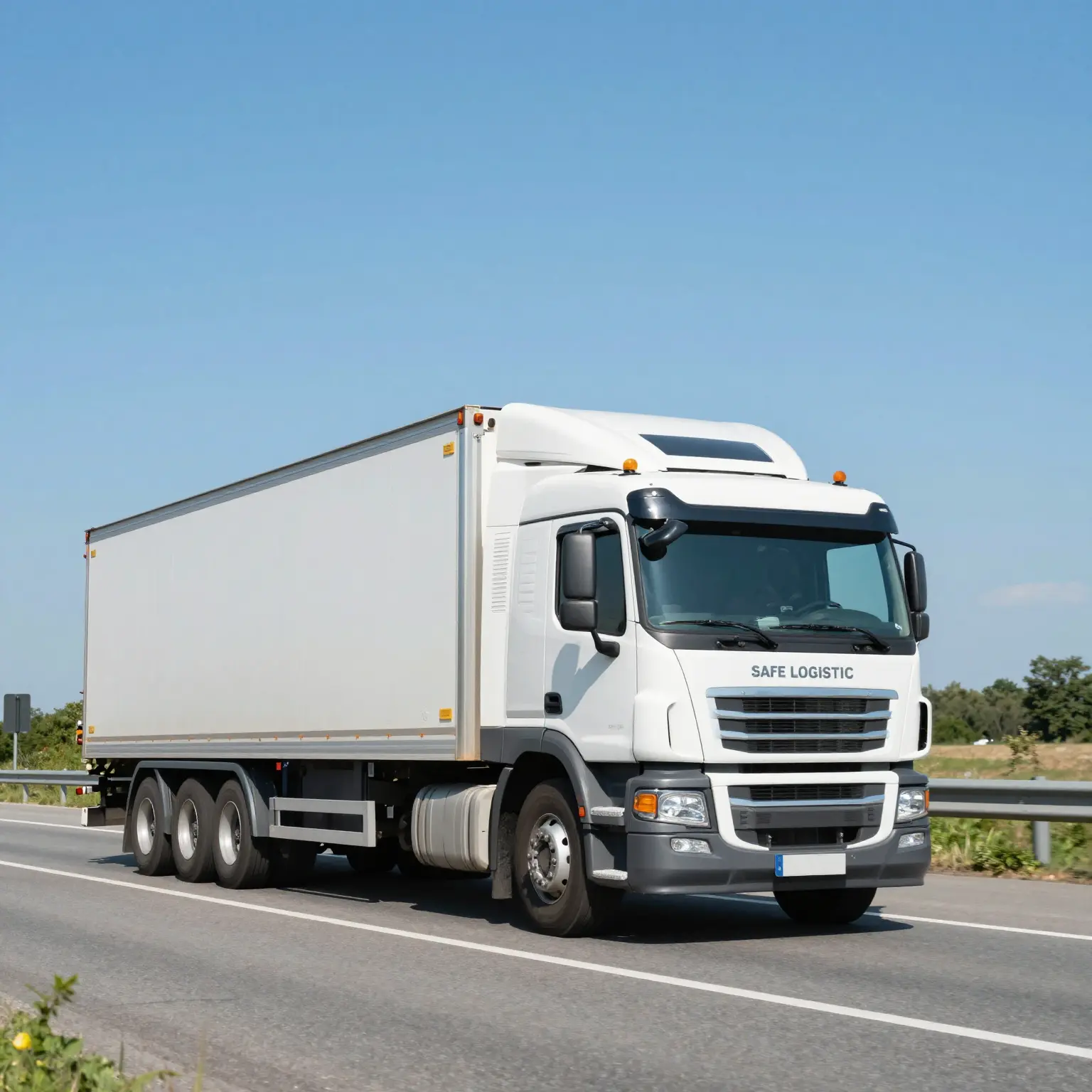
Image depicting a truck driving safely on a highway, emphasizing the importance of risk management in the trucking industry.
Conclusion
In conclusion, understanding the average cost of commercial truck insurance is crucial for business owners in logistics, construction, and transportation. As we explored, the costs can fluctuate significantly, typically ranging from $9,000 to $15,000 annually, and in some cases, even soaring up to $32,000 depending on the type of vehicle and coverage required. This underscores the importance of assessing your specific needs and seeking tailored solutions to protect your assets effectively.
Having comprehensive commercial truck insurance not only safeguards your business from unexpected liabilities and damages but also ensures that you remain compliant with industry regulations. With coverage options like liability, cargo, and physical damage insurance, businesses can minimize risks while focusing on their growth and operations.
It is imperative for owners and procurement teams to prioritize this aspect of their operation, as the right insurance policy can save significant costs in the event of an accident or cargo loss. Companies that invest in the right coverage can operate with confidence, knowing that they are protected in an unpredictable environment.
To ensure you’re making an informed decision for your commercial truck insurance needs, it is highly recommended to consult with experts who can guide you through the nuances of different policies and provide a tailored quote based on your operational profile.
At Summit Fairings, we understand the complexities involved in securing the right insurance. Reach out today to discover how we can assist you in finding the best coverage to protect what matters most for your business. Don’t leave your fleet’s future to chance-act now and secure your peace of mind!
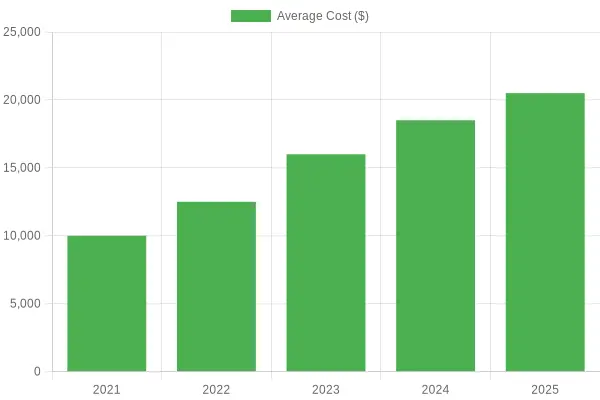
Trends in Commercial Truck Insurance Costs
The commercial truck insurance market has experienced significant fluctuations over recent years, driven by various factors such as demand, regulatory changes, and market conditions. The average costs have steadily increased, reflecting the complexities of the industry.
Chart: Average Truck Insurance Costs Over the Years
Summary of Average Truck Insurance Costs
| Year | Average Cost | Key Factors Impacting Costs | Source |
|---|---|---|---|
| 2021 | $8,000 – $12,000 | Increased demand post-COVID-19, rising repair costs | TT News |
| 2022 | $10,000 – $15,000 | Driver shortages, higher liabilities, and inflation | Assured Standard |
| 2023 | $12,000 – $20,000 | Regulatory changes, increased accident claims | Fit Small Business |
| 2024 | $15,000 – $22,000 | Market competition and economic conditions | Bravo Policy |
| 2025 | $16,000 – $25,000 | Ongoing inflation and supply chain disruptions |
Understanding these trends is crucial for logistics and freight company owners, construction and mining enterprises, and small business owners with delivery fleets to effectively manage costs and optimize their insurance coverage. For further insights into industry-related issues, you can learn more about regulatory changes that significantly affect insurance rates.