
In the highly competitive landscape of logistics and transportation, few events are as disruptive and daunting as a commercial trucking accident. When a truck is involved in an accident, the ramifications extend far beyond just the damaged vehicle; they ripple through the entire supply chain, affecting countless businesses and individuals. Owners of logistics companies, construction firms, and delivery services often find themselves grappling not only with immediate financial losses but also with the long-term repercussions-lost contracts, strained relationships with clients, and a tarnished reputation. The emotional toll can be hefty, leaving employees unsure about their job security and businesses struggling to manage mounting costs. Navigating the complex process of securing compensation after such an event is not just a legal necessity; it’s crucial for recovery and continued operations. This article focuses on providing solution-oriented strategies to help business owners understand their rights and the avenues available for obtaining fair compensation. By shedding light on effective approaches and expert insights, we aim to empower stakeholders in the logistics and freight sectors to reclaim their operational stability and move forward positively after an accident. It’s time to tackle these challenges head-on, ensuring that commercial entities can thrive despite the setbacks they face.
Understanding Legal Rights After a Commercial Trucking Accident
When a commercial trucking accident occurs, understanding legal rights becomes crucial for business owners. The complexities surrounding liability and negligence can significantly affect the ability to pursue compensation.
Liability in Trucking Accidents
Liability in a trucking accident refers to the legal responsibility for the damages caused by the accident. Determining who is liable can be challenging, as multiple parties may share responsibility. Possible liable parties include:
- The truck driver
- The trucking company
- Vehicle manufacturers
- Third parties, such as maintenance providers
Understanding liability is essential, as it influences who can be held accountable for damages. In many cases, trucking companies employ commercial drivers, meaning they may be liable for the driver’s actions under vicarious liability laws.
Negligence and Its Impact
Negligence plays a critical role in establishing liability. If it can be demonstrated that the truck driver or the trucking company failed to meet a standard of care, they may be found negligent. Common forms of negligence in trucking include:
- Distracted driving
- Driving under the influence
- Violating traffic laws
- Failing to perform vehicle maintenance
Understanding these aspects of negligence can be vital in pursuing compensation. For instance, if an accident results from a driver’s negligence due to distraction or fatigue, the injured parties can seek damages from the driver or the employer.
Importance of Understanding Your Rights
Recognizing and understanding legal rights after an accident are essential for several reasons:
- Pursuing Compensation: Properly identifying liable parties and establishing negligence is crucial to obtain fair compensation for medical expenses, lost wages, and property damage.
- Evidence Gathering: Knowledge of rights encourages quick action to gather necessary evidence, such as police reports, witness statements, and driving logs, which can strengthen a claim.
In conclusion, owners of logistics and freight companies must be aware of their legal rights after a trucking accident. Learn more about the importance of gathering evidence and how it impacts compensation claims to better safeguard their interests.
Immediate Steps to Take After a Trucking Accident
Experiencing a trucking accident can be overwhelming and stressful; however, responding correctly can significantly impact your safety and any potential claims that may arise. If you are involved in a trucking accident, here are the immediate steps you should take:
- Ensure Safety First: Check yourself and others involved for injuries. If anyone is hurt, call for emergency medical help immediately.
- Move to Safety: If possible, move vehicles to the side of the road to prevent further accidents. Activate hazard lights and set up warning triangles if you can do so safely.
- Contact Authorities: Call the police to report the accident. An official police report is crucial for insurance claims and potential legal actions.
- Document the Scene: Take detailed photographs of the accident scene, including all vehicles involved, any damages, and road conditions. These images will provide valuable evidence later.
- Exchange Information: Gather contact and insurance information from the other parties involved. This includes names, phone numbers, insurance companies, and policy numbers.
- Collect Witness Statements: If there are witnesses, obtain their contact information and statements about what happened.
- Avoid Admitting Fault: Do not discuss fault at the scene, as this could complicate claims or legal proceedings later.
- Consult a Legal Professional: After ensuring safety and documenting the scene, consider speaking with a personal injury attorney to understand your rights and any potential compensation that may be available.
For more detailed legal insights and guidance relevant to trucking injuries, feel free to learn more about your rights here or review this essential checklist.
Types of Compensation for Trucking Accidents
Understanding the various types of compensation available for victims of trucking accidents is crucial for navigating the aftermath of such incidents. Below is a comparison table that outlines key compensation types:
| Compensation Type | Description | Average Compensation Figures | Source |
|---|---|---|---|
| Medical Costs | Covers medical expenses including hospital stays, doctor visits, therapy, and medication. | Varies widely; typically $10,000+ for serious injuries. | Vandenbout Law |
| Lost Wages | Reimbursement for lost income due to inability to work, including future earning capacity. | Varies; average about $1,000 – $5,000 per month. | Truck Accident Roswell |
| Property Damage | Compensation for repair or replacement of damaged vehicles and property. | Average claims range from $2,500 to $20,000+. | Jeremey Eveland |
| Pain and Suffering | Compensation for emotional distress and suffering related to the accident. | Typically $15,000 – $50,000 depending on severity. | Wetherington Law Firm |
| Future Medical Care | Coverage for ongoing medical treatment and rehabilitation required as a result of the accident. | Can range from $5,000 to lifelong costs depending on injuries. | Law Intershow |
Average Compensation for Truck Accidents
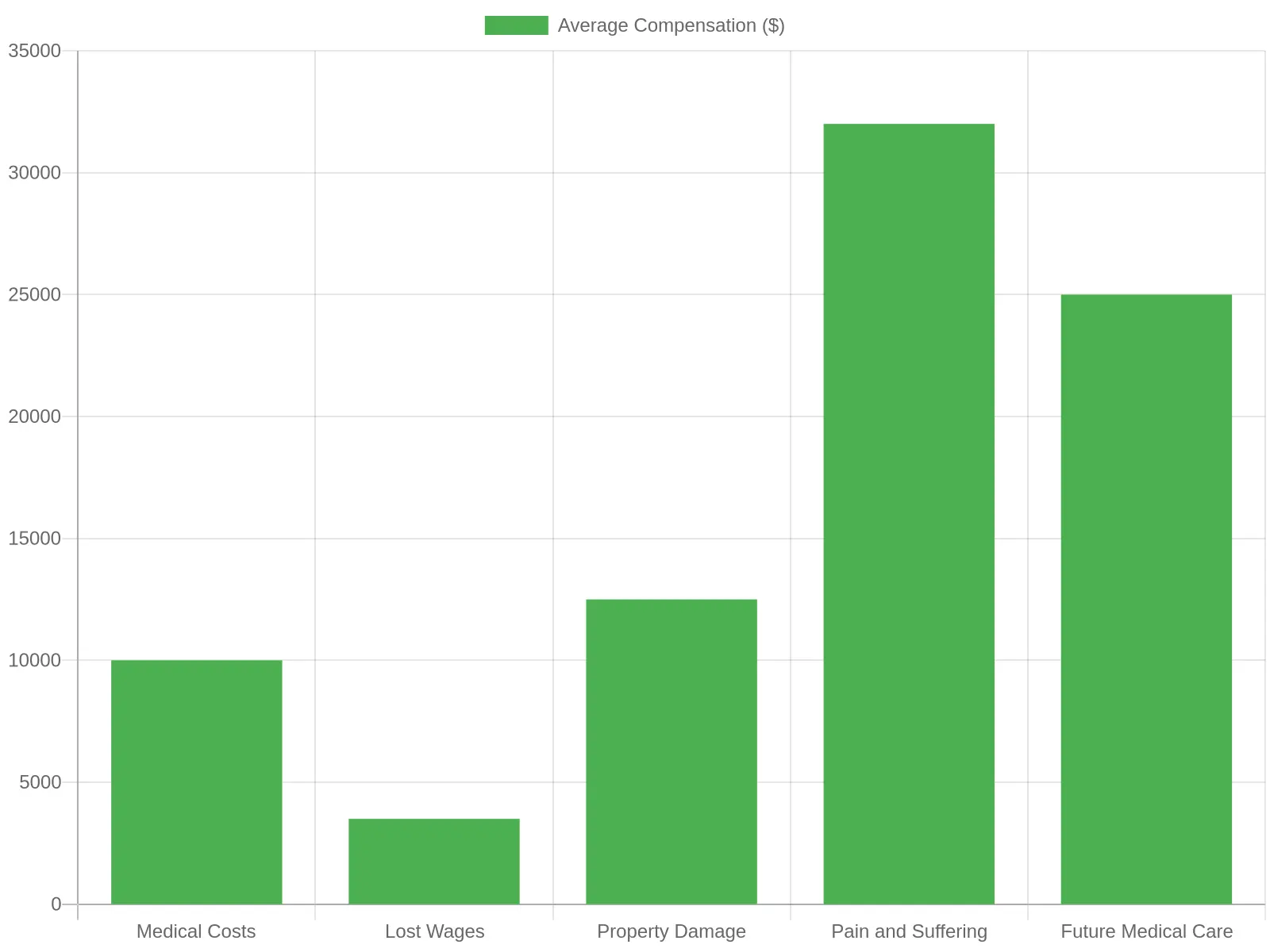
This chart provides further insights into the average compensation amounts typically awarded in trucking accident cases. It emphasizes the financial implications of various compensation types, indicating that medical and pain compensation can be particularly high depending on the severity of injuries sustained.
Overview of Trucking Accident Statistics
Accidents involving commercial trucks pose significant challenges, both in human costs and operational impacts. In 2023, the statistics are alarming:
- Total Truck Accidents: 528,177
- Injuries: 153,452
- Fatalities: 5,472
These numbers reflect the high frequency of trucking accidents across the United States, highlighting the severe implications of truck-related incidents. Especially concerning is the upward trend in these statistics in recent years, which underscores the urgent need for better safety measures within the trucking industry and increased compensation avenues for affected parties.
According to statistics sourced from reputable platforms such as TruckInfo.net and Bernstein Injury Law, trucking accidents accounted for a significant portion of all road-related fatalities. This trend reinforces the necessity for logistics and freight company owners, as well as small business owners operating delivery fleets, to be acutely aware of the risks involved.
Furthermore, a chart illustrates the distribution of these statistics, allowing stakeholders to visualize the stark realities of trucking accidents in a more digestible format.
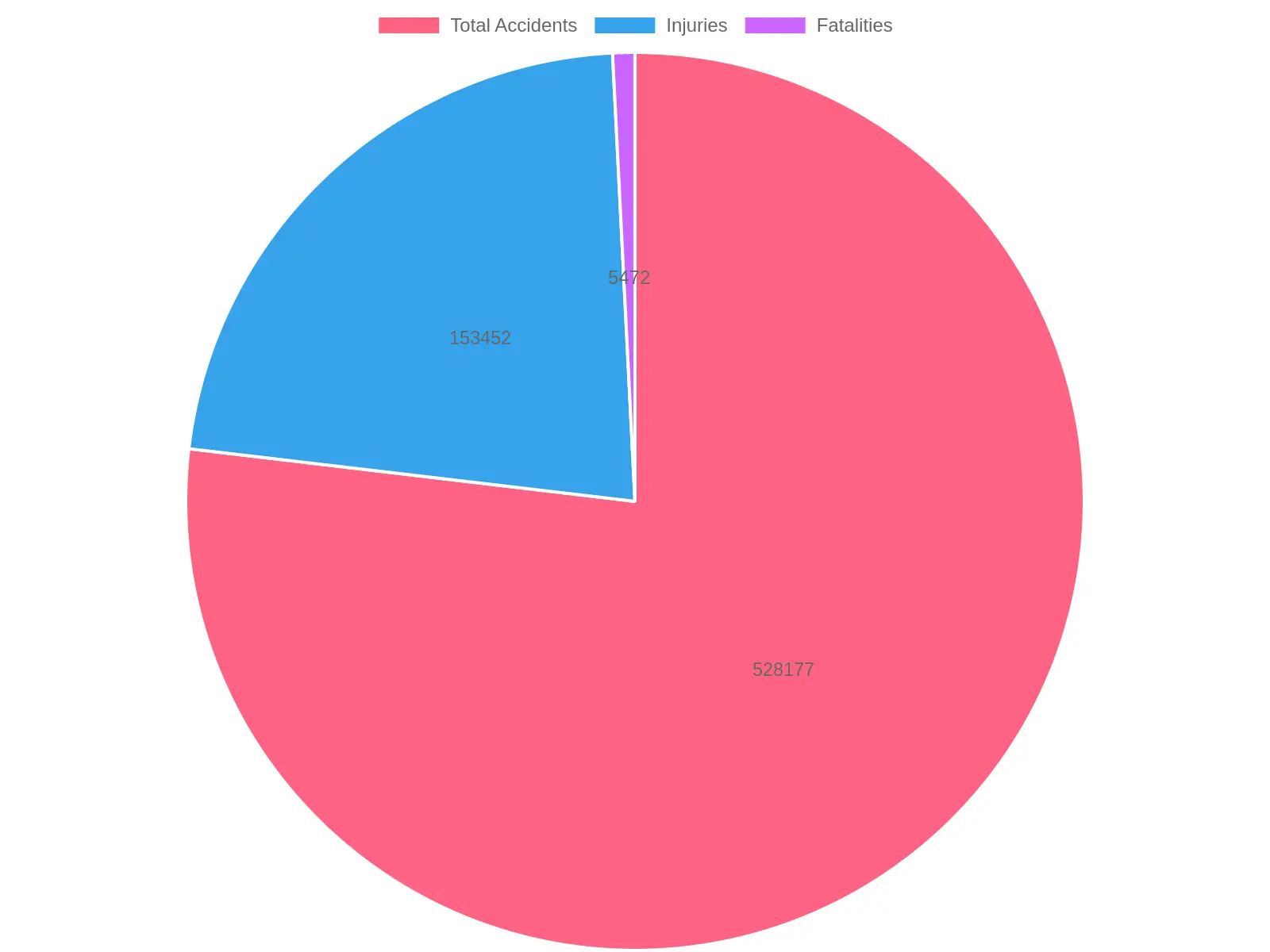
Navigating the aftermath of a trucking accident can be overwhelming, yet understanding these statistics can empower affected individuals to seek appropriate compensation and advocate for necessary reforms in the industry.
For insights on ensuring safety and compliance in your freight operations, consider reading more on trucking economic trends that affect logistics today.
Gathering Evidence for Claims After a Trucking Accident
After a commercial trucking accident, gathering adequate evidence is crucial for substantiating your claims and ensuring a fair compensation. The effectiveness of your claim heavily relies on the thoroughness of your documentation. Below are essential steps to follow when documenting the scene and gathering evidence.
1. Take Photographs
Photographs serve as powerful evidence in any accident claim. Make sure to:
- Capture Multiple Angles: Take pictures of all vehicles involved, including damage and position on the road.
- Document the Surroundings: Photograph road conditions, traffic signs, and any relevant environmental factors, like weather conditions.
- Injuries: If applicable, document any injuries sustained during the accident, both yours and others.
2. Collect Witness Statements
Eyewitness accounts can add significant weight to your claim. Here’s how to efficiently gather statements:
- Identify Witnesses: Speak to bystanders who saw the accident unfold. Gather their names and contact information.
- Record Statements: If possible, record their statements on the spot. Ask open-ended questions to get detailed accounts of what they saw.
- Written Statements: Encourage witnesses to write down their observations, as this can simplify corroborating details later on.
3. Obtain Police Reports
A police report is often a vital piece of evidence:
- Request a Copy: After the incident, contact the local police department to obtain the official report.
- Review Details: Ensure all details-like dates, times, locations, and contributing factors-are accurately recorded.
4. Importance of Thorough Documentation
Maintaining comprehensive documentation not only aids your claim process but also aids legal representation if needed. Remember to keep all collected evidence organized for easy reference.
Establishing a robust case following a trucking accident is essential for securing the compensation you deserve. Early and thorough evidence collection can vastly improve the chances of a favorable outcome.

Steps to Take After a Commercial Trucking Accident
- Ensure Safety: Check for injuries and move vehicles to a safe area if possible.
- Call 911: Contact emergency services for assistance.
- Exchange Information: Collect names, contact information, and insurance details of all parties involved.
- Document the Scene: Take photos and collect witness statements to preserve evidence.
- Contact Your Insurance Provider: Report the accident to your insurance company as soon as possible.
- Seek Legal Advice: Consult an attorney to help you navigate any potential claims and legal issues.
Working with Insurance Companies After a Trucking Accident
Dealing with insurance companies after a trucking accident can be a complex and often frustrating process. However, understanding how to effectively navigate this landscape can greatly impact the outcome of your claim. Here’s a comprehensive guide that highlights the steps involved, tips for negotiating claims, and common pitfalls to avoid.
The Claims Process
- Report the Accident Promptly: Notify your insurance company and the at-fault party’s insurer as soon as possible. Delays can complicate the claims process.
- Document Everything: Collect evidence including photos of the accident scene, witness statements, medical records, and police reports. This documentation will be crucial in establishing the facts of the case.
- Review Your Policy: Understand the terms of your insurance policy, including coverage limits and deductibles. This will help you in knowing what to expect from your insurer.
Tips for Negotiating Claims
- Be Prepared: Gather all necessary documents and evidence before initiating discussions with the insurance adjuster. As highlighted by Jordan Law, being organized can improve your chances of a favorable settlement.
- Know Your Value: Understand the worth of your claim. This includes medical expenses, lost wages, and property damage. Insurers often start with low offers, expecting claimants to settle for less due to lack of information.
- Avoid Admitting Fault: Be careful about the language you use during communications with insurers. Even seemingly innocent admissions could be used against you.
- Consult Experts: If negotiations stall, consider hiring an attorney who specializes in truck accidents. They can provide invaluable assistance and leverage their experience to ensure you are treated fairly.
Common Pitfalls to Avoid
- Accepting the First Offer: Initial offers from insurance companies are often much lower than what you may be entitled to. As noted in Setareh Law Group, it’s wise to evaluate the full extent of your damages before making a decision.
- Providing Recorded Statements: Avoid giving recorded statements without legal consultation, as these can often be misconstrued or used to diminish your claim, as highlighted by Stephen Thompson Law.
- Underestimating Time Limits: Ensure that you are aware of the statute of limitations in your state for filing insurance claims. Missing these deadlines can lead to forfeiting your right to claim compensation altogether.
Navigating the aftermath of a trucking accident requires diligence and awareness. By following these guidelines, you can ensure a more streamlined negotiation process with your insurance company and protect your rights as a claimant.
Importance of Pursuing Compensation After a Trucking Accident
The pursuit of compensation following a trucking accident is essential for victims to recover both physically and financially. As legal experts emphasize, navigating this landscape can be intricate, often requiring specialized legal counsel to address the complexities involved.
“Navigating the complexities of trucking accident claims necessitates a skilled attorney who understands the regulatory environment and can advocate for victims’ rights effectively.”
Victims may seek compensation not only to cover immediate medical expenses but also to account for long-term consequences of injuries sustained. This includes:
- Medical costs: Expenses related to hospitalization, rehabilitation, and ongoing treatment.
- Lost wages: Income loss due to time off work for recovery.
- Pain and suffering: Compensation for the emotional and physical distress endured.
According to various sources, such as Dell & Dean, PLLC, victims have the right to seek damages that significantly affect their quality of life. Additionally, the involvement of multiple parties and insurance claims makes the legal pursuit of compensation in trucking accidents more complicated than typical car accidents, as highlighted by Employment Law Handbook.
In conclusion, pursuing compensation is not only a legal right for victims of trucking accidents but is also crucial for their emotional and financial recovery.
Conclusion
Navigating the complex landscape of compensation following a commercial trucking accident can be daunting. The intricacies involved – from dealing with multiple parties and insurance companies to understanding the legal ramifications – necessitate not only a clear understanding of the compensation process but also the insight of seasoned professionals who specialize in this field. Professional assistance, whether through legal representation or insurance expertise, can profoundly influence the outcomes of claims.
Hiring an experienced attorney, as highlighted in numerous studies and articles, can ensure that victims of trucking accidents are well-represented. Such legal experts can help clarify the complexities arising from shared responsibilities and varying insurance coverages, which are often at play in commercial trucking cases. For instance, you may find useful information about navigating these claims from sources like Paynter Law and Williams Law Group.
In conclusion, seeking professional assistance is not simply advisable; it is essential for securing just compensation. By consulting with legal and insurance experts, fleet owners and logistics companies can not only protect their rights but ensure they are adequately compensated for losses sustained in accidents. If you or your team are navigating the aftermath of a trucking incident, do not hesitate to reach out for professional help. The right support can make all the difference in achieving a successful claim outcome.