
In the ever-evolving landscape of logistics, the decision of buying a commercial truck stands out as a pivotal investment for many businesses, such as logistics companies, construction enterprises, and delivery services. This significant purchase not only enhances operational efficiency but also boosts business growth by ensuring timely and reliable transportation of goods. However, it comes with its set of challenges, including high upfront costs, ongoing maintenance expenses, and the need for compliance with stringent regulations. Understanding these nuances is essential for making informed choices that align with your business goals. In this article, we will navigate the critical aspects of purchasing a commercial truck, weighing the benefits against the potential challenges to determine whether this investment is indeed right for you and your operations. For further insights on trailer market adaptations and economic trends affecting trucking, continue reading to equip yourself with valuable knowledge.
Pros and Cons of Buying a Commercial Truck
Investing in a commercial truck is a significant decision that involves weighing the advantages against potential drawbacks. Here are some key pros and cons:
Pros:
- Ownership Benefits: Owning a commercial truck allows for greater control over its maintenance, customization, and operational use, adapting it specifically to business needs.
- Cost Savings: Over time, owning a truck can prove more economical than renting or leasing, especially for businesses that require frequent transport.
- Tax Deductions: Businesses can often write off depreciation, fuel, and maintenance costs, providing financial relief during tax season.
- Asset Value: A truck serves as a business asset that can be sold or used as collateral, adding to the company’s overall value.
Cons:
- High Initial Investment: The upfront cost of buying a commercial truck can be substantial, which may pose a financial burden for small or new businesses.
- Ongoing Maintenance Costs: Regular upkeep and repairs can accumulate costs, requiring an additional budget allocation.
- Insurance Costs: Commercial vehicle insurance can also be quite high, depending on usage and vehicle type.
- Depreciation: Trucks typically depreciate over time, affecting their resale value unless properly maintained.
For further insights on investment considerations in the trucking industry, learn more about trailer orders’ impact on margins and the trucking economic trends affecting businesses as you make your decision.
Cost Comparison: Buying vs Leasing
When deciding between leasing and buying a commercial truck, it’s essential to understand the financial implications. The following chart summarizes the costs associated with each option over five years:

| Cost Category | Buying ($) | Leasing ($) |
|---|---|---|
| Initial Costs | 150,000 | 20,000 |
| Monthly Payments (Total over 5 years) | 180,000 | 90,000 |
| Maintenance Costs (over 5 years) | 30,000 | 10,000 (warranty) |
| Total Costs Over 5 Years | 360,000 | 100,000 |
| Potential Resale Value | 50,000 | 0 |
In the comparison:
- Buying a truck involves a hefty initial investment and higher ongoing costs, but it offers the benefit of potential resale value after five years.
- Leasing, on the other hand, has significantly lower initial costs and monthly expenses, making it attractive for managing cash flow. However, it does not provide a resale value.
For more on financial strategies related to trucking, you can read more about truck leasing value.
Tax Advantages of Owning a Commercial Truck
Owning a commercial truck comes with substantial tax advantages that can significantly benefit businesses in the logistics, construction, and delivery sectors. One of the key benefits is the Section 179 tax deduction, which allows business owners to deduct the entire purchase price of qualifying vehicles in the year they are put into service, offering immediate tax relief. For the 2026 tax year, small business owners can deduct up to 100% of the cost of qualifying commercial vehicles, making it a compelling incentive for those looking to purchase new trucks. Additionally, business owners can capitalize on depreciation deductions, which allow them to recover the cost of their investments over time, thus reducing taxable income.
Moreover, there are also tax credits available for commercial vehicle owners, such as the Commercial Clean Vehicle Credit, which can yield up to $40,000 for electric or clean vehicles under IRC 45W. This credit is particularly beneficial for companies aiming to adopt more environmentally friendly practices while leveraging financial benefits. Furthermore, businesses can benefit from various other deductions related to fuel, maintenance, and operational expenses, which can further enhance the overall savings attributable to owning a commercial vehicle. By navigating these tax advantages, commercial truck owners can significantly optimize their tax obligations, making the investment in commercial trucks not only operationally valuable but also financially advantageous. Learn more about tax deductions for businesses and Section 179 Vehicle List 2026.
Financing Options for Acquiring a Commercial Truck
When considering the purchase of a commercial truck, understanding the available financing options is crucial for logistics and freight companies, construction and mining enterprises, and small delivery fleet owners. This section outlines the main financing methods: loans, leasing, and government grants.
Loans
Commercial truck loans are a popular choice for business owners looking to purchase their vehicles outright. These loans generally come with flexible terms and competitive interest rates, which can range from 5.99% to 35.36% depending on the borrower’s credit history.
- Types of Loans:
- Traditional Bank Loans: Often provide lower interest rates and longer repayment terms but may have strict eligibility requirements.
- SBA Loans: The SBA 504 and 7(a) loans offer favorable terms, including low-interest rates and longer payback periods, specifically designed for acquiring long-term assets like trucks. These loans are an excellent way for trucking businesses to secure necessary equipment without overwhelming debt.
Leasing
Leasing a commercial truck is another effective financing option that allows businesses to use a vehicle without taking on the full purchase price upfront. Leasing agreements typically have lower monthly payments compared to purchasing. Here are some key benefits:
- Lower Payments: Monthly costs are generally lower, aiding cash flow for the business.
- Flexibility: Leasing allows businesses to upgrade their trucks more frequently, ensuring they have the latest technology and efficiency standards.
- Tax Benefits: Lease payments may be tax-deductible, providing further financial relief.
Government Grants
Although government grants specifically for purchasing commercial trucks are limited, several funding opportunities are available that can assist with related costs. These grants often target training programs, helping businesses deal with expenses associated with Commercial Driver’s License (CDL) training and licensing:
- CDL Grants: Programs exist to support aspiring drivers through tuition coverage, providing a pathway to a qualified labor force in the trucking industry. Check out the Government Grant for CDL Grants for more information.
- Local and State Funding: Government agencies often offer local grants for businesses in the transportation sector. These grants aim to mitigate operational costs and are crucial for supporting the industry’s workforce.
By understanding these financing strategies, trucking companies can make informed decisions that positively impact their operations and financial health.
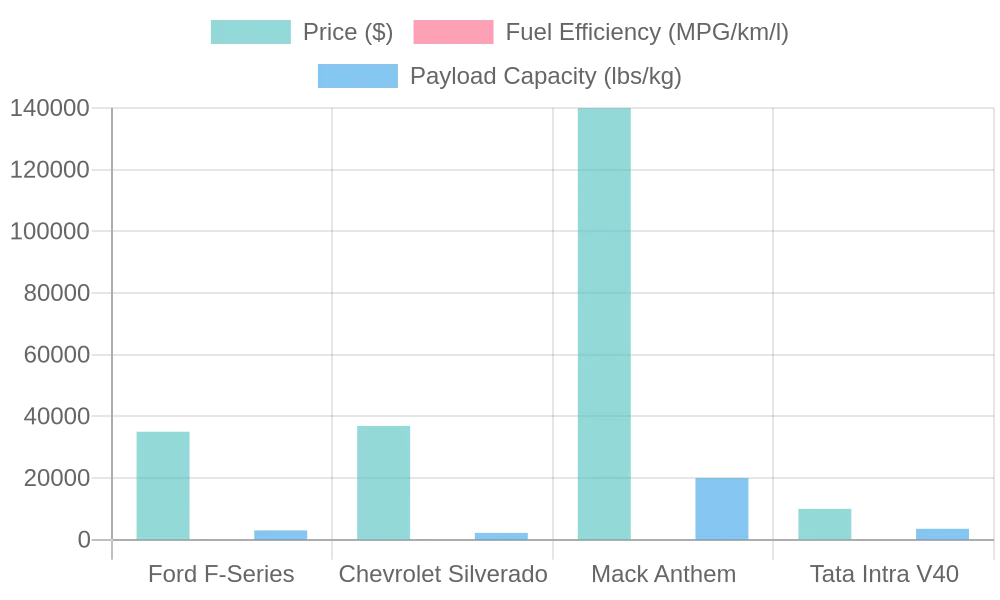
| Model | Price | Fuel Efficiency | Payload Capacity |
|---|---|---|---|
| Ford F-Series | ~$35,000 | ~20 MPG | ~3,000 lbs |
| Chevrolet Silverado | ~$36,900 | ~21 MPG | ~2,200 lbs |
| Mack Anthem | ~$140,000 | 7-10 MPG | ~20,000 lbs |
| Tata Intra V40 | ~$10,000 | ~16-18 km/l | ~1,525 kg |
Sources
Maintenance Costs of Owning a Commercial Truck
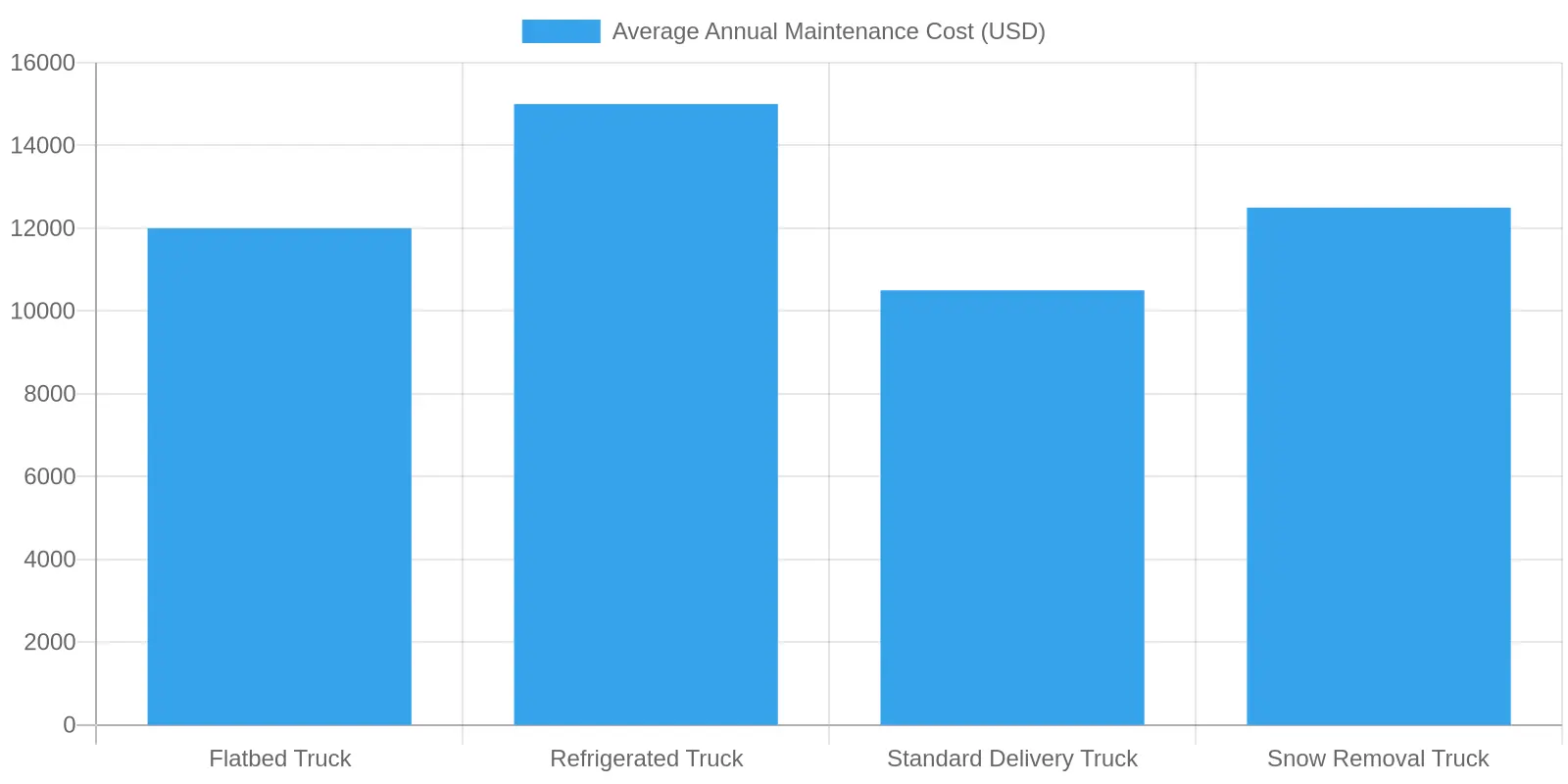
Owning a commercial truck entails significant ongoing maintenance expenses, which are crucial for ensuring the vehicle’s performance and longevity. Maintenance costs typically include routine checks, repairs, and various upkeep tasks that can add up considerably over time. As of 2023, the average annual maintenance costs for different types of commercial trucks are as follows: a flatbed truck incurs about $12,000, while a refrigerated truck averages $15,000. Standard delivery trucks are slightly less expensive, with maintenance costs averaging $10,500 annually, and snow removal trucks typically fall around $12,500 per year.
The necessity for regular maintenance cannot be overstated, as it impacts the reliability and safety of the vehicle, directly affecting logistics operations. Companies often allocate a budget of 10-15% of the total vehicle cost on maintenance to mitigate unexpected repairs and downtime. Key factors influencing these costs include the truck’s age, brand reliability, and frequency of use. Moreover, proactive maintenance strategies, such as telematics systems, have been reported to help manage these expenses effectively, allowing fleets to monitor vehicle performance in real-time.
As the logistics and freight industry continues to evolve, investing in efficient maintenance practices is essential for ensuring that trucking operations remain profitable. Understanding these ongoing maintenance costs will empower logistics professionals to make informed decisions regarding fleet management. For further insights into the economic implications of maintenance alongside factors affecting your truckload margins, consider checking out these resources: trailer orders impact truckload margins and trucking economic trends affecting trailer orders.
Bar Chart showing Average Annual Maintenance Costs by Truck Type
Is Buying a Commercial Truck a Good Investment?
Investing in a commercial truck can be a strategic decision for logistics and freight companies, construction enterprises, and small business owners with delivery fleets. As an expert in the field mentioned, “Purchasing a commercial truck is a strategic move that strengthens business operations. Advantages include improved logistics efficiency, reduced reliance on third-party carriers, and potential long-term cost savings” (Gabrielli Truck Sales).
Owning a commercial vehicle not only enhances business efficiency but also offers greater control over transportation logistics. Moreover, new commercial trucks come with extended warranties, improved safety features, and the latest technology-factors that contribute to their overall value and investment potential.
Furthermore, professionals across the industry agree that investing in reliable trucks can lead to accelerated business growth, especially through better fuel efficiency and a higher resale value over time (Business Money).
By investing in commercial trucks now, businesses can expect both immediate and long-term returns, making it a compelling choice for successful operations in contemporary markets.
In conclusion, investing in a commercial truck represents a strategic decision for logistics and freight company owners, construction teams, and small business owners managing delivery fleets. A well-chosen truck not only meets immediate operational needs but also has significant long-term investment potential. With the right selection, companies can benefit from lower initial costs, especially with the option of purchasing used trucks that experience reduced depreciation. Furthermore, with recent tax benefits tailored for the trucking industry, now is an opportune time to consider expanding your fleet.
As the market trends indicate a growing demand for efficiency and sustainability in commercial trucking, aligning your investments with these shifts will serve you well in the long run. Don’t miss out on the opportunity to enhance your operations and secure your business’s future.
Explore Summit Fairings’ products today to find the ideal solutions for your commercial trucking needs. Visit Summit Fairings and discover how our offerings can help you achieve your business goals while maximizing your investment. Act now to seize the advantages available in this dynamic market!