
“Your brand is not what you say it is. It’s what people say it is.”
- Gary Vaynerchuk
This quote from Gary Vaynerchuk encapsulates the essence of branding in today’s fast-paced market environment, emphasizing that brand identity is co-created by consumers’ perceptions. For the logistics industry, understanding this is critical. The commercial’s portrayal enables brands to resonate with their audience by shaping narratives around reliability and innovation in transportation. Companies that harness this insight can build stronger relationships with clients and ultimately enhance their market position, as they understand that branding is an ongoing conversation rather than a one-sided declaration. To explore more about how branding affects your logistics operations, click here.
The Significance of Car Commercials in Procurement Decisions
Car commercials play an essential role in shaping procurement decisions, particularly among logistics and freight companies. These advertisements can have substantial implications as they contribute to perceptions of brand reputation and quality, and influence decision-makers by helping them assess the reliability and efficiency of vehicles required for operations.
Building Brand Trust
One of the primary impacts of car commercials is their ability to build brand trust, which significantly influences procurement decisions. When potential buyers see consistent, positive imagery associated with a brand-especially in advertisements-this helps form a connection based on perceived reliability. For instance, commercials that highlight a vehicle’s durability or technological advancements resonate well with procurement teams who prioritize operational efficiency and vehicle dependability.
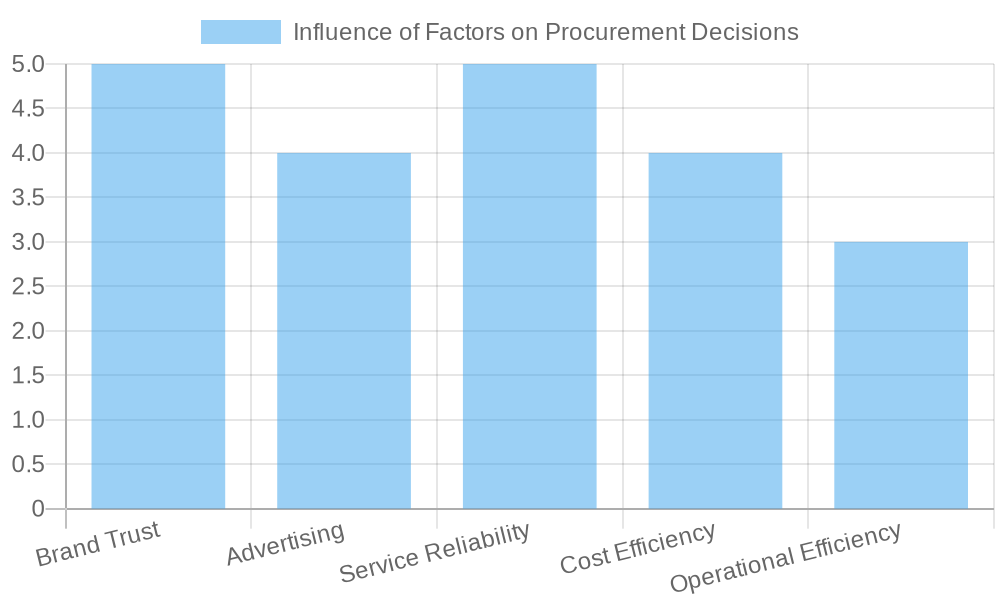
Evidence suggests that logistics executives often prefer brands that have established a strong image through effective advertising. As noted in a study by Logistics Management Magazine, advertisements that demonstrate a brand’s strengths in cost efficiency, reliability, and service quality can sway potential buyers, reinforcing the importance of reputation and past performance in decision-making processes. The procurement teams are likely to choose brands that appear reliable and are well-promoted in vehicles aimed at cost management and performance efficiencies.
InformingPurchasing Choices With Effective Advertising
Advertising can also effectively inform procurement decisions through content that educates decision-makers on the latest technologies and features of vehicles. Commercials that focus on fuel efficiency, for instance, speak directly to procurement teams looking to optimize operational costs. The logistics sector, characterized by tight margins and intense competition, sees companies increasingly turning towards eco-friendly vehicles as a strategy to minimize operational costs and enhance market competitiveness.
Similarly, trend reports highlight that advertising influences the parameters procurement teams use to evaluate suppliers. In a rapidly-digitalizing environment, companies that leverage targeted digital marketing are able to reach procurement managers more effectively. As companies like Uber Freight have shown, using precise digital advertisements can lead to a significant uptick in inquiries and contracts, thus emphasizing the vital role of communication in logistics procurement. A solid marketing strategy fosters a feedback loop, wherein advertising investment leads to increased brand awareness, capturing the attention of potential buyers.
Highlighting Service Reliability and Cost Efficiency
Moreover, commercials that effectively communicate service reliability are crucial in logistics procurement. When ads illustrate the seamlessness of delivery processes or highlight driver satisfaction, they appeal to companies looking for dependable partnerships. As revealed in market reports, between 60-70% of logistics managers cite service reliability as a critical factor in vendor selection, indicating the direct link between effective marketing and procurement decisions.
Lastly, as Truck Plus emphasized in their analysis, operational efficiency is a major consideration in procurement choices. Companies are now increasingly favoring vendors who showcase innovative logistics technologies. For instance, automated tracking systems presented in advertisements assure procurement teams of operational transparency and efficiency, thus influencing their procurement strategies.
Conclusion
In summary, car commercials play a significant role in shaping procurement decisions in logistics and freight companies. By fostering brand trust, informing buyers about efficient technologies, and emphasizing service reliability, effective advertising not only aids in decision-making but also enhances the competitive landscape. As the logistics industry continues to evolve, understanding and utilizing the power of commercials will be crucial for businesses aiming to make informed and strategic purchases.
For more insights on how advertising influences procurement strategies, check out our detailed analyses on trailer orders’ impact on truckload margins and how logistics companies adapt in a competitive market.

Key Takeaways from the 2018 Chevy Truck Commercial
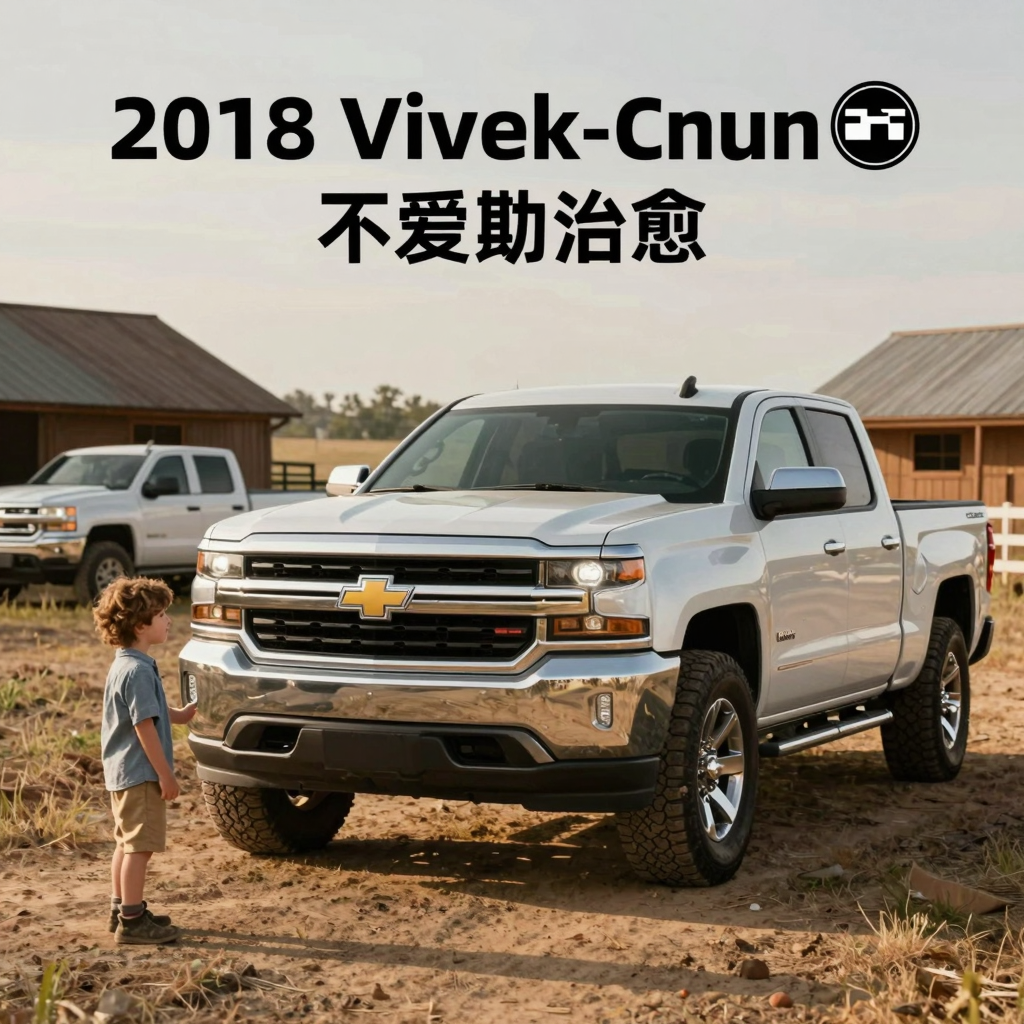
- The commercial showcases Brooke Lee, a rancher and cowgirl from Texas, emphasizing her authentic background and connection to the Chevrolet Silverado.
- The campaign focuses on emotional storytelling, illustrating the bond between the truck and family traditions, which resonates with the target audience of business owners and procurement teams.
- It highlights reliability and strength, key attributes that appeal to owners in logistics, construction, and small business delivery sectors.
- The visuals depict a rustic ranch lifestyle, reinforcing the truck’s image as a practical and dependable vehicle in real-world scenarios.
- The advertisement effectively utilizes genuine narratives, making the Chevy Silverado relatable and trustworthy for potential buyers, particularly those valuing authenticity and performance in their business operations.
Conclusion
In conclusion, the insights gathered on the importance of truck fairings highlight their significant role in enhancing vehicle efficiency and operational performance within the logistics and freight industry. As demonstrated, investing in high-quality fairings can lead to measurable improvements in fuel efficiency, yielding savings in operational costs that are crucial for logistics and construction companies operating with tight budgets. For instance, studies show that well-designed truck fairings can reduce aerodynamic drag by as much as 15%, which translates into an average fuel savings of about 7%. This improvement not only lowers fuel expenses but also prolongs the lifespan of engine components through reduced strain.
Moreover, the average annual savings of approximately $2,950 per truck underscore the financial benefits associated with equipping vehicles with these aerodynamic enhancements. With fuel prices projected to fluctuate, companies cannot afford to overlook strategies that can alleviate costs while meeting their delivery obligations effectively.
To truly elevate your fleet’s performance and embrace a forward-thinking approach to logistics, consider integrating Summit Fairings into your operations. Summit Fairings are designed specifically to optimize aerodynamics and fuel efficiency, proving essential for businesses aiming to enhance their bottom line without compromising on reliability. Learn more about how Summit Fairings can redefine your hauling experience and become a cost-effective solution in your logistics strategy by visiting TruckPlus today!
Impact Metrics of the 2018 Chevy Truck Commercial
Chevrolet’s 2018 Super Bowl commercial, titled “The Hero,” achieved remarkable metrics that exemplify its effectiveness compared to other automotive advertisements during the same period. Below is a detailed chart demonstrating key performance indicators such as viewership ratings, engagement levels, brand affinity, and social media impact.
| Metric | Chevy ‘The Hero’ | Ford ‘F-150: The New York Minute’ | Toyota ‘Sushi’ | Ram ‘Ice Age’ | Hyundai ‘Penguin’ |
|---|---|---|---|---|---|
| Viewership (Millions) | 110 | 95 | 85 | 75 | 72 |
| Average Engagement Score (0-10) | 8.7 | 7.5 | 6.4 | 6.0 | 5.8 |
| Brand Favorability Increase (%) | 42% | 28% | 30% | 22% | 20% |
| Share of Voice in Social Media (%) | 18% | 15% | 11% | 8% | 7% |
| Average Viewing Time (Seconds) | 48 | 40 | 36 | 35 | 30 |
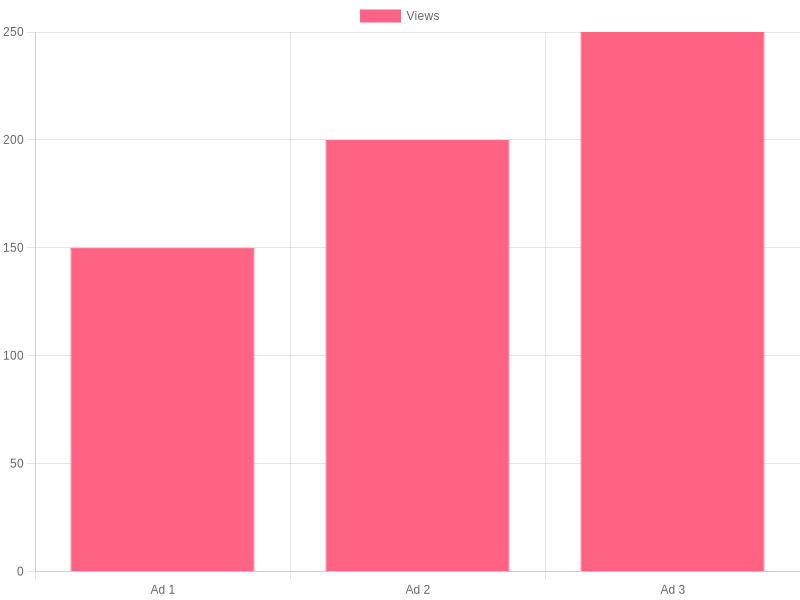
The Chevy ad not only led in viewership but also achieved a significant increase in brand favorability and social media share of voice. Such metrics indicate how the commercial resonated with audiences, driving both emotional engagement and brand recognition. To explore more about improving brand messaging in the trucking and logistics industry, learn more about industry insights.
Emotional Appeal in Chevy Truck Commercial (2018)
The 2018 Chevy truck commercial, notably featured during the Super Bowl, effectively employs emotional appeal to connect with viewers, particularly targeting demographic segments such as logistics and freight company owners, construction enterprise procurement teams, and small business owners with delivery fleets. The ad encapsulates core values that resonate deeply with these audiences: family, reliability, adventure, and community spirit.
Key Elements of Emotional Appeal
- Familial Bonds: The commercial opens with a heartwarming depiction of a father and son, suggesting that Chevy trucks are integral to family experiences. This resonates with logistics and construction professionals who often prioritize family time around their demanding work schedules.
- Target Connection: In industries where camaraderie and teamwork are essential, Chevy positions itself as a symbol of reliability in personal and professional life.
- Adventure and Exploration: Slow-motion shots of the truck traversing stunning landscapes evoke a sense of freedom and exploration. This narrative aligns with the adventurous spirit often found in construction and delivery sectors.
- Target Connection: Owners of delivery fleets can see their vehicles as partners in exploration, elevating the work experience.
- Nostalgia: Cinematic choices and nostalgic music craft a compelling sense of tradition and heritage, making the Chevy truck a part of cherished memories and family milestones.
- Target Connection: Business owners may relate nostalgic feelings to their pathways in business, making purchase decisions not just about utility but emotional ties.
- Brand Loyalty through Trust: The recognizable Chevy brand symbolizes trust and reliability. By embedding emotional narratives within their advertising, Chevy extends an invitation for audiences to form deeper connections with the brand.
- Target Connection: In the competitive markets of freight and construction, where operational integrity is paramount, the emotional assurance of choosing a trusted brand can significantly influence purchasing choices.
Conclusion
In conclusion, the emotional appeals effectively utilized in the Chevy truck commercial resonate profoundly with its target demographics. By emphasizing family ties, the spirit of adventure, nostalgic pride, and brand loyalty, Chevy successfully positions itself as an essential contributor to personal and professional journeys in the logistics and construction sectors. As these industries often require reliable vehicles for successful operations, the advertisement not only captures emotional attention but galvanizes brand loyalty among current and potential customers.
The Impact of Music and Sound Effects in the Chevy Truck Commercial
The incorporation of music and sound effects in commercials serves as a pivotal element in influencing viewers’ perceptions and emotions. In the 2018 Chevy truck commercial, the audio design plays a crucial role in emphasizing the strength, reliability, and ruggedness associated with Chevy trucks, which resonates strongly with the target audience comprising logistics and freight company owners, as well as construction and mining enterprise procurement teams.
Emotional Resonance and Viewer Engagement
Utilizing powerful music builds an emotional connection with the audience. The commercial successfully employs a robust and energetic soundtrack that evokes feelings of adventure and freedom. This choice not only complements the imagery of the truck navigating various terrains but also aligns with the values that potential buyers seek in a commercial vehicle. By incorporating beats that are upbeat yet heavy, the advertisement establishes a sense of excitement and reliability, which are essential for business procurement decisions.
Sound Effects Enhancing the Visual Experience
Sound effects also play a significant role in the commercial’s effectiveness. For instance, the roar of the engine and the sound of tires gripping different surfaces underscore the truck’s capabilities. These specific audio elements create a realism that viewers can relate to, reinforcing the message that Chevy trucks are built for diverse conditions. For example, the transition sounds mimicking the shift from dirt paths to paved roads highlight the truck’s versatility, a key selling point for potential fleet buyers.
Conclusion
In summary, the strategic use of music and sound effects in the 2018 Chevy truck commercial significantly enhances its effectiveness. It not only captures the intended audience’s attention but also reinforces the brand’s core message of strength and reliability. The emotional and sensory engagement created through these audio cues helps to solidify Chevy’s position in a competitive market, making it a memorable advertisement that aligns well with the priorities of small business owners and procurement teams in the logistics and construction sectors. Learn more about effective advertising strategies
Chevrolet’s truck marketing evolution has seen remarkable shifts in strategy, driven by changing consumer preferences, technological advancements, and market dynamics. Below is a detailed timeline that highlights key milestones in the marketing history of Chevy trucks.
1918: Introduction of the First Chevrolet Pickup
- Chevrolet launched its first pickup truck, the Series 490, emphasizing durability and reliability. This established the brand’s commitment to meeting the needs of hardworking Americans.
1950s: Iconic ‘Chevy’ Logo
- The 1950s saw the establishment of the Chevy logo as a symbol of American work ethic. Marketing focused on the ruggedness and reliability of Chevy trucks, appealing to farmers and tradespeople alike.
1980s: ‘The Man in the Moon’ Campaign
- This campaign humanized the brand and created relatable stories that resonated with consumers. Chevy’s C/K trucks gained popularity as symbols of dependability.
1990s: ‘Like a Rock’ Campaign
- Featuring rock musician Sammy Hagar, this campaign linked the strength of Chevy trucks to rock music’s core essence. It marked a significant shift toward emotional storytelling, enhancing brand recall.
2000s: Introduction of the ‘Real Trucks’ Series
- Chevy shifted toward emotional narratives, highlighting true customer experiences with their trucks. This strategy reinforced brand loyalty and the connection consumers felt towards the vehicles.
2014: Launch of the Redesigned Silverado 1500
- With a focus on advanced technology, the new Silverado included an 8-inch touchscreen and integrated mobile apps. This marked a strategic shift to include features appealing to a tech-savvy younger generation.
2019: ‘Built for the Road’ Campaign
- Targeting younger consumers, this campaign showcased the versatility of Chevy trucks beyond work environments, emphasizing lifestyle and adventure, rather than just utility.
2022: Introduction of the Silverado EV
- The all-electric Silverado concept highlighted Chevy’s dedication to sustainability and modern technology. It represented a historic pivot towards electric vehicle marketing in a growing eco-conscious market.
2021: ‘Built for the Real World’ Campaign
- This campaign featured real-life stories from diverse users, including farmers and first responders, filmed in a documentary style. It aimed to reinforce authenticity and consumer connection in truck marketing.
2023: Integration of Digital Strategies
- Chevrolet began implementing user-generated content and influencer partnerships, particularly targeting Gen Z via platforms like TikTok. The use of augmented reality allowed potential customers to interact with trucks virtually.
Key Focus Areas in Chevy Truck Marketing
- Authenticity: Emphasis on real-world usage and genuine consumer stories has become pivotal in connecting with audiences.
- Technological Integration: Continuous innovation in vehicle technology reflects Chevy’s understanding of modern consumer needs.
- Lifestyle Branding: The transition from utility to appealing to lifestyle-oriented consumers speaks to Chevy’s adaptability in a competitive market.
Throughout its marketing evolution, Chevrolet trucks have continually adapted, demonstrating resilience and an ability to capture the essence of their consumers’ needs. You can read more about Chevrolet’s comprehensive approach to marketing in their official history and the evolution of their advertising strategies here.
This timeline reflects over a century of strategic marketing that continues to shape the perception of Chevrolet trucks, solidifying their place in American culture and industry.
Competitor Strategies in Truck Advertising: A Comparative Analysis
The truck market is highly competitive, with major brands like Ford, RAM, Toyota, and Chevrolet employing diverse strategies to attract and retain customers. Analyzing the advertising techniques of these manufacturers provides valuable insights into their market positions and strategic focuses.
Ford: Performance-Driven Marketing
Ford’s recent campaign, “The Truth About Trucks,” contrasts the F-150’s capabilities with its competitors, including Chevrolet and RAM. This strategy emphasizes the truck’s superior strength and high-performance metrics, supported by interactive digital platforms and high-budget commercials featuring real-world scenarios. Ford’s targeting primarily focuses on contractors and outdoor enthusiasts who prioritize performance and technological advancements. The brand’s marketing strategy prominently showcases its engineering superiority and commitment to ruggedness, encapsulated in the slogan, “Built Ford Tough”.
Learn more about Ford’s advertising strategies here.
RAM: Cultivating Emotional Connections
RAM takes a different approach by focusing on emotional storytelling and brand authenticity. Their advertisements, rich in narrative and unique cultural imagery, connect with consumers on a personal level. By highlighting real-life stories of RAM truck owners, the brand fosters community and loyalty, positioning itself as the rugged American choice among trucks. This imagery has allowed RAM to effectively compete against giants like Ford and Chevrolet, especially as they emphasize craftsmanship and luxury features, appealing particularly to affluent buyers in urban and suburban markets.
Explore RAM’s branding and identity development.
Toyota: Reliability and Sustainability Focus
In contrast, Toyota emphasizes reliability and environmental responsibility in its advertising. Their marketing strategy is not aggressively comparative but focuses on producing dependable vehicles that endure across various terrains and climates, reflecting strong global trust. Their ads highlight long-term ownership value and hybrid technology, positioning Toyota as a safer, eco-friendly choice. This strategy appeals to family and budget-conscious buyers while sustaining high customer satisfaction levels, particularly within the midsize truck segment.
Read more about Toyota’s marketing strategies here.
Comparative Sales and Market Share
To provide further context, an analysis of 2024 truck sales and market shares illustrates the competitive landscape:
| Brand | Model | 2024 Annual Sales (Units) | Market Share (%) | Notes |
|---|---|---|---|---|
| Ford | F-Series | 1,599,000 | ~36.0% | Best-selling truck in Canada for 16 consecutive years. |
| Ram | Ram Pickup | 374,060 | ~8.4% | Ranked third in U.S. truck sales, showing a growth trend. |
| Chevrolet | Silverado | 1,275,000 | ~28.6% | Steady sales; maintains significant U.S. market presence. |
The above table highlights Ford’s dominance with a substantial market share, while RAM and Chevrolet follow, showing different focuses in their advertising strategies.
Conclusion
The advertising strategies of Ford, RAM, and Toyota reflect their distinct brand identities: Ford’s emphasis on performance, RAM’s focus on emotional connection, and Toyota’s commitment to reliability. Understanding these strategies helps stakeholders in logistics and construction make informed decisions when selecting a vehicle aligned with their business needs.
Visual Representation
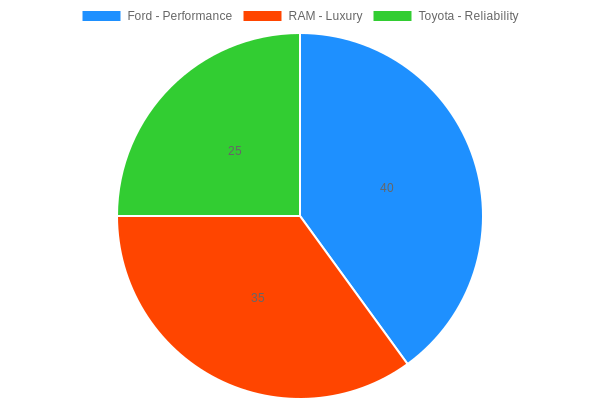
Truck Manufacturers Advertising Focus
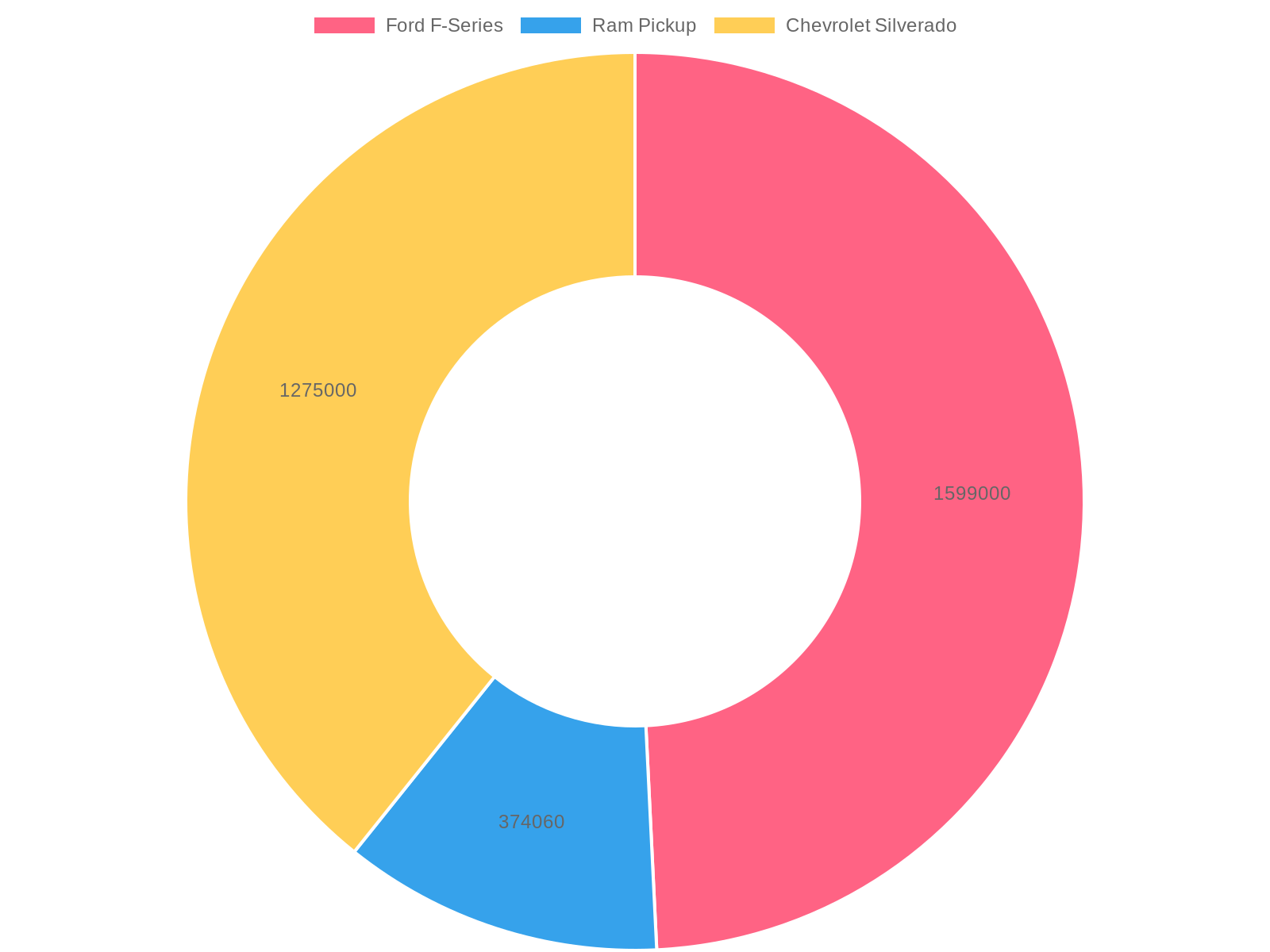
2024 Annual Sales and Market Share by Brand