
When it comes to the efficient operation of logistics, construction, and delivery businesses, understanding the nuances of commercial vehicle registration is paramount. This seemingly administrative task is a crucial element that enables companies to operate legally and efficiently within regulatory frameworks. Whether you manage a fleet of delivery trucks or heavy machinery for construction projects, proper registration ensures compliance with local laws, protects your investment, and bolsters your company’s reputation. As industry leaders, logistics and construction firms must navigate the complexities of vehicle classifications, insurance requirements, and tax implications tied to commercial vehicle registration. In a fiercely competitive market, neglecting this essential process could lead to costly penalties, vehicle downtime, or restricted access to essential transportation routes. Therefore, grasping the importance of commercial vehicle registration not only safeguards your operations but also paves the way for success in today’s fast-paced business environment. For insights into how vehicle leasing impacts operational efficiency, explore more about trailer orders and their effects on truckload margins.
Understanding the Classification of Trucks as Commercial Vehicles
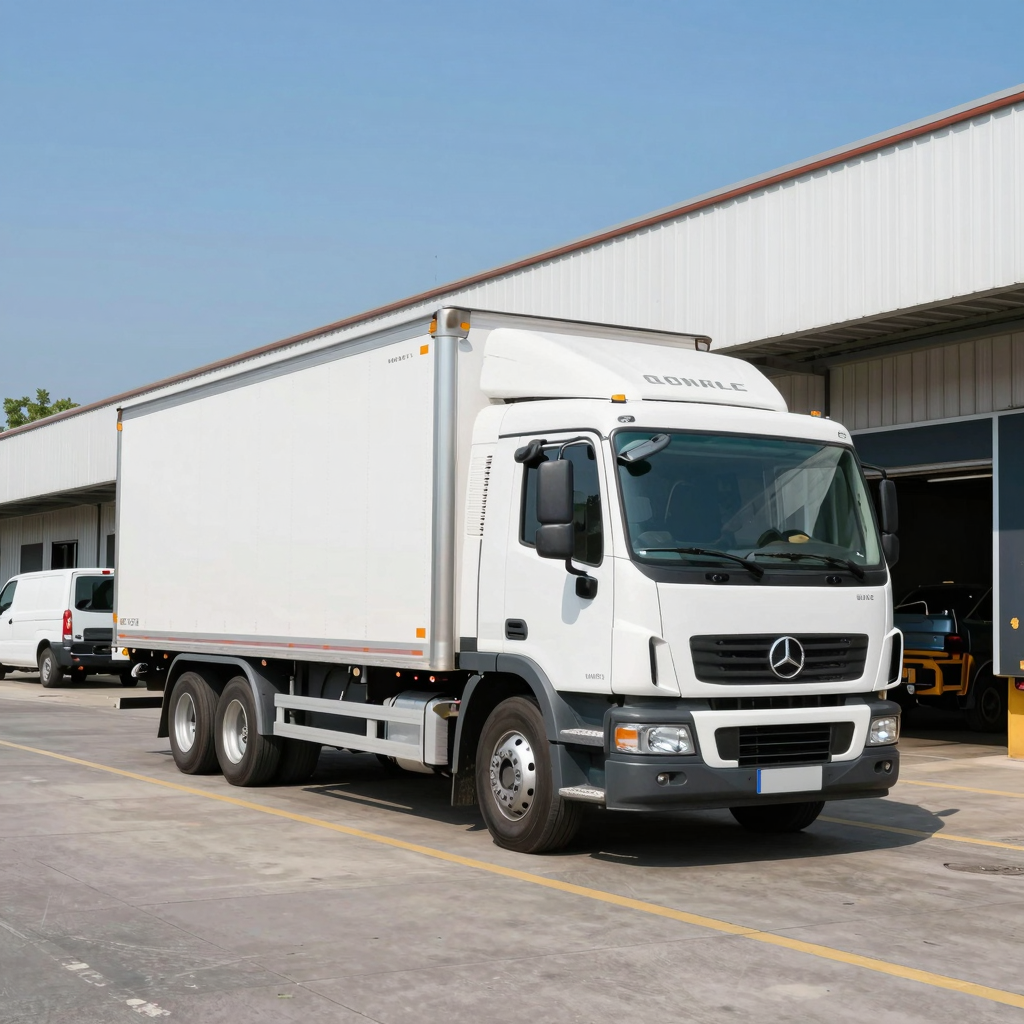
Trucks are often registered as commercial vehicles for several reasons, which hinge on legal definitions, weight limits, types of vehicles involved, and their relevance to the logistics and transportation industries. Below, we delve into key factors that contribute to this classification:
Legal Definitions
-
Commercial Use: A truck is categorized as a commercial vehicle primarily if it is used for business purposes. This includes transportation of goods or passengers as part of a for-profit service. The legal definitions vary by state or country, but generally categorize vehicles used in commerce under specific regulations.
-
Licensing Requirements: To operate commercial vehicles, drivers often require a Commercial Driver’s License (CDL). This reinforces the distinction between personal vehicles and trucks used for commercial purposes.
Weight Limits
-
Gross Vehicle Weight Rating (GVWR): A major determining factor for classifying a vehicle as commercial is its weight capacity. Trucks that exceed a certain GVWR, commonly set at 10,000 pounds or more, are classified as commercial. This regulation is maintained to ensure safety and accountability on the roads, as heavier vehicles may require different handling and operational procedures.
-
Federal and State Regulations: Different jurisdictions impose weight limits that dictate whether a vehicle is considered commercial. For instance, the Federal Motor Carrier Safety Administration (FMCSA) in the U.S. sets standards regarding vehicular weight and operation, which influence both the classification and registration process.
Types of Vehicles
-
Diverse Truck Models: The term “truck” encompasses a range of vehicles, from light-duty delivery vans to heavy-duty long-haul tractors. Each type has specific classifications based on its weight, purpose, and usage patterns.
-
Specialized Vehicles: Many trucks, such as those used for construction, waste collection, or refrigerated transport, have specialized functions that necessitate their classification as commercial. This is significant in the logistics and construction sectors, where regulatory compliance is crucial for operations.
Impacts on Logistics and Transportation
-
Regulatory Compliance: For companies in logistics and transportation, understanding the classification of commercial vehicles is vital. It determines insurance rates, liability, and compliance with safety regulations.
-
Cost and Efficiency: Commercial registration can affect operational costs, influencing decisions around fleet composition, maintenance strategies, and budgeting. Companies need to ensure their vehicles are not only compliant but also cost-effective for their business models.
-
Safety Standards: Trucks classified as commercial vehicles are subject to stricter safety checks and regulations. This is crucial for protecting both the drivers and the public, leading to better safety records in the industry.
Conclusion
Understanding why trucks are registered as commercial vehicles is crucial for various stakeholders in logistics and transportation. This classification governs the legal responsibilities of trucking companies, the types of licenses required, and the regulations that ensure safety and compliance on the road. For those operating within this field, maintaining knowledge of these factors is essential for optimal fleet management and regulatory adherence.
Learn more about the impact of trailer orders on truckload margins or explore trucking economic trends affecting trailer orders for additional insights into commercial vehicle operation.
Proper registration of commercial vehicles is essential for businesses. It ensures compliance with regulations, reduces liability, and enhances operational legitimacy. Not being registered can lead to legal complications and penalties. Additionally, having registered vehicles can improve a company’s reputation and customer trust.
Legal Implications of Commercial Vehicle Registration
The classification of a truck as a commercial vehicle is essential not only for compliance with transportation regulations but also for ensuring safety and accountability on the roads. Failing to register a truck correctly can lead to various legal ramifications that impact businesses heavily.
Understanding Commercial Vehicle Classifications
In general, vehicles classified as commercial must be registered as such, which typically applies to trucks used for business purposes – hauling goods, delivering services, or even transporting passengers. This classification entails adhering to specific legal regulations for commercial vehicles, governed by both federal and state laws. These regulations can include emissions standards, weight limits, and safety requirements.
Consequences of Misclassification
Misclassifying a commercial vehicle can lead to severe penalties. Here are potential legal ramifications that a business might face:
-
Fines and Penalties: Businesses may incur hefty fines for improper registration of their vehicles. For instance, if a truck is operated under personal registration while being used for commercial purposes, authorities may levy fines that could range from hundreds to thousands of dollars, depending on local regulations.
-
Increased Liability: In the event of an accident involving a misclassified vehicle, the company may find itself exposed to increased liability. Insurance policies may become invalidated if the vehicle wasn’t correctly categorized, leaving the company liable for damages.
-
Operational Restrictions: Misclassification may result in operational limits. Certain routes or loads may only be permitted for vehicles registered as commercial. Operating outside these guidelines can lead to additional violations.
-
Increased Scrutiny from Authorities: Businesses that do not comply with registration standards may attract more frequent inspections from regulatory bodies. This can lead to disruptive interventions, affecting logistics, revenue, and reputation.
Importance of Compliance
For logistics, construction, and delivery service companies, understanding and adhering to the legal regulations for commercial vehicles is paramount. Ensuring accurate registration not only protects your business from penalties but also promotes safer roadways and compliance with industry standards.
To delve deeper into how regulations affect operations, consider exploring trucking economic trends affecting trailer orders. Understanding the wider implications of these regulations can enable better preparedness in your operational model.
| Criteria | Commercial Vehicle Registration | Personal Vehicle Registration |
|---|---|---|
| Intended Use | Used for business purposes | Used for personal use |
| Registration Costs | Typically higher ($500 – $2,400) | Usually lower ($20 – $150) |
| Insurance Requirements | Higher liability coverage required | Lower coverage may suffice |
| Documentation Required | Business license, proof of insurance, vehicle specs | Identification, proof of residency |
| Tax Deductions | Allowed for business expenses | Limited deductions |
| Safety Inspections | Often required | Less frequently required |
| Renewal Frequency | Annually or biannually | Annually |
Case Study: Road Runner Delivery Services’ Transition to Commercial Vehicle Registration
In the bustling town of Maplewood, Road Runner Delivery Services began as a modest family-owned business, offering local delivery solutions. With a loyal customer base and a steady increase in demand, the owners realized that their growth potential was being stunted by the limitations of their existing vehicle registration. They operated a fleet of personal vehicles, which constrained their service offerings and insurance coverage.
Challenges Faced
As Road Runner Delivery Services sought to expand, several challenges emerged:
-
Insurance Limitations: Utilizing personal vehicle registrations meant the business had limited insurance options. This created risks during deliveries, and any incident would pose a potential financial disaster.
-
Regulatory Compliance: The owners quickly discovered that operating a commercial fleet required navigating complex regulations. The absence of commercial registration meant they were in violation of local ordinances, incurring fines and damaging their reputation.
-
Vehicle Capacity: The personal vehicles they used were inadequate for larger shipments. As client requests grew, the company struggled to meet delivery demands efficiently.
-
Increased Operational Costs: Fuel inefficiencies due to mismatched vehicles and higher insurance premiums for personal vehicles were impacting profit margins.
Solutions Implemented
Recognizing these challenges, the Road Runner team decided to make significant changes to their operations by transitioning to commercial vehicle registration. Here’s how they approached the transition:
-
Consultation with Experts: The owners reached out to trucking consultancies to understand the benefits of commercial vehicles and the registration process. Having a roadmap helped them navigate the regulations effectively.
-
Investment in New Vehicles: They transitioned to a fleet of commercial delivery trucks designed for efficiency and capacity. This ensured they could handle larger shipments, thus widening their client base.
-
Comprehensive Insurance Solutions: By registering their vehicles commercially, Road Runner gained access to specialized insurance policies that offered broader coverage at competitive rates, protecting their investments.
-
Regulatory Compliance: They worked closely with legal advisors to ensure full compliance with local, state, and federal regulations. This included obtaining necessary permits and licenses, which relieved their previous stress and concerns regarding penalties.
Growth Outcomes
Post-registration, Road Runner’s prospects underwent a significant transformation:
-
Increased Deliveries: With a robust fleet, the company increased delivery capacity by 50%, allowing them to take on larger contracts and meet client demands rapidly.
-
Enhanced Brand Reputation: Clients began to view Road Runner as a more professional and reliable service provider. This improved reputation led to referrals and organic business growth.
-
Improved Profit Margins: Optimizing the fleet helped to reduce operational costs. The investment in commercial vehicles resulted in lower fuel consumption and maintenance costs compared to their previous setup.
-
Job Creation: As the business flourished, Road Runner was able to employ additional drivers and staff, contributing to the local economy.
Conclusion
The transition to commercial vehicle registration marked a pivotal moment for Road Runner Delivery Services. By addressing their initial challenges and implementing strategic solutions, they not only expanded their operational capabilities but also strengthened their market position. This case highlights the importance of adhering to regulatory standards and leveraging the right vehicles and expertise to fuel business growth in the logistics sector.
To further understand the implications of vehicle registration in logistics, learn more about the impact of trailer orders on truckload margins, which can be crucial for any small business looking to optimize its fleet operations.
Conclusion
Understanding why your truck is registered as a commercial vehicle is crucial for logistics and freight company owners, construction procurement teams, and small business owners managing delivery fleets. There are several compelling reasons behind this classification, each playing a significant role in optimizing operations, compliance with regulations, and maximizing opportunities in the competitive trucking industry.
One of the primary reasons for registering a truck as a commercial vehicle centers around liability and insurance. Commercial vehicle registration often leads to increased liability protection, which is essential for businesses engaging in freight movement and delivery. Moreover, commercial registration facilitates easier access to a broader range of insurance options tailored specifically for transport and logistics firms, ensuring adequate coverage at competitive rates. This not only protects the assets of a business but also enhances professional credibility in the market.
Additionally, operating with commercial registrations typically allows for streamlined taxation and easier eligibility for tax deductions related to business operations. For stakeholders in logistics and freight sectors, it provides them with the opportunity to utilize various tax benefits, which can result in significant cost savings over time. Furthermore, commercial vehicle status often leads to access to specialized financing options for equipment acquisition or upgrades, placing businesses in a stronger financial position.
In conclusion, the importance of truck registration as a commercial vehicle goes beyond adherence to regulatory requirements; it ensures that stakeholders can operate within a framework that supports growth, compliance, and financial sustainability. As businesses continue to adapt in an ever-evolving landscape, understanding the ramifications of vehicle registration can empower stakeholders to make informed decisions.
Call to Action
As you continue to navigate the complexities of the trucking industry, consider exploring premium options from Summit Fairings to enhance your operational efficiency. Their tailored solutions can significantly contribute to your fleet’s performance and reliability. Don’t miss the opportunity to optimize your operations-learn more about Summit Fairings’ offerings today!
This content wraps up essential insights while encouraging further exploration of available resources for industry professionals, ensuring you’re well-equipped to thrive in the competitive transport market.
Best Practices for Registering Commercial Vehicles
- Understand Local Regulations:
- Research the specific regulations governing commercial vehicles in your state or province. Each jurisdiction has unique requirements and fees.
- Gather Required Documentation:
- Collect all necessary documents, including proof of ownership, vehicle title, insurance details, and any applicable tax identification numbers.
- Classify Your Vehicle Properly:
- Determine the correct classification for your truck. Factors include weight, type of use, and passenger capacity, which can affect registration fees and taxes.
- Choose the Right Insurance:
- Commercial vehicles often require different insurance coverage than personal vehicles. Make sure to secure a policy that meets the legal requirements and adequately covers your business needs.
- Maintain Accurate Records:
- Keep detailed records of your vehicle’s use, including mileage logs and maintenance schedules. This helps with compliance and can ease the registration renewal process.
- Use a Professional Service:
- Consider hiring a specialized service or an attorney to assist with the registration process. They can help navigate complexities and ensure compliance with all regulations.
- Stay Informed About Tax Deductions:
- Familiarize yourself with possible tax deductions related to commercial vehicles, such as business use of a personal vehicle, depreciation, and maintenance costs.
- Plan for Registration Renewals:
- Mark your calendar for registration renewal deadlines. Late renewals can result in fines and may affect your operating license.
- Join Industry Organizations:
- Becoming a member of relevant business associations can provide access to resources and updates about best practices and regulations.
- Review for Compliance Regularly:
- Make it a habit to review compliance with the regulations periodically. Stay updated on any changes that might affect your vehicle registration.
By following these best practices, small business owners can streamline the process and avoid common pitfalls associated with registering commercial vehicles. For more insights on the trucking industry, consider reading about trucking economic trends impacting vehicle registration.
For further tips on managing commercial operations, explore our resources on trucking employment stabilization insights.