
Introduction
In the bustling landscape of California’s logistics and construction sectors, the importance of commercial plates for trucks cannot be overstated. As the largest state economy in the U.S., California boasts a vast network of trucking infrastructure that supports everything from freight transport to material delivery for large-scale construction projects. However, with this expansive transportation system comes a profound responsibility: adherence to the state’s stringent regulations regarding commercial license plates. Failure to comply not only jeopardizes operational efficiency but also exposes businesses to potential legal repercussions, hefty fines, and reputational damages.
For logistics and freight company owners, understanding the intricacies of these regulations is essential. It translates to streamlined operations and adherence to safety standards, enabling companies to maintain their competitive edge in a market that continually demands efficiency and reliability. Similarly, for construction enterprises, compliant commercial plates represent not just legal protection but also a commitment to quality and safety. In an industry characterized by tight deadlines and strict compliance standards, knowing that your fleet meets state regulations can foster confidence among clients and partners alike.
As California continues to evolve its regulatory framework to address environmental and safety concerns, it is crucial for small business owners with delivery fleets to stay informed and proactive. In this article, we will explore the legal aspects surrounding commercial plates, their significance, and how they impact business operations in logistics and construction. Learn more about vehicle registration and compliance and view essential updates affecting trucking rules as we delve into these important topics.
Understanding Truck Plate Requirements in California: Exemptions for Specific Scenarios
In California, the requirement for commercial truck plates can vary widely based on several factors, including the type of truck, its intended use, and operational specifics. It’s essential for logistics and procurement teams to understand these exemptions to ensure compliance while optimizing their vehicle fleets. Here is an overview of different scenarios where trucks may be exempt from needing commercial plates:
Exemption Scenarios
| Scenario | Truck Type | Exemption |
|---|---|---|
| Rarely operated for personal use | Light Duty Trucks (e.g., pickup trucks under 6,000 lbs) | No commercial plates required if not used for business |
| Used exclusively for agricultural | Agricultural Trucks (e.g., farm trucks) | Exempt from commercial vehicle registration fees |
| Used for hire | Passenger Cars, Vans (e.g., rideshare vehicles) | Commercial plates required if operated for hire |
| Construction related | Heavy Duty Trucks (e.g., construction vehicles) | Temporary exemptions based on construction projects |
| Emergency use | Fire Trucks, Ambulances | No commercial plates required |
| Governmental/Non-profit operations | Trucks operated by non-profit organizations | Exemption from certain registration requirements for non-profits |
Key Takeaways for Logistics and Procurement Teams
- Light Duty Trucks: If these vehicles are used primarily for personal use and do not engage in business operations, they may not require commercial plates. This can lead to significant savings for small businesses that often use these vehicles for deliveries or errands.
- Agricultural Exemptions: Trucks specifically utilized for agricultural purposes are notably exempt from some registration fees under California law, allowing farmers and producers more financial flexibility.
- Temporary Construction Exemptions: Construction vehicles may benefit from temporary exemptions based on project needs, which can help project managers allocate budgets efficiently. This is particularly relevant in large infrastructure projects.
- Emergency and Non-Profit Uses: Trucks that serve emergency functions or are part of non-profit organizations often receive exemptions, recognizing their critical service roles.
Conclusion
Understanding these exemptions can be crucial for logistics companies, construction firms, and small business owners to navigate the often complex regulations in California. For more detailed information, you might want to visit California DMV’s official website for specific guidelines and ongoing updates regarding truck plate requirements.
Additionally, familiarize yourself with the legal landscape of trucking regulations to avoid any compliance issues, ultimately ensuring that your fleet operates smoothly and without unnecessary costs.
Penalties for Non-Compliance with Commercial Plate Regulations in California
Compliance with commercial plate regulations in California is not merely a legal obligation; it is a crucial aspect of ensuring the operational integrity of commercial vehicles. Failing to adhere to these regulations carries serious consequences for businesses involved in logistics, freight, and transportation. Below is a detailed overview of the potential penalties for non-compliance.
Financial Penalties
The state of California imposes significant financial penalties for commercial vehicle owners who fail to display valid commercial plates. According to the California Vehicle Code, fines can reach hundreds or even thousands of dollars depending on the severity of the infraction. Businesses can also incur additional costs related to administrative fees and potential court fees if challenged. In some cases, repeated violations may lead to escalating penalties, making compliance not just an ethical responsibility but a financial imperative.
Impact on Operations
Beyond immediate financial repercussions, non-compliance can severely impact a company’s operations. Trucks operating under improper plates can be subjected to roadside inspections, leading to potential delays in transportation schedules. This not only affects delivery times but can also undermine customer trust and damage a company’s reputation within the industry.
Liability and Legal Risks
In the event of an accident involving an improperly registered commercial vehicle, businesses can face increased liability. Insurance companies may deny claims if it is determined that the vehicle was not compliant with state regulations at the time of the incident. This can result in substantial financial hardship as companies may be held responsible for damages and legal fees.
Increased Scrutiny
Frequently violating commercial plate regulations can lead to increased scrutiny from regulatory agencies. This can manifest in more frequent inspections and audits of your fleet, thereby straining company resources. Ongoing compliance issues can lead to a negative reputation in the trucking community and amongst regulatory bodies, possibly affecting future contracts and partnerships.
Conclusion
The importance of adhering to commercial plate regulations and the associated risks of non-compliance in California cannot be overstated. Businesses must prioritize proper registration to avoid costly penalties and operational disruptions. For more insights on how regulatory compliance can impact your bottom line, learn more about the potential impacts of trailer orders on truckload margins.
Moreover, staying up-to-date with evolving regulations, including trucking economic trends affecting trailer orders, can help fleet owners to remain compliant while optimizing operations.
Commercial Truck Plate Requirements Comparison Table
Here’s a comparison of the commercial plate requirements across different states, focusing particularly on California as a primary example for business owners in the logistics and construction sectors. This will help you understand the contrasting regulations and assist in your decision-making process.
| State | Commercial Plate Requirement | Front Plate Required | Special Permits | Additional Notes |
|---|---|---|---|---|
| California | All trucks over a certain weight require commercial plates | Yes | Motor Carrier Permit required for certain vehicles | Compliance is essential to avoid penalties. Details available on California DMV. |
| Illinois | Commercial trucks must have specific fleet plates based on weight | Yes | Fleet registration available | Must be titled in Illinois for compliance according to LegalClarity. |
| Florida | Trucks must have standard commercial plates | Yes | Specific restrictions based on vehicle use | Compliance ensures identification and road safety LegalReader. |
| Nebraska | Special farm truck plates available; lower fees for agricultural use | Yes | Special compliance needed for farm use | Non-compliance can lead to serious consequences LegalClarity. |
This table serves as a concise resource regarding the intricate commercial plate requirements across various states. As you navigate your trucking operations and related compliance requirements, understanding these regulations is crucial to avoid fines and ensure operational efficacy.
For further insights into how regulatory changes impact your business, consider checking trucking economic trends.
Introduction
In California, managing a commercial fleet involves strict compliance with a variety of regulations, one of which includes obtaining commercial plates for vehicles used primarily for business purposes. For small business owners, understanding and adhering to these regulations can be challenging yet crucial for smooth operations. This article explores user experiences and highlights the challenges faced by small business owners regarding compliance with commercial plate regulations in California.
The Necessity of Commercial Plates
Commercial plates are mandated for vehicles that are used for commercial purposes such as transportation of goods or passengers for hire. This compliance is regulated by the California Department of Motor Vehicles (DMV), which provides guidelines that business owners must follow to avoid penalties. The requirement for commercial plates aims to ensure accountability, safety, and proper taxation of vehicles operating in the commercial space.
User Experiences and Case Studies
-
Expert Guidance on Compliance: Small business owners often turn to resources like Commercial Vehicle Compliance for advice on navigating the operational landscape of commercial vehicle regulations. Testimonials featured on such platforms indicate that many find the compliance process daunting, especially when trying to understand the nuances of state regulations.
-
Challenges with Inspection and Fees: According to the Heavy Vehicle Inspection, small business owners frequently encounter hurdles in meeting state inspection requirements. These inspections are crucial to ensure vehicle safety but can be overwhelming due to various fees associated with compliance. Many business owners report feeling pressured by unexpected fees related to inspections or the necessity for additional paperwork.
-
Awareness of Legislation: The study from Air Compliance Testing indicates that smaller operators often miss out on crucial compliance updates that affect their vehicles. This ignorance can lead to expired registrations or non-compliance with updated emissions regulations, highlighting the need for proactive compliance management.
-
Real-World Consequences: Reports from small trucking businesses have illustrated situations where operators faced significant fines due to improper registration or failure to secure appropriate commercial plates. This often necessitated unexpected financial adjustments, further straining already thin profit margins, especially in challenging economic climates.
Key Challenges Identified
-
Complicated Regulations: Regulatory compliance often feels convoluted, with various state laws and requirements creating confusion among small business owners. Small fleet operators have detailed their struggles in deciphering the legislative language, leading to unintentional non-compliance.
-
Budget Constraints: The financial burden of compliance contributes to significant stress. Many business owners must weigh the costs of registration and compliance fees against their operating budgets, finding it challenging to manage additional expenses, especially in fluctuating markets (Walden University).
-
Educational Resources: Business owners highlighted a lack of readily accessible educational resources that clearly explain the compliance process for commercial plates. Many have expressed a desire for centralized platforms that can guide them through the complexities without overwhelming jargon.
Helpful Resources
To aid in compliance, several resources are available that provide assistance and insights:
- The California DMV has established a website that outlines the necessary steps and documentation required for proper vehicle registration.
- Air Compliance Testing offers services that help small business owners ensure their vehicles meet all necessary regulations.
Conclusion
Navigating compliance with commercial plate regulations in California is a multifaceted challenge for small business owners. From understanding the regulations to managing the associated costs, operators need to be well-informed and proactive. Utilizing available resources can help mitigate common pitfalls, allowing small businesses to thrive in compliance with state laws. For more insights on optimizing your fleet’s operations and compliance, explore resources like California DMV for registration updates and compliance requirements.
By sharing these experiences and best practices, small business owners can foster a more knowledgeable community that supports one another in achieving compliance and operational success.
Percentage of Trucks Requiring Commercial Plates in California
To manage compliance with state regulations, it is essential for trucking companies and owners to understand the requirements surrounding commercial vehicle registration in California. The data indicates that approximately 70% of trucks in California are required to have commercial plates, while 30% do not. This information helps fleet owners make informed decisions regarding their vehicle registrations.
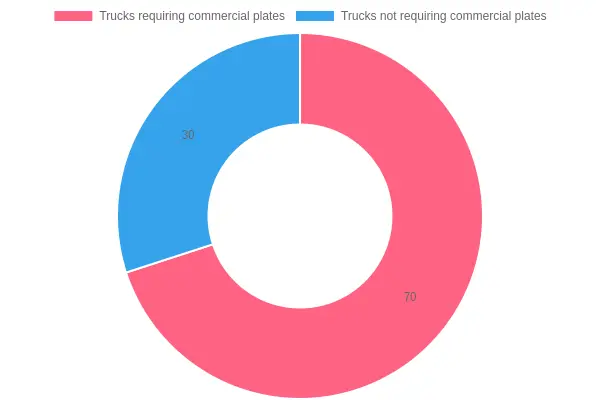
The pie chart above illustrates the distribution of trucks requiring commercial plates versus those that do not. Ensuring that your fleet is compliant with these requirements can save you from potential fines and operational disruptions.
For further insights on operational efficiencies and compliance measures, you can learn more about trucking economic trends affecting trailer orders or explore strategies for trailer purchases in a weak market.
Conclusion
In summary, understanding and adhering to commercial plate requirements in California is essential for all truck owners and operators. The state mandates that vehicles classified as commercial trucks must register appropriately and may need to obtain additional permits, such as the Motor Carrier Permit, depending on their operation type. Non-compliance can lead to significant penalties, as outlined in California’s strict regulatory framework, exposing businesses to hefty fines and operational risks.
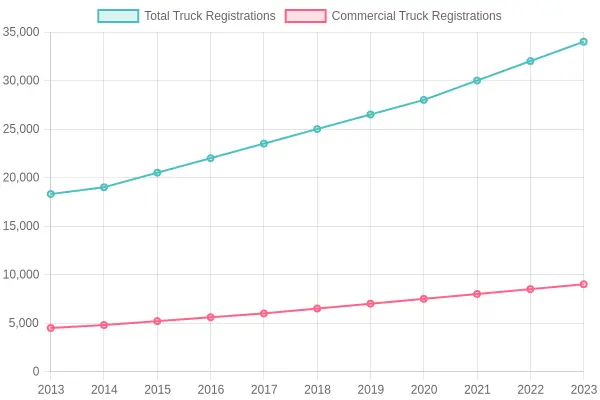
Over the years, truck registrations in California have increased significantly, reflecting the growing importance of commercial transport in the state’s economy. As shown in the chart below, commercial truck registrations have risen steadily, emphasizing the need for ongoing compliance to support this expanding sector.
Furthermore, compliance with regulations ensures not only adherence to legal standards but also contributes to overall road safety and environmental health. From maintaining current vehicle registrations to ensuring proper equipment and operational permits, all logistics company owners, construction enterprises, and delivery fleet managers should conduct a thorough assessment of their vehicles and operations.
By proactively addressing compliance issues, businesses can mitigate risks, avoid penalties, and enhance their operational efficiency. Assess your vehicles today to ensure compliance with California’s commercial truck regulations, protecting your business and contributing to sustainable transport practices. For more insights into the impact of compliance on operational efficiency, learn more about trucking regulations or explore how regulatory updates affect trucking in your area.
Do All Trucks in California Require Commercial Plates?
In California, all commercial trucks are required to register with the Department of Motor Vehicles (DMV) and display valid commercial plates. This requirement ensures that vehicles comply with state laws, and adherence is crucial for legal operation within the state.
Importance of Compliance
“Adhering to commercial truck plate requirements is not just about compliance; it’s about ensuring safety on the roads and protecting all users of the transport system.” – Transportation Compliance Expert.
Following these regulations not only maintains the integrity of service but also safeguards the public. Failure to meet these requirements can lead to facing significant legal repercussions and operational challenges, such as penalties or vehicle impoundment.
To learn more about the implications of these regulations, you can check out the California DMV for more detailed requirements and information about vehicle registration.
Additional Requirements for Commercial Trucks in California
| Requirement Category | Description | Source |
|---|---|---|
| Registration | All commercial trucks in California must be registered with the DMV. | California DMV |
| License Plates | Commercial trucks must display valid license plates issued by the DMV. | Book Truck License Plate |
| Insurance Requirements | Depending on the truck’s operation type, insurance coverage can range from $300,000 to $5 million. | California Commercial Truck Insurance |
| Safety Regulations | Trucks must meet state safety standards, including maintenance and inspections. | FMCSA Inspection Guide |
| Compliance Importance | Adhering to truck plate requirements is crucial for road safety, regulatory compliance, and operational insurance. | Importance of Compliance |
Conclusion
In summary, compliance with truck commercial plate requirements in California is essential not just for legality but also for the safety of everyone on the road. By adhering to these guidelines, businesses can ensure smoother operations and mitigate risks associated with non-compliance. For further insights, consider reading about trucking economic trends impacting registrations.
FAQ on Commercial Plate Requirements in California
As a logistics or procurement professional, understanding the requirements regarding commercial plates in California is crucial when managing a fleet of trucks. Below, we address the most frequently asked questions surrounding commercial plates, their requirements, and related topics.
1. What constitutes a commercial vehicle in California?
A commercial vehicle is defined as any vehicle used primarily for business purposes, which includes transporting goods or passengers for compensation. In California, commercial vehicles typically have a gross vehicle weight rating (GVWR) exceeding 10,000 pounds, such as trucks, delivery vans, and buses. For further information, visit the California DMV’s commercial vehicle page.
2. Do all trucks require commercial plates in California?
Not all trucks require commercial plates, but if the vehicle is used for commercial purposes, it must be registered as a commercial vehicle. This registration requires specific documentation, including proof of ownership, insurance, and applicable fees. Trucks under 10,000 pounds used for personal purposes may not need commercial registration.
3. What are the registration requirements for commercial vehicles?
Registration requirements for commercial vehicles in California include:
- Valid identification documents
- Proof of residence
- Proof of insurance
- Vehicle title or ownership documents
- Payment of registration fees
- Depending on the operation, obtaining a Motor Carrier Permit may also be necessary. For detailed guidelines, the California DMV provides comprehensive resources.
4. What is the process to register a commercial vehicle?
The process involves several key steps:
- Complete the Application: Fill out an application for title or registration.
- Provide Required Documents: Submit proof of insurance, vehicle title, and any additional state-specific documents.
- Pay Fees: Fees vary based on the vehicle’s weight class and purpose.
- Get Your Plates: Once registered, you will receive the necessary commercial plates.
5. What are the penalties for not having commercial plates?
Failure to have proper commercial plates can result in severe penalties, including:
- Fines ranging from $250 to $1,000 for not displaying valid plates.
- Additional fines may apply for operating a vehicle without registration.
| Offense | Penalty | Code Reference |
|---|---|---|
| Failure to display valid commercial plates | $250 – $1,000 fine | California Vehicle Code § 5200 |
| Driving a commercial vehicle without plates | Fines typically $250 to $500 | California Vehicle Code § 4000 |
| Failure to register a commercial vehicle | Penalty fees, potential impoundment | California Vehicle Code § 4602 |
6. Are there exemptions available for certain vehicles?
Yes, certain exemptions may apply, including for government-owned vehicles or specially designated vehicles under specific circumstances. It’s crucial to consult the California DMV FAQ for exhaustive guidelines on exemptions.
7. How do I keep my registration current?
Maintaining current registration involves:
- Regularly updating any changes in information related to the business or vehicle.
- Renewing the registration annually and ensuring compliance with inspections and insurance requirements.
- Setting reminders for registration renewal dates to avoid penalties.
Conclusion
Understanding commercial plate requirements in California can seem daunting; however, staying informed and organized can significantly mitigate risks and ensure compliance with state regulations. For more specialized topics, such as the effect of registration on transport margins, you may find our article on trailer orders and their impact particularly helpful.