
Introduction
Starting a commercial truck equipment dealership presents an exciting opportunity for aspiring entrepreneurs in the logistics and transportation industries. With the growing demand for efficient freight solutions, the potential for profitability and expansion in this sector is substantial. The logistics industry plays a critical role in global trade, moving goods across vast networks, and this creates a ripe market for dealerships that can meet the needs of companies seeking to invest in reliable and high-performance equipment. As businesses look to optimize their operations, having access to top-quality trucks and trailers is paramount, and a dealership can fulfill this demand while providing valuable services. This venture not only offers excellent financial returns but also empowers small business owners to contribute to the economy by facilitating smoother logistics operations. By navigating the initial setup challenges and understanding market dynamics, you can position your dealership for long-term success. For insights on trailer orders and their impacts on margins, learn more here. Additionally, considering the latest trends in truck employment can help ensure you are ahead of the curve-explore more.
“A well-structured dealership isn’t just a business; it’s a critical link in the supply chain, affecting everything from fleet efficiency to customer satisfaction. Establishing strong operational foundations is essential for thriving in the competitive trucking market.”
This quote encapsulates the importance of proper dealership setup in ensuring operational efficiency and customer trust, both of which are vital in the trucking industry. For more detailed insights, consulting industry-specific resources is recommended.
Market Analysis: Key Trends in the Commercial Truck Equipment Sector
In the evolving landscape of the commercial truck equipment sector, understanding market trends is essential for new dealership owners. Here are some key trends shaping the industry:
1. Shift Towards Electric and Hybrid Trucks
The commercial trucking industry is increasingly gravitating towards electric and hybrid vehicles. As environmental regulations become more stringent and fuel prices rise, this shift is not merely a trend but a necessity. OEMs are investing heavily in developing electric trucks that promise lower operational costs and reduced emissions, presenting an opportunity for dealerships to align with the future of transportation.
2. Embracing Technological Advancements
Integration of advanced technologies, such as telematics, autonomous driving systems, and artificial intelligence, is becoming commonplace. These technologies enhance efficiency and safety and optimize fleet management processes. Dealerships can capitalize on this trend by offering equipment that includes these advancements, meeting market demand for high-tech solutions.
3. Navigating Supply Chain Disruptions
Ongoing supply chain challenges continue to affect the availability and pricing of commercial truck equipment. Issues such as semiconductor shortages and logistical bottlenecks have impacted production timelines. For dealership owners, understanding and navigating these disruptions is crucial for maintaining inventory and meeting customer demand.
4. Increased Demand for Last-Mile Delivery Solutions
With the surge in e-commerce, the demand for commercial trucks equipped for last-mile delivery has skyrocketed. Customers are increasingly looking for smaller, agile vehicles that can efficiently handle this crucial service. By stocking such vehicles, dealerships can better serve the growing logistics and delivery sectors.
5. Interest in Alternative Fuels
Fluctuating fuel prices are driving interest in alternative fuels like hydrogen and biodiesel. Companies are keen to enhance fuel efficiency and reduce dependency on traditional diesel fuels. This trend presents an opportunity for dealerships to not only sell vehicles but also educate customers about alternative fuel programs and solutions.
Conclusion
The commercial truck equipment sector is undergoing significant changes driven by technological innovation, regulatory pressures, and evolving consumer needs. New dealership owners must stay informed about these trends to position their businesses for success. A proactive approach to understanding and adapting to the market landscape will be crucial in establishing a competitive advantage.
For further insights on related topics, you can learn more about how trailer purchases strategies can adapt in a weak market or explore the implications of supply chain issues on truckload margins.

Essential Equipment Types for Commercial Truck Dealerships
Establishing a successful commercial truck equipment dealership necessitates stocking a variety of essential equipment types to meet the diverse needs of logistics, construction, and delivery businesses. Below is a detailed list of crucial equipment types that dealers should consider:
- Heavy-Duty Trucks: These trucks are essential for transporting large quantities of goods and are a staple in both logistics and construction industries.
- Trailers: Various types of trailers (flatbeds, refrigerated, and enclosed) are necessary to cater to different cargo requirements.
- Towing and Recovery Gear: Equipment such as winches, tow hooks, and recovery straps are vital for operators who often require roadside assistance capabilities.
- Cargo Management Systems: Dealers should stock items like load bars, cargo nets, and storage solutions to help businesses manage their cargo efficiently.
- Safety Equipment: Safety gear, including reflective cones, flares, and emergency kits, is critical for compliance and safety on the road.
- Maintenance Tools and Equipment: Essential tools for upkeep, such as oil filters, tires, and diagnostic equipment, ensure the longevity of trucks.
- Aftermarket Accessories: Items like lift gates and refrigeration units expand the functionality of commercial trucks, making them more versatile for various industries.
- Specialized Trucks: This includes dump trucks, cement mixers, and service vehicles tailored to specific sectors such as construction and mining.
By stocking these essential types of equipment, dealerships can ensure they meet the demands of their diverse customer base in the commercial transportation sector. Learn more about market dynamics in truck equipment to optimize your inventory choices.
Step-by-Step Guide to Setting Up a Commercial Truck Equipment Dealership
Setting up a commercial truck equipment dealership involves various detailed steps, from conducting market research to ensuring compliance with regulatory bodies. Below is a comprehensive guide to help you launch your dealership successfully.
1. Develop a Business Plan
Before diving into the dealership setup, it’s crucial to create a solid business plan. This document will serve as your roadmap and should include:
- Market Analysis: Identify your target customers (logistics companies, construction firms, etc.) and analyze your competition.
- Goals and Objectives: Set clear, achievable goals for your dealership that outline what you aim to accomplish in the short and long term.
- Financial Projections: Estimate startup costs, operating expenses, and expected revenues. This will help you secure financing and track your progress.
- Operational Strategy: Determine how you will operate your dealership daily, including staffing needs and inventory management.
For more insights on tailoring your strategies based on market trends, check out this article on economic trends affecting the trucking industry.
2. Secure Financing
Launching a dealership typically requires significant capital. Here are some options to consider for funding:
- Bank Loans: Approach local banks or credit unions for business loans.
- Investors: Seek investment partners who can provide capital in exchange for a share of ownership.
- Grants and Special Programs: Investigate various grants available for small businesses or those specifically aimed at the trucking industry.
A solid financial foundation is essential for operational success.
3. Choose a Suitable Location
The location of your dealership can greatly impact your business. Here are some factors to consider:
- Accessibility: Choose a site that is easily accessible to truck drivers and near major transportation routes.
- Space Requirements: Ensure the property has enough space for displaying vehicles and for service operations if needed.
- Local Market Demand: Analyze the local demand for commercial trucks and adjust your location decision accordingly.
4. Obtain Necessary Licenses and Permits
Regulatory Compliance
To operate legally, you’ll need various permits and licenses, which may include:
- Business License: Required to operate any business legally within your jurisdiction.
- Dealer License: Specific to car/truck dealerships; requirements vary by state.
- Sales Tax Permit: Necessary to collect sales tax from customers.
Check local regulations for any additional required licenses. Ensure compliance with federal, state, and local regulations to avoid potential fines.
For comprehensive compliance guidelines that might be applicable to your dealership setup, refer to this regulatory compliance resource.
5. Build Relationships with Manufacturers
Establish solid relationships with manufacturers or suppliers of commercial trucks. Factors to keep in mind include:
- Product Range: Choose brands that align with your dealership’s vision and the needs of your target customers.
- Negotiation of Terms: Discuss pricing, delivery schedules, and after-sale support.
- Warranty and Service: Ensure that you understand the warranty terms provided by manufacturers to offer customers reliable post-sale support.
6. Design Your Dealership Layout
Create a dealership layout that promotes an inviting shopping experience:
- Display Area: Dedicate ample space for showcasing your trucks.
- Sales Office: Create an organized and comfortable space for customer interactions.
- Service Area: Design a service area if you plan to offer maintenance and repair services.
7. Develop a Marketing Strategy
To attract customers to your dealership, you’ll need a robust marketing strategy:
- Brand Development: Create a recognizable brand that resonates with your target audience.
- Online Presence: Invest in a professional website and utilize social media to reach potential customers effectively.
- Promotions: Consider launching promotions or events to draw attention to your dealership once you open.
For more marketing tips in the trucking sector, consider reviewing how to manage trailer purchases in a weak market.
8. Hire Staff
Assemble a knowledgeable team for your dealership:
- Sales Team: Hire experienced sales professionals with a background in commercial vehicle sales.
- Service Technicians: If offering maintenance and repair, hire qualified technicians.
- Administrative Staff: Ensure efficient business operations through skilled administrative personnel.
Conclusion
Establishing a commercial truck equipment dealership involves careful planning and execution. By following these steps and considering regulatory compliance, financial management, and customer engagement, you can lay a strong foundation for your dealership’s success in a competitive market.
This comprehensive guide provides a clear pathway to getting your dealership off the ground. Ensure each step is followed diligently to maximize your chances of success.
| Vendor | Notable Qualities | Pricing | Warranty | Delivery Times |
|---|---|---|---|---|
| Freightliner | Known for durability and fuel efficiency; strong dealer support | Competitive | Typically 1-3 years | 1-4 weeks |
| Peterbilt | High resale value; preferred among owner-operators | Higher-end | 3-5 years | 3-6 weeks |
| Kenworth | Exceptional build quality; strong dealer network | Varies | 3-5 years | 3-8 weeks |
| Mack | Known for powerful engines and rugged performance | Competitive | 2-5 years | 4-6 weeks |
| International | Versatile and various models tailored for multiple uses; strong parts availability | Moderate | 1-3 years | 3-5 weeks |
| Volvo | Leader in fuel efficiency innovations; high safety standards | Higher-end | 2-5 years | 2-5 weeks |
| Hino | Reliable for light to medium duty trucks; good fuel economy | Lower-end | 3 years | 2-4 weeks |
Insights:
- Freightliner often leads in overall total cost of ownership (TCO) and dealer coverage, being favored for long-haul applications.
- Peterbilt tends to excel in the resale market, catering primarily to owner-operators.
- Kenworth combines exceptional performance and comfort to appeal to various trucking segments.
Given the lack of specific data from the search results, it is advisable to check with individual vendors directly for the most accurate and current information regarding pricing, warranties, and delivery times. For further insights, you can explore topics related to trailer market strategies and trucking economic trends.
Starting a commercial truck dealership can be an exciting and potentially lucrative opportunity for entrepreneurs in the logistics and transportation sectors. However, securing the necessary financing is one of the first hurdles to overcome. Below we discuss various financing options, including loans and grants, that can assist in starting your dealership.
1. Loan Options
There are several types of loans available for aspiring commercial truck dealership owners:
-
Commercial Vehicle Loans: These loans are specifically designed for purchasing vehicles. Many lenders offer favorable terms and competitive interest rates. A commercial vehicle loan can help cover a significant portion of the costs associated with purchasing a fleet of trucks.
-
Small Business Administration (SBA) Loans: SBA loans are a popular option because they provide low-interest rates and long repayment terms. The SBA 7(a) loan program is particularly beneficial for small businesses. Applicants will often need to demonstrate good credit and a solid business plan.
-
Equipment Financing: This is a type of asset-based loan used to purchase equipment. The equipment (in this case, trucks) serves as collateral for the loan, which may make it easier to secure financing without a large down payment.
-
Personal Loans: While not ideal, personal loans can sometimes be used to finance startup costs associated with a dealership. Individuals can borrow against their personal credit to obtain the necessary funds.
-
Dealer Floor Plan Financing: This specialized type of financing allows dealership owners to finance their inventory vehicles. It provides the necessary cash flow to keep stock vehicles available for sale without making an upfront purchase.
For additional comparisons of various loan types, consider this comprehensive lending guide.
2. Grants and Incentives
While securing grants specifically for starting a commercial truck dealership is rarer, there are general grants available to small businesses in the transport sector:
-
State and Local Grants: Many states offer grants to support small businesses and economic development in their regions. Checking with local business development offices can provide valuable information about available programs.
-
Federal Grants: Although competitive and often limited to specific projects, there are federal grants aimed at businesses that support job creation, environmental improvements, or community benefits. Websites like Grants.gov can be useful for finding such financial opportunities.
-
Non-Profit Organizations and Foundations: Some non-profit organizations offer grants that can be leveraged for starting a business in underserved communities or areas.
While specific grant information was not found during the search, financial incentives often exist at the state and local levels. Entrepreneurs are encouraged to explore resources through state economic development departments.
3. Conclusion
Starting a commercial truck dealership requires careful financial planning and an understanding of the various financing options available. By leveraging loans specifically designed for vehicle financing, exploring small business loans, and identifying potential grants, you can position your dealership for success.
For those interested in the broader picture of the truck market and its economic aspects, the article on trucking economic trends provides valuable insights into how market conditions can impact operations.
In summary, while loans are the more common option for financing a commercial truck dealership, opportunities for grants and incentives do exist and should be pursued proactively.
Estimated Operational Costs for Commercial Truck Dealerships
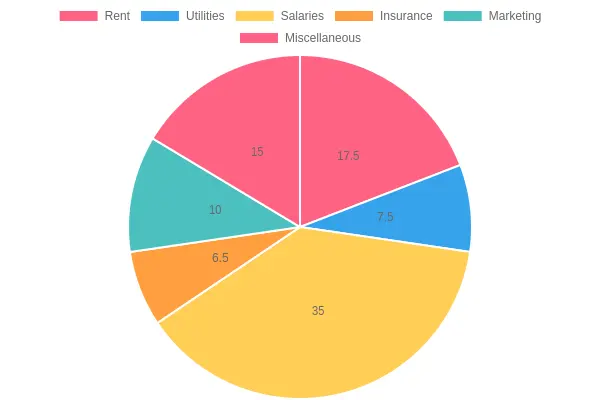
When planning to start a commercial truck equipment dealership, understanding the operational costs is crucial for budgeting. Below is a pie chart that outlines typical operational cost categories involved in running a dealership:
| Category | Estimated Cost (% of Total) |
|---|---|
| Rent | 15-20% |
| Utilities | 5-10% |
| Salaries | 30-40% |
| Insurance | 5-8% |
| Marketing | 5-15% |
| Miscellaneous | 10-20% |
These percentages reflect estimated costs associated with the weekly, monthly, and annual operating procedures that dealerships typically face. By preparing for these expenses, potential owners can better manage their budgets and ensure viable operation of their businesses.
For more insights into the financial aspects of running a dealership, consider exploring detailed articles about operation strategies or ways to maintain profitability in the trucking sector.
Conclusion
Starting a commercial truck equipment dealership represents not just an investment in a business, but a gateway to significant growth, both personally and within the industry. As logistics and freight movements continue to expand with the growing economy, your dealership can capitalize on the increasing demand for reliable and robust truck equipment. This venture will allow you to tap into various revenue streams, including sales of new and used trucks, aftermarket parts, and service options that cater to an array of industries, from logistics to construction and mining.
Moreover, by establishing a dealership, you will create vital relationships within the local and wider business communities, fostering loyalty that translates into increased, repeat business. The potential for profit is substantial, especially when you provide specialized products or exceptional customer service. The benefits of stepping into this field-investing in something durable and invaluable-are clear.
Call to Action
Are you ready to take the first step towards establishing your commercial truck equipment dealership? Don’t wait for the opportunity to pass you by. Begin your journey today by exploring further insights into increasing your dealership’s success and understanding the trends shaping this industry. Your future in the dynamic world of truck dealership awaits!