
Understanding the Role of Pickup Trucks as Commercial Vehicles in Ontario
In the bustling arena of logistics and procurement, the classification of vehicles can have profound implications for operational efficiency, cost management, and regulatory compliance. For many businesses in Ontario, understanding whether a pickup truck can be classified as a commercial vehicle is not just a matter of semantics-it is crucial for aligning their fleet management strategies with both provincial regulations and their unique operational needs. Pickup trucks, often seen as versatile utility vehicles, play an indispensable role in various sectors such as construction, transportation, and service delivery. They grant enterprises the ability to navigate the fine line between personal and commercial use, allowing small business owners and larger enterprises alike to maximize their vehicle utilization. Furthermore, with evolving regulations in Ontario, having a clear understanding of how these classifications affect logistics planning and compliance can significantly impact a company’s bottom line. As we delve into the nuances of vehicle classification and its implications, learn more about relevant transportation regulations to make informed decisions that ensure compliance and operational excellence.
Legal Definition of Commercial Vehicles in Ontario
In Ontario, the legal framework that defines commercial vehicles is primarily outlined in the Highway Traffic Act (HTA) and the Commercial Vehicle Operators Registration (CVOR) program. A vehicle is categorized as a commercial vehicle based on specific criteria that adhere to Ontario vehicle laws.
Criteria for Classification
A commercial vehicle is defined as any motor vehicle utilized for:
- Transportation of Goods: Specifically, any vehicle used to transport goods, wares, or merchandise for hire or reward. This includes vehicles used by businesses to facilitate the sale and distribution of products.
- Business Purposes: Vehicles used for business activities that have a gross vehicle weight rating (GVWR) of 4,500 kilograms or more. This criterion is essential for understanding the types of vehicles that fall under commercial regulations.
Regulatory Compliance
Commercial vehicles in Ontario must comply with various safety requirements, including regular inspections mandated by the Ontario Ministry of Transportation (MTO). These inspections are designed to ensure that vehicles are safe for operation on public roads and include:
- Annual and Semi-Annual Inspections: Conducted by licensed technicians at certified facilities. This is crucial for maintaining road safety and regulatory compliance.
The CVOR is a part of the system to monitor the safety and compliance of commercial vehicle operators. It assesses operators’ safety records and ensures that vehicles meet the necessary legal requirements. Non-compliance can result in penalties and a reduction in operational capabilities.
Conclusion
Understanding the commercial vehicle definition in Ontario is essential for logistics and freight companies, as well as small businesses operating delivery fleets. Knowing these legal definitions and compliance mandates helps ensure safe and legal transportation practices. For more in-depth information, refer to official sources like the Government of Ontario for safety regulations and commercial vehicle resources that provide further legal insights.
| Criteria | Commercial Vehicles | Passenger Vehicles |
|---|---|---|
| Usage | Primarily used for business purposes; transporting goods or services | Used for personal transport and recreational activities |
| Tax Implications | Often subject to different tax rates; may qualify for tax deductions | Standard personal vehicle tax rates apply |
| Insurance | Requires commercial auto insurance; higher premiums but broader coverage | Personal auto insurance is sufficient, typically lower premiums |
| Licensing Requirements | May require special commercial licenses depending on GVWR | Standard driver’s license sufficient |
| Maintenance | May incur more frequent wear and tear due to commercial use | Generally lower maintenance if used sparingly |
Implications for Logistics and Freight Companies Related to Pickup Truck Classification in Ontario
The classification of pickup trucks as commercial vehicles in Ontario presents significant implications for logistics and freight companies, particularly in terms of operational costs and regulatory compliance. Here’s a detailed examination of these effects:
Cost Implications
-
Insurance Rates
Pickup trucks classified as commercial vehicles face higher insurance premiums compared to those registered as personal vehicles. This is due to increased risk profiles associated with vehicles used for business purposes. According to the sources, commercial vehicle insurance often requires higher coverage minimums, leading to significant cost increases for operators (see more about insurance rates). -
Vehicle Maintenance Costs
The operational use of pickup trucks for commercial purposes generally drives up maintenance expenses. Commercial vehicles must adhere to stricter maintenance schedules, which can result in increased costs in parts and labor to ensure compliance with safety standards. Thus, freight companies utilizing pickup trucks in their fleets should be prepared for enhanced maintenance budgets to cover potential longevity and efficiency needs. -
Regulatory Compliance Expenses
Businesses must also account for additional costs associated with regulatory compliance. This includes the need for inspections and specialized equipment necessary for meeting legal requirements for commercial vehicles. Compliance can necessitate spending on safety equipment and additional training for drivers on regulations governing commercial vehicle operation (source).
Operational Considerations
Given the inherent nature of logistics and freight operations, several operational considerations arise:
-
Regulatory Requirements for Registration: In Ontario, any pickup truck used for business must display its registered Gross Vehicle Weight (GVW) on the exterior of the cab. This requirement is key for ensuring compliance within commercial vehicle laws and avoiding potential fines or regulatory issues (learn more about GVW compliance).
-
Driver Training and Certification: Companies employing pickup trucks for commercial purposes must ensure their drivers are adequately trained in handling and operating commercial vehicles under regulatory standards. This includes understanding proper loading procedures, safety protocols, and managing vehicle-specific regulations.
-
Impact on Fleet Management: Logistics managers must adjust their fleet management strategies to accommodate the unique needs of commercial pickup trucks. This may involve altering delivery schedules, revising routes to comply with weight regulations, and enhanced monitoring of vehicle performance and compliance.
Conclusion
In conclusion, the classification of pickup trucks as commercial vehicles in Ontario results in notable cost implications and operational adjustments for logistics and freight companies. From elevated insurance and maintenance costs to stringent regulatory compliance requirements, stakeholders must navigate a complex landscape to ensure efficient and legally compliant operations. As businesses adapt to these changes, being informed and proactive will be essential for maintaining competitiveness in the logistics sector.
Chart illustrating factors affecting commercial vehicle costs, including insurance rates, maintenance costs, and compliance expenses.
For further insights into the logistics market and how vehicle classifications influence operational efficiency, consider exploring resources on trailer market trends or our detailed overview of trucking job recovery signals for 2024.
Pickup Trucks in Commercial Settings: Statistical Overview
Pickup trucks have become an integral part of commercial fleets, particularly in Ontario, where their adoption has seen notable trends. According to recent data, commercial cargo vans and pickup trucks accounted for a staggering 92% of new vehicle registrations in Ontario. This statistic underscores the growing reliance on these vehicles across various sectors, including logistics, construction, and other service-oriented industries.
Market Trends and User Adoption
- Diverse Applications: Pickup trucks are favored in industries like construction, where their versatility and towing capacity make them ideal for hauling equipment and supplies.
- Electric Vehicle Shift: There’s a budding trend towards electric pickup trucks, reflecting a growing demand for eco-friendly options in commercial applications. As sustainability becomes a greater focus, companies are considering electric pickups not only for lower emissions but also for potential cost savings over the vehicle’s lifecycle.
- Fleet Optimization: A significant 76% of fleet pickup trucks drive routes that could be efficiently handled with modern electric truck capabilities, presenting a ripe opportunity for businesses to transition towards more environmentally sustainable models without sacrificing functionality.
Financial Considerations
The adoption of pickup trucks in commercial fleets also has financial implications. Maintaining trucks to a high standard can not only enhance their operational life but also improve their resale value. Proper maintenance has been noted as a key strategy for increasing the fleet’s overall value, which is critical for procurement teams managing budgets and operational costs.
Conclusion
The data clearly illustrates that pickup trucks are not only essential vehicles in Ontario’s commercial landscape but are also evolving with emerging market trends. As businesses assess their operational needs and sustainability goals, the role of pickup trucks in commercial fleets is set to expand, making it crucial for logistics and procurement teams to stay informed on these trends. For more insights on commercial vehicle statistics, you may want to explore how trailer orders impact truckload margins or look into the trucking economic trends affecting trailer orders.
Advantages and Disadvantages of Using Pickup Trucks for Commercial Purposes
Using pickup trucks for commercial operations can offer significant benefits as well as drawbacks. Below is an ordered list that examines these pros and cons to help businesses make informed decisions about their vehicle fleets.
Advantages
-
Versatility
Pickup trucks are highly adaptable for various commercial uses, allowing them to transport both goods and personnel efficiently. Businesses can tailor their pickup offerings depending on the job at hand.
Learn more about the versatility of pickups. -
High Load Capacity
Pickup trucks typically have impressive load capacities, which is crucial for businesses involved in logistics and construction. Their ability to carry heavy loads aids in streamlining operations by reducing the number of trips required.
Explore this in-depth breakdown of load capacities. -
Towing Capabilities
Many commercial-grade pickup trucks offer substantial towing capacities, which is essential for transporting trailers or other heavy equipment. This makes them useful for trades that require mobile tools or machinery. -
Off-Road Capability
Depending on the model, pickup trucks can handle rough terrains, making them ideal for construction sites or rural deliveries where road conditions may be challenging. -
Brand Recognition
Utilizing pickup trucks can enhance a company’s brand image, especially in industries like construction and landscaping, where ruggedness and reliability are valued.
Disadvantages
-
Cost
While pickup trucks can be advantageous, they may come with higher initial costs and ongoing maintenance. This can strain budgets, particularly for small businesses or start-ups. -
Fuel Efficiency
Generally, pickup trucks consume more fuel compared to smaller vehicles, which can result in increased operational expenses over time, particularly relevant in today’s volatile fuel market. -
Maneuverability
In urban areas, the larger size of pickup trucks may lead to difficulties in parking and navigating narrow roads, posing challenges for city-based businesses. -
Cargo Security
Without proper covers or payload securing methods, cargo may be exposed to theft or weather damage, making it imperative for businesses to invest in additional security measures. -
Limited Passenger Capacity
While some models can seat multiple passengers, most pickups prioritize cargo space, which can be a disadvantage for businesses needing to transport larger teams.
In conclusion, the decision to use pickup trucks for commercial purposes should be based on a careful evaluation of these advantages and disadvantages, considering the specific context of the business in Ontario’s dynamic market.
Conclusion
In conclusion, the classification of pickup trucks as commercial vehicles in Ontario carries significant implications for various stakeholders such as logistics and freight company owners, construction procurement teams, and small business owners with delivery fleets. Understanding these regulations helps businesses navigate compliance, financial planning, and vehicle management effectively. It is imperative to recognize that pickup trucks used for commercial purposes must adhere to specific regulations, including potential impacts on registration fees, insurance requirements, and safety inspections.
As outlined, commercial vehicles often incur increased costs, including typical registration fees that range between $900 and $1,700. Therefore, fleet owners should evaluate their vehicle usage to ensure they meet the necessary compliance standards, which allows for optimized operations and reduced legal risks.
Moreover, embracing these regulations aids companies in enhancing their operational credibility and safety, as regulated vehicles are subject to maintenance and driver qualification standards that can ultimately protect your business from potential liabilities. We recommend that stakeholders remain informed on the latest requirements through reliable sources such as the Government of Ontario’s vehicle guidelines and consult with legal experts to ensure compliance and protect their interests.
By acknowledging the importance of such classifications, companies can better position themselves to leverage their fleets responsibly and effectively, ensuring sustained growth and operational efficiency in the volatile market.
Growth of Commercial Vehicle Registrations in Ontario
The following chart illustrates the growth of commercial vehicle registrations in Ontario, with a particular emphasis on pickup trucks from 2018 to 2023. The data indicates a steady increase in registrations, highlighting the rising popularity of pickup trucks within the commercial vehicle sector.
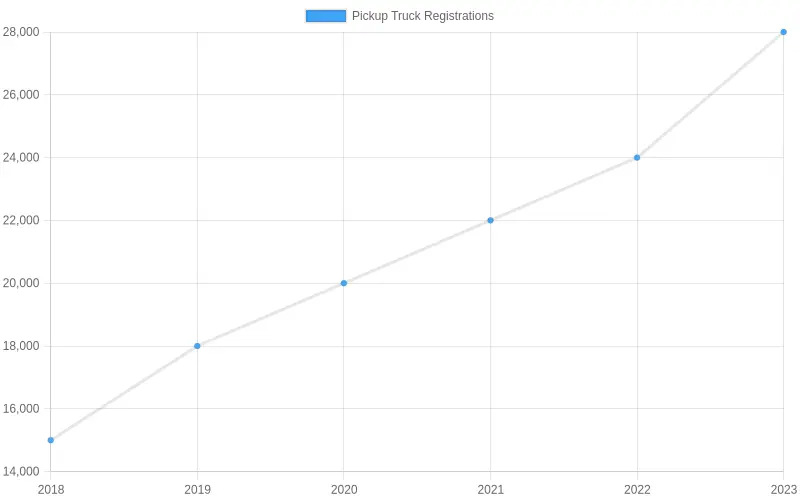
Historical Data on Pickup Truck Registrations
| Year | Pickup Truck Registrations |
|---|---|
| 2018 | 15,000 |
| 2019 | 18,000 |
| 2020 | 20,000 |
| 2021 | 22,000 |
| 2022 | 24,000 |
| 2023 | 28,000 |
The continuous growth in pickup truck registrations signifies their crucial role in various industries, including logistics and construction. For more insights into the implications of commercial vehicle trends, learn more about trucking economic trends affecting trailer orders. The uptrend in commercial vehicles also suggests that stakeholders in logistics and transportation should remain adaptive to vehicle type changes and market demands.
In Canada, the classification of vehicles is primarily governed by their Gross Vehicle Weight Rating (GVWR), which determines their usage categories and regulatory compliance. This framework is crucial for ensuring safety and operational standards across various types of vehicles, including pickups, which may qualify as commercial vehicles under certain conditions. – Transport Canada
This quotation supports the discussion about vehicle classifications, especially regarding whether pickup trucks are categorized as commercial vehicles in Ontario. Understanding these classifications is vital for stakeholders such as logistics and freight company owners and small business owners managing delivery fleets. For further reading on trucking trends, learn about the economic implications of vehicle classifications in commercial operations.