
The Critical Importance of Fire Safety at Airports
When it comes to fire safety, the stakes are extraordinarily high at airports. These bustling hubs serve as gateways to the world, where thousands of travelers and cargo converge daily. The complexities of an airport’s operations necessitate a unique approach to fire safety, which is where airport fire trucks play a vital role. Unlike normal fire trucks, which are designed to manage fires in residential or commercial settings, airport fire trucks are engineered specifically for the unique challenges posed by aircraft incidents.
Imagine a catastrophic incident involving a large passenger jet; a swift and effective firefighting response is imperative. Airport fire trucks are equipped with specialized tools and foam systems that can extinguish not just ordinary fires, but also those fueled by aviation fuel. Their high-capacity water tanks and impressive maneuverability near runways enable them to respond within seconds, potentially saving lives and expensive aircraft.
In this article, we will delve into what differentiates airport fire trucks from their normal counterparts and explore how their specialized features enhance fire safety in the aviation sector. By understanding these critical differences, business owners, airport operators, and safety managers can better appreciate the need for advanced firefighting solutions within airport environments. Whether you’re looking to invest in fire safety for your airport or simply want to learn more about effective emergency responses, this guide will provide valuable insights into the world of airport fire safety and firefighting equipment.
Regulations and Standards Governing Airport Fire Trucks
Airport fire trucks play a crucial role in ensuring safety at airports, where the stakes are extraordinarily high due to the presence of aircraft and large crowds. The regulations and standards governing these specialized vehicles differ significantly from those applicable to regular fire trucks. Here’s an overview of the key regulations and safety standards for airport fire trucks:
Key Regulations and Safety Standards
- FAA Regulations: The Federal Aviation Administration (FAA) enforces strict regulations regarding fire safety at airports. These include the FAA Advisory Circular AC 150/5210-6C, which outlines specific requirements for fire and rescue operations, emphasizing the need for adequate extinguishing agents and operational readiness.
- NFPA Standards: The National Fire Protection Association (NFPA) standards, particularly NFPA 409, outline requirements for aircraft hangars and related firefighting operations, including the design and functionality of airport fire trucks.
- ISO Standards: Many airport fire trucks comply with ISO 13943, which dictates terminology and guidelines specific to firefighting and rescues in aviation.
- Training Standards: Regulations require that operators of airport fire trucks undertake specialized training beyond that of regular fire truck operators due to the unique challenges presented in airport scenarios.
Differences from Normal Fire Trucks
- Specialized Equipment: Airport fire trucks are equipped with specialized firefighting systems, including high-capacity pumps, foam delivery systems, and all-terrain capabilities, which are not mandatory for standard fire trucks.
- Response Protocols: The protocols for response times are notably stricter in airport settings, typically requiring a rapid response within 3 minutes of an incident.
- Fire Suppression Agents: While normal fire trucks primarily use water, airport fire trucks commonly use foam to suppress fuel fires found at aircraft incidents, adhering to distinct operational guidelines.
- Design Specifications: Airports often require fire trucks to meet specific design criteria such as higher elevation for dealing with larger aircraft and increased maneuverability in tight spaces.
These regulations and safety standards ensure that airport fire trucks maintain a high level of readiness and effectiveness during emergency situations. For those interested in exploring more about the capabilities and options of these vital emergency vehicles, visit our airport fire trucks section for comprehensive insights.
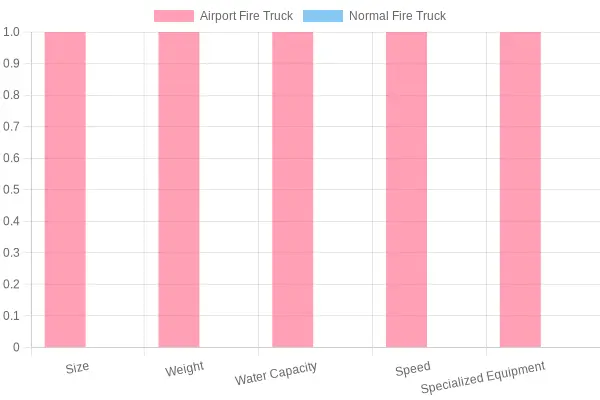
| Specification | Airport Fire Truck | Normal Fire Truck |
|---|---|---|
| Size | Larger, designed for open spaces | Smaller, suitable for urban areas |
| Weight | Heavier due to specialized equipment | Lighter for maneuverability |
| Water Capacity | 3,000 – 12,000 liters | 1,500 – 3,000 liters |
| Speed | Up to 80 km/h | Typically 60 km/h |
| Specialized Equipment | Foam systems, glass breakers | Hoses, ladders, and rescue tools |
Comparison of Airport Fire Truck and Normal Fire Truck
For further details on specialized fire trucks, check out our airport fire truck category and explore more about other types of fire-fighting trucks.
Unique Features of Airport Fire Trucks
Airport fire trucks, also known as Aircraft Rescue and Firefighting (ARFF) vehicles, are specifically engineered to address the complexities involved in aviation emergencies. Unlike conventional fire trucks, they boast several unique features that enhance their effectiveness in firefighting technology, making them indispensable in airport environments.
1. Foam Systems
One of the standout features of airport fire trucks is their advanced foam systems. These systems allow for rapid deployment of firefighting foam, which is essential for combating aircraft fires. The foam not only cools the fire but also suffocates it by creating a barrier between the fuel and the atmosphere, thus preventing re-ignition. Many models can carry over 1,500 gallons of foam concentrate, providing extensive coverage in critical situations. For more information on foam fire trucks, check out our range of specialized firefighting vehicles.
2. High-Pressure Water Delivery
Airport fire trucks are equipped with high-capacity pumps that deliver potent, high-pressure water streams. This capability allows firefighters to penetrate the exteriors of aircraft effectively, ensuring that internal fires can be extinguished quickly. The ability to provide a consistent and powerful water flow is crucial for saving lives and protecting aircraft.
3. Specialized Nozzles
The nozzles on airport fire trucks are intricately designed for different firefighting scenarios. These include adjustable nozzles that can switch between a wide spray to cover larger areas and a focused stream for precision attacks. Some trucks even include a remote operation feature, allowing firefighters to direct the nozzle from a safe distance.
4. High Maneuverability
Given the confined spaces around airports, these trucks are designed for exceptional maneuverability. Many models feature a V-shaped front to reduce air resistance, which not only helps in faster deployment but also allows the vehicle to navigate through tight areas around aircraft effectively. This design ensures that emergency crews can respond quickly, often reaching the scene ahead of traditional firefighting units.
5. Innovative Technology
Modern airport fire trucks incorporate cutting-edge technology such as thermal imaging cameras that help identify heat signatures and potential hotspots in low-visibility conditions. This feature provides a significant advantage in rescue operations, allowing for faster and more efficient responses to emergencies.
Conclusion
The unique features of airport fire trucks are fundamental to their role in aviation-related emergencies. From high-capacity foam systems to specialized nozzles and advanced maneuverability, these vehicles employ firefighting technology that’s crucial for managing crises in an airport setting. To explore our range of airport fire trucks, visit our airport fire truck collection.
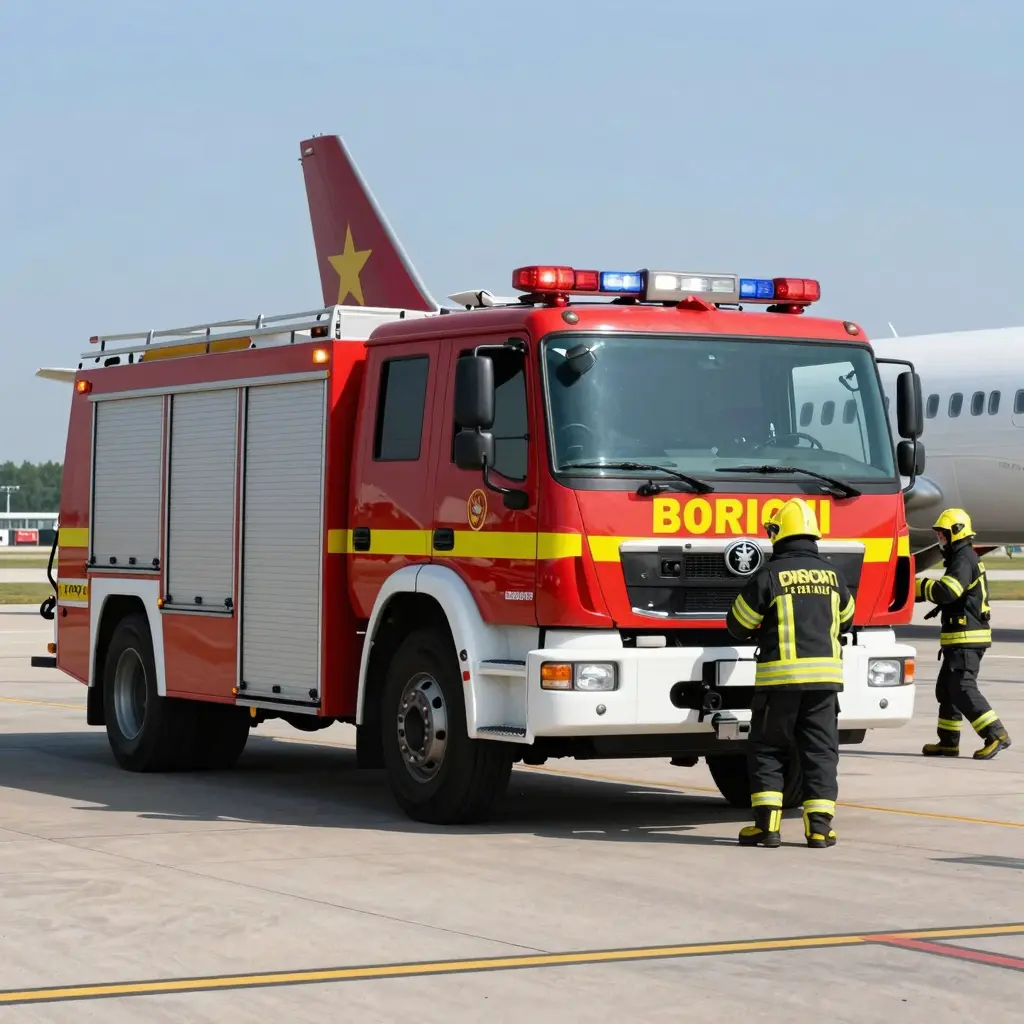
An image depicting an airport fire truck responding to an emergency, emphasizing the urgency and critical role these vehicles play in airport safety.
For more insights about airport fire trucks, check out our specialty fire trucks section.
How are Airport Fire Trucks Different from Normal Fire Trucks
Airport fire trucks (ARFF) are specially designed to meet the unique demands of aviation fire protection. They are distinctly different from standard fire trucks in several ways:
- Size and Weight: Airport fire trucks are typically larger and heavier, often weighing more than 65 tons. This increased size allows them to carry more water and foam, which is crucial in handling aircraft fires.
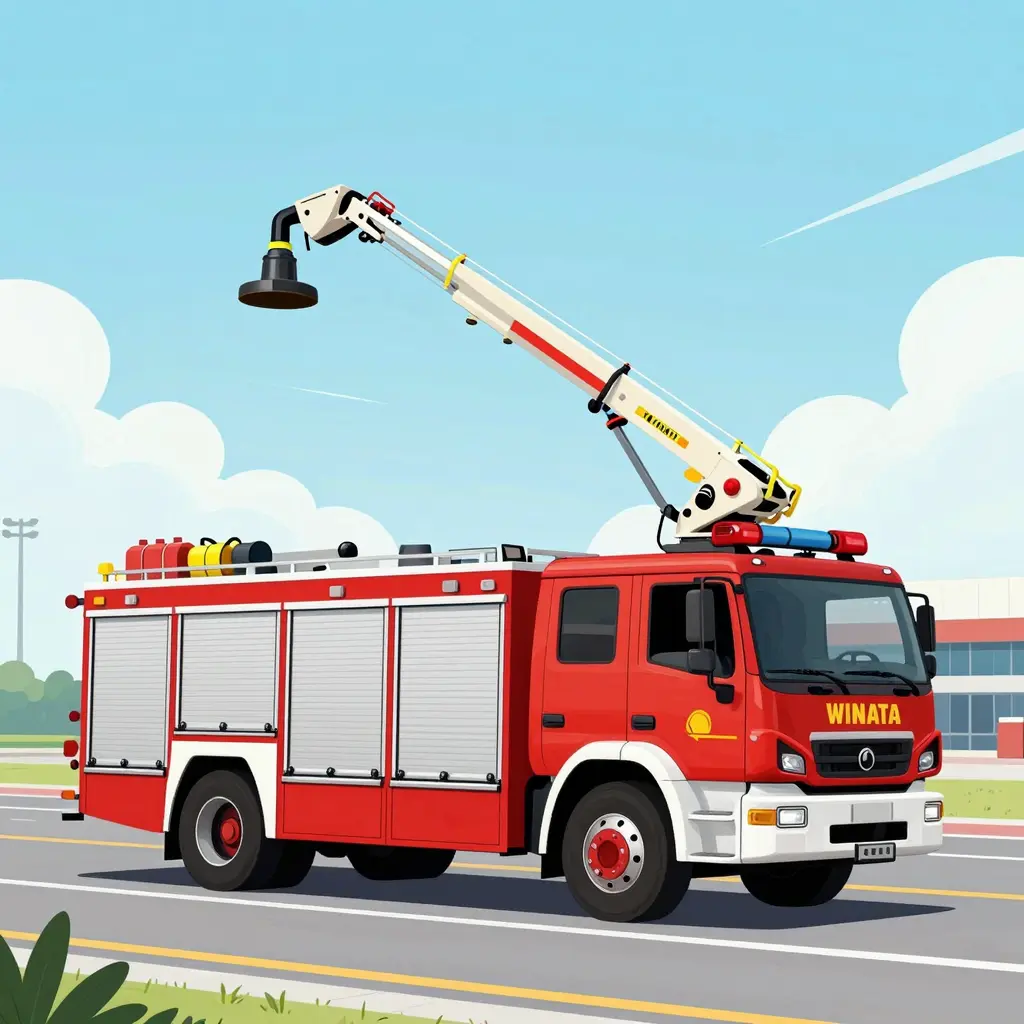
- Design Features: They feature specialized equipment such as boom-mounted nozzles, enabling firefighters to reach higher altitudes and tackle fires from a safer distance. This design is focused on ensuring quick and efficient evacuation of passengers in emergencies.
- Color for Safety: Many airport fire trucks are painted in yellow-green instead of the traditional red, as research indicates this color is less accident-prone.
“Airport fire trucks are designed not just to extinguish fires but to provide a comprehensive safety solution in emergencies, keeping passenger safety at the forefront.”
- Fire Safety Expert
For more insights on varied fire fighting trucks, you can explore our product categories, including airport fire trucks for specialized solutions.
Specialized Training for Airport Fire Truck Operators
Operating an airport fire truck demands a specialized skill set that goes beyond the training received by conventional fire truck operators. The primary differences stem from unique operational environments, the complexities of aircraft emergencies, and the specialized vehicles themselves. Here, we will explore the distinct training programs required for airport fire truck operators.
Key Training Areas
-
Vehicle Familiarization:
Airport fire trucks are designed with specific features tailored for aviation emergencies. Training begins with in-depth knowledge of these vehicles, including their foam systems, water distribution capabilities, and unique fire-fighting tools that differ significantly from standard fire trucks. -
Emergency Response Protocols:
Unlike typical fire scenarios, airport fire emergencies often involve aircraft incidents, which require rapid response times. Airport fire crews undergo rigorous training that emphasizes quick deployment, ensuring they can react swiftly to potential threats. For instance, during their training, firefighters learn how to approach a burning aircraft effectively while adhering to safety protocols that protect both themselves and the crew onboard. -
Simulation Exercises:
Training includes simulated emergency scenarios that replicate the chaotic environment of an airport during a fire incident. These exercises cover a comprehensive range of situations, such as crashes, fuel spills, and passenger evacuations, ensuring that firefighters are well-prepared for any emergency. -
Collaboration with Other Agencies:
Airport fire services must work alongside other agencies, including emergency medical services (EMS) and local police. Training programs emphasize effective communication and coordination during joint drills, fostering a seamless response in critical situations.
Regulatory Compliance
Airport fire truck operators must conform to strict regulations set by organizations like the International Civil Aviation Organization (ICAO) and the National Fire Protection Association (NFPA). This regulatory framework mandates extensive training on safety standards and operational protocols, further distinguishing airport training from traditional fire truck training.
Training Duration and Certification
The comprehensive nature of airport fire truck operator training often means participants must complete several weeks or even months of specialized instruction. Upon successful completion, operators receive certification that recognizes their preparedness to manage the complex challenges associated with airport fire emergencies.
Conclusion
In summary, airport fire truck operations require specialized training that encompasses vehicle familiarity, emergency response techniques, simulation exercises, and regulatory compliance unique to the aviation context. Operators undergo extensive training to ensure they are prepared to handle emergencies effectively. For further insights into aircraft rescue and fire-fighting operations, you can learn more here.
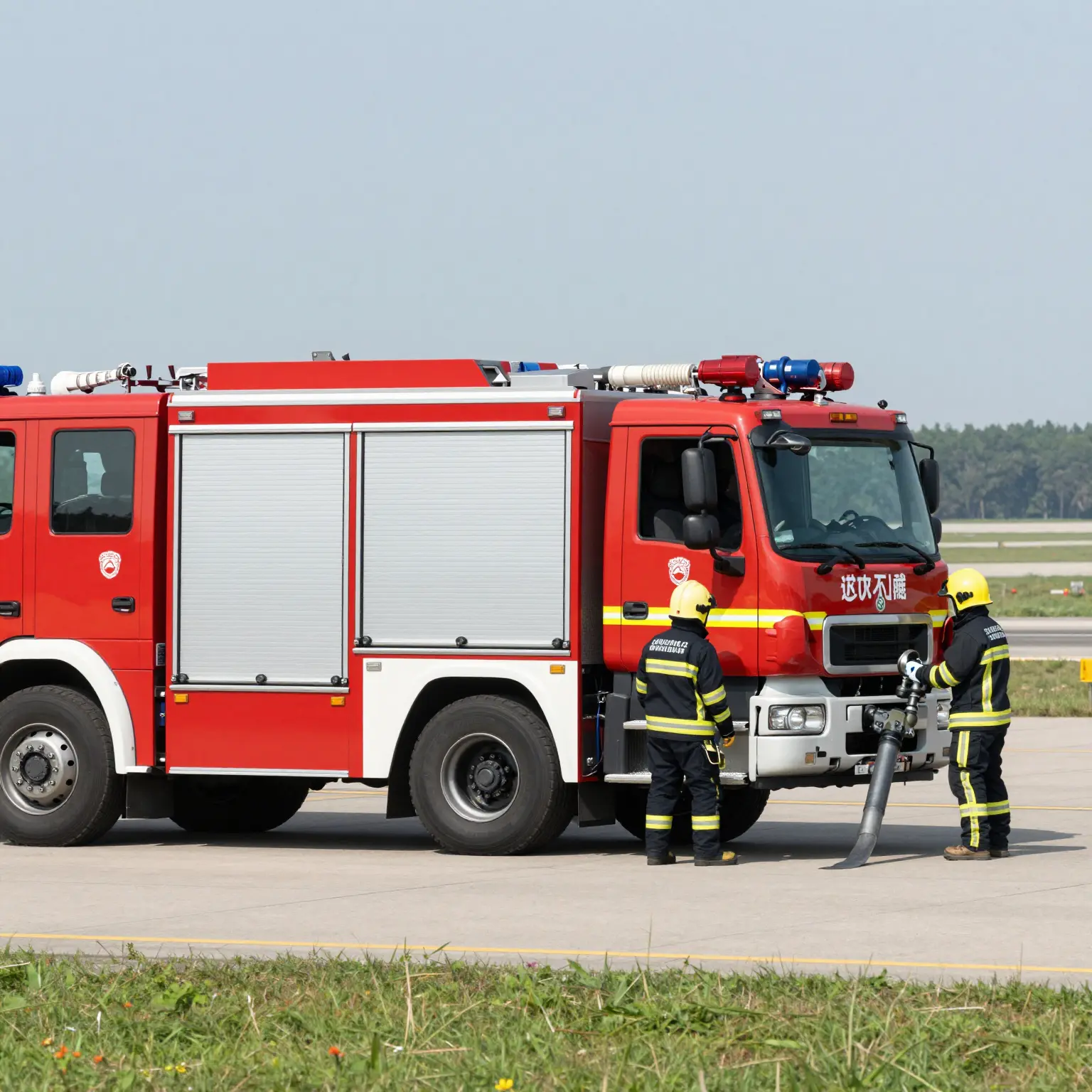
Whether you’re a business owner considering airport safety protocols or exploring procurement options for specialized vehicles, understanding the training requirements for airport fire truck operators is crucial for effective emergency preparedness.
Comparing Airport Fire Trucks and Normal Fire Trucks
Airport fire trucks are designed with unique specifications that cater specifically to the requirements of aerodrome emergencies. In contrast, normal fire trucks are structured primarily for urban and suburban firefighting needs. The following chart illustrates key metrics comparing the operational efficiency of both types of fire trucks:
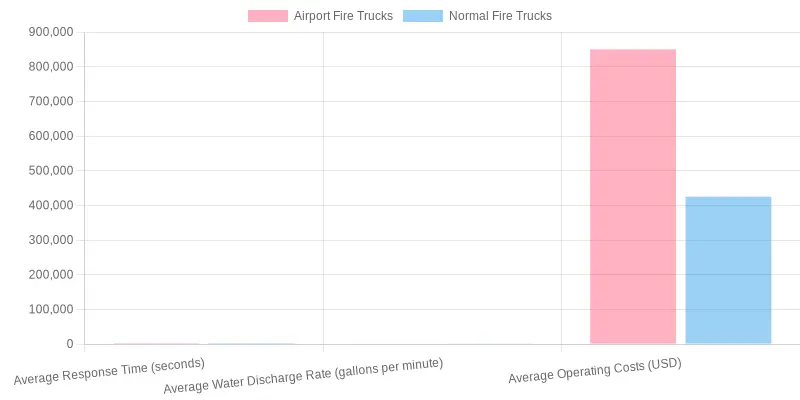
| Metric | Airport Fire Trucks | Normal Fire Trucks |
|---|---|---|
| Average Response Time (seconds) | < 3 (typically 1-2) | 6-12 |
| Average Water Discharge Rate (gallons per minute) | 750-2500 (depending on model and configuration) | 300-1500 (typical range) |
| Average Operating Costs (USD) | $500,000 – $1,200,000 (high upfront but more efficient) | $250,000 – $600,000 |
This data showcases the greater efficiency of airport fire trucks, particularly in scenarios demanding rapid response and high-volume water discharge, key elements in airport safety. For more detailed product specifications, you can explore our airport fire trucks or check our full range of fire-fighting trucks available.
Conclusion
In the realm of fire safety, understanding the significant differences between airport fire trucks and conventional fire trucks is essential for businesses operating in specialized environments. Airport fire trucks, known as Aircraft Rescue and Firefighting (ARFF) vehicles, are meticulously designed to handle the unique challenges posed by aviation emergencies. Unlike normal fire trucks that cater to urban firefighting scenarios, ARFF trucks possess advanced features such as high-speed capabilities, specialized firefighting systems for aviation fuel-related incidents, and enhanced maneuverability to swiftly navigate airport terrains.
The effectiveness of fire safety solutions heavily depends on their specialization. Tailoring firefighting solutions to meet the specific needs of various industries not only enhances safety but also ensures a timely and efficient response during emergencies. With companies like CIMC Tianda at the forefront, the development of innovative and specialized equipment can make a world of difference in fire safety. CIMC Tianda has over 30 years of experience in providing cutting-edge fire safety solutions, focusing on advanced designs that cater to the unique operational demands of both airport and municipal infrastructures.
For business owners looking to enhance their fire safety measures, it’s crucial to consider investing in specialized fire trucks tailored to their specific environments. With the right equipment, such as those offered by CIMC Tianda, you can ensure that you’re well-prepared to tackle any fire emergency effectively. Explore our extensive selection of fire safety solutions today, and take the first step toward securing a safer future for your operations.
Common Misconceptions About Airport Fire Trucks
Airport fire trucks, or Aircraft Rescue and Fire Fighting (ARFF) vehicles, are often misunderstood compared to conventional fire trucks used in cities and towns. Here, we debunk some common misconceptions surrounding these specialized vehicles:
-
Misconception 1: Airport Fire Trucks are Just Bigger Fire Trucks
While they may appear larger, airport fire trucks are engineered with specific features to address the unique emergencies associated with aviation, which includes the need for rapid response during aircraft incidents. -
Misconception 2: All Fire Trucks Use the Same Water Supply
Airport fire trucks can deliver water, foam, and dry chemical agents simultaneously. They are equipped with specialized tanks that can hold greater volumes of foam and water compared to traditional trucks, which are generally focused on water only. -
Misconception 3: They Are Less Equipped Than Normal Fire Trucks
In reality, airport fire trucks often contain advanced firefighting technology, such as high-capacity pumps and specialized nozzles for suppressing jet fuel fires, which are not features typically found in regular municipal fire trucks. Learn more about ARFF vehicles here. -
Misconception 4: They Are Not Required to Meet Safety Standards
Airport fire trucks must adhere to stringent safety standards set by aviation authorities. This includes specialized training for firefighters to handle unique hazards associated with aircraft incidents. -
Misconception 5: Airport Fire Trucks Only Respond to Fires
Their operational capabilities encompass a broader range of emergencies, from fuel spills to aircraft evacuation scenarios. They can act swiftly under different conditions such as aircraft accidents and emergencies on or near the runway. -
Misconception 6: They Are Not Versatile
Airport fire trucks are highly maneuverable with features that allow them to navigate complex airport environments. This is in stark contrast to municipal trucks that are designed for urban settings. -
Misconception 7: They Are Painted Using the Same Colors as Regular Fire Trucks
Most airport fire trucks are painted yellow or green for better visibility during emergencies, especially on runways. This color scheme is chosen specifically to enhance safety under varying conditions, unlike the traditional red associated with typical fire trucks.
In conclusion, airport fire trucks are significantly different from conventional fire trucks in terms of design, operational capabilities, and the emergencies they are trained to handle. Understanding these differences can help dispel common myths and promote better awareness of the crucial roles these specialized vehicles play in aviation safety. For more information about airport fire trucks, check out our range of models available at CIMC Fire Truck.