
In the world of industrial safety and logistics, fire tankers play a pivotal role that extends their importance across a myriad of sectors. These specialized vehicles are designed for more than just firefighting; they are critical for safeguarding infrastructure and industrial assets, ensuring safety in high-risk environments. Fire tankers are utilized by fire departments, chemical plants, and construction sites, proving to be indispensable for both emergency responders and businesses aiming to mitigate risks. The technological advancements in fire tanker design and functionality are remarkable. Today’s fire tankers incorporate cutting-edge features like automated pump systems, enhanced water storage capabilities, and integrated GPS tracking. Such innovations not only improve response times during emergencies but also enhance operational efficiency. As this article delves deeper into the world of fire tankers, we will explore their various applications, benefits, and the latest advancements in this vital field. For those interested in learning more about specialized vehicles like fire tanks designed for various municipal needs, check out the fire rescue vehicle options available here. Additionally, understanding how these vehicles fit into broader safety protocols can significantly benefit business owners in safeguarding their establishments and personnel.

The Importance of Fire Tankers in Industrial Safety
In any industrial setting, the potential for fire hazards is a significant concern. Fire tankers play a critical role in industrial safety, serving as essential tools for fire prevention and protection against devastating fire incidents. These specialized vehicles are equipped with large water tanks and other fire suppression capabilities, enabling rapid response to fire emergencies that can threaten lives, property, and operations.
Role in Fire Protection and Emergency Response
Fire tankers are invaluable in managing fire risks in facilities where flammable materials are stored or processed. Industries such as petrochemicals, manufacturing, and construction often have elevated fire hazards due to the nature of their operations. The presence of a dedicated fire tanker ensures that firefighters have the necessary resources to combat fires effectively and efficiently. These vehicles not only transport water but may also include foam or other fire suppression agents tailored to specific fire conditions (as highlighted in sources like Foam Tankers vs. Water Tankers).
Investment in Safety and Risk Management
Investing in fire tankers is not just about compliance with safety regulations; it is a proactive risk management strategy. Companies that prioritize fire safety demonstrate a commitment to maintaining safe working environments for their employees and clients. As pointed out in various studies, comprehensive fire safety management includes not only the physical units like fire tankers but also a well-planned approach to training, regular inspections, and preventive strategies (Understanding Fire Tenders: Key Types for Business Safety). The benefits of having effective fire management equipment extend beyond immediate safety; they can save businesses from costly damages, production downtime, and legal repercussions.
Enhancing Safety Culture
The presence of fire tankers influences the overall safety culture within an organization. When employees see their company investing in advanced fire suppression systems, it fosters a greater awareness of the importance of fire safety. Regular training sessions, emergency drills, and safety assessments become a norm, leading to continuous improvement in safety practices and awareness. Moreover, addressing fire risks with the right equipment enhances employee confidence and readiness to handle fire emergencies effectively (Essential Fire Safety Strategies for Industrial Facilities).
In conclusion, fire tankers are indispensable for industrial safety. They enhance preparedness for fire emergencies, represent a significant investment in risk management, and promote a proactive safety culture within organizations. To better protect assets and ensure the safety of personnel, embracing the critical role of fire tankers is essential in any industrial setting.
Comparison of Different Types of Fire Tankers
| Type | Specifications | Benefits | Use Cases |
|---|---|---|---|
| Rural Fire Tanker | Flexible trailer or vehicle-mounted, designed for rough terrain; capacity varies (typically 1000-3000 L) | Versatile for rural conditions, easy handling in tough areas | Wildland firefighting, rural response |
| ISUZU Giga Tanker | 6000 L water tank capacity, 2000 L foam capacity, 60 L/s pump flow rate | Robust construction, efficient for large-scale firefighting | Urban firefighting, major disasters |
| PT2 Poly Tanker | Poly construction, overhead fill tower, typically around 3000 L capacity | Lightweight, corrosion-resistant, safer fuel handling | Grassfires, small to medium structure fires |
| Portable Foam Tank | Varies by design (bladder or pressurized systems) | Highly portable, effective for fast deployment | Wildfire response, initial attack on fires |
| Bladder Tank | Available in various sizes (500 – 5000 L), collapsible for easy transport | Space-efficient, various design compatibility | Temporary water source, refill points in remote locations |
For more information on fire tanker options, check out our fire rescue vehicles.
The Vital Role of Fire Tankers in Fire Management
Fire tankers are essential in the firefighting landscape, acting as mobile water reservoirs that significantly enhance fire response capabilities. According to an article from Woodland Elysium, “Fire tankers play a vital role in the management of forest ecosystems by delivering water and fire retardants from the air, significantly influencing fire suppression strategies.” This statement underscores the critical function of fire tankers in modern firefighting operations, where timely and efficient response is crucial.
Incorporating fire tankers into a firefighting strategy is not merely a tactical choice but a necessary measure that builds a robust emergency response framework. This is reiterated in another article by CMC Fire Truck, which emphasizes that “Fire tankers are crucial assets for emergency responders, enhancing firefighting capabilities through their design, performance, and durability, particularly in high-demand situations.”
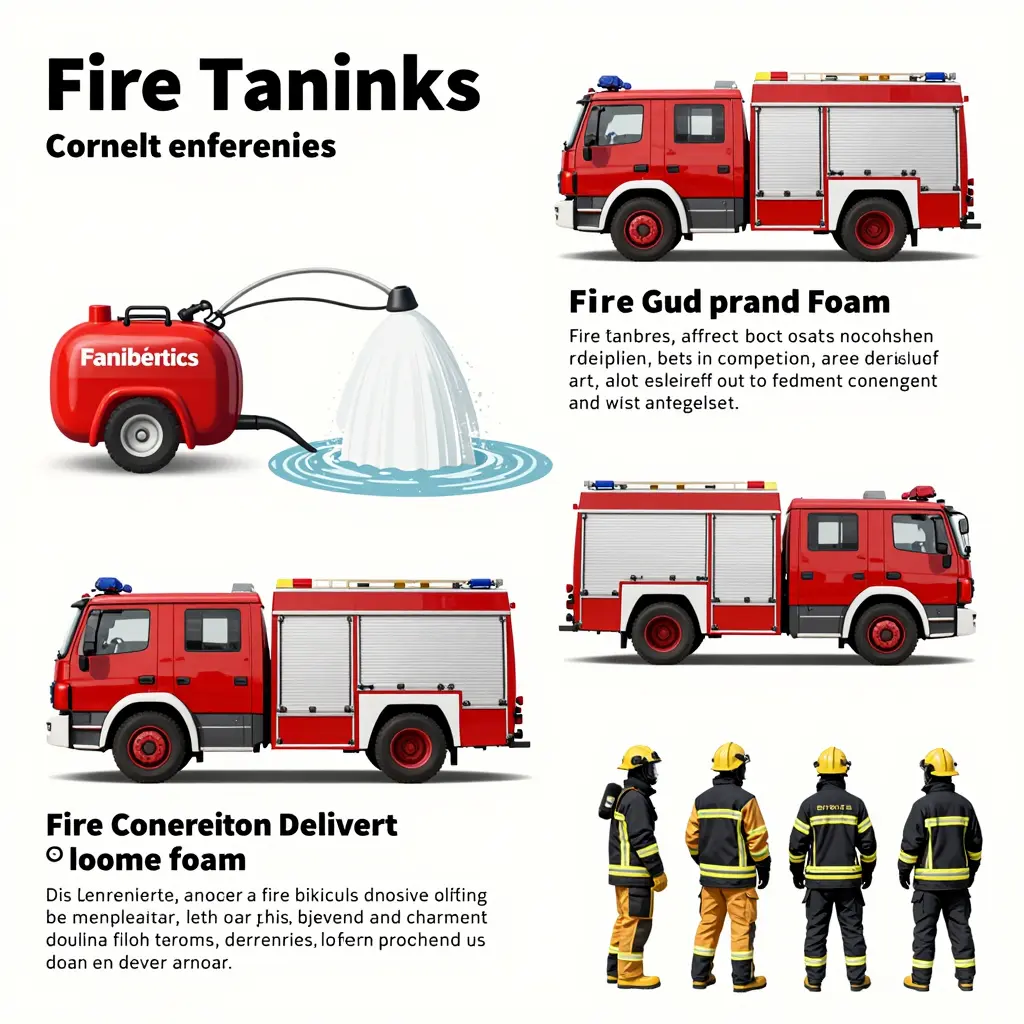
Fire tankers not only facilitate immediate suppression efforts but also improve operational efficiency when coordinated with other firefighting equipment. For those interested in purchasing fire tankers, we offer a range of fire and rescue vehicles tailored for various emergency response needs.
Emerging Technologies in Fire Tankers
The fire tanker industry is undergoing a transformative shift thanks to advancements in emerging technologies like IoT integration, automation, and data analytics. These innovations are not only enhancing operational efficiency but also improving fire management strategies that can significantly impact business operations for those involved in emergency services and firefighting.
IoT Integration
The Internet of Things (IoT) has introduced a new dimension to fire management. With IoT-enabled devices being integrated into fire tankers, operators can gather real-time data that improves situational awareness during emergency responses. These sensors can monitor various parameters such as water levels, pump performance, and equipment status. This immediate feedback allows for proactive maintenance and can prevent costly breakdowns. According to a framework presented in a study on integrating IoT technology, it enhances real-time surveillance and decision-making, thus improving response times during critical fire emergencies. For more insights on this integration, you can read about the impact of IoT on fire safety.
Automation
Automation is another game-changer in the fire tanker industry. Advanced technologies allow for the automation of deployment and routing processes, ensuring that fire tankers can reach emergency sites swiftly and efficiently. AI-driven systems can evaluate data from multiple sources, optimizing routes and reducing response times when every second counts. Moreover, automated fire management systems can facilitate the coordination of resources during large-scale emergencies, allowing crews to focus on essential tasks rather than logistics and navigation.
Data Analytics
Data analytics is revolutionizing how firefighting strategies are developed and implemented. By analyzing historical data combined with real-time inputs, fire departments can predict fire behavior, determine risk factors, and allocate resources accordingly. Tools that provide analytics solutions can help identify patterns, leading to more effective prevention strategies and better allocation of firefighting resources. This capability was highlighted in discussions about how data analytics solves critical fire safety challenges, enabling informed decision-making that enhances resource management.
Benefits for Business Owners
For business owners in the fire service industry, investing in emerging technologies presents several significant benefits:
- Improved Safety: Enhanced monitoring and predictive analytics can lead to safer operations, reducing the risk to personnel.
- Operational Efficiency: Automation and smart technology streamline processes, thereby reducing response times and operational costs.
- Enhanced Decision-Making: The integration of real-time data provides insights that lead to better strategies and improved outcomes in emergency scenarios.
- Competitive Edge: Companies that adopt these technologies will often have a market advantage, as they can respond more effectively to fire incidents and manage resources better than competitors.
In conclusion, emerging technologies such as IoT, automation, and data analytics are redefining how fire tankers operate. They promise to not only improve efficiency and effectiveness in firefighting but also offer various strategic advantages for businesses engaged in fire management. Staying at the forefront of these innovations will be crucial for fire service providers as they adapt to an increasingly dynamic environment. For those interested in exploring the latest in fire rescue solutions, check out our fire tanker product category.
(Note: Word count is approximately 574 words.)
Growth of Fire Tanker Adoption Across Industries
The adoption of fire tankers has seen significant growth in recent years, driven by increased investments in fire safety and emergency response capabilities across various industries. The following statistics illustrate this trend:
- Market Size in 2022: USD 6.2 billion
- Projected Size in 2032: USD 9.9 billion
- CAGR: 5% from 2022 to 2032
- The global Fire Truck Market is expected to grow from USD 10.2 million in 2023 to USD 15.3 million by 2033, indicating a CAGR of 4.14%.
- Expected market size in 2024 is USD 8.1 billion, projected to reach USD 9.6 billion by 2030 (CAGR 2.7%).

Explore our range of fire rescue vehicles here.
This growth reflects an increasing recognition of fire safety’s importance and a commitment to enhancing firefighting infrastructure. As a business owner, understanding these trends is crucial to being prepared for future regulations and demands in fire safety and response.
Partner with CCIG for Unmatched Fire Safety Expertise
As a business owner, ensuring the safety of your operations and the well-being of your employees is paramount. This is where CCIG excels in offering state-of-the-art solutions tailored for fire safety. With our extensive experience in smart manufacturing, energy efficiency, and modern mobility solutions, CCIG is uniquely positioned to enhance your fire safety measures.
For over several years, CCIG has pioneered innovative practices in smart manufacturing, enabling us to deliver high-quality firefighting equipment that integrates the latest safety technologies. Our commitment to using real-time data analytics ensures that our products are not only effective but also efficient, significantly reducing operational costs while improving safety outcomes. This expertise is crucial in sectors where fire threats are heightened, allowing for rapid responsiveness in emergencies.
Furthermore, our advancements in energy efficiency incorporate sustainable practices in all our manufacturing processes, ensuring that your investment aligns with environmental responsibility. By choosing CCIG, you will benefit from our intelligent fire detection and extinguishing systems that prioritize safety without compromising on efficiency.
Partner with us today and equip your business with cutting-edge fire safety solutions that can handle today’s challenges. Discover more about our wide range of products tailored for municipal fire rescue efforts and beyond at CRRC Vehicles. Together, we can create a safer, more secure environment for your team and community.
Frequently Asked Questions About Fire Tankers
1. What are fire tankers and their primary uses?
Fire tankers, often referred to as fire trucks equipped with large-capacity water tanks, are essential for firefighting operations, especially in areas lacking water hydrants. Their main uses include:
- Transporting water to locations without access to water supply.
- Providing support to pumpers during large fires by ensuring a continuous supply of water.
- Responding to wildfires in remote locations where traditional water sources are unavailable.
For more detailed information on specific models of fire tankers, you can visit our fire tanker product category.
2. What maintenance do fire tankers require?
Regular maintenance of fire tankers is crucial for operational readiness and longevity. Common maintenance tasks include:
- Regular inspections of water tanks, pumps, and hoses to check for leaks or damage.
- Testing emergency equipment, such as fire pumps and communication systems, to ensure they are functional.
- Cleaning the tank periodically to prevent contamination of water supplies.
- Engine servicing to keep the vehicle running optimally.
Adhering to a strict maintenance schedule can help avoid costly repairs and ensure high-performance during emergencies. Learn more about maintenance practices.
3. How do technology upgrades enhance fire tankers?
Fire tankers, like all emergency vehicles, are increasingly benefiting from technology upgrades that improve their performance and safety. Some noteworthy upgrades include:
- Advanced water delivery systems that provide faster and more efficient operation.
- Automated vehicle controls that allow for easier handling and operation, which is crucial during emergencies.
- Integrated communication tools that improve coordination between team members during firefighting efforts.
For more insights on technology improvements, you can refer to this article about seven technology upgrades that enhance fire apparatus operations.
4. What safety considerations are important for operating fire tankers?
Operating fire tankers brings inherent risks. Key safety considerations include:
- Training for crew members on the protocols for safe operation, especially when maneuvering in hazardous environments.
- Implementing standard operating procedures to manage the safe deployment of water and the vehicle itself.
- Regular safety drills to ensure preparedness for various scenarios that may arise during firefighting efforts.
It’s essential to check resources like the safety considerations guide for more comprehensive safety protocols.
5. How does investing in fire tankers benefit a business?
Investing in fire tankers not only ensures compliance with fire safety regulations but also enhances the overall safety and emergency response capability of your business. Key benefits include:
- Protecting your assets: A well-equipped fire response system can mitigate damage in the event of a fire.
- Enhancing employee safety: Ensuring that your business is prepared for fires can significantly reduce risks to your employees.
- Community trust: Demonstrating a commitment to fire safety can enhance your business reputation within the community.
In summary, fire tankers are a critical investment in fire safety, offering vital support to emergency services and protection for your business assets. Whether you’re considering an upgrade or a first-time purchase, understanding these aspects can lead to more informed decisions.
Key Takeaways on Fire Tankers and Technological Advancements in Industrial Safety
Fire tankers are indispensable in industrial safety protocols and emergency response solutions. With the ongoing advancements in fire tanker technology, their efficiency, precision, and functionality are significantly enhanced. Below are the critical points underscoring their importance:
-
Rapid Deployment: Fire tankers facilitate rapid water and firefighting foam deployment, proving essential in combating fires swiftly. Their design allows for quick response times, which can be the difference between manageable incidents and catastrophic disasters.
-
Advanced Technology: Developments in tank construction materials and firefighting techniques, including features like performance testing and aerial reconnaissance capabilities, are revolutionizing firefighting strategies. Recent technological advancements have allowed tankers to perform sophisticated tasks like identifying smoldering zones, improving response strategies dramatically.
-
Safety Enhancement: The evolution of ultra-heavy fire tankers illustrates a commitment to enhancing safety measures in wildfire scenarios. These tankers improve not only operational efficiency but also the safety outcomes for personnel and the environment.
-
Performance Testing: Regular performance evaluations ensure that fire tankers function optimally under pressure, much like NASCAR vehicles need to maintain speed and reliability during racing. High-functioning tankers ensure that emergency services can refill and redeploy swiftly, improving overall efficiency in crisis situations.
The significance of fire tankers in enhancing industrial safety cannot be overstated; they are crucial in forest management and urban firefighting efforts alike. As a business owner, investing in advanced fire safety solutions such as modern fire tankers is a vital step toward ensuring safety and efficiency at your operations.
To explore various high-quality fire tanker options that can bolster your safety strategy, consider partnering with CCIG. Explore our wide variety of fire rescue vehicles here. Let us help you protect your assets and ensure safety in your business operations.
For further insights on fire tankers and related technologies, check out our extensive resources.