
Introduction
In recent years, the conversation around electric trucks has surged, driven by a powerful combination of environmental concerns, technological advancements, and economic incentives. As logistics and delivery operations seek to reduce carbon footprints and streamline costs, electric trucks are emerging as a frontrunner in the race for sustainable vehicular solutions in commercial use. Unlike traditional diesel trucks, electric trucks offer distinct advantages, including reduced total cost of ownership owing to lower fuel and maintenance expenditures, with some fleets reporting payback periods as short as three to five years. This shift is not merely a trend; it reflects a significant transformation in the freight and logistics industries, where giants like FedEx and UPS are expanding their electric fleets to achieve substantial cuts in operational emissions and noise pollution. Moreover, as battery costs continue to plummet-down more than 60% since 2019-the viability of electric trucks is stronger than ever, positioning them not just as sustainable options, but as economically sound investments. By embracing electric technology, companies can not only contribute to a greener planet but also capitalize on substantial operational savings. The evidence is clear and compelling: the switch to electric trucks offers a pathway to a more efficient, profitable, and environmentally friendly future in commercial transportation.
Advantages of Electric Trucks in Commercial Applications
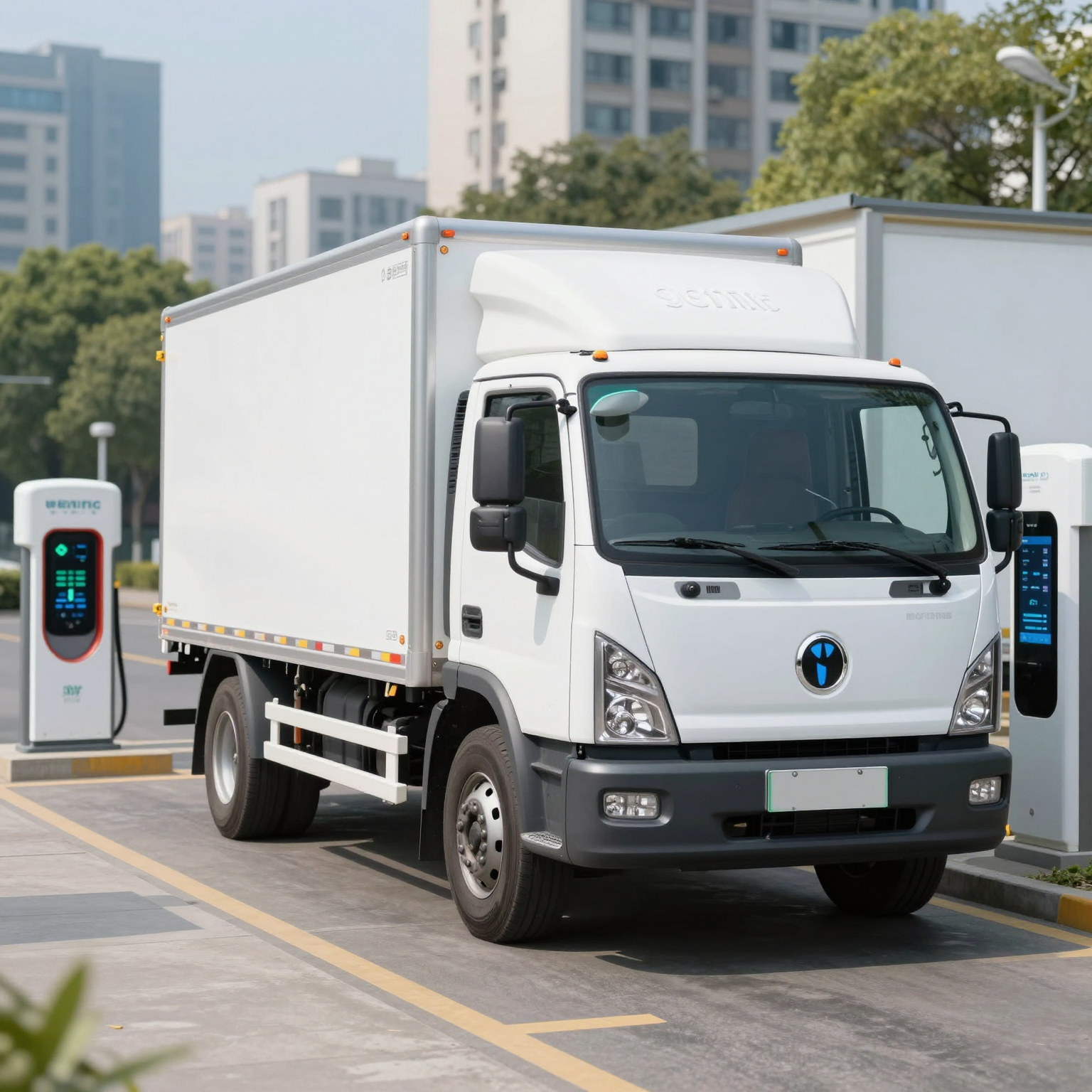
Electric trucks are rapidly gaining traction in commercial applications due to their numerous advantages, which include cost savings, environmental benefits, and advancements in technology. Here are the key benefits:
-
Cost Savings:
Electric trucks can significantly reduce operational costs over their lifespan. According to a study from the Georgia Institute of Technology, electric trucks can be up to 30% cheaper to operate compared to diesel trucks when considering fuel and maintenance costs. Furthermore, pure electric light trucks save over $30,000 in four years compared to their diesel counterparts. This includes reduced fuel expenses and lower maintenance costs due to fewer moving parts and less frequent servicing needs. -
Environmental Benefits:
One of the most compelling advantages of electric trucks is their zero-emissions operation, making them environmentally friendly. As cities impose stricter emissions regulations, electric trucks become more viable for urban logistics and delivery services. This not only helps companies comply with environmental standards but also enhances their brand image among eco-conscious consumers. -
Technological Advancements:
Electric trucks often come equipped with advanced technology features. Many models include safety systems like collision avoidance and automatic braking, which help enhance operational safety. Additionally, regenerative braking systems increase overall energy efficiency while extending battery life, making these trucks not only more effective but also more reliable in diverse conditions. -
Improved Customer Experience:
The quieter operation of electric trucks contributes positively to customer experience, particularly in urban and residential areas where noise pollution can be an issue. Customers appreciate the silent delivery process, which aligns with increasing expectations for sustainable operations.
For more insights on the impact of equipment choices on your operation, you can learn more here. Likewise, discover how electric trucks might change the market landscape by reading about trucking economic trends.
Comparison of Electric Trucks and Diesel Trucks
Here’s a detailed comparison of key specifications and performance metrics of leading electric truck models versus traditional diesel trucks:
| Specification | Tesla Semi (2026 Model) | BYD K13 (2026 Model) | Daimler eCascadia (2026 Model) | MAN TGS Diesel (2025 Model) |
|---|---|---|---|---|
| Range (Full Load) | 805 km | 600 km | 700 km | 1,200 km |
| Charging Time (0-80%) | 30 minutes | 45 minutes | 40 minutes | N/A (Refuel time: ~5 minutes) |
| Payload Capacity | Up to 37 tons | Up to 40 tons | Up to 37 tons | Up to 40 tons |
| Energy Consumption (kWh/100km) | 106 kWh | 125 kWh | 118 kWh | N/A (Diesel consumption: ~30 L/100km) |
| Cost of Ownership (5-year estimate) | $1.26 per mile; $220,000 total | $1.45 per mile; $250,000 total | $1.38 per mile; $240,000 total | $1.80 per mile; $300,000 total |
| Powertrain Type | Dual-motor (rear axle), 3 independent motors | Permanent magnet motor | Electric motor with dual-speed gearbox | 12.9L inline-6 diesel engine |
| Autonomous Features | Full Autopilot | Level 2 ADAS | Level 2+ ADAS | No advanced driver assistance |
| Initial Purchase Price | $150,000 | $145,000 | $165,000 | $130,000 |
| Key Charging Standard | MCS 3.2 | GB/T 29382-2022 | CCS2 Combo 2 | Diesel fueling |
Sources:
- Tesla Official Site – Semi Specifications (2026)
- BYD Global – K13 Electric Truck Technical Data (2026)
- Daimler Trucks North America – eCascadia 2026 Product Page
- MAN Truck & Bus – TGS Diesel Model Overview (2025)
- IEA – Global Electric Truck Cost and Performance Analysis (2026)
This table clearly shows the differences between electric trucks, which offer advantages in terms of emissions and cost of ownership over their lifecycles, against traditional diesel trucks.
For more insights on trucking operations and cost management, learn more here.
Infrastructure Needs for Electric Trucks in Commercial Fleets
As the adoption of electric trucks in commercial fleets becomes more prevalent, it is crucial to address the foundational infrastructure needs that support their operation. This requires a comprehensive approach to charging infrastructure, maintenance capabilities, and grid capacity, all of which will ensure the efficient and effective use of electric trucks in logistics and freight operations.
Charging Infrastructure
First and foremost, the establishment of robust charging infrastructure is key to facilitating the widespread use of electric trucks. Currently, projections indicate that the total number of charging points in the U.S. is expected to grow from approximately 4 million in 2024 to an estimated 35 million by 2030. This exponential growth highlights the critical need for adequate charging stations, particularly designed for heavy-duty commercial vehicles. Specifically, fast-charging options that allow trucks to recharge significant distances within minimal downtime will be essential for maintaining operational efficiency.

Projected Growth of Electric Vehicle Charging Infrastructure in the U.S. (2025-2030)
Additionally, the reach of charging infrastructure should extend beyond urban centers into more remote or rural areas where electric trucks will operate. This not only supports logistics efficiency by ensuring that drivers can access charging points when needed but also mitigates range anxiety, a common concern among fleet managers considering electric trucks.
Maintenance Capabilities
The maintenance of electric trucks presents unique challenges that differ from traditional internal combustion engine vehicles. With fewer moving parts, electric trucks typically require different maintenance training and equipment. Fleets must invest in properly equipping their facilities or establishing partnerships with service providers skilled in electric vehicle technologies. This could include specialized diagnostic tools and training programs for mechanics focusing on electric fleet management practices that enhance the lifespan and productivity of electric trucks.
Grid Capacity
The increased demand for electric vehicle charging will put significant pressure on local electrical grids. In many regions, the existing grid capacity must be enhanced to accommodate the anticipated rise in electricity demand as more fleets transition to electric trucks. This involves not only expanding the grid’s capacity but also investing in smarter grid technologies that optimize energy use, allowing for peak charging times to be spread more evenly throughout the day.
Addressing these infrastructure needs is vital for overcoming the logistical challenges many fleet operators face when integrating electric trucks into their operations. As the electric vehicle market continues to grow, proactive strategies to enhance charging networks and maintenance frameworks will be crucial for the successful implementation of electric trucks in commercial fleets. For more insights on how these trends impact operations, learn more about fleet management strategies.
Case Studies of Electric Trucks in Commercial Use
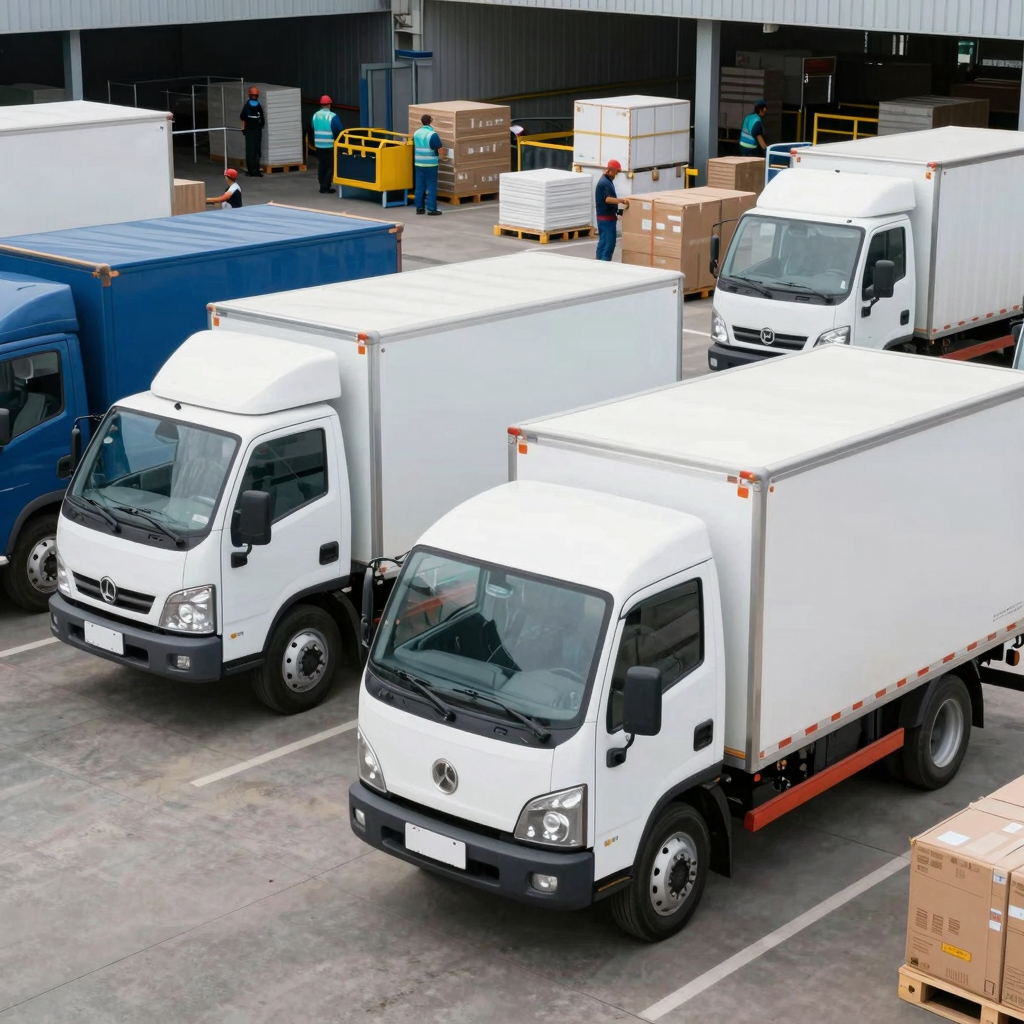
As electric trucks emerge as viable options for commercial logistics, construction, and mining industries, various companies have successfully integrated them into their operations, showcasing numerous advantages in emissions reduction, operating costs, and efficiency. Here are noteworthy case studies:
1. Daimler Trucks North America: Freightliner eCascadia
Daimler Trucks has deployed its electric Freightliner eCascadia trucks within a major U.S. logistics fleet. After 18 months of real-world operations, the eCascadia trucks have achieved:
- 75% reduction in greenhouse gas emissions compared to diesel models
- 22% reduction in total cost of ownership, attributed to significantly lower fuel and maintenance costs
- Operational efficiency for regional distribution routes under 300 miles
For more information, you can read the full case study here.
2. BHP Group: Electric Mining Trucks at Nickel West
BHP has integrated electric haul trucks into its Nickel West mining operation in Western Australia. The deployment of 15 electric Komatsu 930E-3 trucks has provided impressive results:
- 60% reduction in energy consumption per ton-kilometer
- 90% decrease in operational noise levels, significantly enhancing worker safety and health
- Eliminated toxic diesel exhaust in underground operations
The transition has successfully maintained high productivity levels while improving environmental and workforce health. Further details can be found here.
3. BYD Electric Dump Trucks in Construction
In California, a pilot program utilizing BYD electric dump trucks in a large-scale construction site highlighted remarkable success over six months:
- Completion of over 10,000 operational cycles with zero powertrain-related breakdowns
- Achieved a 70% reduction in on-site emissions
- Reduced fuel and maintenance costs by 35%
The positive outcome from this pilot has led to plans for transitioning the entire fleet across multiple construction projects. More information can be accessed here.
4. Stellantis Electric Vans in Urban Logistics
Stellantis has illustrated the efficiency of deploying electric vans, such as the Citroën ë-Berlingo and Peugeot e-Traveller, in urban delivery fleets throughout Europe. Key findings from their comprehensive case study include:
- 70% lower carbon footprint per kilometer traveled
- 40% reduction in operating costs, enhancing overall company profitability
- The vehicles’ quiet operation and minimal emissions provide a competitive edge in densely populated city centers, increasing customer satisfaction
For a detailed overview, visit here.
Conclusion
These case studies underscore the growing viability of electric trucks in commercial applications across various industries. As these vehicles continue to gain traction, businesses stand to benefit from improved efficiency, reduced emissions, and lower operating costs.
Projected Growth of Electric Trucks in the Commercial Sector
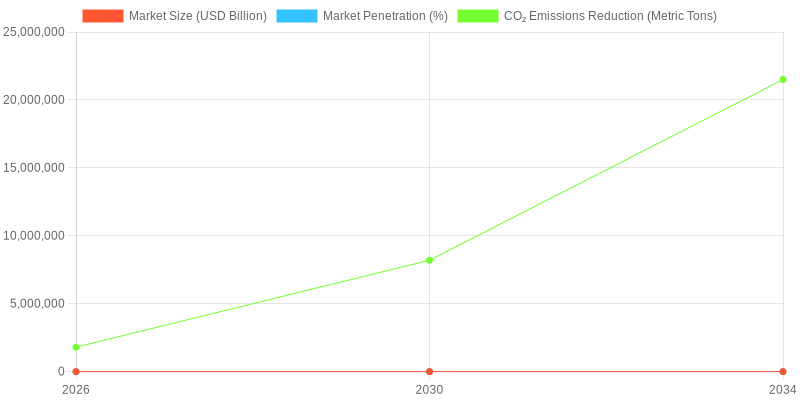
The chart below illustrates the projected growth trends of electric trucks in the commercial sector over the next decade, focusing on key metrics such as market size, market penetration, and CO₂ emissions reduction. This data underscores the transformation taking place in the logistics and freight sectors as electric trucks become increasingly viable for commercial use.
Key Insights from the Data:
- Market Size (USD Billion): Expected to grow from $2.13 billion in 2026 to $17.09 billion by 2034.
- Market Penetration (%): The adoption of electric trucks is projected to rise from 3.2% in 2026 to 12.8% by 2034.
- CO₂ Emissions Reduction (Metric Tons): Anticipated reductions of approximately 1.8 million metric tons in 2026, scaling up to 21.5 million metric tons by 2034, reflecting significant environmental benefits.
This trend is driven by policy initiatives, advancements in battery technology, and an increasing focus on sustainability in the logistics industry. Electric trucks represent not just a mode of transportation but an essential strategy for reducing the carbon footprint of commercial fleets. For further insight into how market conditions are evolving in the truck industry, you can learn more about trailer orders and their impact.
Conclusion
As we approach the latter part of 2024, it is clear that electric trucks are becoming increasingly viable for commercial use across various sectors. The sales data highlights a significant surge in electric truck adoption, with over 90,000 units sold globally this year alone, reflecting an astounding 80% increase compared to the previous year. This growth is particularly pronounced in markets such as China, which accounted for over 80% of global electric truck sales, driven by government incentives, lower battery costs, and stricter emission regulations. Despite these advancements, several concerns persist regarding the transition to electric trucks.
One of the primary hurdles is the high upfront cost associated with electric trucks, which can be up to three times more expensive than their diesel counterparts. Furthermore, the limited availability of charging infrastructure remains a formidable challenge that companies must navigate as they consider transitioning their fleets. The total cost of ownership, however, is gradually becoming more favorable due to lower operating costs and potential long-term savings on fuel and maintenance.
For logistics and freight company owners, procurement teams in construction and mining, and small business owners with delivery fleets, the prospect of switching to electric trucks should be taken seriously. Transition strategies can encompass exploring government incentives, investing in charging infrastructure, and gradually incorporating electric vehicles into existing fleets. By adopting a phased approach to electrification, companies can mitigate risks and position themselves favorably in this evolving market.
As the industry continues to evolve, those who adapt early to these technological advancements will likely gain a competitive edge. Thus, it is crucial to stay informed about the latest innovations and regulations affecting electric truck use. For those considering a transition, explore networking opportunities to connect with industry leaders and gather insights that can facilitate a smoother transition. The time to consider electric trucks is now, marking a pivotal moment in shaping the future of transportation.
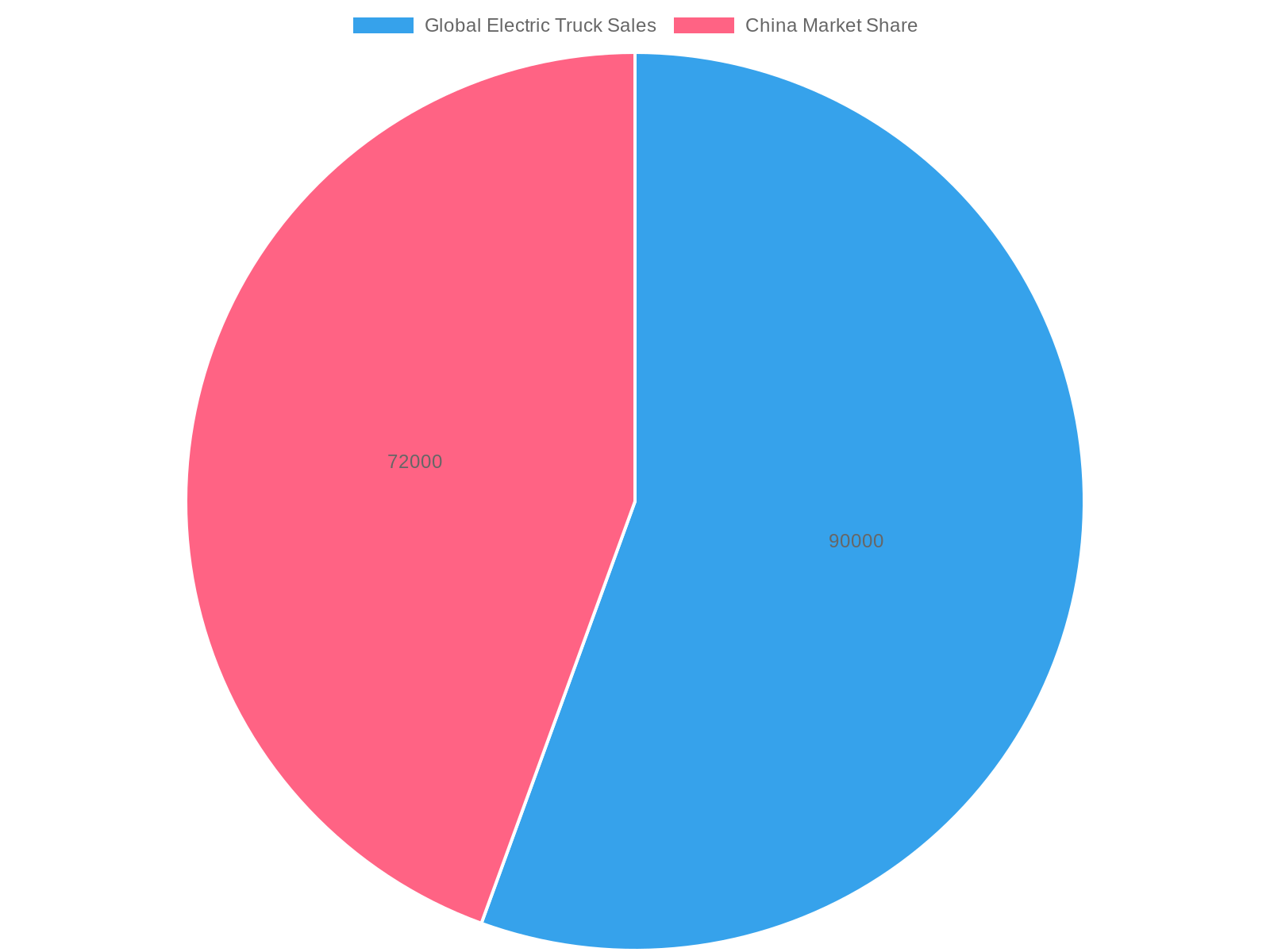
The bar graph above showcases the remarkable growth in electric truck sales worldwide in 2024.
In summary, while the path to electrification may present certain challenges, the potential benefits of integrating electric trucks into commercial fleets are substantial. By embracing this shift, businesses not only contribute to a sustainable future but also stand to enhance their operational efficiencies and competitiveness.
“As battery prices decrease and charging infrastructure improves, electric trucks are showing lower total cost of ownership than diesel trucks for operations under 300 miles.”
- Amy Chen, Chief Analyst at a leading transportation consultancy
This perspective underscores the growing viability of electric trucks for commercial applications.
Discover the Efficiency of Summit Fairings for Your Fleet
As the logistics and transportation industries evolve towards electric trucking, enhancing fleet performance becomes paramount. Summit Fairings specializes in custom-fit fairings that significantly improve aerodynamics. According to recent research, these tailored fairings can reduce aerodynamic drag by up to 23%, leading to a 12-18% increase in range per charge. Fleet operators like FedEx Ground and DHL Express have already adopted this innovative solution to maximize their electric truck performance.
Investing in custom-fit fairings not only boosts efficiency but also reduces energy consumption, ultimately cutting costs. Explore how Summit Fairings can modernize your fleet and provide a competitive edge in the electric vehicle landscape. Learn more about optimizing your fleet’s performance today!