
In the world of logistics and transportation, understanding the intricacies of licensing requirements is critical for businesses operating delivery fleets. One primary question often arises: is a commercial license needed for driving a 10-ton truck? This inquiry holds significant relevance for logistics and procurement teams, especially as they navigate the complexities of regulations that govern commercial vehicle operation. A 10-ton truck, frequently used for cargo transportation, necessitates clarity surrounding licensing, as missteps can lead to legal complications, fines, and detrimental impacts on operations. In this article, we will delve into the licensing requirements for driving a 10-ton truck, explore the implications for various businesses, and provide insights tailored to logistics and freight company owners, construction, and mining enterprise procurement teams. Join us as we demystify this essential aspect of trucking and transportation management.
Regulations for Driving a 10-Ton Truck: CDL Requirements
When considering the operation of a 10-ton truck, understanding the regulations governing commercial driver’s licenses (CDLs) is crucial for logistics, freight, and construction enterprises. Below is a summary of both federal and state laws regarding the requirements for driving such vehicles.
Federal Regulations
According to the Federal Motor Carrier Safety Administration (FMCSA), any commercial motor vehicle, such as a truck weighing 10,000 pounds or more (approximately 4,536 kilograms), mandates a Commercial Driver’s License (CDL) to operate. Here are key points:
- CDL Classes: There are three classes of CDLs: Class A, B, and C. A 10-ton truck typically falls under Class B, which is needed for operating single vehicles over 26,000 pounds or towing a vehicle weighing under that limit.
- Age and Health Requirements: Drivers must generally be at least 21 years old (18 in some states for intrastate driving) and must pass medical exams to ensure they meet health standards necessary for driving heavy vehicles. This includes vision and hearing tests, as well as a review of any medical history that could affect driving capabilities.
- Knowledge and Skills Testing: To obtain a CDL, applicants must pass both written and practical driving exams. This ensures that truck drivers are proficient in safe driving practices and regulations governing the transport industry.
- Endorsements: Specific endorsements may also be required based on the vehicle’s use (such as transporting hazardous materials). Drivers must be aware of additional testing requirements to obtain these endorsements (FMCSA – CDL Classes and Endorsements).
State Regulations
In addition to federal requirements, each state may have its own rules governing CDL issuance. It’s crucial for truck operators to familiarize themselves with their state’s Department of Motor Vehicles (DMV) regulations and ensure compliance with local laws regarding trucking operations.
For more information on how trucking regulations impact operations, you can learn more about regulatory insights.
Benefits of Obtaining a Commercial Driver’s License for Small Business Owners and Logistics Companies
A Commercial Driver’s License (CDL) offers numerous advantages, especially for small business owners and logistics companies. Here are some essential benefits:
- Cost Reduction: Having a CDL enables owners to operate their vehicles, which minimizes dependence on third-party carriers, thereby cutting transportation costs.
- Operational Flexibility: Business owners with a CDL can manage deliveries directly, which not only enhances efficiency but also allows better control over schedules. This leads to improved customer service and reliability.
- Increased Revenue Potential: CDL holders can access lucrative freight contracts that require a commercial license, which can significantly expand their service area, ultimately increasing revenue.
- Enhanced Profit Margins: By not having to hire external drivers, companies can decrease labor costs and dispatch fees. This setup allows for better profit margins.
- Improved Credibility: Possessing a CDL demonstrates a commitment to professionalism and self-sufficiency, which can bolster credibility with clients and suppliers, leading to better business relationships.
These benefits collectively enhance business operations, making it a strategic investment for small logistics companies. Learn more about optimizing operations.
For more insights, check out this report on the advantages of obtaining a commercial driver’s license.
| State | License Required | Age Restrictions | Additional Notes |
|---|---|---|---|
| Alabama | Class B CDL | 18 (with state permit), 21 (for interstate) | Must pass knowledge and skills tests; commercial learner’s permit required before CDL |
| Alaska | Class B CDL | 18 (with state permit), 21 (for interstate) | Requires endorsement for hazardous materials if applicable; vision test required |
| Arizona | Class B CDL | 18 (with state permit), 21 (for interstate) | Commercial learner’s permit needed; must complete behind-the-wheel training |
| Arkansas | Class B CDL | 18 (with state permit), 21 (for interstate) | Must pass written, driving, and skills exams; medical examiner’s certificate required |
| California | Class B CDL | 18 (with state permit), 21 (for interstate) | Endorsements required for certain vehicle types; drug and alcohol testing applies |
| Colorado | Class B CDL | 18 (with state permit), 21 (for interstate) | Medical certification required; CDL issued only after passing all tests |
| Connecticut | Class B CDL | 18 (with state permit), 21 (for interstate) | Must have valid medical examiner’s certificate; requires background check |
| Delaware | Class B CDL | 18 (with state permit), 21 (for interstate) | Commercial driver’s license program includes classroom and practical training |
| Florida | Class B CDL | 18 (with state permit), 21 (for interstate) | Vision screening required; must provide proof of U.S. citizenship or legal presence |
| Georgia | Class B CDL | 18 (with state permit), 21 (for interstate) | Must pass both written and driving tests; medical exam required |
| Hawaii | Class B CDL | 18 (with state permit), 21 (for interstate) | Commercial learner’s permit required prior to full CDL issuance |
| Idaho | Class B CDL | 18 (with state permit), 21 (for interstate) | Requires DOT physical exam; endorsement for tank vehicles may be needed |
| Illinois | Class B CDL | 18 (with state permit), 21 (for interstate) | Must have a medical examiner’s certificate; no waivers for age 18-20 |
| Indiana | Class B CDL | 18 (with state permit), 21 (for interstate) | Must pass all required tests including air brake and combination vehicle exams |
| Iowa | Class B CDL | 18 (with state permit), 21 (for interstate) | Medical certification required; some restrictions on interstate travel for under-21 |
| Kansas | Class B CDL | 18 (with state permit), 21 (for interstate) | Commercial learner’s permit needed; background check required for hazardous materials |
| Kentucky | Class B CDL | 18 (with state permit), 21 (for interstate) | Must complete training program; medical exam required |
| Louisiana | Class B CDL | 18 (with state permit), 21 (for interstate) | Commercial driver’s license available at 18 with restrictions; must pass skills test |
| Maine | Class B CDL | 18 (with state permit), 21 (for interstate) | Vision test mandatory; medical certification required |
| Maryland | Class B CDL | 18 (with state permit), 21 (for interstate) | Must pass written, driving, and skills exams; federal medical standards apply |
| Massachusetts | Class B CDL | 18 (with state permit), 21 (for interstate) | Commercial learner’s permit required; background check for hazmat endorsements |
| Michigan | Class B CDL | 18 (with state permit), 21 (for interstate) | Must pass road test and written exam; medical certification required |
| Minnesota | Class B CDL | 18 (with state permit), 21 (for interstate) | Commercial learner’s permit required; vision screening mandatory |
| Mississippi | Class B CDL | 18 (with state permit), 21 (for interstate) | Must pass all CDL tests; medical examiner’s certificate required |
| Missouri | Class B CDL | 18 (with state permit), 21 (for interstate) | Commercial learner’s permit needed; must meet federal medical standards |
| Montana | Class B CDL | 18 (with state permit), 21 (for interstate) | Medical exam required; endorsements depend on vehicle type |
| Nebraska | Class B CDL | 18 (with state permit), 21 (for interstate) | Must pass knowledge and driving tests; medical certification required |
| Nevada | Class B CDL | 18 (with state permit), 21 (for interstate) | Commercial learner’s permit required; vision and hearing tests mandatory |
| New Hampshire | Class B CDL | 18 (with state permit), 21 (for interstate) | Medical examination required; must meet federal standards |
| New Jersey | Class B CDL | 18 (with state permit), 21 (for interstate) | Background check for hazmat endorsements; medical certificate required |
| New Mexico | Class B CDL | 18 (with state permit), 21 (for interstate) | Must pass all tests; medical certification required |
| New York | Class B CDL | 18 (with state permit), 21 (for interstate) | Commercial learner’s permit required; medical exam mandatory |
| North Carolina | Class B CDL | 18 (with state permit), 21 (for interstate) | Must pass written and driving tests; medical certification required |
| North Dakota | Class B CDL | 18 (with state permit), 21 (for interstate) | Commercial learner’s permit required; vision test mandatory |
| Ohio | Class B CDL | 18 (with state permit), 21 (for interstate) | Must pass all exams; medical examiner’s certificate required |
| Oklahoma | Class B CDL | 18 (with state permit), 21 (for interstate) | Commercial learner’s permit required; medical exam mandatory |
| Oregon | Class B CDL | 18 (with state permit), 21 (for interstate) | Must pass all tests; medical certification required |
| Pennsylvania | Class B CDL | 18 (with state permit), 21 (for interstate) | Commercial learner’s permit required; medical exam mandatory |
| Rhode Island | Class B CDL | 18 (with state permit), 21 (for interstate) | Medical certification required; vision test mandatory |
| South Carolina | Class B CDL | 18 (with state permit), 21 (for interstate) | Must pass all required tests; medical exam required |
| South Dakota | Class B CDL | 18 (with state permit), 21 (for interstate) | Commercial learner’s permit required; medical certification mandatory |
| Tennessee | Class B CDL | 18 (with state permit), 21 (for interstate) | Must pass written and skills exams; medical certification required |
| Texas | Class B CDL | 18 (with state permit), 21 (for interstate) | Commercial learner’s permit required; medical exam mandatory |
| Utah | Class B CDL | 18 (with state permit), 21 (for interstate) | Must pass all tests; medical certification required |
| Vermont | Class B CDL | 18 (with state permit), 21 (for interstate) | Medical exam required; background check for hazmat |
| Virginia | Class B CDL | 18 (with state permit), 21 (for interstate) | Must pass written and driving tests; medical certification required |
| Washington | Class B CDL | 18 (with state permit), 21 (for interstate) | Commercial learner’s permit required; medical exam mandatory |
| West Virginia | Class B CDL | 18 (with state permit), 21 (for interstate) | Must pass all exams; medical certification required |
| Wisconsin | Class B CDL | 18 (with state permit), 21 (for interstate) | Commercial learner’s permit required; medical exam mandatory |
| Wyoming | Class B CDL | 18 (with state permit), 21 (for interstate) | Must pass all tests; medical certification required |
Note: All states follow the Federal Motor Carrier Safety Administration (FMCSA) guidelines for CDL licensing. The “Class B” CDL is typically required for vehicles over 26,000 pounds GVWR (Gross Vehicle Weight Rating), which includes most 10-ton trucks. The age restriction of 21 for interstate commerce is mandated by federal law. Some states allow individuals aged 18-20 to obtain a Class B CDL for intrastate driving only.
Potential Penalties for Driving a 10-Ton Truck Without a License
Driving a 10-ton truck without the required commercial driver’s license (CDL) can lead to serious legal ramifications for both the individual and their employer. The implications of operating a commercial vehicle without proper licensing are not only severe but can also have long-lasting effects on one’s career in the logistics and transportation sectors.
Legal Penalties
- Fines: Depending on state laws, fines for unlicensed operation of a commercial vehicle can range significantly. First-time offenders might face fines of up to $5,000, while repeat offenders could see fines jumping to $10,000. Furthermore, employers who knowingly permit unlicensed drivers to operate their commercial fleet may incur additional fines of up to $11,000 per violation.
- Imprisonment: The legal system may impose imprisonment as a consequence for such violations. For first-time offenses, offenders risk facing up to one year in jail, while individuals with multiple offenses could be subject to longer incarceration periods, the specifics of which can vary based on jurisdiction.
- Loss of License: Individuals caught driving without a valid CDL risk losing their driving privileges entirely, which may bar them from operating any commercial vehicle for an extended period.
Risks to Businesses
It’s important to note that these legal consequences do not only affect the individual driver but can also lead to significant repercussions for businesses. Companies may face lawsuits, increased insurance premiums, and potential operational disruptions that can harm their bottom line. Additionally, a tarnished reputation could push away clients, affecting long-term contracts and future opportunities.
Conclusion
The stakes are high when it comes to operating a 10-ton truck without a commercial license. Both employers and drivers should be aware of these potential penalties to ensure compliance with federal and state regulations, thereby safeguarding their operations against legal troubles. For more detailed guidance on compliance, check out our article on trucking regulations and understand how to navigate the complexities of commercial licensing.
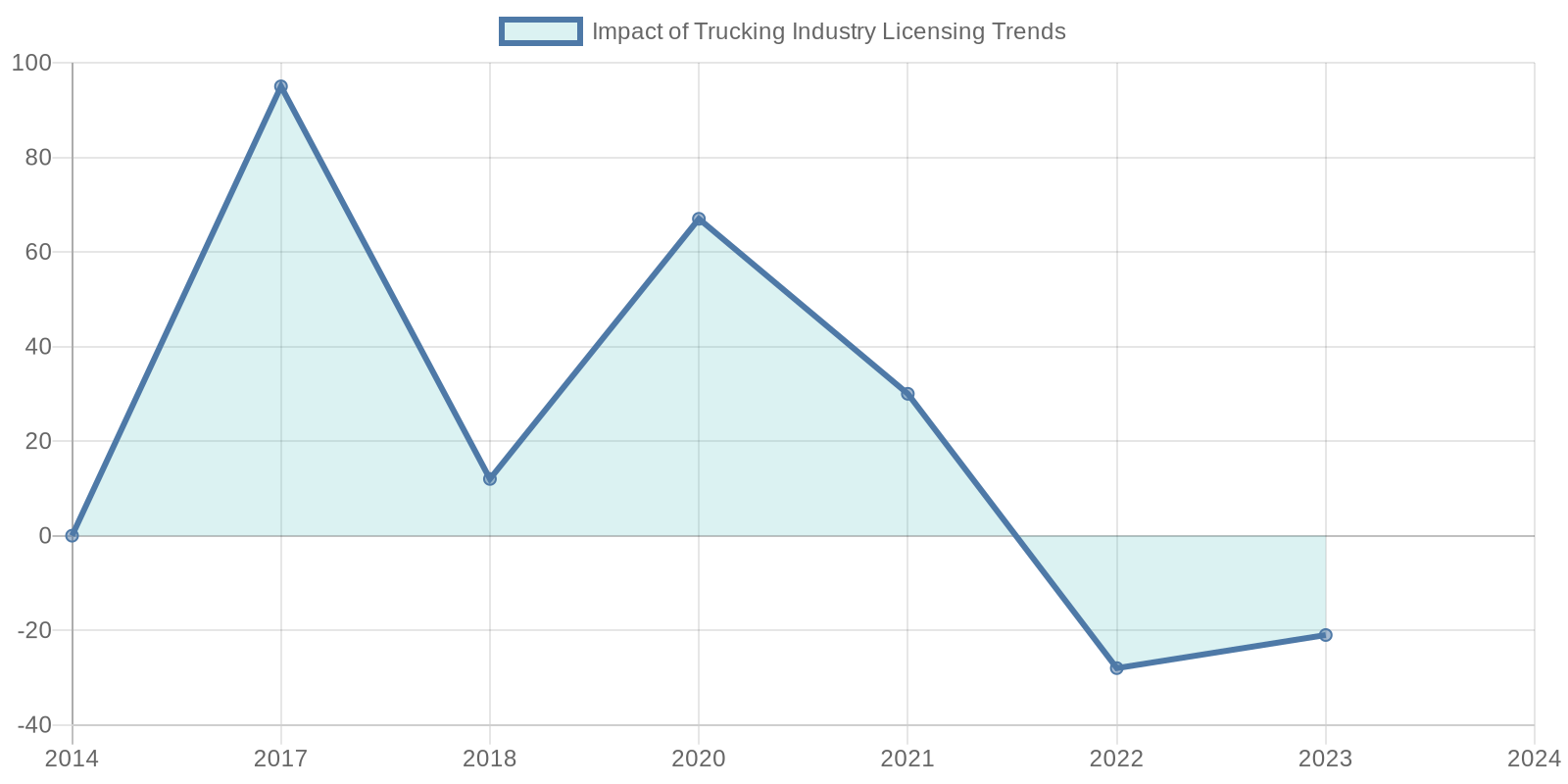
This chart illustrates the trends in commercial licensing requirements in the trucking industry over the past decade, highlighting key developments that have shaped regulatory practices.
In conclusion, operating a 10-ton truck does indeed require obtaining a Commercial Driver’s License (CDL), specifically a Class B license, as mandated by the Federal Motor Carrier Safety Administration (FMCSA). This requirement is crucial as it applies to any vehicle with a gross vehicle weight rating (GVWR) of over 10,000 pounds, thus ensuring that drivers have the necessary training to handle such vehicles safely and responsibly. For business owners in sectors like logistics and construction, compliance with these regulations is not merely a legal obligation-it is integral to promoting safety and operational integrity. Adhering to these requirements not only minimizes the risk of accidents and potential liabilities but also enhances the reputation of the business. Learn more about the importance of compliance in the logistics industry and ensure your fleet operates under legally sound practices. Therefore, for all involved, understanding and complying with the CDL requirements is essential for sustained success in the industry.
“Having a commercial license isn’t just a legal requirement; it’s essential for the credibility and safety of our logistics operations. It ensures we adhere to industry standards, protecting both our drivers and our clients’ cargo.”
- Logistics Company Owner
Explore Summit Fairings Products
As a logistics or freight company owner, the success of your delivery fleet hinges on the quality of your vehicles and equipment. At Summit Fairings, we understand the unique challenges you face in ensuring timely and efficient deliveries. Our products are specifically designed to enhance the performance and reliability of your fleet while minimizing operational costs.
By choosing Summit Fairings, you gain access to:
- Superior Quality: Our fairings are engineered for durability and aerodynamic efficiency, improving fuel economy and reducing emissions.
- Customization Options: Tailor products to fit the specific needs of your fleet, ensuring optimal performance.
- Expert Support: Our dedicated team is here to assist you in making informed purchasing decisions.
Visit summitfairings.com today to explore our extensive range of products and elevate your delivery fleet to the next level!
Frequently Asked Questions (FAQ) about Licensing Requirements for 10-Ton Trucks
Do I need a commercial driver’s license (CDL) to drive a 10-ton truck?
- Yes, in most U.S. states you generally need a CDL for trucks with a Gross Vehicle Weight Rating (GVWR) of 26,001 pounds or more. A 10-ton truck typically has a GVWR around 20,000 pounds, which may not require a CDL under federal law. However, if you are using it for transporting hazardous materials or have more than 15 passengers, you will need to have a CDL. Make sure to check your state’s specific regulations.
What class of CDL is required for a 10-ton truck?
- If your vehicle’s GVWR exceeds 26,001 pounds, you will need a Class B CDL. For trucks under this threshold that also fall under the commercial category, requirements can vary significantly, particularly if the vehicle is used for specific purposes. However, for many states, a regular driver’s license would suffice for trucks below this weight. Consult the FMCSA guidelines for more information.
Are there different licensing requirements in other countries?
- Absolutely. Licensing requirements can vary by country. For example, in Canada, a Class 1 or Class 2 commercial driver’s license is required for vehicles over 8,000 kg (about 17,600 pounds), while in the UK, you’d need a Category C license for a vehicle over 7,500 kg (approximately 16,530 pounds). In Australia, an HR (Heavy Rigid) license is necessary for vehicles over 8 tonnes. It’s crucial to be aware of regulations in your operating region.
Are there any medical requirements for obtaining a CDL?
- Yes, obtaining a CDL typically involves meeting medical fitness standards. This includes passing a medical examination and meeting eyesight and other health criteria. Regular renewals and medical assessments may also be required depending on the region.
What tests must be passed to obtain a CDL?
- Usually, obtaining a CDL requires passing a written exam, a skills test, which includes a pre-trip inspection, basic control skills, and an on-road driving test. Additionally, endorsements may be necessary for specific operational needs, such as transporting hazardous materials.