
In an industry long dominated by men, women are rising to the forefront, advocating for significant systemic change in trucking. Historically, the trucking sector has faced criticism for its pervasive gender disparities and lack of diversity. Women not only face considerable challenges such as harassment and systemic barriers, but they also play a crucial role in championing a culture shift that benefits everyone.
As advocates for inclusion, they highlight the urgent need for policies that support equality and create an inclusive workplace, where all voices are heard. The call for systemic change in trucking resonates now more than ever, addressing the inequities that have persisted for far too long.
Women in leadership positions can inspire a new generation of female drivers and mechanics, ensuring their contributions are recognized and valued. By pushing for diversity, they are not just transforming their own experiences but are reshaping the future of the trucking industry altogether. Their fight is not just for themselves but for a more equitable environment that fosters growth and innovation for all.
“Don’t let the assholes win.” — Kelly Cooper
This powerful advice resonates deeply within the trucking industry, where women often confront the challenges of discrimination and underrepresentation. As they navigate these obstacles, it is essential to remember that persistence and solidarity can dismantle systemic barriers and foster a culture of empowerment and equality.
| Company | Description |
|---|---|
| Loblaw Companies | Loblaw is committed to enhancing diversity in the workplace as part of its corporate social responsibility strategy, focusing on gender equality and inclusion. |
| GFL | GFL Environmental promotes workplace diversity and inclusivity through employee resource groups and community outreach programs aimed at underrepresented groups. |
| Polaris Transportation Group | Polaris emphasizes the importance of creating an inclusive culture and has implemented mentorship programs to foster diversity within the organization. |
| Minds for Matter | Minds for Matter works towards advancing diversity and inclusion in the trucking industry through advocacy and partnerships with organizations that support women. |
The Role of Mentorship in Promoting Women in Trucking
Mentorship plays a pivotal role in advancing women’s representation in the trucking industry, a sector that has historically struggled with gender disparities. Effective mentorship is not merely about guidance; it begins with listening. By understanding the unique challenges faced by women, mentors can tailor their advice, helping mentees navigate difficult management situations, overcome systemic barriers, and foster empowerment.
The trucking industry is undergoing a significant cultural shift, but to sustain this momentum, it is vital that experienced professionals take an active role in mentoring the next generation. There is a tremendous opportunity for female leaders to shape the future by sharing their experiences, best practices, and insights with aspiring women in the field. When women see others like themselves in leadership roles, it inspires confidence and encourages more women to pursue careers in trucking.
Additionally, mentorship addresses the management challenges that often impede the progress of women in this industry. For instance, women frequently encounter biases and stereotypes that can hinder their career advancement. A skilled mentor can help mentees craft strategies to confront these challenges head-on, providing them with the tools they need to thrive.
Representation in leadership not only fosters a more inclusive workplace, it also enhances overall company performance. Research has shown that diverse teams tend to outperform homogeneous ones, yielding better decision-making and greater innovation. This is vital for the trucking industry, which requires creative solutions to meet evolving demands and challenges.
In conclusion, mentorship is an essential component of systemic change in trucking. By prioritizing mentoring relationships, the industry can promote diversity, squash systemic barriers, and empower women to take their rightful places as leaders. As one mentor aptly stated, “Effective mentorship begins with listening.” This principle should guide all mentorship efforts to ensure that each voice is valued, heard, and supported on the path to equality and representation.
The Connection Between Mentorship and Systemic Barriers in Trucking
Mentorship serves as a critical bridge for women navigating the challenges of the trucking industry, where systemic barriers often hinder their professional progression. Evidence shows that women have considerably less access to formal mentorship opportunities compared to their male counterparts, which reinforces existing disparities and limits growth potential.
Mentorship Access and Impact:
Research highlights a significant gap in mentorship accessibility:
- According to a report by HiBob in 2025, less than 10% of women have a formal mentor at work, compared to 15% of men.
- The Women in Tech Network reveals that 63% of women have never had a formal mentor, even though 67% rate having a mentor as extremely important to their career advancement.
- A study by the Manufacturing Institute found that 60% of employees consider mentorship programs as a vital retention measure, yet only 31% of companies provide such programs.
Impact on the Trucking Industry:
As of 2024, women represent approximately 9.5% of professional truck drivers. Companies that actively recruit and support women through mentorship programs often experience higher retention rates and lower accident rates among female drivers.
- A 2024 survey showed that 82% of hiring managers believe mentorship programs make companies more attractive to job candidates, with 85% of job seekers agreeing on their importance.
Challenges and Recommendations:
Women in male-dominated fields frequently encounter barriers that impede their access to vital professional networks, negatively affecting career progression and training opportunities.
- However, mentorship can revolutionize these dynamics, as it leads to better job performance, heightened organizational commitment, and improved workplace communication.
In summary, while mentorship is essential for women’s career advancement and retention in industries like trucking, significant gaps in access to these programs remain. Addressing these disparities by implementing formal mentorship initiatives is crucial to fostering an inclusive work environment that benefits both employees and organizations alike.
A Transformative Mentorship Experience
In the rapidly evolving trucking industry, where systemic barriers can feel insurmountable, the story of Sarah, a young female truck driver, highlights the power of mentorship. Sarah entered the trucking world with dreams of becoming a long-haul driver but quickly faced challenges that threatened her career. Despite her qualifications, she encountered persistent doubts about her driving skills based on gender stereotypes. Feeling overwhelmed, she sought guidance from Linda, a seasoned driver and mentor who had faced her own share of obstacles in the industry.
Linda listened intently to Sarah’s concerns and shared invaluable strategies for overcoming biases. “Don’t let them define you, and always trust your instincts,” she urged Sarah. With Linda’s guidance, Sarah developed a solid plan to present her qualifications confidently and navigate the male-dominated environment.
Through Linda’s mentorship, Sarah not only gained confidence in her abilities but also learned how to advocate for herself professionally. As she began to excel in her role, she encountered systemic barriers regarding promotion opportunities. Linda encouraged her to document her achievements and push back against gender bias within her company, emphasizing the importance of representation.
Ultimately, Sarah’s success story illustrates how mentorship can illuminate pathways through systemic challenges faced by women in trucking. Working with Linda, she transformed her career trajectory and went on to become a role model for aspiring female drivers, proving that with support and empowerment, these barriers can be dismantled.
With transitions like Sarah’s in mind, the connection between mentorship and systemic barriers becomes clear. Mentorship does not merely support individual women; it helps shift the culture of the trucking industry towards inclusivity and equality. Recognizing barriers is essential, but finding mentors who actively work to dismantle them can pave the way for lasting change.
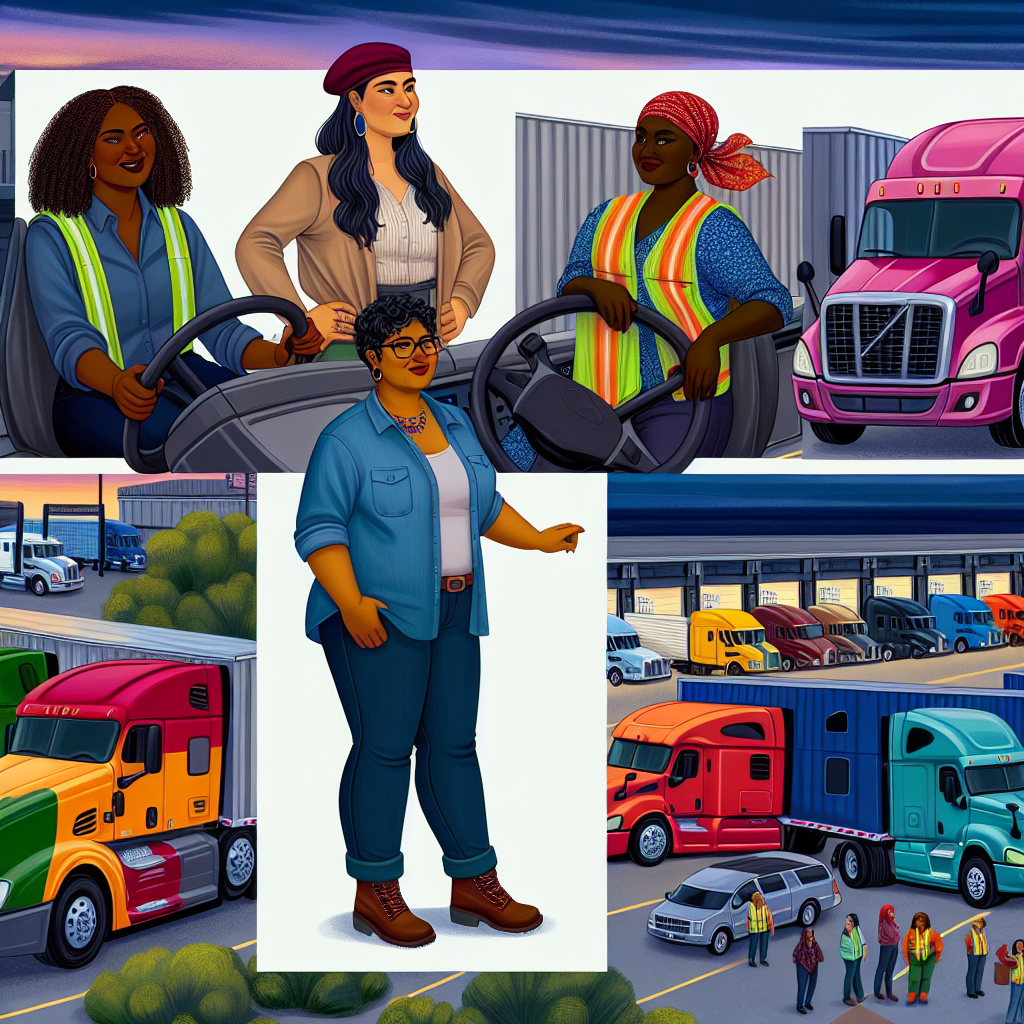
Unseen Systemic Barriers in Trucking
The trucking industry is vital to the economy, yet it faces systemic barriers that disproportionately affect women. Many of these barriers are subtle and often go unnoticed by a predominantly male workforce. This makes it essential for everyone in the industry to recognize their existence.
One of the most significant barriers is ingrained biases. Women face stereotypes about their driving skills and leadership abilities. This not only hinders their advancement but also perpetuates a culture that undervalues their contributions. Additionally, women often encounter unequal opportunities for mentoring and promotions. Given that networking and relationships can dictate career progression in trucking, these inequities are particularly detrimental.
Another challenge is the lack of supportive policies and flexible working conditions. These factors can further alienate women, making it hard to balance personal responsibilities with their careers. This highlights the critical need for corporate cultures that prioritize inclusivity and diversity.
Companies must actively dismantle these barriers by implementing policies that promote gender equality. This includes measures like equal pay for equal work and robust anti-discrimination policies.
To create an inclusive workplace where women feel valued, organizations need a strong commitment to training and awareness programs. Male colleagues can play a critical role by advocating for their female counterparts.
Acknowledging these barriers is the first step toward meaningful change. If these systemic issues are not recognized, they will continue to hinder progress and innovation within the industry.
Ultimately, for the trucking industry to thrive, it must address these systemic barriers. This will benefit women and enhance operational effectiveness and employee satisfaction across the board. By recognizing and acting on these issues, the industry can establish a new standard for equality and representation.
“Change doesn’t happen overnight.”
This quote serves as a poignant reminder of the time and effort required for systemic change in the trucking industry. Acknowledging that transformation takes sustained effort is vital for individuals and organizations committed to fostering an inclusive environment for women.
Conclusion
In conclusion, the push for women’s representation in leadership within the trucking industry is essential not only for achieving equity but also for ensuring the long-term retention of talent. As the industry evolves, it becomes increasingly vital to cultivate an environment where women feel valued and empowered to lead. Representation in leadership matters not only for fairness, but also for retention. When women are present at the decision-making table, it encourages others in the workforce to aspire to similar roles, resulting in a healthier, more diverse organizational culture that reflects the society it serves.
The importance of fostering strong mentorship programs, acknowledging systemic barriers, and actively promoting women to leadership positions cannot be overstated. These steps are critical in dismantling the outdated norms that have long hindered progress. By continuing to advocate for these changes, we are not just fighting for equality but also laying the groundwork for a more resilient and innovative trucking industry. It is clear that the future success of this vital sector depends on our commitment to inclusive leadership and the empowerment of women across all levels.
As we move forward, let us ensure that our initiatives are sustained and impactful, working diligently to support the next generation of women leaders in trucking who will undoubtedly shape a brighter and more equitable future for all.
Women in Trucking: Adoption Data and Insights
Recent statistics reveal a complex landscape for female truck drivers in the trucking industry, showcasing both advancements and significant hurdles that impede progress toward gender equality in trucking. As of 2024:
- Approximately 9.5% of CDL-holding truck drivers are women, dropping from 12.1% in 2023, reflecting a concerning decline in recruitment.
- Women represent 7.5% of technicians, marking a notable increase of 3.8% compared to the previous year, indicating some progress within mechanics roles.
- In terms of leadership, women occupy 28% of C-suite positions, 34.5% of supervisory roles, and 29.5% of board memberships, demonstrating a presence in higher management despite low overall representation in driving and technical positions.
Challenges persist, with the percentage of women among student drivers decreasing to 10.7% in 2024 from over 15% in 2022. Barriers such as limited childcare resources, the inability to bring pets during training, and safety concerns related to harassment significantly deter women’s entry into the field and their retention.
Encouragingly, systemic change is underway: 56.4% of trucking companies now have formal diversity and inclusion policies, reflecting a rising commitment to supporting women. Organizations such as the Women In Trucking Association are pivotal in advocating for women’s employment and addressing systemic issues through support programs. Moreover, ongoing research initiatives aim to understand the specific challenges female truck drivers face, fostering a more inclusive environment.
These statistics and insights underscore the need for continual advocacy and systemic change in the trucking industry to ensure a more equitable future for women.
Advocacy Efforts by Women in Trucking
In recent years, advocacy efforts by women in the trucking industry have become increasingly vital in driving systemic change. Prominent among these initiatives is the collaboration between the Women In Trucking Association (WIT) and Waste Management through the Women in Waste (WOW!) program. This partnership signifies a commitment to enhancing gender diversity and promoting policies that support women in the industry. By emphasizing safety measures, mentorship opportunities, and work-life balance, these efforts work to create a more supportive framework for women in trucking, many of whom face unique challenges in an industry traditionally dominated by men.
Kelly Rooney, a notable figure in this initiative and former Director of Operations at Waste Management, joined the WIT Board of Directors, underscoring the importance of such partnership in advocating for women’s rights and advancement. The WOW! program has been pivotal in fostering a global network for women in solid waste management, focusing on workforce development and increasing visibility. It highlights the crucial role that women play in the trucking and waste management sectors and facilitates research and training that uplifts and empowers women professionally. Women In Trucking Association
Additionally, the Women In Trucking Foundation plays a critical role in promoting educational opportunities through scholarships dedicated to women interested in trucking careers. The recent scholarship cycle awarded funds to numerous applicants across leadership, driving, safety, and technical fields, providing not just financial support but also access to mentorship and networking opportunities. This contributes to a more diverse and educated workforce, ultimately propelling systemic change within the industry. Women In Trucking Foundation
Moreover, other initiatives, such as Women In Motion by the American Trucking Associations (ATA), aim to draw attention to women’s contributions in the trucking industry while encouraging more to pursue careers in this field. These collective advocacy efforts are vital to establishing a trucking industry that is not only diverse and inclusive but also equipped to meet the economic demands of the future. By addressing issues such as truck parking and workplace safety, these advocacy groups are changing the narrative and paving the way for future generations of women in trucking. American Trucking Associations
The ongoing work of organizations focused on women in trucking, like the African American Women Trucking Association (AAWTA), emphasizes the need for tailored support for underrepresented groups, ensuring that their voices are amplified and their challenges recognized. Together, these advocacy efforts are instrumental in achieving systemic changes that create a more equitable environment for all involved in the trucking industry.