
Navigating the complexities of insuring commercial trucks is crucial for logistics, freight, and delivery fleet owners. Whether your business involves transporting goods or providing services that require heavy vehicles, ensuring adequate coverage from a reliable insurance provider like Wanesa Insurance is imperative. This article delves into Wanesa Insurance’s offerings for commercial truck coverage, highlighting the available insurance options, liability protections, and provisions to safeguard cargo. Additionally, we will guide you through the process of obtaining a policy and critical considerations to keep in mind, ensuring you make informed decisions to protect your assets on the road.
Securing Your Fleet: Wanesa Insurance’s Comprehensive Coverage for Commercial Trucks
Wanesa Insurance has established itself as a significant player in providing comprehensive risk management solutions for commercial trucking operations. The company’s approach to commercial truck coverage is built on a detailed analysis of the unique challenges faced by transportation providers in today’s environment. By offering a range of specialized policy options, Wanesa is dedicated to ensuring that freight haulers, delivery services, and other commercial truck operators receive the protection they need to operate with confidence on busy highways and challenging routes.
At the core of Wanesa Insurance’s offerings is a commitment to addressing the multifaceted nature of commercial trucking risks. Every trucking operation, whether it involves long-haul freight or local deliveries, encounters potential hazards that run the gamut from collision incidents and property damage claims to cargo losses and liability issues arising from accidents. Recognizing these divergent needs, the company has designed its policies to cover a broad spectrum of risks. The central features of these policies include liability coverage, physical damage coverage, cargo insurance, and even specialized endorsements like non-owned vehicle protection and umbrella policies for those who require an extra layer of security.
Liability insurance is one of the foundational components of Wanesa’s commercial trucking coverage. This insurance is designed to protect drivers and business owners from the financial consequences of claims arising when an accident results in bodily injury or property damage. Because liability coverage is often a legal requirement, Wanesa’s policies ensure that trucking businesses remain compliant with regulatory mandates while safeguarding their financial stability. Businesses that depend on timely deliveries and precise logistic operations cannot afford to face the high costs associated with litigation or accident settlements, and robust liability coverage acts as a shield against these financial pitfalls.
Equally critical is the physical damage coverage provided by Wanesa Insurance. In the world of commercial trucking, vehicles are both the primary asset and the backbone of the operation. Wear and tear, unforeseen collisions, and environmental damages can so easily disrupt operational efficiency if a truck is rendered inoperative. Wanesa offers physical damage policies that encompass comprehensive coverage including collision and comprehensive insurance. This coverage ensures that the cost of repairs or replacement of vehicles is mitigated, preventing significant financial setbacks for businesses that depend on the daily operation of their fleets.
Cargo insurance is another essential element of the coverage package. For trucking companies, the safe delivery of goods is paramount; any loss or damage to cargo not only represents a direct financial loss but can also erode trust with clients and business partners. Wanesa Insurance’s cargo policies are designed to compensate businesses for the cost of lost or damaged goods during transit. This aspect of commercial coverage is particularly important for shippers dealing in high-value or perishable items, where delays or damage can have cascading effects on the supply chain.
In addition to traditional policies, Wanesa Insurance recognizes that modern trucking businesses often use vehicles not directly owned by the company. In response, the company extends its coverage to include non-owned or hired vehicles that are used for business purposes. This is an area of significant relevance for businesses that occasionally supplement their fleets with contracted or temporary vehicles, ensuring that any risks associated with these vehicles are not left unaddressed. By incorporating non-owned auto liability coverage, Wanesa helps commercial trucking operators maintain a consistent level of protection across their entire operational spectrum.
Beyond these standard coverages, Wanesa’s insurance solutions are highly customizable. The process of tailoring a policy begins with a thorough assessment of the unique risk profile of each trucking operation. Factors such as fleet size, vehicle make and model, historical driving records, and the specific types of goods carried all influence the final policy design. This personalized approach enables businesses to secure coverage that not only complies with regulatory requirements but also effectively addresses their distinct operational challenges. For example, a company specializing in the transportation of hazardous materials might require additional specialized endorsements to cover the increased risks associated with such cargo. In contrast, a regional delivery service may only need the fundamentals of liability and physical damage coverage, leaving the more advanced features optional.
This customization is not solely about choosing the right coverage components; it also involves a strategic dialogue between the insurance provider, brokers, and the business. Wanesa Insurance places a strong emphasis on collaboration with licensed agents who work closely with clients to identify and mitigate vulnerabilities. This process can often include a risk management review that addresses everything from driver behavior and maintenance schedules to the operational logistics that influence accident probabilities. In many ways, the role of the insurance agent transcends that of a traditional salesperson, serving as a consultant who can help fleets manage risk proactively. This intimate level of engagement is one of the reasons why many commercial trucking businesses place their trust in Wanesa Insurance.
Risk management in the trucking industry is an evolving challenge, especially as regulatory and market conditions continue to shift. Increasingly stringent emissions regulations, evolving safety standards, and the rising costs associated with vehicle repair and replacement are all factors that require careful attention. In this context, having insurance that not only covers traditional risks but also adapts to meet future challenges is a prudent investment. Wanesa’s commercial truck insurance policies are designed to be forward-thinking. They offer scalable solutions that can grow in tandem with an operator’s needs, whether that means expanding the fleet, diversifying the types of cargo carried, or adjusting coverage limits as business volumes increase.
The comprehensive nature of Wanesa Insurance’s offerings also extends to scenarios that many traditional policies might overlook. For instance, many trucking companies operate across state and even international boundaries, where different legal systems and regulatory environments can complicate claims processing. With this in mind, Wanesa offers coverage that accounts for cross-border regulatory nuances, ensuring that businesses remain protected regardless of geographic location or regulatory complexity. This global-minded approach further reinforces Wanesa’s position as a forward-looking insurer, one that understands that commercial trucking is an inherently international business. Indeed, for those trucking operations that find themselves navigating international or inter-jurisdictional challenges, tailoring a policy to account for these risks is essential. Interested readers may find insights on related cross-border challenges in initiatives such as the TCAS Cross-Border Regulatory Issues Event, which explores some of the regulatory complexities that can impact operational risk management in the trucking sector.
Operational risk management for commercial trucking extends well beyond just the physical aspects of vehicle operation. There is also a critical need to protect the reputational and financial aspects of a business, particularly in an industry where delays and disruptions can have far-reaching consequences. Wanesa recognizes that a single major incident not only affects the immediate stakeholders but can also trigger a domino effect along the entire supply chain. As such, many commercial policies include extensions that cover indirect losses. For example, if a trucking operation experiences a significant delay due to an accident, some policies might cover lost revenue or additional operational costs incurred as a result. Although such extensions are typically optional, they provide an additional layer of security for operators who operate in highly competitive or time-sensitive markets.
Another aspect of Wanesa Insurance’s approach is its commitment to transparency and education. For many businesses, understanding the nuances of commercial truck insurance can be daunting. The detailed customization process is augmented by professional guidance from knowledgeable agents who break down complex insurance terminology into actionable insights. This educational component is designed to empower business owners to make informed decisions about their risk management strategies. A well-informed client is not only better equipped to choose the correct policy but also becomes an active partner in reducing overall risk. By fostering a collaborative relationship with its policyholders, Wanesa ensures that insurance coverage is not just a contractual agreement, but a strategic tool for business stability.
Furthermore, specialized coverage options offer additional peace of mind. In an industry fraught with uncertainties, such as the possibility of carrying hazardous materials or unusual cargo, tailored endorsements can prove indispensable. For instance, a specialized policy might include coverage that addresses the environmental risks associated with certain types of cargo, or it might offer enhanced protection for trucks operating in remote areas where immediate repair or recovery services are unavailable. These specialized endorsements are typically based on thorough market research and the evolving demands of the commercial trucking sector. They represent a proactive rather than reactive approach to risk management, allowing businesses to plan for and mitigate the unforeseen events that might otherwise disrupt operations.
Customization is not solely beneficial at the point of policy creation; it also extends throughout the lifecycle of the insurance plan. Wanesa’s annual review process allows for continuous assessment and adjustment of coverage based on changing business conditions. As fleets grow or operational parameters shift, the risk profile of a business can evolve dramatically. Routine reassessments ensure that the policy remains in alignment with the latest risk environment, reducing the likelihood of underinsurance or coverage gaps. This continuous improvement mindset sets Wanesa apart and enables trucking companies to maintain a flexible, adaptive insurance strategy in an industry where change is the only constant.
Over the years, the growing complexity of the trucking industry has led to the development of insurance products that are increasingly tailored to the modern needs of fleet operators. Wanesa Insurance’s approach is emblematic of this trend, as it combines robust traditional coverage with targeted solutions that address the specific circumstances of commercial trucking. In many respects, the company operates at the intersection of risk management and business optimization, providing tools that not only protect physical assets but also contribute to overall operational efficiency. For instance, by offering bundled coverage that addresses both on-road and off-road risks, Wanesa enables businesses to streamline their insurance portfolio, simplify claims management, and ultimately reduce administrative overhead.
In practice, choosing the right commercial trucking insurance policy involves a careful evaluation of both risk exposure and budget constraints. Trucking businesses operate in a high-risk environment where every mile traveled presents potential hazards ranging from minor fender-benders to catastrophic accidents. In this light, selecting an insurance policy is not merely a compliance exercise, but a strategic decision that impacts every facet of operations—from daily logistics and employee morale to long-term business viability. Wanesa Insurance, with its customized and adaptable policy offerings, presents a compelling choice for those who recognize that their insurance needs are as dynamic as the industry itself.
Insurers like Wanesa are increasingly aware that the future of commercial trucking is closely tied to advancements in vehicle technology and regulatory reforms. Emerging trends such as autonomous trucking, telematics-based risk assessments, and environmentally driven vehicle improvements are influencing the market. As these innovations gain traction, insurance solutions must also evolve. Wanesa’s policies are designed with an eye toward the future, ensuring that as technology transforms the industry, coverage options remain robust and relevant. For example, a policy that offers coverage for advanced driver-assistance systems (ADAS) or incorporates data from telematics can better align with the modern fleet’s needs and contribute to improved safety outcomes.
This proactive stance on future developments is essential for businesses that operate in an industry where regulatory landscapes are continually shifting. New safety standards or emissions regulations can have a profound impact on how trucking operations are conducted, and consequently, on the risks associated with those operations. Wanesa’s insurance policies are periodically reviewed and updated to incorporate the latest industry insights and regulatory changes. This dynamic approach to policy management ensures that clients are not caught unprepared by sudden changes in the legal or operational environment.
Ultimately, Wanesa Insurance’s comprehensive suite of coverage options for commercial trucks is a testament to its understanding of the intricacies involved in managing transportation risks. From standard liability and physical damage coverage to specialized endorsements for unique operational challenges, every policy is designed with the goal of providing holistic risk management solutions. This commitment to customization and proactive risk assessment not only reinforces the stability of individual trucking businesses but also contributes to the overall resilience of the commercial transportation sector.
For businesses looking to optimize their insurance strategy in an ever-evolving market, partnering with a provider that values transparent communication and personalized service can be a game changer. Wanesa’s collaborative process, which involves regular policy reviews and risk management consultations, helps ensure that each client’s coverage remains relevant and efficient. This dedication to ongoing improvement means that as challenges evolve, so too does the level of protection available to commercial truck operators.
As commercial trucking continues to be a vital component of the global supply chain, the importance of reliable and adaptive insurance cannot be overstated. Wanesa Insurance stands out as a provider that not only meets the current needs of trucking businesses but also anticipates future challenges through innovative and flexible policy solutions. Whether it is through comprehensive liability protection, tailored physical damage coverage, or specialized endorsements that protect against unexpected disruptions, Wanesa remains committed to offering coverage that translates to real-world benefits for its clients.
For more detailed information on the specific offerings and customization options available for commercial trucking insurance, interested parties are encouraged to consult Wanesa’s official online resource at Wanesa Commercial Truck Insurance. This resource provides an in-depth look at the various policy options available, along with guidance on how to tailor a plan that best suits the unique requirements of any commercial trucking operation.
In summary, Wanesa Insurance’s approach to commercial truck coverage is both comprehensive and adaptable. The company effectively balances the need for robust traditional coverage with the flexibility required to address emerging risks and regulatory changes. By focusing on risk mitigation through customized policies, continuous improvement, and proactive planning, Wanesa offers trucking businesses a security net that not only protects their valuable assets but also underpins their operational success. It is this fusion of strategic foresight and personalized service that makes Wanesa Insurance a trusted partner for businesses navigating the complex landscape of modern commercial trucking.
Navigating the Complexities of Liability and Physical Damage Protection for Commercial Trucks with Wanesa Insurance
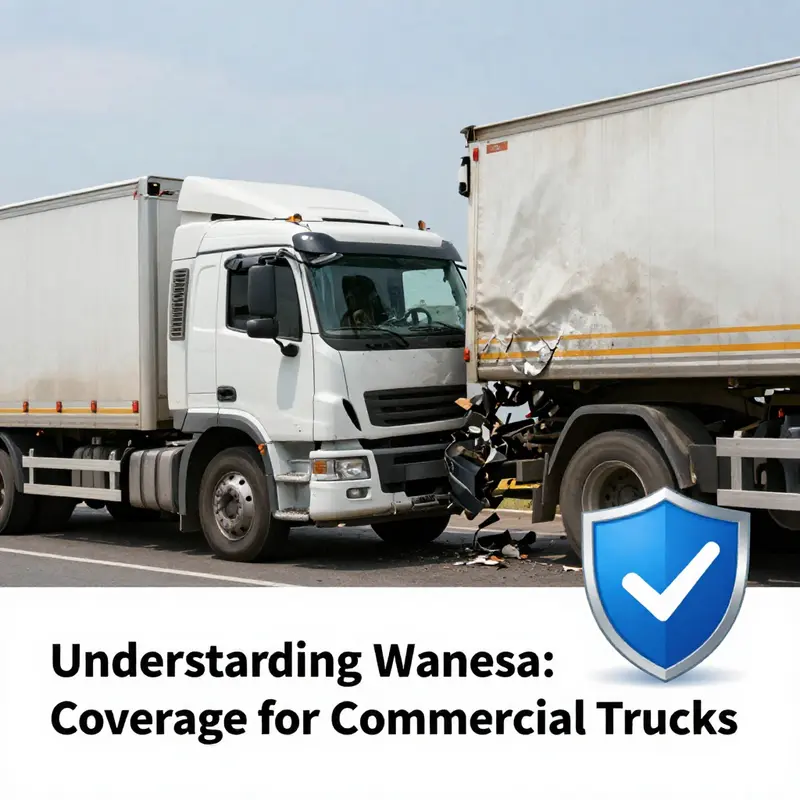
Wanesa Insurance has established a reputation as a reliable provider for commercial trucking operations, and its specialized policies have become an essential component for businesses that depend on commercial trucks. As companies expand their fleet and operations, the necessity for robust insurance covering liability and physical damage has never been more critical. The detailed coverage options provided by Wanesa Insurance ensure that trucking companies are shielded from several potential risks, from everyday mishaps on the road to catastrophic incidents that can endanger business continuity.
The coverage offered by Wanesa Insurance is designed with commercial trucking in mind. This approach allows policyholders to navigate the many varied exposures that are inherent to operating large vehicles on busy highways. At the core of these offerings are two key aspects: liability insurance and physical damage protection. Liability insurance primarily addresses the injuries and property damage that a trucking operation might inadvertently cause to third parties. This safeguard is critical for protecting the financial interests of a business, ensuring that claims, legal fees, or settlements do not drain resources or derail operations. Equally important is the physical damage protection, sometimes referred to as collision and comprehensive coverage. This element of a policy covers the repair or replacement costs resulting from accidents, theft, or even natural disasters that affect the trucks on the road.
In the dynamic environment of commercial trucking, operational risks are inevitable. Traffic-related accidents, unpredictable weather conditions, and even road debris contribute to a landscape of uncertainty. For businesses that rely on their fleet to generate revenue, the cost of repairing or replacing trucks can be a crippling factor if not properly insured. Wanesa Insurance mitigates these risks by offering customizable policies that can be tailored to the unique needs of each business. These policies are structured not only to cover common incidents like collisions but also to provide protection against additional perils. For instance, the comprehensive component of the physical damage coverage deals with incidents such as vandalism or fire mishaps that may not be classified under collision events.
The integration of liability and physical damage insurance into a single coherent policy significantly supports the overall stability of a trucking business. This blend of coverages offers reassurance to fleet operators that they have a safety net in times of crisis. While liability insurance protects the business from the financial consequences of causing harm to others, physical damage insurance ensures that their own assets remain secure in the aftermath of an accident. The importance of maintaining both these aspects cannot be overstated, as focusing on one without the other might leave critical gaps in a company’s risk management strategy. The dual-layer protection model provided by Wanesa Insurance is especially advantageous for small to medium-sized trucking companies that may not have the resources to absorb large financial losses.
One of the challenges businesses face when evaluating commercial truck insurance is determining the value of coverage relative to the myriad risks associated with operating a fleet. The world of insurance is complex, and many factors come into play, such as the age of the vehicles, maintenance records, and even the geographical areas in which the trucks operate. Wanesa Insurance uses these variables to craft policies that are both competitive and comprehensive. By analyzing data on accident frequencies, repair costs, and other driving statistics, the insurer can offer rates that reflect the actual risk profile of each business. This proactive approach not only helps in keeping the premiums reasonable but also ensures that the coverage remains relevant as business dynamics evolve over time.
Trucking businesses often operate in environments that are influenced by economic and regulatory changes. For example, shifts in trucking economic trends can affect everything from fleet maintenance schedules to driver hiring practices. It is during these turbulent times that having a solid insurance framework becomes even more beneficial. For business owners looking to contextualize financial and operational decisions, reading about related matters such as recent insights on trucking economic trends can provide added perspective. For a deeper dive into how such trends are impacting the trucking industry, consider reviewing this article on trucking economic trends which discusses key market shifts and upcoming challenges. This perspective reinforces the importance of robust and adaptive insurance coverage that can evolve alongside the industry itself.
The process of obtaining commercial truck insurance from Wanesa Insurance is streamlined to accommodate the busy schedules of trucking company managers and owners. Rather than engaging in lengthy paperwork or contending with complicated eligibility criteria, Wanesa Insurance offers a straightforward application process that emphasizes clarity and efficiency. This ease of access is particularly important for smaller operators who may be juggling multiple aspects of their business simultaneously. A user-friendly digital interface allows for quick quotations, policy comparisons, and adjustments that align with the specific needs of the fleet. Furthermore, many trucking companies report that the ability to directly consult with insurance representatives and get tailored advice is a significant advantage when selecting the appropriate coverages.
Another factor contributing to the value of Wanesa Insurance’s commercial truck coverage is its adaptability. The trucking industry is subject to rapid technological advancements and evolving transportation regulations. As a result, the requirements for insurance policies can change as quickly as the technologies that drive the industry forward. Wanesa Insurance is committed to ongoing extensions and refinements of their policy offerings to ensure that they remain in lockstep with these developments. Whether it’s the integration of new tracking technologies or compliance with updated environmental standards, Wanesa adjusts its policies accordingly to reflect current needs. This commitment to continuous improvement not only builds trust among policyholders but also stabilizes the financial planning of businesses that rely on consistent coverage standards.
Within the framework of liability coverage, Wanesa Insurance focuses on providing extensive protection against claims that could potentially expose a business to significant financial jeopardy. Ranging from bodily injuries to property damage incurred during an accident, these claims can run into high costs that threaten a company’s profitability. Wanesa Insurance builds its liability coverage to incorporate rigorous limits and legally compliant safeguards that ensure the protection of both drivers and company assets. In many cases, the mere presence of a solid liability insurance policy can serve as a competitive advantage during insurance audits or when negotiating contracts with partners and clients. This competitive edge is particularly crucial in scenarios where the reliability and safety of fleet operations can influence broader commercial relationships or compliance requirements.
Physical damage protection remains a cornerstone of Wanesa Insurance’s commercial truck coverage, addressing the intrinsic value of the assets on the road. Given the high costs of repairs and replacement parts for commercial trucks, having an insurance policy that covers both collision and comprehensive damage can be a significant factor in maintaining financial solvency. For example, accidents that result in substantial vehicle damage can lead to immediate out-of-pocket expenses, severely impacting a company’s cash flow. By covering these costs, Wanesa Insurance not only protects the truck but also the business’s operational integrity. In scenarios where a truck is rendered unusable for an extended period, the insurer’s role in mitigating downtime and associated revenue loss underscores the strategic importance of these policies.
It is worth considering that while the primary purpose of these insurance policies is to provide a safety net during incidents, they also encourage best practices among fleet operators. Knowing that their vehicles and business operations are protected under a comprehensive plan often motivates companies to uphold rigorous standards in maintenance and driver training. As a result, the overall safety record of the fleet can improve, which in turn may lead to even more favorable insurance premiums in the future. Insurance is not only about risk transfer; it is also a tool for promoting industry-wide improvements in operational practices, leading to safer roads and more efficient logistical processes. The philosophy behind Wanesa Insurance’s offerings, which promotes proactive risk management and continuous quality improvement, is a model that many in the industry have come to rely on.
The financial advantages of maintaining solid insurance coverage extend well beyond merely avoiding expensive repair bills or litigation fees. Insurance policies that are well-suited to the operational risks of trucking also serve as critical markers of financial responsibility. In industries where trust and reputation are paramount, demonstrating that a business has invested in comprehensive risk management can lead to improved relationships with lenders, partners, and regulatory bodies. This kind of financial stability can be a deciding factor in securing contracts or expanding operations, as stakeholders generally prefer to invest in companies that have robust contingency plans in place. Consequently, the decision to partner with an insurer like Wanesa, which delivers tailored coverage options based on careful risk assessment, is as much a strategic business decision as it is a protective measure.
A particularly notable aspect of Wanesa Insurance’s approach is its commitment to transparency and customer service. In an industry that can sometimes be obscured by fine print and complex contractual language, Wanesa strives to demystify the insurance process. Policyholders appreciate the clarity brought by detailed explanations of coverage options, exclusions, and claim procedures. This transparency is instrumental in building long-term relationships with clients who prefer to have a clear understanding of what their policy entails. Moreover, the company’s willingness to engage with policyholders through direct consultations and accessible online resources underscores its dedication to customer empowerment. For companies operating in a fast-moving environment, such support is critical for making informed decisions that protect both their financial and operational interests.
When companies invest in a well-rounded insurance policy, it is essential that they also maintain ongoing dialogue with their insurance provider to ensure policies remain aligned with evolving risks and market conditions. This active engagement helps businesses adjust coverage limits and add endorsements that address new exposures, such as increased liability from extended cross-border operations or emerging technologies in vehicle safety and tracking. Wanesa Insurance’s agile response to these shifting factors is a testament to its understanding of the complexities faced by modern commercial trucking operations. For businesses that operate in multiple regions, these adaptive measures can simplify compliance with varying regulatory requirements, thereby minimizing disruption and associated costs in an ever-changing environment.
Beyond the immediate financial protection provided by comprehensive insurance policies, there is a broader reassurance that all operational stakeholders derive from knowing that risk is being actively managed. Drivers, logistics managers, and even clients can have increased confidence in a company that is insulated against unpredictable events. This confidence translates into improved morale among employees and creates a culture where safety and reliability are paramount. The integration of a robust insurance program into overall business strategy can lead to progressive improvements not only in fleet management but in the operational procedures and practices that define a company’s identity.
Businesses that adopt full-spectrum coverage solutions such as those provided by Wanesa Insurance are better positioned to confront unforeseen challenges head-on. While no policy can wholly eliminate risk, the combined protection against liability and physical damage significantly reduces the impact of adverse events. This calculated risk management not only preserves valuable capital but also offers the peace of mind essential for focusing on growth and expansion. Given the uncertainties inherent in the transportation and logistics sectors, choosing a comprehensive insurance plan is not merely a regulatory requirement—it is a strategic imperative that can distinguish a successful operation from one that is vulnerable to financial setbacks.
The commitment to excellence that Wanesa Insurance demonstrates through its commercial truck coverage can be a source of inspiration for other companies within the transportation industry. It is a reminder that investment in protective measures can have a multiplier effect, enhancing operational integrity and financial stability over time. In the complex interplay between user safety, regulatory compliance, and commercial success, a well-formulated insurance policy stands as a critical pillar of resilience. By combining liability coverage with physical damage protection, companies can create a robust framework that serves as a foundation for sustainable growth, even in the face of adverse incidents or market fluctuations.
As businesses navigate the multifaceted landscape of commercial trucking, the significance of aligning insurance coverage with operational needs becomes apparent. The strategic benefits offered by comprehensive policies extend far beyond immediate financial protection; they serve as an enduring commitment to quality management and risk mitigation. Trucking operations that invest in such policies often find that the peace of mind derived from knowing that every eventuality is covered allows them to devote more energy to core operational strategies. This integration of risk management as a central business practice helps in building a more resilient enterprise, one that is equipped to thrive in an often unpredictable industry.
In this context, Wanesa Insurance’s approach is both pragmatic and forward-thinking. Their offerings are designed to evolve with the demands of an ever-changing transportation landscape, ensuring that policyholders are never left unprotected. The dual focus on liability and physical damage protection is particularly noteworthy, as it encapsulates the two primary ways in which trucking assets can be compromised—through external claims and internal accidents or mishaps. With this robust coverage, businesses can confront the dual challenges of unpredictable liability claims and the high costs associated with vehicle damage.
For companies considering their options, it is advisable to explore detailed policy information and perform a thorough risk assessment to identify the most critical coverages. More comprehensive details on Wanesa Insurance’s commercial truck coverage, including limitations, exclusions, and potential pricing, are available on their dedicated platform for commercial trucks. This resource provides vital clarity on the specifics of the coverage and can help business owners make informed decisions to secure their assets. For those seeking additional context, exploring external insights from trusted resources can further illuminate the evolving needs of commercial trucking operations. To learn more about these specialized insurance products, please visit Wanesa Commercial Truck Insurance.
Ultimately, the decision to secure comprehensive insurance for commercial trucks is emblematic of a broader commitment to long-term operational sustainability. The protections offered, ranging from liability coverage that shields against potentially ruinous claims, to physical damage coverage that minimizes downtime and repair costs, are central to creating an insulated business environment. For trucking companies operating under tight margins and intensive competition, these factors can make the difference between steady growth and vulnerability in the face of unexpected events. In an industry where every mile counts, having a partner that delivers consistent, adaptable, and transparent insurance solutions is invaluable.
In conclusion, the robust insurance provisions by Wanesa Insurance highlight the importance of integrating dual-cover protective measures into the risk management strategy of any commercial trucking business. With a focus on liability protection and physical damage coverage, companies are well-equipped to handle the array of challenges that arise on busy highways and in complex operational environments. As businesses continually adapt to regulatory, technological, and economic changes, the strategic foresight of securing comprehensive insurance ensures they can maintain operational momentum and safeguard their financial interests over the long haul.
Navigating Vital Protections: How Cargo Insurance and Non-Owned Auto Liability Secure Commercial Truck Operations
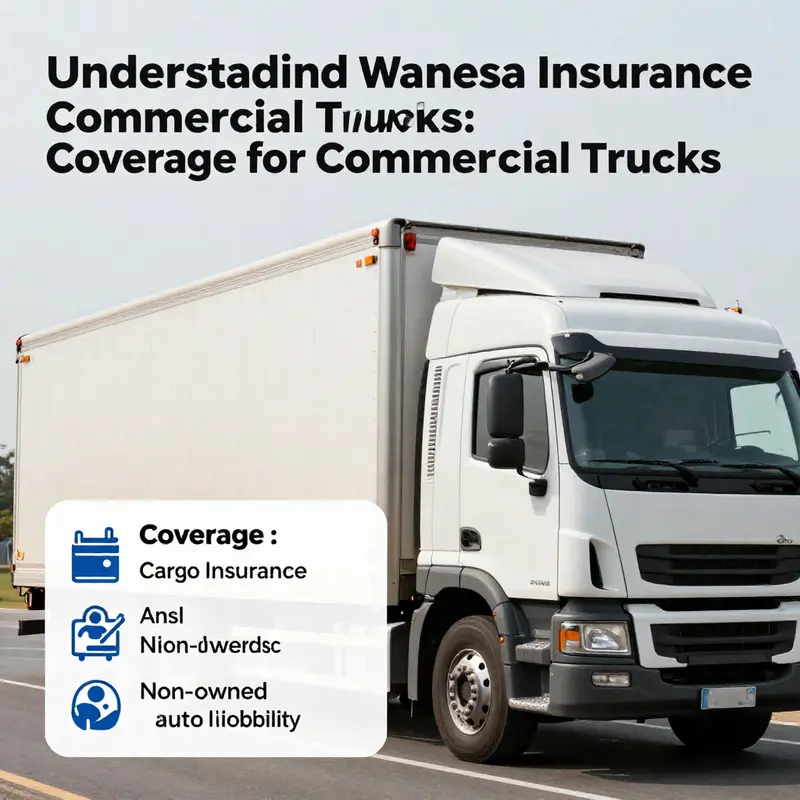
Wanesa Insurance recognizes the risks inherent to commercial truck operations and has built specialized products that address the unique coverage needs of trucking companies. For businesses that rely on the movement of goods and the effective deployment of transport resources, understanding the nuances between different types of insurance coverage is crucial for long-term success and risk management. In integrating tailored cargo insurance and non-owned auto liability policies, Wanesa Insurance offers a comprehensive solution that helps secure assets, protect client relationships, and support the overall operational resilience of trucking enterprises.
Often, businesses that operate commercial trucks face a myriad of challenges that can disrupt the transportation of goods. Cargo insurance, as provided through Wanesa, is designed to offer protection against the myriad risks that commercial shipments encounter daily. This coverage is far more than a routine product; it represents an assurance that any damage, loss, or interruption in transit is met with financial backing. Imagine a scenario where adverse weather, unexpected accidents, or even acts of vandalism cause serious harm to the consignment being delivered. Without dedicated cargo protection, a single incident could substantially erode a company’s service reliability and strain customer trust. Wanesa’s policy is structured to not only replace or repair damaged goods but also help ensure that contractual obligations with clients are met, thereby preserving business reputation and continuity.
In the vast network of the commercial trucking landscape, the movement of cargo does not always follow predictable patterns. As trucks traverse long distances, crossing different jurisdictions and weather conditions, they face potential threats from natural disasters, theft, and even accidents that might compromise the integrity of the cargo. Wanesa Insurance extends its safety net to cover these varying dangers. This approach allows trucking operations to continue their journeys with the confidence that their cargo is not left vulnerable, no matter what unpredictable events may arise along their route. Rather than placing an undue burden on a company’s internal resources, cargo insurance diverts the risk management responsibility onto an established framework that understands the specifics of commercial transport.
Beyond the protection of cargo, another pressing issue for many trucking companies is the coverage for vehicles that are not owned by the company but are used in business operations. Often the operators, contractors, or even employees rely on vehicles they already own to complete deliveries or provide on-site services. In such cases, traditional auto policies do not extend coverage to these vehicles during business use, leaving companies exposed to potential liability claims. Departing from a one-size-fits-all approach, Wanesa’s non-owned auto liability policy fills this critical gap by providing insurance coverage that activates when a personal or third-party vehicle is used for business-related activities. This crucial feature of the policy acknowledges that commercial activities extend beyond the confines of a company’s physical fleet and that modern business challenges require innovative insurance solutions to shield against possible litigation or financial loss stemming from accidents involving non-company vehicles.
As businesses grow and adapt within a competitive market, management must be fully aware of the ramifications that can occur when coverage gaps are left unaddressed. The non-owned auto liability segment is particularly significant because it extends beyond simple property damage, encompassing a variety of legal liabilities that may arise in the wake of an accident. Whether it involves bodily injury or damage that spills over to public or private property, having a robust liability policy in place means that companies can mitigate the risk of expensive lawsuits that could otherwise drain resources and destabilize business operations. This coverage is a clear acknowledgment that modern commercial activities often necessitate the use of a diverse range of vehicles, and without appropriate insurance, companies can be left exposed to numerous legal pitfalls.
Integrating these two coverage models—cargo insurance and non-owned auto liability—into a cohesive insurance strategy provides tangible benefits for commercial trucking businesses. For instance, when a company both transports cargo and utilizes non-owned vehicles for deliveries or client visits, it avoids the financial uncertainties associated with having to engage multiple insurers or settle disputes with insufficient coverage. With a unified approach offered by Wanesa Insurance, trucking businesses can streamline their risk management processes, reduce administrative overhead, and ultimately focus their energy on expanding their operational capacity. There is an evident natural synergy between the dual coverages. Cargo insurance safeguards the goods and revenue streams, while non-owned auto liability protects the broader operational framework that facilitates the delivery of those goods.
During times when market conditions fluctuate and regulatory standards evolve, comprehensive insurance solutions become even more critical. The trucking industry is no stranger to regulatory changes, variable fuel prices, and shifting consumer demands. In such a dynamic environment, ensuring that both cargo and liability aspects are covered provides an added layer of operational stability. For example, a sudden change in weather patterns or unexpected regional events may amplify risks previously considered negligible. In these situations, having cargo insurance means that damages due to natural disruptions are met with immediate indemnification. Concurrently, if an employee operating a non-company vehicle becomes involved in an accident during off-hours or on a business-related errand, non-owned auto liability coverage ensures that legal and compensation claims do not escalate into crippling financial burdens.
Furthermore, this kind of robust coverage has an indirect but profound influence on the trust and relationships companies build with their clients. In the world of commercial logistics, the ability to reliably deliver intact goods to destination points is paramount. Customers are naturally inclined to work with companies that demonstrate sound risk management practices. When a trucking business can certainly state that all aspects of its operation—whether the transit protection for cargo or the coverage for vehicles used in diverse operational roles—are underpinned by a solid insurance agreement, it signals reliability and professionalism. This assurance can materially influence contract negotiations, pricing terms, and overall market reputation. Clients and partners are reassured that even in the face of unforeseen events, the business is equipped to manage expenses without a detrimental impact on service commitments.
One cannot understate the value of having an elevated level of preparedness in an industry where delays and damages can lead to cascading operational challenges. By investing in cargo insurance and non-owned auto liability, companies can redirect focus from crisis management to strategic growth initiatives. The integration of these policies represents a practical approach to risk management that aligns seamlessly with the overarching goals of operational continuity and customer satisfaction. In this light, the dual coverage mechanism essentially becomes a business enabler. Rather than incurring losses over an unanticipated event, companies are empowered to absorb shocks as part of a structured risk management framework. This comprehensive protection can lead to more predictable financial planning, allowing companies to allocate capital and resources more efficiently.
Additionally, corporate strategy in the trucking sector is increasingly being driven by data, market trends, and a continuous evaluation of risk. Insurance plays a strategic role in this transformation by providing both predictive insights and adaptive measures. Organizations that embrace well-rounded insurance products tend to benefit from a smoother alignment between operational risks and financial planning. They often report enhanced resilience when faced with the inherent uncertainties of long-haul operations. For instance, if cargo insurance delays potential claims or settles disputes quickly, a company could reinvest saved resources into technologies that further reduce accident rates or optimize fuel usage. Similarly, robust non-owned auto liability coverage enables operations managers to more confidently deploy additional vehicles without incurring the risk of costly personal asset damage claims.
Moreover, the interplay between financial security and operational flexibility that these coverages offer can help companies build an environment that fosters innovation. Trucking businesses are increasingly exploring technology integrations, such as real-time satellite tracking, automated route planning, and smart sensor systems to monitor cargo conditions during transit. With the assurance of comprehensive insurance, companies might be more willing to invest in these technologies since they are better protected from the financial setbacks that could result from a non-insured incident. This symbiotic relationship between modern technology and tailored insurance coverage further emphasizes the role of insurance as an enabler rather than just a safety net.
The strategic importance of these insurance products is also evident when examining the broader industry challenges. The trucking business often involves significant capital investment, and any disruption—be it from physical damage to cargo or liability claims resulting from an accident involving a non-owned vehicle—can have a profound impact. Wanesa Insurance’s tailored approach is an acknowledgment that operational strategies must evolve in tandem with the growth of the industry. Trucking companies are challenged not only by immediate risks but also by market forces that may exacerbate these risks in turbulent times. The detailed crafting of both cargo insurance and non-owned auto liability products reinforces the idea that businesses need to be agile in adapting to market fluctuations while simultaneously safeguarding against operational hazards.
While many might view insurance simply as a mandatory expense, the value proposition provided by companies like Wanesa goes far deeper. The detailed and specialized nature of these policies is indicative of a targeted approach to commercial risk. It creates a framework where the management of operational risks and the protection of financial assets are integrated into everyday business decisions. This integration is essential for companies aiming to expand their service offerings and enter new markets without the fear that an isolated incident could derail progress or tarnish their industry reputation.
The narrative that unfolds when a commercial trucking business invests in such comprehensive insurance is ultimately one of foresight and professionalism. In today’s competitive and fast-evolving transportation landscape, insurance coverage must be adaptive and robust enough to deal with current challenges while anticipating future needs. Both cargo insurance and non-owned auto liability are designed with flexibility in mind, capable of addressing the specific and evolving demands of the modern trucker. The policies mitigate the potential for severe financial impacts resulting from accidents, theft, environmental disasters, or legal disputes, ensuring that the companies remain well-prepared for whatever the road ahead may hold.
It is also worth noting that the benefits extend beyond mere financial remuneration. For example, having adequate cargo insurance can ensure that a company remains compliant with contractual requirements imposed by clients and regulatory bodies. This compliance is critical in an era where the reputational stakes are high, and any gap in adherence to industry standards could result in legal complications or a loss of business. Simultaneously, non-owned auto liability coverage reassures companies that the risks associated with outsourcing or temporarily leveraging external vehicles are thoughtfully managed, thereby preserving both operational efficiency and workforce morale.
Over time, companies that rely on these tailored insurance products tend to develop a culture of risk awareness that permeates all levels of their operations. From logistics managers to drivers and even financial planners, understanding the scope and impact of these policies can lead to more robust internal controls, improved safety protocols, and a generally more proactive approach toward crisis management. In this way, insurance becomes an integral part of a company’s strategic planning, one that not only covers potential risks but also informs decisions that optimize overall operational performance.
A deep dive into the realm of cargo insurance reveals that its importance cannot be overstated. A single incident of damage inflicted during a transit has the potential to disrupt entire supply chains, cause delays in customer deliveries, and even lead to significant reputational harm. Wanesa’s cargo protection, however, is designed to address such contingencies by offering quick and effective solutions. The seamless processing of claims and the promptness with which compensation is delivered often allow businesses to resume operations with minimal downtime. This adaptability and quick response time are particularly vital in an industry where time is money and every delay translates into lost revenue and diminished customer confidence.
In a similarly critical vein, the scope of non-owned auto liability is equally transformative for modern trucking operations. Many businesses now rely on a hybrid fleet model where personal or leased vehicles augment the company-owned fleet. This arrangement allows for greater flexibility and can prove invaluable during peak operational periods. However, it simultaneously introduces ambiguity in terms of insurance coverage. By transferring the risk to a well-designed non-owned auto liability policy, companies avoid the common pitfalls of miscommunication between personal and business insurance. Not only does this safeguard the business’s bottom line, but it also encourages a more integrated perspective on risk management that respects the realities of today’s commercial practices.
The implementation of robust insurance products naturally leads to operational efficiencies that much industry literature supports. In this context, one can see the benefits of relying on a structured insurance framework that sits at the crossroads of financial prudence and proactive risk management. Companies that have adopted this model are better positioned to handle sudden changes in market dynamics, whether those challenges stem from external market pressures or shifts in regulatory landscapes. For further insight into how market pressures are transforming operational strategies within the trucking industry, one may find it insightful to review the discussion on industry adaptation strategies in trailer manufacturing, which highlights similar themes of flexibility and risk preparedness.
Ultimately, the story of cargo insurance and non-owned auto liability is one of balancing risk with opportunity. Commercial trucking companies willing to invest in comprehensive protection not only mitigate their exposure to immediate financial risks but also create a platform for sustained growth and innovation. By transferring the weight of potential liabilities to a dedicated insurance policy, these companies can focus on strengthening their operational core, optimizing route planning, investing in new technology, and expanding their service reach. It shifts the perspective from crisis management to long-term strategic planning, ensuring that every mile traveled is not only a move towards business goals but also a step in secure, responsible operations.
In a world where the stakes of operational mishaps are incredibly high, Wanesa Insurance’s approach—integrating cargo insurance and non-owned auto liability—stands out as a foundational pillar that supports the ambitions of many commercial trucking enterprises. This integrated method of risk management not only defends against daily operational hazards but also promotes a culture of proactive safety and accountability among all stakeholders. By partnering with a provider that understands the intricacies of the transportation industry, companies can position themselves to weather unpredictable events and continue to thrive despite the inevitable uncertainties of the business landscape.
For companies that are evaluating their current insurance needs or planning for future growth, it is essential to recognize that robust insurance coverage is more than just a safety net—it is a strategic asset. Comprehensive policies such as those offered by Wanesa Insurance can enhance customer confidence, secure valuable cargo, and provide peace of mind that extends across the full spectrum of business operations. This proactive approach to insurance ensures that companies are not only prepared for potential disruptions but also empowered to seize new opportunities in a competitive market environment.
As the commercial trucking industry continues to evolve, the dual emphasis on cargo insurance and non-owned auto liability will undoubtedly gain even greater relevance. Companies that embrace these solutions today are poised to benefit from improved operational agility, reduced financial risks, and an enhanced ability to navigate the complex landscape of modern transportation. The forward-thinking strategies embedded in these policies contribute to building a resilient business that can adapt to both current challenges and future uncertainties. For comprehensive details on policy specifics and to explore how these insurance solutions can be tailored to your business needs, it is wise to review the offerings at Wanesa Insurance directly by visiting their official website at https://www.wanesa.com.
Navigating Wanesa’s Commercial Truck Coverage: Securing Your Fleet and Managing Essential Risks
When it comes to protecting a commercial trucking fleet, understanding the specifics of your coverage is as important as the routes your trucks travel each day. Wanesa Insurance offers a comprehensive suite of insurance policies designed to address the unique risks and challenges faced by commercial truck operators. In this chapter, we explore the nuances of Wanesa’s commercial truck insurance, delving into the process of obtaining a policy, the critical factors that influence coverage costs, and the key considerations that truck fleet owners should bear in mind to ensure that their investments are well protected against an array of unforeseen events.
Wanesa Insurance has positioned itself as a provider that truly understands the complexities associated with operating commercial trucking fleets. Their policies are not just a simple blanket coverage, but instead are carefully tailored to meet the demands of businesses ranging from small independent operators to medium-sized trucking companies. With a busy transportation landscape and an ever-growing need for precise risk management, Wanesa’s offerings go well beyond the basics of auto insurance by incorporating specialized features that are crucial for protecting assets against everyday hazards encountered on the open road.
At the heart of Wanesa’s commercial truck insurance is the emphasis on safeguarding businesses from potential financial losses resulting from accidents, theft, and various forms of damage that can occur during the operation of commercial trucks. This protection is achieved through a multifaceted policy package that commonly includes general liability, physical damage coverage, and additional endorsements that target specific risks. For a trucking business, liability insurance ensures that in the event of accidents where third-party damage or bodily injury is involved, the company has a financial safety net that can help cover legal expenses and claims. Physical damage coverage, which typically encompasses collision and comprehensive coverage, helps to cover the repair or replacement costs of a truck if it is involved in an accident or suffers from damages not related to a collision, such as theft or weather events.
One of the standout features of Wanesa’s policy for commercial truck operators is its flexibility. The company understands that no two trucking businesses are exactly alike, which is why their policies often include optional endorsements such as cargo insurance, bobtail coverage (pertinent when a truck is not attached to its trailer), and even non-owned auto liability. Cargo insurance, in particular, becomes indispensable when the cargo being delivered represents a significant part of a business’s revenue. In this way, Wanesa not only secures the truck itself but also the economic activity that depends on the safe transportation of goods.
The process of obtaining a Wanesa commercial truck insurance policy is straightforward yet thorough in its approach. Typically, the journey begins by contacting a licensed insurance agent or broker who collaborates closely with Wanesa. During the application process, business owners must provide detailed information about their operations. To start, a comprehensive overview of the company is required—this includes the types and number of trucks within the fleet, detailed descriptions of how these vehicles are utilized (whether for local deliveries, long-haul freight, or specialized logistics), and insight into the driving records and qualifications of crew members. Every bit of data plays a crucial role in how Wanesa evaluates the risk associated with insuring the fleet and subsequently determines premium rates that are fair and reflective of the actual exposure.
In addition to vehicle and driver information, companies are required to supply documentation that verifies the legitimacy of their operations. This includes proof of business registration and any relevant state or federal operating licenses necessary to run a commercial trucking business. This attention to detail ensures that the insurer is fully aware of the operational scope of the company and can tailor the policy details to match the specific needs of the business. By understanding these aspects, Wanesa is able to offer a policy that not only meets regulatory demands but also provides a level of financial protection that gives business owners peace of mind.
Once the policy is in place, the strategic management of your coverage becomes a continuous process rather than a one-time event. It is important for trucking businesses to engage in regular reviews of their insurance policies. As the nature of the fleet evolves—whether through the addition or removal of vehicles, changes in operational patterns, or shifts in driver personnel—so too does the risk profile of the business. Regular policy reviews in consultation with a knowledgeable agent can help to identify any gaps in coverage and ensure that the policy limits remain adequate for the current size and scope of the business. This proactive approach is vital in an industry where even minor oversights can result in significant financial liabilities due to accidents or claims.
A central factor in maintaining robust coverage is the rigorous management of driver qualifications. Wanesa, like many insurers, places substantial importance on the driving records of those operating commercial trucks. A history of safe driving not only helps in reducing the overall risk but also influences premium rates over the long term. Ensuring that drivers are well-trained, possess the necessary licenses, and adhere strictly to safety practices helps to not only safeguard lives and assets but also contributes to building a positive claims history. For many trucking companies, investing in driver training programs is both a risk-reduction measure and a step towards achieving long-term cost benefits through lower premium rates.
Beyond assessing driver and vehicle details, there are numerous endorsements and additional coverages offered by Wanesa that deserve attention. For instance, many trucking companies opt to include cargo insurance as part of their policy package. This is especially critical in scenarios where the cargo itself represents a significant portion of the company’s value proposition. Similarly, endorsements such as bobtail coverage—which protects businesses when a truck is operating without its trailer—provide additional layers of protection. Non-owned auto liability is another endorsement that can be essential for companies that use subcontractors or temporarily rent vehicles in order to fulfill their operational requirements. Each of these endorsements is crafted to ensure that no matter what operational model a company employs, there is a corresponding coverage option that protects against specific vulnerabilities.
In an industry that continually faces both regulatory changes and market challenges, staying informed about policy specifics is crucial. For instance, a trucking company operating across state or even international borders may encounter additional layers of complexity. Operation across jurisdictions demands an understanding of different legal frameworks, and in this regard, Wanesa’s policy structure is often noted for its adaptability. Companies may need to look beyond the basic coverage to consider endorsements that suit cross-border operations, where differences in local laws and risk profiles may affect claims processing and overall policy enforcement. In fact, for those interested in emerging perspectives on this aspect of trucking, one can explore detailed discussions in industry circles, such as the link offering insights on cross-border challenges and regulatory nuances. Such resources add depth to one’s understanding of how specialized insurance products are designed to meet the unique needs of businesses operating in complex environments.
As we delve deeper into the practical aspects of obtaining a commercial truck insurance policy with Wanesa, it is important to acknowledge that timing and diligence are of the essence. Many trucking businesses find that the sooner they engage with an insurance expert, the more tailored their policy will be. Engaging early in the process allows companies to gather the necessary documentation well in advance, leading to a smoother approval process and reduced administrative delays. Additionally, early engagement with an agent creates an opportunity for detailed discussions about the evolving needs of the business, as well as the exploration of available endorsements that could be advantageous as the business scales up its operations.
Another significant point for fleet owners to consider revolves around the legal and regulatory compliance aspects tied to commercial truck operations. Insurance policies are an essential component in meeting legal requirements, but they also serve to boost the credibility of a company in the eyes of both regulators and clients. A well-structured insurance policy signals that the company is not only committed to the safety of its operations but is also prepared to handle potential liabilities in an organized and financially responsible manner. In this sense, Wanesa’s policies provide a dual benefit: ensuring compliance with legal standards while also promoting a culture of safety and preparedness that can enhance the overall reputation of the business in a highly competitive market.
The financial implications of maintaining comprehensive insurance coverage cannot be overstated, especially for companies operating on thin margins. Commercial truck operations involve significant fixed and variable costs, and in scenarios where unforeseen incidents occur, the absence of robust insurance can have devastating consequences on business viability. Wanesa’s insurance policies, therefore, serve as a critical investment that not only protects tangible assets but also offers financial continuity during times of crisis. This protective role is particularly crucial in today’s market, where even a single major accident can derail the operations of a trucking business, potentially leading to extended downtimes and laborious claims processes that stretch resources thin.
It is also important to consider that insurance is just one part of a broader risk management strategy. Beyond the policies themselves, trucking companies must adopt comprehensive safety programs that include regular maintenance of vehicles, driver safety training, and advanced tracking technologies. These measures work in tandem with insurance coverage to create a robust safety net. Insurers like Wanesa often appreciate when a company goes the extra mile in terms of implementing risk-reducing practices, sometimes leading to discount programs or tailored policy adjustments that further benefit responsible fleet management. The dynamic interplay between risk prevention measures and comprehensive insurance coverage reinforces the notion that prevention is always preferable to remediation, a perspective that is worth adopting in every facet of commercial trucking.
Companies should also remain mindful of emerging trends in the transportation industry. The influence of new technologies, evolving regulatory requirements, and shifts in market dynamics all play a part in shaping the insurance landscape. For example, the ongoing developments in vehicle safety technology, such as advanced driver assistance systems (ADAS) and telematics, have already begun to influence premium rates. Insurance providers may offer tiered pricing based on the incorporation of these technologies, rewarding companies that invest in the latest safety innovations with lower risk profiles and more favorable premium adjustments over time. Wanesa’s adaptability in accommodating such trends within its policy offerings is reflective of an insurance provider that stays current with industry changes and dynamic risk management strategies.
Furthermore, maintaining open channels of communication with your insurance provider is pivotal over the lifetime of your policy. As your business grows and the nature of your operations transforms, keeping your agent updated with the latest developments ensures that your coverage evolves in lockstep with your needs. Whether this involves adding new vehicles to your fleet, expanding service territories, or even integrating new technological innovations, continuous dialogue with a trusted insurance partner can help prevent coverage gaps that might otherwise expose the business to significant financial risk. In this manner, a proactive approach to insurance management becomes an integral part of a company’s overall long-term strategy for success and resilience.
The efficient management of an insurance policy also extends to the claims process and how potential losses are addressed. In the unfortunate event of an accident or other incident, a well-structured insurance policy such as that provided by Wanesa ensures a clear and methodical claims resolution process. This not only provides necessary financial relief but also helps to minimize operational disruptions following an incident. For trucking companies, where timely returns to service are critical, fast and effective claims management can mean the difference between a minor setback and a major operational hindrance.
In light of these considerations, it becomes clear that obtaining and managing a Wanesa commercial truck insurance policy requires attention to a myriad of details. From gathering accurate fleet and driver information during the application phase to understanding and selecting the necessary endorsements that tailor coverage to unique operational requirements, there are several steps that demand careful thought and planning. The ultimate benefit, however, is a comprehensive policy that not only mitigates potential financial losses but also fosters a culture of safety and accountability within the organization.
As commercial truck operators continue to navigate an industry marked by rapid technological advancements and evolving regulatory landscapes, the importance of thoughtful insurance coverage continues to grow. Ensuring that each truck, driver, and cargo is adequately protected allows companies to focus on the core aspects of their business without the undue stress of unforeseen financial liabilities. For those planning to explore the finer details of the coverage or seeking a more tailored solution, the official Wanesa Insurance website offers a wealth of current information and the opportunity to connect directly with industry experts. To delve deeper into policy specifics and discover the latest updates on commercial trucking insurance, visit Wanesa Insurance for authoritative guidance.
Through careful consideration of the aspects discussed above, it is evident that Wanesa’s approach to commercial truck insurance goes far beyond standard policies. Instead, it represents a meticulously crafted solution that balances the immediate need for risk protection with a long-term strategy for operational resilience. Fleet operators can benefit significantly from such comprehensive coverage, ensuring that every mile traveled comes with the security of a policy designed to meet the challenges of today’s dynamic transportation industry. Ultimately, an informed understanding of insurance coverage is not merely a financial decision—it is a cornerstone of building a sustainable, forward-thinking business that is prepared for the inevitable uncertainties of the road ahead.
Final thoughts
In conclusion, Wanesa Insurance provides essential coverage tailored specifically for commercial trucks, supporting business owners in logistics, transportation, and delivery sectors. With robust options ranging from liability to cargo insurance, it creates a comprehensive safety net to manage the various risks associated with trucking operations. By understanding each coverage area and taking decisive steps to secure a policy, you protect your business assets effectively. Always remember, consulting directly with the insurance provider for precise details about coverage limits, exclusions, and specialized options can lead to informed insurance choices tailored to your unique operational needs.