
Volvo is committed to ensuring its trucks are durable and reliable. The new VNL model has gone through tough tests, from extreme desert heat to Arctic cold. This thorough testing demonstrates Volvo’s dedication to performance and shows an understanding of the different environments its trucks will encounter in real life.
The truck was tested in temperatures over 120°F in the Arizona desert, compared to the frigid -40°C in Alaska. These extreme conditions provide useful data on how the VNL can handle heavy loads, confirming its ability to meet demanding logistics needs in any climate.
This article explores the details of these tests and highlights the lengths Volvo goes to ensure its trucks can tackle the toughest road challenges.

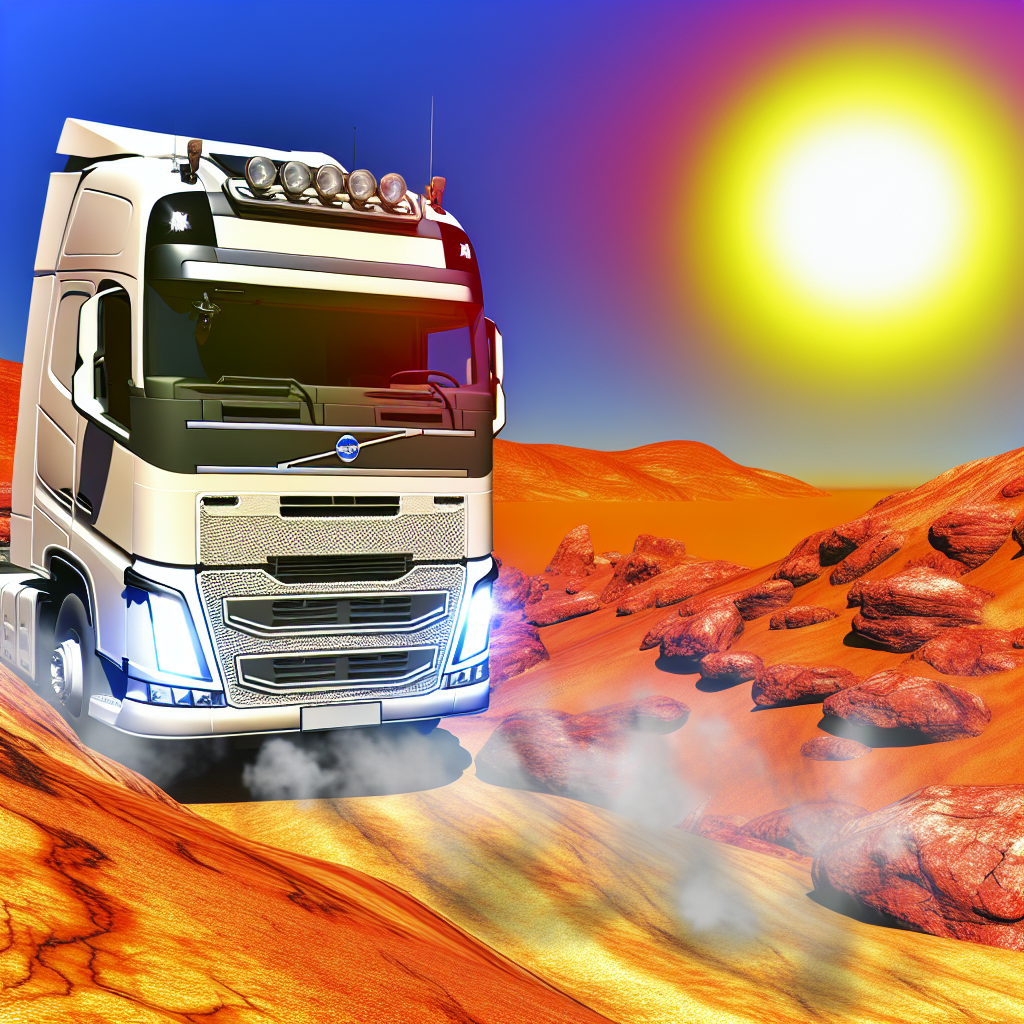
Visual representation of a Volvo VNL truck navigating extreme desert heat conditions, emphasizing the challenges faced by vehicles in such temperatures.
Testing Locations and Conditions
Volvo Trucks has taken a hands-on approach to testing its new VNL model under challenging conditions that simulate the extremes of heat and geographical variations. One notable testing location is the Davis Dam Grade in Arizona, which has presented several unique challenges for the VNL during its trials. This section explores the specific conditions and challenges associated with this testing site:
-
Davis Dam Grade Overview:
- Located in the Colorado River region of Arizona, the Davis Dam Grade is known for its difficult terrain, with an elevation climb of over 3,500 feet.
- The route stretches approximately 10 miles, offering substantial incline that intensely tests the engine and brake systems of the truck.
-
Temperature Extremes:
- Testing temperatures at Davis Dam Grade can reach as high as 120°F (48.8°C) during peak summer months, creating a severe environment for the VNL to endure.
- During these tests, Volvo monitors the truck’s performance under extreme heat to evaluate how well it can maintain stability and functionality.
-
Geographical Challenges:
- The heat not only impacts the mechanical components of the truck but also affects the road surface, causing increased rolling resistance and testing tire performance.
- As the trucks ascend the grueling incline in triple-digit temperatures, it evaluates the thermal management system’s effectiveness in protecting engine performance.
-
Hot Shutdown Evaluations:
- During these assessments, trucks must navigate the grade while operating at capacity, simulating real-world logistics challenges.
- Evaluators analyze how the VNL behaves under stress, particularly the vehicle’s ability to cool down effectively once it stops after a demanding climb.
These extreme testing conditions are vital for ensuring that the Volvo VNL can perform reliably across diverse climates and geographical challenges, solidifying its superiority in the trucking industry.
| Feature | Specification / Outcome |
|---|---|
| Engine Options | D13 engine, 405 to 500 hp, 1,750 to 1,950 lb-ft torque |
| Transmission | Volvo I-Shift automated manual transmission |
| Aerodynamics | Up to 10% improvement in fuel efficiency |
| Safety Features | Active Driver Assist Plus, Automatic Emergency Braking |
| Cooling System Performance | Effective under prolonged heat during hot shutdown tests |
Summary of Testing Outcomes
- Hot Shutdown Test: Evaluated performance post-ascent during extreme heat, confirming reliability under stress.
- Cab Climate Control: Volvo Parking Cooler validated as effective in maintaining comfort without engine idling.
- Overall Durability: Performance confirmed on challenging routes under temperatures up to 120°F.
Insights from Testing Data
The rigorous testing process undertaken for the new Volvo VNL model has provided crucial insights into the performance and reliability of the truck in extreme conditions. Testing temperatures reached a striking 120°F (48.8°C) in desert environments, contrasting sharply with the frigid lows of -40°C experienced in Arctic conditions. This comprehensive approach to testing emphasizes the importance of subjecting trucks to diverse climates, ensuring that they are equipped to handle both intense heat and cold.
Both hot and cold weather testing reveal how different conditions affect vehicle components and overall performance. For instance, under extreme heat, factors like engine cooling, tire integrity, and brake performance are critically evaluated. As Matthew Taylor from Volvo Group North America notes, “We want to know exactly how the truck performs when it is essentially being baked from the road up.” This perspective signals the importance of understanding heat impacts on mechanical systems, ensuring safety and reliability.
Cold weather testing, on the other hand, reveals challenges related to engine performance, battery efficiency, and the effectiveness of heating systems. Peter Voorhoeve, president of Volvo Trucks North America, affirms, “Hot weather testing is just as critical as cold weather testing,” underlining a holistic view on vehicle testing under varied environments.
One specific testing location, the Davis Dam Grade in Arizona, exemplifies the unique demands faced during the hot weather evaluations. The 10-mile incline, coupled with extreme heat, pushes the VNL to its limits. This scenario provides valuable insights into how well the truck maintains stability and functionality under stress, ensuring that it can endure real-world logistics challenges.
Throughout this testing, Volvo gathers valuable data that not only informs truck design and technology but also directly correlates to customer satisfaction. Enhanced performance under extreme conditions reinforces customer confidence in the durability and reliability of their vehicles, ultimately leading to better market positioning.
Bridging Insights to Future Innovations
These insights gleaned from extensive testing serve as a foundation for future innovations in the design and technology of the Volvo VNL. Lessons learned about performance under intense climatic pressures will directly inform upcoming adaptations aimed at further enhancing the truck’s capabilities. This transition from insights to implications highlights Volvo’s proactive approach to innovative design, ensuring the VNL continues to lead in the trucking industry.
In summary, the insights gained from extensive hot and cold weather testing of the Volvo VNL model play a pivotal role in its development, ensuring that the truck can meet the demands of diverse operational environments while maintaining optimal performance, thus reinforcing Volvo’s commitment to leading the trucking industry.
“Hot weather testing is just as critical as cold weather testing,” said Peter Voorhoeve, president of Volvo Trucks North America.
In conclusion, the Volvo VNL model has been put through a rigorous and comprehensive testing regimen designed to ensure its reliability and performance in the most extreme conditions. The extreme temperatures—ranging from a scorching 120°F in the Arizona desert to the bone-chilling -40°C in Alaska—serve to highlight Volvo’s relentless commitment to quality and innovation. These tests not only evaluate the truck’s mechanical reliability but also its ability to perform efficiently under significant stress, including challenging ascents like the Davis Dam Grade in Arizona.
Volvo’s approach exemplifies a dedication to understanding how various environmental factors affect truck operation. The rigorous evaluations reveal vital insights into performance metrics such as engine cooling, tire durability, and brake efficiency, which are crucial for real-world logistics operations. With the successful outcomes from both hot and cold weather testing, potential customers can be assured of the Volvo VNL’s durability and reliability.
Volvo Trucks’ commitment to quality assurance and customer satisfaction shines through these stringent testing methods, ultimately inspiring confidence among fleet operators and individual owners alike. The data gathered enhances not just the design and performance of their trucks but solidifies Volvo’s reputation as a leader in the trucking industry, dedicated to providing vehicles that withstand the toughest challenges the road can present.
Future Implications After Testing
The extreme tests undergone by the Volvo VNL model have significant implications for its future design and capabilities. As Volvo looks to adapt and enhance its vehicles in the wake of such rigorous evaluations, several key areas of focus emerge:
Adaptations in Design and Performance
- Advanced Cooling Systems: Testing in extreme heat has underscored the importance of effective thermal management. Innovative designs in cooling systems can be developed to enhance performance when operating under hot conditions. These systems may include advanced rotor-cooling shaft designs that increase cooling efficiency significantly during low-speed operations, ensuring that engines remain at optimal temperatures even in blistering heat.
- Temperature-Controlled Cargo Management: The insights from hot weather performance evaluations can also lead to innovations in cargo management technologies. With advancements in RFID and IoT integration, trucks can be equipped with real-time tracking technologies that monitor cargo temperatures. This proactive approach enables automatic adjustments to maintain optimal conditions, safeguarding sensitive cargo during transit.
Innovations from Harsh Testing Environments
- Autonomous Vehicle Testing: Volvo and other manufacturers can leverage the data gained from extreme testing conditions to refine autonomous driving systems. Trials in cold environments will inform the development of algorithms that ensure safe navigation and operation regardless of weather conditions, thereby enhancing the reliability of autonomous trucks.
- Enhanced Safety Features: The lessons learned from testing the VNL in both severe cold and heat could lead to advancements in safety systems. Technologies that assist with traction and braking in adverse conditions can improve overall vehicle stability. For instance, algorithms designed to enhance braking responses during icy or hot conditions can help maintain safer operational standards.
- Robust Durability Enhancements: Observations from these tests regarding component stress can inform future designs. Overengineered components might be considered for critical areas that showed vulnerability, leading to trucks that not only perform well but also extend their lifespan and reliability under diverse operational demands.
Concluding Thoughts
The comprehensive testing performed on the Volvo VNL model serves not only as a testament to its current capabilities but also as a foundation for future innovations. As the trucking industry continues to evolve, the knowledge gained through extreme environmental testing will play a pivotal role in driving advancements that enhance both safety and performance, ensuring that vehicles can meet the rigors of modern logistics challenges across all climates.
Market Responses to Volvo VNL Testing
The testing and market response surrounding the new Volvo VNL model have underscored its reliability and performance under extreme conditions, both in Arctic cold and desert heat. This extensive testing is crucial to ensure optimal operation in varied climates.
Customer feedback has been overwhelmingly positive, particularly from drivers at Silchuk Transport. They have commended the VNL’s advanced safety features and overall driving experience, which has led to a favorable reception in the trucking market.
In addition to customer satisfaction, the innovative design of the VNL has garnered industry recognition. Winning the 2025 Red Dot Award reflects its significant improvements in efficiency and driver comfort. Features such as a streamlined design contribute to an increase in fuel efficiency by up to 10%, addressing important cost concerns for fleet operators.
The robust adoption of the VNL by companies eager to leverage its cutting-edge technology is a testament to its anticipated impact on the market. This confidence is evident in Silchuk Transport’s integration of 80 units into their fleet, highlighting the truck’s functionalities and extensive driver support systems.
Furthermore, Volvo is looking toward the future with its advancements in autonomous driving technologies. Collaborating with Aurora Innovation, the company aims to enhance the freight transportation capabilities of its trucks, which aligns with the ongoing trends of automation in the logistics industry.
Overall, the new Volvo VNL is positioned not only to meet current market demands but also to anticipate future requirements, thereby solidifying Volvo’s reputation as a leader in innovative trucking solutions.
Summary Table of Key Metrics
| Metric | Value |
|---|---|
| Maximum Test Temperature | 120°F (48.8°C) |
| Minimum Test Temperature | -40°C |
| Davis Dam Grade Elevation | 3,500 feet |
| Test Duration | Prolonged high-temperature testing |
| Fuel Efficiency Improvement | Up to 10% |
| Trucks Integrated by Silchuk | 80 units |
| Recognitions | 2025 Red Dot Award for efficiency and comfort improvements |
The table summarizes the key performance metrics gathered during the rigorous testing phase of the new Volvo VNL model in both extreme heat and cold conditions, emphasizing its durability, efficiency, and overall performance capabilities.
SEO Enhancement
To improve the article’s visibility and relevance in search engines, it is essential to incorporate specific keywords relevant to the topic. The addition of keywords such as truck reliability tests, Volvo testing outcomes, and performance in extreme conditions not only aligns with the content but also enhances search engine optimization (SEO).
Volvo Trucks employs rigorous reliability testing to ensure their vehicles perform optimally under extreme conditions. These tests encompass both frigid Arctic environments and scorching desert terrains, validating the durability, performance, and comfort of their trucks.
In July 2025, Volvo subjected the all-new VNL model to cold-weather testing in Fairbanks, Alaska, where temperatures can plummet to -40°F (-40°C). The testing regimen included a “cold soak” procedure, where the truck was left outside overnight until all components reached subzero temperatures. After 12 hours at these extreme conditions, the truck was expected to start and operate as it would in real-world scenarios. Professional drivers provided daily feedback, aiding engineers in fine-tuning aspects like powertrain responsiveness and in-cab comfort.
Following the Arctic tests, in September 2025, Volvo conducted hot-weather trials in the deserts of Arizona, Nevada, and California, where temperatures soared to 120°F (48.8°C). The VNL was driven up steep grades, such as the Davis Dam Grade in Arizona, to assess performance under heavy loads in searing heat. A critical evaluation, termed the “hot shutdown,” involved driving the truck up a 10-mile incline in triple-digit heat, then shutting it down at the summit to let the engine compartment bake before descending under full load. This process exposed potential weak points under the harshest conditions.
In addition to these environmental tests, Volvo’s commitment to safety was recognized in November 2024 when the European consumer test organization Euro NCAP awarded the Volvo FH and Volvo FM models the top rating of five stars. This assessment evaluated criteria such as driver support and collision avoidance, underscoring Volvo’s dedication to delivering traffic safety for both drivers and surrounding road users.
These comprehensive testing protocols and safety evaluations demonstrate Volvo Trucks’ unwavering commitment to producing reliable and safe vehicles capable of operating in the most challenging conditions.