
In the bustling landscape of Hayward, California, understanding the regulations surrounding commercial trucks is not just an administrative necessity-it is a pivotal component for the success of logistics companies and small business owners operating delivery fleets. As Hayward continues to thrive as a hub for commerce and trade, logistics managers must navigate a complex framework of local laws and regulations that govern commercial vehicle operations. This includes restrictions on truck sizes, weights, and designated routes, which directly impact delivery efficiency and operational costs. For small business owners in industries such as construction and mining, compliance with these local regulations can mean the difference between streamlined operations and costly penalties. Furthermore, staying informed about changes in these regulations is crucial for strategic planning and growth. By understanding the intricacies of Hayward’s commercial truck regulations, business leaders can enhance their logistics strategies, ensuring timely deliveries while adhering to state and local mandates. To explore issues such as cross-border regulatory requirements that may also affect operations, learn more about local compliance and how current regulations are adapting to market conditions.
Commercial Truck Regulations in Hayward
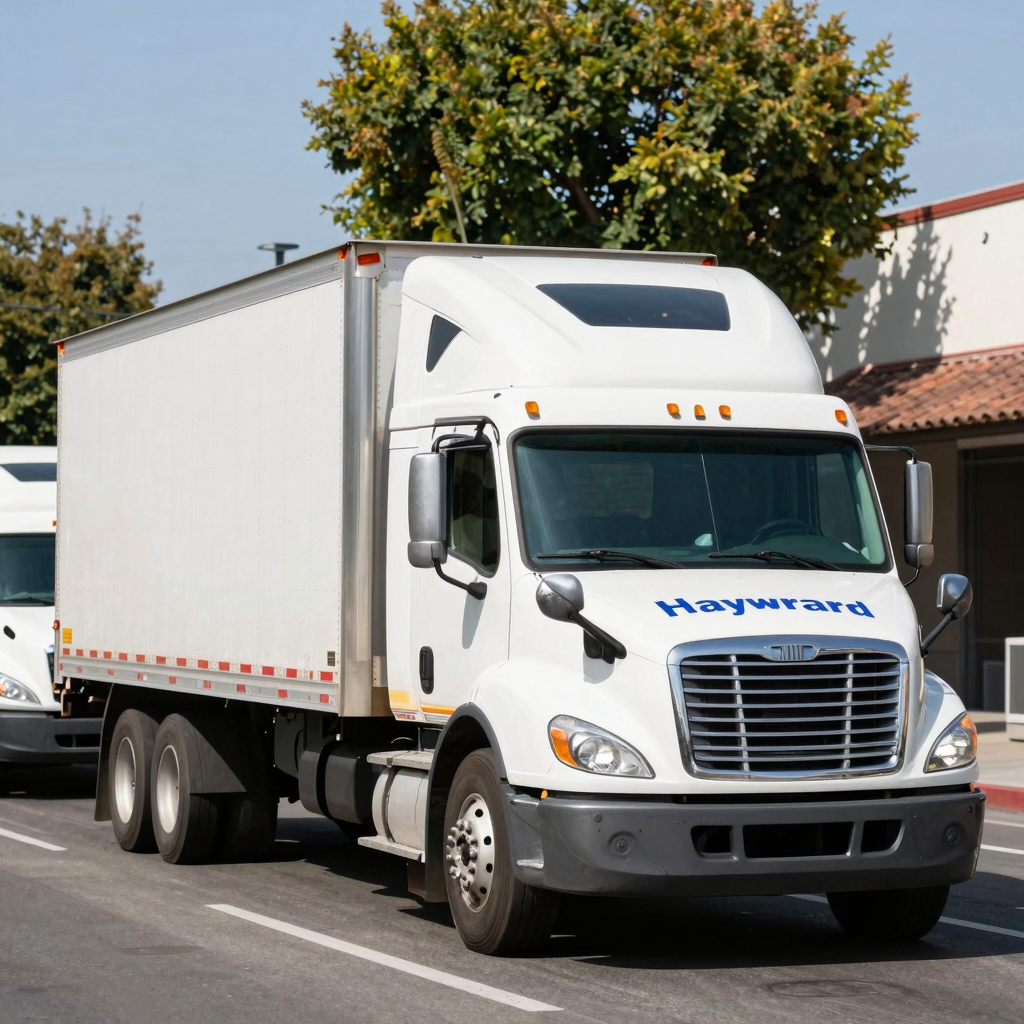
In Hayward, California, the operation of commercial trucks is subjected to stringent regulations designed to ensure safety, minimize traffic congestion, and reduce the impact of large vehicles on residential neighborhoods. These rules are especially relevant for logistics and delivery services, as compliance can significantly affect operational efficiency.
Key Regulations
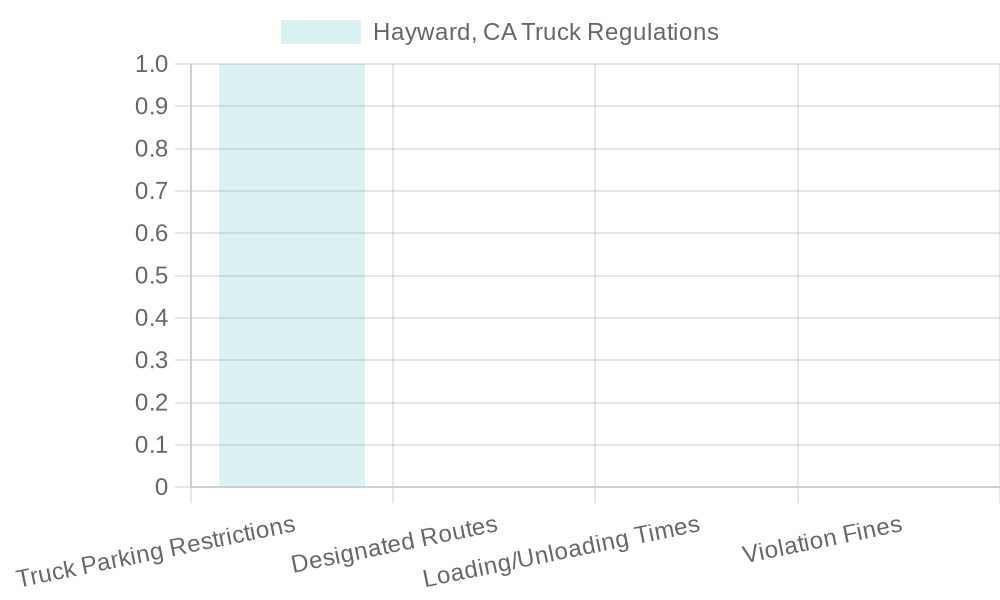
- Truck Parking Restrictions:
- Commercial trucks are prohibited from parking in residential areas and must adhere to specific loading zones. These restrictions help maintain the aesthetic and safety of neighborhood streets.
- Violations can lead to fines, affecting the overall cost of operations for businesses relying on delivery services. As noted by the City of Hayward’s official guidelines, private property must be utilized for truck parking when possible.
- Designated Routes:
- Hayward enforces the use of specific routes designated for commercial vehicles. These routes have been defined to facilitate smoother traffic flows and reduce wear on less durable roadways. It is crucial for logistics companies to familiarize their drivers with these routes to avoid delays and possible penalties. The guidelines from Caltrans also emphasize the importance of following these designated paths to minimize the effects of truck traffic in residential zones. To learn about these routes, businesses can refer to the Caltrans District 4 for updated information.
- Loading/Unloading Operations:
- Loading and unloading of goods are permitted only during designated hours, generally from 7:00 AM to 6:00 PM, Monday through Saturday. This rule ensures that truck activities do not disrupt the neighborhood during off-hours, thereby maintaining community peace.
- Enforcement and Compliance:
- The Hayward Police Department actively enforces these regulations, focusing on compliance with speed limits, lane usage, and proper cargo securement practices. Regular audits and inspections ensure that vehicles meet safety and operational standards, thus reducing risks associated with non-compliance. Regular public awareness campaigns about safe driving practices near commercial vehicles are also conducted by the department, assisting drivers in adhering to the laws.
Implications for Logistics and Delivery Services
Understanding and complying with commercial truck regulations in Hayward is essential for logistics and delivery service operators. Non-compliance can lead to fines, operational delays, and reputational harm. By focusing on safety, utilizing designated routes, and respecting loading times, companies can enhance their efficiency and contribute positively to the community. For further insights on how regulatory changes impact the trucking economy, check out trucking economic trends affecting trailer orders.
Further engagement with local authorities can also provide real-time updates regarding changes or enforcement practices.
Summary of User Experiences with Commercial Truck Regulations in Hayward
Navigating the commercial trucking landscape in Hayward, California, has become increasingly complex due to a series of recent regulatory changes that impact logistics companies and small business owners. With the implementation of stricter idling restrictions and mandatory GPS tracking for delivery trucks in specific areas, industry players are voicing their concerns regarding the challenges posed by these regulations.
Regulatory Changes and Their Impact
In late 2023, Hayward introduced new regulations aimed at improving air quality and neighborhood safety. These regulations, influenced by state legislation (SB 1274), have made compliance a significant concern for local trucking companies. According to a recent report by the California Department of Transportation (Caltrans), there was a 17% spike in compliance violations related to trucking regulations compared to the previous year. Issues included non-compliance with low-emission vehicle mandates and improper routing through residential areas.
Moreover, businesses expressed frustration about the rising operational costs associated with the increased fees for truck permits and the stringent requirements that diminish operational flexibility. As cited by the Bay Area chapter of the National Trucking Association, there is a call for harmonization of regulations to mitigate the cumulative burden that small and medium-sized firms are facing.
User Reviews and Experiences
Reviews from logistics companies show a range of sentiments regarding these regulations. For instance, on Yelp, local logistics firms reported enhanced scrutiny in operations. Many express that meticulous routing and navigation compliance has made it challenging to operate efficiently. A moving company noted that understanding and adapting to restrictive routing through residential neighborhoods is critical for timely deliveries.
Furthermore, employee reviews at companies such as TForce Logistics indicate an awareness of the operational strain the regulations place on their logistics processes. Employees highlighted the continuous need for training regarding the new compliance requirements, which adds to the workload without a corresponding increase in resources.
Conversely, some employees voiced a determined approach towards adhering to regulations, believing that such measures could ultimately enhance safety and efficiency in trucking operations. However, the sentiment that laws sometimes feel overly burdensome and complex remains prevalent.
Conclusion
Overall, the navigability for commercial trucks in Hayward is becoming increasingly regulated, posing challenges for logistics and freight companies as they maneuver through compliance requirements. With the call for regulatory harmony echoed by various stakeholders, it is clear that finding a sustainable balance between environmental considerations and business operations is essential to support the local trucking industry effectively.
For further insights on how these trends affect logistics, consider reading about trucking economic trends affecting trailer orders.
Truck Access Regulations in Hayward, CA
The following table outlines the areas in Hayward where commercial trucks are permitted or restricted, including details about hours of access and specific regulations:
| Zone Category | Details |
|---|---|
| Permitted Zones | Designated commercial truck access zones within industrial areas such as the Hayward Industrial Park and South Hayward Business District. Major freight corridors include I-880 and Highway 9 (Alvarado-Niles Road). Approved truck routes are marked with signage. |
| Restricted Zones | Prohibited areas include residential neighborhoods (e.g., East Hayward, Central Hayward) and school zones during peak student hours. Trucks are restricted from narrow streets with limited visibility and all public rights-of-way not designated for truck use. Violations may result in fines or towing. |
| Access Hours | Commercial trucks may operate between 6:00 AM and 8:00 PM on weekdays. Overnight access from 8:00 PM to 6:00 AM is restricted unless a permit is obtained for specific operations. Emergency vehicles and approved deliveries may have different hours. |
| Specific Regulations | – Trucks over 10,000 lbs GVWR must adhere to city-mandated routing. |
- Overnight parking on public streets is prohibited without a permit.
- Trucks must not block driveways, fire hydrants, or pedestrian pathways.
- Noise and emissions standards apply during operational hours.
- All trucks must display valid registration and inspection stickers. |
For more detailed information, you can refer to the City of Hayward’s Truck Access & Parking Regulations and review the municipal code section regarding truck regulations.
Benefits of Compliance for Commercial Trucks
Complying with local regulations is crucial for commercial truck operators and fleet owners. This section discusses several key benefits of adherence to these regulations, including avoiding fines, enhancing reputation, and ensuring efficient operations.
1. Avoidance of Fines and Legal Issues
One of the most tangible benefits of compliance is the ability to avoid hefty fines and legal issues. Non-compliance can lead to significant financial penalties, which can impact a company’s profitability. For instance, according to U.S. Department of Transportation – FMCSA, compliant fleets experience up to 30% fewer roadside inspection violations, which directly translates into lower costs associated with fines and unexpected service delays. By adhering to regulations, trucking companies also minimize their legal risks, ensuring their operations remain within the legal framework.
2. Improved Reputation
Compliance enhances a company’s reputation, not only in the eyes of regulators but also among clients and consumers. Companies known for abiding by safety and environmental regulations are often viewed more favorably, which can lead to greater customer loyalty and the ability to attract new clients. As highlighted by the American Trucking Associations, companies that prioritize compliance tend to build stronger relationships with both clients and regulatory bodies, enhancing their industry standing.
3. Operational Efficiency
Compliance also contributes to more efficient operations. It often aligns with best practices related to vehicle maintenance and driver training, resulting in optimized routes, fewer delays, and reduced accident rates. This is echoed in reports from the International Transport Forum (ITF), which indicate that compliant fleets benefit from faster customs clearance and eligibility for various government incentives. Furthermore, companies that invest in compliance often find that their operational processes become streamlined, leading to improved fuel efficiency and reduced environmental impact.
Conclusion
In summary, compliance with local regulations is not just a necessity for commercial trucks but a strategic advantage. By avoiding fines, improving reputation, and fostering operational efficiency, companies can better position themselves for long-term success in the logistics and freight industry. Learn more about trucking compliance issues.
Comparison of Commercial Truck Regulations: Hayward and Neighboring Cities
When it comes to commercial truck regulations, Hayward, California, stands out among its neighboring cities, including Oakland and San Leandro. Understanding these regulations is crucial for logistics and freight companies, construction and mining enterprises, small businesses, and delivery fleets operating in this area.
Hayward, CA
According to the City of Hayward Municipal Code Chapter 10.60, Hayward enforces several regulations aimed at ensuring the safety of its citizens and the smooth operation of commercial vehicles. Key regulations include:
- Vehicle Size and Weight Restrictions: There are specific limits on the maximum size and weight of commercial trucks that can operate within city limits.
- Prohibited Parking Zones: Trucks are not allowed to park in certain residential areas, especially during nighttime.
- Operating Hours: Trucks are generally prohibited from operating between 10 PM and 6 AM in residential neighborhoods unless exempted for emergency or essential services.
- Routing Guidelines: Trucks must use major arterials such as Interstate 580 and State Route 92.
Oakland, CA
In contrast, Oakland’s commercial vehicle regulations are more stringent, featuring:
- Time Restrictions: Large trucks are banned from most streets during peak hours (7 AM-7 PM) unless they are using designated freight routes.
- Mandatory ELDs: All commercial vehicles are required to use electronic logging devices (ELD) to track their operational hours.
- Noise and Emissions Standards: Oakland has enhanced regulations regarding noise and emissions for trucks.
- Stricter Fines: Violating these regulations can lead to heavier fines compared to those in Hayward.
San Leandro, CA
Similarly, San Leandro’s regulations reflect a focus on safety and community welfare. Notable rules include:
- Night Restrictions: Truck traffic is also restricted in residential areas between 10 PM and 6 AM.
- Designated Loading Zones: Delivery trucks must utilize specific loading zones at night to mitigate congestion and enhance pedestrian safety.
- Pre-Approval for Downtown Access: Any truck entering the downtown district requires prior authorization.
Regional Insights
According to the Alameda County Regional Freight Plan, all three cities-Hayward, San Leandro, and Oakland-prioritize freight movement while minimizing adverse effects on residential neighborhoods. Hayward’s regulations focus on routing and operational hours, while San Leandro emphasizes specific access controls, and Oakland implements technological compliance alongside stricter curfews.
Conclusion
Understanding these differences in regulations is vital for businesses involved in trucking and logistics. Compliance with the respective commercial truck regulations in each city not only ensures operational efficiency but also aids in maintaining good community relations. Logistics & Freight Company Owners and other stakeholders in this industry must stay informed about these regulations to better navigate the complexities of regional commercial vehicle operation.
Are Commercial Trucks Allowed in Hayward?
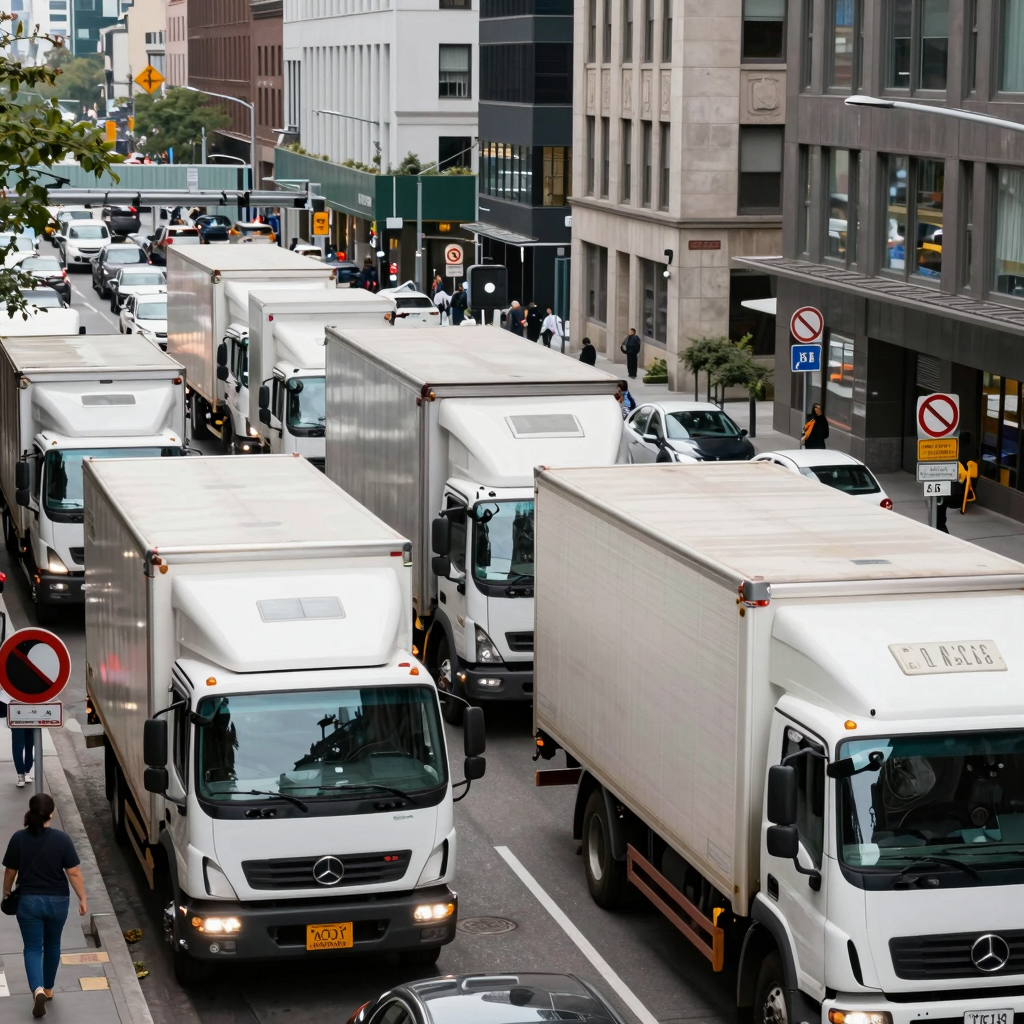
Yes, commercial trucks are allowed to operate in Hayward, subject to local regulations aimed at ensuring public safety and protecting infrastructure. The City of Hayward enforces various commercial vehicle regulations, including restrictions on truck parking, weight limits, and permit requirements for oversized or overweight loads.
“We prioritize public safety and infrastructure protection, which is why all commercial trucks operating within Hayward must comply with our permit system and designated routes.”
- Local Representative, Public Works Department
The regulations require all commercial vehicles exceeding 10,000 pounds or carrying hazardous materials to obtain permits. For a more in-depth look at these regulations, visit the City of Hayward Official Website. Such measures are critical in balancing the needs of logistics companies while maintaining community safety.
Resources for Compliance in Hayward
As logistics and freight company owners in Hayward, it is crucial to stay informed about regulatory requirements. Below is a list of helpful resources that provide information on trucking regulations compliance in the area:
-
California Department of Motor Vehicles (DMV) – Overview
The DMV outlines state-specific regulations for commercial truck drivers, including licensing, medical certification, hours-of-service, and vehicle safety standards. -
City of Hayward Public Works & Transportation Department
This department enforces local traffic regulations, including weight restrictions and designated truck routes, ensuring safety for commercial trucks operating within Hayward. -
Federal Motor Carrier Safety Administration (FMCSA)
For issues related to federal regulations and compliance reviews, visit their website or call their hotline at 1-800-847-9778. -
California Department of Transportation (Caltrans)
For additional compliance information specific to Hayward, contact Caltrans District 4 at (510) 622-3700. -
California Highway Patrol (CHP)
For issues related to traffic and safety laws, contact the local CHP District 10 office at (510) 536-6500.
In conclusion, maintaining compliance with commercial trucking regulations is not just a legal requirement but a critical component for operational success. Understanding these regulations can prevent costly fines and operational delays, ensuring that businesses run smoothly in high-demand areas like Hayward. As we’ve discussed, adherence to safety and environmental guidelines improves not only the efficacy of trucking operations but also the reputation of logistics and freight companies in the marketplace. Moreover, it fosters a safer environment for all road users, minimizing the risks associated with heavy commercial vehicles.
To take the first step in ensuring your operations comply with local regulations and to meet your trucking needs, explore Summit Fairings. Summit Fairings offers industry-leading solutions designed to enhance your fleet’s efficiency while adhering to safety regulations. Don’t wait any longer to optimize your fleet-contact Summit Fairings today and drive your business towards compliance and success!