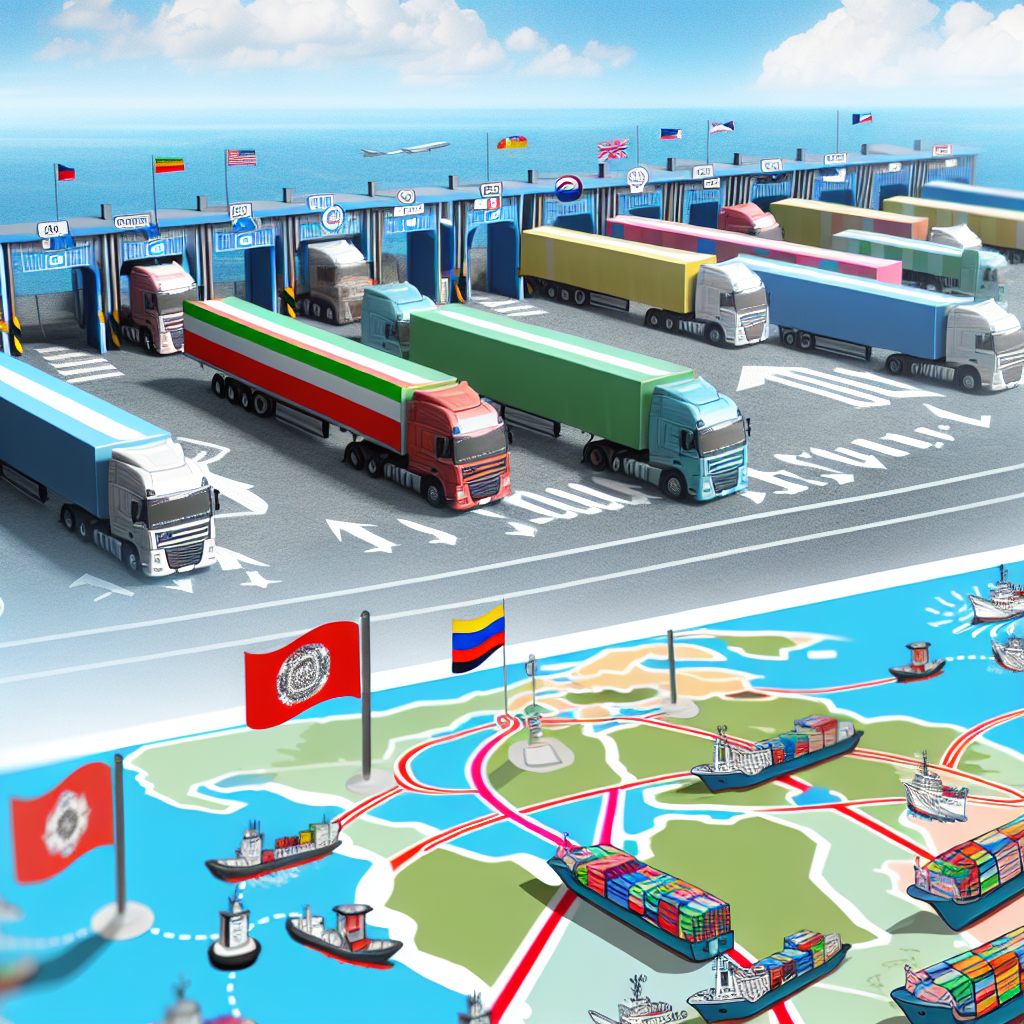
TCA’s Bridging Border Barriers Event
In a world where global trade relies heavily on seamless cross-border logistics, the upcoming TCA’s Bridging Border Barriers event emerges as a crucial gathering of industry minds aimed at addressing pressing regulatory challenges.
Set against the backdrop of Mississauga, Ontario, on November 19, 2025, this annual meeting hosted by the Truckload Carriers Association (TCA) brings together distinguished speakers, including David Heller, Jim Ward, Arun Rebello, and Mark Seymour, to navigate the complex web of federal regulations affecting the trucking industry.
As our supply chains grapple with the burdens of inefficiencies at borders, exacerbated by fluctuating regulations and increased economic pressures, the significance of this dialogue cannot be overstated.
The event will delve into vital discussions about regulatory updates that impact daily operations for carriers and suppliers alike, highlighting the urgent need for effective, streamlined regulations.
With heightened scrutiny on border logistics and the economic implications of delays, the TCA’s Bridging Border Barriers event stands as a beacon of hope – a call to action for enhanced collaboration and change in an industry at the heart of the North American economy.
Introduction
In a world where global trade relies heavily on seamless cross-border logistics, the upcoming TCA’s Bridging Border Barriers event emerges as a crucial gathering of industry minds aimed at addressing pressing regulatory challenges.
Set against the backdrop of Mississauga, Ontario, on November 19, 2025, this annual meeting hosted by the Truckload Carriers Association (TCA) brings together distinguished speakers, including David Heller, Jim Ward, Arun Rebello, and Mark Seymour, to navigate the complex web of federal regulations affecting the trucking industry.
As our supply chains grapple with the burdens of inefficiencies at borders, exacerbated by fluctuating regulations and increased economic pressures, the significance of this dialogue cannot be overstated.
The event will delve into vital discussions about regulatory updates that impact daily operations for carriers and suppliers alike, highlighting the urgent need for effective, streamlined regulations.
With heightened scrutiny on border logistics and the economic implications of delays, the TCA’s Bridging Border Barriers event stands as a beacon of hope – a call to action for enhanced collaboration and change in an industry at the heart of the North American economy.
Overview of Key Topics
The upcoming TCA’s Bridging Border Barriers event is set to delve into a range of significant issues affecting cross-border trucking and logistics. Attendees can expect discussions on the following key topics:
- Cross-Border Issues: Exploring the challenges and strategies surrounding cross-border transportation, including customs procedures and trade agreements that affect operational efficiency.
- Regulatory Updates: Insights into federal regulations shaping the industry, including hours-of-service rules, emissions standards, and new policies regarding autonomous vehicles.
- Industry Risks: A focus on the risks facing the trucking sector, including cargo theft prevention and risk management strategies aimed at ensuring the safety and security of operations.
- Economic Trends: Analysis of current economic conditions impacting the trucking industry, with a particular emphasis on the financial outlook for carriers and suppliers as presented by experts in the field.
Insights from Featured Speakers on Cross-Border Regulatory Issues
- David Heller: As the Vice President of Government Affairs for TCA, Heller outlines emerging legislative changes and explains their effects on trucking operations, particularly cross-border transportation. He emphasizes the need for collaborative efforts in the regulation process and the significant impact of federal regulations on operational efficiency.
- Jim Ward: Serving as TCA President, Ward focuses on membership representation in regulatory matters and highlights the importance of active participation in discussions that shape cross-border regulations.
- Arun Rebello: An economist with TD Bank, Rebello offers invaluable financial perspectives on the implications of regulatory frameworks, discussing the financial outlook for carriers in the context of cross-border trade. His insights are particularly crucial for understanding how economic conditions and regulations interrelate.
- Mark Seymour: As CEO of Kriska Transportation Group, Seymour emphasizes practical solutions to cross-border issues and discusses strategic planning and operational adjustments needed to meet evolving regulatory standards.
Current Regulatory Environment in Cross-Border Logistics
The regulatory landscape impacting cross-border logistics is evolving, driven by federal regulations aimed at enhancing safety, reducing emissions, and optimizing fleet operations. Key updates include mandates from the Federal Motor Carrier Safety Administration (FMCSA) and the National Highway Traffic Safety Administration (NHTSA) that significantly affect logistics operations.
New regulations such as the Automatic Emergency Braking (AEB) systems for heavy-duty trucks aim to reduce accidents and compel fleet operators to adapt quickly. Additionally, emissions regulations like the Advanced Clean Truck (ACT) rule and proposed speed limiter rules would challenge fleet managers to ensure compliance while maintaining operational efficiency.
Table of Related Companies in Cross-Border Logistics
| Company Name | Description of Role in Supply Chain Logistics |
|---|---|
| Truckload Carriers Association (TCA) | Advocacy and representation for the trucking industry focusing on cross-border regulations and safety. |
| Kriska Transportation Group | Provides transportation and logistics solutions, focusing on cross-border services between Canada and the U.S. |
| Bison Transport | Long-haul trucking services with an emphasis on operational efficiency and customer service. |
| Lion Force | Logistics solutions and freight transportation across North America. |
| ISB Global Service | Integrated supply chain solutions enhancing logistics efficiency in cross-border contexts. |
| Équité Association | Advocacy and support for equitable logistics practices in transport. |
| NorthBridge Insurance | Insurance solutions tailored to the logistics industry. |
| TD Bank | Financial services supporting logistics companies managing their financial needs. |
| Eassons Transportation Group | Truckload services specializing in cross-border logistics. |
| Manac | Manufacturers of trailers providing essential equipment for cross-border operations. |
| Ontario Trucking Association | Advocates for the interests of the trucking industry in Ontario. |
| Total Quality Logistics (TQL) | Freight brokerage firm facilitating cross-border shipping. |
| Landstar System, Inc. | Logistics and third-party services ensuring cross-border transportation efficiency. |
| XPO, Inc. | Major provider of LTL shipping across borders. |
| DB Cargo | Operates rail freight for efficient cross-border solutions. |
| Kuehne+Nagel | Global provider offering customs support for cross-border logistics. |
| Bali Express Services | Focuses on zero-emission truck services for cross-border logistics. |
| CJ Logistics | Provides transportation solutions for cross-border movements. |
Conclusion
As we look forward to the TCA’s Bridging Border Barriers event, it is imperative that industry stakeholders engage with the critical topics discussed. The landscape of cross-border logistics is rapidly evolving, driven by changes in regulations that require proactive adaptation. The shared insights will shed light on current challenges and provide strategic directions for future operations. Staying informed about changes is essential for compliance, operational efficiency, and safeguarding the economic health of supply chains. By actively participating in discussions, industry professionals can influence positive changes and enhance collaboration across borders in this interconnected market.
Overview of Key Topics
The TCA’s Bridging Border Barriers event addresses several important issues in cross-border trucking and logistics. Attendees can expect discussions on these key topics:
- Cross-Border Issues: Challenges in customs procedures and trade agreements that affect transportation efficiency.
- Regulatory Updates: Key federal regulations shaping the industry, including hours-of-service rules and emissions standards.
- Industry Risks: Focus on preventing cargo theft and implementing risk management strategies to ensure safety in operations.
- Economic Trends: Analysis of the financial outlook for carriers and suppliers as presented by industry experts.
Additionally, the event plans to include insightful discussions on best practices and innovative approaches to navigating these challenges effectively. Participants will have the opportunity to engage with experts, network with peers, and share experiences, making this event a valuable platform for professionals in the cross-border logistics field.
This event aims to equip professionals with insights and tools necessary to navigate the changing landscape of cross-border logistics.
Insights from Featured Speakers on Cross-Border Regulatory Issues
In light of the TCA’s Bridging Border Barriers event, here’s a summary of the anticipated discussions and existing insights related to cross-border regulatory issues based on the profiles of the featured speakers:
- David Heller: As the Vice President of Government Affairs for the TCA, Heller plays a pivotal role in advocacy related to trucking regulations. He typically outlines emerging legislative changes and explains how they affect trucking operations, especially concerning cross-border transportation. During various TCA events in the past, he has emphasized the need for collaborative efforts in the regulation process and the significant impact of federal regulations on operational efficiency.
- Jim Ward: Serving as TCA President, Ward engages frequently with industry stakeholders, focusing on membership representation in regulatory matters. He often highlights the importance of active participation in discussions that shape cross-border regulations, advocating for harmonized regulatory practices to simplify processes for carriers and suppliers. His insights tend to focus on membership engagement strategies for navigating these challenges.
- Arun Rebello: An economist with TD Bank, Rebello offers invaluable financial perspectives on the implications of regulatory frameworks. In his presentations, he discusses the financial outlook for carriers in the context of cross-border trade, focusing on how regulatory shifts influence economic stability and operational costs. His insights are particularly crucial for understanding how economic conditions and regulations interrelate.
- Mark Seymour: As CEO of Kriska Transportation Group, Seymour emphasizes practical solutions to cross-border issues. His discussions typically revolve around strategic planning and operational adjustments required to meet evolving regulatory standards. His experience provides a valuable perspective on the challenges faced by carriers in compliance and operational readiness in a fluctuating regulatory environment.
This summarized information reflects the expert knowledge of the featured speakers, shedding light on the primary themes likely to emerge at the event, especially concerning regulatory frameworks and their impact on the trucking industry.
Current Regulatory Environment in Cross-Border Logistics
The current regulatory environment affecting cross-border logistics is undergoing significant transformations driven by federal regulations aimed at enhancing safety, reducing emissions, and optimizing fleet operations. Key regulatory updates include new mandates from the Federal Motor Carrier Safety Administration (FMCSA) and the National Highway Traffic Safety Administration (NHTSA) that impact logistics operations.
A pivotal update is the Automatic Emergency Braking (AEB) system mandate for new heavy-duty trucks, which aims to mitigate rear-end collisions. This regulation compels fleet operators to either retrofit existing vehicles with AEB technology or invest in new compliant models. The financial implications are profound, as fleets must budget for these updates, affecting overall operational costs.
Additionally, the FMCSA is contemplating a speed limiter rule for commercial vehicles, which would require electronic speed limiters. This proposed regulation has sparked debate within the industry, with groups like the Owner-Operator Independent Drivers Association expressing concerns about possible traffic congestion, while others advocate for it as a necessary safety measure. Such decisions could force fleets to reevaluate their scheduling practices to manage these new constraints on speed and route efficiency.
Further compounding these changes are emissions regulations like the Advanced Clean Truck (ACT) rule, which mandates a specific percentage of zero-emission vehicles in annual sales from manufacturers of medium- and heavy-duty trucks. States are proactive in enforcing these regulations, presenting challenges for fleets in terms of fleet composition and compliance costs.
The extended hours-of-service (HOS) regulations have also introduced greater flexibility for short-haul drivers, allowing them to operate longer hours. While this aids operational efficiency, it necessitates strict monitoring to prevent driver fatigue and ensure safety on the roads.
These evolving regulations continue to reshape the operational landscape for cross-border logistics, necessitating that fleet managers stay informed and adaptable to maintain compliance and operational efficiency.
Table of Related Companies in Cross-Border Logistics
| Company Name | Description of Role in Supply Chain Logistics |
|---|---|
| Truckload Carriers Association (TCA) | Advocacy and representation for trucking industry focusing on cross-border regulations and safety. |
| Kriska Transportation Group | Provides transportation and logistics solutions, focusing on cross-border services between Canada and the U.S. |
| Bison Transport | Offers long-haul and cross-border trucking services with an emphasis on operational efficiency and customer service. |
| Lion Force | Specializes in logistics solutions and freight transportation across North America, including cross-border services. |
| ISB Global Service | Delivers integrated supply chain solutions, enhancing logistics efficiency in cross-border contexts. |
| Équité Association | Provides advocacy and support for companies focusing on equitable logistics practices in transport. |
| NorthBridge Insurance | Offers insurance solutions tailored to the logistics industry, mitigating risks associated with cross-border transportation. |
| TD Bank | Financial services provider supporting logistics companies in managing their financial needs across borders. |
| Eassons Transportation Group | Delivers truckload services and specializes in cross-border logistical solutions. |
| Manac | Manufacturer of trailers and trucks, providing essential equipment for cross-border logistics operations. |
| Ontario Trucking Association | Advocates for the interests of the trucking industry in Ontario, emphasizing safety and regulatory compliance. |
| Total Quality Logistics (TQL) | Freight brokerage firm facilitating cross-border shipping between U.S., Canada, and Mexico. |
| Landstar System, Inc. | Provides logistics and third-party logistics services, ensuring cross-border transportation efficiency. |
| XPO, Inc. | Major provider of LTL shipping and logistics services across borders. |
| DB Cargo | Operates rail freight transport, facilitating efficient cross-border logistics solutions. |
| Kuehne+Nagel | Global logistics provider offering customs support for cross-border transportation. |
| Bali Express Services | Focuses on zero-emission truck services for cross-border logistics in the U.S.-Mexico region. |
| CJ Logistics | Offers contract logistics and transportation solutions for cross-border movements. |
As we look forward to the TCA’s Bridging Border Barriers event, it is imperative that industry stakeholders fully engage with the critical topics that will be discussed. The landscape of cross-border logistics is rapidly evolving, driven by ever-changing regulations that require proactive adaptation.
The insights shared by experts at this event will not only shed light on current challenges but also provide strategic directions for future operations. Staying informed about regulatory changes is not just beneficial; it is essential for maintaining compliance, ensuring operational efficiency, and safeguarding the economic health of our supply chains.
By actively participating in these discussions, industry professionals can influence positive changes, streamline collaboration across borders, and ultimately enhance the resilience of the trucking sector. Let us come together to invest in our future, ensuring that we navigate these complexities with informed strategies and shared knowledge, which are vital for thriving in this highly interconnected market.

TCA’s Bridging Border Barriers Event: A Call to Action for Cross-Border Logistics
In a world where global trade relies heavily on seamless cross-border logistics, the upcoming TCA’s Bridging Border Barriers event emerges as a crucial gathering of industry minds aimed at addressing pressing cross-border regulatory issues. Set against the backdrop of Mississauga, Ontario, on November 19, 2025, this annual meeting hosted by the Truckload Carriers Association (TCA) brings together distinguished speakers, including David Heller, Jim Ward, Arun Rebello, and Mark Seymour, to navigate the complex web of federal regulations affecting the trucking industry. As our supply chains grapple with the burdens of inefficiencies at borders, exacerbated by fluctuating regulations and increased economic pressures, the significance of this dialogue cannot be overstated. The event will delve into vital discussions about regulatory updates that impact daily operations for carriers and suppliers alike, highlighting the urgent need for effective, streamlined regulations. With heightened scrutiny on border logistics and the economic implications of delays, the TCA’s Bridging Border Barriers event stands as a beacon of hope – a call to action for enhanced collaboration and change in an industry at the heart of the North American economy.
Overview of Key Topics
The upcoming TCA’s Bridging Border Barriers event is set to delve into a range of significant issues affecting cross-border trucking and logistics. Attendees can expect discussions on the following key topics:
- Cross-Border Issues: Exploring the challenges and strategies surrounding cross-border transportation, including customs procedures and trade agreements that affect operational efficiency.
- Regulatory Updates: Insights into federal regulations shaping the industry, including hours-of-service rules, emissions standards, and new policies regarding autonomous vehicles.
- Industry Risks: A focus on the risks facing the trucking sector, including cargo theft prevention and risk management strategies aimed at ensuring the safety and security of operations.
- Economic Trends: Analysis of current economic conditions impacting the trucking industry, with a particular emphasis on the financial outlook for carriers and suppliers as presented by experts in the field.
Insights from Featured Speakers on Cross-Border Regulatory Issues
David Heller: As the Vice President of Government Affairs for TCA, Heller outlines emerging legislative changes and explains their effects on trucking operations, particularly cross-border transportation. He emphasizes the need for collaborative efforts in the regulation process and the significant impact of federal regulations on operational efficiency.
Jim Ward: Serving as TCA President, Ward focuses on membership representation in regulatory matters and highlights the importance of active participation in discussions that shape cross-border regulations.
Arun Rebello: An economist with TD Bank, Rebello offers invaluable financial perspectives on the implications of regulatory frameworks, discussing the financial outlook for carriers in the context of cross-border trade. His insights are particularly crucial for understanding how economic conditions and regulations interrelate.
Mark Seymour: As CEO of Kriska Transportation Group, Seymour emphasizes practical solutions to cross-border issues and discusses strategic planning and operational adjustments needed to meet evolving regulatory standards.
Current Regulatory Environment in Cross-Border Logistics
The regulatory landscape impacting cross-border logistics is evolving, driven by federal regulations aimed at enhancing safety, reducing emissions, and optimizing fleet operations. Key updates include mandates from the Federal Motor Carrier Safety Administration (FMCSA) and the National Highway Traffic Safety Administration (NHTSA) that significantly affect logistics operations.
New regulations such as the Automatic Emergency Braking (AEB) systems for heavy-duty trucks aim to reduce accidents and compel fleet operators to adapt quickly. Additionally, emissions regulations like the Advanced Clean Truck (ACT) rule and proposed speed limiter rules would challenge fleet managers to ensure compliance while maintaining operational efficiency.
Table of Related Companies in Cross-Border Logistics
| Company Name | Description of Role in Supply Chain Logistics |
|---|---|
| Truckload Carriers Association (TCA) | Advocacy and representation for the trucking industry focusing on cross-border regulations and safety. |
| Kriska Transportation Group | Provides transportation and logistics solutions, focusing on cross-border services between Canada and the U.S. |
| Bison Transport | Long-haul trucking services with an emphasis on operational efficiency and customer service. |
| Lion Force | Logistics solutions and freight transportation across North America. |
| ISB Global Service | Integrated supply chain solutions enhancing logistics efficiency in cross-border contexts. |
| Équité Association | Advocacy and support for equitable logistics practices in transport. |
| NorthBridge Insurance | Insurance solutions tailored to the logistics industry. |
| TD Bank | Financial services supporting logistics companies managing their financial needs. |
| Eassons Transportation Group | Truckload services specializing in cross-border logistics. |
| Manac | Manufacturers of trailers providing essential equipment for cross-border operations. |
| Ontario Trucking Association | Advocates for the interests of the trucking industry in Ontario. |
| Total Quality Logistics (TQL) | Freight brokerage firm facilitating cross-border shipping. |
| Landstar System, Inc. | Logistics and third-party services ensuring cross-border transportation efficiency. |
| XPO, Inc. | Major provider of LTL shipping across borders. |
| DB Cargo | Operates rail freight for efficient cross-border solutions. |
| Kuehne+Nagel | Global provider offering customs support for cross-border logistics. |
| Bali Express Services | Focuses on zero-emission truck services for cross-border logistics. |
| CJ Logistics | Provides transportation solutions for cross-border movements. |
Conclusion
As we look forward to the TCA’s Bridging Border Barriers event, it is imperative that industry stakeholders engage with the critical topics discussed. The landscape of cross-border logistics is rapidly evolving, driven by changes in regulations that require proactive adaptation. The shared insights will shed light on current challenges and provide strategic directions for future operations. Staying informed about changes is essential for compliance, operational efficiency, and safeguarding the economic health of supply chains. By actively participating in discussions, industry professionals can influence positive changes and enhance collaboration across borders in this interconnected market.
Logo of TCA’s Bridging Border Barriers event designed to represent cross-border logistics and collaboration.
Visual representation of featured speakers at TCA’s Bridging Border Barriers event including David Heller, Jim Ward, Arun Rebello, and Mark Seymour.
Industry Risks in Cross-Border Logistics
In 2025, the cross-border logistics industry faces multiple risks that could significantly impact carriers and suppliers as they navigate a complex landscape of economic uncertainty and regulatory challenges.
Economic Outlook and Cost Pressures
- Operating Costs: Cross-border transportation operating costs surged by approximately 20% in 2024, primarily on account of a 6.33% increase in diesel prices coupled with rising maintenance expenses for vehicles and spare parts. These rising costs are squeezing profit margins for logistics providers and increasing the costs passed on to customers [C.H. Robinson].
- Potential Tariffs: The looming implementation of a 25% tariff on goods could thrust Canada into a severe recession, leading to uncertainty that hinders corporate investment in cross-border operations [Industrial Distribution].
Regulatory Impacts
- Compliance Requirements: Logistics providers are grappling with over 15,000 product standards and certifications introduced by the World Trade Organization. This extensive compliance landscape incurs significant costs and operational burdens [Emergen Research].
- Data Privacy Regulations: Differing data privacy laws across regions add layers of complexity to cross-border operations, complicating compliance efforts [Emergen Research].
Operational Challenges
- Infrastructure Limitations: The World Bank’s Logistics Performance Index indicates significant infrastructure gaps, resulting in delays and increased costs.
- Security Concerns: Cargo theft is rising, leading companies to invest heavily in security measures, which further escalates operational costs. Additionally, labor shortages persist, exacerbated by factors stemming from past global disruptions, impacting workforce availability [Jusda Global].
Strategic Responses
To mitigate these risks, logistics providers are diversifying their supplier base and investing in technology to improve efficiency and adaptability in the face of regulatory and economic challenges.