
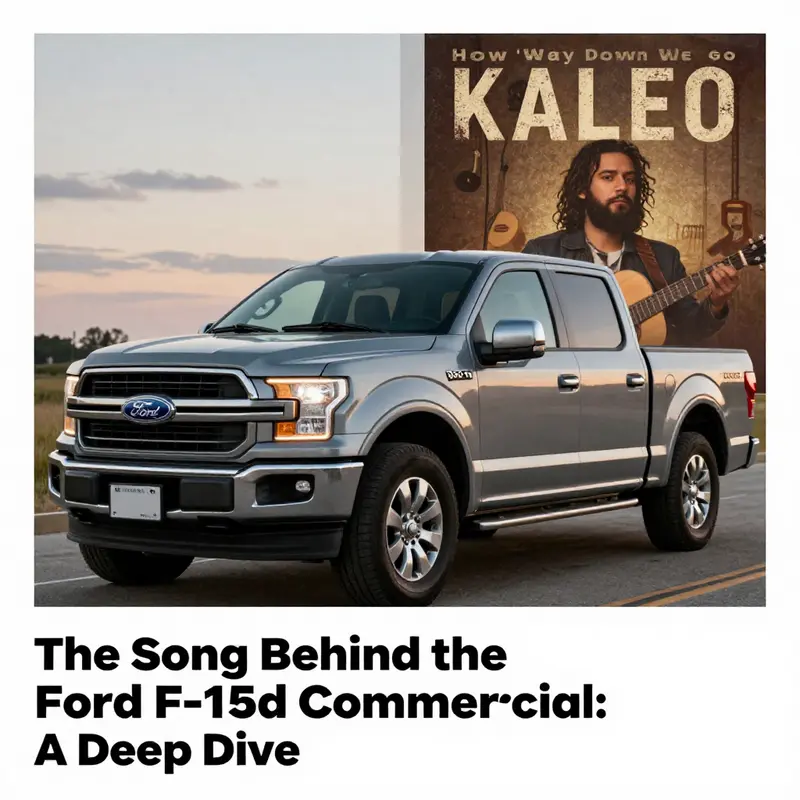
The Ford F-150 has long stood as a symbol of rugged strength and reliability in the automotive world. Its latest commercial features the hauntingly powerful track ‘Way Down We Go’ by KALEO, which has resonated deeply across various platforms, especially TikTok. This article delves into the significance of the song within the commercial context, its cultural ramifications, how it enhances messaging, and audience perceptions. Each chapter will build upon the importance of music in branding and its efficacy in engaging target audiences, including logistics and freight company owners, construction and mining enterprise procurement teams, and small business owners managing delivery fleets.
Forged in Sound: How ‘Way Down We Go’ Shapes the Ford F-150’s Legacy
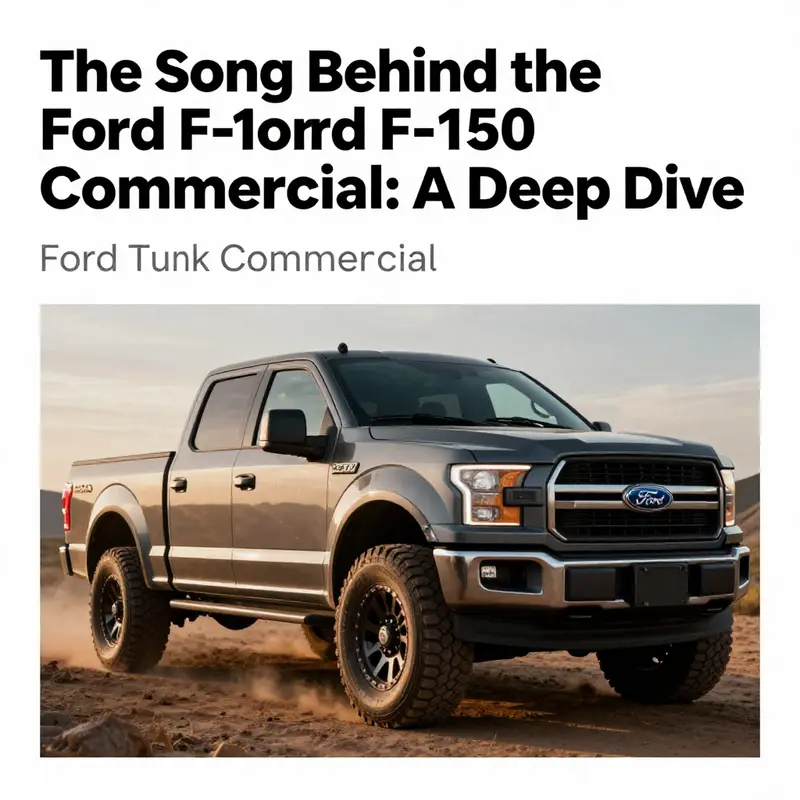
From the very first chords of “Way Down We Go,” listeners are drawn into a world of stark beauty and unspoken resolve. KALEO’s evocative arrangement—a slow-burning pulse of drums, bass, and plaintive guitar—creates an atmosphere both haunting and expansive. In the context of the Ford F-150 commercial, this track transcends its status as background music to become a vital storytelling element. It underscores every twist of a dusty road, every sunrise over a remote plain, and every quiet moment when the truck stands still, framed by wind-swept horizons.
The pairing of KALEO’s melody with the F-150’s imagery is no accident. The truck itself is an icon of American ruggedness, engineered to withstand extremes of terrain and climate. “Way Down We Go” mirrors that ethos through its lyrics and tone. Lines like “Oh, father, tell me, do we get what we deserve?” evoke questions of endurance and recompense, while the sonorous baritone voice channels a sense of introspection. Viewers are challenged to consider the journeys they undertake—literal or figurative—and the steadfast partner they choose to carry them through.
Visually, the commercial is a montage of vast landscapes: craggy mountains bathed in early light, deserts that stretch to the horizon, and rivers that cut through canyons. Against these backdrops, the Ford F-150 appears as a purposeful silhouette, conquering inclines and traversing riverbeds with unwavering confidence. Every scene is timed to the song’s crescendos. When the percussion intensifies, the truck accelerates; when the guitar solo soars, the camera sweeps around the vehicle, capturing its steel contours glinting in golden hour. This choreography of sound and motion forges an emotional bridge, inviting viewers to feel both the thrill of exploration and the comfort of a machine built to endure.
Beyond a single advertisement, Ford has woven “Way Down We Go” into multiple campaign layers. Notably, when Bryan Cranston’s resonant voice declares the “Built Ford Tough” mantra, it merges with KALEO’s track to form a sonic signature that is instantly recognizable. The actor’s authoritative timbre amplifies the song’s gravity, giving it an almost cinematic weight. Audience recall rises sharply because the commercial doesn’t simply highlight features like towing capacity or fuel efficiency—it tells a story of human aspiration, resilience, and partnership with technology.
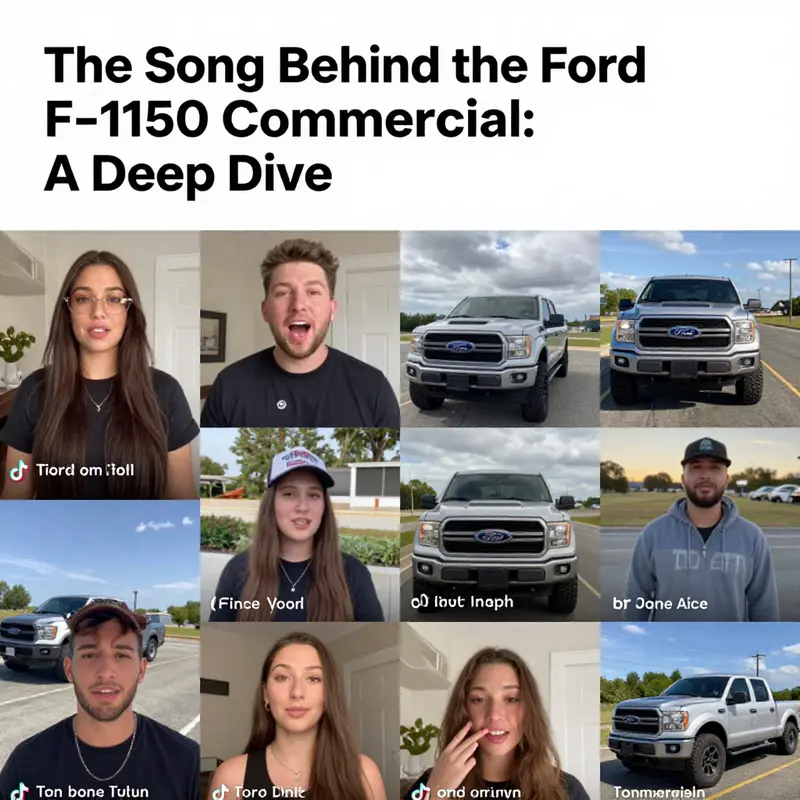
This narrative strategy resonates powerfully in digital spaces. On TikTok, devotees of both trucks and music have created thousands of short videos set to the Ford montage, collectively amassing millions of views. Many clips showcase real owners driving their F-150s through snow, mud, and rocky trails, with “Way Down We Go” providing the soundtrack to proud displays of capability. A viral TikTok compilation featuring winding mountain passes and roaring engines recently garnered over 189,500 likes, illustrating how deeply the synergy between audio and vision has penetrated popular culture.
The emotional impact of the song becomes especially clear when the commercial cuts to intimate vignettes: a father and daughter checking engine fluid beside a campfire, a lone driver pausing at a crest to watch the sun dip below jagged peaks, a team loading tools and equipment for a remote job site. In these moments, the melody’s plaintive chords echo feelings of quiet determination and shared purpose. Viewers instinctively relate to the idea of a trusted companion—a machine that stands ready to shoulder both labor and adventure.
Crucially, the use of “Way Down We Go” also extends Ford’s appeal beyond traditional truck audiences. The song’s widespread acclaim in indie and alternative rock circles draws in a demographic that values authenticity and depth in their media choices. They may not have considered a heavy-duty pickup before, but the commercial’s artistry makes the F-150 emblematic of a lifestyle: one that embraces challenge, craftsmanship, and the freedom to roam.
In terms of advertising strategy, this musical alignment marks a departure from more conventional approaches that emphasize technical specs or celebrity endorsements alone. Instead, Ford has crafted an audio-visual narrative that feels less like a sales pitch and more like a short film. Viewers are not lectured on horsepower figures; they are invited to experience a journey. In doing so, the brand fosters an emotional bond that extends long after the video ends—people remember how the music made them feel and, by extension, how the truck made them feel.
The effectiveness of this approach is measurable in several ways. Social media engagement rates for the Ford F-150 campaigns featuring “Way Down We Go” have consistently outperformed benchmarks for automotive advertising. Surveys indicate that viewers associate the song with qualities like strength, reliability, and adventure—traits directly aligned with the F-150’s brand promise. Even fans of the song who were previously indifferent to pickup trucks express newfound curiosity about the model after seeing the commercial.
This phenomenon underscores a broader shift in marketing: the recognition that consumers crave emotional resonance as much as product information. By aligning with KALEO’s track, Ford taps into a collective desire for storytelling that speaks to deeper values. The result is a campaign that feels organic, immersive, and memorable.
“Way Down We Go” thus occupies a unique place in automotive marketing history. It has evolved from an indie rock hit into a cultural touchstone, inseparable from the image of the F-150 cutting through rugged landscapes with unflinching resolve. Whether experienced on a giant LCD screen in Times Square or a smartphone in someone’s living room, the song and the truck combine to evoke a powerful message: when challenges arise, true partners—be they vehicles or individuals—stand firm.
For those who want to hear the raw, unfiltered emotion that has fueled this campaign, the official audio is available on YouTube. Listen and you’ll understand how every chord, beat, and lyric aligns with the indomitable spirit of the Ford F-150.
External Resource: https://www.youtube.com/watch?v=9iVv6u728jI
Soundtrack of the Open Road: Reframing Nina Simone’s I Wish I Knew in the Truck Advertisement
The song chosen for a widely discussed truck advertisement has become more than a background track; it has become a window into how advertising negotiates memory, identity, and aspiration in a noisy media landscape. In this chapter, we trace how Nina Simone’s 1967 ballad I Wish I Knew, a track born from the fever of civil rights struggle and the intimate ache of personal longing, was repurposed to ride along the open road in a major automotive campaign. The shift from a protest-era voice, carried by a voice that once spoke for collective courage and individual doubt, to a contemporary commercial soundscape invites readers to consider not just why a tune works, but what its reuse signals about culture, memory, and the politics of sound in branding. The result is a layered narrative in which music, imagery, and national myth converge, reframing both the ad and the song in a larger conversation about who we see when we imagine freedom and progress on the highway.
The pairing of the song with the campaign’s visuals creates an effect that is at once intimate and expansive. Simone’s delivery—measured, aching, and precise—pulls the viewer into a mood of reflection. The imagery of a rugged, capable vehicle navigating long, empty stretches of road amplifies the song’s themes of longing, self-discovery, and the absence of easy answers. The juxtaposition is deliberate: a sound steeped in civil rights era resilience meets a modern emblem of mobility and independence. It’s not merely a soundtrack chosen for mood; it’s a narrative instrument that invites an audience to interrogate the meanings of autonomy, opportunity, and the road as a space of possibility. In this sense, the ad becomes a microcosm of a broader cultural project—one that uses popular music to translate the abstract into the tangible, the historical into the personal, and the collective past into present-day ambition.
Crucially, the choice to spotlight a Black female artist whose work has long stood at the crossroads of artistry and activism adds a complicating layer to the advertising conversation. Simone’s legacy anchors the advertisement in a long tradition of artistic protest and social critique, even as the commercial context reframes that heritage within the language of consumer culture. This is more than appropriation or homage; it is a negotiation of cultural authenticity and commercial appeal. On one level, the music honors a history of resistance and courage; on another, it risks reducing a nuanced body of work to a mood enhancer for a product narrative. The tension between reverence and commodification becomes part of the ad’s cultural footprint, prompting viewers to question whether the soundtrack enlarges the song’s significance or simplifies it for mass appeal.
What makes the pairing so resonant is the way it resonates with audiences across generations. The older, more critical ear may hear the song’s original urgency—the call to reflect on personal and collective limits—while younger listeners encounter the same track as a new entry point into a familiar automobile fantasy: the dream of freedom on wheels. This cross-generational dialogue is amplified by the way the visuals translate the song into a modern myth of the open road. The road becomes a stage where the struggle for meaning and the lure of escape perform in tandem. In this configuration, the road is less a mere means of transportation and more a space where American identity negotiates its most enduring questions: who gets to travel freely, what kinds of work and risks are celebrated, and how memory can be repurposed to sustain contemporary dreams.
From a cultural studies perspective, the ad’s music acts as a hinge between past and present. It reframes Simone’s themes of longing and self-discovery as a universal pursuit rather than a specific historical moment. The voice is a conduit for a modern American mythology that links resilience with mobility, independence with responsibility, and longing with action. The audience is invited to imagine not only the physical journey of the truck but the emotional journey of the traveler—someone who seeks not just to arrive but to understand what they carry along the way. In this sense, the song redefines the open road as a space where personal empowerment and collective memory race side by side, each fueling the other in a continuous loop of aspiration and reflection.
The commercial’s cultural impact extends beyond immediate engagement. It has sparked renewed attention to Simone’s body of work, inviting listeners to explore deeper into her catalog and the contexts that shaped it. This revival is not simply about discovering a great performance; it is about recognizing how a song can serve as a bridge across epochs, linking the civil rights era’s urgency with today’s conversations about representation, access, and the politics of listening. The ad, in turning a 1960s protest ballad into a contemporary anthem of empowerment, invites a broader audience to engage with questions that have persisted for decades: how do we honor the past without sterilizing it for commercial use? How can advertising respect the integrity of a work while making it accessible to new listeners who may encounter it primarily through a brand narrative? And what responsibilities do creators bear when they align a historically resonant song with a commercial product?
The dialogue around representation is particularly salient. Featuring a Black female artist in a mainstream campaign—especially one aimed at a broad consumer audience—offers a counterpoint to a media landscape that has often sidelined such voices from large, aspirational branding moments. When done with care, this alignment can broaden recognition and spark meaningful conversations about who gets to shape the narratives of freedom and mobility. When handled less thoughtfully, it can feel transactional, reducing a complex historical moment to ambiance. The best iterations, however, acknowledge the risk while leveraging it to elevate a broader discourse about culture, memory, and market dynamics. The ad’s reception, then, becomes a mirror for contemporary society: it reveals who we want to be and who we still need to hear in the chorus of shared national myths.
In reflecting on the broader implications for advertising as a cultural practice, the chapter turns toward the idea that music in branding is not simply a matter of mood alignment. It is a form of storytelling that shapes audience perception, values, and recall. The choice to lean on a work with such a storied history signals a willingness to engage in a deeper cultural conversation, rather than opting for a safe, surface-level montage. This is not about nostalgia alone; it is about reimagining the symbols through which a society understands movement, freedom, and identity. The road becomes a narrative canvas where the past informs the present, and where the act of listening becomes an act of imagining who we are as a people on the move. The result is a lasting imprint that persists beyond the campaign’s six- or eight-week life cycle, inviting scholars, critics, and everyday viewers to revisit both the song and the journey it frames with renewed curiosity.
For readers interested in how industry storytelling intersects with branding strategy, consider how marketing narratives in the trucking sector—long tied to endurance, reliability, and heritage—often seek authenticity as a currency. The ad’s move to anchor its emotional core in a powerful, historically significant vocal performance can be read as part of a wider trend: brands seeking to deepen resonance by tapping into cultural touchstones that carry weight beyond a single product category. In this sense, the campaign becomes less a commercial moment than a cultural event, one that prompts discussion about memory, justice, and the ways in which music can reframe the spaces we inhabit, from the highway to the living room. The conversation is not only about the song’s provenance but about the responsibility of brands to honor the legacies embedded within the music they borrow, and to do so in ways that invite thoughtful engagement rather than passive consumption.
As the discussion moves forward, it remains essential to acknowledge the role of context in shaping reception. The ad’s success relies not only on the song’s emotional reach but on the viewer’s readiness to interpret the collaboration as a meaningful conversation about movement and possibility. The music’s emotional language, the image of the road, and the aura of independence together craft a narrative that is hard to ignore. Yet the chapter also leaves room for critical listening: How do we balance reverence with responsibility? How do we ensure that the cultural symbol being invoked remains a living voice rather than a decorative motif? By asking these questions, audiences can participate in a more nuanced appreciation of how a single song can carry multiple meanings across time—meanings that enrich the advertising landscape while honoring the integrity of the art it borrows.
For further reading on the cultural dimensions of this particular campaign, see the BBC Culture analysis of how this truck advertisement reinvigorated Nina Simone’s I Wish I Knew. The piece offers a broader context for understanding the ad’s reception and its place within contemporary discussions of representation and memory: https://www.bbc.com/culture/article/20240328-how-a-ford-truck-ad-reinvented-nina-simones-i-wish-i-knew. In related industry discourse, readers may also explore how market dynamics influence branding choices in the trucking sector, including topics such as excess capacity and storytelling strategy, which can be found in analyses such as excess-capacity-in-the-trucking-market-insights.
Soundtracking Toughness: How a Haunting KALEO Ballad Shapes a Modern Pickup Campaign
Music in advertising often acts as a bridge between image and emotion, turning a sequence of visuals into a single, memorable feeling. In a recent pickup campaign, the track Way Down We Go by KALEO does more than accompany the footage. It acts as a cinematic heartbeat, guiding viewers through rugged landscapes, tight city streets, and moments of quiet resolve. The song’s presence is purposeful, not incidental. It invites the audience to experience the vehicle as more than steel and wheels; it invites a sense of companionship through hardship. The choice of Way Down We Go is not merely about mood; it is a calculated alignment of sound and narrative. The track’s melancholy yet resolute tone mirrors the truck’s advertised virtues—toughness, durability, and the willingness to persevere when the going gets tough. In this sense, the music helps shape the vehicle’s persona, linking the physical act of driving with an emotional journey that resonates even after the screen fades to black.
The song itself has a cinematic quality that folds listeners into a gradually intensifying atmosphere. KALEO’s deep, restrained vocal delivery creates a sense of gravity without shouting. The arrangement unfolds with deliberate restraint, introducing subtle percussion and a lingering guitar line that work in tandem with the visuals to build anticipation. This slow-burn approach mirrors the way a vehicle proves its mettle in the minds of potential buyers: first impression, then a longer, more thoughtful trust as the scene unfolds. The lyrics, which speak to crossing thresholds through endurance and determination, reinforce a narrative of steadfastness. When paired with images of a truck negotiating rough terrain or navigating an urban obstacle course, the mood suggests that the real work happens not in one dramatic moment but through consistent, capable performance over time. It is a mood of quiet power, not showy bravado, which aligns with a brand message that seeks to convey authenticity rather than flash.
To understand why this pairing feels so natural, one can listen to the official audio in its original context. The track’s vocal intensity sits on a bed of restrained instrumental textures that never overwhelm the visual storytelling. Instead, the music becomes the emotional spine of the montage. The viewer is invited to empathize with the journey, not merely observe the spectacle. In advertising terms, this is mood-driven branding at its most effective: it leverages a sonic signature to extend the reach of the visual story, turning a single campaign into a recognizable voice that listeners begin to associate with the vehicle’s core values. Across multiple campaigns and platforms, this musical motif has persisted, creating a throughline that audiences begin to anticipate and recall with ease.
The amplification effect of the music is especially evident when the visuals emphasize endurance. Scenes that depict long stretches of road, rough terrain, or resourceful problem-solving play against the song’s sense of ascent and persistence. The tempo is never rushed; instead, the track breathes with the footage, allowing viewers to absorb the enormity of a journey and the truck’s role within it. This dynamic is crucial because it reframes the vehicle from a tool into a reliable ally. When the audience recognizes the music, they also begin to anticipate the kind of resilience the footage promises. The synergy is not accidental. It is a deliberate orchestration of sound and image designed to embed the concept of real power and real capability into the viewer’s memory. The result is a narrative where the truck becomes a companion on life’s toughest moments, rather than a mere object of utility.
In a media landscape saturated with quick cuts and slogan-heavy spots, a track like Way Down We Go provides a steady anchor. Its reflective mood invites longer engagement, encouraging viewers to linger on the landscape, the pacing of the shots, and the subtleties of the truck’s performance. This is why the song has circulated widely on social platforms, especially among viewers who remix or react to the content. TikTok, with its penchant for short, emotionally resonant clips, finds in this track a natural partner for a montage that conveys endurance, grit, and a sense of purpose. The music becomes a memory cue; when people hear the song again, they often recall the visuals that accompanied it, and with that recall comes a reinforced association between the mood and the vehicle’s perceived character. The result is a form of brand crystallization, where a sonic thread and a visual thread weave together into a compelling, shareable identity.
The broader strategy behind this sonic approach is worth noting. Rather than relying on bright adjectives or aggressive performance cues alone, the campaign leans into an atmosphere that invites interpretation. Viewers are not told what to feel; they are invited to feel through the combination of sound and imagery. This allows diverse audiences to project their own meanings onto the campaign, broadening its resonance without diluting the core message. The auditory motif becomes a signature element, repeated across campaigns and platforms, which enhances memorability. In marketing terms, this is a compact, value-rich form of branding that can outlive a single commercial’s run and influence perceptions of the vehicle’s capabilities long after the ad has aired.
Within the ecosystem of industry trends, campaigns like this also reflect a nuanced response to the realities of the trucking and logistics world. Visual narratives of capability and resilience often ride alongside data about demand, production cycles, and the competitive environment. The emotional arc created by the music supports a narrative of reliability and readiness that can reassure audiences amid shifting conditions, whether those shifts are supply chain fluctuations, changing consumer expectations, or evolving regulations. The interplay between mood and message can also be observed in how campaign assets are planned, produced, and repurposed across media types. A single song can help unify the look and feel of multiple ads, making it easier for audiences to recognize the brand’s voice even when the visuals vary from campaign to campaign. In this sense, the music functions as a strategic asset, contributing to efficiency in production and consistency in perception.
For readers curious about how these storytelling choices intersect with the broader economics of the trucking world, consider the link between campaign planning and industry dynamics. The budgeting and scheduling decisions behind a large-scale ad effort often reflect the health of the trailer market, the demand for capacity, and the margins that operators seek in a tight market. A practical lens on these dynamics can be found in analyses of trailer orders and truckload margins, which illuminate how macro conditions shape marketing tactics as much as creative preferences shape consumer responses. This is not to reduce music to numbers, but to acknowledge that advertising operates within a web of supply, demand, and risk that marketers must navigate with care. Trailer orders impact truckload margins.
The chorus of Way Down We Go, paired with scenes of grit and perseverance, also invites a reflective takeaway: the campaign is not selling a product so much as promising companionship in the toughest moments. The emotional currency is credibility earned through demonstrating capability, backed by the authenticity of the music’s mood. The result is a narrative that feels earned rather than advertised, and that distinction matters. Viewers do not merely see a vehicle pass by; they sense a partner who can face obstacles with steadiness. In a market where promise and performance must align, the music helps synchronize expectations with experience, making the message feel reliable and tangible rather than aspirational alone.
For those who want a direct encounter with the audio that helped shape this storytelling, listen to the official audio and experience the mood first-hand. The track’s intimate energy is most compelling when heard in its original form, where the careful balance between voice and instrumental layers reveals the intention behind each musical choice and how it supports the narrative on screen. This sonic experience is an essential piece of the puzzle for anyone studying how music can amplify the perception of rugged capability and enduring commitment in modern vehicle advertising.
External reference: official audio
When the Road Speaks: Music, Mood, and the Brand Identity of a Tough Pickup
When the road becomes a canvas for a commercial, the music chosen is not simply ambience. It is a deliberate, often decisive, voice in the storytelling. In campaigns that celebrate rugged capability and steadfast reliability, music acts as a silent narrator, guiding the viewer’s perception faster than any image or caption could. The relationship between the song and the visual narrative is not incidental; it is a carefully calibrated partnership designed to align the audience’s emotions with a brand’s core values. In the case of a prominent American pickup campaign, the soundtrack has repeatedly tilted toward authenticity, grit, and communal memory—genres like country, roots rock, and Americana that evoke honest labor, long journeys, and a sense of independence. This alignment is not accidental. It is a strategic choice meant to translate a complex set of brand attributes into the sensory language of music so that viewers internalize a specific identity when they hear a beat or hum a melody alongside a slow‑motion sweep of tires biting into gravel, or a dusk ride across an open expanse. The power of this approach rests on the idea that music can predispose audiences to see a product as more than a machine. It can position it as a partner in everyday perseverance, a tool for people who handle real life with clear eyes and stubborn resolve. The result is a lasting impression that persists beyond the screen and into social feeds, garages, and conversations about what makes a pickup feel trustworthy.
In the chapters that map the sonic terrain of these campaigns, one episode stands out for its virality and its demonstration of the music–brand alignment in action. A track that rose to prominence in a widely shared montage featuring a pickup in varied terrains—hills, mud, open highways, and night parking lots—captured a mood that resonated with a broad audience. The song’s dramatic arc, with its low, arresting bass and a vocal line that refuses to hurry, mirrored the visuals’ tempo: measured, intentional, resolute. This is not merely about a song’s popularity; it is about how a tune can accentuate the sense of rugged, unapologetic endurance the campaign seeks to project. The track, performed by KALEO, carries a weight that makes the truck feel more than a mode of transport. It becomes a symbol of motion and resilience, a sonic echo of the viewer’s own ambitions to push through obstacles and reach a destination that rewards hard work and perseverance.
Yet while this particular song gained wide attention on social platforms, it sits within a broader discipline of sonic branding that advertisers have cultivated for decades. The strategic use of country, rock, and Americana is not arbitrary. These genres carry cultural associations about work, land, and community that speak directly to the intended audience. The imagery of a vehicle conquering varied terrains—dusty roads, steep grades, a rain-slick street—pairs naturally with guitar-driven crescendos, steady drum patterns, and warm, resonant vocal textures. In such campaigns, music does double duty. It enhances the immediacy of the scene, but it also embeds a longer-lasting emotional memory. When a viewer later hears a similar groove in another context, the mind is primed to recall the brand’s promises of endurance and dependability. This is the essence of musical branding: music that does not merely decorate but reinforces what the product claims to be capable of delivering in real life.
Academic and industry research lends empirical weight to these observations. A study highlighted in the Journal of Consumer Research (2023) found that congruent music in advertising—music whose genre and mood align with the product’s intended image—significantly elevates perceived authenticity and trustworthiness. In the case of rugged pickups, the alignment with country or roots-rock aesthetics strengthens the sense that the trucks are built to survive challenges that real-life drivers routinely face. The effect is not merely aesthetic; it translates into deeper brand sentiment and loyalty among consumers who see themselves reflected in the sonic world the campaign creates. When the soundtrack projects an air of honesty, resilience, and practical prowess, audiences interpret the vehicle as a reliable partner rather than a shiny object with features to boast about. The music becomes a reducer of ambiguity, a quick route to trust that bypasses longer deliberations about durability, maintenance, and value.
The power of the soundtrack is also evident in how these campaigns choreograph sound and image. A well‑constructed track does not overwhelm the on-screen action; it breathes with it. It rises as the camera sets in on a steep grade, then recedes to give the landscape space to speak. Slow-motion shots of rugged terrain, tailgates, and open highways are paired with a rhythm that feels earned rather than added. The guitar line may ride over the bass’s heavier pulse as the vehicle barrels through a wash of rain or settles into a quiet, confident idle. In other moments, an instrumental segment with driving tempos punctuates the action, signaling momentum and purpose. This is not background music; it is a structural element of the narrative, shaping how viewers experience the scene from the first frame to the last.
As audiences moved from television to social platforms, the same music often traveled across formats, extending the campaign’s reach and resonance. A viral montage on a social video platform did more than showcase the truck’s capabilities; it created a cultural moment where the song and the visuals became a shared shorthand for toughness and perseverance. The melody’s memory became tethered to the brand in a way that transcended a single advertisement. People could recall the moment, hum the chorus, and feel a sense of connection to a broader community that values grit and steadfastness. This cross-channel consistency—where the tune remains a touchstone across different media—helps explain why some campaigns endure in public memory long after the original commercial has aired.
For readers who want to explore adjacent industry threads, one can consider how these sonic choices relate to broader supply‑chain and market dynamics. A related analysis highlights how shifts in asset demand—such as trailer orders and the resulting impact on margins—shape the industry’s strategic calculus. See Trailer Orders Impact Truckload Margins for a closer look at how ancillary equipment demand interacts with the broader narratives advertisers tell about durability and reliability. The connection may seem indirect, but it underscores a common theme: in an ecosystem where tangible products compete for attention, the narrative surrounding those products must be efficient, credible, and reinforced across channels to maintain resonance with audiences over time. Music serves as a fast track to that resonance, compressing a brand’s values into a single, memorable sensation that audiences carry with them after the screen goes dark.
The chapter’s careful attention to musical direction also invites readers to reflect on the ethics and responsibilities of sonic branding. When a campaign leans on a certain heritage or cultural idiom, there is a duty to represent that heritage with respect and accuracy. The genre choices—country, Americana, roots rock—carry cultural weight and can influence how real communities perceive the brand. A well‑executed soundtrack that honors these roots helps avoid a sense of performative nostalgia and instead offers a durable authenticity. In modern campaigns, where audiences expect transparency and alignment with real-world values, the soundtrack becomes part of a larger promise: that the brand remains committed to the kinds of stories it earns audiences’ trust through—stories of labor, resilience, and the everyday commitment to show up and get the job done.
For further context on how music shapes consumer perception in advertising—and the way it can intensify or soften a brand’s perceived authenticity—see this external resource: https://www.forbes.com/sites/forbestechcouncil/2023/05/17/how-music-in-advertising-shapes-consumer-perception/.
Echoes of Duty and Durability: Audience Reactions to a Patriotic Song in a Pickup Advertisement
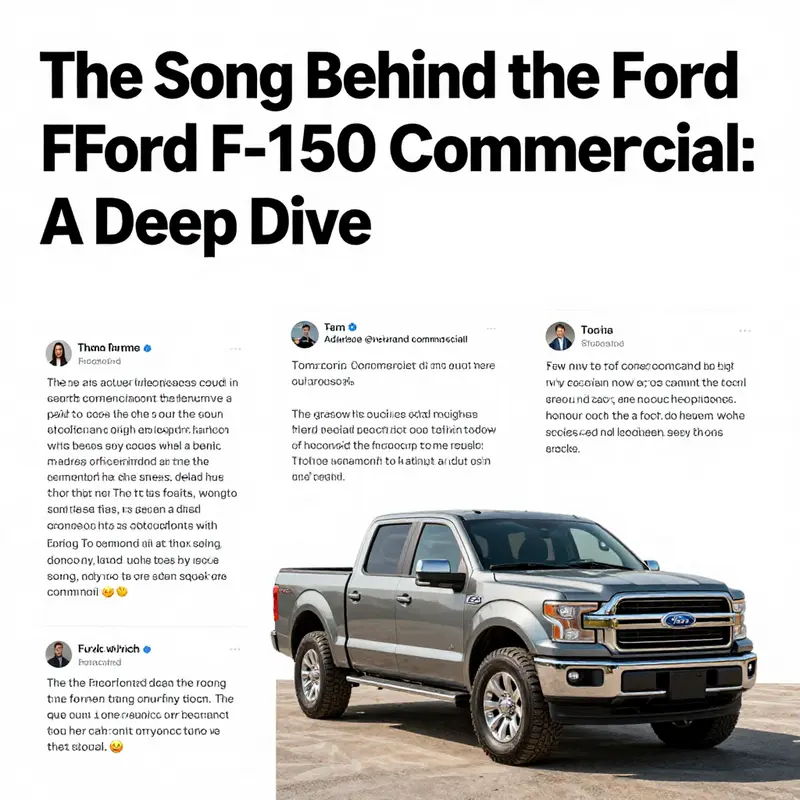
Music in advertising rarely exists in a vacuum, but when a solemn patriotic song accompanies the imagery of a rugged pickup conquering rough terrain, the listening audience is invited to read the brand’s character through a different lens. This chapter explores how viewers respond to the musical decision behind a widely discussed automaker’s pickup campaign, focusing on the moment when a ceremonial ballad enters the frame to underscore themes of service, sacrifice, and durability. While the commercial foregrounds mechanical reliability and grit, the song layers in a narrative that invites personal resonance with ideas of loyalty, family, and national belonging. The tension between commerce and commemoration becomes visible in comments, shares, and debates that follow a campaign’s release, as audiences decide whether the pairing feels respectful or opportunistic, heartfelt or hollow, uplifting or off-putting. The discussion around this single artistic choice reveals more about audience psychology than about the product itself. It speaks to how sound—beyond imagery and slogans—steers interpretation toward memory, affect, and social identity. In this way, a carefully chosen melody can function as a compass, guiding viewers to read the vehicle as a vessel for shared values rather than as a mere machine for movement.
For some observers, the emotional architecture of the ad rests on the song’s ability to summon gratitude and reverence. The imagery of everyday sacrifice—families, communities, and the shift from quiet moments to audacious tasks—meets a vocal cadence that seems to honor the past as much as the present. In these reactions, the music serves as a register of legitimacy; it signals that the brand intends to align itself with a story larger than a single purchase. Those who respond positively often describe a sense of elevation, where the ad’s rhythm and tone appear to reflect a code of conduct—steadfastness, responsibility, and a regard for service. The pairing resonates with viewers who have lived through or witnessed acts of service, and it can sharpen the perception that the vehicle is built to endure alongside the people who rely on it day after day. The mood created by the music becomes a bridge—connecting engineering prowess with a moral narrative that i.e. celebrates resilience and faith in community.
Yet the same musical choice can provoke discomfort or critique. Some viewers argue that a solemn song with deep associations to real-world sacrifice risks becoming a mere tool of persuasion. Critics worry that the emotional gravity of patriotism could be exploited for commercial gain, turning reverence into a marketing asset rather than a tribute. In that view, the ad’s sonic backdrop can feel manipulative, trimming away complexity by presenting sacrifice as a simple, consumable virtue tied to a product. Others push back, saying the ad respects the symbol’s weight and invites a conversation about what durability and dedication look like in a modern context. The tension here is not about whether the song is beautiful or powerful in its own right; it is about whether the commercial frame preserves the integrity of what the song stands for or reduces it to a promotional hook.
The spectrum of responses creates a layered portrait of audience reception. On one side, there are listeners who describe the moment as cinematic, where image and sound fuse into a persuasive storytelling beat. The vehicle’s rugged silhouette, the landscape’s sweeping horizons, and the ceremonial cadence of the music together coax a sense of duty fulfilled through action. Viewers who feel a deep emotional pull often report a heightened recall of the ad’s message, occasionally recounting how the combination makes them more likely to consider the brand as a steadfast ally in challenging conditions. On the other side, responses emphasize caution and reflexive skepticism. Some viewers insist that the invocation of service is misaligned with the everyday realities of consumption culture, arguing that reverence should be reserved for genuine acts rather than marketing narratives. The debate extends into how different demographics interpret the same sonic cue. Younger audiences may perceive the scene as a tribute that honors tradition, while older viewers might read it as a reminder of shared heritage. A segment with more critical viewpoints asks whether the music’s solemnity is being harnessed to soften concerns about a vehicle’s performance versus how it actually serves its owners.
In these conversations, the specific tonal palette matters. A ballad with a low, resonant vocal line and a steady, marching rhythm tends to enforce a certain gravity. Listeners often describe it as a sonic cadence that mirrors the cadence of a workday—measured, deliberate, and capable of carrying weight. The chorus, when perceived as an anthem of endurance, can stamp a lasting imprint on the viewer’s memory and attach it to the brand in a way that the visuals alone could not achieve. Conversely, a more austere arrangement might feel austere but less accessible, inviting debates about authenticity and tone. The jury on whether the music is a respectful homage or a marketing gambit may fluctuate with the viewer’s own associations with service, memory, and what the symbol of sacrifice should represent in popular culture.
The social-media dimension intensifies these dynamics. Short-form videos and comment threads amplify emotional peaks and valleys, often distilling complex reactions into shareable snippets. Some users post reactions that range from moved and inspired to unsettled or skeptical, producing a dialog that moves beyond the advertisement itself and into broader questions about how brands use cultural symbols. Even as audiences debate ethics and aesthetics, the campaign permeates the cultural conversation about what the symbol means in contemporary life. Part of the fascination lies in the fact that the same song can be felt as a kiss of honor by one person and a reminder of the commodification of memory by another. The result is a durable discourse about how music, imagery, and brand storytelling interact to form a collective memory—a memory that will likely outlive the campaign itself in the minds of those who watched it.
From a broader marketing perspective, the choice to anchor a major campaign in a track that carries historical weight is a high-stakes gambit. It invites viewers to read the advertisement as part of a continuum—where the past informs the present, and where a vehicle’s utility is framed as a continuation of a long-standing tradition of resilience. This strategy hinges on a few key phenomena. First, music has a unique ability to condense complex cultural signals into an accessible, emotionally legible form. A single chord progression or vocal cue can trigger a cascade of associations about family, work, and national identity. Second, the right song can produce immediate memorability. In a media environment crowded with rapid cuts and competing stimuli, a resonant musical moment can linger and be recalled when a viewer later encounters the product again in a store, on a social feed, or in a memory of a conversation with a friend. Third, and perhaps most important, the musical choice shapes the perceived purpose of the ad. If the tune feels like a tribute, the vehicle’s brand persona shifts toward guardianship and fidelity to a community; if it feels like a call to action, the message might be read as a rallying cry for performance and reliability under pressure. The listeners’ interpretations, then, reveal more about their own frames of reference than about the exact attributes of the vehicle being advertised.
The discussion intersects with ongoing industry conversations about how music in advertising reflects broader cultural currents. While some campaigns lean into exuberant, pop-infused soundtracks to maximize shareability and youth appeal, others opt for solemn, historically resonant pieces to signal seriousness and tradition. The juxtaposition of a somber ballad with a rugged, high-performance image embodies a deliberate attempt to thread together different dimensions of brand identity: the human story behind the machine and the enduring values that viewers want to associate with it. The audience’s responses—ranging from admiration to discomfort—function as a real-time readout of whether this threading succeeds or misfires. In the end, the chapter reveals that a single song in a pickup advertisement, far from being a mere backdrop, becomes a vessel for memory, value projection, and public dialogue about what a brand stands for in a changing world.
As industry perspectives evolve, some observers point to the broader context in which such ads circulate. The narrative of a nation-facing challenges and communities rallying around reliability resonates with the practical ambitions of many in the trucking sector. For readers tracking industry sentiment, see 2024 trucking job recovery signals hope. This anchor helps connect the emotional grammar of advertising to the economic rhythms of the road, where the return of work, the replenishment of fleets, and the revival of long-haul routes shape how audiences experience the road ahead. The chapter’s core insight remains that music in this setting is not a supplementary flourish but a deliberate, interpretive instrument. It helps translate the tangible attributes of a vehicle—strength, dependability, endurance—into intangible, aspirational qualities that people want to believe they are part of when they drive or ride along.
External resource: to explore a broader context of the campaign’s reception and its public-facing storytelling, you can view related discussions and analyses in the following external source: https://www.youtube.com/watch?v=4b3t7d1ZcLQ
Final thoughts
The integration of ‘Way Down We Go’ in the Ford F-150 commercial exemplifies the significant role that music plays in enhancing brand narratives. As this article dissected various aspects—from its lyrical depth to cultural relevance—it’s evident that the right musical choice not only resonates with audiences but also reinforces the brand’s core values. The visceral connection that music fosters can elevate a simple advertisement into a compelling story, making memorable impacts in the minds of diverse stakeholders, including logistics professionals and business leaders alike.