
In a remarkable achievement that underscores its commitment to sustainability and innovation, Schneider National has reached a transformative milestone: surpassing 6 million zero-emission miles with its cutting-edge electric truck fleet. This groundbreaking accomplishment not only demonstrates the company’s leadership in the trucking industry but also shines a light on the positive impact of electric vehicles on our environment.
As global concerns about climate change continue to rise, Schneider’s dedication to cleaner transportation solutions is a beacon of hope, inspiring others to follow suit. The journey to a greener future is well underway, and Schneider National is driving the change, one electric mile at a time.
The adoption rates of battery electric vehicles (BEVs) in the trucking industry are growing quickly, driven by several important trends and factors.
Adoption Rates and Industry Trends
- Global Sales Growth: In 2024, electric medium- and heavy-duty truck sales rose nearly 80%, exceeding 90,000 units. This increase is mainly due to government incentives and stricter emission standards, especially in major markets like China.
- U.S. Market Dynamics: In the U.S., electric truck sales in 2023 tripled to about 1,200 units. However, this still represents less than 0.1% of total truck sales, indicating room for future growth.
- Fleet Adoption Rates: Over 30% of large fleets, which are defined as having more than 100 vehicles, have added at least one electric truck to their operations. Many of these fleets—nearly two-thirds—are testing or planning for future electrification.
Influencing Factors for BEV Adoption
Several key factors are boosting the shift towards electric trucking:
- Regulatory Pressure: New emissions standards and policies, such as the European Union’s strict CO₂ targets, are prompting fleets to adopt electric trucks.
- Incentives: Financial support, such as grants and tax credits, reduce the upfront costs of electric trucks. For example, federal tax credits in the U.S. can be as high as $40,000 for Class 8 trucks.
- Infrastructure Development: The growth of charging stations is critical, with plans to install more charging points along key highways to facilitate electric truck use.
- Cost Considerations: Electric trucks may have a higher initial cost, but they offer lower total ownership costs, with lifetime savings estimated between 10% and 26% due to reduced operating expenses.
Schneider National’s Leadership in Electric Trucking
Schneider National is leading the way in electric trucking with several key achievements:
- Milestone Achievements: They have surpassed 6 million zero-emission miles, cutting down 20 million pounds of CO2 emissions, which is like removing over 2,100 gas-powered vehicles from the roads annually.
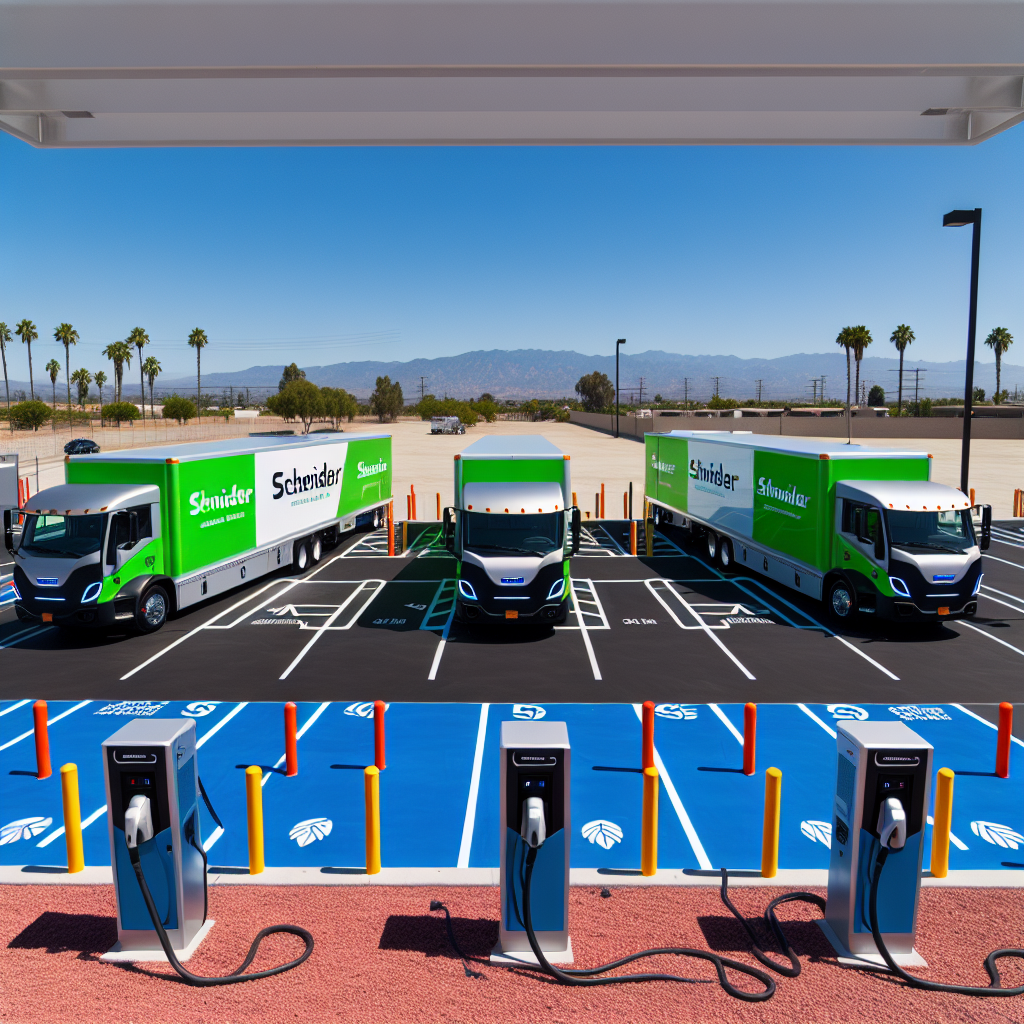
- Innovative Fleet Strategies: The company operates nearly 100 Freightliner eCascadias and has a charging station capable of charging 32 trucks at once.
- Strategic Collaborations: In 2023, Schneider became the first third-party carrier to deliver zero-emission shipments for PepsiCo, logging over 31,000 zero-emission miles, showcasing their commitment to innovation and sustainability in logistics.
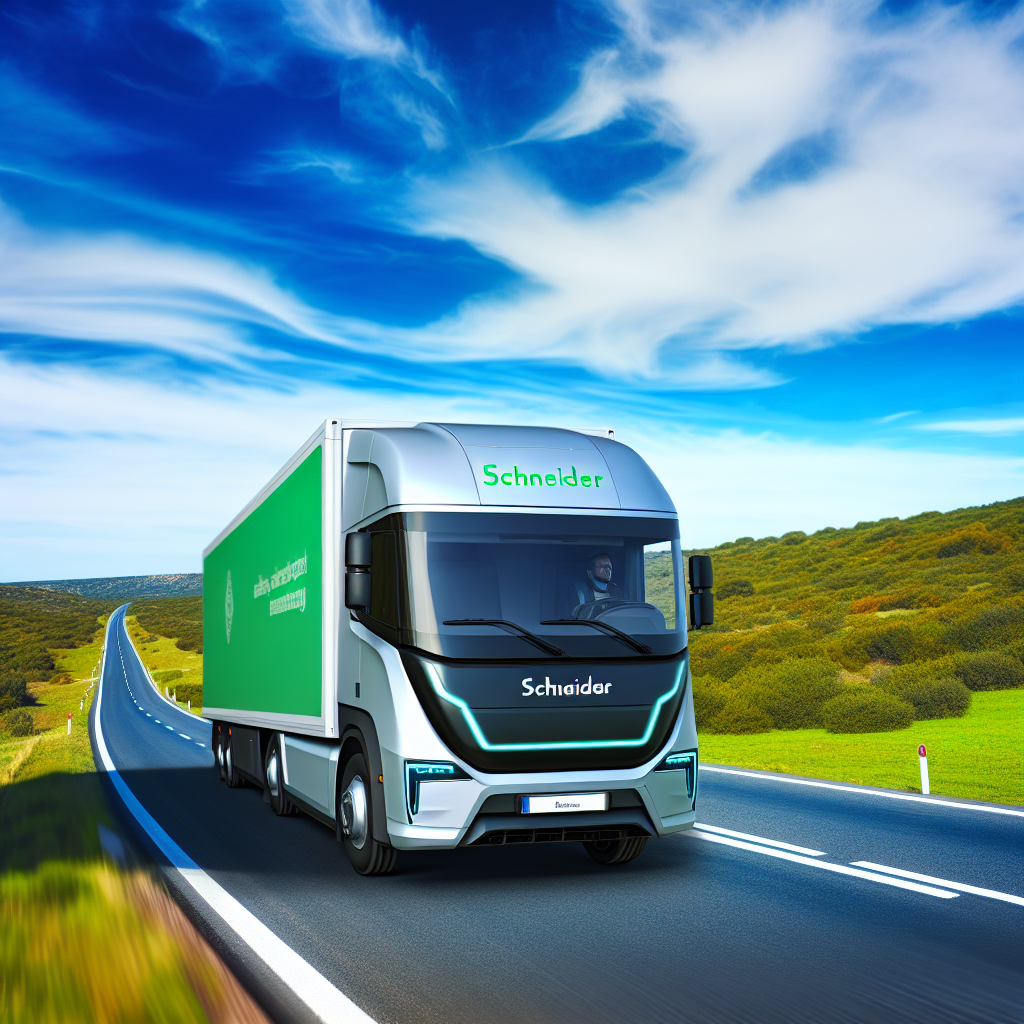
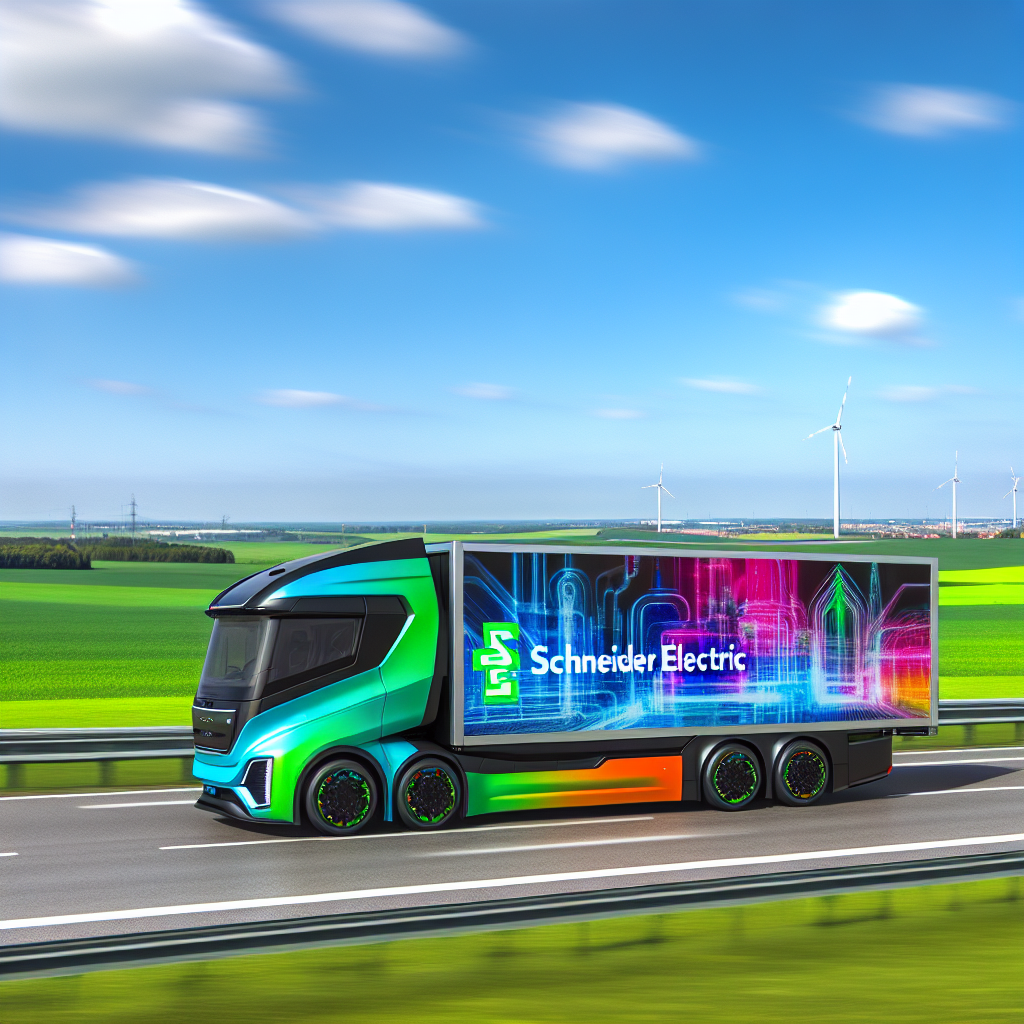
“Reaching 6 million zero-emission miles is a testament to our steadfast dedication to sustainability and innovation,” said Schneider President and CEO Mark Rourke.
This significant milestone highlights Schneider National’s ongoing commitment to reducing carbon emissions and advancing cleaner transportation solutions.
“Once you drive an electric truck, you won’t want to go back to a diesel truck,” said longtime Schneider driver Marty Boots. This statement encapsulates the transformative experience of switching from diesel to electric vehicles, as drivers like Boots have discovered the numerous benefits that come with electric trucks. From reduced noise pollution to a smoother ride, the shift reflects a larger movement towards sustainability and innovation within the trucking industry.
Impact of Schneider’s BEV Fleet on Carbon Emissions
Schneider National’s commitment to sustainability is exemplified through its fleet of battery electric vehicles (BEVs), which has led to a remarkable reduction of 20 million pounds of carbon dioxide (CO2) emissions. This significant figure is not just a number but translates into tangible benefits for the environment. To put this into perspective, the reduction of 20 million pounds of CO2 is equivalent to removing over 2,100 gas-powered passenger vehicles from the roads each year.
The shift towards BEVs is vital in the fight against climate change, as transportation accounts for a substantial portion of global greenhouse gas emissions. By integrating electric trucks into its operations, Schneider is not only aligning with global sustainability targets but also making a proactive contribution to cleaner air and a healthier planet.
Additionally, the achievement of surpassing 6 million zero-emission miles illustrates the practical impact of adopting BEVs in heavy-duty applications. Each electric mile is a step toward minimizing reliance on fossil fuels and reducing the carbon footprint of logistical operations. The emissions avoided through Schneider’s initiatives resonate well with growing consumer and regulatory demands for low-emission solutions.
As the company continues to expand its electric fleet and engage with key partnerships, such as with PepsiCo, it sets a precedent in the logistics sector. The efforts of Schneider National, therefore, are not only enhancing their operational efficiency but are also driving meaningful change towards a sustainable transportation future, reaffirming the crucial role BEVs play in environmental conservation and climate change mitigation.
| Aspect | Schneider’s BEV Fleet | Traditional Diesel Trucks |
|---|---|---|
| Number of Trucks | Nearly 100 Freightliner eCascadias | Varies widely by company |
| Zero-Emission Miles | Over 6 million zero-emission miles | None |
| CO2 Savings | 20 million pounds of CO2 emissions avoided | Average CO2 emissions vary; typically ~22.2 lbs/mile |
| Average Emissions | 0 lbs per mile (zero-emission) | ~22.2 lbs per mile |
| Fuel Efficiency | Not applicable (electric, battery-powered) | Approximately 6-7 mpg |
In conclusion, Schneider National stands as a paragon of innovation and sustainability within the trucking industry. By surpassing an astounding 6 million zero-emission miles with its battery electric vehicle fleet, Schneider has demonstrated a commitment to reducing carbon emissions and embracing cleaner transportation solutions. This achievement of 20 million pounds of CO2 emissions saved serves as a testament to the benefits of prioritizing sustainability.
As Margo Oge, former director of the EPA’s Office of Transportation and Air Quality, states,
“Medium and heavy diesel trucks make up less than 6% of vehicles on the road but spew more than half the smog and soot Americans breathe and contribute to global warming. The EPA standards are a big step in the right direction to fight climate change and help us breathe cleaner air.”
This encapsulates the urgency of the transition to electric trucking in reducing harmful emissions.
The journey towards a greener future requires collective effort, and Schneider’s pioneering initiatives offer a blueprint for others in the industry. As we face urgent challenges posed by climate change, the importance of sustainable transport cannot be overstated. Schneider’s electric truck fleet symbolizes progress and a healthier planet. The milestones signify that the road ahead is both achievable and essential. Together, through innovation and commitment, we can drive change towards a more sustainable future for generations to come.
Schneider National’s Future Initiatives for Electric Vehicle Expansion
Schneider National is set for remarkable advancements in its electric vehicle (EV) fleet as part of its ongoing commitment to sustainability and carbon reduction. One of their key initiatives includes the integration of nearly 100 Freightliner eCascadia trucks, manufactured by Daimler Truck North America, primarily into operations in Southern California. By harnessing the power of these battery electric vehicles (BEVs), Schneider plans to solidify its position as one of the largest electric fleets in North America by the end of 2023.
In addition, Schneider has established a state-of-the-art electric charging depot at its South El Monte Intermodal Operations Center. The facility boasts 16 dual-corded dispensers that allow for charging 32 trucks simultaneously, enabling each eCascadia to achieve an 80% charge in approximately 90 minutes. This infrastructure is essential for supporting the scale of Schneider’s electric fleet and ensuring operational efficiency.
Collaborating closely with PepsiCo, Schneider marked a significant milestone by completing its first third-party EV delivery for Frito-Lay in April 2023. This achievement is part of Schneider’s mission to help clients meet their sustainability goals by significantly reducing emissions—estimated to be over 70% compared to traditional diesel trucks.
As Schneider continues to evolve and expand its electric fleet, its strategic partnerships with industry leaders like Daimler Truck North America and PepsiCo underscore a shared commitment to driving sustainable transportation solutions, setting a powerful example for others to follow.
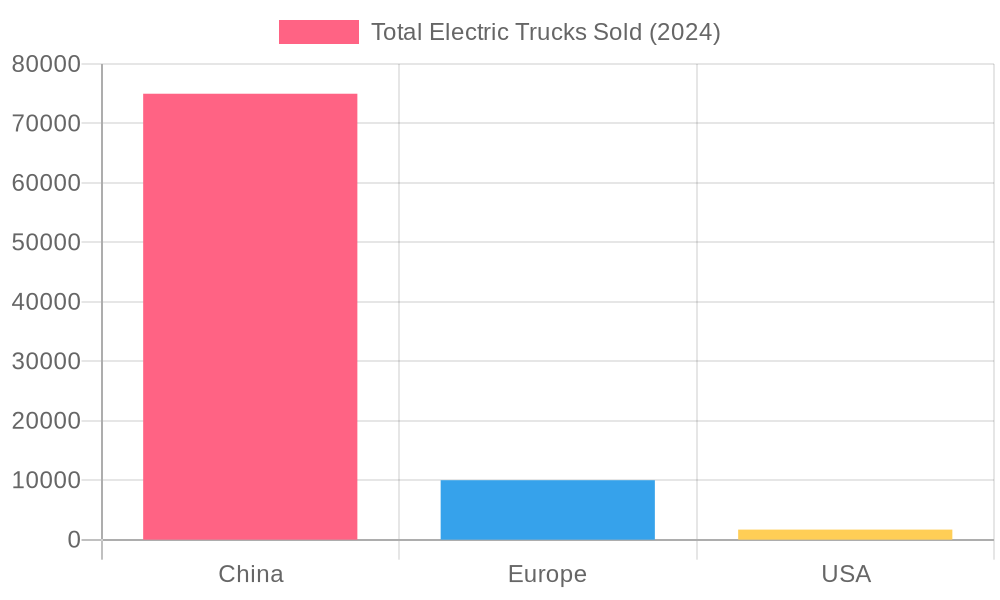
This graph highlights the adoption of electric trucks in various regions, showing that China leads in total sales, followed by Europe and the USA. Significant contrasts in market dynamics and incentive structures can be seen among these regions, reflecting wider trends in the global shift towards electric vehicle adoption.
For further insights, consider the following key trends:
- China: Sales dramatically increased in 2024, reaching over 75,000 units, boosted by substantial government incentives and stricter emission regulations.
- Europe: The market saw steady growth with over 10,000 electric trucks sold in 2024, particularly in Germany and the UK.
- United States: The adoption rate remains cautious, with approximately 1,700 units sold in 2024, impacted by subsidy policies and the growing recognition of electric vehicle benefits.
Schneider National’s Electric Truck Fleet Milestone in Emission Reduction
Introduction: The Future of Sustainable Transport with Electric Trucks
In a remarkable achievement that underscores its commitment to sustainability and innovation, Schneider National has reached a transformative milestone: surpassing 6 million zero-emission miles with its cutting-edge electric truck fleet. This groundbreaking accomplishment not only demonstrates the company’s leadership in the trucking industry but also shines a light on the positive impact of electric vehicles on our environment. As global concerns about climate change continue to rise, Schneider’s dedication to cleaner transportation solutions is a beacon of hope, inspiring others to follow suit. The journey to a greener future is well underway, and Schneider National is driving the change, one electric mile at a time.
User Adoption Data and Climate Impact of Trucking
The adoption rates of battery electric vehicles (BEVs) in the trucking industry are witnessing an impressive surge, marked by several noteworthy trends and factors influencing this momentum.
Adoption Rates and Industry Trends
- Global Sales Growth: In 2024, electric truck sales increased nearly 80%, surpassing 90,000 units sold, thanks primarily to government incentives and stricter emission standards, particularly in dominant markets like China.
- US Market Dynamics: The United States experienced a threefold increase in electric truck sales in 2023, reaching approximately 1,200 units. Despite this significant growth, electric truck sales still represent less than 0.1% of total sales, indicating substantial potential for further adoption in the coming years.
- Fleet Adoption Rates: More than 30% of large fleets, those with over 100 vehicles, have integrated at least one electric truck into their operations.
Influencing Factors for BEV Adoption
- Regulatory Pressure: Enhanced emissions standards and policies, like the European Union’s stringent CO₂ targets, are driving fleets to adopt electric options.
- Incentives: Financial incentives help offset the higher upfront costs of electric trucks, with U.S. federal tax credits reaching up to $40,000 for Class 8 trucks.
- Infrastructure Development: The growth of charging infrastructure is crucial for the transition, with plans to install charging stations to support electric trucks.
- Cost Considerations: While electric trucks often have a higher initial purchase price, they provide a total cost of ownership benefit, with lifetime savings ranging from 10% to 26% due to reduced operational costs.
Schneider National’s Leadership in Electric Trucking
- Milestone Achievements: Surpassing six million zero-emission miles, translating into a reduction of 20 million pounds of CO2 emissions—equivalent to removing over 2,100 gas-powered passenger vehicles from the roads annually.
- Innovative Fleet Strategies: Operating nearly 100 Freightliner eCascadias with a charging depot capable of charging 32 trucks simultaneously.
- Strategic Collaborations: In 2023, they became the first third-party carrier to haul zero-emission shipments for PepsiCo, logging over 31,000 zero-emission miles.
Through these initiatives, Schneider illustrates its strong commitment to sustainability and sets a powerful example of how the trucking industry can embrace electric vehicle adoption, paving the way for a greener future.
Impact of BEVs on Carbon Emissions and Sustainable Transport
The Environmental Benefits of Schneider’s BEV Fleet
Schneider National’s commitment to sustainability is exemplified through its fleet of battery electric vehicles (BEVs), leading to a remarkable reduction of 20 million pounds of carbon dioxide (CO2) emissions. This reduction is equivalent to removing over 2,100 gas-powered passenger vehicles from the roads each year.
The shift towards BEVs is vital in the fight against climate change, as transportation accounts for a substantial portion of global greenhouse gas emissions. By integrating electric trucks into its operations, Schneider is aligning with global sustainability targets and contributing to cleaner air.
A Commitment to Reducing Carbon Emissions in Trucking
The achievement of surpassing 6 million zero-emission miles demonstrates the practical impact of adopting BEVs in heavy-duty applications, minimizing reliance on fossil fuels. Schneider’s initiatives resonate with growing consumer demands for low-emission solutions.
As the company expands its electric fleet and engages in key partnerships, like with PepsiCo, Schneider National is not only enhancing operational efficiency but also driving meaningful change towards a sustainable transportation future, reaffirming the crucial role BEVs play in environmental conservation.
Market Comparison of Electric Trucks vs. Diesel Trucks
| Aspect | Schneider’s BEV Fleet | Traditional Diesel Trucks |
|---|---|---|
| Number of Trucks | Nearly 100 Freightliner eCascadias | Varies widely by company |
| Zero-Emission Miles | Over 6 million zero-emission miles | None |
| CO2 Savings | 20 million pounds of CO2 emissions avoided | Average CO2 emissions vary; typically ~22.2 lbs/mile |
| Average Emissions | 0 lbs per mile (zero-emission) | ~22.2 lbs per mile |
| Fuel Efficiency | Not applicable | Approximately 6-7 mpg |
Conclusion: Driving Towards a Cleaner Future with Electric Trucks
In conclusion, Schneider National stands as a paragon of innovation and sustainability within the trucking industry. By surpassing an astounding 6 million zero-emission miles with its battery electric vehicle fleet, Schneider has demonstrated a commitment to reducing carbon emissions and embracing cleaner transportation solutions. This achievement of 20 million pounds of CO2 emissions saved serves as a testament to the benefits of prioritizing sustainability.
The journey towards a greener future requires collective effort, and Schneider’s pioneering initiatives offer a blueprint for others in the industry. As we face urgent challenges posed by climate change, the importance of sustainable transport cannot be overstated. Schneider’s electric truck fleet symbolizes progress and a healthier planet. The milestones signify that the road ahead is both achievable and essential. Together, through innovation and commitment, we can drive change towards a more sustainable future for generations to come.
Future Initiatives for Electric Vehicle Expansion
Schneider National’s Vision for Sustainable Transportation
Schneider National is set for remarkable advancements in its electric vehicle (EV) fleet as part of its ongoing commitment to sustainability. Key initiatives include integrating nearly 100 Freightliner eCascadia trucks into Southern California operations. By harnessing BEVs, Schneider aims to solidify its position as one of the largest electric fleets in North America.
Establishing a state-of-the-art electric charging depot at the South El Monte Intermodal Operations Center allows charging of 32 trucks simultaneously, ensuring operational efficiency. Collaborating with PepsiCo, Schneider efficiently reduces emissions by over 70% compared to traditional diesel trucks.
As Schneider expands its electric fleet, partnerships with leaders like Daimler Truck North America and PepsiCo underscore a shared commitment to driving sustainable transportation solutions, setting an example for others.