
The Montreal port expansion represents a significant logistical upgrade. It reflects a monumental leap towards strengthening Canada’s national identity and economic infrastructure. This ambitious plan, identified as one of the first five nation-building projects led by Prime Minister Mark Carney, promises to enhance Eastern Canada’s trading capabilities. Carney emphasizes that this project will expand the Port of Montreal’s capacity by approximately 60%. He states that it will provide Eastern Canada with the necessary trading infrastructure to keep goods moving, meet growing demand, and diversify trade routes.
This expansion will not only improve the flow of goods and services but will also deliver substantial economic benefits to local communities. Each grain exported and every container shipped through this vital port underscores regional pride and resilience. It links communities to a shared vision of growth, opportunity, and a thriving future. Ultimately, this project highlights a commitment to building a connected Canada, rooted in collaboration and a strong sense of belonging.
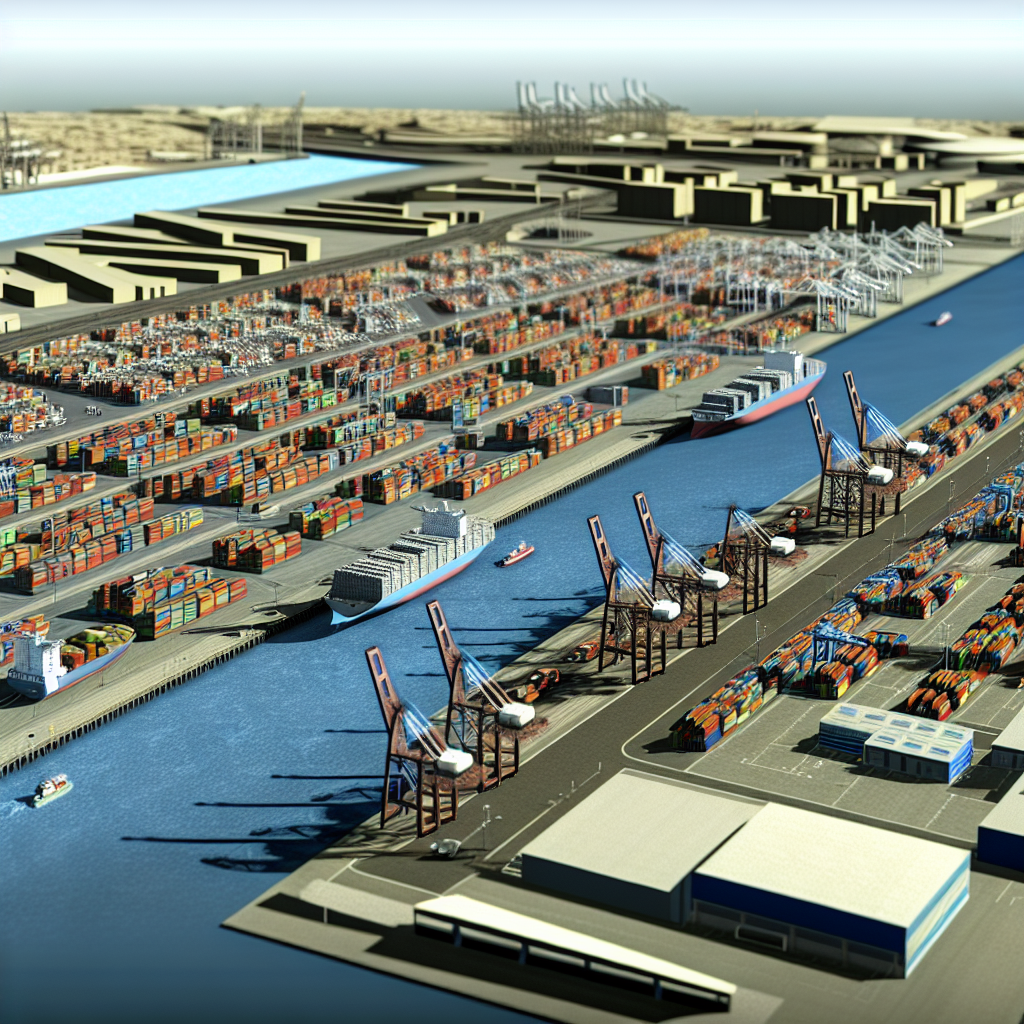
Economic Benefits of the Montreal Port Expansion
The Montreal port expansion is a transformative initiative that promises considerable economic benefits. With an estimated annual impact of $140 million on both the local and national economy, the expansion is poised to create over 8,000 jobs during construction and more than 1,000 permanent positions once operational. This will not only bolster the economy but will also stimulate local communities.
Expanded Capacity
A crucial aspect of this expansion is the Contrecœur terminal project, which aims to increase the port’s capacity by approximately 60%. This enhancement will enable the port to handle 1.15 million TEUs (twenty-foot equivalent units) annually. With the rise in capacity, the Port of Montreal will be better equipped to manage growing trade demands, diversify trade routes, and reduce congestion in shipping operations.
Job Creation and Local Economic Growth
Economic development goes hand-in-hand with job creation. As this expansion unfolds, numerous sectors will benefit from increased logistical operations, including transportation, construction, and commercial trade. The Montreal Port Authority (MPA) is deeply committed to ensuring that the expansion fosters local economic growth and aligns with community needs. Julie Gascon, President and CEO of MPA, states, “Our intention is clear: the development of the port in Contrecœur must have a positive impact not only on the supply chain that supports our businesses but also on the local and regional community.”
Infrastructure and Business Attraction
In addition to job creation, the expansion project’s enhanced port capabilities will drive investment attraction. This will significantly benefit over 6,700 exporting businesses in Greater Montreal and approximately 3,000 manufacturers in the Montérégie region, known for its export orientation. Improved access to international markets will reduce transportation costs and enhance competitiveness for local industries.
Community Partnerships
The MPA is actively working on community partnership agreements to ensure shared benefits from the expansion. These initiatives include commitments to community investments, youth employment programs, and green space improvements aimed at harmonizing economic growth with community well-being. This approach reflects a broader social responsibility that accompanies significant infrastructure projects.
In summary, the expected economic benefits of the Montreal port expansion underscore its critical role in enhancing Canada’s trade infrastructure and creating opportunities for sustainable community development.
Comparison of Economic Impacts of Major Canadian Ports
Here is a comparative summary of the economic impacts, shipping capacities, and annual economic contributions of major ports in Canada.
| Port | Annual Cargo Volume (2024) | Container Throughput (2024) | Economic Contribution |
|---|---|---|---|
| Port of Vancouver | 158 million metric tonnes | 3.47 million TEUs | Supports 115,300 jobs, contributes $11.9 billion to GDP |
| Port of Montreal | 35.41 million metric tonnes | 1.46 million TEUs | Supports 600,000 jobs across Montreal and Quebec |
| Port of Halifax | Data not specified | Data not specified | Generates 15,000 jobs, $2 billion in economic impact |
| Port of Prince Rupert | Data not specified | 700,000 TEUs | Data not specified |
| Port of Quebec | Data not specified | Data not specified | Data not specified |
Note: TEU stands for Twenty-foot Equivalent Unit, a standard measure for containerized cargo.
This table illustrates the significance of the Port of Montreal in the context of its economic contributions and shipping capabilities compared to other key ports in Canada. The data reflects the pivotal role that these ports play in the national economy.
Enhancing Trade Routes and Supply Chains
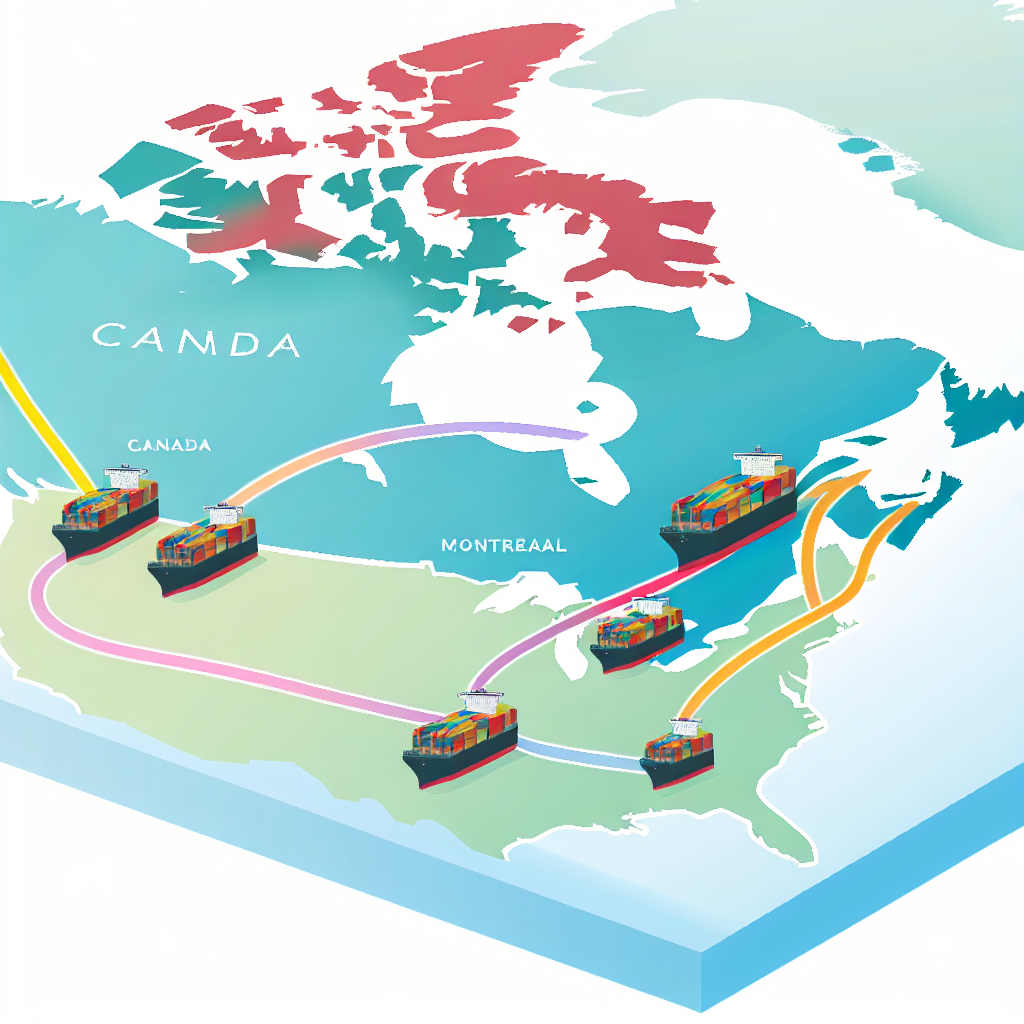
The expansion of the Port of Montreal is set to significantly enhance trade routes and improve supply chains across Canada. Situated strategically, the port provides critical access to both continental and international shipping lanes that facilitate efficient logistics and transportation of goods. This expansion is designed to bolster connections not only within Canada but also with global markets, enabling increased trade flows and economic collaboration.
A key aspect of this enhancement is the development of a new container terminal in Contrecœur, which aims to increase the port’s capacity by over 60%, allowing it to handle an additional 1.15 million TEUs (twenty-foot equivalent units) annually. This improvement is complemented by investments in infrastructure across the port, including an intermodal rail yard and upgrades to the roads connecting to the main logistics network. These developments are crucial to ensuring that the Port of Montreal remains competitive and able to meet the growing demands of the supply chain industry.
Moreover, the connection to the Port of Churchill adds further depth to this initiative. While geographically distant, the Port of Churchill’s upgrades will enhance northern shipping routes. This is particularly important for resource transport and for strengthening trade relationships with Indigenous communities in the region. Combined, these ports will diversify trade routes, mitigate supply chain vulnerabilities, and enhance Canada’s overall trade infrastructure.
In summary, the expansion of the Port of Montreal and the upgrades to the Port of Churchill represent a unified effort to create a more robust, resilient, and interconnected trading environment in Canada, ultimately benefiting local economies and fostering national growth.
Indigenous Equity Ownership in the Montreal Port Expansion
The Montreal port expansion project exemplifies a commitment to inclusive development, prominently featuring Indigenous Peoples as essential partners in shaping the future of this significant infrastructure initiative. Rooted in collaborative efforts, the Montreal Port Authority (MPA) is making strides to incorporate Indigenous communities into key decision-making processes while promoting equity ownership.
One notable aspect of this partnership revolves around the Charter of Collaboration, developed in 2023, which outlines the MPA’s commitment to engaging with various Indigenous nations, including the Mohawk Council of Kahnawà:ke, the W8banaki Nation, and the Huron-Wendat Nation. The charter emphasizes employment, training, environmental stewardship, and community support, signifying a holistic approach to integrating Indigenous perspectives and contributions into the expansion project. According to the MPA, “Our objective is to foster partnerships where Indigenous communities have a voice and a stake in the economic opportunities arising from the port’s growth.”
Furthermore, the MPA joined the Grand Circle of Commitment in June 2022 to ensure Indigenous peoples’ full participation in Quebec’s economy. By endorsing this declaration, the port authority committed to generating wealth for, by, and with Indigenous communities, reinforcing their importance in the overall development strategy.
Supporting these efforts, Minister of Indigenous Services has noted, “Collaborative partnerships with Indigenous Peoples not only enrich our development projects but also ensure a shared vision of growth and prosperity that respects traditional lands and ways of life.”
By prioritizing equity ownership and fostering partnerships, the Montreal port expansion is set to create a more inclusive economic landscape that benefits both the Indigenous communities and the broader Canadian economy, highlighting an essential step toward reconciliation and shared prosperity.
Conclusion
In conclusion, the Montreal port expansion stands as a pivotal nation-building project, intertwining economic growth with a deep sense of community and collaboration. With a projected increase in capacity by 60%, this expansion promises robust economic benefits, contributing approximately $140 million annually while creating thousands of jobs to invigorate local economies. The commitment to indigenous equity ownership is particularly noteworthy, as it signifies a move towards inclusivity and reconciliation, fostering partnerships that empower Indigenous communities in the economic landscape.
As we witness the development of the Port of Montreal, it becomes clear that this initiative is not merely an infrastructural upgrade; it is a testament to Canada’s resilience, unity, and vision for a prosperous future. Each container shipped and every job created reflects a shared journey towards a thriving economy and a more interconnected society, vital for building the Canada of tomorrow. This ambitious project will significantly enhance trade routes and supply chains, reinforcing the essential role that the Port of Montreal plays in our national identity.
Recent Developments in Montreal Port Expansion
The expansion project at the Port of Montreal, particularly the Contrecœur terminal project, has seen significant recent developments that highlight its multifaceted nature.
- Permits and Environmental Assessments: The Montreal Port Authority (MPA) submitted a comprehensive application for an in-water works permit to Fisheries and Oceans Canada in September 2025. This submission follows a positive environmental assessment from the Impact Assessment Agency of Canada in 2021. As part of this process, the MPA outlined environmental offsetting measures, including creating aquatic habitats and planting approximately 40,000 trees to mitigate ecological impacts.
- Strategic Partnerships: The MPA has partnered with DP World Canada to leverage global expertise in terminal operations and sustainable development. This collaboration is set to finalize the terminal’s design and establish terms for construction and operations, with projections for the terminal to become operational by 2030.
- Community Engagement and Concerns: Even as the project progresses, there is considerable opposition from some residents of Contrecœur, who express concerns over potential environmental harm and question the necessity of the expansion. Their voices add a critical dimension to the discussion, challenging the project’s classification as a nation-building endeavor.
- Government Support and Economic Projections: The Canadian government has underscored the significance of the Contrecœur Container Terminal project by referring it to the Major Projects Office. The expansion aims to increase the port’s container capacity by approximately 60%, which is expected to generate thousands of jobs during the construction and operational phases, alongside substantial economic benefits for the region.
These updates collectively illustrate the complexities surrounding the Port of Montreal’s expansion, painting a picture that encompasses regulatory progress, strategic partnerships, community engagement, and government endorsement. As such, the expansion is framed not only as an infrastructure project but also as a pivotal part of Canada’s economic future.