
Introduction to Legal Tire Depth for Commercial Truck Tires
In the realm of logistics and transportation, the legal tire depth for commercial truck tires is a critical concern that extends beyond simple compliance-it directly impacts safety, operational efficiency, and overall performance. These regulations, established to ensure adequate traction and handling, require that tires maintain a minimum tread depth for safe operation under various road conditions. For fleet owners, especially those in logistics and freight industries, neglecting this essential aspect could lead to serious safety hazards, increased risk of accidents, and potential legal repercussions. Moreover, maintaining the appropriate tire depth is pivotal for optimal fuel efficiency, allowing businesses to better manage operational costs while adhering to industry standards. By understanding the implications of legal tire depth and maintaining compliance, logistics and freight company owners can safeguard both their assets and their reputation. Furthermore, choosing to prioritize tire maintenance aligns with best practices in fleet management and can significantly enhance delivery reliability. To explore more related information on how tire-related issues can influence broader logistics strategies, consider these insights on trailer orders and truckload margins.
Legal Requirements for Tire Depth on Commercial Truck Tires
Ensuring compliance with tire depth regulations is crucial for logistics, freight, and construction companies that rely on commercial truck operations. Tire depth affects vehicle safety, fuel efficiency, and overall performance. Below is an overview of the legal tire depth requirements across different jurisdictions.
United States
In the U.S., the Federal Motor Carrier Safety Administration (FMCSA) mandates a minimum tire tread depth of 4/32 inch for commercial motor vehicle (CMV) tires on drive axles and trailer axles, as well as for front tires. However, many states have more stringent laws. For instance, in California and Colorado, a minimum depth of 6/32 inch is required for certain types of vehicles, particularly in adverse weather conditions. Non-compliance can lead to fines and other penalties, making awareness essential for fleet managers.
For a comprehensive view of state regulations, refer to the FMCSA’s guidance on tire tread depth.
Canada
In Canada, under the jurisdiction of Transport Canada, a uniform minimum tire tread depth of 4/32 inch is enforced for all commercial vehicle tires, regardless of the province. This standard is part of the broader safety requirements within the Commercial Vehicle Safety Alliance (CVSA) North American Standard Inspection Program. Failure to meet these requirements can result in vehicle detainment during inspections.
Learn more about the regulations through Transport Canada’s Commercial Vehicle Safety Regulations.
European Union (EU)
The European Union sets a minimum requirement of 1.6 mm (approximately 6.3/32 inch) for commercial vehicle tires, including trucks and buses. This regulation is strictly enforced through regular highway inspections and applies to both new and used vehicles. In addition to tread depth, tires must not exhibit visible damage, such as cuts or bulges, to ensure safety.
For further details on EU regulations, visit the European Commission’s page on tire safety standards.
Australia
In Australia, the legal tire depth minimum is 1.5 mm (approximately 6/32 inch) for most commercial vehicles, while buses operating in remote areas may face a higher requirement of 3.0 mm. These regulations are enforced by state transportation authorities, and non-compliant vehicles can be prohibited from operating until repairs are made.
Check out additional insights regarding tire regulations at the Australian Government’s Department of Infrastructure.
Summary Table of Tire Depth Requirements
| Jurisdiction | Legal Tire Depth Requirement | Notes |
|---|---|---|
| USA | 4/32 inch; some require 6/32 inch | Federal standard is 4/32″, but state laws may vary. |
| Canada | 4/32 inch | Uniform across provinces; enforced under federal regulations. |
| European Union (EU) | 1.6 mm (6.3/32 inch) | Applies to all commercial vehicles; strict inspections. |
| Australia | 1.5 mm (6/32 inch) for most; 3.0 mm for buses in remote areas | Stricter rules due to safety concerns in remote regions. |
Understanding these regulations will help logistics and construction companies maintain compliance, improve safety, and ultimately enhance operational efficiency.
Understanding tire depth regulations is crucial for logistics and freight company owners, as non-compliance can lead to safety hazards and legal penalties. Below is a comparison table outlining the minimum tire depth requirements across several key regions:
| Region/Country | Steering Tires | Drive/Trailer Tires | Notes |
|---|---|---|---|
| United States | 4/32 inches (3.2 mm) | 2/32 inches (1.6 mm) | Compliance enforced under DOT regulations. More information here. |
| European Union | 4 mm (approximately 5/32 inches) | 1.6 mm (approximately 2/32 inches) | Ongoing discussions for a unified regulation combining wear measurement and minimum depth. |
| Canada | 4/32 inches (3.2 mm) | 2/32 inches (1.6 mm) | Recommendations vary by province, adhering closely to U.S. standards. In-field inspections suggested using tread depth gauges. Learn more here. |
| Australia | 4/32 inches (3.2 mm) | 2/32 inches (1.6 mm) | No national laws; enforcement based on vehicle safety assessments by local authorities. |
Key Takeaways
- Regulatory Differences: Regions have varying standards for tire depth, affecting compliance requirements for fleets operating internationally.
- Safety Implications: Adhering to prescribed tire depths not only ensures compliance but significantly contributes to road safety.
- Proactive Monitoring: Fleet owners should regularly monitor tire conditions using tread depth gauges to ensure compliance and enhance operational safety.
By taking proactive measures regarding tire maintenance and understanding local regulations, logistics and freight company owners can avoid potential legal issues and improve safety standards within their fleets.
Understanding Legal Tire Depth for Commercial Truck Tires
Maintaining proper tire depth is crucial for the safety and efficiency of commercial trucks. Fleet operators must regularly check tire tread depth to ensure compliance with legal standards and to prevent accidents caused by tire failure. The legal minimum tread depth for steer (front axle) tires is 4/32 of an inch, while drive and trailer tires must maintain at least 2/32 of an inch of tread depth. These requirements, set by the Federal Motor Carrier Safety Administration (FMCSA), are strictly enforced during vehicle inspections.
Steps to Use a Tire Depth Gauge
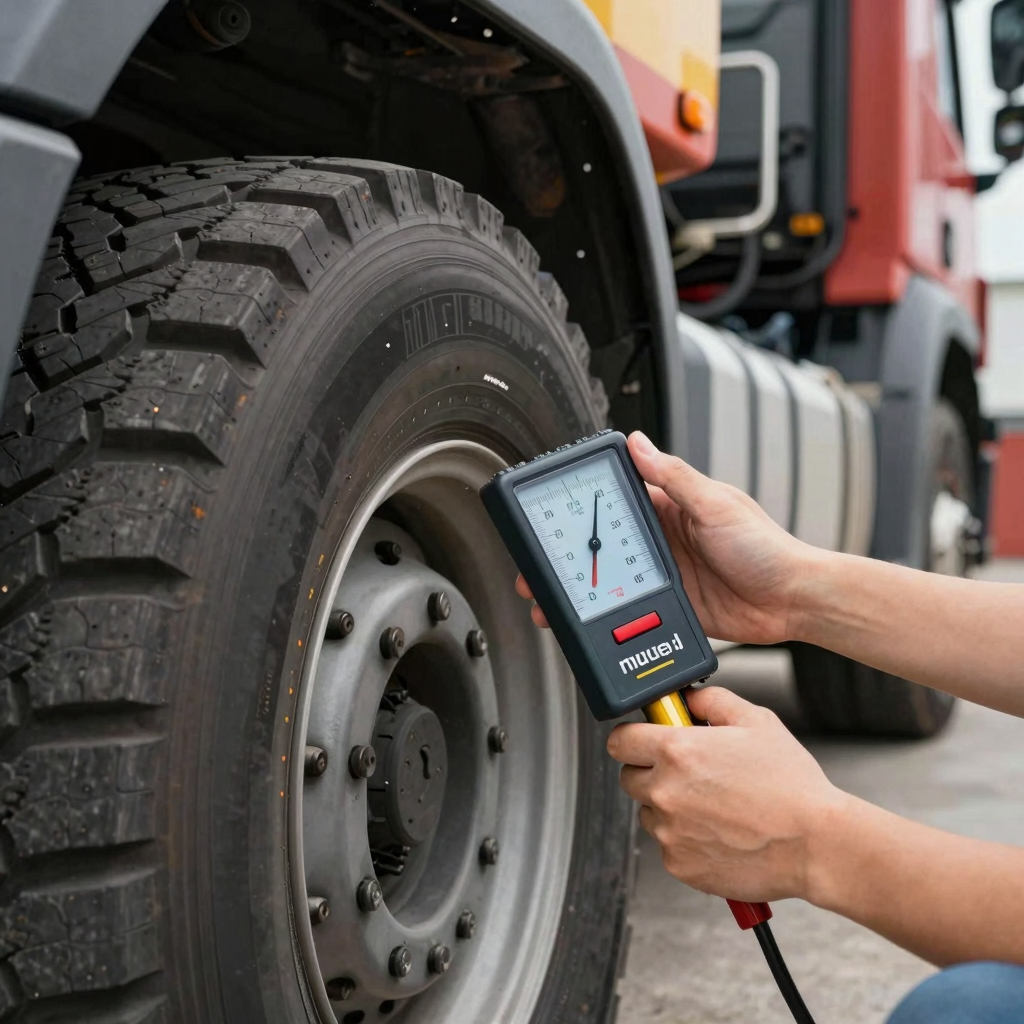
Using a tire depth gauge is straightforward and can help you monitor tire health effectively. Here’s how to properly use a tire depth gauge:
- Inspect the Tire: Look for any visible signs of wear or damage.
- Insert the Gauge: Place the depth gauge firmly into the tread grooves of the tire.
- Read the Measurement: Check the reading to determine if the tire meets legal requirements.
- Record Findings: Keep a log of your measurements and any maintenance performed.
For fleet operators, regular diligence in checking tire depth can lead to improved safety and reduced operational costs in the long run. For more insight on how tire maintenance can impact your fleet, check out our article on trailer orders and truckload margins.
Consequences of Non-Compliance with Tire Depth Regulations
For logistics and freight companies, adherence to tire depth regulations is not just a matter of safety; it is also a significant legal and financial concern. The minimum legal tire tread depth for commercial trucks in the U.S. is typically set at 4/32 inches. Failing to meet this requirement can have serious implications.
Legal Penalties
Non-compliance with tire depth regulations can lead to considerable legal repercussions. During Department of Transportation (DOT) inspections, companies can face fines that range from $100 to $1,000 per violation. Moreover, repeat offenses can lead to even steeper fines and orders for vehicles to be taken out of service. These legal challenges not only result in financial loss but also damage a company’s reputation.
Operational Impacts
When vehicles are found to be non-compliant, they may be issued an “out-of-service” order. This means the truck cannot operate until the tire issues are resolved, leading to disruptions in delivery schedules and incurring unexpected downtime costs. The ability to meet customer demands rapidly declines, often resulting in lost contracts and strained relationships with clients.
Increased Liability and Safety Risks
Driving with under-inflated or worn tires significantly raises the risk of accidents, including blowouts or loss of vehicle control. These safety risks expose companies to heightened liability claims and the potential for lawsuits, which can lead to expensive settlements and increased insurance premiums. By not adhering to tire regulations, companies not only jeopardize their operational integrity but also their financial viability.
Financial Losses
In addition to penalties, companies face direct costs associated with tire replacements and the heightened risk of cargo damage during accidents. A single incident, especially one resulting in an injury or significant property damage, can cost tens of thousands of dollars, further destabilizing a company’s financial position.
In light of these serious consequences, it is imperative for logistics and freight companies to implement rigorous maintenance protocols and ensure compliance with tire depth regulations. For more insights on industry regulations, see our article on DOT Tire Tread Depth Regulations and the Federal Motor Carrier Safety Administration’s guidelines.
Best Practices for Maintaining Legal Tire Depth for Commercial Trucks
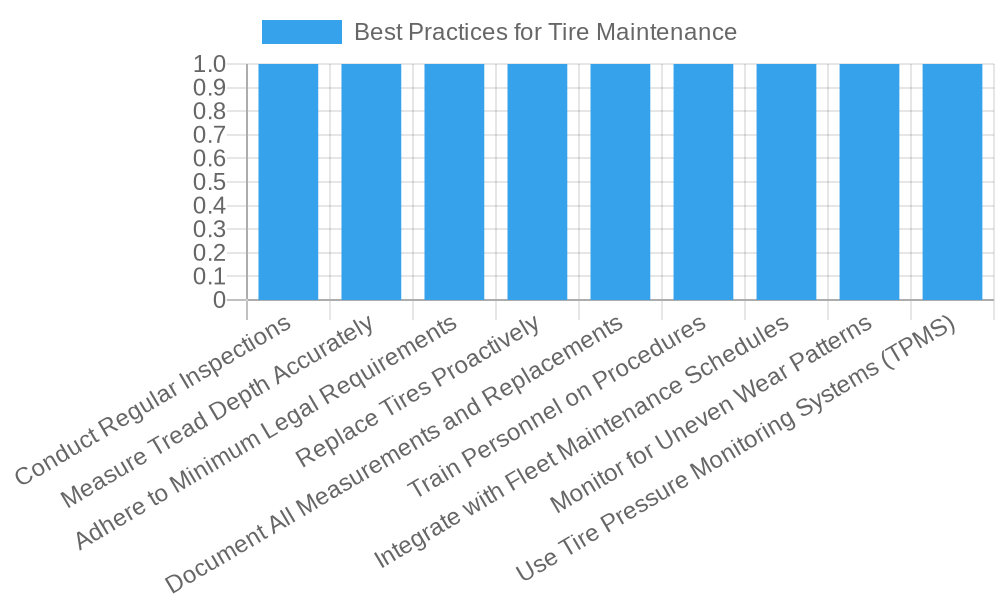
To ensure the safety and compliance of your commercial truck tires, business owners should adopt the following best practices:
-
Conduct Regular Inspections: Perform visual and tactile inspections of tires at least once per week. Check for uneven wear, embedded debris, cracks, bulges, or general damage that could affect tread depth or safety.
-
Measure Tread Depth Accurately: Use a calibrated tire tread depth gauge to measure tread depth at multiple points across each tire. This includes the center, shoulders, and middle of the tire’s contact patch, ensuring measurements are taken in the deepest groove of each tread block.
-
Adhere to Minimum Legal Requirements: Maintain tread depth at or above the legal minimum, commonly set at 2/32 inch (1.6 mm) for commercial truck tires. Familiarize yourself with local regulations as some regions may impose stricter limits.
-
Replace Tires Proactively: Replace tires once they reach the legal minimum or show signs of severe wear. Avoid waiting until a tire is completely worn out to ensure safety and compliance.
-
Document All Measurements and Replacements: Keep detailed records of each tread depth measurement and tire replacement to track maintenance decisions and compliance with regulations.
-
Train Personnel on Procedures: Ensure that maintenance staff and drivers are properly trained to inspect tires, use tread depth gauges, and understand how to report any issues effectively.
-
Monitor for Uneven Wear Patterns: Address underlying causes of uneven tire wear promptly, such as misalignment or incorrect tire pressures, to prevent further complications.
-
Use Tire Pressure Monitoring Systems (TPMS): Implement TPMS to maintain proper tire pressure, which directly impacts tread wear and overall safety.
Learn more about tire requirements for commercial trucks
Explore detailed safety guidelines
Compliance Case Study: Freight Company Success in Tire Depth Regulations
Background
In the competitive world of freight logistics, maintaining compliance with safety regulations, particularly tire depth requirements, is crucial for safeguarding operations and ensuring road safety. This case study highlights FreightCo, a medium-sized freight company that successfully maintained compliance with tire depth regulations, demonstrating effective practices and lessons learned that can be applied by similar businesses.
Legal Tire Depth Regulations
According to the Federal Motor Carrier Safety Administration (FMCSA) in the United States, commercial motor vehicles (CMVs) must have a minimum tread depth of 4/32 of an inch on all tires, with the front tires requiring 6/32 of an inch. Canadian standards, as per the National Safety Code Standard 11, align closely, indicating that non-compliance could lead to severe fines and operational halts.
Steps Taken to Maintain Compliance
-
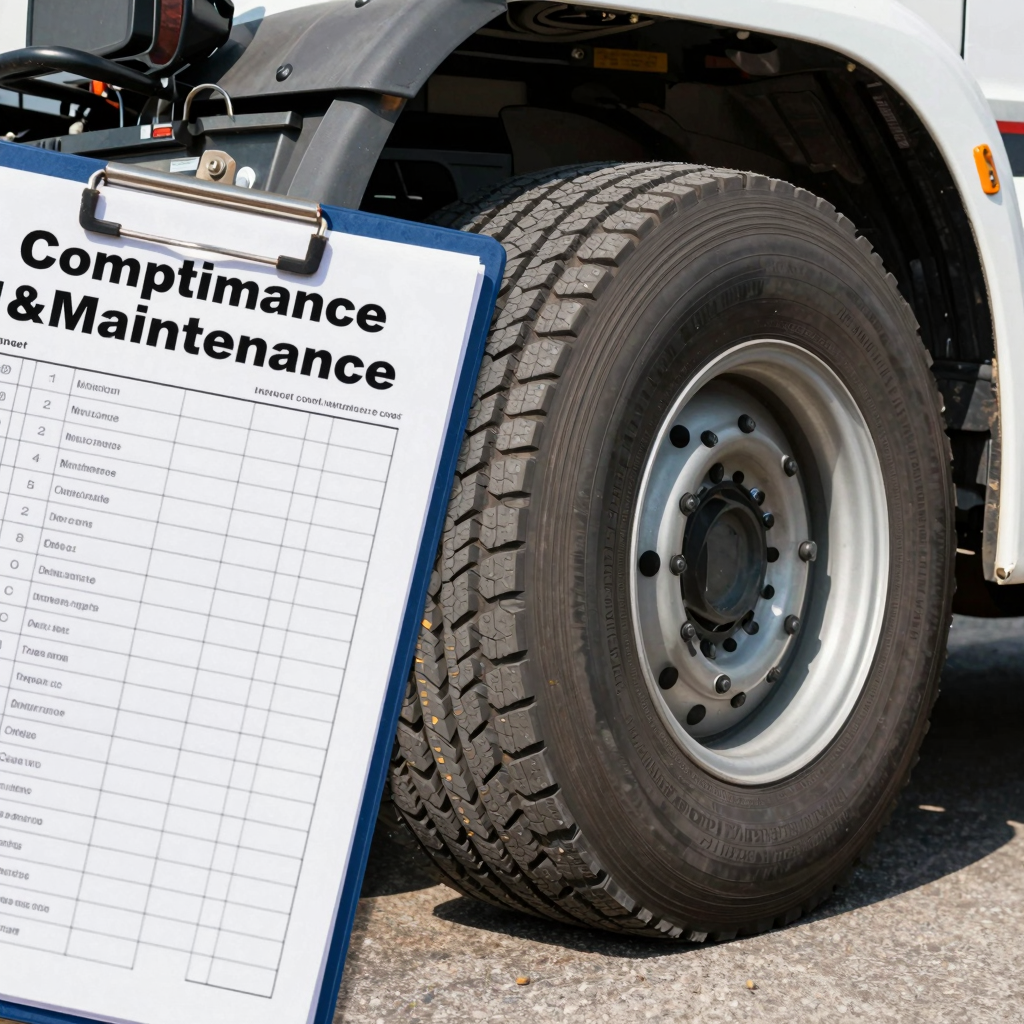
Regular Inspections: FreightCo established a routine inspection program that mandated checking tire depths and overall tire condition at least once a week. By utilizing a simple measuring tool, compliance staff ensured that depth was well above the required minimum.
-
Training and Education: The company invested in training programs for drivers and fleet managers focusing on tire maintenance, emphasizing the importance of adhering to regulation standards. Such training sessions included hands-on demonstrations of measuring tread depth and identifying signs of tire wear.
-
Proactive Replacement Policy: Rather than waiting for tires to reach the legal limit, FreightCo adopted a proactive policy, replacing tires when they reach 5/32 of an inch for all types. This policy significantly mitigated risks related to blowouts or poor handling in adverse weather conditions.
-
Compliance Documentation: The company implemented a comprehensive documentation system that recorded tire inspections and replacements. This not only aided in compliance during audits but also supported warranty claims and maintenance work.
Challenges Faced
During implementation, FreightCo encountered resistance from some drivers reluctant to change their routine. To address this, the management emphasized the value of safety over costs, sharing data on accident rates related to tire neglect.
Lessons Learned
- Invest in Safety: Prioritizing safety through proactive measures enhances overall operational efficiency and driver trust.
- Communication is Key: Keep lines of communication open between management and drivers, fostering a culture of safety.
- Data-Driven Decisions: Utilize data from inspections to guide maintenance schedules, effectively balancing costs with safety needs.
Conclusion
FreightCo’s commitment to complying with tire depth regulations illustrates how logistics companies can implement practical strategies for regulatory success. By reinforcing a safety-first culture and utilizing effective programs, they not only comply with regulations but enhance their operational integrity. Companies in similar sectors can take cues from this case study to strengthen their own compliance strategies.
For more insights on the impact of trailer purchases on margins, learn more here.
Understanding Legal Tire Depth for Commercial Trucks
In the commercial trucking industry, the legal tire depth is a critical factor affecting both safety and compliance. The minimum legal tread depth widely accepted across many jurisdictions is 1.6 mm. However, experts recommend maintaining a tread depth above this threshold to ensure optimal safety.
“Safe tires save lives,” emphasized Stuart Lovatt, chairman of TyreSafe, during a recent tire safety initiative. “Our goal is to educate and inform fleet operators about not just the legal requirements but also the safety benchmarks that matter.”
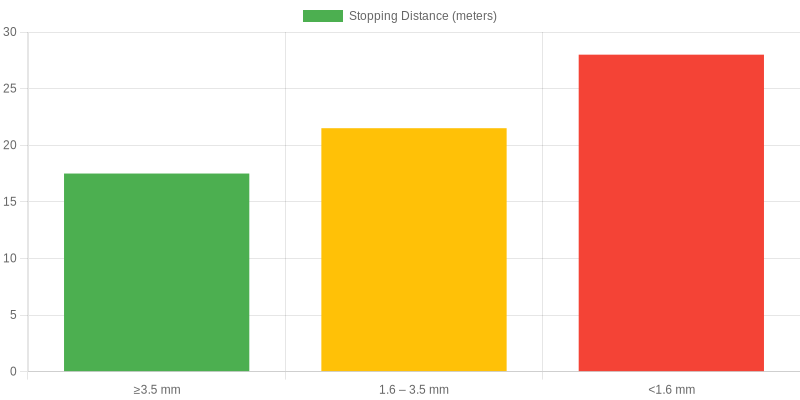
While a tire may meet the legal standard, tires worn down to this limit can severely compromise braking performance and overall control-especially in adverse weather conditions. For instance, research from the European Transport Safety Council (ETSC) shows that vehicles with a tread depth below 3.0 mm experience significantly increased stopping distances and reduced grip on wet surfaces. This is why many industry leaders advocate for a proactive approach to tire management, replacing tires well before they reach legal limits.
Importance of Regular Inspections
Regular inspections are non-negotiable in maintaining tire safety. Fleet owners are encouraged to implement practices that prioritize tire health rather than simply adhering to minimum legal requirements. For instance, the U.S. Department of Transportation enforces a minimum tread depth of 4/32 inches (about 3.2 mm), highlighting the increased safety margin.
Ensuring that your fleet maintains tires in good condition could prevent dangerous accidents, reduce long-term costs associated with tire failures, and enhance overall fleet efficiency. It’s clear that while legal requirements set a baseline, the industry must aspire to higher safety standards for the benefit of all road users.
For more insights on tire safety practices and regulatory compliance, read more about improving truck tire safety.
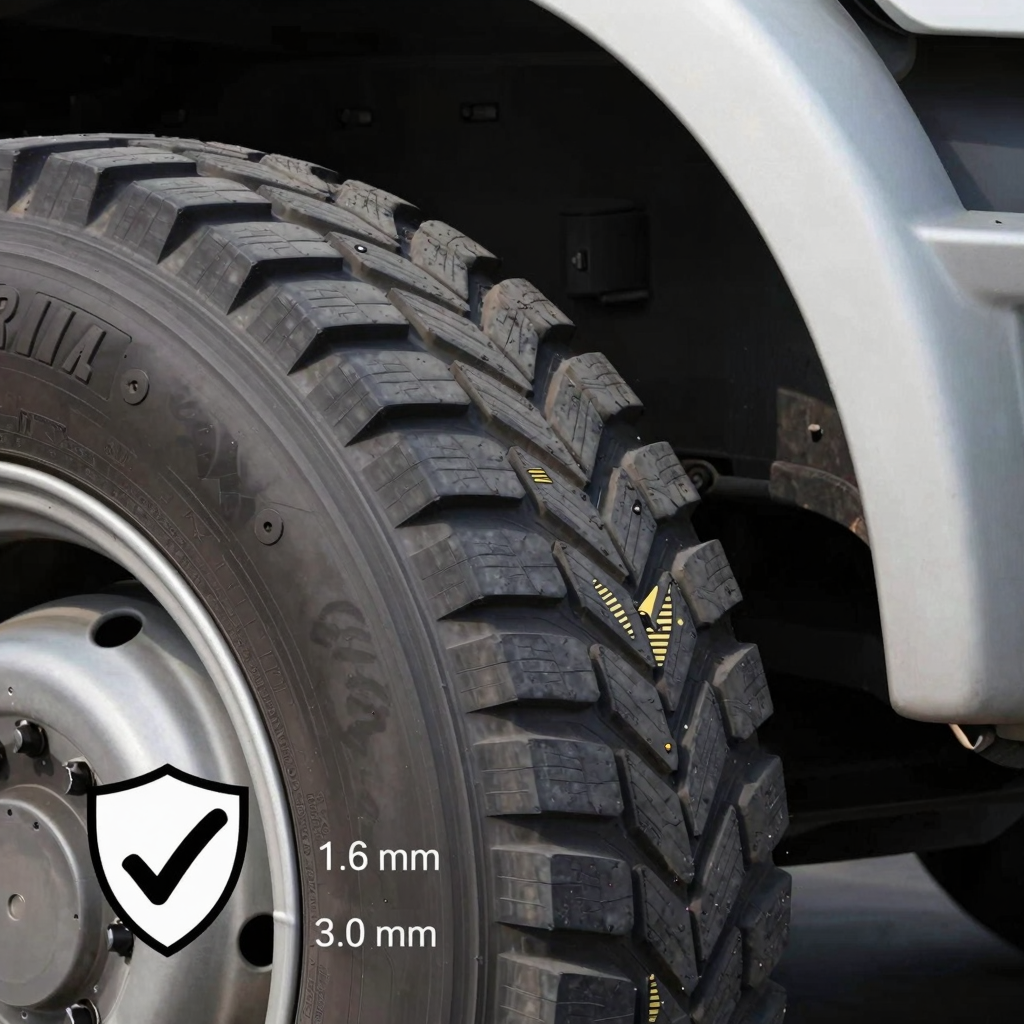
Image Alt Text: A visual guideline on truck tire safety, showing legal tread depth markers and icons representing safety.
Conclusion
In summary, understanding and complying with legal tire depth regulations is crucial for maintaining the safety and performance of commercial trucks. As outlined in the latest regulations set by the Federal Motor Carrier Safety Administration (FMCSA), the minimum tread depth must be at least 4/32 inch for most tires, and 6/32 inch for tires on the front wheels. These specifications are designed to enhance vehicle safety by ensuring adequate traction and reducing stopping distances, especially during adverse weather conditions.
Failure to meet these legal standards can result in serious consequences- vehicles may be placed out of service, and companies face significant fines and increased liability from accidents. For instance, tires worn down to the legal minimum can increase stopping distances by over 28%, placing drivers, passengers, and goods at risk.
Moreover, maintaining proper tire depth isn’t just about compliance; it’s a matter of operational efficiency and cost savings. Low tread depth not only compromises safety but also leads to increased wear on other vehicle components and higher fuel consumption. Thus, companies should adopt a proactive approach to tire maintenance, conducting regular inspections and replacing tires before they reach the minimum depth.
For those in the logistics and transportation sectors, ensuring adherence to tire depth regulations is a responsibility that ultimately contributes to the broader safety of our roads. By fostering a culture of compliance and vigilance, companies can safeguard their assets and uphold their commitment to safety.
For further insights on tire regulations and best practices for fleet management, explore more here and learn about the importance of regular tire inspections.
Tire Selection Criteria for Truck Owners
Choosing the right tires for your fleet is crucial for compliance and safety. Here are key factors that logistics and freight company owners should consider:
1. Legal Compliance
Tires must meet federal regulations, such as a minimum tread depth of 4/32 of an inch (approximately 3.2 mm) for front tires and 2/32 of an inch (approximately 1.6 mm) for rear tires, as established by the FMCSA. Tires below these thresholds are deemed unsafe and may result in compliance violations.
2. Fuel Efficiency
Selecting tires that optimize fuel economy is essential for cost containment. Tires that offer lower rolling resistance can significantly improve fleet performance.
3. Durability
Assess the tire’s ability to withstand various road conditions, which is vital to reduce unexpected breakdowns and operational downtime. Implementing a comprehensive tire management program can enhance safety and performance across your fleet.
By placing emphasis on these tire selection criteria, fleet owners can not only ensure legal compliance but also improve safety and operational efficiency.