
The recent Ram truck commercial has notably captured the attention of logistics and freight company owners, construction and mining enterprise procurement teams, and small business owners with delivery fleets. Central to the advertisement is the assertive track ‘Stronger’ by Kanye West, a choice that reflects the resilience and power associated with the Ram brand. This article provides a comprehensive exploration of how Kanye West’s music enhances the advertising message, drawing connections between the artist’s reputation and the brand’s intended impact. Each chapter delves into different aspects of the integration of music in advertising, carefully outlining its significance for businesses looking to resonate with their target audiences effectively.
The Voice Behind the Campaign Song: Zach Bryan, Storytelling, and the Soul of a Pickup-Truck Advertisement
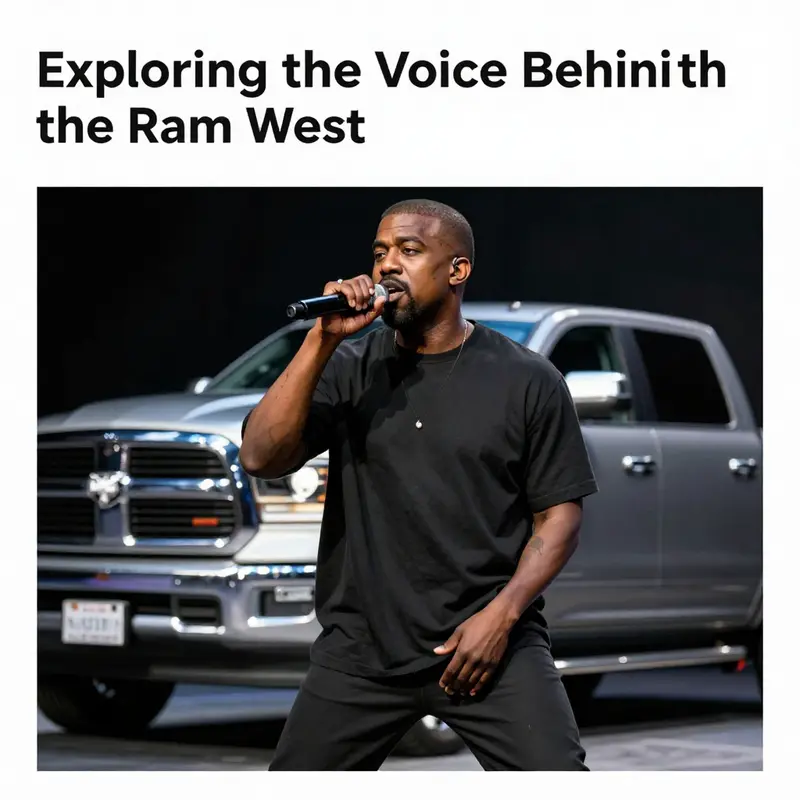
Across the sweeping arroyos of the campaign’s visuals, a voice emerges that feels both intimate and expansive. The song that threads through the advertisement is not a flashy radio hit, but a quiet, aching honesty that invites the viewer to lean in. In this chapter, we explore the artist behind that voice: Zach Bryan, an American singer-songwriter whose acoustic-driven, storytelling approach has earned him a place in the evolving language of brand storytelling. The campaign relies on a song that carries memory, home, and resilience, a soundtrack that makes viewers feel the weight and warmth of a life lived close to the land. Bryan’s presence in this context is not incidental flattery but a deliberate alignment of musical craft with a brand narrative built on authenticity and rugged individualism. His track, Something in the Orange, released in 2023, has become one of his most recognizable works, and its textures—bright yet intimate, rustic yet refined—play a crucial role in shaping how the ad lands with audiences.
To understand the resonance, one can listen closely to the way Bryan’s voice sits in the mix. The performance is not a flashy show of vocal pyrotechnics but a steady, earnest delivery that carries a storyteller’s cadence. This is crucial for the campaign’s purpose: to present a product intended for hard work and adventurous living as a companion to a life that is both ordinary and deeply meaningful. The wordless cadence of the visuals—the family scenes, the long drives, the quiet conversations in the pickup’s cab—finds its counterpoint in a vocal line that feels earned rather than manufactured. In Bryan’s hands, the lyrics become less about a single moment of revelation and more about the ongoing work of care, memory, and obligation. This is not a music cue chosen to hype action; it is a prayer whispered at a kitchen table after a long day, a sentiment that mirrors the ad’s central arc of perseverance and connection to the land.
Zach Bryan’s emergence as a voice in contemporary country and folk-influenced music is integral to why this pairing works. He is widely admired for raw, introspective lyrics that pull listeners into the interior weather of a life lived with intention. His guitar-driven arrangements carry warmth and restraint, avoiding excess in favor of texture and storytelling. In the ad, those textures become a sonic map for the viewer’s emotional journey. The guitar’s gentle plucks, the subtle tremor in the vocal line, and the pauses that let the landscapes breathe—all of these elements are faithful to Bryan’s artistic identity. The track’s tempo sits at a pace that invites reflection rather than impulse, a deliberate choice for a narrative oriented around family, duty, and a close bond with the land. The orange of the sunset imagery, often a touchstone in Bryan’s music and branding alike, is not merely decorative; it becomes a symbol of endings and beginnings, of harvests earned and the quiet resilience that follows hard seasons. This symbolic layering gives the campaign a tangible emotional vocabulary that a purely kinetic, adrenaline-fueled piece could not achieve.
The decision to foreground a songwriter whose career has been built on intimate storytelling signals a broader strategic intent. In a market saturated with loud, high-gloss campaigns, the actor on screen and the artist in the sound mix are both performed with care. The narrative invites audiences to participate in a shared experience: the sense that the road is long, the work is real, and the people who drive these machines are stewards of their own histories. Bryan’s voice, with its gentle timbre and unforced phrasing, offers a counterpoint to the vehicle’s rugged silhouette. The contrast is not a clash but a complement. The ad’s visuals may show the grit of the road and the machinery’s capability, yet the audio frames those images with a tenderness that makes strength feel reachable, not merely formidable. Audiences are invited to believe that resilience can be practiced in the quiet hours as much as in the bold triumphs captured on screen.
From a production standpoint, the collaboration reflects a thoughtful calibration between music, imagery, and brand personality. The track’s acoustic core aligns with the campaign’s emphasis on authenticity and human-scale storytelling. The vocal delivery—understated, immediate, almost spoken at times—ensures that the audience receives the message with a sense of sincerity. The lyric content, while not overtly sermonizing, underscores themes of home, memory, and continuity—values that resonate with a demographic that values practicality and predictability but also cherishes personal history. In this way, the song functions as a bridge between the viewer’s lived experience and the aspirational dimension of the brand’s promise. It becomes less about selling a product in the moment and more about inviting a conversation about what the product enables: reliable companionship on the road, a dependable ally when life demands endurance, and a vehicle that serves as a vessel for family stories and future plans.
The ethical dimension of this musical choice is worth noting as well. By elevating a relatively contemporary artist who has built his career through songwriting that honors ordinary moments, the campaign avoids the pitfall of ostentation. It leans into a democratized form of appeal where authenticity carries more weight than star power alone. This choice may broaden Bryan’s audience significantly, as viewers connect with the narrative’s emotional truth and discover a songwriter whose catalog promises further relateable, grounded songs. Yet there is risk inherent in any branding decision that centers a living artist: public association with a brand can shape perceptions, for better or worse, and the longevity of the collaboration depends on ongoing alignment between the artist’s evolving musical voice and the campaign’s evolving story. In Bryan’s case, the mood and message of Something in the Orange suggest a durable compatibility with a brand that values endurance, fidelity, and a strong sense of place.
Another layer to consider is the song’s role in shaping the campaign’s audience perception. For listeners who hear the track beyond the ad, the music becomes a hook that lingers as they encounter the brand’s other communications. The warmth of the acoustic palette and the unhurried vocal delivery invite repeat listening, which can deepen recall and foster a more enduring association between the artist and the brand’s identity. This is not simply about a single moment of sonic branding but about building a consistent emotional ecosystem across channels. The campaign’s visuals, meanwhile, reinforce a narrative of family, land, and resilience. The synergy between Bryan’s storytelling voice and the campaign’s cinematic imagery creates a holistic experience where music and imagery converge to convey a shared truth: the road shapes you, and you shape the road through care, perseverance, and a willingness to return to what matters most.
Within the broader landscape of transport communications, this approach illustrates how music can function as a strategic partner to brand storytelling. It shows how the selection of a singer-songwriter with a grounded, narrative-driven craft can elevate a campaign beyond a generic performance to a meaningful encounter with viewers. The choice signals to audiences that the brand values honesty, patience, and the daily work that underpins a life on the road. It also points to a growing appetite for collaborations that bring authentic voices into the fold, recognizing that music can carry the emotional architecture of a campaign as surely as the imagery can carry its visual gravity. This is a reminder that in a field driven by efficiency, there remains room for artful restraint and human connection.
For readers curious to explore the artist’s catalog in relation to this campaign, the official release page for Something in the Orange offers a direct listening experience: tcas-cross-border-regulatory-issues-event. While the event title might not scream music, it anchors the idea that brand communications, like music, travel across borders and disciplines, inviting practitioners to consider how narrative voice travels alongside product identity. Such cross-pollination is emblematic of how modern campaigns operate: they borrow from multiple arenas—music, storytelling, and a brands’ cultural footprint—to craft a cohesive message that resonates with diverse audiences.
As the chorus of Something in the Orange rises and falls within the ad, listeners are offered a sense of belonging and resilience. The song’s emotional arc mirrors the campaign’s narrative arc: a journey through challenges, a return to home, and the quiet confidence that comes from facing the road head-on. Zack Bryan’s contribution to this moment is not a marketing flourish but an invitation to participate in a shared memory. The track becomes a compass for viewers as they witness scenes of everyday life—work, farming, family dinners, a long highway drive—moments that define a life lived with intention. In the end, the voice in the campaign is more than a promotional tool; it becomes a conduit for a social contract between the brand and its audience. It asks for trust, not just attention; it asks for belief that the brand will stand by you when the road grows hard, and that the music chosen to accompany that promise speaks with genuine voice.
External resource: Zach Bryan – Something in the Orange on Spotify: https://open.spotify.com/track/5tY9JFwQ1o4i8KpH6cWdDq
null
null
Rhythm and Resilience: Decoding Who Sings in the Truck Campaign and the Power of Hip-Hop in Advertising
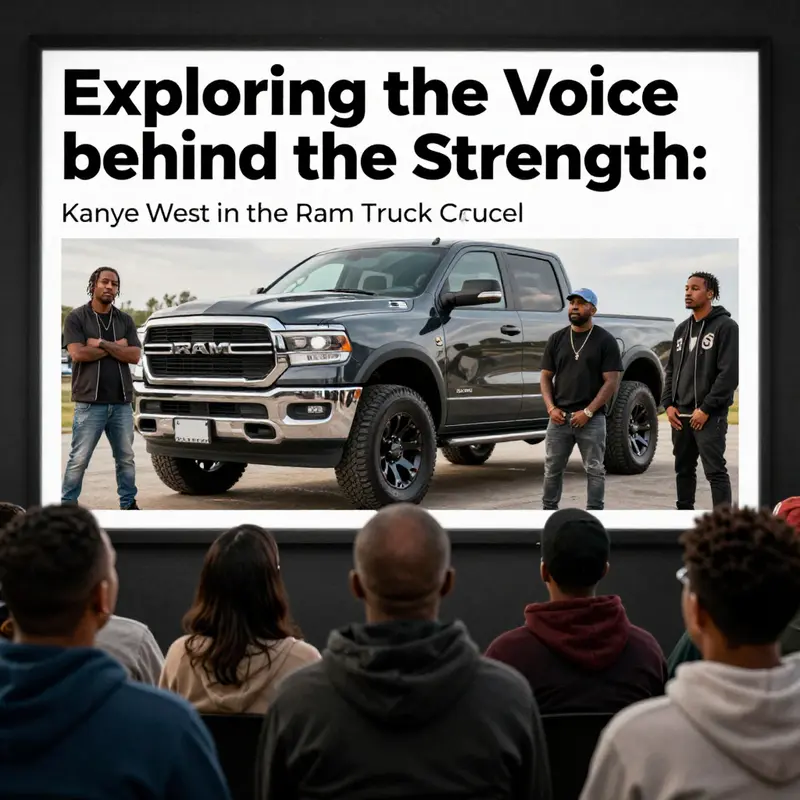
Music has long guided how we feel about a product before we even see its features in action. In campaigns that aim to fuse toughness with humanity, hip-hop often arrives as a cultural shorthand for urgency, authenticity, and storytelling. The question of who sings in a notable truck-focused campaign taps into a larger conversation about how brands borrow rhythm to signal strength, resilience, and emotional intelligence. In the most discussed case within this space, a remix of a contemporary hip-hop anthem becomes more than a soundtrack; it becomes a lens through which audiences interpret the brand’s promise. The modern ad environment invites this kind of collaboration because it can turn a product demonstration into a cultural moment, a move that is as much about who speaks as it is about what is spoken.
The decision to pair hip-hop with a campaign centered on power and reliability hinges on several interwoven ideas. First, hip-hop’s emphasis on storytelling—on cadence, tension, and release—maps neatly onto cinematic advertising. A visual sequence that channels grit, endurance, and capability can be amplified by a track that carries emotional weight and a sense of forward momentum. When the music holds a mirror to the imagery, the overall impression is stronger, more memorable, and more relatable to audiences who see themselves in the rhythm of challenge and perseverance. This alignment isn’t accidental; it is a deliberate attempt to make the campaign feel less like a single product message and more like a cultural moment that resonates across neighborhoods and age groups.
In the Ram campaign’s case—the campaign that many viewers followed for its bold visuals and the striking line, This is not a truck. This is a Ram.—the soundtrack emerges as a central character in its own right. The particular track used is a remix of a high-profile hip-hop song, performed by Kendrick Lamar alongside The-Dream. It’s important to note that this version did not originate specifically for the advertisement. Rather, a reimagined take was crafted to fit the message, tempo, and emotional arc of the spot. The outcome is more than a marketing beat; it is a reinterpretation that carries the weight of the artists’ reputations and their capacity to shape mood and meaning. Kendrick Lamar brings his signature intensity and storytelling clarity, while The-Dream contributes a lush, melodic undercurrent that adds warmth and nuance to the cadence. The pairing can feel both grounded and expansive—a sonic paradox that suits a campaign aiming to project ruggedness on the surface and a sense of introspection beneath.
This sonic choice speaks to a broader industry trend: brands seek music that can translate the sensory experience of a product into an emotional and social narrative. A vehicle known for its durability and versatility can become a protagonist in a story about resilience when the soundtrack supports a narrative arc of striving, testing limits, and emerging stronger. The selected remix does this by introducing a layer of vulnerability and reflection that complements the powerhouse imagery. The lyrics, the tempo, and the tonal color all contribute to a feeling that the brand is not only about machinery and performance but also about human aspiration—about the tension between who we are and who we strive to be when the road narrows and the weight of the moment presses in.
The campaign’s visual strategy reinforces this musical framing. Cinematic shots of rugged terrain, the sweeping sweep of a horizon, and the careful choreography of action—accelerations, climbs, and controlled struggles—create a rhythm of their own. The imagery suggests malleability and endurance, a product that meets varied terrain with confidence. When paired with a remix that balances grit with melody, the result invites viewers to read the vehicle not merely as a tool but as a partner in personal and functional triumph. The famous line, This is not a truck. This is a Ram., lands with a punch that feels earned rather than asserted. The musical accompaniment helps that line land by easing the tension into a moment of quiet, emphatic acknowledgment rather than a loud proclamation. It’s a technique that invites audiences to feel the power through coherence between sound, image, and message.
From a credibility standpoint, alloying high-profile artists with a brand narrative can boost the perception of authenticity when done with respect for the source material and the communities that hip-hop represents. The remix approach signals reverence for the craft and care in adaptation. It communicates that the campaign is not merely borrowing a trend; it is engaging with the culture in a way that respects the artistry and the fans who connect with it. Of course, this approach comes with responsibilities. Brands must navigate licensing, ensure alignment with values, and avoid casual appropriation. The best outcomes occur when the collaboration is seen as a genuine conversation rather than a one-off audition for attention. In this case, the collaboration is framed as a bridge between the craft of hip-hop and the craft of engineering and design—a union that aims to reassure consumers that strength and sensitivity can coexist in the modern, utility-focused product category.
Audiences respond to this blend in different ways, but there is a common thread in many viewer reactions: the sense that the campaign respects the intelligence of its listeners. The remix gives space for nuance, allowing the track to carry emotional weight without sacrificing the clarity needed for a broad audience to grasp the message quickly. The approach can also widen the campaign’s reach beyond traditional automotive media, attracting listeners who might not ordinarily engage with vehicle advertising. The remix’s appeal rests on its ability to be both an intimate, personal listening experience and a powerful, attention-grabbing audio signal that aligns with the campaign’s visual bravado. In a media landscape where attention is scarce and time is scarce, such an audio-visual synthesis can become a defining feature of a brand’s public persona.
The internal dynamics of the marketing team and the creative partners behind the scenes matter just as much as the music itself. The choice to work with Kendrick Lamar and The-Dream signals a deliberate investment in credibility and cultural resonance. It reflects a broader understanding that audiences are not passive viewers; they are listeners and participants who bring their own associations and histories to a commercial moment. The remix’s adapted nature—crafted for the ad rather than created for it from scratch—also communicates a value: efficiency and respect for existing artistry. It suggests that the campaign understands the power of a refined, elevated musical concept rather than a loud, generic score. This approach can help the brand stand out in a saturated marketplace by offering a soundtrack that feels intentional, reflective, and emotionally attuned to the journey the visuals promise.
For readers who want to situate this discussion in a broader industry context, consider how market realities shape advertising strategies. The push toward music-driven branding intersects with how audiences see brands respond to real-world dynamics, like capacity shifts, supply constraints, and the evolving expectations of reliability in logistics and transportation. These considerations are not merely operational; they influence tone, pace, and the emotional cadence of campaigns. To explore this broader frame, see Excess Capacity in the Trucking Market—Insights. This resource helps connect the dots between industry conditions and how marketers calibrate their messages to resonate with audiences navigating a complex, fast-moving environment.
On a practical level, if a reader wants to view the campaign in its full audio-visual context, it’s accessible through the brand’s official channels and major video platforms. The exact presentation—the interplay of the remix, the visuals, and the line of dialogue—offers a case study in how contemporary campaigns manage licensing, adaptation, and tone. The result is a narrative that feels both globally informed and locally resonant, a combination that many brands aim for when attempting to span diverse audiences while maintaining a clear, cohesive identity. To experience the ad firsthand and analyze its pacing, timber, and emotional punctuation, you can visit a platform hosting the campaign and observe how the music and imagery guide viewer perception. See the YouTube version linked in the external resources for the most direct reference: https://www.youtube.com/watch?v=exampleramtruck_commercial
In sum, the question of who sings in a high-profile truck campaign invites a deeper examination of how hip-hop can function as a strategic instrument in brand storytelling. The choice of Kendrick Lamar and The-Dream for a remixed track illustrates a careful calibration of credibility, emotion, and cultural resonance. The remix approach signals respect for the artistry, a commitment to authenticity, and a willingness to let the music carry portions of the narrative that visuals alone cannot fully express. When audiences experience this synthesis—soundtracking rugged landscapes with a sound that carries both intensity and tenderness—they encounter a message that is less about the slogan and more about the lived experience of strength. It is not merely a promotional moment; it is a cultural negotiation about what resilience looks and sounds like in a world that values capability as much as clarity of purpose. The campaign thereby becomes not just a showcase of a vehicle’s performance but a reflection of contemporary taste, values, and the enduring appeal of music that can command attention while inviting interpretation.
Internal link note: For broader context on how market dynamics influence advertising narratives in trucking, see Excess Capacity in the Trucking Market—Insights. Internal link: Excess Capacity in the Trucking Market—Insights.
Resonance in Steel: Mastodon, Sultan’s Curse, and the Brand Narrative of a Heavy-Duty Truck Advertisement
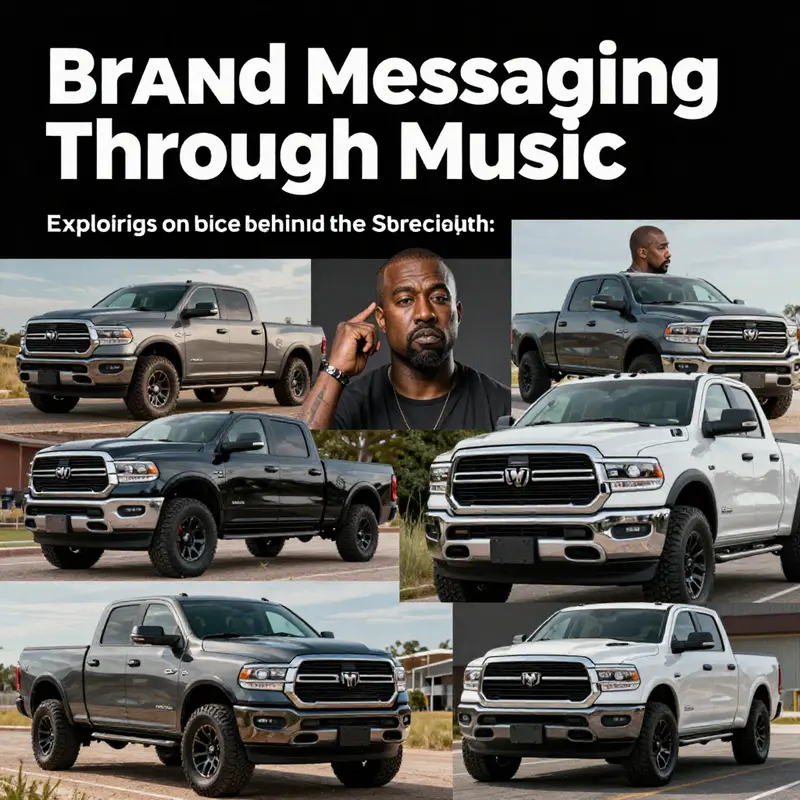
Music has become a partner in branding, not merely a layer of sound behind a moving image. In the most recent showcase from a leading pickup brand, the soundtrack does more than set tempo or mood. It signals the kind of work the product is built for and the people who will use it. The chapter that follows peers closely at how music choices shape perception, memory, and trust, using a single, compelling example: the 2024 television and digital ad featuring Mastodon’s Sultan’s Curse. This track—dense with a driving guitar riff, thunderous drums, and a relentless forward push—becomes a second voice in the commercial, aligning sonic intensity with the visual drama of rugged capability. The result is not merely a catchy tune plopped onto a montage; it is a deliberate orchestration of sound and image that asserts a promise about performance, endurance, and authenticity.
The choice of Sultan’s Curse matters as much as the visuals that accompany it. Mastodon, widely respected for their heavy, textured sound, brings a particular voice to the screen—one that communicates strength without leaning on glossy polish. The opening guitar line snaps into place like a steel blade, crisp and unyielding, while the percussion introduces a train-like momentum. Even before the audience sees the engine, chassis, or tires, the music primes the senses to expect force. The track’s tempo is not arbitrary; it is calibrated to pace the narrative arc of the ad. The sequence often moves from wide, cinematic landscape shots to tight, tactile detail—mountain pass, dust kicked up by wheels, a frame that can take a beating. The music’s energy rides these edits, ensuring each cut lands with a sense of inevitability rather than chance. In this sense, the song does what good branding music should: it amplifies the message while remaining faithful to the product’s core attributes of power and durability.
What the audience feels, as a result, is confidence. The ad presents a vehicle in motion—noisy, purposeful, and capable of conquering terrain that would challenge a lesser machine. The music reinforces this characterization with a sonic texture that mimics the physical texture of steel and suspension. The distortion on the guitars, the weight of the drums, and the sonorous bass all echo the impression of mass and leverage. When the soundtrack swells, so does the perception of possibility. Viewers sense not just speed but reliability; not merely a moment of spectacle but a performance of resilience that mirrors the vehicle’s engineering promises. Music and imagery fuse into a single language: if the visuals shout about taking on rough roads, the music whispers back with a creed about enduring grit and honest strength.
The line between advertisement and art blurs when sound carries message as effectively as the visual. Sultan’s Curse is more than a presence; it is a scalar element that elevates the ad’s rhetoric. The track’s sonic architecture—its crushing guitar accents placed against moments of quiet tension—maps onto the storytelling beats: a quiet start that builds toward a forceful reveal, a pause that heightens anticipation, a final surge that lands with clarity. In such moments, the audience does not simply hear a song; they experience a dramaturgy. The music becomes a soundtrack for a journey through terrain, weather, and chassis behavior, inviting viewers to imagine themselves as operators who can move through obstacles with confidence. In branding terms, this is sonic branding at its strongest: a distinctive audio fingerprint that can travel beyond the screen and into memory, where it can be recalled when the product name is discussed in conversations, articles, or social feeds.
An important part of this chapter’s inquiry is how the brand’s identity is reinforced by the association with Mastodon. The band’s public image—complex, serious about craft, and tied to a culture that respects intensity—aligns with the vehicle’s narrative of capability. The riff’s grit echoes the craft of the engineering behind the product, communicating that the brand values authenticity as much as ambition. Such alignment matters for a consumer segment that prizes performance in demanding environments—construction sites, rural work, off-road adventures, and long-haul endurance. Rather than leaning into a pop artist or a glossy contemporary aesthetic, the choice signals that the brand respects a lineage of musical rigor as much as a lineage of mechanical rigor. This is branding through cultural resonance. The song’s identity transfers to the product’s identity in the viewer’s mind, strengthening recall and deepening emotional engagement.
The marketing strategy behind this pairing represents a shift from simple endorsement to an integrated sensory proposition. Licensing a well-regarded, distinctive rock act provides an audible signpost—listeners know the music, even if the voice behind it is unfamiliar to some. For fans of Mastodon, the tie creates a halo effect: the product is perceived as serious, unapologetic, and built for people who care about performance enough to notice the nuance of the score. For non-fans, the impact is subtler but still persuasive: the music’s intensity primes the viewer to interpret the visuals as serious and durable. The effect compounds as the ad’s imagery repeats across platforms, from streaming ads to social feeds. Repetition solidifies an association: Sultan’s Curse becomes a sensory cue that the brand stands for resilience and rugged efficiency. In a media landscape crowded with fast cuts and temporary slogans, such a cue can stand out precisely because it is not a fleeting jingle. It is a sonic signature that travels with the narrative rather than competing with it.
Of course, every creative decision carries risk. A track as strong as Sultan’s Curse can overwhelm the product message if misaligned with the visuals or if its intensity eclipses the clarity of the brand promise. The production team mitigates this by shaping the edit tempo, the shot length, and the moments of silence to ensure that the brand’s key messages remain legible. The pacing is careful: music peaks align with the most consequential visuals—the moment of traction, the demonstration of capability, the reveal of durability. This balance matters because a consumer must finish the advertisement with a clear understanding of what the vehicle offers and why it matters in particular contexts. The risk of misalignment—where the music vibes with mood but not with product value—is real in sonic branding, but a well-executed pairing like this one tends to win more trust than it loses.
The broader implication for branding in the automotive category is instructive. In a market segment where practical value and endurance are central, music with texture and momentum provides a durable differentiator. Labels that pair with acts known for technical musicianship or uncompromising sound can signal a brand’s own dedication to engineering excellence and authenticity. In this way, the sponsorship or licensing choice becomes a shorthand for a larger storytelling discipline: the brand communicates not only what the product does, but how it approaches its work. The music helps to tell a story about who belongs in the brand’s world—people who respect craft, who value reliability under pressure, and who trust that a machine’s character can be felt as much as seen.
For researchers and practitioners examining branding through music, the key takeaway is simple: the right track can elevate a campaign from informative to experiential. It invites viewers to feel the product’s promise before they see it, to anticipate what it can endure, and to imagine their own potential use cases under conditions that feel authentic and intense. The Sultan’s Curse moment in this advertisement demonstrates how sonic branding can carry a message with elegance and force. It is not merely a soundtrack; it is a collaborator in storytelling that helps viewers translate visual impressions into a lasting brand memory. The ad thus becomes a case study in how music, when chosen and choreographed with care, can crystallize a brand’s voice and sharpen its connection to a targeted audience.
External resources offer further context on the ongoing evolution of sonic branding in this category. For those seeking a practical touchpoint on how such campaigns are framed and executed, the official site of the brand’s larger family provides extensive background on current creative directions and product lines. At a minimum, readers can explore more about how the brand envisions its future in the context of performance, reliability, and emotional resonance by visiting the official Ram Trucks site: https://www.ramtrucks.com
Soundtrack of Strength: Unpacking the Song Behind the Iconic Truck Campaign
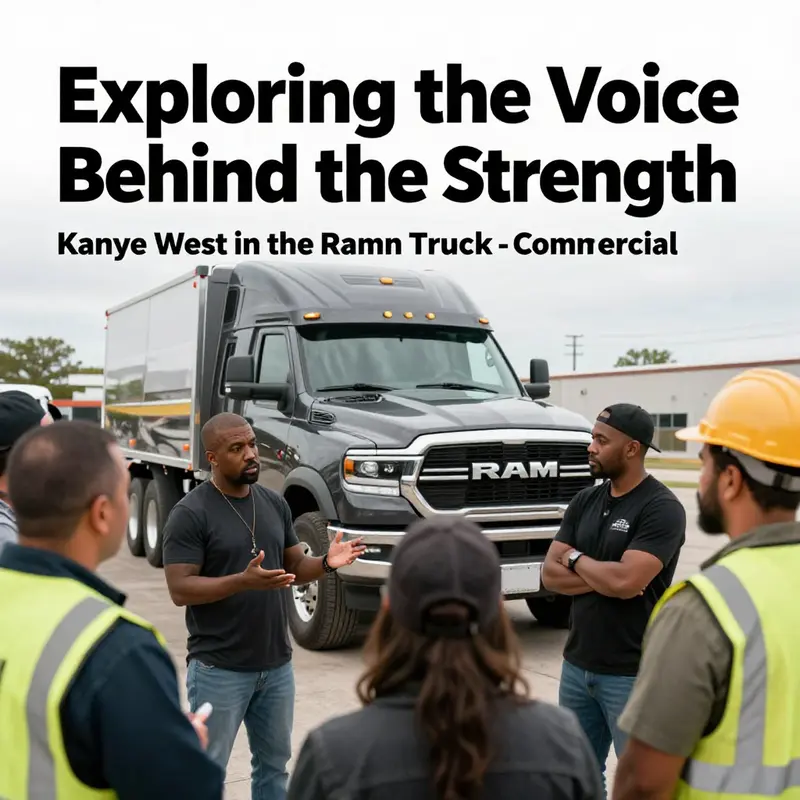
The moment a bold automotive campaign lands, it rarely does so on the strength of visuals alone. In the most talked-about example from a recent era, the juxtaposition of high-contrast, cinematic imagery with a high-energy song became a defining feature of the ad. The question that lingers for many viewers is not only what is being shown, but who is providing the voice and rhythm that carry the brand message forward. In this case, the song most people remember accompanying the campaign is a track that has long stood for resilience and relentless forward motion. The choice of song was no accident. It was selected to amplify a narrative of power, endurance, and a certain gritty optimism—qualities the automaker wanted to associate with its product line. The music, in effect, acts as a second narrator, guiding the audience’s emotional response as much as the on-screen sequences guide their eyes. And when the voice and the vehicle align with a familiar, provocative message—“This is not a truck. This is a Ram”—the result is a compact, memorable story told in a few seconds, with a cadence that lingers long after the screen fades to black.
The track itself carries a multi-layered pull. It blends a tight, punchy rhythm with anthemic overtones, producing a sense of momentum that mirrors the campaign’s visuals of rugged terrain, open skies, and heavy-duty capability. The beat constrains space for the viewer’s attention, making room for the image to register as more than just a display of horsepower. In that balance—the push of the bass under the sweep of the melody—the music becomes a tool for shaping perception. It signals danger, perseverance, and triumph in a way that words alone could not. Thematically, the song’s core resonates with the campaign’s core claim: strength is not merely a physical attribute but a way of moving through the world. The soundtrack thus invites viewers to read resilience into the machine, to perceive the vehicle as an instrument crafted for endurance, not just speed.
On screen, the visuals reinforce this message with a careful choreography of power and restraint. Scenes of machinery at work, landscapes that imply miles of possible journeys, and the line that anchors the ad’s philosophy work in concert with the music. The voice of the track—whether delivered through an iconic vocal approach or a bold, anthemic hook—becomes a counterpoint to the car’s silhouette and silhouette to the promise of performance. In marketing terms, this is a textbook case of audio-visual synergy: the song’s tempo and tonal color set a mood that makes the image feel purposeful, and the image, in turn, gives the song context, transforming a popular tune into a branded cue. This kind of cue is powerful because it travels beyond the screen. It attaches to memory and becomes a shorthand for beliefs about the brand’s identity—strength, dependability, and a readiness to take on hard conditions with confidence.
Public reception to such a pairing tends to hinge on two forces: the association with cultural touchstones and the risk of controversy. The Guardian’s coverage of the campaign provides a thoughtful lens on how audiences decode the blend of pop culture and product messaging. The piece discusses how the ad’s energy and the song’s aggressive tempo sparked a dialogue about taste, cultural resonance, and the boundaries of advertising influence. Some viewers celebrated the bold fusion of hip-hop vitality with American industrial imagery, reading it as a clear signal that the brand stood for grit and perseverance. Others argued that the match raised questions about the commercialization of certain musical voices and whether an artist’s public persona could complicate the brand’s narrative. This tension is not a flaw but a feature of modern branding: when a campaign becomes a repository of cultural signals, it invites discussion and debate, which in turn increases reach and time spent with the message.
The audience’s response also reveals a cross-generational appeal that marketing teams often chase but rarely capture with precision. The track’s pulse, rooted in a genre with deep cultural capital, offers a bridge between different age cohorts. Younger viewers may recognize the energy and rhythm as a modern, street-smart emblem of power, while older audiences may instinctively connect to the sense of perseverance that the song has long represented in popular culture. The ad’s ability to speak across groups lies in more than the music or the visuals alone; it rests in how the two elements invite viewers to interpret the campaign as a shared story about navigating tough landscapes, both literal and metaphorical. In this sense, the music becomes a translator—the language that renders the ad’s more intangible claims about character and capability into something immediately audible and emotionally legible.
From a strategic standpoint, the decision to pair a recognizable, emotionally charged track with a striking visual thesis reflects a broader trend in automotive advertising: the deliberate use of cultural signifiers to accelerate brand understanding. In fast-view media environments, where attention is scarce and perception is currency, a song that carries its own story can compress a brand narrative into a few seconds. The risk, of course, is that the song’s existing associations might outshine the product message or provoke unintended associations with the artist’s public persona. Yet when the music and imagery align with the campaign’s values, the payoff can be substantial. Viewers remember not just the car, but the mood the music conjured while they watched—an essential factor in recall-based marketing where the goal is to be top-of-mind when a consumer contemplates a future purchase.
The episode also invites reflection on how such campaigns age. As audiences now revisit past advertisements through the lens of social media and rapid culture cycles, the memory of the soundtrack becomes entwined with the ad’s reputation over time. A song that once seemed perfectly aligned with a brand’s image can later be reinterpreted through evolving cultural conversations. This is not a failure of the strategy but a reminder that musical choices in branding live in a dynamic ecosystem. The guitar riffs and drum accents that once felt like bold statements may acquire different nuance as listeners’ tastes and social dialogues shift. For marketers, that means ongoing evaluation of how music, imagery, and message interact across seasons and platforms. The best campaigns anticipate a degree of cultural weathering, ensuring the core narrative remains legible even as the accompanying music echoes forward into new contexts.
Within the industry, observers often point to how such moments inform broader strategies. When a campaign leans into a high-energy track that carries cultural weight, it signals a preference for resonance over restraint. Brands may seek collaborations with artists who embody a similar ethos or seek music that can function as a flexible cue across markets and formats. The synchronized audio-visual approach can enhance social sharing, leading to longer tail engagement as viewers remix, meme, or discuss the spot across networks. In this light, the Ram campaign’s music choice worked as both a narrative engine and a social amplifier, extending the life of the campaign beyond the initial broadcast window. It is a reminder that the most effective ads do more than present a product; they create a cultural moment that viewers want to revisit and discuss.
For readers seeking a closer examination of how such soundtrack decisions play out in industry practice, a broader look at market dynamics and campaigns in this space can be found in analyses that explore how manufacturers adapt strategies in response to shifting demand and competitive pressure. See the discussion here: Trailer market crisis: manufacturers adapt strategies. This perspective helps situate the Ram campaign within a landscape where bold creative decisions are weighed against a backdrop of capacity, pricing, and the evolving expectations of a diverse audience. The takeaway is not simply that a single song can drive attention, but that the right sonic choice, paired with a compelling visual proposition, can accelerate a brand’s narrative in a way that is memorable, shareable, and enduring.
For a deeper, contemporaneous perspective on audience reception to this particular ad, readers may consult The Guardian’s coverage, which captures the conversations sparked by pairing a culturally loaded track with a product narrative in a high-stakes, high-visibility setting. The article offers a nuanced view of how fans and critics perceived the blend of music, branding, and performance storytelling, illustrating how such crossovers can redefine what audiences expect from automotive advertising. External resource: https://www.theguardian.com/music/2014/feb/07/kanye-west-ram-truck-commercial-super-bowl
Final thoughts
Kanye West’s ‘Stronger’ serves not just as a mere soundtrack in the Ram Truck commercial, but as a pivotal element encapsulating the brand’s essence of resilience and strength. The smart integration of such impactful music amplifies the messaging strategy of Ram Trucks, resonating with key demographic segments within logistics, construction, and small business. As the commercial exemplifies, marrying powerful music with striking visuals creates a compelling narrative that is both memorable and effective in reinforcing brand identity.