
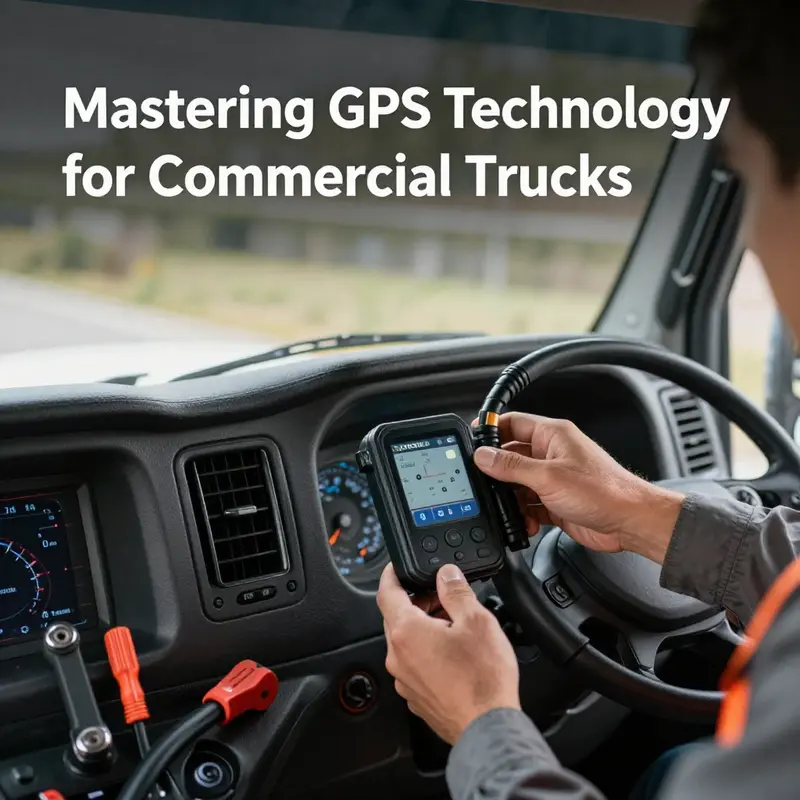
In today’s logistics landscape, the effectiveness of fleet management is paramount for succeeding in a competitive environment. Utilizing GPS technology in commercial trucks not only enhances operational efficiency but also contributes significantly to safety, cost management, and regulatory compliance. This guide delves into the installation and activation of GPS systems, how to access vital tracking data, key features that enhance fleet visibility, advanced solutions integrating with ERP systems, and the myriad benefits that GPS provides to trucking operations. Through a detailed exploration of these facets, we aim to equip logistics, procurement, and delivery professionals with the knowledge necessary to harness GPS technology fully.
null
null
Real-Time GPS Data for Fleets: Access Across Mobile, Web, and SMS
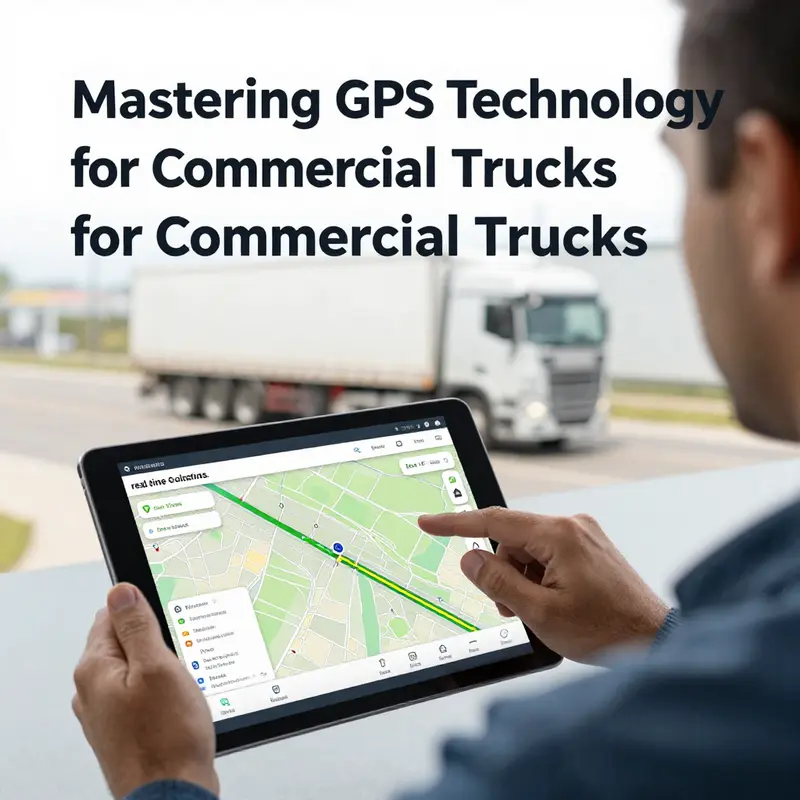
A fleet operations center now rests on a single, live picture of each vehicle. Access to GPS data has moved beyond a single dashboard to a triad of channels—mobile, web, and SMS—that together keep drivers moving and managers informed. When location, speed, and route status update in near real time, decisions accelerate without sacrificing security or auditability.
Mobile access provides the fastest touchpoint: a purpose-built app that shows live positions on a map, status codes like moving or idle, ETA estimates, and alerts for deviations. Alerts can be pushed to the dispatcher to flag overspeed, unexpected stoppages, or geofence violations, reducing the need for constant phone calls.
The web portal adds depth: historical playback, performance comparisons, and exportable reports for compliance. It supports audits of deliveries, analysis of idling, and measurement of route efficiency over shifts or days.
SMS-based queries serve as a resilient fallback in low-connectivity areas. A lightweight request returns a snapshot of status by vehicle or fleet ID, enabling quick checks without launching an app or browser.
Beyond interfaces, the data backbone matters: robust signal reception, graceful handling of brief gaps, encryption in transit and at rest, and role-based access control to preserve privacy and security.
When GPS data teams with maintenance logs, fuel records, and driver performance data, fleets gain richer analytics—fuel optimization, proactive maintenance, and better capacity forecasting.
Ultimately, the goal is situational awareness, not micromanagement. Real-time GPS data across channels supports daily rerouting and load matching, while also informing strategic decisions about routing networks, corridor efficiency, and regulatory reporting.
Real-Time Visibility, Alerts, and Fleet Mastery: How GPS Shapes Commercial Truck Operations
Real-Time Visibility, Alerts, and Fleet Mastery: How GPS Shapes Commercial Truck Operations
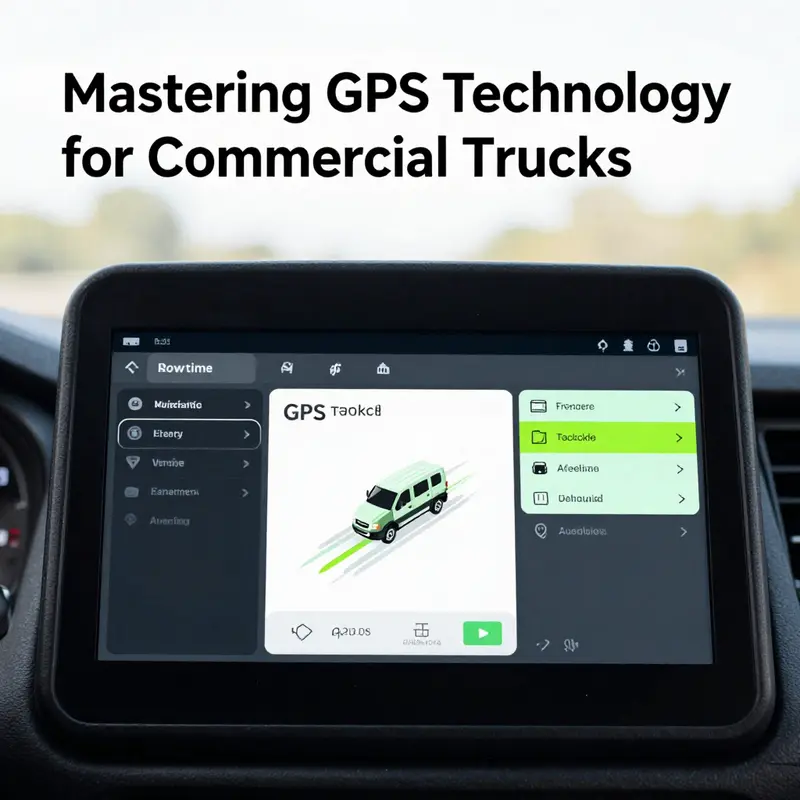
Seeing a truck on a map is only the beginning. Modern GPS systems for commercial fleets deliver continuous, real-time visibility that turns scattered movements into coordinated progress. Rather than a static pin on a screen, the truck becomes an event in a living data stream. The core benefit is straightforward: when managers know exactly where a vehicle is, they can align schedules with reality, respond to deviations instantly, and preserve the reliability that customers expect. But the full value emerges only when this visibility is coupled with the right data channels, decision-support tools, and disciplined processes that translate raw coordinates into actionable decisions.
Behind real-time tracking lies a robust tapestry of connectivity and positioning. GPS devices in commercial trucks rely on multiple networks to maintain constant contact with a cloud-based platform. The integration of satellite positioning with terrestrial networks—such as 4G or other fast data services—ensures that location, speed, and status remain current even in challenging environments. This is not about a single data point; it is about an ongoing dialogue between the truck, the device, the network, and the management software. Dispatchers can monitor the live location of each asset from a mobile app, tablet, or desktop dashboard, which provides a consolidated view of the fleet’s movements. The immediacy of this data supports proactive decisions, such as rerouting a late shipment before the driver crosses the next intersection or guiding a driver back to the preferred corridor when a detour threatens service levels.
The real-world implications extend beyond mere position. When a driver is en route, the system records speed, idle time, and turning behavior, feeding a continuous stream of indicators that profiles efficiency and safety. This is not about surveillance for its own sake; it is about understanding the day-to-day rhythms of a fleet. For example, a persistent pattern of idling at a particular location can suggest opportunities to switch to a pre-warmed engine setup, manage climate control more efficiently, or adjust scheduling to minimize unnecessary hold times. Route playback, another facet of real-time systems, provides a precise replay of the path taken over a shift or a delivery window. Managers can verify stop durations, confirm the sequence of stops, and compare actual routes with planned ones to identify both bottlenecks and opportunities for improvement.
Accessibility is a key ingredient. Fleet personnel can interact with the data wherever they are—through a smartphone app during a roadside check, via a web portal in the dispatch office, or even through lightweight SMS or messaging interfaces that deliver status updates to a driver’s on-board screen. This multi-channel accessibility is essential in a field where decisions can be time-sensitive and the pace of operations varies from urban rush hours to the remote stretches where a highway becomes a corridor of uncertainty. The common thread is that real-time tracking is not a luxury; it is the backbone of responsive, accountable fleet management.
But real-time tracking does not exist in isolation. Its true power emerges when combined with smart alerts and boundary controls that keep operations aligned with policy, safety, and customer commitments. Geofencing, for instance, creates virtual perimeters around critical points—the warehouse gate, a customer site, or a restricted zone. When a vehicle crosses into or out of these areas, instant alerts are generated. These notifications act as early signals of potential misalignment with the plan. A truck entering a geofence too early may be on a route that will cause congestion at the destination; leaving a geofence after hours may trigger a security check or a maintenance alert if the vehicle did not close the loop properly. Timely alerts also cover operational risks such as unauthorized vehicle movement, engine on/off events, or drastic deviations from the planned route.
Temperature-controlled shipments add another layer of complexity, and modern GPS platforms extend beyond location to monitor environmental conditions. For perishables or sensitive cargo, alerts about temperature excursions complement location data, enabling rapid interventions before product integrity is compromised. In this way, the system becomes a guardian of cargo quality as much as a tracker of movement. Low-battery alerts further enhance resilience, ensuring the driver or the maintenance team can act before a loss of connectivity translates into a dead vehicle and an unattended load. The net effect is a fleet that is not just visible but poised to respond—safely, efficiently, and with a clear audit trail.
Beyond alerts, the management capabilities embedded in GPS platforms transform data into strategic insights. Historical route playback supports post-macto analysis: it shows exactly where a truck stopped, how long the stop lasted, and the speed profile at any given moment. Managers use this historical lens to analyze efficiency, validate deliveries, and scrutinize variations in fuel consumption. When viewed alongside mileage logs and fuel records, the system enables a data-driven approach to fuel efficiency. Patterns emerge—perhaps certain routes consistently cause longer idling times, or specific drivers use more fuel during takeoffs from rest—that can be addressed through targeted coaching, revised schedules, or improved routing.
Drilling down further, fleet analytics turn raw data into concrete actions. Customizable reports on driver behavior, vehicle utilization, idle time, and running times provide a dashboard of operational health. These insights inform maintenance planning by highlighting unusual wear patterns or early signs of component fatigue. They also support compliance and governance. As fleets scale, the ability to demonstrate due diligence in how vehicles are used, routed, and monitored becomes essential, not only for internal performance reviews but also for audits and regulatory reporting. The platform can integrate with broader ERP and logistics software, creating a seamless digital spine that keeps dispatch, warehousing, and transportation synchronized. This integration is not a cosmetic feature; it reduces data silos, minimizes manual reconciliation, and accelerates the decision cycle from days to hours.
Durability and reliability are the quiet enablers behind all these capabilities. Commercial-grade devices are designed to withstand harsh conditions—outdoor exposure, temperature extremes, and the shocks and vibrations of long-haul travel. They often feature rugged enclosures with corrosion resistance and waterproof ratings, ensuring that data collection and transmission persist through rain, dust, and road spray. Compliance considerations, too, are part of the equation. Hardware and platform certifications align with global standards, helping fleets operate across borders with confidence that tracking data remains accurate, secure, and legally compliant. This is particularly critical for fleets that navigate stringent regulatory regimes or rely on real-time data feeds to national supervisory platforms. In practice, the synergy of robust hardware and trusted software translates into lower risk and steadier performance, even when geography and weather conspire against a schedule.
The full picture of GPS in commercial trucking emerges when we consider end-to-end workflow. The installation and activation steps tie the physical device to an operational account—entering identifiers such as the vehicle’s license plate, SIM card number, and terminal ID so the system can attribute data to the correct asset. Once activated, the data becomes accessible across devices and through various interfaces—from mobile apps that fit a driver’s day-to-day responsibilities to web dashboards that empower dispatchers and managers with a comprehensive vantage point. The beauty of this architecture lies in its flexibility: you can dispatch, re-route, and communicate with drivers directly from the platform, while at the same time accumulating a longitudinal picture of performance that supports continuous improvement. In practice, this means that a single decision—rerouting around a congestion zone or adjusting a delivery window—can be informed by a cascade of real-time signals, historical context, and predictive insights.
For fleets seeking to sharpen their competitive edge, the practical payoff is clear. Real-time visibility reduces delays, improves reliability, and helps customers experience fewer missed commitments. Alerts prevent incidents before they escalate, and proactive messaging keeps drivers aligned with the most efficient routes and schedules. The data-to-decision loop becomes tighter, enabling managers to optimize route selection, reduce idle time, and align maintenance with actual usage rather than arbitrary calendars. As routes, loads, and constraints evolve, this GPS-enabled intelligence becomes the operating system of the fleet—guiding not only where vehicles go, but how they get there with fewer surprises and greater accountability. When combined with robust analytics and thoughtful governance, GPS is less about tracking and more about mastery of the movement of goods, people, and responsibility across the supply chain.
To connect the thread back to planning and margins, consider how route optimization and better utilization feed into cost control and service quality. When a system highlights the exact points where delays occur or fuel burn spikes during certain segments, operations can re-engineer lanes, adjust departure windows, and negotiate better terms with carriers or shippers. These improvements ripple through the fleet’s profitability, particularly in markets where margins are tight and competition is high. For a deeper look at how trailer orders and fleet composition affect truckload margins, you can explore related industry analyses such as this discussion on trailer orders and margins: Trailer Orders Impact Truckload Margins.
As fleets grow, integration with broader business systems becomes increasingly valuable. A GPS platform that speaks the language of ERP and logistics software enables end-to-end visibility—from order receipt to final delivery—without forcing operators to cobble together disparate tools. This integration reduces manual data entry, speeds exception handling, and provides a single source of truth for performance metrics, compliance documentation, and customer reporting. In short, real-time tracking, smart alerts, and advanced analytics do not simply improve day-to-day operations; they redefine what is possible in the way a fleet moves, plans, and grows. The chapter’s grounding in practical workflow—installation, activation, multi-channel access, and data-driven management—helps set the stage for deeper explorations of how GPS capabilities intersect with driver engagement, maintenance scheduling, and cross-border compliance in the chapters that follow.
External resource for further reading: https://www.alibaba.com/product-detail/4G-GPS-Tracker-for-Truck-Waterproof-Round_1601159185548.html
Advanced GPS Solutions for Commercial Trucks: Integrating with ERP and Compliance Systems
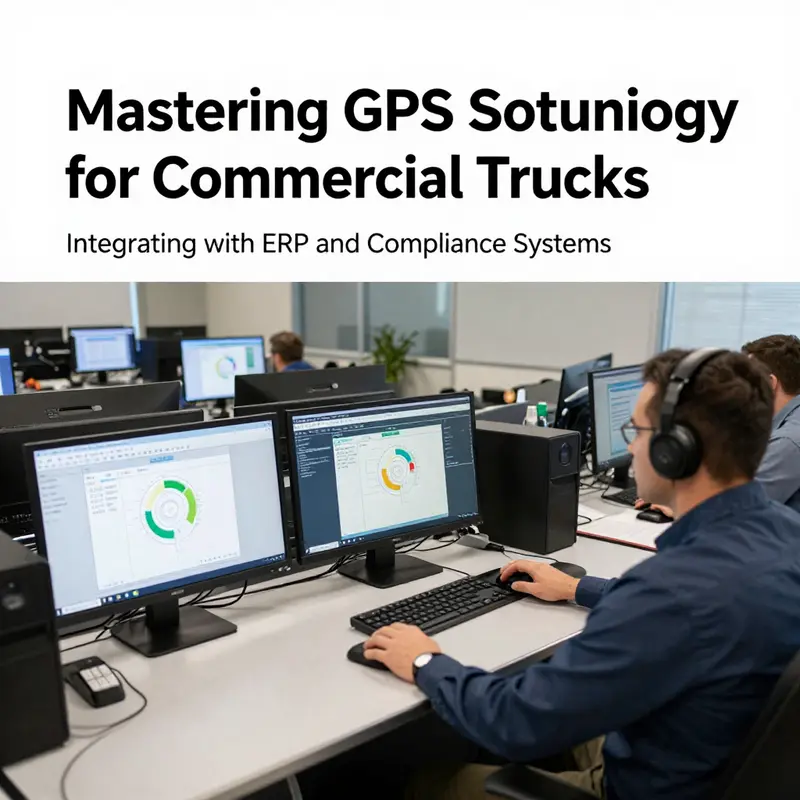
The most effective deployments begin with a robust data fabric that can move information from the vehicle to the back office without friction. Modern GPS platforms capture location, speed, fuel usage indicators, engine status, and driver behavior in real time. When these signals are standardized and routed into ERP modules—such as order management, inventory, and accounts payable—managers can automate routine tasks while preserving a clear audit trail. For example, dispatch decisions no longer rely on fragmented notes or separate spreadsheets. Instead, the ERP system can receive live vehicle statuses and adjust workloads, deadlines, and re-route options on the fly. Fuel consumption, once a separate concern managed through fuel cards or manual logs, becomes a data stream that ERP can analyze alongside planned routes and driver hours. This visibility supports accurate cost allocation, better budgeting for fuel hedges, and more precise maintenance forecasting based on actual wear and tear rather to theoretical usage.
On the compliance side, the integration of GPS data with electronic logging devices (ELDs) and regulatory frameworks ensures that hours-of-service (HOS) records, maintenance records, and cargo documentation align with the expectations of regulators and customers alike. When GPS feeds are linked to regulatory modules, the system can generate compliant HOS logs automatically, reconcile them with driver duty cycles, and present a coherent picture during audits. This alignment reduces the risk of violations, speeds up inspections, and improves relationships with roadside inspectors by demonstrating that the fleet’s operations are transparent and well-documented. The approach also supports more nuanced risk management. By cross-referencing GPS data with maintenance schedules, fleets can identify patterns that precede failures, such as unusual idle times followed by sudden speed fluctuations, and trigger proactive servicing before a breakdown occurs. In environments that feature strict dynamic supervision regulations for road transport vehicles, such integration helps guarantee that driving time, rest periods, and vehicle readiness are consistently verified and reported in compliance-ready formats.
The practical benefits extend beyond compliance. Real-time monitoring of location, speed, and route deviations gives managers the ability to enforce corporate policies and safeguard driver safety without micromanaging. A unified data stream allows for rapid escalation if a vehicle strays from approved routes or encounters unexpected delays. In those moments, dispatch can intervene with context—presenting the driver with alternative routes, adjusting delivery windows, or initiating contingency plans. The value of this capability is magnified when it becomes a disciplined part of ERP-driven workflows. Route optimization features within a comprehensive fleet management platform can account for current traffic, weather, and detention time at loading docks, and then feed suggested itineraries back into the ERP to reallocate labor and equipment as needed. This is where the technology moves from being a tactical tool to a strategic asset, aligning field operations with financial and customer service objectives.
A key advantage of advanced GPS ecosystems is their ability to offer comprehensive fleet management through a single pane of glass. Route optimization, fuel usage analytics, and driver behavior analysis become data points that support smarter procurement, maintenance planning, and performance management. When such features are tightly integrated with ERP, the system can translate insights into measurable outcomes: reduced fuel costs, more reliable delivery windows, and higher asset utilization. For instance, a fleet that routinely experiences long idle periods at certain hubs can be flagged by the analytics engine, which then informs a change in scheduling policies, dock allocation, or even the selection of tractor units better suited to specific routes. Driver behavior insights—such as aggressive acceleration, hard braking, or excessive speeding—can be reconciled with HR and safety programs, prompting targeted coaching or incentive structures that align driver performance with corporate standards.
Beyond the operational and financial advantages, the integration of GPS with ERP and compliance systems creates a powerful governance framework. The ability to trace each shipment back to a precise route, an exact delivery timestamp, and an auditable log of vehicle activity provides a solid foundation for governance and risk management. In cross-border operations, where regulatory demands can vary by jurisdiction, this capability becomes even more important. Configured properly, the system can enforce policy constraints tied to legal requirements, such as detention time limits, cabotage rules, or customs declarations, and then document compliance in a format ready for regulator review or customer audits. The result is a fleet that not only performs efficiently but also demonstrates conscientious stewardship of regulatory obligations. For those operating in environments where cross-border duties and inspections create additional friction, the integration becomes a strategic asset rather than a compliance burden.
The architecture of such advanced GPS platforms often includes a dual-mode positioning capability and robust data pipelines that function in challenging environments. Dual-positioning—combining GPS with another satellite navigation system—improves accuracy and reliability in tunnels, urban canyons, and mountainous terrain. Real-time data uploads to central platforms ensure that information is current enough to support urgent dispatch decisions while also maintaining historical records for trend analysis and regulatory reporting. The data is not siloed; instead, it flows through APIs that connect field operations with ERP modules and compliance dashboards. In practice, this means a dispatcher can push a revised delivery plan from the ERP to a vehicle in motion and receive confirmation of receipt and expected ETA changes in seconds. Such immediacy reduces the friction that often accompanies last-minute schedule shifts and helps preserve customer satisfaction while maintaining adherence to service level commitments.
From a governance and security perspective, the orchestration of GPS, ERP, and compliance layers requires careful attention to data quality and access control. Standards for data formatting, timestamp synchronization, and event tagging ensure that every data point has meaning across the enterprise. Access controls determine who can adjust routing, initiate vehicle maintenance, or export compliance reports. Audit trails capture when data is created, who accessed it, and what changes were made, creating a transparent record that can support audits and investigations. This level of discipline is essential when regulatory bodies require evidence of activity and responsibility. Integrating GPS with back-office systems also promotes responsible asset management. By correlating vehicle locations with maintenance history, fleets can optimize spare parts inventories and scheduling, ensuring that each truck spends more time on the road delivering value and less time in the shop awaiting service.
For organizations pursuing these capabilities, the integration strategy must consider data standards, API compatibility, and change management. It is not enough to connect a GPS device to ERP; the connection must be intentional, scalable, and resilient. Projects must define data ownership, data latency requirements, and exception handling rules. They should also plan for evolving regulatory landscapes, with mechanisms to update compliance workflows as rules change. In this sense, the true value of advanced GPS solutions lies not in the hardware alone but in the orchestration of data across the enterprise. When you can translate a vehicle’s real-time position into a compliant, auditable, and financially meaningful narrative, you unlock the ability to optimize every layer of the operation—from procurement and fleet maintenance to driver coaching and customer service. In cross-border or multi-regional contexts, this orchestration becomes a critical resilience factor, enabling fleets to respond quickly to regulatory updates while maintaining consistent performance.
For readers seeking a broader perspective on regulatory considerations in cross-border operations, see the TCAS cross-border regulatory issues event. This resource helps illustrate how cross-border compliance challenges can influence GPS data flows, reporting requirements, and the design of ERP integration strategies. By understanding these dynamics, fleet managers can future-proof their GPS-ERP workflows against regulatory shifts and maintain a steady trajectory toward safer, more efficient, and compliant operations.
The journey toward fully integrated GPS-ERP-compliance ecosystems is ongoing, but the trajectory is clear. As GPS data becomes more granular and available in real time, ERP platforms can orchestrate more of the fleet’s activities with fewer manual interventions. The payoffs are tangible: tighter dispatch windows, more accurate cost accounting, cleaner regulatory records, and, ultimately, a reputation for reliability in the eyes of customers and regulators alike. While the specific tools and vendors may evolve, the underlying principle remains stable—operations connect to enterprise planning through a seamless, auditable data fabric that turns movement into measurable value. In this light, advanced GPS solutions are not simply about knowing where a truck is; they are about enabling a smarter, more compliant, and more profitable transportation network.
External resource: https://www.avaal.com
GPS-Driven Efficiency, Safety, and Cost in Commercial Trucking
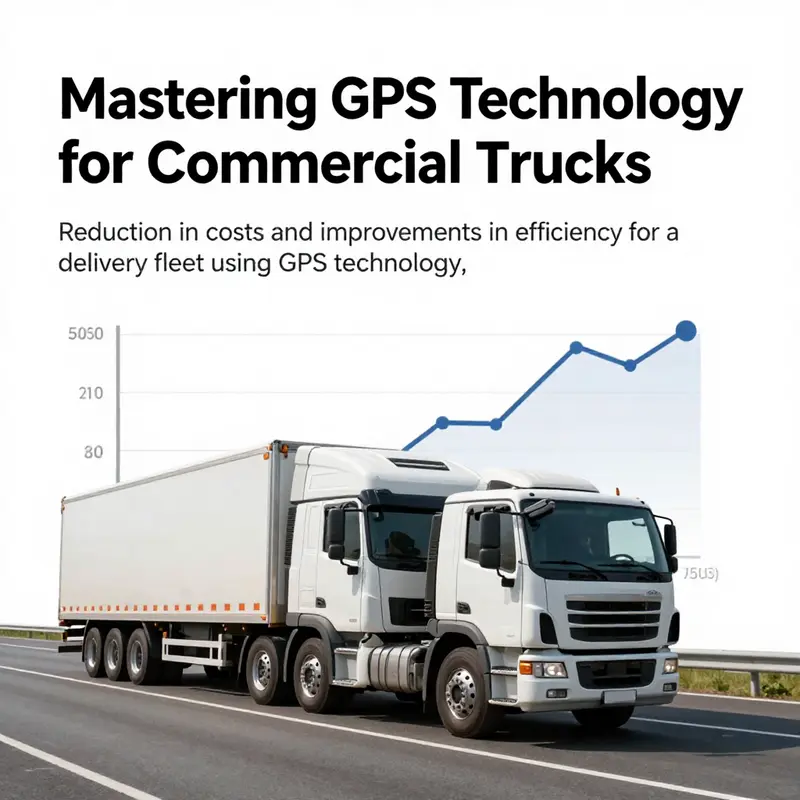
A modern trucking operation is an orchestrated flow of data, people, and assets. At its core sits GPS, a technology that turns movement into actionable insight. Far from a single gadget, a well-implemented GPS system acts as a fleet’s central nervous system, connecting drivers, dispatchers, maintenance teams, and customers on a shared map. Each mile generates streams of location, speed, engine data, and time-based events that reveal how efficiently a route is being executed and where risks may arise. The real value comes from interpreting this data and translating it into timely actions that ripple across the supply chain.
Efficiency begins with real-time location tracking, which establishes a baseline for visibility. With accurate whereabouts, dispatch can tighten schedules, exceptions can be managed before they become delays, and ETAs become more reliable for customers. GPS enables smarter route planning by weighing traffic, incidents, weather, and historical performance. The result is faster, smoother trips, reduced idle time, lower fuel burn, and less wear on equipment. A shared map also improves communication between drivers and dispatch, reducing phone tag and keeping everyone aligned around the same plan.
Geofencing and alerts extend efficiency into critical zones. Virtual boundaries around yards, warehouses, and customer sites trigger automatic checks that alert managers when a truck enters, leaves, or sits for an unusual period. When deviations occur, rerouting, support, or revised delivery plans can be deployed quickly, keeping the operation on track. The same digital channels preserve driver focus by sending instructions without unnecessary interruptions, while preserving an auditable record of decisions.
The safety dimension of GPS-enabled fleets emerges through rapid coordination, driver behavior insight, and proactive maintenance. Real-time location sharing supports emergency response and recovery, while speed and movement data help identify risky patterns. Coaching and training can be tailored to the most prevalent risk factors revealed by data. Maintenance becomes more predictive when wear and operating conditions are tied to actual usage, aligning service with reality rather than calendar dates. The overall effect is a safer operation with fewer incidents and shorter downtimes.
Cost reduction follows from efficiency and safety. Smarter routing and reduced idle time lower fuel consumption, while better maintenance planning minimizes unexpected breakdowns and repair costs. Asset protection features deter theft and speed recovery, and the data trails from GPS improve regulatory compliance and audit readiness, reducing penalties and administrative overhead.
Beyond the mechanics of data capture, GPS data integrates with broader business systems such as ERP, WMS, and TMS to align fleet performance with procurement, inventory, and customer service workflows. This connectivity turns telemetry into enterprise-grade insight, enabling systematic improvements in service levels, margins, and risk management. Over time, the fleet gains scalability, reliability, and resilience as it learns from patterns across days, weeks, and quarters.
In sum, GPS for commercial trucking is not merely a feature but a strategic asset. It turns movement into knowledge, then translates knowledge into disciplined decision-making that improves efficiency, safety, and cost structure. As fleets grow more complex, GPS helps them stay coordinated, compliant, and competitive.
Final thoughts
Adopting GPS technology in commercial trucks is more than just an operational upgrade; it is a pivotal step toward achieving modern efficiency and compliance in logistics and fleet management. Through proper installation and activation, seamless access to tracking data, and understanding the benefits and features, fleet owners and managers can dramatically enhance their operational capabilities. The transition to more sophisticated solutions, intertwined with ERP systems, further propels businesses into a realm of data-driven decision-making. Embracing these advancements not only fosters safety and efficiency but also sets the foundation for long-term success in a continually evolving industry.