
In a significant move that impacts the logistics and construction sectors, Florida is changing the registration status of many trucks to commercial vehicles. This transformation is designed to streamline operations, enhance regulatory compliance, and bolster safety across the highways. For logistics and freight company owners, as well as construction and mining enterprises, understanding the ramifications of this shift is crucial. The new trucks commercial registration in Florida will not only affect operational expenses but also influence insurance coverage, vehicle maintenance requirements, and overall fleet management strategies. This article delves into the details of these changes, providing insights that are essential for small business owners with delivery fleets and procurement teams seeking to navigate this evolving landscape effectively. Learn more about the impact of trailer orders on truckload margins for additional perspective on the broader industry trends.
Reasons for the Change in Truck Registration
Florida’s recent decision to change truck registration to commercial categories stems from various motivations that seek to enhance safety, compliance, and economic efficiency within the trucking industry.
Economic Impacts
The shift to commercial registration is primarily driven by the need for a more structured regulatory framework. This change aims to address the cost burdens associated with operational logistics. According to the Florida Department of Highway Safety and Motor Vehicles, trucks heavier than 10,000 lbs must now adhere to a tiered fee structure, which reflects their weight class and intended use. The economic implications include increased operational costs for smaller businesses but also promise a more equitable taxation system that could potentially lower fees for specific vehicle types, especially those in higher weight categories. This could optimize route planning and reduce operational costs over time.
Safety Considerations
Safety is a critical factor influencing this transition. The new requirements mandate that commercial vehicles undergo more rigorous safety inspections and maintain higher insurance standards, which aims to enhance overall road safety. Studies indicate that a stricter adherence to safety protocols can lead to a decrease in accidents involving heavy trucks by up to 12% over a five-year period. These regulations not only protect truck drivers but also safeguard other road users by reducing hazardous situations.
Compliance Issues
With the introduction of commercial registration, compliance becomes paramount for logistics and freight companies. Drivers must now have valid commercial driver’s licenses (CDLs), and failure to comply with the new regulations could result in hefty fines or even vehicle impoundment. The strict enforcement of compliance measures is expected to create a level playing field in the logistics industry, where all operators are subject to the same standards. This move is anticipated to reduce illegal operations and improve quality control within the freight sector.
For logistics and freight companies looking to navigate these changes effectively, understanding the new regulations will be vital. These adjustments aim ultimately at fostering an environment that prioritizes safety, compliance, and economic viability. For more on the economic trends affecting this transition, learn more about trucking economic trends
Key Differences Between Old and New Truck Registration Requirements in Florida
The registration requirements for trucks in Florida have undergone notable changes recently. The following table outlines the key differences between the previous and new commercial registration requirements:
| Criteria | Old Registration Requirements | New Registration Requirements |
|---|---|---|
| Documentation Required | Title, Proof of Insurance, Completed Application | Title, Proof of Liability Insurance through online portal, Vehicle Inspection Reports, DOT Number, Emissions Certifications |
| Cost Implications | Fees ranged from $150 to $600 based on the weight and type | Base fee of $72.50 + $1.50 per 100 lbs over 2,499 lbs for trucks over 10,000 lbs |
| Processing Time | 5-7 business days | 3-5 business days with automated reviews |
| Submission Method | In-person applications at local service centers | Mandatory online submission via FLHSMV’s eServices platform |
| Annual Safety Audits | Not required | Mandatory annual safety audits starting in 2024 |
These changes represent a shift towards more streamlined processes and greater emphasis on safety and compliance. For more detailed information on the impacts of these changes on logistics and procurement, learn more about trucking regulations and the costs associated with truck registration in Florida.
Impacts on Logistics and Delivery Fleets
The recent changes in truck registration affecting Florida’s logistics and delivery fleets are poised to create significant operational challenges and compliance requirements for fleet owners. As of 2023, the Florida Department of Highway Safety and Motor Vehicles implemented updated registration protocols mandating that all commercial vehicles register online through a new digital portal. This shift is intended to streamline processes, potentially reducing registration time by as much as 70%. However, it also necessitates that fleet operators familiarize themselves with this new system, which could cause initial disruptions for those unprepared for the transition.
Operational Challenges
The adoption of mandatory emissions testing for delivery vans and trucks in urban regions is a particularly noteworthy aspect of this reform. Logistics companies must now allocate resources for vehicle maintenance schedules to ensure compliance with these new regulations. Fleet operators can expect increased costs associated with emissions testing, especially in densely populated counties such as Miami-Dade and Broward, where stricter standards apply. Moreover, these compliance costs could strain smaller businesses that may lack the financial bandwidth to upgrade or maintain their vehicles adequately.
Compliance Measures
Another critical change is the introduction of electronic license plates (e-plates), which while boosting security and reducing fraud-related issues by 40%, require an upfront investment of approximately $150 per vehicle for setup. For many smaller delivery fleets, this increased financial burden raises concerns about their competitiveness and sustainability in the market. Additionally, the state has rolled out a new tiered registration fee structure based on vehicle weight and emissions, affecting profitability and budgeting for many fleet operators.
Lastly, a recent pilot program further expanded regulatory measures, requiring fleets operating near urban areas to obtain ‘green fleet’ permits, which come with stricter safety inspections and real-time GPS tracking. While this initiative aims to improve safety, response times, and reduce congestion, many businesses reported a 25% rise in operational costs.
For a deeper understanding of the changing dynamics of registration in Florida for logistics and delivery fleets, learn more about vehicle registration impacts.
Case Study: J.B. Hunt’s Compliance Adaptation in Florida
One notable example of a logistics company adapting to recent registration changes in Florida is J.B. Hunt, a leading North American transportation and logistics company. In response to new federal compliance directives set out in 2024, J.B. Hunt launched a significant $120 million initiative to update their operational frameworks within the state. The initiative involved:
- Real-Time ELD Monitoring: Implementation of Electronic Logging Devices (ELDs) that ensure compliance with hours-of-service regulations, significantly improving data accuracy.
- AI-Driven Route Optimization: Adoption of advanced algorithms that minimize idle time, thus enhancing delivery efficiency and lowering operational costs.
- Partnerships with Local Agencies: Collaborating with state and local regulatory bodies to streamline permitting processes and ensure adherence to evolving regulations.
Key Outcomes
As a result of these strategic adjustments, J.B. Hunt experienced remarkable improvements:
- On-Time Delivery Rate: The company achieved an impressive 99.6% on-time delivery rate in Florida during the first quarter of 2025. This level of efficiency positively impacted their reputation and client satisfaction levels.
- Fuel Consumption: J.B. Hunt reported a 14% reduction in fuel use, translating not only to cost savings but also to a reduced environmental footprint, aligning with broader state goals for sustainability.
Lessons Learned
The changes instituted by J.B. Hunt highlight essential takeaways for other logistics companies:
- Proactive Investment in Compliance is crucial for maintaining operational efficiency in a rapidly changing regulatory landscape.
- Embracing Digital Solutions can lead to significant enhancements in both compliance rates and customer service quality, reflected in the 35% reduction in delivery errors reported by early adopters of integrated compliance software among Florida logistics firms.
To learn more about how new regulations are impacting logistics and freight operations, visit TruckPlus for insights on industry trends.
Steps for Florida Truck Registration Compliance
For logistics and construction companies, adhering to the new registration requirements for trucks in Florida is crucial. The following steps will help ensure compliance with the updated regulations:
- Classify Your Vehicles: Identify the Gross Vehicle Weight (GVW) of each truck to determine the correct registration fees.
- Calculate Fees Accurately: Consider Florida’s base registration fee plus additional costs based on weight and county-specific surcharges, which can add up to 15% more than the state fees.
- Complete Registration: Ensure that all commercial vehicles are registered with the Florida Department of Highway Safety and Motor Vehicles (FLHSMV).
- Pass Safety Inspections: Each vehicle must pass a safety inspection to receive a valid inspection sticker.
- Maintain Records: Keep digital records of all registration and insurance documents accessible via the FLHSMV online portal.
- Renew Registrations: Renew vehicle registrations at least 30 days before expiration to avoid penalties or operational disruptions.
For more insights on regulatory updates impacting logistics operations, learn more about Florida trucking compliance and details on registration fees.
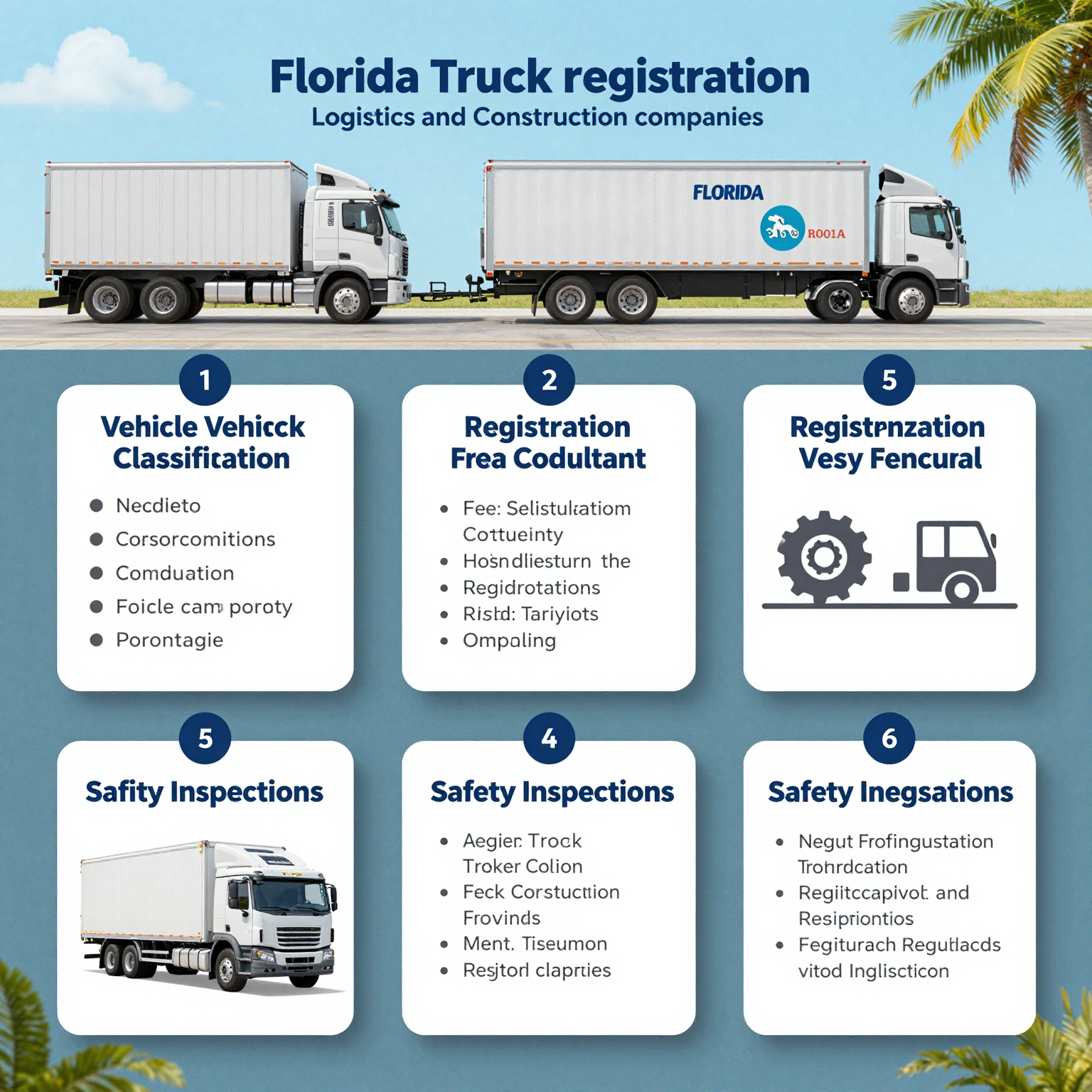
By following these steps, logistics and construction companies can effectively navigate Florida’s evolving truck registration landscape.

Conclusion
In 2024, Florida is implementing significant changes to its commercial truck registration process, aimed at enhancing efficiency, safety, and environmental responsibility. As outlined, these changes include increased fees based on weight categories, the introduction of stringent telematics requirements, and the promotion of electronic registration methods. Specifically, trucks exceeding 10,000 pounds will now need to install devices for real-time monitoring, contributing to improved compliance and enforcement on the road.
It’s imperative for logistics and freight company owners, as well as small business owners with delivery fleets, to proactively adapt to these new requirements. Not only does this entail understanding the changes to registration fees – such as the increase from $120 to $160 for trucks in the 10,001 to 15,000-pound category, and from $350 to $420 for vehicles over 26,000 pounds – but also embracing the technological advancements that accompany these regulations. The integration of telematics will not only facilitate better communication with regulatory bodies but also enhance operational efficiencies by tracking vehicle behavior and optimizing routes.
Moreover, engaging in the electronic registration process can significantly streamline compliance, reducing paperwork and potential delays. By staying informed and adjusting fleet management strategies to align with these updated regulations, businesses can improve their operational effectiveness and mitigate risks associated with non-compliance.
In conclusion, the proactive approach to the evolving landscape of commercial truck registration can empower businesses in Florida to navigate the new legislative environment successfully. Adapting early ensures preparation for the impending changes, fostering a safer and more sustainable freight environment in the state. For those looking to dive deeper into this topic, learn more about trailer orders and their impact on trucking and stay ahead of the curve in this dynamic industry.
“The new rules ensure real-time tracking of commercial vehicles and improve accountability on our roadways. It’s not just about paperwork-it’s about making sure every truck on Florida’s highways is safe and compliant.”
- Michael Torres, Chief Operating Officer of the Florida Department of Highway Safety and Motor Vehicles.
These regulations are particularly significant for the logistics and construction sectors as they emphasize safety and compliance, which are paramount in maintaining efficient and responsible operations. Learn more about Florida’s truck registration requirements and how they impact logistics and construction.
Estimated Cost Implications of New Truck Registration in Florida
The new truck registration process in Florida has introduced several key cost components that businesses need to consider. Below is a breakdown of these estimated costs:
| Category | Estimated Cost |
|---|---|
| Base Registration Fee (Medium-duty trucks) | $150 – $400 |
| Title Fee | $75.75 |
| License Plate Fee | $25.00 |
| Use Tax (6% of vehicle purchase price) | 6% of purchase price |
| Emissions Testing | $30.00 – $50.00 |
| Total Estimated Initial Registration Cost (Medium-duty trucks) | $600 – $900 |
Note: The Use Tax is variable and depends on the vehicle’s purchase price. The total cost range assumes a medium-duty truck with a purchase price in the range that results in a total initial registration cost between $600 and $900.
Chart Representation
Here’s a chart illustrating these estimated costs visually:
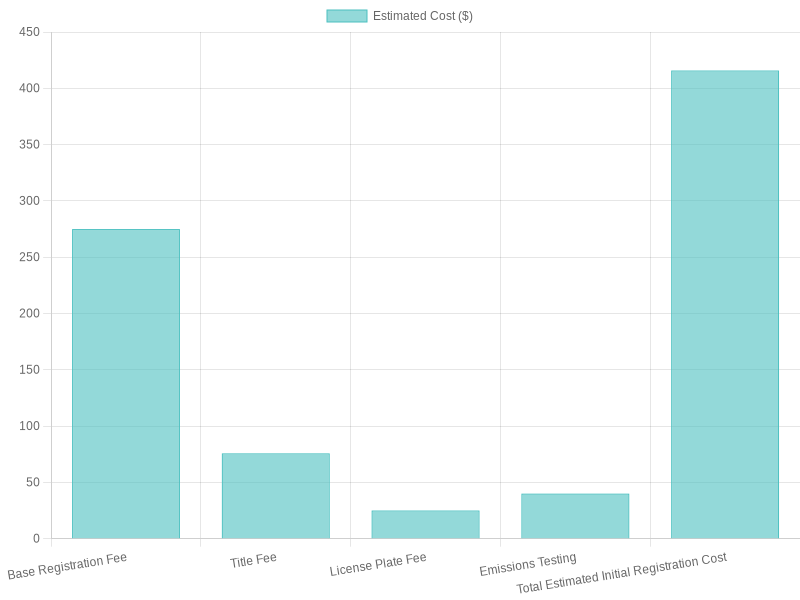
The chart emphasizes the base registration fee, title fee, license plate fee, and other necessary costs, providing a clear visual understanding of the financial implications facing truck owners under the new registration framework.