
The question of whether all pickup trucks have commercial plates rests not on their physical characteristics but their intended use and registration status. Pickup trucks serve diverse functions, from personal family transport to critical commercial applications, including transportation and utility services. This article will explore the nuanced landscape of pickup truck classification and registration, shedding light on the distinction between personal and commercial plates. Each chapter will dissect essential aspects, beginning with why not all trucks possess commercial plates, exploring the regulatory framework surrounding their registration, examining specific use cases that mandate commercial plates, and analyzing the impact of vehicle classification on these plates. Our goal is to equip logistics companies, construction enterprises, and small business owners with the pertinent knowledge to navigate these regulations effectively.
Beyond the Bed: Why Pickup Trucks Don’t Always Carry Commercial Plates
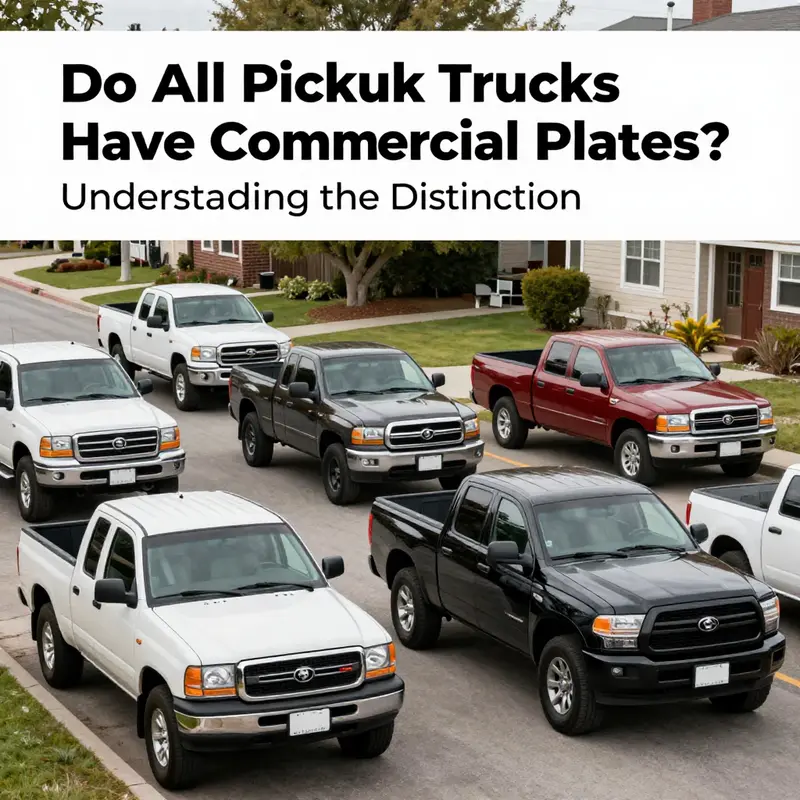
A pickup truck is a familiar sight in driveways and job sites alike, but its license plate status is less about the truck’s size or shape and more about how its owner uses it. The quick, intuitive assumption that every heavy-duty, cabin-and-bed setup automatically wears a commercial plate is understandable in a culture that often equates work with business branding. Yet the regulatory reality is more nuanced. In many places, a pickup’s plate class reflects the vehicle’s primary function, the way it is insured, and the activities it is expected to support—not the mere fact that it can haul a payload. This distinction matters not only for compliance and penalties, but also for everyday experiences like parking, tolls, and even insurance coverage. The bottom line is simple in principle and complex in practice: not all pickup trucks have commercial plates, and whether a given truck does depends on how it is used, how it is registered, and the specific rules that govern commercial vehicles in a given jurisdiction.
At the heart of the distinction lies a practical question: what does the vehicle do most of the time? If a pickup is used primarily for personal errands, weekend projects, or family transportation, it will usually be registered as a passenger vehicle and display standard passenger license plates. This is true for privately owned trucks that haul bikes to a trailhead, carry tools for the occasional home-improvement project, or pull a small trailer for personal use. In those cases, the vehicle is not classified as commercial, even when it has significant payload capacity or can be pressed into service for a business task during a slow week. Vehicle type alone—whether it is a compact crew cab or a full-size work truck—does not automatically convert it into a commercial vehicle. The operating assumption and the regulatory designation are separate matters.
Conversely, when a pickup’s primary purpose is commercial, the landscape changes. A truck used to deliver goods, transport heavy equipment to job sites, or support a service business is typically registered as a commercial vehicle. In such scenarios, the plates issued are designed to signal the vehicle’s business use and to align with insurance, weight restrictions, and regulatory requirements that apply to commercial fleets. The critical point is that the plate status follows the use, not the chassis. A contractor with a fleet of dual-use pickups may choose to plate some trucks commercially and others as passenger vehicles, depending on the portion of the time each truck spends on business versus personal tasks. In practical terms, this means a single fleet could include both commercial and non-commercial registrations depending on daily assignments and the clients served.
This distinction becomes especially visible when you examine how different regulatory bodies view the concept of a commercial vehicle. In some jurisdictions, the defining factor is the vehicle’s function in the eyes of law enforcement and parking authorities. For example, in a major city context, a vehicle might be designated a commercial vehicle or a truck for parking, standing, and stopping rules only if it bears commercial plates. That nuance means that even a large pickup truck, if used primarily for personal activities, could avoid the formal designation that comes with commercial plates. It is not about the physical heft of the truck but about the function it serves on a day-to-day basis. The same vehicle could be treated as personal on Monday and commercial on Thursday, if its use shifts accordingly and the registration status is updated to reflect that shift. The ability to switch classifications is often tied to the policies regarding advertising, equipment, and the vehicle’s accurate representation of its use on the registration documents.
In practice, many owners are surprised to learn how easy it can be to reclassify a pickup if their usage patterns change. In New York, for instance, the rules provide a framework in which ownership can reclassify a vehicle from commercial to non-commercial, but with very clear steps. The owner might turn in their commercial plates and confirm on the registration application that the pickup no longer carries advertising or is not used for business purposes in a way that would justify the commercial classification. The process underscores a principle that is common across many states: the plate type tracks function as much as it tracks form. It is possible, under the right conditions, to switch from one classification to the other, but the change must be grounded in how the vehicle is actually used and how the state interprets that use. In some jurisdictions, this reclassification also aligns with insurance requirements and the need to reflect the new authorized uses in the policy terms.
The practical upshot of these rules is a layer of complexity that often gets overlooked in conversations about work trucks. A pickup with a robust bed, a long service record, and even custom graphics on its doors does not automatically carry commercial plates. If the driver’s daily routine involves personal errands, hobby trips, or weekend projects more than it involves delivering goods, providing paid services, or transporting equipment for a business, the vehicle can very well retain passenger plates. The presence of the truck’s physical size, payload capacity, or ability to haul heavy equipment does not, by itself, dictate its registration class. The regulatory framework looks at use, insurance, and formal designation rather than the mere physical attributes.
That reality invites a broader reflection on how owners approach licensing and compliance. The choice between commercial and passenger plates often becomes a discussion about time allocation, risk management, and regulatory alignment. For some, obtaining commercial plates is a straightforward decision when the business requires regular transport of goods or tools to client sites. For others, the workload remains intermittent, and the owner prefers to maintain personal plates to keep administrative overhead and costs lower. In the overlap area—where a vehicle might be used for both business and personal tasks—the rules can seem fluid. Some jurisdictions allow consistent use for business during operating hours while still treating the vehicle as non-commercial for personal use outside those hours, provided the registrations and vehicle advertising align with the intended use. The practical advice for owners is clear: document how the vehicle is utilized, understand your state’s definitions of commercial use, and keep registration and insurance aligned with that use.
An important layer in this conversation is the idea that advertising and branding can influence how a vehicle is classified. If a pickup bears consistent business advertising or is used as a moving billboard for a service, many regulators will interpret that as a signal of commercial use. In such cases, changing the plates to reflect the business use may be appropriate and, for some operations, legally required. Conversely, if a pickup carries no advertising, and its business tasks are minimal or sporadic, it is less likely to trigger a commercial designation. The nuance matters because the classification can affect parking rules, tolls, weight allowances, and even liability considerations. The vehicle may require different insurance coverages, operating permissions, and compliance checks depending on its plate type. These considerations raise practical questions for owners about how thoroughly to document business use, how to track the vehicle’s activities, and how to maintain consistency across registrations, insurance, and fleet management practices.
For readers who want to explore the regulatory landscape more deeply, there is value in a broader, cross-border perspective as well. The rules that govern whether a pickup wears commercial plates can differ from one state to the next, and even between neighboring jurisdictions. The complexities of cross-border commerce often surface in discussions about how commercial vehicle designations are treated at gates, on toll roads, and in maintenance and inspection regimes. This is why many practitioners emphasize a careful, documented approach to registration changes whenever the use pattern shifts. It is also a reminder that the concept of a commercial plate sits at the intersection of vehicle capability, business activity, and the specific regulatory language that governs a region. If the topic intrigues you, a deeper dive into cross-border regulatory issues can provide further context about how different jurisdictions align their definitions and how fleets navigate those rules across state lines. For a focused overview, see the discussion on TCAS cross-border regulatory issues event.
As you weigh the question—do all pickup trucks have commercial plates—the answer remains layered and situational. The simplest way to think about it is this: plates reflect function and compliance, not mere form. A big, capable pickup does not automatically wear commercial plates because it can perform commercial work. If that work is the vehicle’s central purpose, the plates might reflect that reality. If not, the plates will reflect personal use and ownership. In the end, the responsible approach is to examine actual usage, confirm the appropriate classification with the relevant department of motor vehicles, and ensure that insurance and registration documents mirror the vehicle’s true function. This approach helps prevent misunderstandings during routine stops, ensures smoother fleet operations if you manage multiple vehicles, and supports a clear, accurate record of how each pickup serves its owner and, potentially, a client base.
For those who want to verify the nuances of commercial vehicle classifications in their own region, consulting official guidance is wise. Official rules vary, and they can evolve with changes in traffic policy, employment law, and vehicle technology. The differences matter because they influence daily choices—from where you park to what you pay for registration and insurance, to how you answer a law enforcement official who asks about the vehicle’s primary use. In short, the question is not about the truck’s bed or its cab; it is about the purpose, the documentation, and the compliance framework that governs it. The takeaway is practical and clear: not all pickup trucks have commercial plates, and the distinction hinges on usage and regulatory classification rather than the truck’s size or versatility. To make informed decisions, owners should assess usage patterns, confirm the correct classification with the licensing authority, and maintain clear records that reflect how the vehicle is actually employed on a day-to-day basis. This careful approach protects drivers and businesses alike while keeping the road—and the plate—accurate and straightforward.
External reference: https://dmv.ny.gov
Plates and Purposes: How Use, Not Chassis, Shapes the Commercial Status of a Pickup
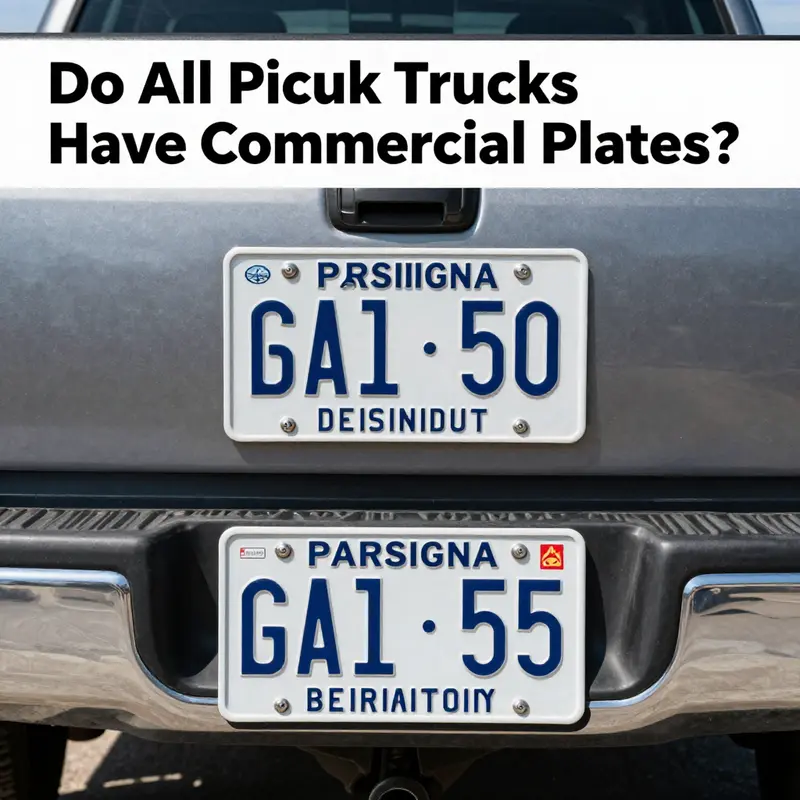
Not every pickup truck carries the same plate. The core idea is that plate type follows usage and registration, not the truck’s appearance. A vehicle used mainly for private, noncommercial tasks tends to wear standard passenger plates; if it serves as a business tool, commercial plates may apply. This distinction affects which rules apply, insurance needs, inspections, and taxes in many jurisdictions. The practical effect can influence ownership costs as much as price or fuel economy.
The distinction between commercial and personal plates is rooted in use. In many states plates signal the vehicle’s primary function to authorities who regulate traffic and fleet management. The design or format can hint at a commercial status, but the key driver is declared use. Some jurisdictions reserve commercial plates for vehicles used to transport goods, provide services, or operate as part of a business fleet. Personal plates align with private uses such as commuting and errands. The same pickup could wear different plates depending on how it is deployed. The core idea is documentation and declared use, not a rigid rule about the vehicle’s body style.
New York State, as an example often cited in discussions about plate classifications, emphasizes that a passenger classification does not automatically grant fee reductions merely because the vehicle resembles a personal truck. If the vehicle qualifies as commercial based on its intended use or weight attributes, commercial registration fees apply. The determinant factor is use and attributes, not appearance. A small difference in use or weight can trigger different fees and fleet obligations. The same vehicle might be passenger in one context and commercial in another, depending on the system and the evidence provided to the DMV. Documentation helps ensure that classification reflects reality when speaking with the DMV and supports compliant registration.
For practical decisions, assess how the vehicle is used and what its weight and payload imply for regulatory status. Is it primarily a business tool or a private vehicle with occasional business tasks? The answers guide the appropriate classification and the associated responsibilities. Owners should consult the relevant DMV guidance, describe the vehicle’s primary purpose, and present weight or payload information that affects fees and regulations. Misclassifications can lead to penalties, so a formal review with the DMV or a regulatory advisor can help ensure the status matches actual use.
Broad regulatory context reminds us that cross-border considerations can affect classification practices. When trucks operate across jurisdictions or near border regions, alignment of plate status with actual use remains a central principle. Accurate registration supports consistent enforcement and fair treatment of operators who travel for work. The core message is clear: plate status should reflect how the vehicle is used, not the chassis or body style.
Weight, Use, and Registration: Do All Pickup Trucks Have Commercial Plates?

Understanding pickup truck plate status hinges on how the vehicle is used and its weight, not solely on appearance. In many places, trucks kept for personal use can stay on standard passenger plates, while regular business use may require commercial plates. The practical rule is: if the vehicle is primarily used for personal transport and remains within a weight threshold, passenger plates are often appropriate.
A common threshold many states reference is the unladen weight. For example, in New York State, a pickup may qualify for passenger-class registration if its unladen weight stays under 8,500 pounds. If the weight exceeds that limit or the vehicle is regularly used for business hauling, commercial plates are typically the correct choice. Owners should verify with the state DMV because rules vary and practical guidelines can change over time.
Always check official guidance to confirm current classifications and fees, and consider how your typical use aligns with the vehicle’s weight rating. This alignment helps ensure compliance and practical convenience without surprises at renewal or enforcement.
Beyond the Badge: How Use, Not Body Shape, Determines Plate Status for Pickup Trucks
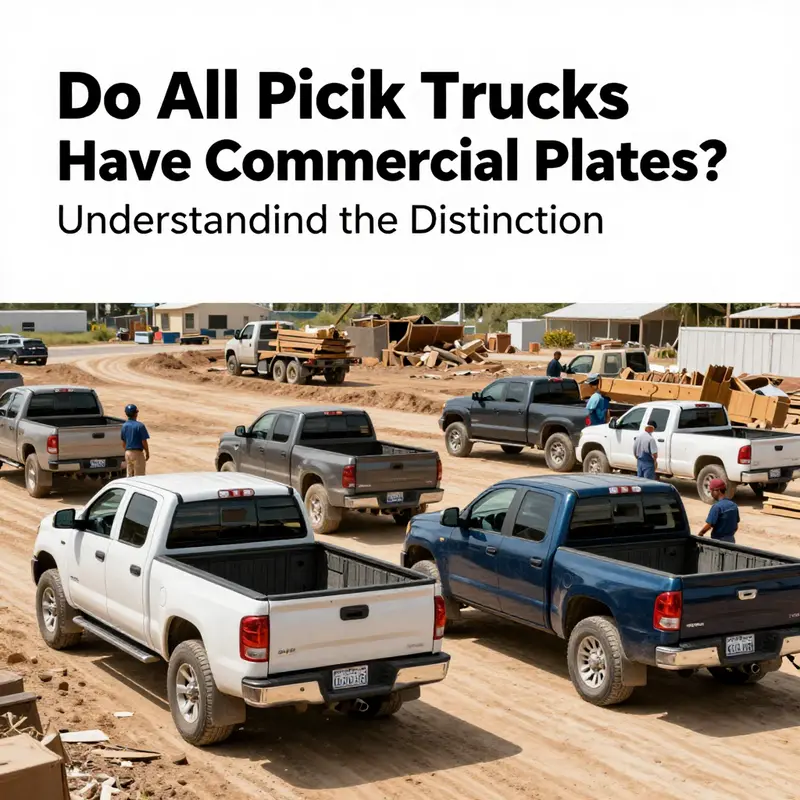
Many people assume a pickup truck is automatically a commercial vehicle if it looks ready for work. In practice, the truth is more nuanced. Not all pickups wear commercial plates, and whether a truck has a commercial plate hinges on its intended use and how it is registered, not simply on its size, bed length, or rugged tires. This distinction matters because plates influence how a vehicle is taxed, regulated, and insured, and it can shape what a owner is permitted to do on public roads. For a chapter that ties together regulatory reality with everyday ownership, the core idea is straightforward: use and registration drive plate status, not chassis design alone.
Most pickups used by families and individuals ride with standard passenger license plates. These trucks are typically registered for personal use, serving as family transport, a weekend project vehicle, or a practical helper for shopping and hobbies. When a truck is primarily used to move people or personal goods rather than to earn, a passenger-class registration usually makes the most sense. The distinction becomes important because it directly affects costs, compliance, and the practical realities of operating a vehicle day to day. The broad pattern across many regions is this: if you drive a pickup for private purposes and do not hire it out for business activities, you will commonly encounter passenger plates that mirror those on a common sedan or SUV. The bulk of privately owned trucks fall into this category, underscoring that the vehicle’s body style is not a definitive signal of its classification.
But there is a parallel stream of reality, especially for those who rely on a pickup for income. Trucks used to transport goods for hire, tow trailers as part of a service, or operate directly as a business tool frequently require commercial vehicle registration. In these scenarios, the plate itself becomes a badge of the vehicle’s purpose. A commercial plate carries the presumption that the vehicle is being used for commerce, which can entail stricter rules around emissions, inspections, and driver qualifications. In some jurisdictions, commercial plates are visibly distinct, while in others the difference is more subtle, embedded in the vehicle’s registration category and the associated paperwork rather than in an easy-to-see plate design. Either way, the link between use and plate type remains the guiding principle.
A practical way to frame the issue is to think about what the truck is doing for money. If a pickup is hired out, used to deliver materials, or employed by a business to move tools, equipment, or crews, the likelihood increases that it should be registered as a commercial vehicle. This is not a universal rule carved in stone everywhere, but it is the standard expectation in many jurisdictions. The logic is straightforward: a vehicle that is regularly used in profit-making activities should be subject to regulatory regimes designed to ensure safety, accountability, and appropriate road-use standards. By contrast, if the same pickup merely serves a private household or a small personal enterprise with minimal, non-hire activities, the personal-use classification typically applies. The solid takeaway is that the vehicle’s function on a day-to-day basis should govern its registration path, rather than assumptions about the truck’s chassis or its bed size.
The spectrum of plate rules becomes particularly clear when examining specific jurisdictions. Take New York State as a concrete example. The state sets a weight-based threshold that informs classification. If a pickup’s unladen weight is 6,000 pounds or less, it can be registered in the Passenger class. This classification can bring advantages, including lower registration fees and potentially different insurance considerations, compared to a commercial vehicle. If the truck weighs more than 6,000 pounds, or if it is primarily used to transport goods for hire or to support business activities, it may be classified as a commercial vehicle. In such cases, the owner would generally be looking at commercial license plates and compliance with stricter regulations around emissions, safety inspections, and other standards that align with vehicles used for business purposes. The distinction is not strictly about the truck’s size but about how the vehicle is put to use and how it is registered to reflect that use.
The dynamic between weight, use, and plate type can also intersect with personalized plate options. It is possible for a vehicle to bear a plate that signals a commercial designation while still living a dual life as a passenger vehicle in certain contexts. For example, some states allow owners who have commercial plates or commercial personalization to order a matching or parallel plate configuration for a passenger-series vehicle as a way to maintain a business identity while using the vehicle for personal tasks. These arrangements illustrate how plate systems can accommodate business presence without forcing every private-use pickup into a single rigid category. The underlying logic remains clear: the plate is a regulatory tool tied to how the vehicle is used, not a decorative feature that merely reflects appearance.
For owners navigating this landscape, the practical path is to start with the local DMV or equivalent authority. Determine the vehicle’s intended use, confirm its unladen weight, and review the registration options available under that jurisdiction. The decision often hinges on whether the business imposes revenue-generating tasks on the vehicle, whether it routinely carries goods for hire, or whether it tows heavy trailers in a way that implicates higher regulatory scrutiny. If the use is mixed or uncertain, seeking guidance from the relevant agency can prevent misclassification and the potential penalties that could follow from improper registration. In some cases, the correct decision may be to register as a passenger vehicle for cost efficiency and simplicity, while in others the business use will justify commercial registration and its accompanying obligations.
The conversation surrounding plate status also intersects with wider regulatory themes in the trucking industry. Industry stakeholders frequently call for clearer, more consistent rules across states so that operators can plan equipment, insurance, and compliance without guessing at which plates will apply in a given situation. This is not merely an academic dispute; it affects the day-to-day realities of operating a fleet or solo enterprise. For readers who want to explore this regulatory landscape further, there is value in following the ongoing discussions about emissions regulations and how they interact with vehicle classifications. You can read more about the tension and clarifications in this area through discussions on emissions regulations and how they intersect with vehicle paperwork, which helps illustrate why plate choices matter in a broader sense. clarity in emissions regulations.
As one practical consequence, a pickup owner who expects to run a business might consider weighing the cost implications of commercial plates, which can include higher registration fees, potential commercial insurance rates, and more stringent maintenance and inspection schedules. These costs must be balanced against the benefits of proper classification, such as legal compliance for hired work and improved accountability for vehicle use. Conversely, a private owner who rarely carries goods for hire may benefit from keeping a passenger-class registration, especially if the weight falls within the threshold and the work activities do not trigger commercial use. In either path, the key is to align registration with actual use, and to verify that choice with the relevant regulatory authority rather than making assumptions based on appearance or conventional wisdom.
For those who wish to verify the nuances of how passenger versus commercial classifications are handled in a specific state, it helps to review official guidance. In New York State, for instance, the DMV provides explicit criteria that distinguish passenger-class vehicles from commercial ones, including weight thresholds and usage patterns. The guidance also notes how some operators may carry over certain plate configurations when the underlying purpose shifts, underscoring the need for careful, up-to-date consultation with the DMV to ensure ongoing compliance. The broader lesson remains consistent across jurisdictions: plate status is a function of use and registration, not simply of the vehicle’s body type or the presence of a bed or a hitch. If you are evaluating a pickup for business use or contemplating a switch in classification, consider your typical daily tasks, your projected annual mileage, and how much of your work involves transporting goods, people for hire, or heavy equipment. These factors will guide you toward a registration path that aligns with both your operational reality and the regulatory framework that governs it.
External reference: New York State Department of Motor Vehicles—Passenger-Class Vehicle Registration details and related guidance can be found here: https://dmv.ny.gov/vehicles/register-vehicle/passenger-class-vehicle. For broader regulatory context and industry discussions on emissions and classifications, you may also explore industry resources such as the emissions regulations piece linked earlier in this chapter: clarity in emissions regulations.
Not All Pickups Wear Commercial Plates: How Weight and Use Shape Plate Classification
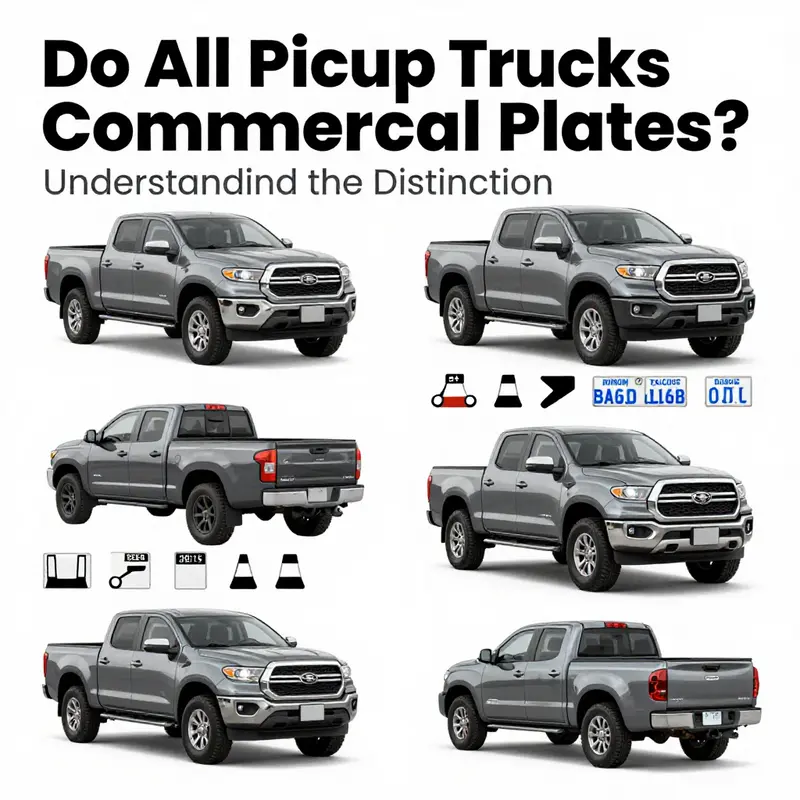
The question do all pickup trucks have commercial plates often springs from a universal assumption: that any truck used for work must wear a commercial tag. In truth, the answer is more nuanced than the vehicle’s physical appearance. A pickup’s license plate status reflects two core realities: how the truck is used, and how it is classified by weight. In many jurisdictions, these factors work together to determine what kind of plate is issued, what fees apply, and what regulatory requirements must be met. The result is a spectrum rather than a binary yes-or-no answer. A truck used simply to haul personal gear around town or to shuttle family members may bear standard passenger plates, even if the bed carries tools or equipment on weekends. By contrast, a truck that serves as a work vehicle—transporting goods, carrying heavy equipment, or providing services such as towing or construction—often falls under a commercial designation. Yet even this dichotomy is influenced by the vehicle’s unladen weight, not just its vocation. Taking New York as a concrete example helps illuminate the practical mechanics of classification and why mislabeling a truck’s status can lead to complications later on. In New York State, the weight of a pickup matters as much as its intended use when determining the appropriate class for registration. The rule of thumb is that if the unladen (empty) weight sits below a certain threshold—commonly around 6,000 pounds—the vehicle can be registered as a passenger-class vehicle. This distinction matters because passenger-class registrations typically come with lower fees and more favorable regulatory requirements, at least in the eyes of state administration. When the unladen weight surpasses that threshold, the vehicle commonly falls into the commercial or heavy-truck category, attracting higher registration costs and potentially different inspection and operational rules. The practical upshot is clear: the same model of pickup can carry different plates depending on the weights involved and the way the owner plans to use it. The calculation hinges on unladen weight, not the sheer size of the truck or the cargo it carries once loaded. This nuance can be easy to overlook, especially for owners who are new to commercial licensing or who operate in jurisdictions where weight classes pull in a jumble of regulations. For folks who want to verify their classification, the official channel is the state DMV, which publishes the criteria and the thresholds used to distinguish passenger from commercial registrations. In New York, weight-based classification is not merely a formality; it directly affects registration fees and administrative compliance. A truck that stays below the weight limit can benefit from the lower costs and more flexible rules of a passenger-class plate, while a heavier vehicle typically pays higher fees and must comply with commercial vehicle regulations. The difference can add up over the lifespan of the truck, influencing the total cost of ownership and even insurance considerations. The financial dimension is real but not the only consequence. Plate type can influence hold times for inspections, eligibility for certain driving privileges, and restrictions that may apply to use in specific lanes, parking zones, or toll programs. A misclassification—whether intentional or accidental—may trigger fines or require a corrective reclassification at a later date. This risk underscores the importance of accurate measurement and honest reporting of the vehicle’s weight. Weight-based classification also helps explain why some owners preserve the option to treat their pickups as passenger vehicles, even when they perform commercial tasks in practice. In New York, there is a particular nuance worth noting: commercial personalized plates can be ordered for a vehicle, yet those plates can sometimes be used on a passenger-series vehicle as well. This distinction illustrates how plate design and designation are tied to the vehicle’s use and registration status, rather than the bare physical form of the pickup itself. The key takeaway is not that every pickup becomes a commercial asset simply because it carries tools or fleet-like responsibilities, but that the line between passenger and commercial status is drawn by how the state classifies weight and use. For readers navigating these questions, it is useful to consider both the practical implications and the regulatory framework. If a vehicle’s unladen weight sits well under the threshold, the cost savings and administrative ease of a passenger classification can be compelling, especially for owners who perform only occasional work tasks or who use the truck primarily for personal purposes. On the other hand, a heavier truck or one that operates as a business asset—regularly transporting goods, equipment, or providing a service—benefits from the recognitions and protections afforded by a commercial status. More than a matter of plate aesthetics, the designation informs which inspections apply, how fleet rules are enforced, and what fees are charged at renewal time. An important reminder for owners across the country is that the exact weights and thresholds are not uniform nationwide. While New York presents a clear framework with its 6,000-poundish boundary, other states may segment plates, fees, and regulatory rules differently. That variance reinforces the idea that the question is state-specific as much as it is about the vehicle’s form. For readers seeking a deeper understanding or a step-by-step determination of their own pickup’s status, a direct consultation of the official DMV resources is advisable. These resources spell out how unladen weight is assessed, how to document it, and how to proceed if reclassification is needed. In practice, the process involves a combination of vehicle documentation, sometimes a weigh-in for uncertain cases, and an accurate assessment of how the vehicle is used on a day-to-day basis. The result is a plate that reflects both the vehicle’s physical characteristics and the owner’s intended use, aligned with the rules that govern fees, safety requirements, and the broader regulatory landscape. For readers who want to explore adjacent regulatory considerations and broad logistical implications beyond plate status, a related discussion on cross-border regulatory issues provides useful context. You can explore perspectives and discussions in the TCAS cross-border regulatory issues event, which examines how different jurisdictions coordinate upon vehicle classification, licensing, and compliance as goods cross between regions. This broader lens helps illuminate why plate decisions, though seemingly local, are connected to a wider compliance ecosystem. https://truckplusllc.com/tcas-cross-border-regulatory-issues-event/ This link serves as a supplementary reference to understand how plate classifications can intersect with other regulatory domains when travel and commerce cross borders. As a final note, the core concept remains straightforward: pickup trucks are not automatically tagged as commercial simply because they exist in a work environment. Weight-based classification in conjunction with use determines the plate type, and this dual criterion shapes not only annual fees but also a range of regulatory duties and practical constraints. For those who manage fleets or operate vehicles in professional capacities, appreciating this nuance helps ensure accurate registration, lawful operation, and predictable costs. It also helps avoid the pitfalls that come with misclassification, such as penalties or inspection issues that can disrupt business as usual. In sum, the answer to the initial question is nuanced by design. A pickup’s plate status is not a fixed attribute tied to the vehicle’s body style; it is a dynamic outcome of how the vehicle is used and how much it weighs when empty. The result is a spectrum rather than a simple category—a spectrum that demands attention to weight thresholds, intent of use, and the specific regulations of the state in which the vehicle is registered. External resources, including official state guidance, provide the definitive reference points for owners who want to navigate this complexity with confidence. External resource: NY DMV official page on registering a pickup as a passenger-class vehicle and related plate options can be found at https://www.dmv.ny.gov/plates/pt.htm.
Final thoughts
Understanding the distinction between commercial and personal plates for pickup trucks is vital for operators in various sectors, including logistics and construction. While all pickup trucks share the same basic functionalities, their intended use and registration requirements dictate their classification. As a result, operators must be informed not only of their vehicle’s physical characteristics but also of the regulatory environment governing their operations. This knowledge empowers business owners to make informed decisions concerning vehicle purchases, registrations, and operational compliance. Whether you operate a delivery fleet or manage a construction business, clarity on these regulations can ensure legal compliance and optimize trucking operations.