
The cost of acquiring a commercial van truck can significantly impact the operational budgeting for logistics, procurement, and delivery sectors. As various industries increasingly rely on reliable transportation solutions, understanding the financial landscape becomes crucial. This article delves into the pricing overview of commercial van trucks, examining the influencing factors, market comparisons, regional price variations, and a thorough cost-benefit analysis. Each chapter is designed to equip logistics and freight company owners, construction and mining enterprise procurement teams, and small business owners with delivery fleets with pertinent insights to make informed investment decisions.
Real Costs of Commercial Van Trucks: Price Bands, What Shapes Them, and Ownership Trade-offs
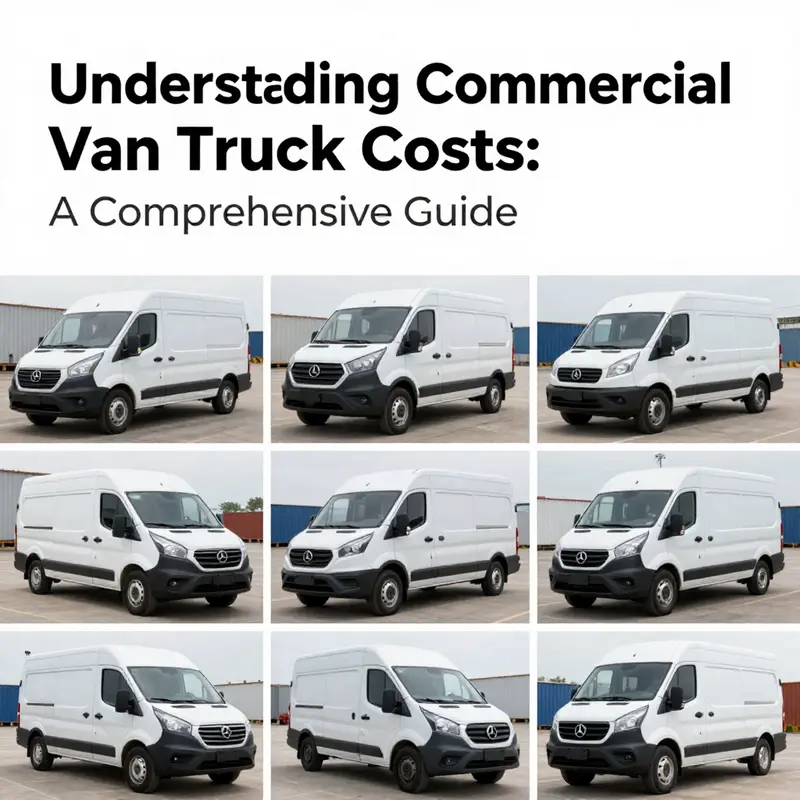
Understanding how much a commercial van truck costs requires more than a glance at a sticker price. Price tags vary widely, and that variation reflects choices about size, powertrain, payload, and the uses the vehicle must endure. A pragmatic buyer thinks in layers: the purchase price; the immediate add-ons required to do the job; and the longer-term cost of keeping the vehicle in service. This chapter walks through the realistic price bands you will encounter, explains the key drivers behind those bands, and highlights ownership trade-offs that materially change the effective cost.
At the low end you will find basic cargo vans marketed for bulk wholesale buyers. These models often start in the low thousands of dollars. They typically offer simple gasoline or diesel powertrains, minimal cabin comforts, and few optional systems. For operators seeking to stretch capital across a large fleet, these entry-level vans can be attractive because the upfront cost is low. However, the base price seldom includes taxes, shipping, registration, or modifications such as shelving, lift gates, or refrigeration. Once those real-world requirements are added, total outlay can rise substantially.
Moving upward on the price ladder, mid-range commercial vans — often with higher payload ratings, reinforced bodies, or basic refrigeration capability — occupy a middle band. In this tier you will see competitive pricing for electric vans that serve urban delivery routes and for diesel vans intended for heavier or longer-haul duties. For example, a compact electric cargo van with roughly a one-ton loading capacity can come at a price point that sits between the cheapest wholesale units and the more expensive full-size models. That price can be compelling when operators factor in lower energy costs and reduced maintenance for electric drivetrains, but it should be measured against range limitations, charging infrastructure, and battery life expectations.
At the high end, larger minibuses and heavy-duty box vans with stronger engines and automatic transmissions command higher prices. These vehicles are built for heavier payloads and frequent duty cycles, and their higher initial cost often reflects robust chassis components, more sophisticated transmissions, and additional comfort or safety systems. In some listings, vehicles configured for passenger duty or with advanced automatic drivetrains appear at price points that are several times the cost of a basic cargo van. Those higher prices matter when reliability and uptime are critical to revenue generation.
Several recurring variables explain why two vans that look similar at a glance can cost very different amounts. First, fuel type and powertrain architecture are major determinants. Diesel powertrains typically cost more than basic gasoline units but deliver better fuel economy and longer service life in many heavy-duty contexts. Electric variants may sit in the middle or higher, depending on battery capacity and local incentives. The long-term savings on fuel and maintenance for electric vans can offset higher purchase prices, but this depends on duty cycle and electricity costs.
Second, payload capacity and body type change the economics. A van engineered to carry three tons requires a stronger frame, upgraded suspension, and heavier-duty brakes; those components add cost. Refrigerated cargo bodies or insulated vans for temperature-sensitive goods add complexity and expense. Refrigeration systems themselves are significant line items and may require additional power sources, insulation, or layout changes that push the final price beyond the base vehicle cost.
Third, customization and delivery terms matter. Wholesale listings often quote factory prices that assume container shipping, port handling, and buyer-arranged local clearance. When a buyer requests customization — special shelving, proprietary telematics, or factory-fitted refrigeration — lead times and per-unit prices rise. Delivery terms such as CIF or FOB will shift who pays for shipping, insurance, and import duties, and those fees can be a substantial share of the landed cost when buying internationally.
Fourth, regulatory and regional factors create price variability. Emissions regulations, safety requirements, and homologation costs differ by country. A van cleared for use in one market may require modification and additional certification to comply with another market’s rules. Those expenses are real and should be factored into comparative pricing.
Financing and volume discounts also change the effective cost. Fleet financing packages, residual value guarantees, and bulk-order pricing reduce per-unit cash outlay. Conversely, small buyers paying cash for single units lack negotiating leverage and often pay more per vehicle. Maintenance contracts, extended warranties, and service agreements will increase upfront cost but reduce uncertainty and can be cost-effective for high-utilization fleets.
Total cost of ownership is the most important lens for a commercial buyer. This view considers depreciation, fuel or electricity consumption, routine maintenance, downtime risk, and resale value. Diesel vans may depreciate differently from electric ones, and the market for used vans varies by region and application. Operators should model typical duty cycles, local fuel and electricity costs, maintenance intervals, and expected lifecycle. That model reveals what looks like a cheaper purchase may cost more over three to five years if operational inefficiencies or costly repairs are likely.
For buyers focused on refrigerated or specialized cargo, the incremental cost of specifying a refrigerated body or a climate-controlled box can be large. That cost must be weighed against the revenue advantages of carrying perishable goods. Similarly, investing in telematics and driver-assist systems increases purchase price but can lower operating costs through route optimization, reduced fuel use, and safer driving behavior.
Practical buying advice centers on three actions. First, define the duty cycle clearly: average trip length, payload, and frequency. This determines whether fuel economy, payload, or purchase price matters most. Second, request total landed cost quotes that include taxes, shipping, and any mandatory compliance work. A low factory price is less meaningful without the complete picture. Third, compare scenarios over a multi-year horizon rather than a single purchase transaction. Include maintenance schedules, expected warranty coverage, and resale assumptions.
Market listings show a wide spread: basic cargo vans can start under a few thousand dollars, while more advanced or specialized vehicles climb into five figures. Operators should resist evaluating vehicles only by the sticker and instead examine add-on costs, lifecycle savings, and service networks in their region. For further reading on how order patterns and fleet-level margins affect pricing in the broader commercial vehicle market, see the analysis on trailer orders impact truckload margins.
For a concrete price reference for a compact electric cargo van with roughly a one-ton load capacity, consult this product listing: https://www.made-in-china.com/products/260724147552.html
The Specification Price Curve: What Raises or Lowers Commercial Van Truck Costs
The price of a commercial van truck is not a single number. It is the result of many technical choices and regulatory realities that interact. Understanding which specifications move the price needle helps operators pick a model that fits operational needs and budget. This chapter explains the most influential factors, how they trade off against each other, and where buyers can focus to control acquisition and lifecycle costs.
The foundation of cost is the vehicle architecture. A heavier, reinforced chassis designed for high payloads and long-haul work requires stronger materials and more complex welding and testing. That frames the cost baseline because it determines how much cargo weight the vehicle can carry, how it behaves under stress, and how much maintenance it will need over time. Transmission choices follow close behind: manual systems are typically cheaper upfront and often simpler to repair. Automatic and dual-mode transmissions cost more, but they can reduce driver fatigue and improve fuel economy in stop-and-go operations, which matters for total cost of ownership.
Engine power and torque specifications shape price and operating capability. High-horsepower, high-torque engines command higher prices. They allow faster acceleration with heavy loads and better performance on grades, but they often consume more fuel. Conversely, smaller, more efficient engines reduce purchase price and fuel spend but limit payload or route options. Diesel powertrains still dominate many commercial segments due to torque and fuel efficiency, but alternative powertrains can change cost dynamics depending on incentives, fuel prices, and maintenance regimes.
Fuel efficiency interacts with both engine choice and vehicle weight. Lightweight construction, aerodynamic cabins, and optimized gearing improve economy and reduce fuel expenditure across the fleet. Investing in these features raises the initial price but can pay back quickly on high-mileage routes. For short, urban runs with low daily miles, the payoff period lengthens, and budget-conscious buyers may prefer lower-spec, efficient light-duty vans.
Payload capacity is central to commercial value. The higher the payload rating, the more goods a truck can carry and the fewer trips a business must make. Vehicles with higher payload ratings require stronger suspension, reinforced frames, and often more robust brakes and axles. All of these increase purchase price and maintenance costs. That said, overspecifying payload can be wasteful; choosing the smallest vehicle that safely handles typical loads optimizes both capital and operating costs.
Specialized features command premium pricing. Refrigeration systems, integrated temperature monitoring, and insulated cargo bodies increase complexity and weight while adding fuel or power requirements. They require regular maintenance and certified inspections to meet health and safety standards, which adds recurring cost. Modular cargo systems—such as shelving, liftgates, and configurable partitions—add flexibility for mixed-use fleets. Their modularity means higher initial cost but can reduce the need for multiple vehicle types in a fleet, lowering fleet-wide capital expenditure.
Safety and compliance features affect price directly and indirectly. Emissions control hardware, certified safety systems, and regulatory approvals are expensive components. Vehicles compliant with stringent emissions standards often include advanced after-treatment systems, diesel particulate filters, or selective catalytic reduction hardware. These raise the sticker price and maintenance burden but ensure access to regulated markets and can protect fleets from future retrofit mandates. For more on how emissions rules shape manufacturer requirements, see the discussion on OEM regulatory clarity in the linked industry brief: OEMs seek clarity in emissions regulations.
Drive configuration—whether rear-wheel, front-wheel, or all-wheel drive—also changes cost and suitability. Certain drive layouts reduce manufacturing cost but limit payload distribution or traction. Heavy-duty, multi-axle configurations needed for very large loads increase chassis complexity, tyre expenses, and maintenance. Conversely, light-duty front-wheel configurations may lower cost and improve fuel economy but at the expense of payload and towing capability.
Transmission of cost through ancillary systems is often underestimated. Heavier vehicles need more robust cooling systems, larger brakes, and heavier-duty tyres. Special equipment like liftgates and refrigeration units require electrical power and control systems that add to wiring complexity. Each subsystem adds to both purchase price and future service needs. When comparing quotes, buyers should ask suppliers to itemize these subsystems to understand where costs concentrate.
Customization and delivery terms are significant negotiable levers. Standard, off-the-shelf models cost less than bespoke builds. Custom paint, specialist fittings, or nonstandard wheelbases increase lead time and price. Delivery terms such as FOB, CIF, or door-to-door logistics add regional variability. Taxes, import duties, and local registration rules further change the landed cost. Buyers must calculate total delivered cost rather than base price alone.
Maintenance and lifecycle costs are inseparable from specification choices. High-spec, high-power units might have longer service intervals but higher repair costs when failures occur. Refrigeration and temperature control systems need scheduled servicing and certification, which is an ongoing expense. Conversely, simple, light-duty models tend to be cheaper to maintain, but their limited durability may shorten replacement cycles under heavy use. Total cost of ownership models that include depreciation, fuel, servicing, and downtime provide a clearer picture than sticker price alone.
Practical procurement guidance flows from these trade-offs. Start by defining the mission profile: average payload, daily mileage, typical route types, and regulatory environment. Prioritize the specifications that directly serve that mission. For long-haul, high-payload work, invest in a reinforced chassis, higher torque, and transmission options that improve driver comfort. For urban last-mile applications, prioritize fuel efficiency, compact dimensions, and lower capital outlay. For perishable goods, accept the premium for refrigeration and monitoring systems and factor in certification and service contracts.
Finally, remember price ranges vary widely. Entry-level cargo vans can begin at a modest price point, while specialized refrigerated or multi-axle heavy-duty trucks sit at the high end. Exact pricing depends on configuration, regional costs, and supplier offers. For a concrete example of a detailed spec listing and to review configurations similar to what has been discussed, consult the external specification listing linked below.
https://www.alibaba.com/product-detail/SINOTRUCK-HOWO-8X4-Cargo-Van-Truck_1600739327431.html
Price Lanes and Fleet Decisions: Navigating Commercial Van Costs in a Tiered Market
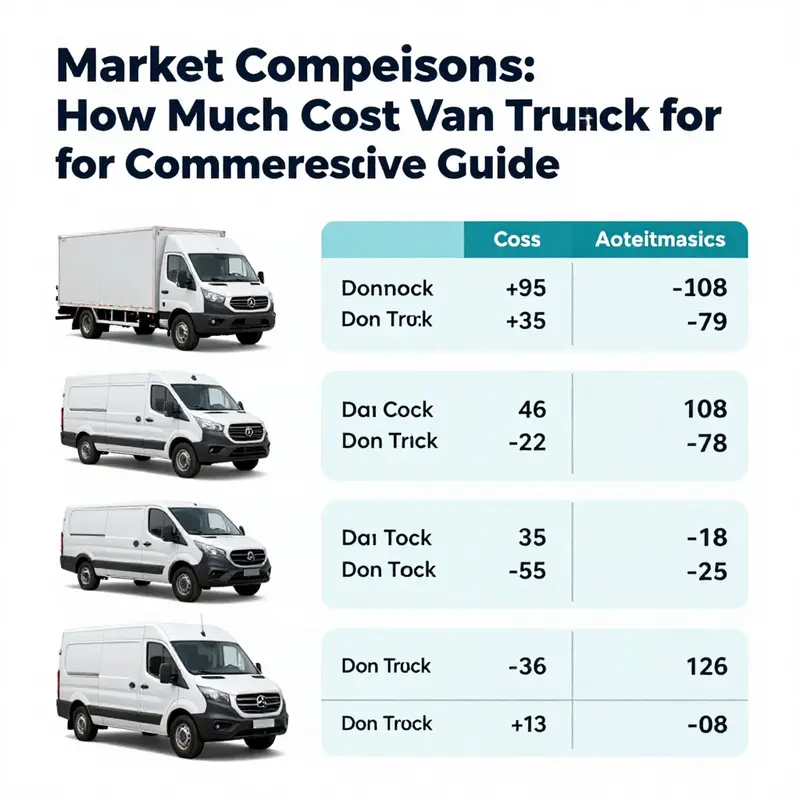
For any business that moves goods, people, or service teams through urban and regional networks, the price tag on a van truck is only the first line of a longer negotiation with value. The true cost of a commercial van or box truck sits at the intersection of upfront price, capacity, drivetrain, and the long arc of maintenance, fuel, financing, and resale. When vendors and fleets size up options, they rarely decide on price alone. They map out a tiered market that can feel like three worlds in one: budget-friendly workhorses that do the basics, mid-range work vehicles that balance capability with efficiency, and premium platforms that push performance, durability, and customization to the edge. Each tier speaks to different routes, payload demands, and duty cycles, and each comes with its own profile of cost savings and risks over time. The result is not a single number to memorize, but a spectrum that helps planners align procurement with fleet strategy, whether the aim is to maximize daily deliveries, extend service hours, or reduce total operating expense over the vehicle’s life cycle.
In the budget tier, the headline is accessibility. Vehicles in this segment are pitched as affordable entry points for urban delivery, spiking at price ranges that can be enticing for startups, small businesses experimenting with local fleets, or service fleets that require push-button reliability rather than specialized capability. The sticker price typically lands in a range where monthly lease payments or financing are manageable, and where the vehicle’s maintenance footprint remains modest. It’s common to see up-front costs around the low tens of thousands of dollars, with some options dipping toward the high teens or even below twenty thousand in broad market quotes. The caveat is that these vehicles often trade some payload headroom, driving range, or advanced features for that lower price, and the total cost of ownership can tilt upward if the unit is driven hard in dense urban routes or subjected to rough pavement, steep inclines, or extreme weather on a regular basis. Wholesale channels sometimes present even more attractive price points—rumors of bulk listings and fleet deals that dip under ten thousand dollars for certain basic configurations do exist in some regions, though buyers must weigh longer-term reliability, warranty coverage, and practical performance against the upfront bargain. In this space, the decision is often about whether a slimmer margin approach today preserves cash for growth tomorrow or whether the business needs a little more headroom to avoid repeated downtime.
Moving into the mid-range, fleets gain balance. These are the workhorse vans that blend payload capacity, reliability, and efficiency without climbing into premium-level sophistication. Typical mid-range offerings in broad markets tend to sit in a price corridor from roughly the high twenty-thousands to the low forty-thousands of USD. That band captures robust gasoline-powered variants that deliver predictable fuel economy, reputable after-sales networks, and comfortable cargo volumes that cover most urban-to-suburban delivery routes. It also encompasses a growing set of mid-tier electric or hybrid platforms that bring lower operating costs over time via reduced fuel use and simpler powertrain maintenance. The mid-range segment is where many fleets find their best value: enough torque and payload for daily tasks, reasonable range for multi-point routes, and a support ecosystem that scales with a growing fleet. It is not unusual for buyers to negotiate favorable terms on delivery, customization, or extended warranties, especially when a fleet comprises a few dozen vehicles rather than a handful. The strategic question in this tier hinges on utilization: is the business primarily competing on price and speed, or does it increasingly seek to shave fuel costs and emissions across thousands of miles per month? The answer informs how aggressively to pursue optional features such as enhanced driver aids, modular shelving, or reinforced cargo walls, because these considerations can tip the balance toward a different total cost of ownership even when the sticker remains moderate.
Beyond mid-range lie the premium platforms, which attract those with long horizons and specific performance or operational needs. These vans commonly command prices in the mid-to-upper tens of thousands and can extend well beyond seventy thousand USD for highly specialized configurations. The premium tier is often characterized by greater build quality, longer service intervals, improved ride comfort, and, in many cases, advanced drivetrain architectures such as electric propulsion with long-range capabilities, robust payload margins, and features designed to support intensive duty cycles. For fleets that operate in challenging terrains, extreme weather, or demanding daily schedules, the premium tier promises resilience and uptime that can translate into meaningful value over the life of the asset. Yet the premium price tag also requires a more rigorous justification: the business must quantify the anticipated savings in fuel, maintenance, downtime, and depreciation, and then compare those savings against the higher upfront cost. In practice, many buyers in this tier approach procurement as a strategic investment—especially when coupled with incentives, favorable financing, or bundled service agreements that reduce the friction of ownership.
Across these tiers, several factors consistently shape the total cost of ownership beyond the headline price. Drivetrain choice—gasoline, diesel, or electric—drives both the upfront expense and ongoing operating costs. Electric platforms typically carry a higher initial price than their internal-combustion counterparts, yet they offer substantial potential savings through lower fuel costs, reduced maintenance needs, and, in many markets, incentives or subsidies that offset the upfront premium. The payload capacity and range requirements further refine value. A van that regularly hauls heavy loads on long routes mandates a marginally larger vehicle with a stronger powertrain and possibly enhanced cooling and suspension, all of which push the price upward but also improve uptime and service levels. Customization and fit-out are other levers. A business that needs refrigerated cargo, specialized racks, or side doors engineered for quick last-mile access will see the price rise with each added feature, though such investments can shrink losses from damaged goods or failed deliveries. Region, delivery terms, and financing conditions exert a subtle but persistent influence as well. Currency fluctuations, import duties, local taxes, and the terms of sale—whether the vendor covers freight or the buyer bears it—shape the actual cash outlay and the timing of payments.
A practical way to navigate this landscape is to anchor the purchase in a well-structured cost analysis rather than a single price quote. Start with the mission profile: how many miles per day will the vehicle cover, what average payload is required, and what is the maximum range that must be met before a recharging or refueling opportunity is available. Then forecast the fuel or electricity costs, maintenance, tires, insurance, and financing. A simple framing can reveal whether a mid-range platform with favorable incentives and a conservative maintenance plan might deliver a lower lifetime cost than a budget option that incurs higher downtime or more frequent repairs. It is here that the market’s tiered pricing becomes a tool rather than a verdict: the right choice depends on how the vehicle’s duties align with its strengths. For some businesses, the advantage lies in a low upfront price coupled with predictable maintenance costs; for others, a higher upfront investment in a long-range electric platform may reduce operating costs enough to justify the difference over a five- to seven-year horizon.
The decision is further complicated by market dynamics that influence pricing cycles and procurement planning. Industry analyses increasingly note that excess capacity in the trucking and logistics sectors can affect how aggressively suppliers price fleet solutions, particularly for urban delivery and regional operations. This reality creates openings for fleet managers to negotiate favorable terms, time purchases to price dips, and align vehicle replacement with seasonal demand or capacity shifts. For readers exploring these options, a deeper dive into market insights can illuminate how to time acquisitions, structure leases, or pursue bundled service agreements that optimize uptime and depreciation. See more on this topic in discussions focused on excess capacity in the trucking market — Insights.
In sum, there is no single price for a commercial van truck that fits every business. The market’s three-tier structure—budget, mid-range, and premium—maps onto different duty profiles, risk tolerances, and financial strategies. The best path is to translate the intended use into a total cost of ownership that reflects fuel or electricity, maintenance, and financing over the vehicle’s full life. With careful forecasting, a company can align its fleet with its service goals, secure favorable terms, and avoid the trap of chasing the lowest upfront price at the expense of uptime and long-term value. Internal market dynamics and supplier negotiations will always play a role, but a disciplined approach to cost modeling can keep the fleet on track to meet demand while protecting margins. External resources can supplement this analysis, offering broader context on how market conditions and policy incentives influence the economics of commercial mobility.
External resource: https://www.fotonmotor.com/en/vehicles/ev/auman-ev.html
Regional Price Dynamics: Tracing the Cost Range for Commercial Van Trucks Across Markets
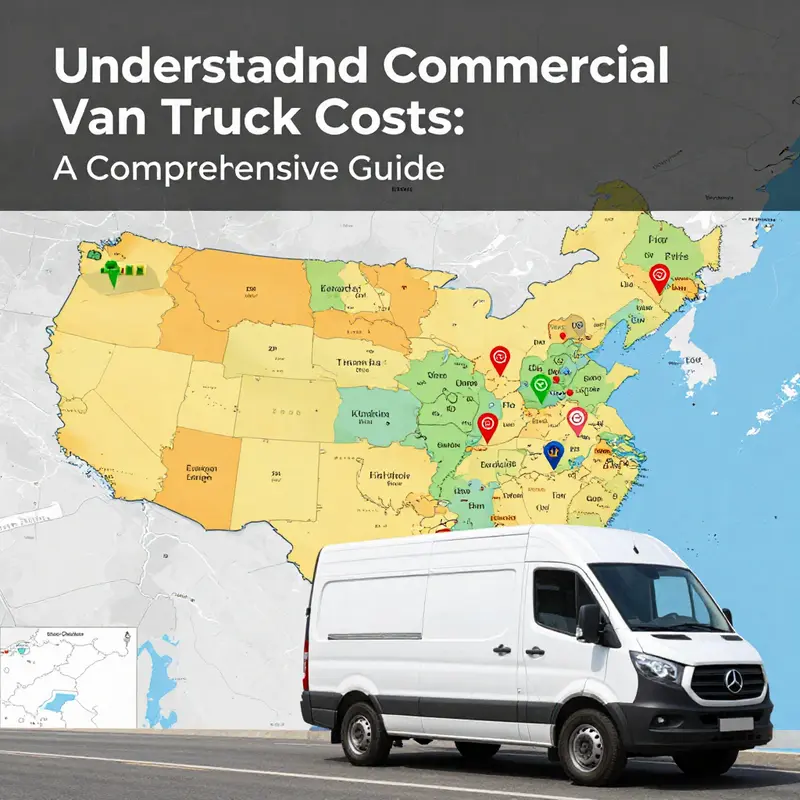
Prices for commercial van trucks are hardly a single number. They reflect a mosaic of regional realities: demand cycles, import duties, taxes, logistics costs, currency fluctuations, and the particular configurations buyers choose. Where a vehicle is manufactured or sourced, how it is driven for a given market, and how the final landed cost is calculated all interact to determine what a buyer actually pays. This chapter ties together the practical price ranges seen in different regions with the broader context of how a buyer should think about cost when planning a commercial van or small box truck fleet. It also emphasizes that the most attractive sticker price often hides a more complex landed cost once freight, duties, and local fees are factored in. The lesson for buyers is to pursue real time quotes that reflect their specific region, drive type, and delivery terms, rather than relying on a single price from a distant listing. For readers navigating cross border sourcing, it can be helpful to stay mindful of regulatory factors that shape the price narrative, such as import controls and regional vehicle specifications. See the discussion on cross border regulatory issues for more detail on how policies can alter the final price and delivery timeline. cross-border regulatory issues.
Across markets, the baseline numbers that underpin regional price differences often start with the same manufacturing options—compact 4×2 or 4×4 platforms, diesel or gasoline powertrains, manual versus automatic transmissions, and the choice of cargo configuration. Yet the same model can have very different sticker prices once it is positioned in a local market with a specific tax regime, shipping route, and distribution network. In practice, the variation is not just a function of currency; it is also a function of how much value a market assigns to features such as higher payload capacity, specialized refrigeration, or preferred drive layout for urban use. These considerations can push a cost metric in one region above another, even if the base unit price in the origin country appears similar. Buyers should therefore view regional price data as a starting point for negotiations rather than a final answer, and should request quotes that separate the base price, freight, insurance, duties, and local charges so they can clearly compare landed costs.
In the Philippines, price dispersion for a 4×2 cargo van truck reflects the country’s market structure and logistical realities. A typical range for a 4X2 LHD or RHD cargo van, such as is common in local fleets, sits between roughly US$9,999 and US$26,480 per unit. This spread captures variations in configuration, whether the unit is intended for left- or right-hand drive, and what the seller includes in the delivered price. Importantly, the quoted range often excludes or separates additional costs that can creep into the total bill, such as customs clearance, inland delivery, and handling charges at the port. For buyers, this means that the headline price is only part of the story. A smaller yet functional van destined for urban delivery could land at the lower end of the range if it arrives with minimal optional equipment and modest freight, while a higher-end configuration with extra braking systems, enhanced suspension, or refrigerated capability can approach the upper end. When planning purchases, buyers should also consider aftersales costs, spare parts availability, and local service networks, all of which influence the total cost of ownership over the life of the vehicle. The Philippines example illustrates how regional price bands can form a useful starting point for budgeting, but real world procurement requires digging into the specifics of each offer and weighing total landed cost against fleet needs.
In the Middle East, Dubai and the wider United Arab Emirates present a distinct pricing environment. While the data here does not list exact cargo van prices for the UAE, the market is known for a strong appetite for pickup trucks and light commercial vehicles used in dense urban settings and rapid delivery networks. Tariffs, luxury vehicle taxes, and the overall import environment can push commercial van prices higher than in many Southeast Asian markets. Buyers in this region often encounter a higher base price when the vehicle is imported from China or Europe, plus the added weight of freight, insurance, port handling, and local distribution charges. The result is a landed cost that can exceed expectations if one relies on a simple ex-works or factory price. For buyers planning regional fleets, the UAE example underscores the importance of evaluating not just the price in the source market but the total landed cost and local regulatory considerations, including any preferred drive configurations and compliance standards that may influence pricing.
China remains a central hub for commercial vehicle manufacturing, and as such it anchors many price benchmarks for the global market. Within manufacturing hubs and provinces such as Jilin, major groups offer a range of box cargo trucks and other light-duty commercial vehicles. A representative example is the Dongfeng New Box Cargo Truck, which has been quoted in a broad band from about US$11,500 to US$23,500 per unit, with a minimum order quantity of one piece. This illustrates how the base price in the country of origin can be quite attractive, particularly when orders are small and the SKU is widely produced. Yet buyers exporting to other regions must account for shipping, insurance, export compliance costs, and the inevitable adjustments that come with different regulatory regimes and terms of sale. The China price range demonstrates both the strength of domestic competition and the sensitivity of the final price to the logistics chain. For many buyers, the path from factory quote to fleet deployment involves a careful assessment of Incoterms, port throughput, and the time value of capital while a vehicle traverses the procurement cycle.
On a global scale, the cash price of a truck or van is only one dimension of an international procurement strategy. A vehicle that carries a base price around US$11,500 in China may end up costing more than US$20,000 in markets like the Philippines or Dubai after freight, insurance, customs duties, and local distribution costs are added. The final landed cost depends on several factors, including whether the vehicle is delivered as a complete unit or as a knockdown kit, the ease of obtaining parts and servicing in the destination market, and the specific regulatory alignment of the market—such as left-hand drive versus right-hand drive, or compliance with local safety and emission standards. Buyers who intend to source vans or small cargo trucks across borders should plan for these contingencies from the outset and request quotes that itemize each cost component. A practical approach is to use global platforms that provide up-to-date pricing and trade terms, while also engaging directly with suppliers to verify current availability and delivery schedules.
The broader market chatter aligns with initial data that sets thresholds for wholesale and direct-from-manufacturer opportunities. A 2024 diesel automatic commercial vehicle described as a mini bus, for instance, can be priced around US$19,780 per unit when viewed in wholesale contexts. While this figure does not map directly onto every van cargo truck, it offers a frame of reference for what a modern diesel-equipped commercial vehicle can cost when tuned for performance and durability in bulk purchases. Conversely, there are entries in the wholesale space for smaller or differently configured vans where prices may start much lower, with the caveat that such figures are often baseline quotes that exclude logistics, duties, and optional equipment. The absence of a listed price for some models, such as a Sinotruk HOWO 4X2 mini van box cargo truck with a 3-ton capacity, highlights how quickly a quote can vary depending on configuration, region, and seller terms. Buyers should treat these examples as a palette of possibilities rather than a single forecast.
Online marketplaces also illustrate a spectrum of affordability and scale. On wholesale platforms, big van cargo trucks can appear with price floor figures around US$3,122, a number that often represents entry-level configurations or wholesale offers with limited included equipment. The stark difference between such a low entry price and the higher regional quotes discussed earlier underscores the role of package content, aftersales coverage, and logistical arrangements in shaping the true cost of acquiring a commercial van or light-duty cargo truck. For buyers with lean budgets or the appetite for high-volume procurement, these wholesale numbers can serve as a starting point for negotiations, provided they are paired with due diligence on shipping terms, warranty provisions, and service networks in the destination market.
In practical terms, navigating regional price variations means building a procurement plan that explicitly reflects the destination market. Buyers should ask for a transparent breakdown of the base price, freight, insurance, duties, local handling fees, and any regulatory charges that may apply. It is also wise to clarify whether prices include or exclude delivery to final mile locations, and to identify any optional equipment that could materially affect the total cost of ownership, such as specialized cargo configurations, refrigeration units, or enhanced safety features. The regional narratives in this chapter point to a common thread: to optimize total cost, procurement decisions should be anchored in real-time regional quotes, with an emphasis on landed cost and lifecycle costs rather than sticker price alone. For further reading on cross-border considerations and how policy shifts can influence cost and delivery timelines, explore the cross-border regulatory issues resource linked earlier. That context helps buyers align price expectations with practical delivery realities and regulatory compliance as they plan fleet expansions or replacements.
External reference: For a concrete view of current regional pricing dynamics in an actual listing, see the Alibaba listing that documents Foton 4X2 LHD/RHD cargo van price in the Philippines. External pricing data like this can illuminate how base price translates into landed cost in a given market. Alibaba listing for Foton 4X2 LHD/Rhd cargo van price in Philippines.
From Sticker Price to Street Pace: A Practical Cost-Benefit Roadmap for Commercial Van Truck Investments

Investing in a van truck for commercial use today demands more than selecting the vehicle with the lowest upfront price. It requires a disciplined assessment of total cost of ownership, return potential, and how the asset fits a fleet’s operational rhythm in dense urban corridors and last‑mile zones. The market data available through early 2026 highlights a spectrum of choices, from affordable urban workhorses to premium, high‑efficiency electric vans. The central question remains the same: how much should a business invest in a van truck, and how quickly will that investment pay back in real-world performance? Reading the numbers together with practical operations reveals not a single best answer, but a decision framework that aligns purchase price, energy costs, maintenance, and productivity gains with a company’s scale and service commitments. The two models that stand out in the current landscape demonstrate how divergent strategies can be, depending on whether a fleet aims to minimize upfront cash flow or maximize long-run efficiency and branding for higher‑volume, multi‑use operations.
On one end of the price spectrum, a value‑tier urban van offers an accessible entry point for micro‑businesses and solo entrepreneurs. In the market data observed around March 2026, the premium electric option sits in a higher price band due to its advanced technology and larger interior, yet it delivers substantial operational advantages. Its platform is built on a native electric skateboard architecture, enabling a ride with fewer moving parts, digital access, and a smart cockpit. Notably, it trades off some upfront affordability for a sizeable interior volume—the 13.2 cubic meters that come from the elimination of a B‑pillar—so side-loading can be rapid and flexible in tight city streets. This van is equipped with a sizable 106 kWh battery, supporting a practical range of up to 560 kilometers per charge. While exact pricing for this model isn’t published in the data set, typical market positioning places it in the ¥250,000–¥350,000 range, reflecting a balance of premium features and the long‑term savings they enable. The tradeoffs are clear: higher initial capital with gains in throughput, loading efficiency, and brand‑image potential that can drive incremental revenue beyond simple cargo capacity.
On the other side is a more economical urban workhorse designed to unlock rapid, repeated cash flows with minimal upfront strain. The cost picture for this class of vehicle centers on affordability and an established service footprint that can support small fleets quickly. The data show a widely accessible entry price in the ¥120,000–¥180,000 range, accompanied by practical capacity and range that fit typical last‑mile patterns. A cargo volume around 6.5 cubic meters and a range exceeding 300 kilometers make it a compelling option for daily urban routes. Its loading configuration—one side door plus a dual‑opening tailgate—supports nimble navigation through narrow streets and often tight loading windows. For operators prioritizing cash flow, such a model reduces the payback hurdle and stabilizes cost per delivery as fleets scale.
The economics of these choices hinge not only on sticker price but also on how energy costs, maintenance, and utilization shape the ongoing expenses of ownership. Electric vans inherently reduce fuel costs and often deliver maintenance advantages because they have fewer moving parts than traditional internal combustion engines. The market research notes an approximate annual maintenance reduction of around 40 percent versus diesel equivalents. Those savings accumulate quickly as mileage climbs, strengthening the ROI proposition even when initial financing costs or lease payments are higher. In urban delivery cycles where daily miles accumulate, the energy delta between electric and diesel becomes a meaningful contributor to the bottom line, especially in markets with favorable tariff structures for commercial charging and potential subsidies or incentives.
Productivity gains also play a central role in the ROI calculation. The larger electric option’s interior volume translates into more deliveries per day, while the absence of a B‑pillar can streamline loading and unloading. In practical terms, the Yufeng‑type van offers up to a 30 percent reduction in loading/unloading time, a factor that directly increases daily delivery counts for high‑frequency, small‑batch models typical of e‑commerce and fresh‑food logistics. Time saved in the yard and on the curb compounds into more stops and more revenue opportunities, effectively magnifying the value of the vehicle beyond raw cargo space. Conversely, the smaller, lower‑priced model excels in micro‑fleet scenarios where the emphasis is on maximizing vehicle uptime with simple service networks and predictable operating costs. The Wuling Yangguang is noted for its reliability and an extensive after‑sales network across the region, key elements that help sustain a quick return on investment for small operators.
Another dimension that frames the cost‑benefit calculus is residual value and financing flexibility. The Wuling Yangguang’s strength lies not only in its low upfront price but also in a broad service ecosystem that preserves value and minimizes downtime. For small fleets, this translates into a shorter balance‑sheet horizon for fleet replacement and easier access to financing or leasing structures, particularly when a manufacturer or ecosystem provider offers pay‑as‑you‑go arrangements that spread the cost over time. In contrast, the Yufeng Super Van’s premium positioning and larger capacity lend themselves to customization and multi‑use potential, which can unlock additional revenue streams such as mobile showroom configurations or weekend camping installations. The broader monetization spectrum elevates the expected ROI horizon, potentially bringing the break-even window into the two–to‑three‑year band when higher productivity and labor savings are factored in.
Estimating ROI with confidence requires translating these qualitative benefits into concrete financial metrics. A pragmatic approach begins with the up‑front cost, then folds in annual energy expenses, maintenance, insurance, and financing charges. For the Wuling Yangguang, the combination of a lower purchase price and strong local service support often yields a payback period of roughly 12 to 18 months under moderate usage—say 150–200 kilometers per day. That rapid payback is especially attractive to micro‑enterprises that rely on steady, predictable cash flows and a fast path to profitability. The Yufeng Super Van, while more expensive initially, offers enhanced productivity and a broader range of configurations that can grow with a company’s scale. In fleet contexts that emphasize branding, premium customer experience, and diversified utility, a two‑to‑three‑year ROI becomes plausible as higher throughput, reduced labor costs, and potential for conversion into value‑added applications contribute to the total value proposition.
Beyond the numbers, the strategic decision also rests on the operator’s urban footprint and fleet strategy. Dense urban environments, high daily delivery counts, and narrow streets tip the scales toward models with greater cargo volume and loading efficiency, even if the upfront price is steeper. For businesses that anticipate rapid growth, diversified routes, or a desire to project a strong brand image, investing in a high‑capability electric van can deliver marginal gains that compound over multiple years. At the same time, a business prioritizing lean operations and low risk may find the Wuling Yangguang’s combination of affordability and robust service support to be the more prudent path, delivering a quick, predictable ROI with less exposure to capital intensity.
A key element that often shapes the decision is the logistics operating model itself. Efficient last‑mile delivery relies on more than vehicle specs; it depends on route planning, charging availability, and the ability to maximize fleet utilization. Fleet managers should model daily mileage, dwell times, charging windows, and maintenance downtime to estimate true utilization and downtime risk. The discussion of efficiency gains and real‑world ROI should be anchored in a scenario analysis that considers fleet size, average daily kilometers, and service level expectations. For smaller fleets, the willingness to adopt a lower upfront investment with rapid payback can be the decisive factor. For larger, more sophisticated operations, the higher upfront cost may be justified by greater cargo capacity, faster loading, and enhanced brand positioning that could unlock premium contracting or improved customer retention.
For readers seeking broader market context as they weigh these options, industry insights on capacity and utilization can be informative. See the discussion on excess capacity in the trucking market insights for a fuller picture of how fleet composition and utilization trends influence ROI and risk in urban logistics. Excess capacity in the trucking market insights.
In summary, the 2026 data signal that the path to ROI in van truck investments is not a single route but a map of choices aligned with business scale and service priorities. The lower‑cost, compact option reduces the barrier to entry and promises a fast payback for small operators who can sustain a steady cadence of deliveries. The higher‑capacity electric option demands more upfront but can deliver meaningful gains in productivity, route flexibility, and brand value that pay off over two to three years and beyond. The decision should hinge on a clear forecast of daily workloads, charging and maintenance capabilities, and the willingness to leverage the vehicle as a lever for service differentiation. As urban logistics intensifies, the most successful operators will be those who connect the dots between the sticker price, the electricity bill, and the daily rhythm of deliveries, turning a mobile asset into a reliable source of recurring revenue. For readers seeking a broader, external perspective on market dynamics, see the China Automotive Industry Association’s 2026 Q1 market report, which provides wider context on vehicle demand, pricing trends, and the evolving economics of commercial vans in the period analyzed.
Final thoughts
As businesses weigh the financial implications of purchasing commercial van trucks, it is essential to consider the various pricing dynamics influenced by specific models, specifications, and regional factors. The thorough cost-benefit analysis discussed in this article empowers decision-makers to navigate procurement effectively, ensuring alignment with operational needs and budget constraints. An informed approach can lead to enhanced logistical efficiency and long-term financial viability.