
Introduction to Compostable Takeout Bags
In today’s environmentally conscious world, businesses are recognizing the urgent need to embrace sustainable practices, particularly in the food service industry. Compostable takeout bags have emerged as a pivotal solution for eco-conscious establishments like bubble tea shops, restaurants, and catering services. These innovative bags not only aid in reducing plastic waste but also align with customers’ growing preference for green choices. As consumers become increasingly aware of their environmental footprint, businesses that prioritize sustainability can differentiate themselves in a competitive market.
By opting for compostable takeout bags, food service providers can contribute to a healthier planet while enhancing their brand image. It’s more than just a trend; it’s a necessary shift towards responsible consumption. Using these eco-friendly alternatives not only lessens landfill contributions but also supports local and global eco-initiatives. Moreover, businesses can foster a strong relationship with their customers by showcasing their commitment to sustainable practices.
For those interested in these innovative solutions, check out our range of compostable products that can help you make the transition towards a greener future. Together, let’s pave the way for a more sustainable food service industry!
Environmental Benefits of Compostable Takeout Bags
In recent years, the debate between traditional plastic bags and compostable alternatives has gained significant attention, particularly in the context of the food service industry. The shift towards compostable takeout bags is not just a trend but a critical environmental step forward. Here, we explore how compostable bags help reduce plastic waste and pollution while presenting compelling advantages over their plastic counterparts.
Reduction of Plastic Waste
Plastic waste has become a staggering environmental crisis. According to studies, plastic bags can take anywhere from 500 to 1,000 years to decompose in a landfill. This extensive period contributes heavily to landfill overflow, while also posing threats to marine life and ecosystems. In contrast, compostable takeout bags break down within 3 to 6 months when subjected to industrial composting conditions. This quick decomposition process drastically reduces the burden on landfills and minimizes long-term pollution.
Environmental Impact
The environmental implications of choosing compostable bags over plastic are stark:
- Decomposition: Compostable bags turn into nutrient-rich compost, enriching the soil, while plastic bags contribute to land and ocean pollution that harms countless marine animals.
- Health and Safety: Compostable bags can be made from non-toxic, plant-based materials, presenting a safer option for food storage compared to traditional plastic bags, which may leach harmful chemicals.
- Cost Considerations: Although compostable bags are generally more expensive than plastic, their prices are decreasing as the technology improves. This positions them as a valuable investment for businesses committed to sustainability.
Supporting Evidence
Consider the following table, which summarizes the advantages of compostable bags versus plastic:
| Category | Compostable Bags | Plastic Bags |
|---|---|---|
| Decomposition Time | 3 to 6 months under industrial composting conditions. | 500 to 1,000 years to decompose in landfills. |
| Environmental Impact | Break down into nutrient-rich compost, reducing plastic waste and pollution. | Contribute to land and ocean pollution, harming wildlife and ecosystems. |
| Health Safety | Can be made from non-toxic, plant-based materials. | Often made from petroleum, may leach harmful chemicals. |
| Cost | Generally more expensive than plastic bags, but prices are decreasing as technology improves. | Less expensive and widely available. |
| Strength | Suitable for various applications but can be less durable than plastic in some cases. | High durability, but can contribute to environmental issues due to long decomposition time. |
Conclusion
Switching to compostable takeout bags offers a practical solution to the dual crises of plastic waste and environmental degradation. In addition to supporting a healthier planet, these bags align with consumer preferences for sustainable practices. Many businesses, including Green Dispo Pack, are now offering compostable options to meet this increasing demand, helping food service providers contribute positively to our environment.
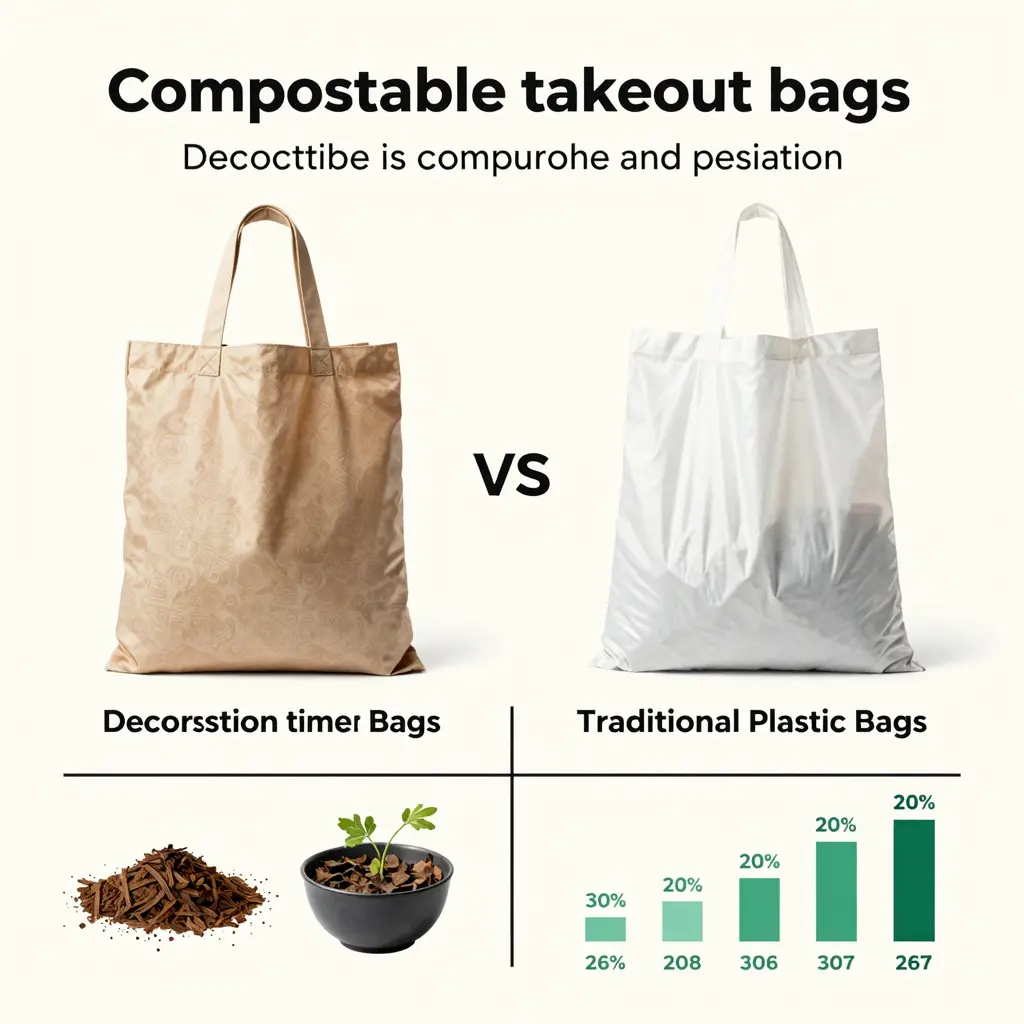
Figure: Environmental impact of compostable takeout bags compared to plastic bags.
By supporting compostable products, your business not only adheres to environmental standards but also helps pave the way toward a greener future.
Types of Compostable Takeout Bags
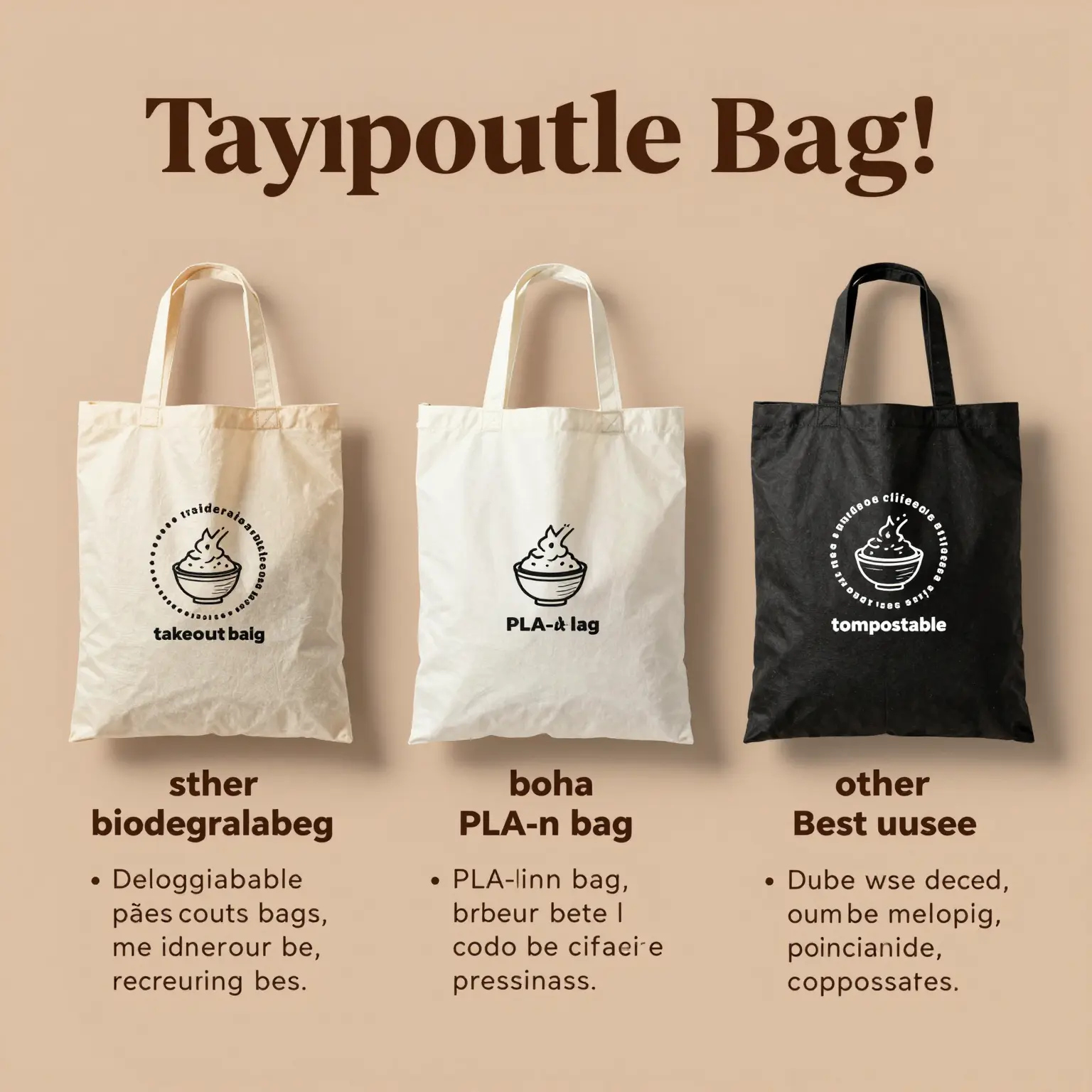
As a business owner in the food service industry, choosing the right compostable bags not only contributes to sustainability but also elevates your brand’s image. Here’s a friendly guide detailing various types of compostable takeout bags, their features, and best uses:
-
Biodegradable Bags
Made from plant-based materials like starch, these bags break down naturally in composting conditions. They are perfect for dry goods and suitable for a variety of food services, providing an eco-friendly alternative to traditional plastic bags. -
PLA-lined Bags
These bags feature a lining made from Polylactic Acid (PLA), which is derived from fermented plant starch. They are excellent for wet or greasy foods, typically used in restaurants and food trucks that serve salads or takeout meals. However, they are not microwave safe. -
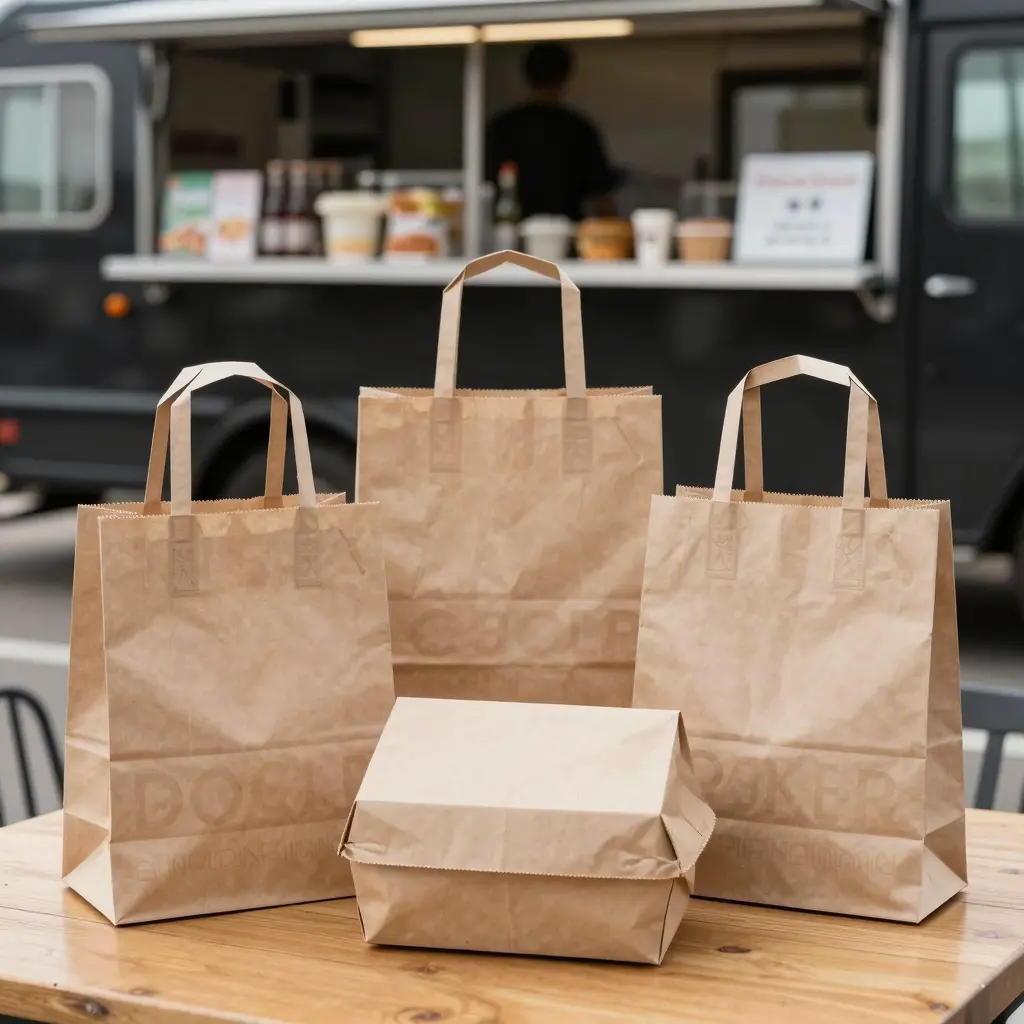
Compostable Paper Bags
Often made from recycled paper, these bags are fully compostable and provide a rustic feel. Best for dry items and takeout orders, they are commonly utilized in cafes and bakeries. -
Sugarcane Bags
Derived from sugarcane pulp, these bags offer durability and are water-resistant, making them great for any food type. Their sustainable production makes them a popular choice among eco-conscious businesses.
Choosing the right compostable bag not only makes a positive environmental impact but can also resonate with customers looking for sustainable options. Learn more about eco-friendly packaging options here!
Cost-Effectiveness of Compostable Options
In the evolving landscape of consumer preferences, businesses are increasingly recognizing the economic benefits associated with compostable takeout bags. By switching to these eco-friendly options, establishments can not only appeal to eco-conscious customers but also potentially reduce their long-term waste disposal costs.
1. Appeal to Eco-Conscious Consumers
Today’s consumers are more educated about environmental issues than ever before. A significant number prioritize sustainability when choosing where to buy their food and beverages. According to a report from KUEY, businesses that adopt eco-friendly packaging can attract environmentally conscious customers, enhancing their brand image and boosting sales. By offering compostable takeout bags, you’ll align your brand with these values, making it a compelling choice for consumers looking to decrease their ecological footprint.
2. Reduce Waste Disposal Costs
One of the often-overlooked benefits of switching to compostable packaging is the potential for lower waste disposal costs. Traditional plastic bags can contribute to a significant amount of waste that ends up in landfills. This increases disposal fees for businesses over time. However, compostable bags can be processed with food waste, reducing the volume of trash sent to landfills and possibly lowering disposal costs. As mentioned in a study from Eco Packaging Solutions, businesses managing large amounts of waste can see significant savings from adopting compostable solutions.
3. Long-Term Financial Benefits
Although the initial costs of compostable options may be higher than traditional plastic, the long-term financial benefits can outweigh these upfront expenses. A source from Meyers indicates that even though sustainable packaging might come at a higher per-unit price, it can lead to overall cost savings by minimizing reordering cycles and eliminating frequent restocking. Additionally, incentives or tax breaks may be available for businesses that adopt sustainable practices, boosting their profitability further.
Conclusion
Switching to compostable takeout bags is not just a trend; it’s a savvy business move. By appealing to eco-conscious consumers and reducing waste disposal costs, your business can enhance its sustainability efforts while ensuring long-term financial viability. If you’re interested in making this transition, consider exploring options like our sugarcane food containers or kraft paper bags that align with your sustainability goals.
Comparison Table of Compostable Takeout Bag Vendors
| Vendor | Pricing | Materials Used | Certifications |
|---|---|---|---|
| Plastno | $30 per 100 bags | PLA, PBAT | TUV Austria, BPI for industrial composting |
| Nature Poly | $26 per 100 bags | CPLA, PBAT | BPI, EN13432 |
| Customizable | $28 per 100 bags | PLA, recycled paper | ASTM D6400, BPI |
| EcoPack | $32 per 100 bags | Starch, PLA | BPI, ASTM D6400 |
Additional Information
- Plastno offers an innovative line with robust industrial certifications, ensuring that their bags qualify for composting in commercial facilities.
- Nature Poly focuses on using eco-friendly materials and bodily-safe products with notable certifications, indicating a commitment to sustainability.
- Customizable emphasizes user-friendly solutions for businesses seeking biodegradable options that comply with essential environmental standards.
- EcoPack is recognized for its range of eco-friendly options, with a competitive price point and multiple certifications for responsible disposal.
For further information on compostable options, you can learn more about eco-friendly food packaging solutions or check out the benefits of using compostable bags.
Growing Adoption of Compostable Bags in the Food Service Industry
The shift toward sustainable practices is becoming increasingly evident in the food service industry, particularly with the growing adoption of compostable takeout bags. Recent reports have highlighted several key insights regarding user adoption rates and market trends:
-
Market Growth: The compostable bags market is projected to grow from $1.2 billion in 2024 to $3.5 billion by 2033. This upward trend is fueled by the collective efforts of various food service businesses to incorporate eco-friendly packaging options into their operations.
-
Switching Trends: Major food service chains are moving toward compostable packaging solutions. These changes not only help meet increasing consumer demands for sustainable products but also are often part of a broader corporate social responsibility initiative aimed at reducing plastic waste. For example, major retailers have been reported to adopt compostable bags in response to environmental considerations and to enhance brand image.
-
Consumer Behavior: The push for sustainable options reflects a significant shift in consumer preferences, with more customers favoring businesses that demonstrate environmental consciousness. Customers are more inclined to purchase from brands that prioritize sustainability in their offerings.
To put these insights into perspective, the following graph illustrates the projected market size of compostable bags over the next decade, showcasing the anticipated rapid growth.

Key References:
- Compostable Food Bags Market Size, Share, Growth | Emerging Research
- Compostable Bags Market Market Size, Share… | Reports and Data
- Major Retailers Adopt Compostable Bags to Reduce Plastic Waste…
This trend offers significant opportunities for food service enterprises, including bubble tea shops, restaurants, food trucks, and corporate procurement teams to align with a growing consumer preference for sustainability. By adopting compostable takeout bags, businesses not only contribute to environmental preservation but can also attract and retain ecologically-conscious customers. For alternatives, explore our range of paper packaging solutions.
Increasing Preference for Eco-Friendly Packaging
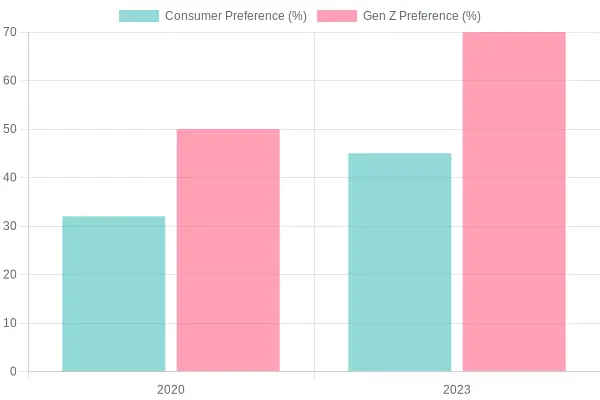
In recent years, there has been a significant shift in consumer preferences towards eco-friendly packaging solutions, especially among younger demographics such as Gen Z. This trend highlights a growing awareness of environmental issues and a desire for sustainable options in the food industry, including compostable takeout bags. The following chart illustrates this captivating change:
| Year | Consumer Preference (%) | Gen Z Preference (%) | Source |
|---|---|---|---|
| 2020 | 32 | Eco-Harvest | |
| 2023 | 45 | 70 | Eco-Harvest |
As seen in the chart, consumer preference for eco-friendly packaging has risen from 32% in 2020 to 45% in 2023. The preference among Gen Z consumers is even more pronounced, skyrocketing to 70%. This upward trend reflects a broader commitment to sustainability, indicating that businesses such as bubble tea shops, restaurants, and food trucks should consider incorporating eco-friendly packaging, like compostable takeout bags, into their offerings.
For additional eco-friendly packaging options, check out our range of paper products that cater to sustainability without compromising quality.
Regulatory Landscape Affecting Compostable Bag Use in the Food Service Industry
As the demand for sustainable packaging solutions grows, the regulatory landscape for compostable takeout bags continues to evolve. Food service providers, including restaurants, food trucks, and event planners, must navigate various regulations and guidelines to ensure compliance and uphold safety standards.
Key Regulations and Standards
-
ASTM D6400 Compliance
Many states, including Washington and New York, require compostable bags to meet ASTM D6400 standards, which dictate that these products must break down in composting conditions within specific time frames without leaving harmful residues. This standard is essential for food service providers keen on integrating eco-friendly packaging into their operations. Non-compliance can lead to regulatory fines and further scrutiny. -
Labeling Requirements
Compostable bags must include labeling indicating their compostability clearly. For instance, Washington State enforces the use of logos that meet specific criteria to help businesses identify compliant products easily. This requirement not only ensures that the packaging materials are genuinely compostable but also promotes transparency for consumers, aligning with broader environmental goals. -
Local Ordinances and Regulations
Local rules can differ significantly. In New York City, for example, businesses are required to separate compostable materials effectively and adhere strictly to disposal guidelines. Similarly, Boulder, Colorado, has updated its compost guidelines, permitting only select organic materials for composting and aiming for stricter compliance in the future. This patchwork of regulations means that a food service provider must remain aware of local laws. -
Safety Standards
Food contact safety is critical. Both Washington and New York emphasize that compostable bags must adhere to safety regulations regarding food contact materials, ensuring that they do not leach harmful substances into the food. This compliance is vital for maintaining business integrity and consumer safety. -
Enforcement and Penalties
Non-compliance can lead to severe penalties, including fines and possibly the closure of the business. This has led many restaurants to be proactive about using certified compostable products that meet all the necessary requirements. For businesses looking to transition to compostable packaging, understanding these regulations is crucial not only for compliance but for building a sustainable brand image.
Conclusion
The regulatory landscape for compostable bags in the food service industry is complex yet essential to address. As regulations evolve, businesses in the food service sector must adapt to maintain compliance while contributing to a more sustainable future. Companies like Green Dispo Pack offer a wide range of compliant compostable options that can help streamline this transition.
For more information on sustainable packaging options, you can check out our selection of paper packaging solutions or explore our paper bowl range.
In a world that increasingly values sustainability, choosing the right packaging solutions is crucial for your business. Our compostable takeout bags and packaging options not only enhance the visual appeal of your offerings, but they also convey a commitment to environmental responsibility-an aspect that resonates strongly with customers today. Whether you’re operating a bubble tea shop, a restaurant, a food truck, or planning a corporate event, our wide range of eco-friendly packaging solutions ensures that you can serve your food and beverages in style without compromising on your environmental values.
By opting for our reliable disposable tableware, you can streamline your operations while reinforcing a green image for your brand. Let our team assist you in finding the perfect fit for your specific needs; we offer customized solutions tailored just for you! Get in touch with us today to discuss how our products can elevate your service while supporting sustainability. Contact us now for a tailored quote and join the movement towards a greener future!