
While commercial trucks are not mandated by law to include sun visors, their installation offers compelling benefits for safety, comfort, and maintenance. Understanding the regulatory context, associated advantages, different types of available products, safety considerations, and industry practices can aid logistics and freight company owners, construction and mining enterprise procurement teams, and small business owners with delivery fleets in making informed decisions. This article delves into each of these aspects, providing a comprehensive overview of the relevance and importance of sun visors in commercial trucking operations.
null
null
Clear Vision on the Open Road: The Practical Case for Sun Visors on Commercial Trucks
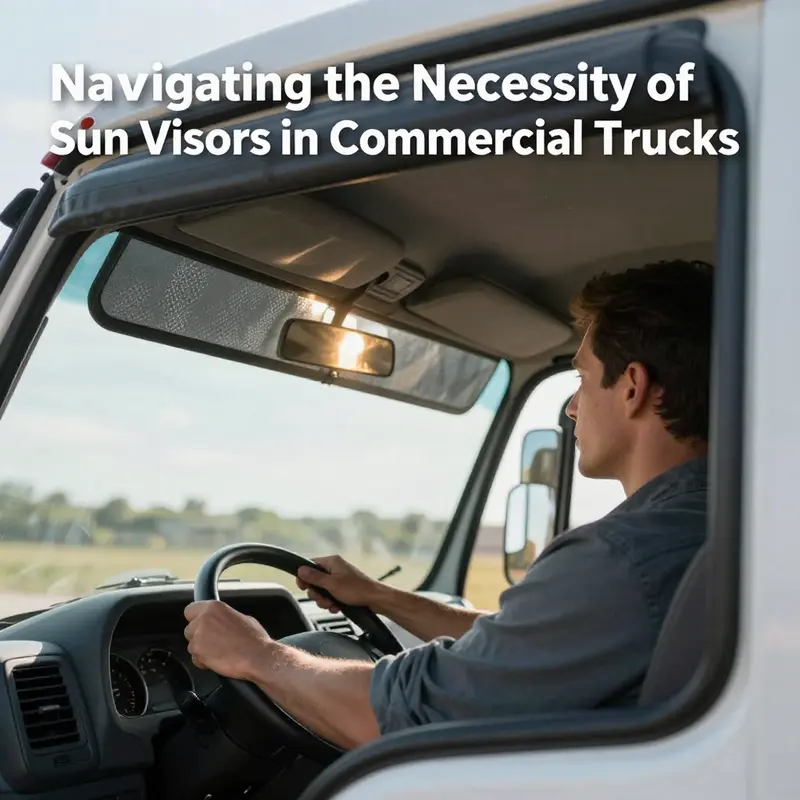
In a field where safety often rides on every decision a driver makes in real time, the sun visor sits in a quiet, almost unglamorous middle ground. Legally, many jurisdictions do not require commercial trucks to have a sun visor installed. It is not a mandated component the way brakes, headlights, or tires are. Yet the everyday realities of long-haul driving, shifting light conditions, and demanding climates have made the sun visor one of the most practical, frequently adopted aids in the cab. Fleet operators and drivers alike tend to view it as a simple, cost-effective measure that translates directly into safer driving, better comfort, and longer-lasting equipment. This isn’t merely about convenience; it is about sustaining attention, protecting assets, and extending the working life of a vehicle that travels tens of thousands of miles across varied terrains and weather patterns each year. The most immediate and perceptible benefit of a sun visor is glare reduction. When the sun sits low on the horizon—at dawn and dusk, or during the heat of a southern afternoon—front and side glass become lenses that flood the cabin with bright, disorienting light. The driver’s eyes strain to focus on the road, and that strain can blur judgment just enough to miss a subtle hazard or a distant traffic sign. A properly positioned visor acts like a shield, intercepting a portion of that direct light before it reaches the eyes. The result is not a dramatic change in the view, but a steadier, clearer field of vision. Eyes tire less quickly, head movements become more deliberate, and the need for corrective actions is less urgent. In safety terms, this translates into steadier lane tracking, more reliable scanning of mirrors, and a reduced probability of momentary misreads under high glare conditions. For drivers who log hours in changing light, this is a meaningful difference that compounds over a week, a month, and a year. Beyond glare, temperature regulation is a defining practical advantage. A direct beam from the sun can raise the interior temperature of a cab with stubborn efficiency, and the heat doesn’t simply stay on the windshield. It radiates through the glass, heats the dashboard, and raises the temperature inside the cabin. In extreme heat regions, interior temperatures can spike sharply, making a long stretch of driving physically oppressive and encouraging overreliance on air conditioning. A well-designed sun visor reflects a significant portion of solar radiation away from the glass and side windows, reducing heat gain inside the cab. This curtails the cooling demand on the HVAC system and, by extension, the engine’s load associated with running the air conditioning. The gains aren’t just comfort-driven; they ripple into operational efficiency. When the air conditioner runs less aggressively, fuel use can decrease by measurable margins over the course of a shift. Fleet managers watch these margins closely because even small reductions in fuel burn per vehicle add up across a fleet. In the rough arithmetic of trucking economics, every degree avoided and every watt of cooling saved matters for margins and reliability on back-to-back runs. Heat management also touches on equipment longevity. The interior surfaces of a truck—dashboard plastics, instrument panels, steering wheels, and seating—face constant UV exposure. Prolonged sun exposure accelerates fading, material hardening, cracking, and color bleed. A sun visor acts as a barrier that keeps the fiercest UV rays off the most sensitive surfaces. When a vehicle is branded or intended to present a professional image, preserving the interior’s appearance matters. In fleets that rotate through multiple drivers, where trucks double as mobile billboards, a well-maintained interior sends a signal of care and reliability to customers and partners. That protective function is not purely cosmetic; it preserves resale value and reduces maintenance costs tied to premature interior wear. The visor’s impact on interior longevity becomes easier to appreciate when one considers the time a truck spends parked in yards, at rest stops, or in sun-drenched loading bays. Another practical benefit is the visor’s role in shielding the cab from rain and moisture during entry and exit. In regions where sudden showers or inconsistent weather patterns are common, an exterior visor still provides a degree of shelter at the door opening. It can help deflect splash from the windshield and side windows as doors swing open. This is not a substitute for a proper door seal or drainage design, but it adds a layer of resilience in everyday use. The improvement might seem modest in isolation, but it contributes to a more comfortable transition for drivers who must quickly board and disembark in changing weather. Small protections like these accumulate into meaningful reductions in the cab’s exposure to the elements over the course of a long tour. The market for commercial truck visors reflects a spectrum of needs. There are external fixed visors, which provide durable, long-term shading for drivers who traverse sun-drenched routes for hours on end. Foldable or retractable visors offer flexibility for climates that swing between intense sun and milder days, or for drivers who prize a tidy cab when the visor is not needed. Clip-on or clamp-on variants deliver a retrofit option that requires no tools or permanent alterations, enabling quick upgrades for vehicles with shorter original visors or limited headroom. In a fleet setting, the choice often depends on balancing durability, ease of maintenance, and the specific routes a truck is expected to run. The presence of multiple visor options lets operators tailor protection to climate zones and uptime requirements, ensuring that the most valuable asset—the driver—has an adaptable and reliable shield against glare and heat. As the industry explores smarter cab designs and more robust materials, modern visors are beginning to leverage advances in UV-resistant fabrics and reflective coatings. These materials help minimize heat absorption and resist fading, contributing to a longer service life in demanding environments. Some visor designs integrate with vehicle climate control or cab insulation strategies, acting as a modular piece of a broader approach to driver comfort. While these enhancements may seem incremental, they align with a broader trend toward ergonomic, low-fatigue driving environments. In fleets where driver welfare is a key performance metric, investing in durable, high-quality visors becomes part of a holistic effort to reduce fatigue and improve retention. The idea is not to push a single product, but to adopt a practical, scalable improvement that can be measured in comfort, safety, and total cost of ownership over time. From a safety governance perspective, the presence of a visor supports the principle of maintaining optimal visibility and a conducive driving environment. The Federal Motor Carrier Safety Administration has guidelines that emphasize the importance of clear visibility and safe working conditions in commercial vehicles. While the visor itself is not a mandated piece of safety equipment in every jurisdiction, its role in reducing glare and heat is consistent with best practices that prioritize driver alertness and comfort. The visor is thus aligned with the broader intent of these guidelines: to create conditions where drivers can perform their duties with maximum clarity and minimal fatigue. For operators, this alignment translates into a straightforward justification for installing visors as part of a comprehensive safety and comfort program. Within this context, industry discussions around heat resilience and cab design surface in practical observations and case studies. For example, industry reports and testing notes often highlight how different cab configurations handle solar loads in extreme heat. These insights reinforce the idea that sun visors are not merely accessories; they are practical components that support visibility, climate management, and interior protection. In one notable reference, industry practitioners point to the relevance of external shading solutions in environments where sun exposure is intense for long stretches. The key takeaway is that visors contribute to a safer, more productive driving experience by keeping the driver’s attention sharp and ensuring the cab remains at a livable temperature, even after hours on the road. This connects directly with the core argument of the chapter: while not legally compulsory in many cases, sun visors are a highly prudent choice for commercial trucking. For readers who want a concrete example of how heat considerations are managed in the field, industry resources discuss real-world adaptations and retrofit possibilities. See volvo-vnl-testing-in-extreme-heat for a discussion that highlights considerations of climate, equipment, and driver comfort in demanding environments. This reference reinforces the point that sun visors can be part of a broader strategy to improve cab ergonomics and safeguard the vehicle’s interior from heat-related wear while maintaining clear lines of sight in challenging light conditions. volvo-vnl-testing-in-extreme-heat Ultimately, the decision to install a sun visor on a commercial truck comes down to weighing a modest upfront investment against a spectrum of long-term benefits. Glare reduction translates to better driver reaction times and fewer mistakes caused by temporary blindness. Temperature control lowers the risk of heat stress and reduces energy draw from the climate control system. Interior protection preserves the vehicle’s resale value and reduces maintenance costs associated with sun damage. Rain and splash protection at the entry points offers a small but meaningful convenience. Taken together, these factors build a strong case for a best-practice approach to cab outfitting, especially for fleets that prioritize safety, driver well-being, and total cost of ownership. Of course, every fleet operates in a unique regulatory and operational landscape. The absence of a universal mandate should not obscure the practical realities that visors address. The decision is not simply about compliance; it is about pragmatism, reliability, and the everyday experience of the person behind the wheel. When drivers can see clearly, stay cooler, and protect the cabin from wear, they are more likely to maintain consistent performance across long routes, irregular schedules, and variable climate zones. The sun visor, modest in size and simple in function, becomes a quiet enabler of safer roads, more comfortable cabins, and steadier operations across the vast network of commercial trucking. For those seeking further authoritative safety context, the FMCSA Driver Safety & Visibility Guidelines offer a framework that emphasizes the importance of visibility and safe working conditions in commercial vehicles. This chapter does not duplicate those guidelines, but it echoes their spirit: practical, enforceable, and broadly beneficial measures that support safer, more efficient highway operations.
From Glare to Grip: Sun Visor Varieties and Their Impact on Safety, Comfort, and Efficiency in Commercial Trucks
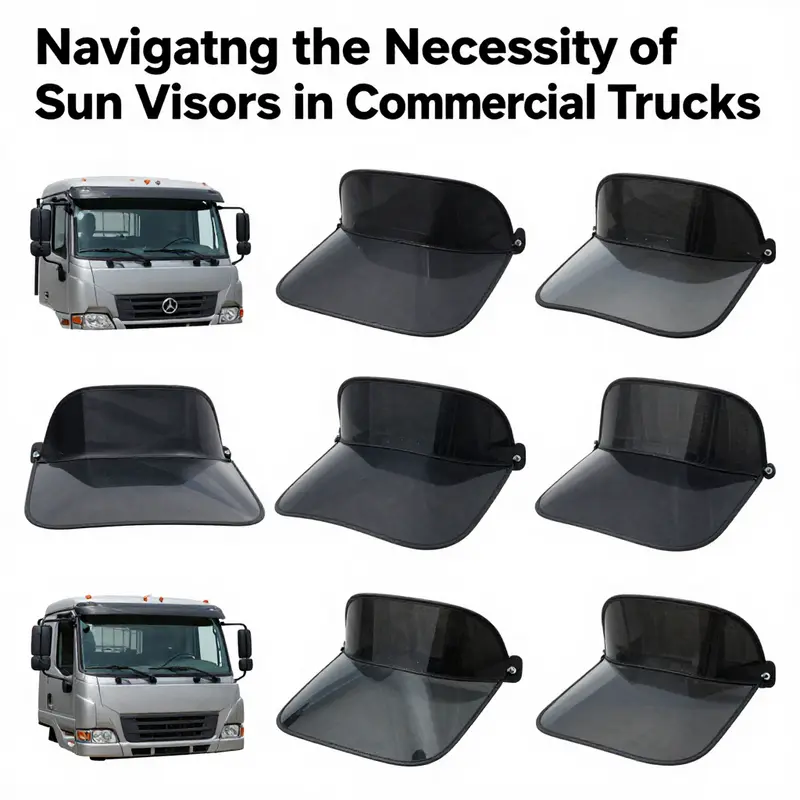
Sun visors in commercial trucking are a case study in practical design meeting real-world pressures. They are not mandated by law in many jurisdictions, and they are not the core of a truck’s safety system the way brakes or tires are. Yet fleets and drivers increasingly treat sun visors as an essential tool for keeping the road clear and the cabin humane. The rationale is straightforward: glare from the sun can cut visibility, raise cabin temperatures, and strain a driver’s eyes just when steady attention is most needed. A well-chosen visor system can make a tangible difference in how long a driver can stay alert, how quickly they can react to changing road conditions, and how comfortable a long haul feels after several days behind the wheel. In this sense, sun visors have evolved from a simple add-on to a considered component of fleet efficiency and driver well-being.
The modern landscape of sun visors for commercial trucks rests on a spectrum of solutions that balance coverage, adjustability, and durability. At one end sits the standard plastic visor, a modest, UV-stabilized option designed to fit a wide range of cab layouts with minimal fuss. These visors are typically molded from UV-resistant plastics and formed with a robust frame that keeps the visor rigid enough to hold its position under bumpy road conditions. They provide essential glare protection without becoming a distraction or a source of wind noise. For fleets that run many different routes or operate a mixed-brand fleet, the standard plastic visor offers a reliable baseline; it is simple to install, easy to maintain, and usually compatible with most factory dashboards and mounting points. Because they preserve the interior’s color and finish, they also help maintain resale value by limiting sun damage to dashboards and instruments.
Beyond this baseline, extendable dual sun visor systems represent a next-generation design that prioritizes coverage and positioning flexibility. These systems feature two independently adjustable visors connected by magnetic or mechanical linkages, allowing drivers to tailor glare control to multiple angles across the windshield. The ability to extend and angle coverage becomes especially valuable for long-haul operations that require sustained vigilance across sunrise and sunset, or for routes with variable sun angles. The materials used in these systems are typically tinted polycarbonate sheets chosen for high light transmission with substantial glare reduction and strong UV blocking. The core advantage is precise positioning: drivers can place each visor to shadow the brightest sun spots without sacrificing visibility of side windows or mirror apertures. In practice, this means less eye strain and a more relaxed driving posture during peak glare periods, which translates into steadier steering, quicker hazard perception, and a safer overall ride.
OEM replacement visors offer a different set of advantages. While still aimed at standardizing fit and function across a given model line, OEM replacements emphasize compatibility with the vehicle’s original design language and integration with the cab’s interior geometry. This category can include visors that incorporate aerodynamic shaping to reduce wind noise and, in some versions, integrated features such as ambient LED lighting for better instrument panel readability in low light. The aerodynamic considerations aren’t merely cosmetic; they contribute to quieter cabs and more confident driving in high-speed conditions. For fleets that value a cohesive look and predictable performance across a model range, OEM-aligned visors provide a familiar fit, reliable operation under constant vibration, and smoother interaction with other cab components. They are an option that aligns with long-term maintenance planning because replacement parts are typically designed to match the original engineering intent.
Material science and engineering practices underpin all meaningful sun visor choices. The trend toward UV-stabilized plastics and reinforced polymers reflects a broader industry commitment to durability in harsh operating environments. Long hours in sunlight, temperature swings, and exposure to road spray demand visors that won’t crack, fade, or warp. High-performance visors often incorporate impact-resistant polycarbonate in the main surface combined with a reinforced frame to resist bending and fatigue. The goal is to deliver a product that remains clear and pliable enough to adjust under load, yet rigid enough to stay in position when a driver needs to focus on the road ahead. The design process also considers ergonomic principles, ensuring that the visors can be manipulated with gloves on, that adjustment points are accessible without forcing the driver into awkward postures, and that the overall system contributes to reduced fatigue over the course of a shift.
Sourcing considerations play a decisive role in fleet decision-making. In a market where compliance and performance are defined by durability and functional alignment with the vehicle, fleets weigh installation ease, replacement cycle, and total cost of ownership as heavily as they do initial purchase price. The best visors come with clear installation guidance, minimal need for specialized tools, and a mounting concept that tolerates the rough, miles-long life of a commercial truck. In supplier catalogs, you might encounter a standard plastic sunvisor for a range of cab styles, along with more advanced configurations that offer dual-visor setups or OEM-compatible replacements. The variety ensures that a fleet can pick a solution that matches route profiles, climate, and driver preferences while maintaining product availability across maintenance intervals. For fleets tasked with rapid procurement and consistent uptime, this blend of reliability and flexibility is not a luxury but a necessity.
For readers who want to explore a concrete catalog example while keeping content focused on the broader implications, consider that supplier pages often present the spectrum described above in a single line: from a straightforward plastic visor to extendable dual-systems and then to OEM-compatible replacements. In this context, one practical way to understand the marketplace is to view a representative product line as a continuum rather than a set of isolated choices. Fleet buyers should map their operations against this continuum. Which types of glare are most problematic on their routes? How much value do drivers place on extended coverage versus simplicity of use? How does a given visor configuration interact with cabin temperature control, seal integrity, and instrument readability? These questions anchor the decision in real-world outcomes rather than abstract specifications. The answers will inevitably differ from fleet to fleet, but the underlying principles remain consistent: the visor should extend driver visual comfort without introducing new risks, and it should do so with predictable performance under the cab’s operating conditions.
The interplay between sun visors and cabin climate is particularly worthy of emphasis. A visor that blocks direct sunlight can cool the cockpit by limiting radiant heat gaining access through the windshield. In hot climates it is common to see substantial reductions in peak cabin temperatures when a well-positioned visor is in use, which not only helps driver comfort but can also influence cooling system load and air quality inside the cab. For long-haul operations, the cumulative benefit is not merely personal comfort; it can affect sleep quality, alertness, and the driver’s ability to maintain consistent performance across a shift. When fleets select visors, they should consider thermal performance as part of the overall cab environment strategy, recognizing that even small reductions in interior heat can compound into meaningful safety and productivity gains over time.
If you want a touchstone for how a supplier might frame these options in practical terms, you can encounter offerings in catalogs that list a spectrum of visors aligned to cab design, with notes on UV protection, glare reduction, and ease of adjustment. These entries typically describe a standard plastic version for broad compatibility, then add advanced options such as extendable dual visors with adjustable joints for multi-angle blocking, followed by OEM-like replacements that balance form with integration. All of these are designed with durability in mind, intended to withstand the daily rigors of commercial operation and to retain structural integrity through temperature cycles and road vibration. Companies that publish such catalogs often highlight ergonomic design choices and usability enhancements, emphasizing how a visor can be moved with one hand, locked into a stable position, and returned to a resting configuration without fuss.
From a fleet management perspective, choosing the right visor type is less about chasing the latest gadget and more about aligning the product’s strengths with the fleet’s operating realities. For example, long-haul operations in regions with pronounced sun angles may benefit more from extendable dual visors, while fleets that prize maintenance simplicity and quick part replacement may favor standard plastic visors with straightforward mounting. In mixed operations, a hybrid approach can offer the best of both worlds: robust baseline protection across most units, plus an optional upgrade path for drivers who routinely face intense glare. The human factor is never far from responsibility here. A driver who can see the road clearly and sit in a cooler cabin is more likely to stay alert, make fewer minor mistakes, and maintain a steady tempo over a long shift. The science of glare, heat, and visibility merges with practical logistics in ways that are immediately felt on the road.
In navigating these choices, fleets should also remain mindful of the broader market context. The sun visor story is not isolated; it sits alongside other cabin enhancements, climate-control strategies, and ergonomic equipment that together determine how safe and efficient a truck feels on the highway. A useful lens comes from the broader trucking market insights, which discuss capacity, equipment deployment, and operating costs—factors that influence not only what you buy, but how you justify the investment internally. The discussion helps fleets see visors as part of a system rather than a single, isolated accessory. For readers who want a direct link to a broader market context, this discussion can be found in excess-capacity-in-the-trucking-market-insights.
In sum, the range of sun visors—from the reliable staple to the flexible dual-system and the OEM-aligned replacement—offers fleets a toolkit for balancing glare reduction, comfort, and long-term durability. The decision is never merely about keeping the sun out of a driver’s eyes; it is about enabling steadier focus, reducing thermal stress in the cab, and preserving interior materials under harsh conditions. When fleets connect the dots among glare management, climate control, ergonomic access, and maintenance practicality, the sun visor becomes more than a shield against glare. It becomes a small but meaningful contributor to safety, driver well-being, and operational efficiency.
External reference: For an illustrative catalog example showing material and design considerations in a supplier context, see the Renault sunvisor product page: https://www.alibaba.com/product-detail/Standard-plastic-sunvisor-for-Renault-trucks1600728313677.html?spm=a2700.galleryofferlist.pimage.1.1d4a6f6cFjvZbV&fsb=true&productId=1600728313677
Shielding the Driver: Sun Visors as a Subtle, Essential Safety Tool in Commercial Trucking
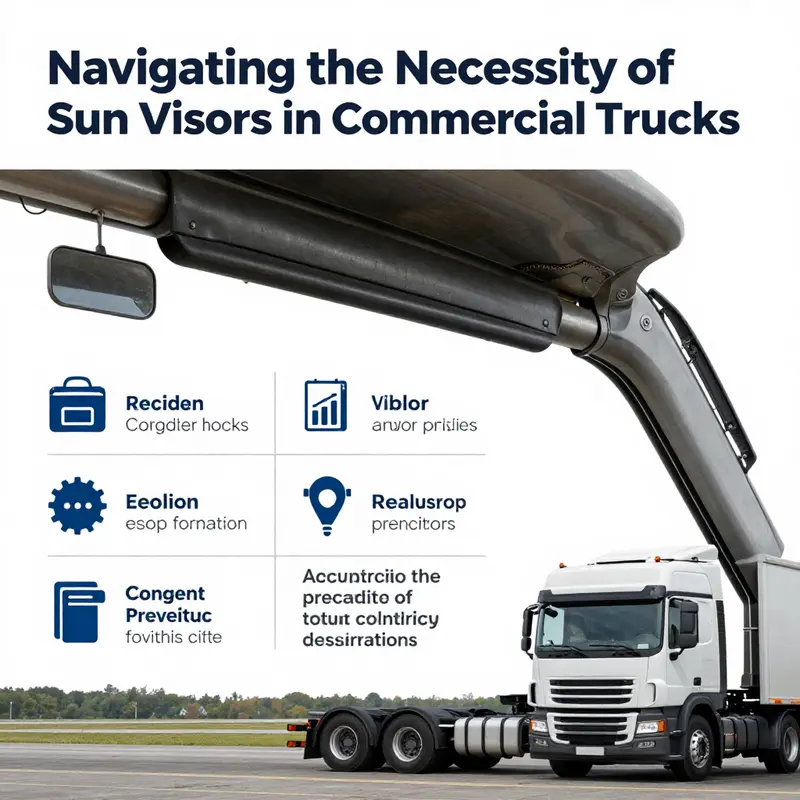
Glare is more than a nuisance; it can momentarily blind a driver, disrupt focus, and interrupt the steady rhythm of a long haul. For operators of heavy commercial trucks, sustained attention between the instrument panel and the distant horizon is essential. Sun visors act as a quiet but meaningful line of defense. They are not mandated in the same way as brakes or tires, yet their presence can influence safety outcomes in practical ways. When the sun rises or sinks on the highway, visors help keep the driver’s gaze where it should be, reducing eye strain that builds over hours behind the wheel and the fatigue that often accompanies long duty cycles. The result is subtle but cumulative: steadier gaze, reduced fatigue, and a more consistent driving posture as traffic dynamics unfold mile after mile. In conversations about safety, comfort, and vehicle maintenance, sun visors emerge as a prudent, protective accessory aligned with the realities of commercial trucking.
The practical appeal begins with glare management. Direct sunlight entering the cockpit can momentarily overwhelm the eyes, especially during dawn and dusk on long routes. The visor reduces harsh light entering the line of sight, helping the driver maintain a clear view of the road and other vehicles. This contributes to steadier horizon scanning, which supports safe following distances, accurate lane tracking, and safer performance in urban traffic or unfamiliar corridors. In regions with intense solar exposure, visors also moderate interior heat, which reduces cockpit glare rebound and improves overall driving comfort in hot climates.
Design choices mirror the diverse duties of drivers. Long-haul operators often favor folding or retractable visors that protect without occupying space or obstructing the view when not needed. Exterior-mounted visors or interior panels that fold toward the windshield offer robust coverage for sun-heavy routes while allowing quick adjustment when conditions change. Clip-on visors provide a minimal, upgrade-friendly option for drivers who want flexibility without invasive installation.
Material selection matters. Visors should be constructed from UV-resistant materials that resist cracking, warping, or color fading under high temperatures. Durable plastics or reinforced polymers are common choices, chosen for resilience and long service life. A visor that retains its shape under heat remains a reliable component of driver safety rather than a fragile add-on.
Beyond the technical, there is a broader safety framework. While sun visors are not universally mandated as a specific component, they contribute to a safety ecosystem that fleets and regulators seek to support. Regular inspections should include visors as part of routine checks, ensuring they are intact, properly aligned, and free of cracks that could compromise vision. In this sense, visors exemplify a practical, driver-centered feature that reinforces other protective strategies, such as appropriate seating position and windshield care.
In practice, fleets weigh visor value against operating realities. When sun exposure is predictable and intense, investing in sturdy visors pays dividends in glare reduction, cab comfort, and interior wear. The safety case grows stronger when visors complement a broader approach to glare control and driver well-being. Routine maintenance, including verifying fasteners and hinge action, helps ensure dependable protection over time.
A note on the regulatory context: visors sit at the intersection of practical safety design and ongoing standard-setting. As safety discussions evolve around emissions, compliance, and overall vehicle safety frameworks, visors remind us that equipment is part of an integrated system. For readers who want to explore broader regulatory perspectives, OEMs seeking clarity in emissions regulations illustrate how even simple accessories exist within a landscape of standards and market expectations.
External resource: National Highway Traffic Safety Administration (NHTSA) – https://www.nhtsa.gov
Shading the Cab: Sun Visors in Commercial Trucks — Practical Realities, Safety, and Procurement
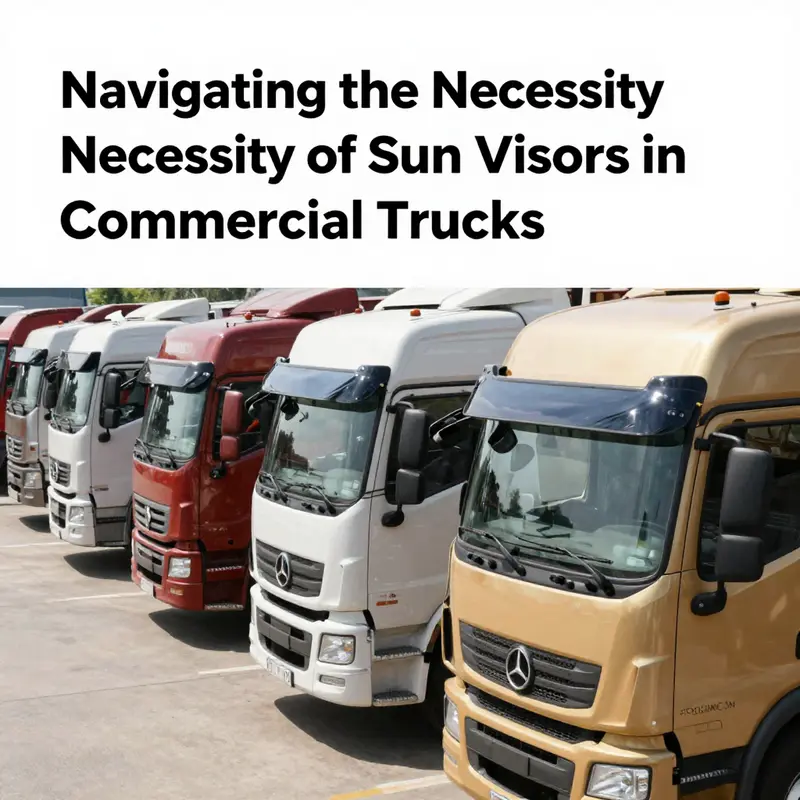
In the spectrum of commercial trucking, sun visors exist at an intersection between comfort, safety, and operational efficiency. They are not required safety devices like brakes or lights, yet fleets increasingly treat them as practical essentials. Glare from the sun can immediately reduce visibility, while interior heat can accumulate and contribute to fatigue. Therefore visors are a risk-management tool that supports driver performance, protects interior materials, and supports fleet economics. The best case for adoption rests on three intertwined axes: driver performance, vehicle longevity, and total cost of ownership. When glare is mitigated, reaction times improve and attention to critical cues remains steadier. Shielding dashboards, seats, and trim from UV exposure preserves resale value and reduces maintenance. Keeping the cabin cooler reduces heat-related fatigue and helps maintain uptime on long-haul routes. The practical choices depend on climate and cab geometry. In regions with intense sun, folding visors may offer the best balance of coverage and visibility; in tight parking environments or shiny interiors, anti-glare coatings or fixed visors may be preferred. Types include external fixed visors, folding visors, and anti-glare designs, each with distinct maintenance profiles: fixed visors are durable but harder to adapt, folding visors offer flexibility but introduce moving parts, and anti-glare systems emphasize diffusion and may carry higher upfront costs but consistent long-term glare reduction. Material choices—high-strength engineering plastics such as ABS or PC with UV-stabilized coatings, and textile-facing surfaces—balance rigidity, durability, and heat management while supporting recyclability at end of life. Robust weathering and UV aging data over multiple years are important for supplier qualification, as are predictable lead times and spare-part availability to avoid stockouts. The supply chain is regional and collaborative, with opportunities to customize color, texture, or logo placement, while planning for peak-season demand helps ensure timely installations. In a broader safety and market context, visors may evolve to integrate with sensor systems and glass technologies to provide adaptive shading, though the current practicality reality remains hands-on and driver-adjusted. The safety case rests on glare reduction, better contrast and depth perception, and cooler cabin environments that reduce fatigue and improve cognitive performance. Economically, a well-chosen visor lowers cabin maintenance costs, preserves interior life, and supports more reliable operation, especially for fleets with high sun exposure. A disciplined procurement approach starts with glare-risk mapping, moves through supplier capability checks and testing standards, and ends with reliable delivery and scalable deployment. This framework helps fleets avoid chasing trends and instead deliver practical shading that supports drivers and equipment over thousands of miles.
Final thoughts
In conclusion, while commercial trucks may not legally require sun visors, their inclusion is backed by substantial practical benefits that enhance driver safety, comfort, and vehicle longevity. By examining the regulatory landscape, understanding the advantages of sun visors, exploring different product types, addressing safety implications, and recognizing market tendencies, logistics and freight operators, as well as small delivery fleet businesses, are better positioned to make informed choices. Prioritizing the use of sun visors not only aligns with best practices but also contributes to the overall efficiency and effectiveness of commercial trucking operations.