
Meeting Tier IV emissions standards is a growing necessity for logistics, construction, and delivery fleet owners. As regulatory pressures mount, understanding whether commercial trucks can be engineered to meet these stringent requirements becomes crucial. This article examines the technological innovations that facilitate compliance, the economic implications for businesses, the geopolitical landscape influencing manufacturing, and the societal impacts of cleaner emissions. Each chapter delves into these aspects to provide a cohesive understanding of the demands and realities surrounding Tier IV standards.
From Blueprint to Compliance: Engineering a Commercial Truck to Meet Tier IV Emissions Standards
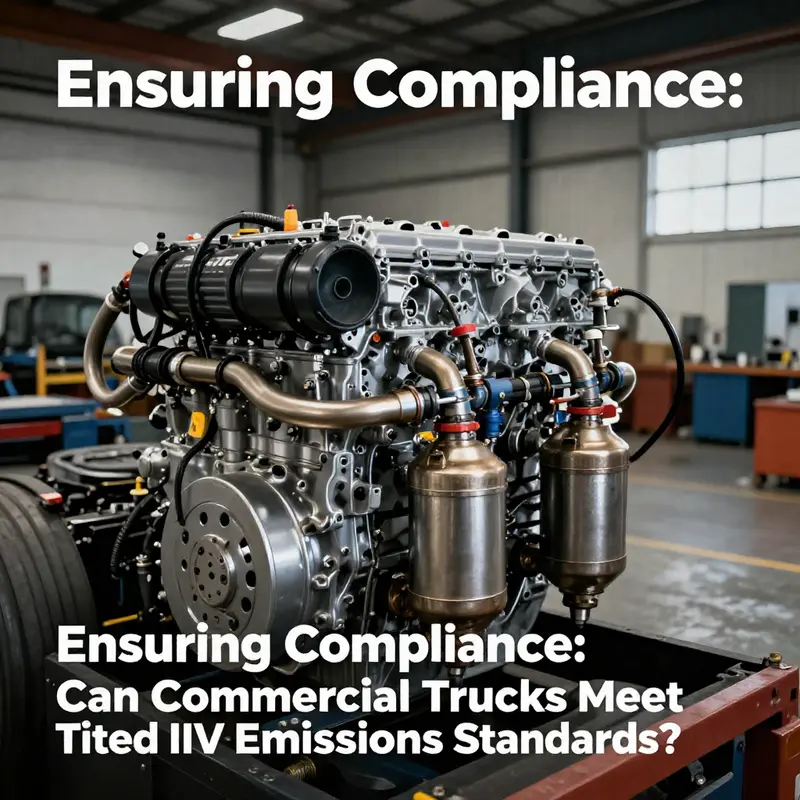
Tier IV emissions standards represent a high-water mark in diesel regulations, especially for heavy-duty commercial trucks. They demand dramatic reductions in nitrogen oxides (NOx) and particulate matter (PM) while preserving engine performance, reliability, and uptime. The path to compliance is not a matter of slapping on a single device at the end of the line; it is an integrated engineering journey that starts with the core design of the engine, the exhaust after-treatment architecture, and the quality of calibration and integration across the vehicle. In practice, a truck can be made to meet Tier IV, but the feasibility and durability of that achievement hinge on where the vehicle was conceived and how it was built. Vehicles designed from the outset to meet Tier IV or Euro VI standards—whether in North America, Europe, or export-focused programs—are far more likely to deliver lasting compliance than retrofits on platforms not originally engineered for the stringent regime.
The heart of Tier IV compliance lies in a carefully choreographed suite of technologies that work in concert to suppress emissions without sacrificing power, fuel economy, or service life. Diesel Particulate Filters (DPFs) capture soot particles and preserve PM levels within the tight envelopes required for modern standards. Selective Catalytic Reduction (SCR) systems reduce NOx by injecting a urea-based fluid, commonly called DEF, into the exhaust stream. This chemical reaction converts NOx to nitrogen and water, dramatically lowering the emissions that mattered to regulators and environmental advocates. Behind the scenes, advanced engine calibration tunes the combustion process to minimize both NOx and PM at the source, while Exhaust Gas Recirculation (EGR) helps temper peak temperatures that otherwise promote NOx formation. The net effect is a propulsion system that behaves like a clean, low-emission machine without the characteristic penalties historically associated with diesel engines.
All of this sits on a foundation of rigorous testing and certification. Tier IV is not merely a set of hardware boxes; it is a regulatory standard that demands demonstrable performance across a broad range of operating conditions, over the vehicle’s expected life. Certification programs verify the durability of the after-treatment system, the stability of emissions under varying temperatures, altitudes, and loads, and the integrity of the fuel system and calibration software. For fleets, this translates into predictable maintenance windows, a clear understanding of when regeneration cycles occur, and confidence that the vehicle will meet emissions targets throughout its service life. Guidance from regulatory bodies emphasizes not just the initial approval but ongoing compliance. The result is a lifecycle approach to emission control that becomes part of the vehicle’s core value proposition rather than a temporary overlay.
A practical question often centers on where a truck comes from and what it was designed to do. Modern trucks manufactured in recent years for the European Union and North American markets frequently arrive with Tier IV or Euro VI compliance built in. The emphasis is on factory-integrated systems that are designed to operate together from day one. The alternative—retrofits added after manufacturing—can be workable in some cases but carries greater risk. After-treatment components and calibration software are deeply embedded in the engine control unit (ECU) logic and the exhaust plumbing. If those elements were not part of the vehicle’s original design, retrofits may yield mixed results in durability, warranty coverage, and long-term reliability. This distinction matters when a fleet evaluates import options or a used-truck pathway.
The sources that discuss export-oriented manufacturing for overseas markets consistently stress two critical points. First, many suppliers outside the traditional borders of the United States and Western Europe produce vehicles that are engineered to meet Euro VI standards—an equivalent regime in most technical respects to Tier IV. Second, the presence of CE certification and formal type approval documents signals that a vehicle has undergone a recognized compliance process, not merely a compliance overlay added after the fact. When a truck is claimed to meet Tier IV, the prudent check is to confirm that the engine manufacturer and model are explicitly paired with certified emission control systems suitable for the target market. In the current landscape, engines from major makers and their certified equivalents—along with correct after-treatment packaging and dosing strategies—form the backbone of credible Tier IV fulfillment. It is not unusual today to see export programs that are designed to deliver Tier IV-equivalent performance to customers in Europe and other regions while still leveraging a global supply chain.
For operators who are contemplating purchasing a truck sourced from markets where manufacturing origins vary, a careful due-diligence process can avert a mismatch between expectations and reality. Begin with the engine. Identify the manufacturer and the exact model, then verify that the configuration includes a certified emission control system—typically SCR with urea dosing, a properly sized DPF, and the necessary sensors and software to monitor and manage regeneration and dosing. The documentation trail is equally important. A legitimate Tier IV or Euro VI pathway will include CE certification and an official type-approval record from the relevant authority. These documents are not decorative; they are the regulatory proof that the vehicle meets the necessary standards across its operating envelope. And it is critical to verify that these systems were designed as an integrated part of the vehicle, rather than added as a retrofit after the fact. A factory-integrated approach is widely recognized for delivering stronger long-term reliability, easier serviceability, and more predictable maintenance costs, especially when aggregate performance and uptime are central to a fleet’s economics.
In this context, it is worth mentioning a broader industry conversation that repeatedly surfaces in regulatory and engineering discussions: the push for clarity in emissions regulations. Manufacturers and buyers alike seek consistent interpretation of standards, especially as markets evolve and new regulatory alignments emerge. This ongoing dialogue underscores the practical reality that compliance is not a one-time event but a continuous program of design discipline, supply-chain integrity, and service readiness. For readers navigating these questions, the perspective of industry voices—who emphasize clear regulatory pathways and the importance of design-for-compliance—provides a helpful compass. See the commentary around OEMs seeking clarity in emissions regulations for a deeper discussion on how regulators and manufacturers align on interpretation and verification of compliance.
The practical steps to verify Tier IV compliance for a prospective truck, whether new or used, are straightforward but essential. First, confirm the engine manufacturer and model—the same model number should appear on the operator’s manual and the vehicle’s data plate. This is not merely a formality; engine families are grouped by emissions control strategy, and a mismatch can reveal a non-compliant or uncertified configuration. Second, inspect the exhaust after-treatment stack and its components. A Tier IV-compatible stack will include a DPF and an SCR system with a defined urea dosing system, along with the necessary sensors and an on-board diagnostic (OBD) framework that feeds data to the vehicle’s ECU. Third, request the certification documentation: a CE certificate, a type-approval document, and any regional approvals relevant to the destination market. These documents provide a regulatory backbone that supports the practical operation of the truck in real-world fleets.
Fourth, assess whether the vehicle was designed with factory-integrated emissions control rather than retrofitted. A factory design ensures compatibility of the sensors, wiring harnesses, exhaust routing, and software calibration. Retrofit work, while sometimes feasible, often introduces complexity in regeneration strategies, dosing accuracy, and long-term durability. It also complicates warranty coverage and service support, as retrofits may fall outside the original equipment manufacturer’s (OEM) service envelope. Fleet managers should consider the total cost of ownership implications, including not only purchase price but also maintenance, downtime, and potential reliability risks associated with retrofits. These considerations are particularly salient in operations where uptime is critical and the environmental regime is strictly enforced.
In this chapter’s analysis, the evidence supports a clear conclusion: yes, commercial trucks can be made to comply with Tier IV standards, but the most reliable and durable path is through designs that embed Tier IV-equivalent technology from the outset. The advantages of this approach extend beyond regulatory clearance. Integrated systems tend to deliver smoother performance, more predictable regeneration cycles, and better long-term efficiency. They also tend to be backed by robust service networks and long-range warranty coverage, which are invaluable for fleets with demanding operating profiles. While markets will continue to differ in how they certify and label compliance, the underlying engineering principle remains constant: if the core architecture anticipates stringent emission targets, the vehicle will better withstand the rigors of daily operation without compromising power or reliability.
For readers who want a practical next step, consider engaging with sources that discuss how manufacturers navigate the regulatory landscape and translate it into engineering decisions. A key resource is the ongoing regulatory discourse that emphasizes the need for clarity and consistency in emissions frameworks—this helps buyers interpret available documentation and understand what constitutes genuine Tier IV readiness rather than a regulatory veneer. As you weigh options, remember that the most credible pathways are those that couple engineering integrity with formal certification, ensuring that compliance is not a checkbox but a sustained performance attribute.
External resource for further reading: https://www.epa.gov/standards/vehicle-emissions-standards
Internal link for related discussion: OEMs seek clarity in emissions regulations.
From Blueprint to Road: How Commercial Trucks Achieve Tier IV Compliance Through Integrated Emission Control Systems
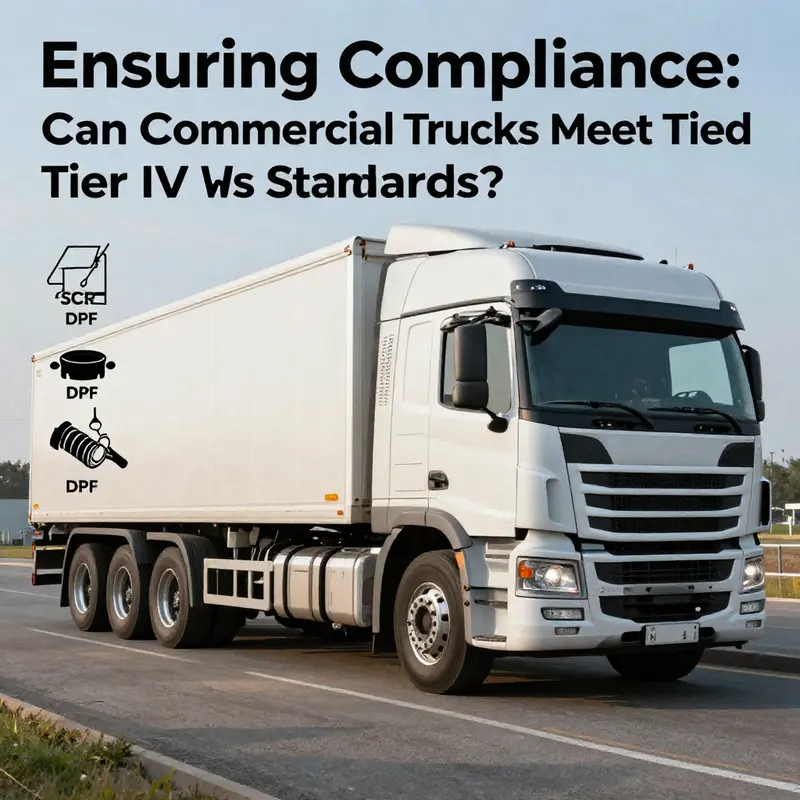
Tier IV compliance is not a bolt-on feature but a design principle that begins before the first sheet metal is stamped and continues through the exhaust path, the fuel delivery, and the vehicle’s control software. In Europe, Euro VI imposes strict NOx and particulate limits, and meeting them requires an integrated approach where engine, aftertreatment, and control systems work together as a single, well-tuned system. The result is a vehicle designed from the outset to operate within tight emission envelopes, with subsystems calibrated to cooperate under highway climbs, urban duty, and variable fuel quality across markets. Compliance is most reliable when emissions management is a core architectural principle rather than a retrofit afterthought.
At the heart of this integration are three pillars: selective catalytic reduction with a urea-based diesel exhaust fluid to reduce NOx, a diesel particulate filter that captures soot and regenerates automatically, and an engine-management strategy that coordinates fuel injection, air handling, and exhaust-temperature targets. The EGR system lowers peak combustion temperatures, further suppressing NOx, while the control software balances performance, reliability, and regeneration timing. A well-tuned SCR/DPF/EGR trio, driven by a calibrated ECU, delivers clean exhaust without sacrificing efficiency.
Factory-integrated architecture matters. Trucks designed for EU or NA markets typically arrive with engineered, factory-integrated emissions-control layouts and documentation. Retrofitted or exported vehicles may require careful evaluation of type approvals and compliance narratives. Prospective buyers should verify engine family and aftertreatment family, confirm the presence of a certified SCR pathway and a matched DPF, and obtain official documentation such as type-approval papers. Documentation should show the vehicle was designed with integration into the target regulatory regime rather than relying on aftermarket kits.
Practical implications for fleets: Tier IV readiness can improve fuel efficiency by allowing leaner engine operation and a wider operating envelope, while maintaining emissions targets. DPF regeneration is automated to minimize downtime, and the overall system offers resilience across road, season, and load conditions. A compliant truck reduces risk of late-stage noncompliance and tends to deliver lower total cost of ownership over time.
For those sourcing across borders or modernizing fleets, seek clarity on emissions regulations and how OEMs interpret them in the final product. The dialogue between regulators and manufacturers helps ensure that the vehicle’s emissions profile aligns with the statutory frame. An example of ongoing industry discussion is the reference to OEMs seeking clarity in emissions regulations https://truckplusllc.com/oems-seek-clarity-in-emissions-regulations/.
From Compliance to Bottom Line: The Economic Trajectory of Tier IV for Commercial Trucks

Tier IV compliance is often discussed in terms of technology and regulation, but its most persistent signal is economic. When a heavy-duty commercial truck is designed to meet Tier IV standards, the conversation immediately moves from “can it be done?” to “what does it cost, and what does it buy?” The economics of compliance hinge less on a single device and more on a carefully orchestrated blend of engineering choices, supplier ecosystems, financing realities, and regulatory timelines. In practice, modern trucks that meet Tier IV Final or Euro VI are not patchworks of retrofits; they are purpose-built platforms that integrate advanced emission control systems such as selective catalytic reduction and particulate filtration with precision-engineered fuel and aftertreatment strategies. This integrated design approach yields a different, more favorable economic arc than retrofits or non-integrated solutions—an important distinction for fleets weighing capital expenditure against long-term operating costs. The decision to pursue Tier IV compliance is therefore as much about strategic cost management as it is about environmental stewardship, and it ripples across manufacturers, fleets, and the broader economy in ways that extend beyond the balance sheet of a single vehicle purchase.
The upfront cost delta for compliant trucks is real and substantial. Emission-control hardware, intelligent engine calibration, aftertreatment management, and certified exhaust aftertreatment platforms add to the sticker price. For fleet operators, the most immediate financial hurdle is the capital outlay required to replace or significantly upgrade a portion of the fleet to stay in compliance. These costs are not merely line items; they influence depreciation schedules, financing terms, and the composition of a fleet’s total cost of ownership (TCO). Yet, as buyers extend the horizon, the same technologies that raise initial outlay tend to lower ongoing expenses. Cleaner combustion and optimized exhaust management contribute to improved thermal efficiency and reduced fuel burn in real-world operation. The result can be a tangible reduction in fuel costs over the life of the vehicle, a factor that often sways long-term ownership calculations in favor of compliant equipment, especially as fuel prices fluctuate and regulatory pressures intensify.
Beyond fuel and maintenance, Tier IV compliance has a risk-management component that translates into lower total risk exposure for fleet operators. Stricter emissions regimes elevate the cost of non-compliance through penalties, restricted access to urban corridors, or disqualification from public-sector procurement. The regulatory landscape continues to tighten in many markets, with policy milestones that increasingly privilege low- or zero-emission propulsion on major routes and in city centers. In practical terms, compliant trucks retain market access, preserve route options, and ensure eligibility for incentives or preferential treatment in bidding for government or fleet contracts. The avoidance of penalties and the preservation of service options can be a decisive factor for carriers that operate across multiple jurisdictions, where non-compliance could otherwise disrupt schedules, increase risk, and escalate operating costs.
The macroeconomic texture of Tier IV adoption is equally consequential. The push toward stricter emissions catalyzes a wave of innovation, stimulating demand for next-generation sensors, control software, and auxiliary technologies that underpin clean engines. This, in turn, nourishes a broader green-technology ecosystem, creates skilled jobs, and nudges supply chains toward more resilient and traceable practices. Yet the transition also presents a concentration risk for smaller operators and independent owners who may face tighter credit conditions or slower paybacks on an investment that is both capital-intensive and technology-driven. In markets where credit availability is constrained, the gap between those who can finance compliant equipment and those who cannot may widen, potentially accelerating industry consolidation or prompting more collaborative fleet arrangements that spread risk and amortize cost across a larger asset pool.
A foundational element of the economic story is how and where compliance is achieved. Vehicles designed for Tier IV are most easily and economically compliant when they are built with emission-control architecture integrated from the outset by the original manufacturer. Retrofitting a non-compliant engine or adding aftermarket filters and catalysts after the fact is technically feasible in some instances, but it often fails to deliver the same reliability, durability, and long-term regulatory certainty as a factory-integrated solution. The latter ensures that every component—from the engine map to the exhaust aftertreatment unit—works in harmony under real operating conditions, providing predictable performance and easier compliance verification during inspections or audits. In markets with robust type-approval regimes and CE certification, European and North American customers typically expect documentation that confirms the design intent, conformity with applicable standards, and a traceable supply chain for all critical emissions components. Verification steps—engine manufacturer specifications, certified emission-control system installations, and official documentation such as type-approval records—are not mere formalities; they are the backbone of sustainable import strategies for fleets that must operate in multiple jurisdictions over many years. The economic impulse here is clear: verified, factory-integrated compliance reduces lifecycle risk, shortens the time to deployment, and stabilizes residual values.
An important dimension of the compliance calculus concerns the origin of the vehicle itself. Modern fleets frequently source trucks from regions where Euro VI/Tier IV design principles are standard by 2015–2016. This regional alignment means that compliance is baked into the design rather than appended later, which translates into lower operational surprises once the vehicle enters service. When contemplating vehicles that originate from manufacturing bases serving export markets—especially those configured for EU and French specifications—the critical questions shift toward whether the model was constructed with factory-integrated emissions control rather than retrofitted. The evidence from sourcing and market guides suggests that compliant vehicles are already being produced and exported from capable facilities. The decision to purchase a Tier IV-ready platform rests on diligence: confirming the engine family and model lineage, ensuring the presence of certified emission-control systems, and obtaining the official type approvals and CE documentation that prove the vehicle’s regulation-ready status. These are not mere compliance checklists; they are financial safeguards that protect resale value, enable smoother fleet acquisitions, and reduce the friction of cross-border operations in a regulatory landscape that is consistently evolving.
For buyers navigating the complex terrain of emissions compliance, practical steps matter as much as the abstract economics. From the perspective of total-cost thinking, the path to a favorable outcome begins with clarity on three fronts: the design intent of the powertrain and emissions system, the integrity of the integration between engine, aftertreatment, and software, and the quality of the supporting documentation that accompanies the vehicle at the point of sale and during its lifecycle. In this regard, a careful emphasis on factory-integrated systems—rather than retrofits—emerges as a prudent, long-term strategy. It minimizes unanticipated maintenance, reduces the risk of incompatibilities, and preserves the regulatory posture of the fleet across changing rules. This approach also dovetails with the broader trend of industry standards harmonization, which seeks to align emissions regulations across borders and markets, diminishing the friction costs associated with cross-border operations and long-haul routes that cross multiple regulatory regimes.
For stakeholders seeking a concise synthesis of the regulatory-economic logic, consider the broader context of the industry’s transition. As emissions standards become a rising baseline rather than an aspirational goal, fleets experience a shift from “compliance as cost” to “compliance as competitive differentiator.” Vehicles that routinely demonstrate superior reliability, fuel efficiency, and predictable maintenance costs are better positioned to win tenders, secure favorable financing terms, and command lower total operating expenses over their lifetimes. The reinvestment cycle is real, but the payoff can be durable, especially when Tier IV technology is integrated in a way that enhances engine performance and durability rather than merely meeting prescribed thresholds. The same forces that push governments to tighten emissions will reward operators who adopt intelligent acquisition strategies that prioritize design integrity, certification, and long-term serviceability.
This chapter does not exist in isolation. It sits within a broader narrative about the economics of modernization in the trucking sector and the evolving policy landscape that shapes when and how fleets invest in cleaner propulsion. The next chapters will continue to connect the dots between compliance, market access, financing, and operational strategy. For those who want to explore how industry players are seeking clarity in emissions regulations and how that affects procurement decisions, see the discussion on OEMs seeking clarity in emissions regulations. OEMs seek clarity in emissions regulations. And for a wider lens on what Europe’s zero-emission truck transition implies for capital planning and corporate strategy, the external reference provided by McKinsey offers a rigorous macroeconomic perspective on the pace and scale of change: https://www.mckinsey.com/industries/automotive-and-assembly/our-insights/europes-zero-emission-truck-transition.
Geopolitics at the Wheel: Navigating Tier IV Compliance in Global Truck Manufacturing and Trade
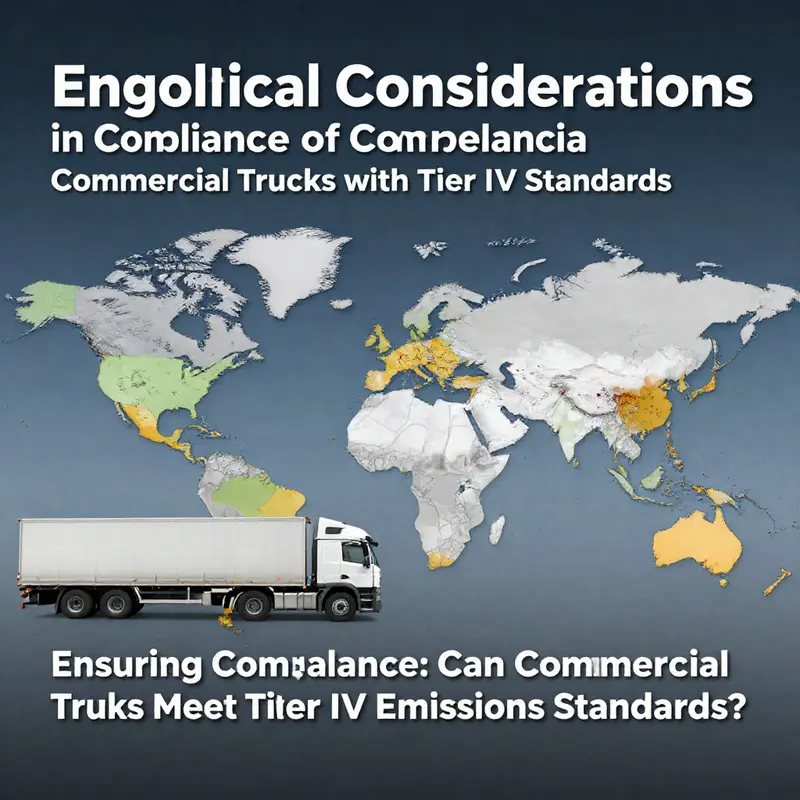
Geopolitics is not an abstraction in the realm of Tier IV compliance; it is a lens through which decisions about engineering, sourcing, and market access are made. For commercial trucks, the path to meeting Tier IV standards in North America and Europe begins with the engine and exhaust aftertreatment architecture. In practice, Tier IV Final in the United States, and Euro VI in Europe, set strict limits on NOx and PM. Achieving these limits demands an integrated approach: high-efficiency fuel systems, advanced aftertreatment, and sophisticated control software. When a manufacturer designs a truck from the ground up with these systems, the result is a vehicle that meets the spirit and the letter of the law. But compliance is not only about the device on the exhaust pipe; it is about where and how the vehicle is built, how its components are sourced, and how the shipment and service networks align with the political realities of global trade.
Geopolitical considerations begin with the fundamental fact that modern aftertreatment does not function in a vacuum. Catalytic substrates, precious metals for SCR catalysts, and advanced sensors require a chain of mineral supply, refined materials, and skilled manufacturing. The United States and the European Union have cultivated policies to secure these inputs, often through alliances, investment incentives, and, at times, export controls. Stress tests on supply lines—especially during periods of tariff disputes or sanctions—reveal that a truck’s ability to stay compliant is as much about international politics as about engine tuning. If the supply of a critical catalyst is interrupted or rerouted, a compliant truck can quickly become noncompliant on the ground, even with a well-designed engine program.
Industry observers and policymakers have urged a proactive stance toward risk. A 2025 study by CSIS argues that firms operating in the heavy-duty truck sector should embed geopolitical risk analysis into their compliance roadmaps. The idea is to translate regulatory requirements into each tier of the value chain: engine design, aftertreatment packaging, sensor supply, software validation, and final assembly. In practice, this translates to diversification of suppliers, investment in domestic or near-shore production where feasible, and forming partnerships that align with broader economic blocs and regional standards. The message is not that the standards will soften; it is that the road to compliance must be resilient to shifts in political weather.
From the fleet operator’s point of view, the geopolitics of Tier IV becomes a matter of risk management. A truck that is built with factory-integrated systems and type-approved for a given market offers more reliability than one that relies on retrofitted components. Retrofits introduce variability in emissions performance, certification claims, and warranty support. The emphasis on factory integration is not a marketing preference; it reflects a regulatory and liability reality. In addition, documentation matters: a CE certificate and a valid type approval prove that the vehicle meets the authorized standards in the intended jurisdiction. Operators who import trucks through non-compliant pathways face not only penalties but stranded equipment and disrupted service networks.
As industry observers note, OEMs seek clarity in emissions regulations. This sentiment captures the tension between rapid market expansion and the evolving regulatory harmonization. This need for clarity translates into how manufacturers design, certify, and export trucks. The discussion quickly broadens to questions of minerals, materials, and markets. Beyond the catalytic metals and substrates, the geographic footprint of manufacturing matters. When a truck is designed with Euro VI compliance, it implies an architecture of exhaust aftertreatment that can be more easily integrated into European or North American supply chains. Yet the same architecture must be adaptable for other markets. This requirement drives a strategy of modularity: components that can be swapped, calibrated, or reconfigured without breaking the chain of approvals. The geopolitical dimension is the push-pull between harmonization and localization. Harmonization allows fleets to operate across borders with a single certified configuration; localization protects critical industries from overdependence on foreign suppliers. Governments that encourage domestic production of catalysts, substrates, or control software reduce exposure to tariff swings and sanctions. At the same time, such protections can raise production costs and alter competitive dynamics, offering opportunities for regions that invest early in capabilities.
Shipping and service networks also become geopolitically charged. A Tier IV-certified truck might depend on a network of service centers capable of planned maintenance of DPFs and SCR systems. If those networks are concentrated in specific jurisdictions or tied to particular geopolitical alliances, fleets face availability risks that can transform an emissions program from a technical aspiration into a logistical challenge. This is where policy design meets operational reality. Regulators want to see not only a certificate but a robust ecosystem of supply, service, and traceability. For operators, that means choosing equipment built to travel unhindered by geopolitically induced disruptions and supported by transparent documentation of component origins and compliance pathways.
These dynamics do not negate the technical feasibility of Tier IV. On the contrary, they emphasize that the blueprint for compliance must be resilient, transparent, and adaptable. The same principles that guide emissions engineering—robust catalysis, precise fuel delivery, intelligent control—also guide geopolitically aware manufacturing. A well-planned program explores multiple feedstocks, multiple suppliers, and multiple manufacturing nodes. It anticipates regulatory changes and market reconfigurations. It builds a footprint that can withstand sanctions, tariffs, and supply disruptions without collapsing the emissions performance that customers rely on. The insights from strategic studies remind us that the policy environment is as consequential as the exhaust aftertreatment itself. When governments align safety, environmental aspirations, and industrial strategy, they lay a stage where Tier IV compliance becomes not only possible but sustainable and scalable across a network of partners and jurisdictions.
Ultimately, the question can a commercial truck be made to comply with Tier IV standards is answered more richly when we consider geopolitical context. The technology is within reach; the governance is the variable. The case for compliant trucks is strengthened when states and markets foster diversified, resilient supply chains and when regulators demand proof of integration rather than isolated components. The movement toward greater harmonization of emissions standards—while never universal—reduces friction for manufacturers and operators who plan ahead. Yet even as standards converge, relationships between trading blocs, material suppliers, and service networks will shape who can bring a compliant truck to customers on time and at predictable cost. In that sense, Tier IV is less about a single engine map or a single exhaust system and more about a comprehensive, policy-informed approach to industrial capability. If that approach is honest about risk and proactive in governance, the path to compliance remains navigable even amid turbulence in global politics. For a deeper look at geopolitical dynamics that shape industrial compliance, see CSIS Analysis: Geopolitics and Industrial Compliance, https://www.csis.org/analysis/geopolitics-and-industrial-compliance.
Breathing Easier on the Road: The Societal Ripple Effects of Tier IV Compliance in Commercial Trucking
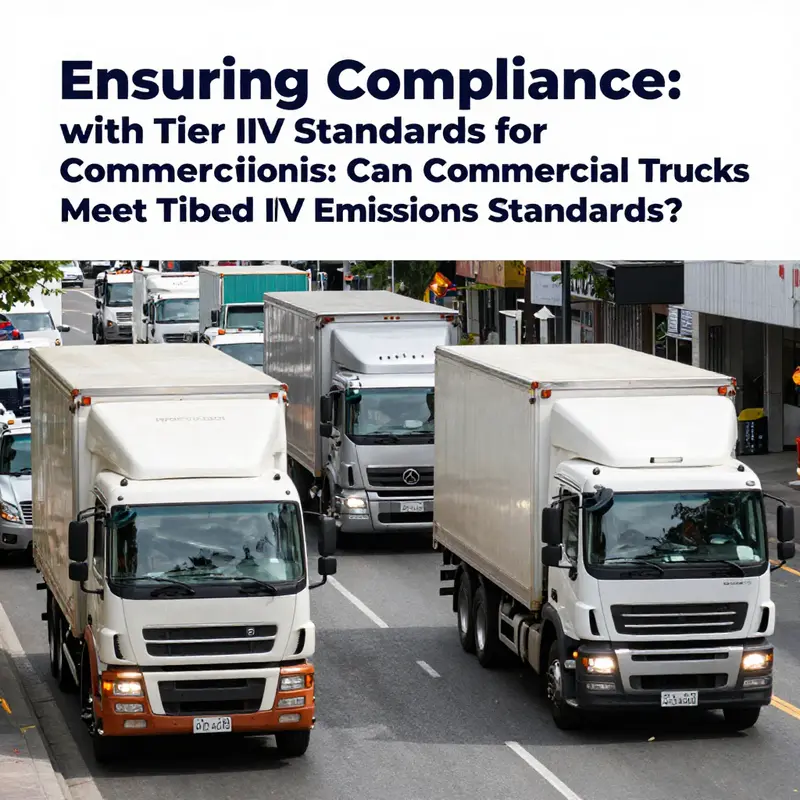
When Tier IV standards began to anchor the design of modern heavy-duty engines, the implications extended far beyond fuel efficiency and compliance paperwork. The shift represented a deliberate recalibration of the freight system’s relationship with the public sphere. Roads, neighborhoods, ports, and industrial corridors became living laboratories where the consequences of cleaner diesel technology unfolded in real time. The core idea is simple: reduce nitrogen oxides and particulates at the source, and you alter the health, the economics, and the daily experience of communities that share the same air and the same roads with fleets of long-haul and regional trucks. This is not just about meeting a regulatory checklist. It is about rethinking the social contract between the trucking industry and the towns and cities that host its activity. In that sense, Tier IV compliance functions as a social technology as much as a technical one, shaping air quality, public health, urban planning, and corporate reputation in mutually reinforcing ways.
The most immediate and measurable social payoff is improved air quality in high-traffic environments—areas where trucks congregate at ports, terminals, distribution hubs, and busy arterials. NOx and PM are linked to respiratory irritation, asthma flare-ups, cardiovascular stress, and a growing body of research tying air pollution to broader health disparities in densely populated neighborhoods. By driving these pollutants down, Tier IV reduces exposure for vulnerable groups—children, the elderly, and workers who spend long hours near heavy-traffic corridors. The public health dividend may translate into fewer emergency visits, lower hospitalization rates, and ultimately lower healthcare costs for communities that shoulder a disproportionate share of pollution-related disease. In practical terms, cleaner exhaust translates into fewer days lost to illness, steadier school attendance, and a calmer urban soundscape as diesel particulates give way to cleaner combustion by design.
Of course, cleaner air does not happen without cost, and the societal conversation around Tier IV must reckon with both the upfront investments and the long horizon over which benefits accrue. The most visible cost is the higher price tag associated with factory-integrated emission-control systems. SCR, DPF, precise fuel-injection strategies, and robust cooling and regeneration systems add complexity and capital to new trucks and fleets. Yet the social ledger weighs these costs against a longer-term payoff: reduced environmental damage and a more sustainable energy footprint for the goods-moving sector. The question is not whether the technology costs money, but how public and private actors share the burden and translate the benefits into a fair return for communities. When policy makers and industry players align incentives—through incentives, financing mechanisms, and clear regulatory pathways—the cost barrier becomes a solvable challenge rather than a perpetual constraint. In this light, the transition can be understood not as a single-engine upgrade, but as a systemic upgrade of how freight moves through urban systems.
The narrative of societal impact also hinges on innovation. Tier IV compliance has accelerated the adoption of after-treatment technologies and precision fuel-management strategies that push efficiency in meaningful ways. Scrubbers, selective catalytic reduction units, and high-efficiency diesel particulate filters require sophisticated controls and monitoring. The result is a healthier ecosystem of components that cooperate to minimize emissions without sacrificing performance. This technological maturation has spillover effects: it raises the bar for component reliability, fosters new maintenance paradigms, and encourages a more data-driven approach to vehicle operation. Fleets accommodate these systems through training, remote diagnostics, and proactive maintenance plans that reduce the likelihood of failures that could undermine compliance and raise costs. In turn, this creates a more skilled workforce and a culture of continuous improvement that benefits not just trucking but the broader maintenance and technical services sector.
The social license to operate for trucking companies is increasingly tethered to the clean-air narrative and the visible accountability that comes with it. Public trust depends on transparency—how fleets report emissions, how manufacturers validate compliance, and how authorities verify type approvals and CE certifications where applicable. The alignment between a vehicle’s factory-integrated emissions system and its real-world performance matters. Retrofits, while sometimes necessary for older equipment, generally do not offer the same reliability or long-term compliance certainty as factory-integrated solutions. Communities want to know that the trucks entering their neighborhoods are designed for clean operation from the start, not patched together after the fact. In this sense, Tier IV is as much a social contract as a technical specification: it signals that industry and regulators share a commitment to reducing health risks and preserving the quality of life in freight-dense regions.
Within industry circles, the push for clarity in emissions regulations has become a catalyst for broader change. OEMs and suppliers navigate a complex regulatory landscape that spans multiple jurisdictions, from regional standards to international norms. The need for clear, stable rules is echoed by businesses seeking to forecast fleet upgrades, plan capital expenditures, and design export-ready products for global markets. As industry observers highlight, OEMs seek clarity in emissions regulations, a demand that underscores the interdependence of policy stability and technology adoption. When regulators provide predictable timelines and rigorous but transparent type-approval processes, fleets can synchronize purchasing with the lifespan of their equipment, reducing the risk of stranded assets and ensuring that new vehicles enter service with verifiable compliance. The net effect is a smoother transition, with fewer sudden scrambles to retrofit or reengineer in response to shifting mandates.
Beyond air quality and regulatory clarity, Tier IV compliance feeds into urban and regional planning in tangible ways. Freight corridors, port access, and distribution centers are increasingly designed or retrofitted to minimize congestion and maximize the efficiency of clean, compliant fleets. This includes infrastructure that supports efficient refueling and maintenance, as well as zoning decisions that reduce exposure for sensitive populations. When cities harmonize street design, traffic management, and freight operations with the realities of Tier IV technology, the social benefits compound: less local pollution, more predictable delivery windows for retailers and manufacturers, and a better experience for residents who live and work near high-volume freight routes. The systemic effect is a freight sector that acts more like a neighbor than a polluter, engaged in ongoing dialogues with communities about air quality, noise, and land use.
The broader climate implications of Tier IV compliance reinforce these social dimensions. Heavy-duty diesel emissions contribute a meaningful share of greenhouse gases and black carbon, both of which have short- and long-term climate effects. By curbing NOx and PM, Tier IV supports broader climate and health objectives, aligning corporate strategy with public policy on decarbonization and resilience. This alignment enhances corporate responsibility and public trust in the logistics sector, which is often scrutinized for environmental impact. When fleets demonstrate real progress in reducing pollutants, cities can pursue more ambitious air-quality targets without compromising freight reliability. That balance—clean air with reliable goods movement—embeds Tier IV compliance into the social fabric of urban and peri-urban life.
One practical takeaway from this evolving landscape is the importance of choosing vehicles that are designed with integrated compliance in mind rather than relying on retrofits. Factory-integrated systems tend to deliver more consistent performance over the vehicle’s life, reducing the likelihood of noncompliance that could otherwise undermine public confidence. This is not merely a technical preference; it is a societal safeguard that helps ensure the promised health and environmental benefits endure as fleets age. In addition, the move toward compliant fleets can stimulate local economies by creating demand for specialized maintenance services, training programs, and parts logistics that support sustainable trucking ecosystems. The ripple effects touch education, workforce development, and regional supply chains as communities adapt to a cleaner, more efficient freight sector.
For readers seeking a direct line from policy to people, the narrative is clear. Tier IV compliance is not simply a checkbox in a regulatory filing; it is a framework that shapes the daily rhythms of life around freight networks. It informs how cities plan, how businesses invest, and how residents experience their air and streets. The social story is about shared responsibility and shared benefits: fewer days of breathing polluted air, more predictable shipments, safer neighborhoods, and a freight industry that earns public legitimacy by delivering cleaner technology with measurable results. As the industry continues to evolve, the strongest outcomes will arise where policy clarity, technical robustness, and community engagement move forward in lockstep, creating a freight system that is both environmentally responsible and socially equitable.
Internal reference and further exploration can be found in industry analyses that emphasize the regulatory clarity needed for sustained progress: OEMs seek clarity in emissions regulations.
External reading for a detailed overview of how modern vehicular technologies intersect with emission standards and sustainability can be found in the following resource: MDPI article on the Impact of Modern Vehicular Technologies and Emission Standards.
Final thoughts
Complying with Tier IV emissions standards is not merely a regulatory obligation; it represents a pivotal shift in the commercial trucking industry. Leveraging advanced technologies has enabled trucks to meet stringent emissions requirements, and understanding these implications is essential for fleet owners and procurement teams. As businesses navigate the complexities of emissions regulations, the economic, geopolitical, and societal aspects of compliance will play a fundamental role in shaping the future of transportation. Adopting compliant trucks contributes not only to regulatory success but also to a sustainable future for all stakeholders.