
The cost of commercial truck insurance can significantly affect logistics and construction businesses. Many owners are unsure of how to navigate the varying rates that depend on factors like vehicle type, usage, and coverage options. Understanding these variables is crucial for making informed decisions that protect your investment and ensure compliance. Each chapter in this article will delve into specific elements influencing insurance costs: from identifying key factors to understanding average prices across different truck types and how various coverage options impact your premiums. By the end, you’ll have a comprehensive understanding of how much you can expect to pay for commercial truck insurance, tailored to your specific needs.
Behind the Shield: The Real Factors That Set How Much Commercial Truck Insurance Costs

Premiums for commercial truck insurance rarely feel predictable. To the fleet manager or owner-operator staring at a renewal bill, the number that appears can look like a single, blunt indicator of risk. Yet the price is rarely driven by a single factor. It reflects a calculated view of multiple moving parts, each amplifying or dampening risk in its own right. The cost landscape is shaped by the vehicle itself, how it is used, who drives it, where it operates, how well the operation manages risk, and the exact mix of coverages chosen. Understanding how these pieces fit together is not simply an academic exercise; it is a practical path to stabilizing costs, making smarter coverage choices, and protecting margins in a business where the balance between liability, cargo protection, and premium spend can determine whether a fleet remains solvent or simply survives another year on the road.
Take the backdrop first. Across the board, the baseline costs you’ll encounter begin with basic liability. For many operators, the annual price tag for liability limits that meet typical regulatory minima sits in a range around the low thousands. When a policy includes more than the bare minimum—coverages like physical damage, cargo protection, and uninsured/underinsured motorist protections—the annual premium tends to rise noticeably, often surpassing the five-figure mark for fleets that include larger vehicles or multiple units. These figures, though helpful as rough benchmarks, are best treated as a starting point; the real price you’ll pay is a function of the risk you present and the protection you elect. The contrast between a small delivery van operating locally and a tractor-trailer hauling goods across multiple states is real because the risk profiles and exposure levels differ so materially. Even among fleets of similar size, the premium can swing based on the particulars of each operation.
Vehicle characteristics, while straightforward in name, carry layered implications for cost. The type of truck is a primary signal to insurers. Larger, heavier, and more complex vehicles tend to have higher repair costs and longer downtime after incidents. A tractor-trailer, with its greater stopping distance, heavier payloads, and more complex mechanical systems, translates into higher potential exposure than a compact delivery van. The vehicle’s value also matters: higher market value means higher replacement costs, and thus, higher coverage limits or higher collision and comprehensive deductibles may be less tolerable from a premium perspective. The age and condition of the fleet-fed machinery are similarly important. An older truck with accumulated mileage signals a greater likelihood of mechanical failure, which can tilt pricing upward. The ongoing maintenance practices of the operator matter, too: fleets that document regular, preventive maintenance demonstrate a proactive approach to risk, and that approach can soften the premium over time.
Operation is another major dial. The way a truck is used dictates exposure. Long-haul operations that cross state lines and spend extended periods on high-speed interstates face more frequent encounters with heavy traffic, fatigue risks, and the unpredictability of highway conditions. Local delivery work, by contrast, concentrates exposure in urban or suburban streets with different risk dynamics, such as left turns, loading docks, and pedestrians. The cargo itself can dramatically shift risk. Transporting hazardous materials, high-value goods, or fragile cargo elevates the probability that an incident will have severe consequences or require specialized cargo coverage. Likewise, the number of drivers attached to a vehicle matters. In a single-driver setup, you can work with a defined risk profile. In a fleet, multiple drivers may raise the overall exposure, since insurers look at the highest-risk individual or the aggregate risk across the roster. That is why some insurers assess a fleet on a per-driver basis, using the most risky operator as the benchmark for the policy’s pricing. The operational footprint—the regions served, road types encountered, and typical driving hours—also influences pricing. A route that regularly traverses challenging terrains, snow-prone zones, or regions with higher accident rates can push premiums upward, while routings that emphasize consistent, daylight operations in lower-risk areas may yield modest savings.
Driver profile remains one of the most potent levers in the pricing equation. Experience and track record carry outsized weight in underwriting models. A driver with a decade or more of accident-free driving is viewed as a safer bet, and insurers often reward that with meaningful discounts or more favorable terms. Conversely, a driver with recent incidents, traffic violations, or a history of hazardous behaviors is flagged as high risk, which can translate into higher premiums or more restrictive policy features. The dynamic is not merely about the current year’s safety record; it also factors into future pricing, as a pattern of safe operation over several years generally yields better renewal terms. Fleets that invest in ongoing training, fleet-wide safety protocols, and robust driver coaching tend to build a long-term premium advantage. The more data you provide that shows consistent safe operation—telemetry data, driver training completion rates, and incident response protocols—the stronger your case for lower costs.
Geography, both macro and micro, shapes the odds. Where a truck spends most of its time matters. Urban centers with dense traffic, aggressive driving cultures, and a higher incidence of collisions tend to push up premiums compared with rural routes or regions with lower traffic density. The local regulatory environment can also influence pricing. Some jurisdictions require higher coverage levels or more stringent cargo protections, and meeting those requirements can affect the premium. Even within a city, the particular neighborhoods or corridors an operator frequents can change risk assessments. Areas with higher crime rates or poorer lighting at night may contribute to perceived risk, nudging up both liability and cargo coverage costs. From a geographic perspective, the insurer is looking at exposure patterns: how often the vehicle is on unfamiliar roads, how much time is spent in urban congestion, and the likelihood of adverse weather affecting that route.
A company’s historical claims and the safety framework it operates, or fails to operate, are central to pricing. Insurers scrutinize the claims history and the overall risk management posture. Frequent or large claims create a perception of ongoing risk, triggering higher premiums to compensate for the anticipated future losses. On the flip side, a clean claims history, particularly over several years, can unlock discounts and favorable renewal terms. Beyond a number of claims, the insurer will look at the quality of risk controls in place. Do you have a formal safety program with training modules, periodic driver coaching, and a telematics program to monitor speed, hard braking, and route compliance? Do you maintain secure parking facilities to reduce theft or vandalism? Each of these signals contributes to the insurer’s confidence in your risk management and, in turn, your pricing. A fleet that marries prevention with data-driven insights can demonstrate lower expected loss, which often translates into a more favorable premium.
Policy structure and coverage choices are the final major puzzle pieces. The level of liability limits you elect directly scales cost. More coverage means more protection but higher exposure to premium. Beyond liability, physical damage coverage—covering repair or replacement in the event of a collision or other physical loss—adds cost. Cargo insurance, which protects the goods being transported, is another layer that can significantly impact pricing, especially if you handle high-value or high-risk cargo. Uninsured/Underinsured motorist protection, if elected, adds to the premium but can be a prudent hedge for operations in areas where motorist coverage gaps are common. Deductible levels for both liability and physical damage influence the premium: higher deductibles generally lower the premium but raise out-of-pocket costs after a claim. The policy terms, such as how underwriter credits or surcharges apply, can be intricate. Some insurers offer add-ons like gap coverage, extended reporting endorsements, or enhanced cyber protections for fleets that collect and transmit data in real time. Each addition changes the risk calculus and, consequently, the price.
Insurance market dynamics and the choices made by providers further color the final figure. Not all insurers price risk the same way. Internal risk models, past experience with similar fleets, and market competition influence rates. The same operation can receive substantially different quotes from two carriers, simply because of the underwriting philosophy and portfolio composition of each company. That is why obtaining multiple quotes remains a best practice. The process is not merely about chasing the lowest number; it is about understanding the tradeoffs, including how deductibles, coverage breadth, and claim-handling service will affect total cost and risk over the policy term. For fleets that cross borders or operate in specialized niches, the pricing equation can become even more nuanced. The right insurer will align with the operation’s risk profile, providing not just a price tag but a risk-management partnership that helps keep long-term costs predictable.
To translate these factors into practical, money-saving action, fleets can take a disciplined approach to risk reduction. A robust safety program—regular driver training, ongoing coaching, and a culture that prioritizes safety—pays dividends in the form of premium reductions and more favorable terms. Telematics are particularly valuable because they turn behavior into measurable data. When a fleet can demonstrate reductions in speeding, harsh braking, and idling, the insurer can translate those improvements into tangible premium credits or discounts. Regular maintenance records and a documented preventive maintenance schedule reassure underwriters that the vehicle is less likely to break down on the road, reducing downtime and the risk of costly claims. Secure storage at night and well-lit, fenced parking facilities can also influence pricing by reducing theft risks and associated losses.
Meanwhile, the decision about how much coverage to carry is not a moral dilemma but a risk-management calculus. Liability limits should reflect the potential exposure in the jurisdictions where the fleet operates, while cargo limits should parallel the value of goods carried. If a fleet handles high-value goods or hazardous materials, the premium must reflect the higher risk and regulatory considerations. In some cases, operators employ a tiered approach: base coverage for routine runs complemented by higher limits for peak seasons or high-risk lanes. This approach requires careful monitoring and flexible underwriting agreements so that coverage can scale with risk without creating coverage gaps.
For fleets that operate across borders, staying abreast of regulatory shifts and cross-border compliance issues can influence insurance needs and risk profiles. Regulatory changes can affect how you structure coverage, the types of endorsements that are necessary, and even the way claims are managed when incidents involve multiple jurisdictions. Understanding these cross-border nuances helps a fleet align its risk management profile with the expectations of insurers, a topic that surfaces repeatedly in industry briefings and is worth close attention for anyone who moves goods between states or countries. For a concise briefing on cross-border regulatory issues, you can explore a focused resource here: Cross-border regulatory issues event.
Ultimately, the path to predictable insurance costs lies in the blend of the right vehicle strategy, disciplined risk management, and deliberate policy design. The cost is not a fixed constant; it is a moving target that reflects how you manage risk year after year. The more your operation reduces risk and demonstrates reliability, the more you can expect to see pricing that aligns with that improved risk profile. The opposite is true as well: a fleet that grows complacent about maintenance, training, or driver selection will likely see premiums creep upward over time, sometimes in a way that undermines margins. This is not merely about chasing discounts but about building a sustainable risk profile that supports the business’s growth ambitions. The chapter’s focus has been to illuminate the core levers—vehicle characteristics, use and operation, driver profile, geography, claims and safety management, and policy details—and to describe how these interact within the broader market context. When a fleet views insurance as a strategic instrument rather than a one-year line item, it becomes possible to negotiate better terms, tailor coverage more precisely to actual risk, and invest in risk-control measures that yield long-run savings.
In this light, pricing is less a trap and more a response to the discipline a fleet applies to its risk posture. A well-maintained truck, operated by an experienced driver, within a low-risk route pattern, under a safety-first regime, and backed by a coverage package that matches the actual needs of the operation, is more likely to experience premiums that reflect prudent risk rather than fear of loss. Fleets can also benefit from the clear sense that pricing is not merely a function of the vehicle and the road, but of the people, processes, and policies that surround them. When a company invests in driver development, implements proactive maintenance, and leverages data to drive safer behavior, the insurer sees a lower expected loss, and the result is a more predictable, manageable cost of coverage. The journey toward cost efficiency in commercial truck insurance is thus a story of disciplined risk management, calculated coverage choices, and ongoing collaboration with an insurer that understands the unique demands of a trucking operation.
External resource for further perspective on risk and coverage considerations can be found at a widely respected industry information source: https://www.iii.org/
Riding the Insurance Curve: How Truck Type and Use Shape Commercial Insurance Costs
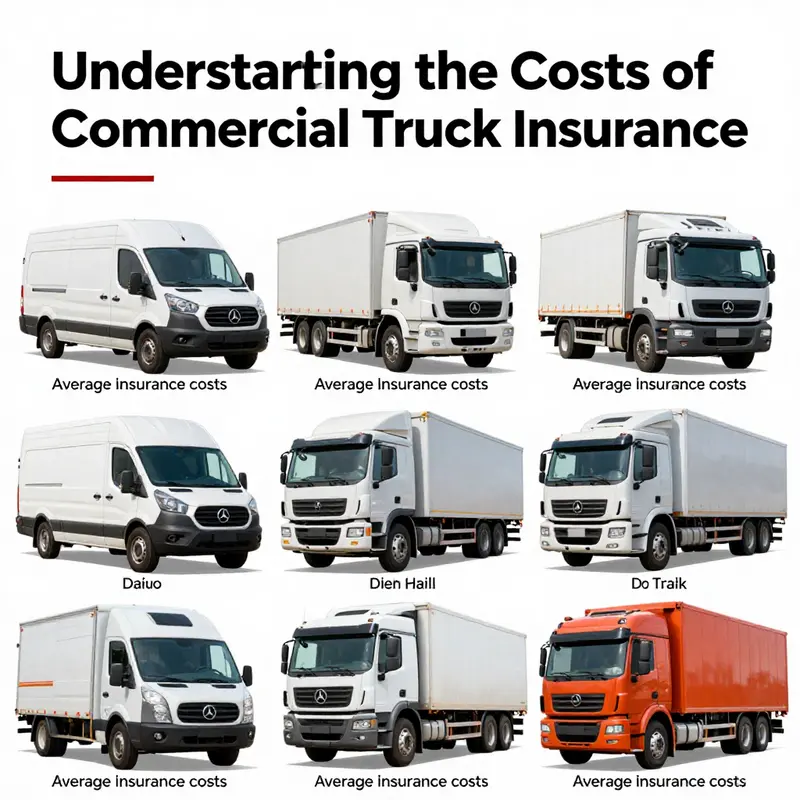
The price of commercial insurance for a truck sits on an ever-shifting curve. It climbs or dips not just with the size of the vehicle but with how it is used, where it operates, and how a business manages risk on a daily basis. For someone trying to budget or to price a service, the numbers can feel diffuse. Yet there is a steady logic behind the premiums. At the core is risk: the likelihood of a claim and the potential cost of that claim, multiplied by the amount of coverage a policyholder chooses. When you combine those elements—vehicle type, job function, driver history, and coverage breadth—you begin to see why a small delivery van nudges a different premium from a sprawling tractor-trailer fleet crossing several state lines with ice-cold cargo on board. The insurance cost, in other words, is less about a single rate and more about a spectrum of possibilities shaped by concrete operational choices.
The most basic way to frame pricing is to consider liability as the foundation and then layer on additional protections that cover the truck itself, the cargo it carries, and the broader risks that arise from operating at highway speeds or in congested urban corridors. Basic liability coverage typically covers injuries and property damage you cause to others in an accident. On average, owners report paying roughly between $1,500 and $3,000 per year for this foundational layer. But that figure is only a launching point. If you want to protect the truck’s physical condition, the load inside, and yourself from a broad range of exposure, comprehensive policies begin to rise quickly. It is not unusual to see total annual costs surpass $5,000 once physical damage coverage, cargo insurance, and other protections are included. The practical takeaway is simple: the more you insulate against risk, the higher the annual premium, but the lower the chance that an incident will generate a crippling out-of-pocket expense.
To understand how these numbers play in the real world, it helps to map them against different truck profiles. Box trucks, which typically weigh in the 10,000 to 25,000-pound range, operate in smaller footprints with lower speeds and shorter routes. Their exposure to high-risk situations—such as long-haul fatigue, cross-border movement, or extreme loading conditions—is comparatively modest. As a result, their insurance tends to fall on the lower end of the spectrum, often averaging between roughly $1,800 and $4,500 annually for a typical package that includes liability and some form of physical damage protection. The smaller scale and local nature of work, plus generally milder cargo risks, keep costs predictable and less volatile. Even within this category, premiums can swing based on the driver pool, the seasonality of deliveries, and the fragility or volatility of cargo (think electronics or perishables versus durable goods).
In stark contrast, tractor-trailers, the long-haul workhorses of the fleet, command a markedly different premium profile. These heavyweights face higher liability exposure due to multiple dimensions: greater gross vehicle weight, higher speeds, longer travel distances, diverse and sometimes remote routes, and the possibility of more severe outcomes in a crash. The average annual cost for tractor-trailers commonly lands in the $6,000 to $12,000 range or higher, depending on specifics like the cargo type and the geographic region of operation. The premium reflects not only the physical risk of the vehicle itself but also the systemic risk of cross-border or interstate operations, where regulatory compliance and incident response become more intricate. Carriers who run hazardous goods or specialized operations around high-value cargo can push premiums even higher, as insurers account for the additional regulatory burdens and the potential environmental or public-safety implications of a mishap.
Specialized trucks illustrate how the operating profile can reshape pricing in pronounced ways. Trucks used for hazardous materials or other sensitive or high-stakes tasks, refrigerated transport, or heavy equipment hauling introduce layers of risk that standard coverage may not fully address. Hazmat operations, in particular, tend to demand robust regulatory compliance, heightened safety protocols, and additional environmental liability coverage. The consequence is a premium that often climbs into the five-figure territory on an annual basis in certain cases. Even when a fleet does not move hazardous goods, the engineering and operational demands of special equipment—like reefers that require consistent temperature control or vehicles designed to haul oversized loads—can push costs up due to more complex risk modeling, higher cost of repairs, and the need for specialized damage coverage.
The driver factor is the human dimension of this equation. A driver’s experience, safety record, and training history contribute significantly to the rate at which underwriters evaluate risk. A fleet with a strong driver training program, a track record of clean logs, and proactive safety measures often earns lower premiums than one with gaps in hours of service compliance, a history of preventable incidents, or inadequate fatigue management. Insurers will look at hours on the road, the frequency of accidents, and even the diversity of routes to determine how exposure to risk shifts with a particular operation. The more a business can demonstrate steady risk management—through coaching, disciplined maintenance, and a culture of safety—the more it can influence the premium downward, independent of the core price drivers like vehicle size and usage.
Geography adds yet another layer. The risk of a claim depends in part on regional factors like weather patterns, road conditions, and the typical traffic mix. A truck crossing multiple states encounters a broader set of potential hazards and regulatory regimes than a vehicle operating within a single metropolitan area. Regions with frequent severe weather, higher theft rates, or tighter regulatory enforcement may translate into higher premiums, while areas with steady weather, robust road infrastructure, and well-established safety programs can support more favorable pricing. The policy structure itself must accommodate these realities. A robust cargo policy, for example, will include coverage for cargo damage that may occur in transit across state lines or through ports, whereas a local delivery route might emphasize different risk elements, such as urban collision exposure or dock-related liability.
All these factors—truck type, use, driver profile, geography, and coverage breadth—interact to create the pricing spectrum that business owners navigate when securing coverage. If you operate a small delivery van, your premiums may be modest and predictable, especially if you limit your routes to local services and maintain a clean driving record. If you operate a fleet of box trucks, the cost structure becomes a bit more intricate: more units means more potential losses, which can trigger fleet discounts but also requires more comprehensive risk management. When the operation grows into tractor-trailers with long-haul routes, the math shifts again. The premium may rise, but the value of a well-structured policy becomes stronger—covering not just liability but also physical damage, cargo, and environmental or regulatory liabilities that could otherwise jeopardize a business’s balance sheet.
In practice, the pricing environment rewards proactive risk management. Businesses that implement telematics to monitor driver behavior, invest in regular maintenance and pre-trip inspections, and enforce clear safety protocols can demonstrate to underwriters that they are actively reducing the probability and severity of losses. This is not merely about avoiding accidents; it is about shaping a credible narrative of responsible risk stewardship. Insurers respond to this narrative with more favorable terms, including lower deductibles, better liability limits, or discounts on bundled protections. The core message for owners and operators is practical: harness the data and the discipline to turn risk into a managed variable rather than an uncontrollable cost.
From a budgeting perspective, the most reliable approach is to start with base estimates for your vehicle type and work outward through coverage choices and risk-control investments. A box truck with basic liability and limited physical-damage protection might hover around the lower end of the cost curve, while a multi-vehicle fleet operating long-haul routes with specialized loads will likely see a broader range of premiums that reflect the complexity of the risk and the level of protection selected. It is essential to recognize that the right policy is not simply the cheapest one; it is the policy that aligns with your operational realities, ensures compliance with applicable regulations, and closes the gap between potential losses and the resources available to recover from them. To ensure you are not underinsured, you should consider the entire spectrum of risk: liability, physical damage, cargo coverage, environmental liability, and even endorsements that cover things like non-owned or hired auto liability, contingent cargo, or primary and excess layers depending on the structure of your fleet.
In a practical sense, this means producers of goods and service providers need to approach insurance as a core component of operations, not as an afterthought. When planning for a period of growth or a change in operations—such as expanding from a single box truck to a small regional fleet or transitioning from in-house driving to a mixed model with hired drivers—it’s wise to re-evaluate coverage. The safer the operating environment you can demonstrate, the more room there is to negotiate favorable terms without compromising protection. It also means maintaining meticulous records: miles driven, maintenance logs, training certificates, and incident data all contribute to a compelling risk profile. The more transparent and well-documented the operation, the easier it is for a carrier or broker to provide a precise, tailored premium rather than a rough estimate that may understate or overstate true exposure.
For readers navigating this landscape, the practical takeaway is clear. Start with the fundamentals of cost—the baseline liability and the broadest possible protection you need to avoid gaps—and layer in coverage to address the specific risks you face. Consider how your trucks are used, the routes, the cargo, and the regulatory environment, then test scenarios with multiple insurers to understand where your true risk sits and what price is commensurate with that risk. A single-page summary of your operation—vehicle types, average miles, typical cargo, safety programs, and driver training metrics—can be a powerful tool in conversations with underwriters. It demonstrates your commitment to risk control and helps translate operational realities into targeted policy features. In this way, you can move beyond generic averages and toward a price that reflects your actual risk footprint, while still preserving the safeguards that protect your business in the event of a loss.
A practical note on how to deepen understanding without getting lost in numbers: in many cases, the most meaningful comparisons come from how well a policy aligns with your daily business operations, not from the headline price alone. If your operation relies on a handful of box trucks for local deliveries, you may prefer a policy that emphasizes reliability and manageable deductibles with strong physical-damage protection for the vehicles themselves. If your fleet is larger and includes long-haul trips with varied cargo, you may prioritize higher liability limits and more robust cargo coverage, with endorsements tailored to environmental or regulatory risk. The value of comprehensive pricing comes not merely from the premium itself but from how well the policy supports continuity of service, protects against sudden financial shocks, and integrates with a broader risk-management strategy.
For those building a broader picture of the cost landscape, it can help to view insurance as part of total cost of operation rather than a stand-alone expense. When you factor in maintenance, driver wages, fuel efficiency programs, and the potential cost of downtime after an incident, the incremental cost of more comprehensive coverage often looks more manageable. The premium you pay today can translate into a shield against potentially devastating losses tomorrow. The operational discipline that reduces risk often yields a double dividend: lower exposure and, over time, potential premium reductions as claims histories improve and safety programs mature.
As you move from theory to practice, remember that the best way to pin down a precise premium is to engage directly with insurers that specialize in commercial trucking. They can tailor quotes to your exact vehicle mix, routes, cargo types, and safety practices. You may find, for instance, that smaller or mid-size fleets achieve meaningful cost efficiencies through bundling, implementing driver-score programs, or establishing standardized maintenance protocols. Even within a given category—such as box trucks or tractor-trailers—there is room to optimize based on operational nuance, the presence of risk-control measures, and how an insurer models your particular risk. This is not about chasing the lowest price; it is about balancing cost with coverage, ensuring that the protection aligns with your exposure and supports your business strategy over the long haul.
To provide a concrete, narrative anchor within this exploration, consider how a single operational shift can alter the pricing equation. If a fleet expands from local, repetitive routes to cross-region operation with more variable cargo and higher potential penalties for delays or cargo loss, the premium is likely to rise in step with those added exposures. On the other hand, if the same fleet implements a robust telematics program, sets clear driver performance targets, and maintains a rigorous maintenance schedule with documented compliance, underwriters will see less risk in the same coverage, which can translate into more favorable terms without compromising protection. This dynamic underscores why business owners should approach insurance as an ongoing dialogue with their risk-management posture—not a static purchase—and why regular reviews—synced with fleet growth, route diversification, or changes in cargo types—are essential.
In sum, insurance costs for commercial trucking are not a single price tag but a spectrum shaped by many moving parts. The type of truck, how it is used, and the risks it faces together determine a baseline, while the level of coverage, risk controls, and regional factors tilt that baseline up or down. A box truck delivering in-town parcels will sit toward the lower end of the curve, a long-haul tractor-trailer with volatile cargo sits higher, and a specialized operation may drive the premium into the upper ranges as the liability and environmental considerations accumulate. The most reliable way to navigate this landscape is to anchor pricing decisions in a clear understanding of your operation, pursue robust risk-control measures, and obtain multiple tailored quotes to compare not just price but the comprehensiveness of coverage and the service philosophy behind the policy. In a field where the costs can swing with seemingly small operational changes, preparedness and clarity become the strongest levers you have for protecting your business and sustaining reliable service.
For readers seeking deeper context on the cost landscape and how different trucking operations influence premiums, a useful external reference provides a more detailed breakdown of typical costs and coverage components across truck types: https://www.insureon.com/blog/commercial-truck-insurance-costs/. In addition, a related discussion on how trailer orders affect truckload margins can offer insight into how fleet growth interacts with insurance costs and risk exposure, which you can explore here: Trailer orders impact truckload margins.
Pricing the Drive: How Coverage Choices Shape the Cost of Commercial Truck Insurance

When a trucking operation weighs the cost of a commercial policy, the first impulse is often to seek the lowest price. Yet prices for truck insurance aren’t driven by a single factor; they are the end result of a careful balance between the level of protection you want and the level of risk you’re willing to accept. The core insight is simple: every coverage option you add creates a shield against a potential loss, and that shield comes with a price tag. The more you cover and the more risks you mitigate, the higher the premium typically becomes. But that additional protection can also translate into meaningful savings down the line, reducing out-of-pocket exposure after an claim and limiting downtime when incidents occur. Understanding how coverage choices translate into cost is essential for any fleet, whether you operate a single delivery truck or manage a growing fleet of regional haulers. It’s a conversation that should be grounded in the specifics of your operation—the type of vehicle, how it’s used, where you operate, and the value of what you transport—and in the realities of the insurance market, where pricing can swing with changes in risk, geography, and policy structure.
The most fundamental building block remains liability coverage. Liability is the baseline protection that covers others for bodily injury and property damage if you’re at fault in an accident. The premium you pay is highly sensitive to the limits you set. Higher liability limits, such as one million dollars per occurrence, will typically cost more than lower limits, such as three hundred thousand dollars per occurrence. This is because the insurer shoulders a larger potential financial exposure in the event of a claim. For operators with higher exposure—those who run multi-stop routes through densely populated areas, carry high-value loads, or operate in jurisdictions with stricter mandates—opting for higher limits can be a prudent way to manage risk. But the added cost should be weighed against the probability and scale of losses you’re likely to see. A small, local delivery operation might find that lower liability limits are adequate for their risk profile, while a long-haul carrier with cross-border routes may opt for higher coverage as a cost of doing business in a higher-stakes environment.
Beyond liability, the collision and comprehensive coverages function as the next layer of protection for the asset itself and for non-liability risks. Collision coverage pays to repair or replace your truck when it’s damaged in a collision. Comprehensive coverage, on the other hand, covers non-collision events such as theft, fire, hail, vandalism, and other hazards that can cause significant downtime and repair costs. The cost impact of these coverages is straightforward: the broader the protection, the higher the premium. The premium steps up in relation to the value of the vehicle, its replacement cost, and the likelihood of the perils covered. For high-value tractors or dry vans that operate in markets with elevated theft risk or weather volatility, comprehensive and collision can be essential, even if they push premiums upward. For a smaller or older vehicle with lower replacement cost, the incremental premium for full physical-damage coverage may be smaller, but it remains a meaningful line item in the overall insurance budget.
Specialized coverages add another layer of complexity—and cost. Cargo insurance is a critical addition when your business transports high-value goods, perishables, or specialized freight. The premium for cargo insurance scales with the value of the load and the level of risk you’re willing to insure. If you regularly move sensitive or high-value cargo, cargo coverage protects against losses that would otherwise fall entirely on the carrier. The cost of cargo insurance is not a mere line item; it can influence your overall pricing strategy with shippers, contract terms, and margins because it affects your ability to take on high-margin freight or carry certain clients who demand robust protection for their goods. Bobtail coverage, which extends protection to a truck when it’s not hauling a trailer, is another example of how coverage scope can shift pricing. Bobtail exposure is a real risk; even when a truck is off the road, the vehicle can be involved in accidents or incur liability that isn’t tied to a specific load. insurers price this protection based on the likelihood of a non-hauling incident, and adding it can meaningfully alter the monthly or annual premium.
The day-to-day realities of operation also shape the cost impact of coverage decisions. If your fleet operates in regions with higher regulatory requirements, risk profiles, or accident frequencies, the premium for the same coverage tier can differ materially from one state or province to another. The way a truck is used—local deliveries versus long-haul cross-border trips, time in service, driver turnover, and the stability of the load mix—further modulates price. A small delivery van that stays within a tight geographic radius may command lower premiums than a large tractor-trailer hauling freight across multiple states, simply because the exposure and risk are, by design, different. Fleet operators—those who manage multiple vehicles—often unlock premium efficiencies not because they obtain a discount on each vehicle, but because they gain access to policy structures that reflect the collective risk of the group. Multi-vehicle or fleet policies can streamline risk management and sometimes yield favorable pricing for the overall package. Insurers frequently offer tiered programs that reward consistent driver training, lower incident rates, and stable utilization with reduced rates or credits across the fleet.
A central lever in aligning coverage with cost is the driver-management program and the claim history of the operation. Telematics-based driving behavior programs, for instance, reward safer driving with tangible premium reductions. While the exact savings vary, some insurers and programs have shown the potential to cut premiums by substantial margins when a fleet demonstrates consistent safe driving patterns and low incident rates. This is a powerful reminder that coverage isn’t simply about the policy limits and the cargo on the trailer; it’s also about how the operation actively manages risk through technology, training, and disciplined operations. In practice, this means that a company that invests in driver coaching, fleet maintenance, and real-time monitoring can expect not only better safety outcomes but also a leaner insurance bill over time.
The market recognizes these dynamics through the emergence of flexible, fleet-focused policy options. A growing number of insurers offer multi-vehicle and fleet-style policies that tailor coverage to the precise needs of a business. Rather than a generic one-size-fits-all package, these arrangements allow a carrier to calibrate protection around the vehicle mix, the routes, and the goods moved. For managers evaluating their options, the critical step is to translate operational realities into policy design: how many trucks, what types of loads, where the trucks operate, and how long a typical journey lasts. This translation helps determine whether a modest bump in liability limits is warranted, whether comprehensive and collision are necessary across the fleet, and where cargo protection should be prioritized to align with revenue streams and contractual obligations.
Importantly, pricing should be viewed as a moving target rather than a fixed number. Quotes from different insurers can vary for the same coverage grid because each company weighs risk a little differently, uses distinct underwriting criteria, and has its own claims experience. The best approach is to obtain multiple quotes and to work with a broker or insurer specializing in commercial trucking who can interpret the nuance of your operation. A trained professional can help you model scenarios: what happens if you need to transport high-value cargo on regional routes; how changes in driver safety programs could influence the next renewal; or how adding or removing cargo coverage might shift the bottom line. The goal is not merely to minimize premium but to optimize total cost of risk—the combination of expected premiums, deductibles, and the financial exposure you face in the event of a loss.
Within this broader conversation, there is value in connecting the dots between coverage structure and market realities. For instance, a chapter on pricing and risk in trucking markets often highlights how capacity and demand dynamics influence pricing. When the market experiences excess capacity, insurers may become more competitive on price to attract business; conversely, tight capacity can push premiums higher as underwriters balance risk with availability. Considering these market forces alongside your coverage choices can help frame expectations during renewals and negotiations. To explore this angle further, you might look into industry insights that examine how market dynamics shape pricing strategies across the sector. And for readers seeking a deeper dive into how fleet composition intersects with pricing pressures, a recent analysis of excess capacity in the trucking market offers useful context and practical takeaways for operators planning renewals or expansions. Excess capacity in the trucking market — insights.
Ultimately, the pricing puzzle boils down to marrying your risk tolerance with your business strategy. If you operate in a high-risk environment—long-haul, cross-border routes, hazardous cargo, or high theft risk—the urge to maximize protection can be strong. That instinct is valid; more protection reduces growth friction and revenue volatility in the event of a loss. But for more conservative operations, the path to cost control lies in judicious, well-documented risk management: driver training, equipment maintenance, route planning, and incident response readiness. The more you can demonstrate responsible risk management, the more you can lean on the policy features that deliver value without paying a premium that exceeds the actual risk. And because coverage needs evolve with the operation, the review at renewal is not just a price exercise; it’s an opportunity to recalibrate protection as the fleet grows, contracts change, or new markets open up.
Affordability and protection are not mutually exclusive; they are two sides of the same coin. It’s entirely possible to construct a robust, fit-for-purpose coverage framework without paying for protection you do not need. The most practical path is to start with a baseline liability structure aligned to your exposure, layer in physical-damage protection where the asset value and risk justify it, and add cargo, bobtail, and specialized protections in a way that maps to the value and risk of the loads you transport. Layer in a disciplined risk-management program—driver training, telematics, proactive maintenance—and you create a credible case for favorable pricing at renewal. In the end, the objective is clarity: a policy that reflects your actual risk, supports your service commitments, and remains affordable enough to keep your equipment moving and your customers satisfied. When you approach coverage decisions with this lens, pricing becomes a well-justified investment in continuity, not an opaque expense that erodes margins.
For readers seeking a practical synthesis of these ideas, the path forward is straightforward: gather quotes that differentiate your coverage levels, ask insurers to explain how each layer affects your risk and your price, and consider a policy structure that aligns with your fleet’s profile and growth plans. If you’re evaluating how a more sophisticated fleet strategy might influence pricing, exploring resources on market capacity can provide useful context for renewal planning and strategic procurement. Excess capacity in the trucking market — insights. In parallel, it’s prudent to keep a keen eye on any external resources that offer data-driven guidance on pricing mechanics and risk transfer. For a broad reference on trucking insurance coverage options and policy design from a leading insurer, you can review the trucking coverage page of a well-established provider here: https://www.erie.com/commercial/insurance-products/trucking-insurance/.
Final thoughts
In summary, understanding how much commercial insurance for a truck costs involves considering various factors that significantly affect premiums. From the type of truck and its intended use to the coverage options selected, each element plays a vital role. Business owners must not only be aware of average costs but also remain proactive in seeking customized insurance policies that best suit their operational needs. By investing the time to understand these details, you can make informed decisions that enhance your risk management strategies and protect your assets effectively.