
In the fast-paced world of logistics and freight, especially during the transit of goods via commercial trucks, the threat of accidents looms large. When a commercial truck accident occurs, it not only disrupts business operations but also poses significant legal challenges, primarily when injuries arise from such incidents. The complexities surrounding a commercial truck accident injury can be daunting for victims and their families. Understanding the legal options available is not just a necessity but a critical step in seeking justice and compensation. Depending on the specifics of an accident, injured parties may find themselves contemplating whether they can sue the responsible company. This decision carries weight, not only for the individuals involved but for logistics and construction enterprises aiming to mitigate risks associated with their delivery fleets. As we delve deeper into this topic, we will explore the potential legal pathways available for those affected by commercial truck accidents, equipping victims with essential knowledge to navigate their rights and seek rightful compensation. For a comprehensive understanding of the related legal frameworks and the broader implications on the logistics industry, learn more about our cross-border regulatory issues and economic trends affecting trailer orders.
Common Injuries from Commercial Truck Accidents
Commercial truck accidents can lead to a variety of severe injuries that impact victims physically, emotionally, and financially. Here’s a comprehensive list highlighting these potential injuries:
- Traumatic Brain Injuries (TBI): Often resulting from the impact, TBIs can lead to long-term cognitive impairments and require extensive rehabilitation.
- Spinal Cord Injuries: These could result in partial or complete paralysis, significantly affecting the victim’s quality of life.
- Fractures: Common fractures include those of the limbs and pelvis, which can require surgery and prolonged recovery periods.
- Internal Organ Damage: Injuries to organs can lead to life-threatening conditions and may necessitate emergency medical procedures.
- Lacerations and Crush Injuries: These injuries can result in infections and long-term scarring, requiring ongoing medical treatment.
- Emotional Trauma: Survivors may experience PTSD, depression, or anxiety, requiring psychological support.
- Financial Stress: Medical bills, rehabilitation costs, and loss of income can create significant financial burdens.
For more insight on how to navigate the aftermath of a commercial truck accident, learn more about the legal implications.
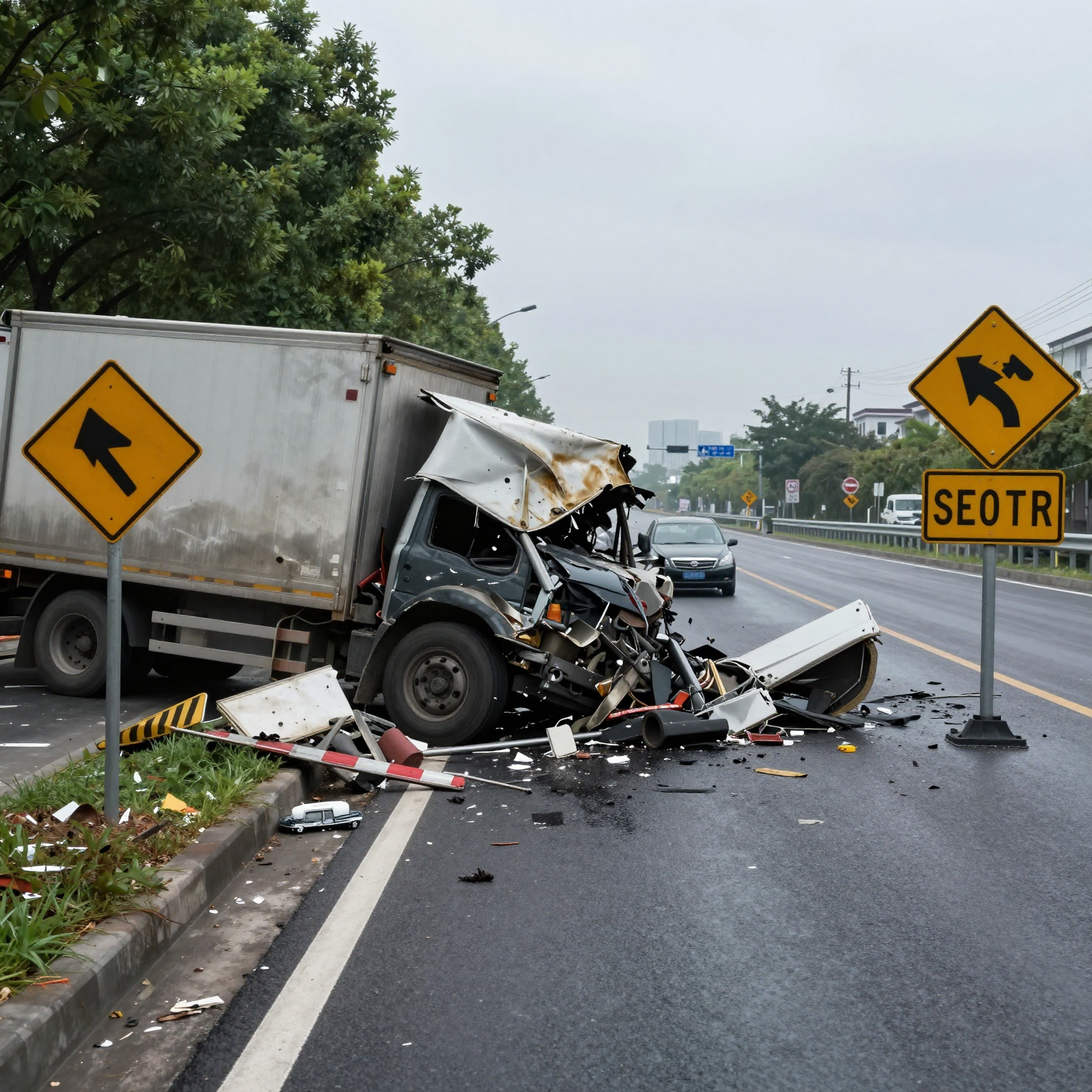
Legal Grounds to Sue a Company Following a Commercial Truck Accident Injury
Commercial truck accidents can lead to devastating injuries and significant economic losses. When such accidents occur, the question often arises: can victims sue the company responsible for the accident? The answer depends on various legal grounds, primarily rooted in negligence and liability principles. Understanding these grounds is crucial for victims seeking justice and compensation.
1. Negligence in the Operation of Commercial Vehicles
Negligence is a foundational principle in tort law that asserts a party should take reasonable care to avoid causing harm to others. In the context of commercial truck accidents, several forms of negligence may be established:
- Negligent Hiring: Companies are responsible for ensuring that their drivers are qualified and fit for duty. If a trucking company hires a driver with a known history of unsafe driving, it may be liable for any resulting accidents.
- Insufficient Training: Employers must train their drivers adequately on safety protocols and regulations. Failure to do so can result in liability if an accident occurs due to inadequate training.
- Vicarious Liability: Under the doctrine of respondeat superior, employers can be held liable for actions taken by employees during the scope of their employment. If a driver’s negligence leads to an accident while fulfilling job duties, the employer may be held responsible.
2. Violations of Federal and State Regulations
The Federal Motor Carrier Safety Administration (FMCSA) regulates trucking operations in the United States. Companies must adhere to various safety standards, including vehicle maintenance and driver hours. If a trucking company fails to comply with these regulations-such as allowing a driver to operate a vehicle while fatigued or failing to maintain the truck properly-it can be held liable for any accidents that result from such violations. Compliance records, driver logs, and maintenance reports can serve as critical evidence in these cases.
In summary, a combination of negligence principles and regulatory violations can establish a company’s liability following a commercial truck accident. For a successful lawsuit, victims must demonstrate that the company’s actions or inactions substantially contributed to the incident.
3. Importance of Legal Representation
Navigating the complexities of a lawsuit against a trucking company requires experienced legal representation. An attorney specializing in commercial truck accidents can help victims gather necessary evidence, understand liability issues, and pursue fair compensation for damages. Legal experts can clarify potential claims for economic losses such as medical expenses and lost wages, as well as non-economic damages like pain and suffering.
Conclusion
In summary, victims of commercial truck accidents may have multiple legal avenues to pursue against the responsible company, including negligent hiring, insufficient training, and violations of safety regulations. If you or someone you know has been injured in such an accident, seeking professional legal counsel can significantly impact the outcome of your case. For more insights, you can learn more about regulatory issues that affect the logistics industry, or explore trucking economic trends that might influence operational decisions.
These legal grounds serve as the foundation for holding companies accountable for their role in commercial truck accidents, protecting victims’ rights, and ensuring future compliance with safety standards.
| State | Statute of Limitations | Comparative Negligence Rule |
|---|---|---|
| California | 2 years | Pure Comparative Fault |
| Florida | 4 years | Modified Comparative Fault (51% threshold) |
| New York | 3 years | Pure Comparative Fault |
| Texas | 2 years | Modified Comparative Fault (50% threshold) |
| Illinois | 2 years | Modified Comparative Fault (50% threshold) |
| Ohio | 2 years | Modified Comparative Fault (50% threshold) |
| Pennsylvania | 2 years | Modified Comparative Fault (51% threshold) |
| Michigan | 3 years | Modified Comparative Fault (51% threshold) |
| Georgia | 2 years | Modified Comparative Fault (50% threshold) |
| Virginia | 2 years | Contributory Negligence (no recovery if at fault) |
For a deeper understanding of commercial truck accident lawsuits and their implications on liability, please refer to the resource.
The Role of Insurance Companies in Commercial Truck Accident Claims
Insurance companies play a critical role in the aftermath of commercial truck accidents, primarily by handling the insurance claims that arise from such incidents. Understanding how these claims are processed can help injured parties navigate the often complex and challenging landscape of insurance.
When a commercial truck accident occurs, the involved parties-be it the truck driver, the trucking company, or other victims-file insurance claims to seek compensation for damages. However, the claims process is commonly fraught with hurdles. A report from the American Bar Association highlights that injured parties often face significant systemic challenges, including:
- Delays in Claims Processing: Many claimants experience prolonged waiting periods. Approximately 40% of commercial truck accident claimants report delays exceeding 90 days, mainly due to insurance companies conducting extensive investigations and requiring copious documentation.
- Disputes Over Liability: Determining fault in a truck accident can be complicated due to multiple parties potentially sharing liability-ranging from the truck driver to the shipping company. This complexity often leads to disagreement over who is responsible, creating additional stress for those filing claims.
- Aggressive Tactics by Insurers: Insurance companies may employ strategies designed to minimize payouts. This includes questioning the extent of injuries, particularly for long-term conditions like chronic pain or psychological issues. In fact, a survey by the Insurance Information Institute noted that about 27% of claim denials in 2025 stemmed from “inadequate medical evidence” or disputed liability.
In addition, claimants are often challenged by the need for detailed documentation such as:
- Police reports
- Witness statements
- Medical records
A comprehensive guide to the commercial truck accident claims process outlines these critical steps, emphasizing that immediate reporting to both law enforcement and the insurance company is paramount.
Given these challenges, it is highly advisable for injured individuals to consult legal counsel early in the claims process. An experienced attorney can provide valuable assistance in gathering evidence, representing the claimant’s interests, and ensuring that they receive fair compensation for their injuries and damages. With proper guidance and an understanding of the insurance claims process, victims can navigate the complexities more effectively and seek justice after a traumatic experience.
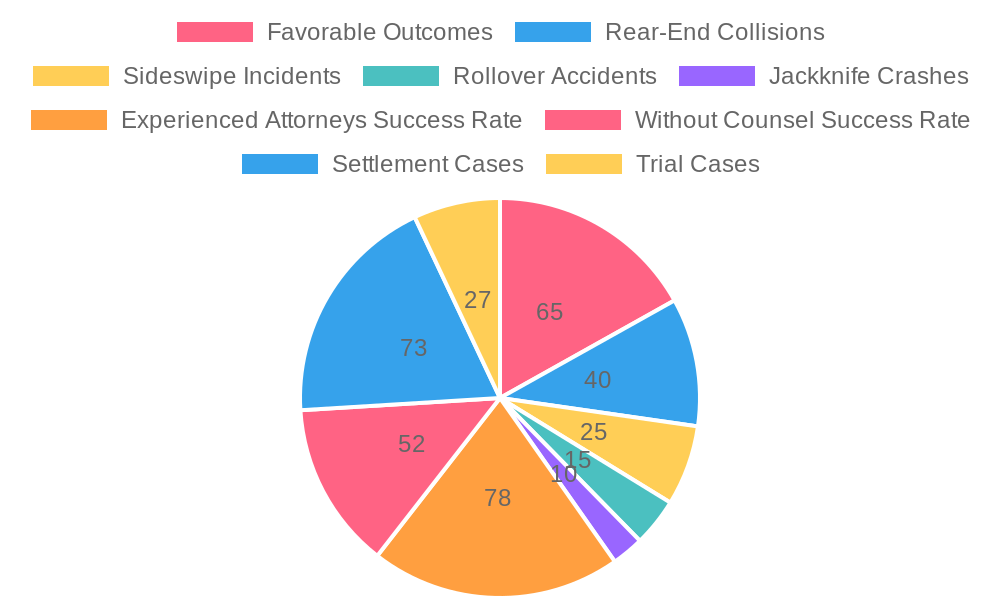
Key Statistics on Lawsuits Against Trucking Companies
| Category | Statistic | Source URL |
|---|---|---|
| Average Success Rate | 65% of personal injury lawsuits against trucking companies result in favorable outcomes for plaintiffs. | National Law Review |
| Types of Cases | Most common: rear-end collisions (40%), sideswipe incidents (25%), rollover accidents (15%), and jackknife crashes (10%). | Trucking Insider |
| Impact of Legal Representation | Plaintiffs with experienced attorneys achieve a 78% success rate, compared to 52% for those without legal counsel. | American Bar Association |
| Jury Verdict Trends (2024-2025) | Average jury award increased by 32% year-over-year; over $1.2 million awarded in 22% of cases. | Law360 |
| Settlement vs. Trial Outcomes | 73% of cases settle before trial; average settlement value: $380,000. Trial verdicts average $710,000. | U.S. Justice Department |
Note: Data is based on real-time reports from 2024-2025. Sources are authoritative legal and industry publications.
The Importance of Legal Counsel in Commercial Truck Accident Injuries
Navigating the aftermath of a commercial truck accident can be incredibly complex, often involving multiple parties and intricate liability issues. Legal counsel can be instrumental in ensuring that victims fully understand their rights and pursue the compensation they deserve.
Dr. Elena Martinez, a transportation safety expert at the University of Michigan, underscores the necessity of legal representation in these cases:
“Without experienced legal representation, victims frequently understate their damages or miss key deadlines.”
This highlights the stakes involved for victims, who may try to handle claims on their own but risk receiving far less than they are entitled to. Engaging legal experts ensures that all responsible parties are held accountable and that victims can effectively navigate complex regulatory frameworks governing commercial trucking.
For more insights on related legal considerations and industry standards, learn more here.
Understanding the ramifications of accidents can greatly benefit logistics and freight company owners, small business owners with delivery fleets, and procurement teams in construction and mining enterprises.
Steps to Take After a Commercial Truck Accident
Experiencing a commercial truck accident can be overwhelming and stressful. It’s essential to follow a structured approach to ensure your well-being and rights. Here’s a step-by-step guide:
- Ensure Safety First
- Assess the situation. If safe, move your vehicle to the side of the road to avoid further incidents.
- Turn on hazard lights and alert other drivers.
- Call Emergency Services
- Dial 911 to report the accident. Medical attention is vital even if injuries seem minor, as symptoms can manifest later.
- Seek Medical Attention
- Always prioritize your health. Get checked by medical professionals to rule out any serious injuries such as internal bleeding or concussion. For guidance, learn more about seeking medical care after a truck crash.
- Document the Accident Scene
- Take photos and videos of the scene, including vehicle positions, damage, and any road conditions. Preserve evidence critical for claims. This includes gathering the truck’s Event Data Recorder (EDR) data and driver logs. See the official guidelines from FMCSA for more details.
- Collect Witness Information
- Obtain contact details from witnesses who saw the accident. Their statements can be valuable for your case.
- Do Not Admit Fault
- Avoid discussing the accident details or admitting fault at the scene. Such statements can impact your claim later.
- Contact Legal Help
- Engage with an attorney who specializes in commercial truck accidents as early as possible. Navigating the complexities of liability and insurance can be challenging. For insights on why legal representation is crucial, refer to this resource.
- Report to Your Insurance
- Notify your insurance provider of the accident and ensure you have a clear understanding of the claims process.
By following these steps, you can protect your interests and ensure that necessary evidence is collected to support your case.
Conclusion
In summary, navigating the complexities surrounding commercial truck accident injuries requires an in-depth understanding of liability laws and the essential steps to take post-accident. Victims can indeed file lawsuits against companies involved in such accidents, provided they can establish negligence or wrongdoing. It is important for businesses to recognize that, under the doctrine of respondeat superior, liability may extend to the employer, shedding light on the need for comprehensive safety practices within the logistics and construction sectors.
Post-accident recovery also entails evaluating your equipment needs meticulously. Essential equipment must be on hand to ensure swift and safe recovery operations. The use of professionally certified wreckers and diagnostic tools not only facilitates the restoration of operations but also underscores your commitment to safety and compliance with federal regulations.
As you reflect on the risks inherent in commercial trucking, consider the services offered by Summit Fairings. Investing in quality equipment now will support your business’s risk management strategy and safeguard operations in the face of potential accidents. Awareness and proactive measures are key-don’t wait until it’s too late.
For more insights on navigating the world of commercial vehicle operations, explore our resource on trucking economic trends.