
Understanding whether a bucket truck qualifies as a commercial vehicle is critical for various sectors, including logistics, construction, and delivery services. This classification affects compliance with regulatory guidelines, impacts economic viability, and raises important safety considerations. This article dissects the definition of bucket trucks as commercial vehicles, their key uses in industry, the regulatory framework governing their operation, the economic implications of their commercial use, and essential safety protocols. By the end, logistics and construction companies, along with small business owners, will have a comprehensive understanding of how bucket trucks integrate into their operations.
Beyond the Platform: How Bucket Trucks Meet the Hallmarks of a Commercial Vehicle and Why That Matters for Businesses
Bucket trucks, often working behind the scenes of everyday infrastructure, utility maintenance, and construction projects, invite a practical question that sits at the intersection of operations, law, and risk management: is a bucket truck a commercial vehicle? The simple answer is yes, but the reasoning is not a single line in a registry; it is a web of criteria, use cases, and regulatory touchpoints that shape how a fleet operates, what it costs, and what safety standards must be met. In the broader landscape of commercial transport, bucket trucks sit squarely in the category of vehicles used for business purposes, and their classification carries consequences that ripple through registration, licensing, insurance, tax treatment, and day-to-day safety practices. The state and federal frameworks converge on a core idea: the vehicle exists not merely as a mode of transport but as a tool deployed in professional activity for compensation or profit. This distinction matters as soon as the bucket platform powers work that yields value for clients, utilities, municipalities, or private industry. It matters because it triggers a baseline of regulatory scrutiny designed to protect workers, the public, and the integrity of the operations that rely on the equipment. And the footprint of that scrutiny extends beyond the machine itself to the people who operate it, the maintenance regime that governs its performance, and the paperwork that proves ongoing compliance. In practical terms, when a bucket truck is used in service for a business—whether lifting technicians to access electrical lines, trimming trees adjacent to roadways, installing signs, mounting equipment, or performing construction tasks—the vehicle is subject to the same questions regulators ask of any commercial asset: what is its GVWR, how is it used, and how is it maintained at peak safety. The Federal Motor Carrier Safety Administration (FMCSA) provides a framework that many jurisdictions align with, and while bucket trucks may vary in their exact numbers and thresholds, the underlying logic remains consistent. A bucket truck that carries a gross vehicle weight rating (GVWR) above the threshold that triggers commercial vehicle classification—commonly 10,001 pounds in many contexts—finds itself under commercial vehicle regulations. This threshold is not merely a binding number; it marks a boundary that affects driver qualifications, vehicle maintenance schedules, hours-of-service rules, and the scope of inspections required to keep the fleet compliant. The interaction with state authorities—such as the Texas Department of Public Safety and other state agencies that adopt FMCSA criteria—highlights how the same vehicle can be treated as a private asset in one circumstance and a commercial instrument in another, depending on how it is used and who it serves. The line is not drawn by form alone but by function. When a bucket truck is operated to transport personnel or deliver services for compensation, its classification as a commercial vehicle is reinforced. This is not merely an accounting detail; it shapes payroll, insurance, and risk management. Insurance premiums for commercial operations are typically higher than those for private-use vehicles, reflecting the greater exposure that arises when personnel work at height, near power lines, or in other high-risk environments. Insurance factors, in turn, influence how a fleet budgets for preventive maintenance, planned downtime, and the availability of parts. The maintenance regimes associated with commercial classification are intentionally rigorous. Regular inspections, functional testing of the elevated platform, hydraulic systems, stabilizing outriggers, and fall protection equipment become not just a best practice but a regulatory expectation in many jurisdictions. OSHA standards for worker protection converge with transportation safety rules to form a comprehensive safety net. Operator training is not optional in this framework; it is a prerequisite for eligibility to operate the equipment. The emphasis is on ensuring that a technician can manage the complexities of elevated access, weather-related risk, and the dynamic environment around roads, trees, or utility corridors. These standards extend to the organization itself, guiding how a business documents competency, monitors equipment condition, and drills staff on emergency procedures. The business implications of commercial vehicle status extend beyond compliance. The intersection of regulatory responsibility and financial planning means that buckets of capital and operational decisions are influenced by how a bucket truck is classified. Tax treatment, for instance, hinges on business use and proper documentation of expenses. Businesses can deduct vehicle-related costs if the use qualifies as a business activity, assuming the expenses meet the IRS criteria for business use and are supported by accurate records. Yet the same classification tends to elevate ongoing costs in other areas. Higher insurance premiums, more frequent inspections, and stricter licensing considerations for operators all contribute to a more structured operating environment. The classification also has implications for fleet optimization. When a bucket truck is treated as a commercial asset, it becomes part of a broader strategy for service delivery, scheduling, and risk pooling. Fleet managers weigh the benefits of centralized maintenance versus outsourced service, plan for downtime during peak seasons, and align training cycles with regulatory updates. In these calculations, many operators rely on a clear framework to forecast requirements for driver qualifications, medical certifications, and the cadence of inspections mandated by authorities. The regulatory conversation is not static; it evolves as technology advances and as safety science refines best practices. Elevated work platforms are increasingly integrated with advanced control systems, alarms, and diagnostics that can improve reliability and safety. That evolution prompts ongoing dialogue about standards, and it invites stakeholders to seek clarity where ambiguity once existed. In this sense, the classification of bucket trucks as commercial vehicles is not solely a legal obligation but a lens through which risk, responsibility, and opportunity are refracted. It invites businesses to consider how their operations align with the reality of the work being performed and the environments in which those operations unfold. The practical takeaway for organizations is straightforward: to operate a bucket truck within a compliant, safe, and financially sustainable framework, they must acknowledge its commercial vehicle status as a baseline assumption and build processes that respect the obligations that status entails. This means ensuring that every operator meets required qualifications, that the vehicle undergoes regular maintenance and inspections, that hours of service are tracked when applicable, and that documentation supports all regulatory and safety commitments. It also means recognizing that the classification is not merely a checkbox to cross off on a registration form but a living standard that guides risk management, budgeting, and daily work routines. For readers exploring the regulatory landscape, a targeted resource discusses broader emissions and regulatory questions that affect equipment used in various sectors of the economy. OEMs, regulators, and operators alike seek clarity in how evolving standards intersect with practical vehicle use. You can delve into these discussions here: OEMs seek clarity in emissions regulations. The thread of regulation links the specific case of bucket trucks to the wider conversation about how high-reach equipment fits into an era of tighter environmental and safety expectations, reminding us that classification is only one piece of a larger regulatory puzzle. As with any complex operating environment, the key is to connect classification with practice. The bucket truck’s role is to provide access, reach, and capability; its status as a commercial vehicle ensures that the governance surrounding access, safety, and accountability travels with it. When a fleet aligns its policies with that status—through training, inspection, and documentation—the organization preserves the integrity of its services and the safety of its workforce. For readers who want to explore the regulatory backbone more deeply, the Federal Motor Carrier Safety Administration offers a comprehensive set of guidelines that anchors this discussion in a broader national framework: https://www.fmcsa.dot.gov/.
Raising Heights, Defining Commerce: Why Bucket Trucks Are Classified as Commercial Vehicles
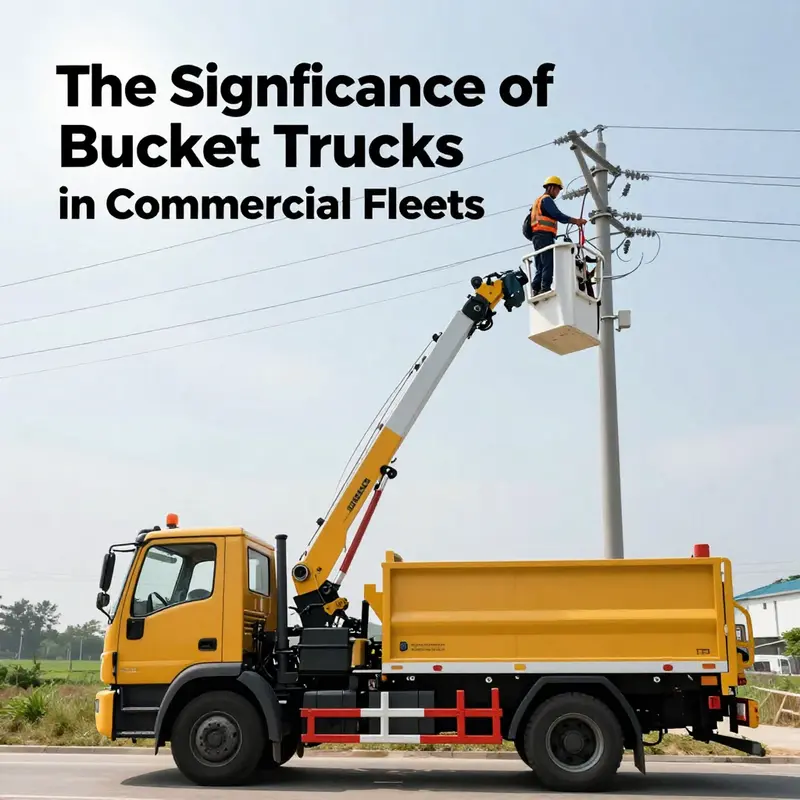
Bucket trucks sit at a crossroads of capability and designation. They are not merely machines with a long arm and a bucket; they are instruments that extend a company’s reach into the air, unlocking work that would be unsafe or impractical from the ground. In the eyes of regulators and industry handlers, their primary purpose—performing essential services for businesses—places them squarely in the realm of commercial operation. The conversation about whether a bucket truck is a commercial vehicle hinges less on the vehicle’s size or appearance and more on how it is used. When a vehicle is employed to perform utility work, construction tasks, telecommunications maintenance, or environmental services for a business, it functions as a tool of commerce, and that function defines its regulatory identity. This is the practical implication behind the formal definitions that govern commercial motor vehicles in many jurisdictions, where the qualifier “commercial” is tethered to business use, not merely to the vehicle’s physical class. The result is a clear, enforceable standard: bucket trucks, despite their sometimes compact footprint relative to a freight tractor, are commercial vehicles because their work supports commerce and service delivery across critical sectors.
The definitional framework that informs this view is straightforward but consequential. A commercial motor vehicle is any vehicle used for business purposes that involves transporting goods or performing work functions that support commerce. In this view, a bucket truck qualifies not by a single spec sheet entry but by the role it plays in delivering service: lifting crews to elevated positions so they can install, repair, or inspect infrastructure that communities rely on daily. The utility of this approach rests on safety, accountability, and efficiency. When a bucket truck is deployed to replace a failed insulator on a power line, to install a new telecommunications connection, or to set up temporary lighting at a construction site, the vehicle becomes a critical asset in a chain of commercial operations. In multiple jurisdictions, this operational reality translates into specific licensing, licensing refreshers, and vehicle-registration requirements designed to ensure that the vehicle and its operator meet the standards needed to perform these tasks reliably and safely. By acknowledging the bucket truck’s essential role in commercial tasks, regulators align vehicle status with function, creating a coherent framework that helps fleets plan maintenance, training, and compliance across projects that span utilities, construction, and environmental services.
Operating within this framework, the bucket truck’s capabilities reveal why it is so integral to commercial work. The core feature—a hydraulically powered boom that extends upward and outward—gives technicians access to heights that would otherwise pose significant risk. The bucket provides a stable platform for technicians to carry tools, install components, inspect lines, and perform repairs with precision. In the hands of trained operators, the equipment becomes more than a tool for reaching elevations; it is a strategic asset that increases productivity and improves safety outcomes. When crews perform routine maintenance on overhead lines or street lighting, the time saved in positioning and stabilizing the bucket translates into fewer outages, faster responses to emergencies, and a more resilient infrastructure. The same logic applies to construction sites where high, hard-to-reach areas require careful installation or facade maintenance. The bucket’s reach reduces the need for scaffolding, lifts, or manual rope work, cutting downtime and reducing the risk profile for workers who would otherwise perform risky climbs.
Beyond utilities and construction, the bucket truck also serves a critical function in the telecommunications sector. Cell towers and other high-mounted equipment demand regular attention to maintain network reliability. Technicians use the bucket to access antennas and transmitters at significant heights, delivering essential services to communities. In many cases, the work is time-sensitive, weather-dependent, and geographically dispersed, which makes the bucket truck an indispensable asset for service providers and contractors alike. In urban and suburban landscapes, tree care services also rely on bucket trucks for precise pruning and limb removal. The elevated platform enables arborists to work with greater control and safety, especially where access is constrained by buildings, roads, or crowded rights-of-way. In each of these sectors, the bucket truck’s primary utility arises from its role in enabling professional services to be delivered efficiently and safely, thereby supporting ongoing commerce and public infrastructure.
To understand why this matters for classification, consider how fleets plan operations. If a vehicle is treated as a commercial asset, fleets synchronize maintenance windows, operator training, insurance, and regulatory compliance around the work it performs. This includes ensuring that drivers or operators possess the appropriate credentials for the vehicle’s weight and operating environment, maintaining medical certification where required, and keeping accurate logs for hours of service if applicable in a given jurisdiction. In many places, these considerations are less about the vehicle’s wheelbase or payload and more about the hours and types of tasks the vehicle performs. A bucket truck used to service a municipal utility or a telecom upgrade, for example, is performing a commercial function that deserves the same diligence, scheduling discipline, and safety oversight as any other service vehicle. Such alignment makes the classification not merely a label but a practical governance tool that helps ensure consistent standards across fleets, crews, and sites.
The breadth of bucket truck usage—spanning utilities, construction, telecommunications, and environmental services—speaks to why many analysts and regulators frame these machines as integral to commercial markets. The same asset can be leveraged to restore power after a storm, install a high-rise sign, or connect a remote communications node. Each scenario requires different configurations: boom length and reach, stabilizer setups, basket capacity, and the range of attachments that enable tools to be carried aloft. Yet the central thread remains constant: the vehicle exists to perform work on behalf of a business, not merely to transport people or goods. When viewed through this lens, the bucket truck becomes a textbook example of a commercial vehicle in action. Its classification follows from its function, not from its form, and its operation is governed by the safeguards, licensing, and regulatory expectations that accompany commercial service fleets. This perspective helps explain why fleet managers integrate these machines into broader compliance programs, budgeting for operator training, maintenance cycles, and risk management practices that align with the demands of professional service delivery.
In the broader narrative of fleet optimization, acknowledging bucket trucks as commercial vehicles also shapes how companies communicate their capabilities to customers and regulators alike. The ability to articulate a clear link between the work performed and the regulatory context helps reduce ambiguity for drivers, dispatchers, and safety officers. It clarifies the expectations around maintenance scheduling, insurance requirements, and the credentials required to operate the equipment in different environments. This clarity, in turn, supports safer work practices and more predictable project outcomes. While the specifics of registration or licensing may vary by jurisdiction, the shared understanding remains: bucket trucks are employed to deliver professional services at height, and that service orientation is the defining criterion for their commercial designation.
For readers who want to see how these ideas play out in market discussions, a useful point of reference is the ongoing conversation about fleet utilization and capacity in trucking markets. The way industry analysts frame assets like bucket trucks—how they are deployed, how their utilization metrics are tracked, and how they fit within broader capacity strategies—illustrates that the commercial classification is not a static label but a dynamic expression of how the asset creates value. This dynamic is reflected in broader industry analyses that examine how fleets balance asset utilization with the constraints of labor, regulation, and market demand. In that context, bucket trucks embody a pragmatic approach to executing specialized services with a safety-first mindset, while aligning with the commercial framework that governs who may operate them and under what conditions. An internal perspective on market dynamics notes the importance of cognizance around capacity and utilization when planning for projects that rely on elevated access, and it links directly to the idea that these vehicles belong inside the commercial domain because they, too, are used to create value through professional service delivery. See “Excess capacity in the trucking market insights” for a broader discussion of how specialized assets like bucket trucks figure into fleet strategies and capacity planning. https://truckplusllc.com/excess-capacity-in-the-trucking-market-insights/
External reference for practical context: a representative listing for aerial work platform buckets (a type of bucket truck configuration) that illustrates typical reach capabilities and safety options available in the market can be found here: https://www.alibaba.com/product-detail/Sinotruk-HOWO-4X2-18m-Working-Height_1600593788111.html
Above the Ground, Under the Rules: Navigating Bucket Trucks as Commercial Vehicles
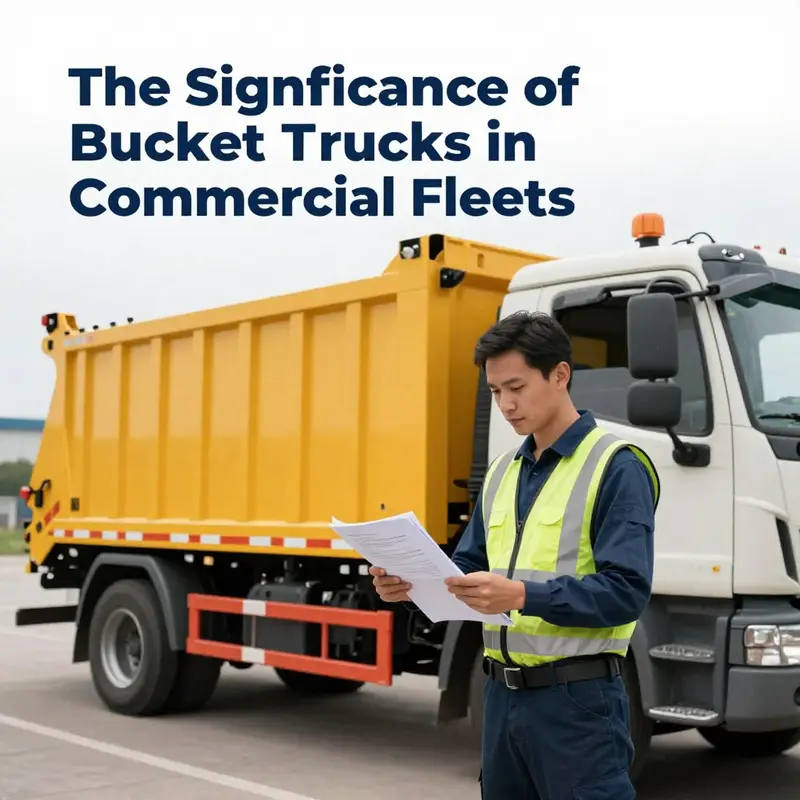
Bucket trucks occupy a unique niche where high-reach capability meets the demands of everyday road use. They are tools as well as transport, designed to lift people and equipment to elevated work sites while still moving along streets and into job locations. It is this combination—a vehicle that serves a business purpose and a machine that operates at height—that anchors bucket trucks squarely in the category of commercial vehicles. In states like Texas, the public safety and transportation landscape emphasizes that large vehicles used for business purposes fall under commercial motor vehicle definitions. This clarity matters because it sets the stage for how operators are trained, how fleets are maintained, and how safety practices translate into day-to-day operations. When a crew is dispatched in the morning to service power lines, trim trees near roadways, or perform windowed maintenance on elevated structures, every decision—from the pre-job briefing to the final inspection of the return trip—rests on the conviction that the equipment is a commercial vehicle and must be treated as such. The consequences of that classification are not only regulatory; they shape risk management, insurance practices, and the culture of safety that a company cultivates across its workforce.
The regulatory frameworks that govern bucket trucks are built to reduce exposure to height-related hazards while ensuring the machinery behaves predictably. OSHA’s 29 CFR 1926.1000 series is a cornerstone in this architecture, providing requirements specific to aerial lifts and the people who operate them. Within those guidelines, training is not a generic badge but a tailored program keyed to the exact model and tasks a worker will perform. This means that operators learn the machine’s reach envelope, its hydraulic quirks, and the sequence of movements that keep loads within safe limits. It also means that new hires are not expected to know everything on the first day; they undergo hands-on instruction that covers controls, emergency procedures, and the measurement of danger zones around power lines. Regular inspections follow a scheduled rhythm, not a once-in-a-career event. A bucket truck that leaves the shop with even a minor deficiency is a reminder that safety is a continuous process, not a quarterly form to check off. The emphasis on fall protection across elevated work practices—harnesses, lanyards, anchor points—reflects a broader commitment: humans in elevated platforms require protections that anticipate slips, trips, and unexpected platform movement.
Load limits, another pillar of safe operation, demand discipline. Operators must respect the machine’s rated capacities, both in terms of personnel and equipment. Exceeding a bucket’s load limit can alter the center of gravity, hamper maneuverability, and increase the risk of tipping. Safe operating distances from power sources are not arbitrary numbers but calculated boundaries that recognize the electrical hazards inherent in outdoor work. The overarching message is that the work is done in proximity to risk, and the rules are designed to minimize that risk by constraining behavior and codifying best practices. Employers, in turn, hold responsibility for ensuring that all equipment is maintained in a safe condition, that workers demonstrate competence, and that urgent repairs are not deferred because of scheduling pressures. The alignment between employer duties and worker responsibilities is a central element of bucket-truck safety, reinforcing the notion that these vehicles are part of a regulated, safety-focused industry rather than just mobile tools.
To complement OSHA’s framework, industry groups and standards bodies such as ANSI and ISO have developed guidelines that address design, construction, testing, and operational safety features of aerial lifts. These standards create a common language for manufacturers, service providers, and users, fostering consistency across different models and brands. The effect is twofold: first, it reduces variation in performance and risk profiles from one bucket truck to another; second, it supports manufacturers and operators in implementing predictable maintenance and inspection protocols. The result is a safer system where fault points are anticipated and mitigated through design and procedure alike. When a fleet manager reviews a new lift or an aging asset, the decision is guided by a picture of reliability formed by these standards, not by anecdote or price alone. In practice, this means that every piece of equipment is expected to carry documentation of compliance, including pre-operation checks, emergency procedures, and ongoing inspection records. The combined effect of OSHA, ANSI, and ISO guidance is a safety ecosystem in which the elevated platform becomes less of a hazard and more of a controlled environment where trained professionals can perform critical tasks with a clear map of risk expectations.
A detailed resource that encapsulates practical safety practices is the Bucket Truck Safety Guidelines document. It outlines who is responsible for safety, defines the types of aerial lifts commonly encountered in the field, and presents a structured approach to safe operation. The guide emphasizes steps such as conducting pre-operational checks, confirming load capacities, establishing exclusion zones around the work area, and rehearsing emergency procedures. It also reinforces the cyclical nature of safety work: assess, plan, execute, review, and adjust. For organizations aiming to translate high-level standards into day-to-day behavior, this resource offers concrete benchmarks that can be woven into training curricula, maintenance schedules, and supervisory oversight. The guidance helps ensure that operators are not merely familiar with the controls but are confident in their ability to respond when something unexpected occurs at height. The emphasis on prevention—through training, planning, and maintenance—aligns with the broader regulatory objective: protect workers, bystanders, and the public while enabling essential services to be delivered efficiently.
The implications for fleet and safety managers extend beyond compliance checklists. When bucket trucks operate as commercial vehicles, they participate in the same risk-management ecosystem that governs other professional fleets. Pre-job planning becomes a formal routine, not a spontaneous arrangement. Job briefs should include a review of load calculations, weather considerations, traffic control needs, and the proximity to energized lines or energized equipment. Maintenance planning shifts toward a condition-based cadence rather than a calendar-based one, ensuring that hydraulic systems, outriggers, stabilizers, and winches perform within specifications. Training programs expand to incorporate scenario-based drills that replicate common emergencies: a platform jammed in mid-route, a tip-over warning, or a sudden power loss while a worker is aloft. In such moments, the operator’s competence, reinforced by the employer’s safety culture, reduces the likelihood of injuries and the severity of any incidents. Insurance considerations may rely on evidence of ongoing training, inspection histories, and documented adherence to standards, illustrating how regulatory classifications influence the financial dimensions of operating a bucket-truck fleet.
As the regulatory landscape evolves, sector-wide conversations increasingly address cross-cutting issues, such as emissions rules and broader regulatory clarity for equipment used in transportation and utility work. Within this context, the discussions around emissions regulations intersect with the ongoing effort to standardize safety and performance expectations across jurisdictions and manufacturers. For readers seeking a broader lens on these dynamics, one can explore the concept of how OEMs seek clarity in emissions regulations, which highlights the tension between environmental compliance and practical field performance. This ongoing dialogue matters because it can shape equipment design choices, maintenance planning, and the long-term viability of fleets that must comply not only with occupational safety rules but also with environmental standards that apply to commercial operations. The dual focus on safety and sustainability means that bucket trucks are watched closely by regulators, insurers, and industry groups alike, underscoring their status as essential tools within a regulated commercial vehicle landscape.
In closing, recognizing a bucket truck as a commercial vehicle is more than a taxonomic label. It is a commitment to a safety-first, procedure-driven approach to operation that integrates training, inspections, and disciplined maintenance into the fabric of daily work. The law and the standards bodies converge on the idea that elevated work must be conducted with predictable, well-understood practices. The bucket truck becomes, in effect, a case study in how regulation translates into real-world safety outcomes: fewer incidents, clearer accountability, and a workforce equipped with the knowledge and tools needed to perform complex tasks at height with confidence. For practitioners, the path forward is to embed the guidelines into every layer of the organization—from the shop floor to the job site—so that the vehicle remains a trusted instrument of service rather than a source of risk. As the field continues to evolve, the ongoing alignment of safety doctrine, regulatory instruction, and practical operations will determine how smoothly bucket trucks navigate the interface between road use and elevated work. External reference: https://www.scribd.com/document/453879434/Bucket-Truck-Safety-Guidelines-PDF. Internal dialogue on regulatory nuance can be further explored through industry perspectives such as OEMs seek clarity in emissions regulations, which helps frame how safety and environmental imperatives intersect in modern fleet management.
The Commercial Ledger of Bucket Trucks: Costs, Compliance, and the Electrification Challenge
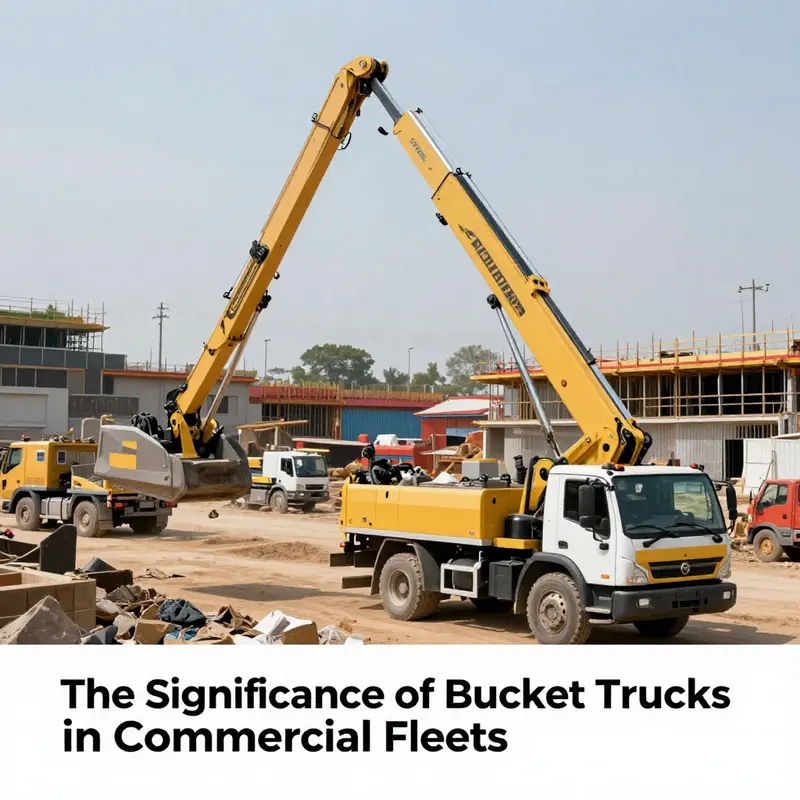
Bucket trucks occupy a precise niche in the world of commercial fleets. They are designed for high-reach work in utilities, construction, and maintenance, yet they are not everyday passenger vehicles. Regulators, including those in Texas, define commercial motor vehicles by their primary use in business activities and their role in transporting people or equipment in service of a commercial objective. In that frame, bucket trucks are categorized as commercial assets because their purpose extends far beyond personal mobility: they enable tasks that sustain infrastructure, safeguard utilities, and support building projects. This classification matters not only for safety and licensing but also for how fleets account for risk, insurance, and the long, uneven road of maintenance and replacement. The economic dialogue around bucket trucks thus begins with a clear acknowledgment of their commercial status and proceeds to the hard questions of cost, return on investment, and the evolving energy landscape. The chapter that follows treats the bucket truck as a capital item whose value is determined as much by uptime and reliability as by lift capacity or reach. In turn, it becomes a lens through which to view the broader economics of heavy mobile equipment in a world actively seeking to reduce emissions and lower operating costs without compromising service delivery.
From the outset, the financial calculus confronts fleets with the demand for substantial upfront investment. Bucket trucks carry specialized lifting gear, hydraulics, safety interlocks, and mounting configurations tailored to elevated work. The result is a price tag that exceeds many light-vehicle purchases and necessitates careful consideration of financing terms, depreciation schedules, and tax treatment. Fleet managers scrutinize how quickly the asset will pay back its cost through productive use, how residual values may evolve with changing technology, and how uptime translates into contract performance. Because bucket trucks operate in environments that demand near-constant readiness, insurance costs, periodic inspections, and extended warranties become integral components of the total cost of ownership. The risk of unplanned downtime looms large, since even brief outages can ripple through project schedules and customer commitments. Consequently, procurement teams favor predictable utilization patterns, standardized maintenance intervals, and a robust parts supply chain that minimizes lead times and repair delays. When electrification enters the discussion, the cost framework broadens yet again: batteries, powertrains, and charging infrastructure must be included in the financial model alongside traditional capital outlays. The payback horizon shifts, but so does the strategic logic. If fleets can demonstrate reliable performance and meaningful energy savings over time, electrified options can become a hedge against fuel price volatility and tightening emission regulations, even if the initial upfront cost rises. The balance between high capital outlay and steady, long-term service remains the fulcrum of the bucket truck budget.
A second axis in the economic narrative moves from purchase price to energy use and efficiency. The last two decades have seen a pronounced rise in emissions from heavy-duty transport, with trucks contributing a sizable share of CO2 growth since 2000. While bucket trucks do not replace the core functions of semi-trailers or city buses, their energy profile is not negligible. Every operation that raises a bucket consumes energy—whether diesel or electricity—so fuel or electricity costs accumulate across thousands of hours of field work. Electrification promises several potential advantages: lower energy costs per hour of operation, quieter work sites, and a cleaner local emissions footprint. Yet it also raises questions about weight management, because large traction batteries add mass that can reduce payload or affect lift performance. Charging logistics complicate job scheduling. If a fleet relies on depot charging, the price and availability of electricity, load management, and potential demand charges become part of the operating budget. If on-site or fast charging is used, the plan must account for charging times and the capital expense of charging infrastructure and power management software. In short, electrification shifts some costs from fuel to capital, and the financial payoff hinges on utilization intensity, the price of electricity, and the evolution of battery technology that can deliver sufficient energy without compromising reach or safety.
The policy and regulatory environment intensifies the economics in two ways. First, emissions standards and air-quality regulations create compliance obligations that directly influence when and how fleets renew or replace equipment. Second, policy signals—whether through taxes, incentives, or mandated efficiency standards—alter the relative attractiveness of diesel versus electric powertrains. The broader policy trajectory for heavy machinery mirrors the material shifts visible in the wider transport sector, where long-term risk management is inseparable from technology choice. In this sense, bucket trucks are not isolated artifacts; they sit at the nexus of energy policy, infrastructure readiness, and fleet optimization. For fleets seeking to anticipate these pressures, industry discussions about emissions regulations and their interpretation by regulators and original equipment manufacturers (OEMs) are crucial. The topic is not merely a technical debate; it is a strategic planning issue that influences capital timing and project bidding. To illustrate this, consider the ongoing conversations around policy clarity in emissions standards: the debate is as much about procurement timing and financing strategy as it is about engineering details. For readers tracking this regulatory thread, one useful pointer is the discussion at the linked resource about OEMs seeking clarity in emissions regulations. OEMs seek clarity in emissions regulations.
Operational reality follows policy and price. The maintenance regime for bucket trucks combines complex hydraulic systems with the need to keep high-reach safety features, fall-arrest mechanisms, and load-bearing components in peak condition. Downtime is not a mere nuisance; it is a direct cost that erodes utilization rates and contractual margins. Consequently, fleets invest in preventive maintenance, remote diagnostics, and a steady stream of spare parts to shorten repair windows. The electrification scenario modifies this picture in meaningful ways. Battery health, thermal management, and high-voltage safety introduce new layers of spare parts, technician training, and service logistics. In some cases, electrified options deliver lower ongoing maintenance costs because there are fewer moving parts to service in the drive train and fewer exhaust-aftertreatment systems to maintain. In other cases, battery replacement cycles and high-voltage subsystem repairs raise new expenditure items that need to be watched closely in the budgeting process. The overarching lesson is straightforward: total cost of ownership for bucket trucks is a compound of capital price, energy costs, maintenance spend, and the efficiency gains from uptime. The relative weight of each component shifts with technology choices, usage patterns, and the clarity of policy signals that shape future ownership costs.
Beyond the four walls of the depot, the energy and grid context matters. Electrification hinges on more than a battery under the cab; it requires a networked energy system capable of supporting charging during downtime, at customer sites, or during fast-moving project sequences. Charging infrastructure—industrial-grade outlets, high-amperage circuits, and energy management software—becomes part of the asset’s affirmed value. Fleets must plan for capacity at facilities, the potential need for on-site generation or storage, and the ability to manage charging in a way that avoids destabilizing power rates or grid constraints. This infrastructure is not optional vanity; it is a prerequisite to achieving the energy-cost savings that electrification promises. The regulatory dimension compounds this, because incentives and penalties tied to emissions performance can influence not just the buy-versus-lease decision but also the pace at which fleets adopt next-generation powertrains. As such, the bucket truck becomes a proxy for the broader logistics and energy transition story that companies narrate when they justify fleet renewal, capital allocation, and workforce training. The economics are less about a single metric and more about a comprehensive, multi-year plan that aligns fleet performance with market demand and policy direction.
Viewed through a strategic lens, bucket trucks are more than tools; they are components of a service ecosystem that must balance safety, reliability, and growth. The central question—whether bucket trucks are commercial vehicles—remains a matter of classification and regulation, but its economic importance dwarfs the label. The commercial lens ensures consistent safety protocols, licensing, and insurance frameworks that enable firms to deploy these machines with confidence in complex environments. The economics of ownership, uptime, and energy efficiency drive procurement and renewal decisions, shaping how aggressively fleets pursue electrification and how they price projects in a world of uncertain input costs. The final takeaway is practical: the bucket truck at work is a capital asset whose value grows when uptime is guaranteed, maintenance is predictable, and energy costs move in a favorable direction. In a climate of evolving emissions rules and evolving battery tech, the asset’s appeal lies in its ability to deliver essential services economically while integrating with a broader system that supplies power, regulates emissions, and sustains infrastructure. The chapter thus ties back to the overarching topic by showing that the economic calculus around bucket trucks is inseparable from their regulatory status and from the energy transitions that reshape the costs and capabilities of heavy mobile equipment.
For broader context on heavy-vehicle emissions and electrification challenges, see the IEA Global Energy Review 2023. IEA Global Energy Review 2023
Raising Standards: Safety, Regulation, and the Commercial Identity of Bucket Trucks
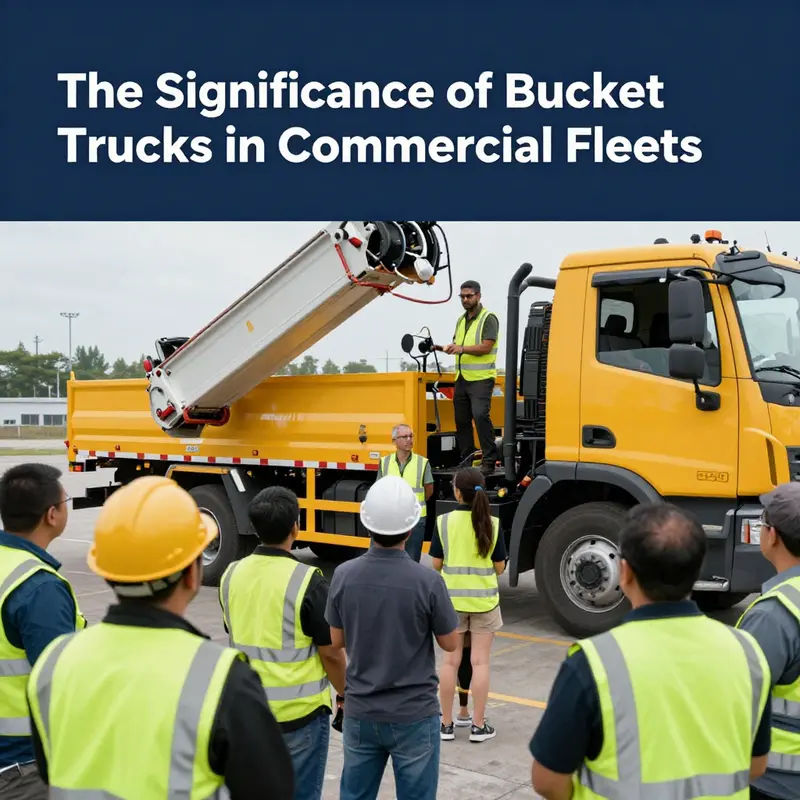
Bucket trucks sit at a crucial crossroads in the modern economy. They are unmistakable symbols of professional service and aerial access, used by linemen stringing power, arborists pruning branches, technicians installing meters, and crews building or maintaining infrastructure. Their presence marks a line between general utility and specialized, on-site service. In the broader discussion of whether a bucket truck is a commercial vehicle, this chapter takes safety and regulatory responsibility as the lens through which that question is understood. A bucket truck is not merely a piece of equipment; it is a conduit for tasks that, when mismanaged, can threaten life and property. The commercial designation arises not from the vehicle’s appearance but from how it is deployed: to deliver a service for compensation, to operate within a work zone, and to be subject to the standards that govern professional practice. In that sense, safety becomes inseparable from identity. When a fleet owner or contractor considers the bucket truck’s role in their operation, they are not only buying a machine they can reach with but also adopting a framework of risk management that defines the work itself.
The most visible element of this framework is a rigorous respect for the electricity that so often lies in proximity to bucket work. Overhead power lines loom large in the collective memory of bucket truck incidents. The basic rule is clear: maintain a minimum clearance from energized lines at all times. OSHA guidance, reflected in industry practice, specifies a safe distance of 10 feet, which translates into a practical discipline on every job site. This 10-foot rule is non-negotiable because it is grounded in the physics of arc flash potential and the real-world consequences of equipment contact or electrical arcing. It requires pre-job planning, site assessment, and constant situational awareness from the operator and from everyone on the ground. It also prompts crews to contest complacency. A routine lift can become dangerous within moments if an operator becomes distracted, a gust of wind shifts stability, or an unexpected obstacle narrows the clearance. The 10-foot standard is the compass that keeps a bucket arm from crossing into unsafe territory, and it should be embedded in every safety briefing, tool bag, and daily checklist.
Beyond the peril of electricity, the safety equation for bucket trucks is about the geometry of space. A bucket truck operates in a confined three-dimensional world: the ground footprint, the outriggers, and the elevated platform. The work area must be clear of obstacles that could nick a power line, strike a nearby vehicle, or jam the machinery’s reach. Ground crew and operators should approach the job with a shared mental model of the site. This means establishing exclusion zones where pedestrians and nonessential vehicles are kept away, and where the truck’s own turning radius and outriggers are accounted for. A clean work area is not decorative; it is a practical safety measure that reduces the chances of a miscalculation during a lift. The operator’s view is enhanced by a disciplined habit of scanning the surroundings, while the ground crew maintains a second line of defense by identifying hazards that could emerge during the operation. Proper planning, in other words, is the first line of defense against accidents caused by proximity, clutter, or miscommunication.
The role of the operator in this framework cannot be overstated. Training and certification are not ceremonial gatekeeping but essential credentials that reflect a standard of competence required to perform elevated tasks with a bucket truck. The training should cover basic operation, emergency procedures, and the specific features of the particular bucket truck in use. Emergency procedures, in particular, deserve emphasis. A malfunction that traps the worker in the bucket, a loss of hydraulic control, or a ground support failure demands a swift, rehearsed response. Knowing how to exit the bucket safely, how to lower loads, and how to initiate a controlled descent can be the difference between a minor incident and a serious injury. Certification should be paired with ongoing refreshers and scenario-based drills that reflect evolving equipment and environmental conditions. For a commercial operation, this ongoing training becomes a living part of the safety culture rather than a one-time credential.
Equipment integrity lies at the heart of reliable bucket truck operation. Pre-operational inspections are not a ritual but a practical necessity. Before every shift, the operator and a lookout should walk the vehicle and check critical systems: the hydraulic circuits that raise and tilt the platform, the braking system that keeps the truck stable, the outriggers that transform a wobble into a planted stance, and the personal protective equipment that protects workers when the lift is in motion or stationary. Any defect or abnormal reading must halt the job. Defects can be hidden in the daily grind: a slow hydraulic leak, a worn outrigger pad, a loose harness buckle, or a crack in a structural component. The inspection routine must be standardized, documented, and enforced as part of the company’s safety policy. It is neither overkill nor optional to insist on a clean inspection record; it is a concrete demonstration of responsibility and professionalism.
Weather and environmental conditions are persistent, variable forces that can override even a well-planned operation. The wind, precipitation, and temperature extremes will affect stability and control. High winds can destabilize the bucket and amplify sway; rain and ice can reduce traction and hinder operator visibility. A prudent approach is to consult forecasts with the same seriousness given to color-coded hazard warnings. If conditions threaten stability or visibility, the default should be to suspend work. The commercial motive—meeting deadlines or delivering services—must be subordinated to the fundamental obligation of protecting workers and the public. This requires a clear policy: when weather exceeds predefined safety thresholds, operations stop, and crews reassess, reschedule, or relocate tasks as necessary. In a culture that treats safety as a service quality rather than an obligation, weather becomes a decisive factor rather than a negotiable nuisance.
Personal protective equipment completes the circle that starts with distance and area control and ends with worker protection in the bucket. Hard hats, safety glasses, high-visibility clothing, and fall protection harnesses are not decorative accessories; they are essential components of risk management. The harness, in particular, is a last line of defense against a fall that could occur from even a small miscalculation or sudden movement. The PPE should be in good condition, properly fitted, and worn consistently. It should be complemented by site-specific PPE decisions, such as arc-rated clothing when there is a known exposure to electrical arc hazards or insulated gloves when there is a risk of contact with live components. The essence of PPE is discipline—knowing when to wear what and ensuring that the team on the ground can see and hear the operator in the bucket. Connection protocols between the operator and ground crew carry equal importance. Communication must be precise, timely, and reliably maintained throughout the lift. Radios, hand signals, and agreed-upon check-ins create a continuous thread of coordination that prevents drift from one task to another and reduces the risk of collision, miscommunication, or misjudgment.
The commercial character of bucket truck operations also carries regulatory weight. When a vehicle is used for hire and for professional service, it falls within the broader ecosystem of commercial motor vehicle regulations. Licensing, registration, hours of service, maintenance standards, and employer safety programs are all relevant to the operator’s responsibilities. In practice, this means that safety policies are not peripheral considerations but core expectations that influence the governance of the fleet. A fleet manager who treats safety as a value proposition, not a checklist, creates a work environment where risk is openly addressed, lessons are learned, and near misses translate into improved procedures. The chapter of safety thus becomes an ongoing dialogue between operational realities and regulatory frameworks, a dialogue that strengthens the reliability of the work and the trust of the communities served by bucket truck operations.
This integrated view of safety recognizes that a bucket truck, while clearly a tool for elevated work, is most effective when it operates within a culture of disciplined practice. The safety habits described here—clear electrical distances, organized workspaces, comprehensive training, meticulous inspections, prudent weather decisions, proper PPE, and robust communication—are not a luxury; they are the plain cost of doing professional work in the modern economy. They define how a bucket truck is used, who is allowed to operate it, and how the public perceives the industry that relies on it. When a crew embodies these practices, the bucket becomes less a symbol of risk and more a symbol of capability, reliability, and accountability. In that sense, safety and the commercial identity of bucket trucks are two sides of the same coin: one cannot be fully realized without the other, and together they create a standard that sustains both people and the projects that depend on this decisive, elevated work. For those who manage fleets or perform on-site service, the path is clear: embed safety into every lift, and let the bucket do its work with confidence and care. For readers seeking deeper regulatory grounding, the official OSHA guidance on aerial lifts provides a comprehensive roadmap of standards and best practices that support this integrated approach to safety in the commercial sector: https://www.osha.gov/laws-regs/regulations/standardnumber/1926/1926.1400
Final thoughts
Recognizing the classification of bucket trucks as commercial vehicles is essential for various stakeholders in logistics, construction, and delivery. A thorough understanding of their applications, the regulatory framework, economic benefits, and safety protocols facilitates informed decision-making. As these vehicles play a pivotal role in enhancing operational efficiency and ensuring compliance, stakeholders are encouraged to prioritize proper usage and adherence to the best practices discussed. This will not only elevate their operational standards but also promote a safer working environment for all.