
In the rapidly evolving trucking industry, commercial truck drivers face a myriad of challenges that threaten their efficiency and safety on the road. From navigating complex urban environments to managing unexpected detours and restrictions, the need for reliable navigation tools has never been more apparent. GPS apps are revolutionizing the way truck drivers plan their routes, offering tailored solutions that consider truck-specific restrictions such as weight limits, height clearances, and hazardous materials regulations.
Given the intricacies of delivering goods across cities and states, drivers are often pressed for time and required to maintain stringent delivery schedules. Incorrect routing can lead to delays, fines, and even safety risks, making it imperative for trucking professionals to invest in advanced GPS technology. These applications not only provide real-time traffic updates but also optimize routes for fuel efficiency and cost-effectiveness.
Logistics and freight company owners, construction and mining procurement teams, and small business owners with delivery fleets must recognize the substantial impact of an effective GPS app. By adopting these tools, they can enhance operational efficiency, reduce operational costs, and ultimately drive success in a competitive landscape. Learn more about navigating complexity in trucking to ensure your fleet remains competitive and compliant.
Essential GPS Features for Commercial Truck Drivers
Choosing the right GPS app is crucial for commercial truck drivers, as it directly impacts their safety, efficiency, and route planning. Here are some essential features truck drivers should look for in a GPS application:
Truck-Specific Routing
One of the most important features for truck drivers is the ability to access truck-specific routing. Unlike standard GPS systems that may not account for the unique dimensions and weight restrictions of trucks, specialized apps tailor their navigation according to:
- Height and Weight Restrictions: Avoiding low bridges and weight-limited roads to prevent route obstructions.
- Road Types: Providing options to avoid narrow roads or restricted areas, ensuring safer and more efficient routes.
- Hazardous Areas: Recognizing roads prone to hazardous conditions, enabling drivers to bypass potential issues.
Real-Time Traffic Updates
Real-time traffic updates are essential for keeping drivers informed about conditions on their routes. With features like:
- Live Traffic Monitoring: Enabling automatic rerouting to avoid delays caused by congestion.
- Incident Alerts: Quickly notifying drivers about accidents or road closures that may affect their journey.
- Weather Conditions: Offering forecasts that can impact road safety, allowing preparation for adverse conditions.
User-Friendly Interface
A user-friendly interface enhances the driving experience, making navigation easy and intuitive. Essential elements include:
- Simple Navigation: Clear graphics and straightforward commands that allow for quick adjustments while driving.
- Voice Navigation: To provide hands-free guidance, minimizing the need for visual interaction.
- Accessibility Features: Ensuring that all drivers, regardless of technical skills, can effectively use the app, increasing overall safety.
Additional Features
- Fuel Station Locator: Helping drivers find nearby fuel stops optimized for trucks, ensuring they can refuel without hassle.
- Parking Availability Information: Including real-time data on truck parking options to help plan rest stops.
- Trip Planning Tools: Offering options to input multiple stops and calculate time efficiently, guiding drivers through complex routes.
For those looking to dive deeper into the importance of effective logistics technology, consider exploring how GPS technology is transforming the trucking industry. By choosing a GPS with these essential features, drivers can enhance both their operational efficiency and road safety, paving the way for a more streamlined logistics experience.
Analyzing User Reviews of Top GPS Apps for Truck Drivers
When it comes to navigating the open roads, truck drivers require robust GPS apps designed to meet their unique needs. User reviews from logistics and freight professionals highlight the strengths and weaknesses of several leading GPS applications for commercial truck drivers. Here, we summarize insights from logistics managers and drivers.
1. Truckfly by Michelin
Rating: 4.7/5 (10,000+ reviews on Google Play)
- Strengths:
- Specifically designed for truck drivers, providing routing that considers vehicle dimensions and restrictions (bridge heights, weight limits).
- Offers a large community-driven database featuring hundreds of truck parking areas, service stations, and rated roadside restaurants.
- Real-time updates and an intuitive interface make it user-friendly.
- Weaknesses:
- Primarily focused on Europe, limiting its usability in North America.
- Offline map performance can be inconsistent, and live traffic updates occasionally lag.
2. Hammer: Truck GPS & Maps
Rating: 4.7/5 (35,000+ reviews on App Store)
- Strengths:
- Provides real-time traffic updates, voice-guided navigation, and lane guidance optimized for commercial vehicles.
- Includes safety alerts for weight stations and speed limits.
- Full coverage in the U.S., Canada, and Mexico.
- Weaknesses:
- Requires a strong data connection for map access and updates.
3. Trucker Path
Rating: 4.5/5 (100,000+ users)
- Strengths:
- Community-driven platform enabling users to find truck stops, weigh stations, cheapest fuel stations, and more through crowd-sourced ratings and reviews.
- Well-integrated with features tailored for real-time road conditions and drivers’ needs.
- Weaknesses:
- Occasionally, users report inaccurate information regarding stop conditions and availability.
Conclusion
Overall, app preferences vary among drivers, with Truckfly consistently praised for its community features and specific routing for trucks. However, those operating in North America may benefit from using additional apps like Hammer or Trucker Path that offer broader geographic functionality. It’s crucial for fleet operators and logistics managers to consider these insights when selecting tools for their drivers, ensuring optimal routing and compliance with regulations. Learn more about the trucking industry’s changing landscape and how tools like these can provide operational enhancements.
Top GPS Apps for Commercial Truck Drivers
Choosing the right GPS app is crucial for commercial truck drivers to enhance efficiency, optimize routes, and ensure compliance with regulations. Below is a detailed comparison of five of the top GPS applications tailored for the trucking industry in 2023. This table illustrates their features, pricing, and benefits, helping truck drivers and logistics companies make informed decisions.
| App Name | Key Features | Pricing | Benefits |
|---|---|---|---|
| 1. 车旺大卡 (Che Wang Da Ka) | Real-time tracking, route optimization, community support | Free core functions; additional services available | High user engagement, daily updates, community support for truckers |
| 2. 货车定位 (Huo Che Ding Wei) | Nationwide tracking, insurance score integration | Free basic services; advanced features on subscription | Reduces insurance costs through better driving habits |
| 3. 宝奇司机 (Bao Qi Si Ji) | Vehicle monitoring, cost calculation, route sharing | Free to download; premium services available | Improves operational efficiency for fleet managers |
| 4. 中宝智运 (Zhong Bao Zhi Yun) | GPS monitoring, status alerts, cost management | Free for commercial users; small fees for advanced features | Enhances cargo matching and lowers operational costs |
| 5. 货车司机 (Huo Che Si Ji) | Track driving behavior, location sharing, route sharing | Free initial services; paid features for analytics | Helps in improving driver performance and safety scores |
These GPS apps not only simplify navigation but also integrate critical logistical functions that are vital for successful fleet management. By leveraging these technologies, truck fleets can reduce operational costs and enhance service delivery. Truck drivers are encouraged to explore each option to find the best fit for their unique needs. For more insights on navigating the complexities of fleet management, check out our trucking HR Canada program benefits.
GPS App Integration with Trucking Management Systems
Integrating GPS applications with existing trucking management systems (TMS) is revolutionizing logistics operations-helping companies achieve remarkable efficiencies. By synchronizing real-time GPS tracking data with their TMS, logistics managers can optimize various operational aspects from routing and scheduling to maintenance management.
1. Enhanced Delivery Reliability
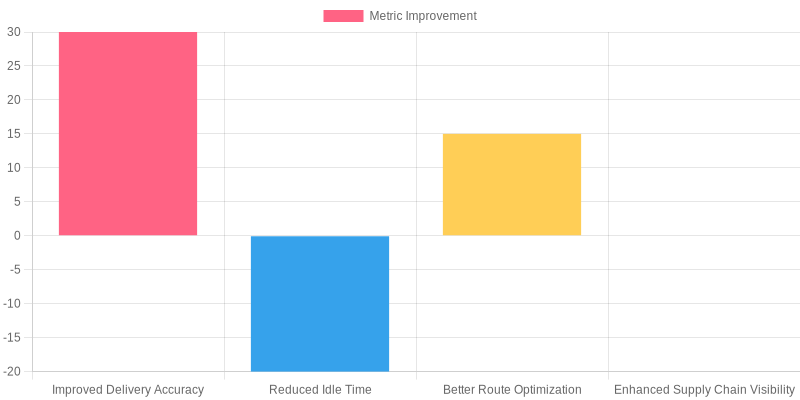
GPS technology enables companies to achieve up to 30% improvement in delivery accuracy. This is accomplished through real-time tracking that permits proactive adjustments to routes and schedules, ensuring timely deliveries and enhancing customer satisfaction.
2. Idle Time Reduction
With effective integration, companies report a 20% reduction in idle time. This is achieved by monitoring truck activity-identifying unnecessary idling, and allowing fleet managers to optimize driver behavior, thereby reducing fuel waste significantly.
3. Improved Route Optimization
GPS integration also facilitates enhanced route optimization, allowing for up to a 15% reduction in travel time. The solution draws on real-time traffic data and historical patterns to define optimal routes, minimizing delays and lowering fuel consumption.
4. Visibility Across Supply Chain
Finally, the integration offers end-to-end visibility across the supply chain. Stakeholders gain real-time access to vehicle location, cargo status, and estimated arrival times, improving coordination and transparency-which is essential for efficient logistics management.
For a visual representation of these benefits, refer to the chart below that summarizes the key advantages of integrating GPS with TMS:
As logistics companies continue to adopt these technologies, those failing to integrate their systems risk falling behind. To ensure competitiveness in today’s market, exploring technologies like GPS and TMS integration is essential for driving improvements across operations.
For further insights on efficient logistics technology and strategies, consider exploring our article on maximizing efficiency with TMS integration.
User Case Studies: GPS Apps Improving Routing Efficiency and Cost Savings for Trucking Companies
The adoption of advanced GPS applications has proven to significantly enhance routing efficiency and reduce operational costs for trucking companies. Here are two notable case studies:
1. Truck Maps: Trucker GPS
Company: Trucking Enterprise Y
Summary: Using the Truck Maps GPS app, Trucking Enterprise Y reported a 20% reduction in fuel costs within three months of implementation. The app’s specialized functionalities enabled the avoidance of low clearance areas and provided real-time traffic updates, leading to smarter rerouting. By minimizing delays and unnecessary stops, the company also achieved a 15% increase in timely deliveries. As a result, they expanded their service area and improved overall customer satisfaction.
Benefits:
- Automatic avoidance of low bridges and restricted road areas.
- Real-time traffic updates leading to better route planning.
- Reduction in unplanned stops, thereby lowering costs.
2. Route4Trucks
Company: Logistic Solutions LLC
Summary: Logistic Solutions LLC adopted the Route4Trucks GPS app for its fleet, which improved routing efficiency by 30% within just six months. The application provides direct routing capabilities tailored for trucks, allowing the company to avoid road restrictions and ensure compliance with vehicle specifications. This change not only saved fuel but also allowed drivers to complete routes quicker, ultimately increasing driver productivity and reducing operational costs by 25%.
Benefits:
- Substantial reduction in fuel expenditures.
- Enhanced driver efficiency with optimized routing.
- Increased cargo delivery capabilities, boosting revenue streams.
For more insights into how strategic decisions impact the logistics industry, learn more about trailer orders impacting truckload margins and explore how economic trends affect trailer orders.
Importance of Real-Time Updates and Traffic Data
Real-time updates and traffic data are crucial for commercial truck drivers, providing essential information that significantly impacts delivering goods on time and maintaining operational efficiency. The dynamics of the logistics industry require trucking professionals to navigate unforeseen challenges, including traffic congestion, accidents, and adverse weather conditions. Integrating real-time traffic updates into routing systems allows drivers to make informed decisions, which ultimately leads to operational benefits such as improved delivery times and reduced fuel consumption.
A study by the American Transportation Research Institute (ATRI) highlights the importance of real-time data, showing that drivers who utilize this information can reduce their average delivery delays by up to 34%. This responsiveness not only enhances customer satisfaction through timely deliveries but also boosts the overall efficiency of logistics operations. The study also reports a significant decrease of 15% in fuel consumption due to optimized routing enabled by real-time traffic data. This reduction directly contributes to lowering operational costs and enhancing profitability for fleet managers.
Best GPS Apps for Real-Time Data
Leading GPS applications designed for commercial truck drivers, such as Hammer and Trucker Guide, offer integrated functionalities that provide real-time traffic alerts, assist with dynamic route planning, and deliver live updates about road conditions and hazards. These tools are equipped to notify drivers about road closures, construction work, or unexpected congestion, allowing for timely rerouting.
Furthermore, advanced GPS applications can calculate the optimal routing based on various parameters such as truck size and weight restrictions, ensuring compliance with regulations and reducing the risk of penalties for unauthorized road access. By leveraging these technologies, companies are not only enhancing compliance with delivery windows but also ensuring improved safety and lower risks associated with delays in freight movement.
The following chart illustrates the significant improvements achievable through real-time traffic updates:
Conclusion and Call to Action
In today’s competitive logistics landscape, utilizing the best GPS apps for truck drivers is not just a convenience but a necessity. These applications offer numerous benefits that significantly enhance operational efficiency, safety, and cost-effectiveness. Benefits include:
- Tailored Routing: GPS apps designed for trucks can route vehicles based on dimensions and weight, helping drivers avoid low bridges and restricted roads.
- Fuel Efficiency: By optimizing routes, these apps help reduce fuel consumption, which is crucial in controlling operational costs.
- Time Savings: Real-time traffic updates assist drivers in avoiding delays, leading to improved delivery times and customer satisfaction.
- Safety Features: Many GPS applications provide alerts on hazardous conditions and geofencing capabilities to ensure adherence to regulations.
- Community Support: Apps like Truckfly foster a sense of community, allowing drivers to share tips, reviews, and recommendations about stops and amenities.
For logistics and freight companies invested in operational efficiency and driver welfare, integrating these GPS technologies is paramount.
We invite you to explore our range of solutions at Summit Fairings to enhance your fleet’s capabilities further. Stay ahead of the curve and ensure the seamless operations of your fleet by choosing the right tools and resources today!
The Best GPS Apps for Truck Drivers
When it comes to navigating the complex roads and routes required in the trucking industry, having a reliable GPS app is crucial. These applications are designed to cater specifically to the needs of commercial truck drivers, providing features that enhance navigation and improve efficiency.
Key Features of Top GPS Apps:
- Truck-Specific Routing: Ensures routes are suitable for the size and weight of large vehicles, helping to avoid height restrictions and other hazards.
- Real-Time Updates: Keeps drivers informed of traffic conditions, accidents, and road closures, enabling timely rerouting.
- Route Optimization: Uses algorithms to determine the fastest, fuel-efficient paths, which can significantly reduce operational costs.
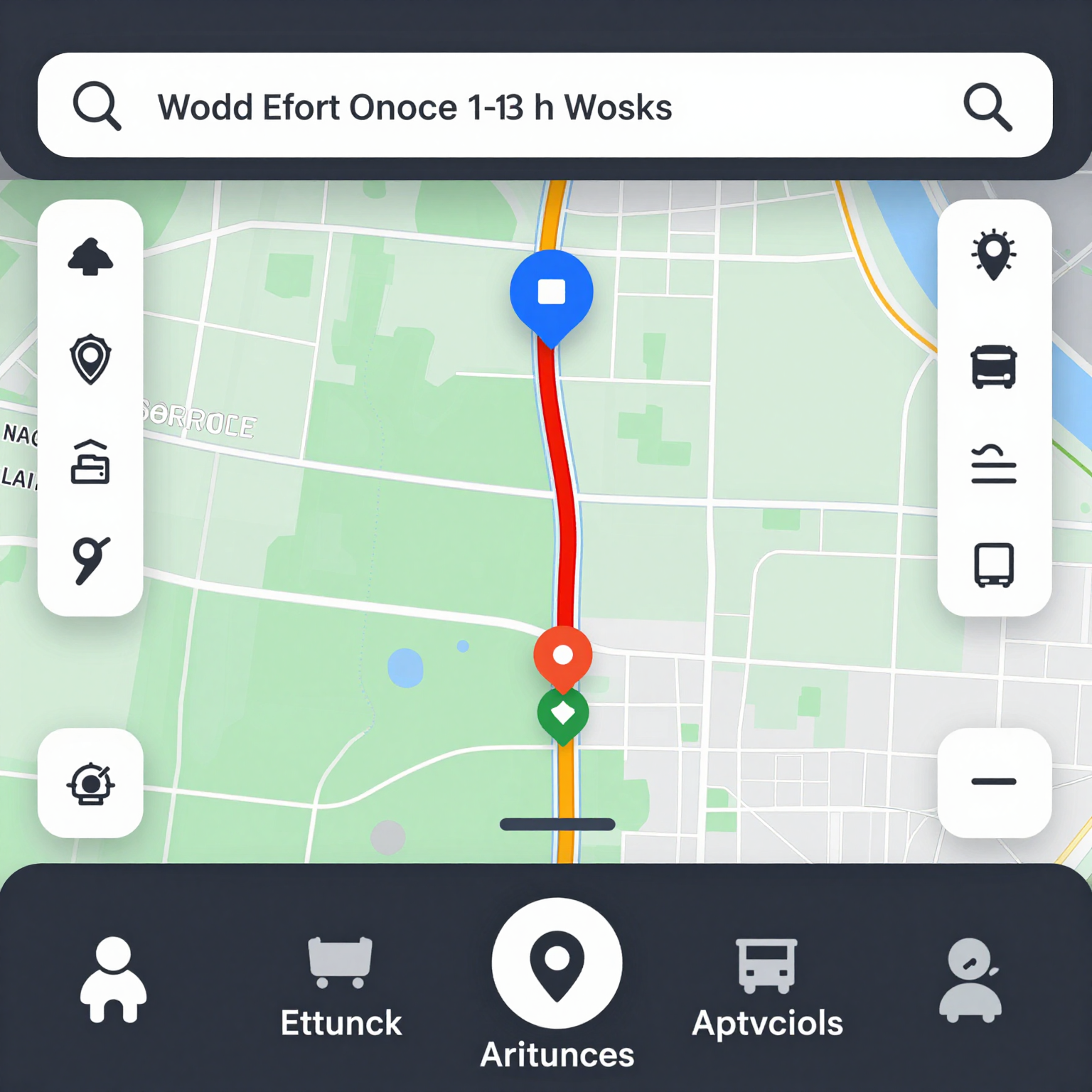
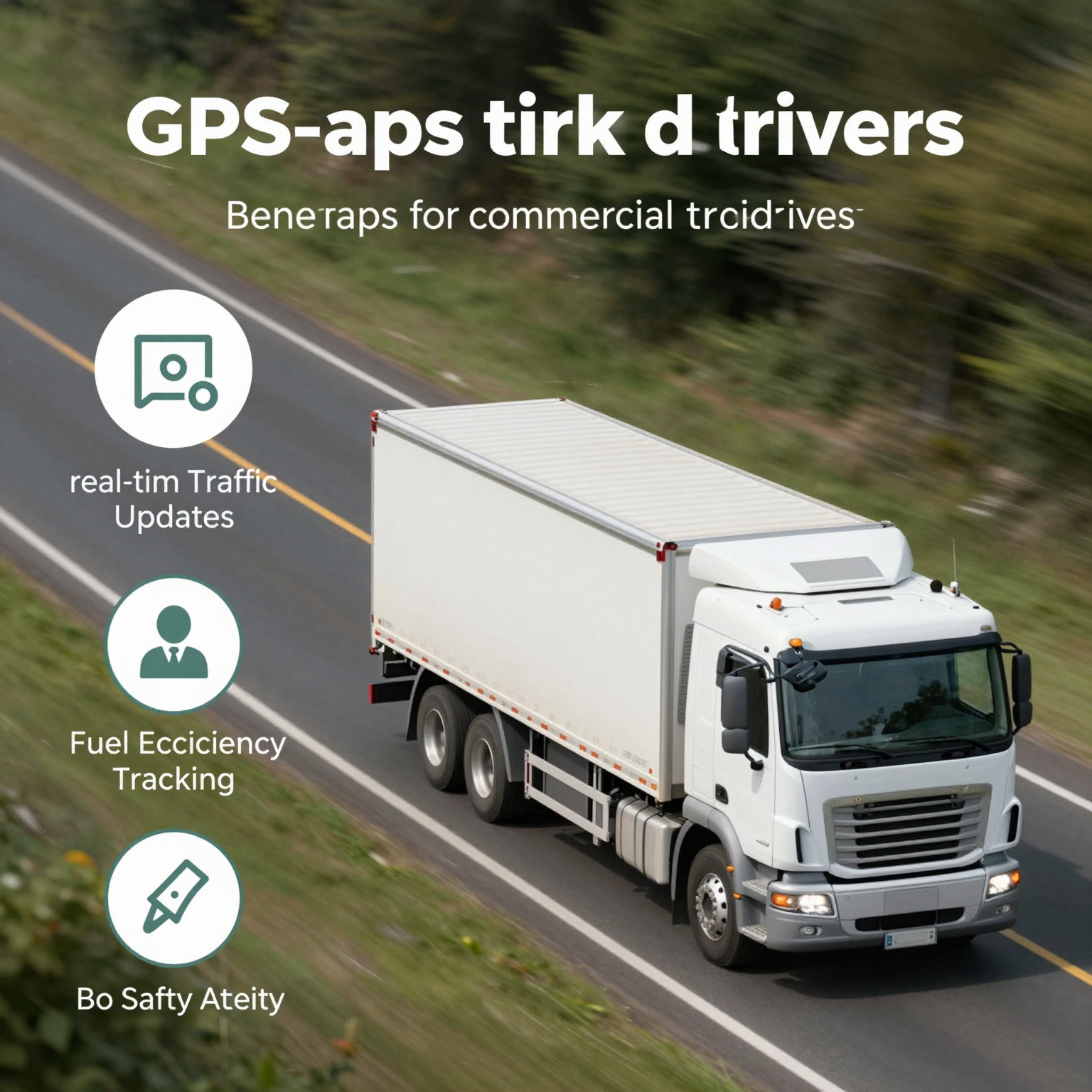
The following images illustrate the visual interface and functionality of popular GPS apps that are widely used in the trucking industry:
Using the right GPS app can help logistics and freight company owners optimize their operations, ensuring timely deliveries while minimizing costs. For businesses looking to adapt to the ever-evolving trucking landscape, learn more about the impact of trailer orders or explore trucking economic trends for informed decision-making.
The Importance of GPS Technology in Trucking
According to industry expert and logistics consultant Sarah Lin, “GPS technology is no longer optional for truck drivers-it’s a fundamental tool for safety, efficiency, and compliance. It enables real-time tracking, reduces fuel consumption by optimizing routes, and helps avoid high-risk areas or restricted zones. In an industry where time and delivery accuracy are paramount, GPS ensures that every mile counts.”
To delve deeper into the significance of logistics technology, you may read more about tailored fleet strategies in this informative piece.