
In the competitive landscape of commercial trucking, selecting the right aluminum truck cap plays a crucial role in enhancing operational efficiency and vehicle utility. For logistics and freight company owners, procurement teams in construction and mining, and small business owners managing delivery fleets, the choice of truck cap can significantly impact performance, durability, and cost-effectiveness. This article explores premier manufacturers in the industry, specifically focusing on Ishler’s, Radco, Knapheide, and A.R.E. Each chapter will delve into the strengths, unique features, and offerings of these brands, providing valuable insights into how their products can meet your specific needs and help elevate your trucking operations.
Ishler’s and the Aluminum Cap Benchmark: Crafting Durable, Fleet-Ready Caps for Commercial Trucks
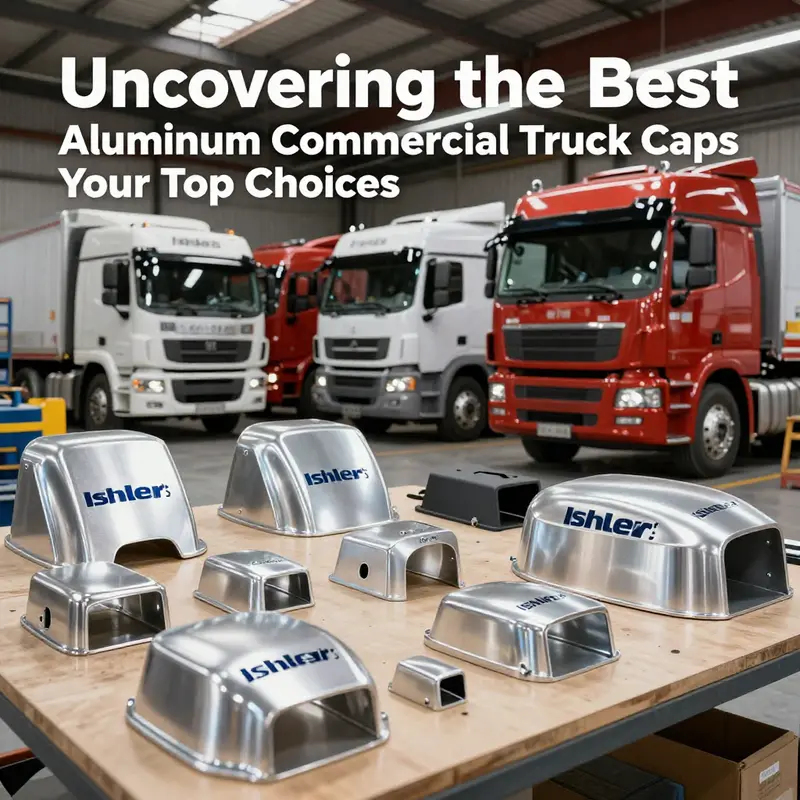
The market for aluminum commercial truck caps sits at a crossroads where reliability, weight, and integration with a fleet’s operational DNA matter as much as price. In this landscape, Ishler’s has grown from a regional specialist into a benchmark for durable, custom-fit caps that fleets rely on for their daily grind. The company’s footprint, anchored in Mount Joy, Pennsylvania, is more than a geographic marker. It signals a deliberate approach to engineering, service, and support that aligns with the demanding rhythms of North American trucking. When operators weigh the pros and cons of aluminum versus fiberglass and consider the life cycle costs of a cap, Ishler’s embodies a philosophy that values long-term performance and fleet readiness as much as upfront affordability. This philosophy, in turn, shapes how buyers perceive the “best” cap—not as a universal trophy but as a best fit for a given operation, a distinction that matters when fleets are balancing payload efficiency, cargo security, weather exposure, and maintenance demands.
From the outset, Ishler’s frames its offering around the idea that a cap should be more than a box on the truck. It should be a tailored extension of the vehicle’s design, engineered to work with the truck’s chassis flex, cab geometry, and the operator’s routine. Aluminum is central to that vision. It delivers a combination of light mass and enduring strength that makes a cap serviceable across a wide range of climates and use cases. In many fleets, every extra pound removed from the payload translates into improved efficiency, while every added structural capability translates into fewer service calls and longer intervals between maintenance events. Ishler’s makes that calculus tangible by emphasizing precision fabrication and a modular mindset that allows for adjustments as a fleet’s needs evolve. This is not just about selling a cap; it is about offering a system that can adapt to changing routes, new equipment, and evolving regulatory expectations without forcing a wholesale upgrade of the body.
To understand why Ishler’s is frequently positioned as a leader in aluminum caps, it helps to examine the company’s approach to materials and construction. Aluminum alloys used in commercial caps are chosen for their corrosion resistance, which is especially critical for fleets operating in regions with road salt in winter, coastal climates, or areas with high humidity. The aluminum must withstand the friction and vibrations of heavy use, the repeated thermal cycles of day-to-night operation, and the exposure to weather that comes with virtually every route. Ishler’s emphasizes a fabricator’s discipline: precise welding, careful seam sealing, and a commitment to minimizing creases and stress points that can become ignition spots for fatigue. Fiberglass is available as an alternative for certain customers, but the aluminum option remains at the core of Ishler’s identity because it optimizes payload, drives perimeter strength, and supports a long service life when paired with robust mounting systems.
The design philosophy behind Ishler’s caps also reflects a respect for fleet diversity. Some operators prioritize a low-profile silhouette to maximize aerodynamics and fuel efficiency, while others prioritize interior space for rooftop cargo or a secure storage solution that keeps tools, tarps, and spare parts readily accessible. Ishler’s responds with a flexible range of shapes and configurations that can be customized to match exact cab dimensions and cargo demands. The result is a cap that integrates visually with the truck line while delivering practical gains in usability and security. Custom-fit solutions reduce gaps where weather can intrude and reduce the likelihood of rattle and wind-driven noise, factors that reach beyond aesthetics to affect driver comfort and fatigue. In a sector where driver satisfaction and on-time performance are tightly linked, those considerations have measurable value.
A critical driver of Ishler’s success is its emphasis on service and engineering support. In markets where a cap is just one component among many that a fleet must manage, access to responsive engineering consultation and timely parts is not a luxury—it is a necessity. Ishler’s has nurtured a network of partners and service centers designed to provide installation guidance, on-site adjustments, and post-installation support that keeps a fleet moving. The concept of a custom-fit solution extends to after-sales care: fleets can expect guidance on seal maintenance, inspection intervals, and best practices for winterization, all of which help extend the cap’s useful life. The value proposition rests on more than a welded seam or a painted surface; it rests on a holistic approach to a cap as part of the vehicle’s envelope and as a contributor to operational reliability.
The durability narrative is complemented by advances in design that prioritize safety and accessibility. For operators who depend on easy loading and unloading of cargo, the cap must minimize the risk of snagging, venting, or weather intrusion during daily cycles. Ishler’s response to these needs is to couple robust structural engineering with thoughtful user-centered features. While there is no one-size-fits-all answer to what makes a cap the best, there are clear signals that reinforce Ishler’s standing in the field: airtight seals that keep out moisture; robust latch and hinge systems that withstand repeated cycles; and a frame design that resonates with the truck’s own geometry, enabling straightforward alignment, mounting, and removal when necessary. In the broader market, these attributes translate into lower maintenance costs and less downtime—a practical metric that fleets can measure against purchase price and warranty terms.
The conversation around best-in-class aluminum caps inevitably touches on performance in real-world conditions. Fleets routinely away-ship high-value cargo, face temperature extremes, and traverse roadways with variable elevation, weather, and traffic. An aluminum cap must behave consistently across those conditions. Ishler’s invests in process discipline that aims to deliver predictable results: tight tolerances during fabrication, careful inspection at multiple stages, and a finishing regimen designed to resist the elements without adding undue weight. This approach yields caps that stay aligned with the cab and do not suffer from shifting gaps that could invite leaks or noise. For operators, that reliability translates into fewer surprises on long hauls, smoother driver experiences, and a greater sense of control over the vehicle’s total cost of ownership.
A practical dimension of Ishler’s leadership emerges in the way the company communicates its value to fleet managers and drivers alike. The most effective aluminum cap is the one that any operator can spec with minimal friction, install with confidence, and trust to perform over tens of thousands of miles. Ishler’s meets this expectation by offering clear, straightforward documentation, installation guidelines, and a track record of parts availability that reduces downtime in busy maintenance shops. They understand that the narrative of a cap is inseparable from the broader realities of running a fleet: schedules, budgets, driver turnover, and the need to protect valuable freight from weather, theft, and intrusion. It is this pragmatic orientation that elevates the conversation beyond features and into the realm of fleet performance, resilience, and return on investment.
In the broader landscape of aluminum caps, Ishler’s is not the sole force of innovation, but its consistent focus on fit, durability, and service creates a compelling argument for fleets that require dependable, field-proven solutions. The market recognizes that other brands may excel in specific niches or offer distinctive features, but Ishler’s stands out for a balance that aligns with the realities of day-to-day operation. The best choice, in this sense, is contextual. A fleet with a demanding route profile—long hauls, frequent weather exposure, and a need for rapid service—may find Ishler’s approach particularly well-suited to its ecosystem. For a different operator, perhaps one that prizes ultra-lightweight configurations or a broader set of accessory integrations, another manufacturer might edge ahead. The key insight is that the best option is the one that harmonizes with a fleet’s operating cadence, maintenance philosophy, and long-range planning.
This nuanced understanding of value aligns with the macro trends shaping the industry. Fleets are scrutinizing payload efficiency, maintenance costs, and total cost of ownership with renewed rigor. They are also navigating supply chain pressures, which can influence lead times and parts availability. In such an environment, the ability of a cap maker to deliver dependable lead times, reasonable customization cycles, and consistent quality becomes a deciding factor, often outweighing a simple sticker price. Ishler’s leverages its regional manufacturing base, its specialized expertise in aluminum and fiberglass, and its established service network to offer a compelling mix of predictability and performance. The result is a reputation built not on a single breakthrough feature but on a consistent, reliable partnership model that sustains fleets through fluctuating demand, changing regulatory frameworks, and the evolving expectations of drivers who rely on their equipment to perform when it matters most.
Of course, the conversation about who makes the best aluminum cap cannot ignore the broader ecosystem in which Ishler’s operates. The North American market rewards manufacturers that can balance national coverage with local adaptation. Ishler’s success is anchored in this balance: the company serves a wide geographic footprint while maintaining the local touch that helps fleets tailor a cap to their specific routes and loading patterns. That balance is more than a strategic posture—it is a practical advantage when fleets need adjustments, timely replacements, and a partner who understands the realities of regional climate, road conditions, and regulatory expectations. In a marketplace where many players compete on price, the ability to deliver value through durability, precision fit, and service excellence often provides the most durable form of competitive differentiation.
The discussion around the “best” option thus converges on a few core criteria: material performance, customization capability, installation and service support, weight and payload implications, and total cost of ownership over the cap’s life. Ishler’s tends to rate highly on these metrics because its architecture is designed to minimize surprises in the field. The company’s aluminum-centric approach is not merely a material choice; it is a design philosophy that prioritizes resilience in the face of regular use, exposure to the elements, and the rigors of fast-paced logistics networks. Within the broader narrative of aluminum caps, Ishler’s emerges as a practical benchmark: a company whose identity is tied to reliability, a willingness to tailor to fleets, and a track record of performance that fleets can verify through experience.
For readers evaluating their options, the takeaway can be distilled into a few actionable considerations. First, assess how a cap’s fit aligns with your cab geometry and chassis. A custom-fit solution reduces the risk of leaks, wind noise, and misalignment that can undermine driver comfort and vehicle aesthetics. Second, weigh the long-term maintenance implications. Durable seals, robust mounting hardware, and predictable replacement parts can translate into lower maintenance windows and fewer unscheduled downtime events. Third, consider the service ecosystem behind the cap. A strong distribution and service network reduces downtime when a cap is damaged, a driver reports wear on a latch system, or a refurbishment is required after a few seasons on the road. Finally, anchor your decision in a total cost of ownership framework that accounts for payload, fuel efficiency, and the intangible value of predictable performance for drivers who spend long hours behind the wheel. In that frame, Ishler’s represents a compelling option for fleets that prize dependability, customization, and a partner-oriented approach to ongoing improvement.
In sum, the best aluminum cap is not announced with a universal proclamation but earned through ongoing alignment with an operator’s operational realities. Ishler’s embodies a pathway to that alignment through a combination of material discipline, engineering rigor, and a service-forward mindset. While other manufacturers might outperform in specific areas or for particular fleet archetypes, Ishler’s remains a touchstone for operators seeking a cap that can reliably integrate with a fleet’s practice, withstand the test of miles and seasons, and adapt as routes and cargo demands shift over time. This is the practical, fleet-centric lens through which the market frequently regards the aluminum cap landscape: durability, customization, service, and total cost of ownership stitched together into a cohesive capability that helps fleets keep moving when the road ahead is uncertain.
Internal link for further context on market dynamics: trailer orders and truckload margins. The broader industry conversation suggests that cap decisions are entangled with supply chain agility, trailer utilization, and the rhythm of orders and replacements across a fleet. In that sense, Ishler’s approach to customization and service readiness aligns with a broader trend toward making the cap a durable, dependable component rather than a discretionary upgrade. This orientation resonates with fleets seeking stability in an otherwise variable landscape, where the capacity to deliver consistent performance across diverse routes becomes a meaningful proxy for reliability and value.
External resource: https://www.ishlers.com
null
null
Strength, Aerodynamics, and Fleet Fit: How Knapheide and A.R.E. Redefine Aluminum Truck Caps for Modern Fleets
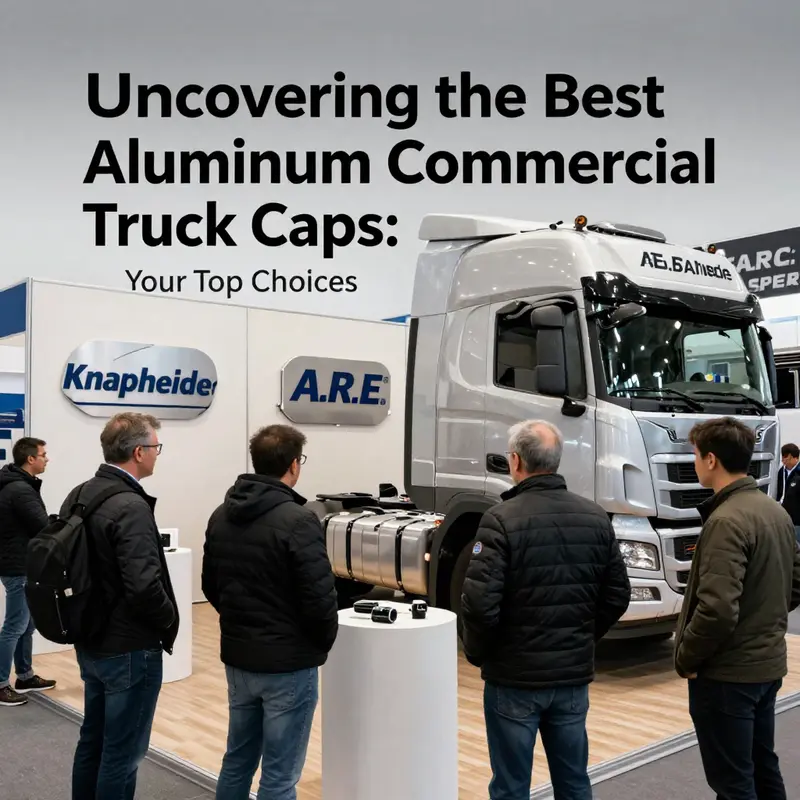
In the crowded field of aluminum commercial truck caps, fleet managers often seek more than a simple cover for a bed. They look for a combination of durability, weight management, and thoughtful design that can translate to real-world savings—fuel, maintenance, time, and downtime. The landscape today is defined not by a single champion but by a cohort of brands that excel in different arenas. Among these, two names repeatedly surface as top contenders: Knapheide and A.R.E. They have built reputations on distinct but overlapping strengths. Their approaches illuminate a broader truth about the best aluminum caps: the true winner is the one whose engineering aligns with a fleet’s priorities, from payload efficiency to ease of integration with a diverse mix of chassis, through to long-term service and support. In this narrative, the discussion flows beyond a catalog of features and toward a composite view of how form, function, and logistics come together to shape the decision for fleets large and small.
Knapheide has earned a distinctive foothold through what engineers describe as a hybrid construction philosophy. The company combines CNC-stamped metal framing with molded components to craft a structure that is both lightweight and robust. This dual-material approach serves a practical purpose well beyond the aesthetic of a sleek cap. By reducing the overall weight without compromising load-bearing strength, these caps contribute to lower curb-to-curb weight on daily routes. The incremental gains in fuel economy may appear modest in isolation, yet in a fleet running thousands of miles each week, the cumulative effect is meaningful. What makes this approach especially relevant to fleet operators is the predictability of performance. The stamping process delivers tight dimensional tolerances, a feature that translates to precise mounting alignment and predictable wear patterns across many vehicles within a single fleet. In a world where even small misalignments can snowball into maintenance headaches, the consistency promised by CNC-stamped framing is more than a technical detail; it is a factor that reduces service time and lowers the risk of mounting-related vulnerabilities in the cap assembly.
But the Knapheide approach is not merely about weight and precision. The molded components integrated into the hybrid frame are selected to improve articulation, sealability, and joint durability. The result is a cap that can hold up under the daily rigors of a busy service route, withstand shifting loads, and maintain a clean, user-friendly interface with the truck body. Engineered to endure the realities of fleet life, these caps emphasize durability while preserving a clean, modular appearance that does not overshadow the truck’s overall profile. In practice, that means fewer panels that warp or rattle over time and fewer fasteners that loosen with vibration, a common point of failure in less thoughtfully designed cap systems. For fleets that prize maintenance simplicity, this translates into lower lifecycle costs—a critical consideration when tacitly evaluating total cost of ownership rather than sticker price alone.
A.R.E., by contrast, places a pronounced emphasis on aerodynamics and precision manufacturing. Aerodynamic design is not just about reducing drag for marginal gains in mileage; it is about shaping the entire cap in a way that cooperates with the vehicle’s wind flow to minimize turbulence around the truck’s profile and to stabilize roof loads. This focus on reducing wind resistance is particularly valuable for fleets that run long highway legs or operate in regions with higher wind exposure. The resulting improvements in mileage, while dependent on a fleet’s average speeds and routes, are tangible in the context of a larger optimization effort. A.R.E.’s manufacturing discipline—sharp tolerances, consistent fit across multiple chassis configurations, and a relentless attention to detail in the cap’s edges, seals, and joinery—helps ensure a reliable seal against weather intrusion while maintaining a low-drag silhouette. This is not merely an aesthetic preference; it is a practical investment in efficiency and operator comfort, since a well-sealed and well-fitted cap reduces wind noise and helps maintain interior climate control when the cap is part of a refrigerated or climate-sensitive operation.
Both brands advance the discussion about compatibility with a broad spectrum of truck chassis. In fleets where the trucks come from different years or where a variety of bodies share a common cap platform, the ability to integrate without bespoke adaptation is a defining advantage. Precision mounting systems, standardized hole patterns, and predictable fit across multiple model lines reduce the friction that often accompanies fleet modernization or expansion. For managers tasked with balancing procurement risk against the demands of a growing or evolving fleet, this interoperability is a crucial determinant. It means fewer surprises during installation, smoother warranty coverage processes, and less downtime when vehicles rotate between service bays and field operations. The net effect is a more agile fleet that can absorb scale changes without sacrificing reliability or performance.
The distinctions between Knapheide and A.R.E. also reveal an important lesson about the nature of “best.” The optimal choice is rarely a universal verdict but a measured alignment of a cap’s design philosophy with the fleet’s operational profile. A fleet that prioritizes marginal gains in fuel economics through aero-optimized cargo solutions might lean toward the A.R.E. approach. A fleet that values load-limiting stability, precise mounting, and serviceability across a mixed brand environment may find Knapheide’s hybrid construction and modular components offer the best long-term balance of reliability and cost efficiency. This is not to imply that one path is inherently superior to the other. Rather, it suggests that the most effective decision emerges when a fleet team assesses how a cap’s material science, structural strategy, and aerodynamic nuance fit into real-world routes, maintenance cycles, and vehicle turnover rates.
The narrative of these brands also intersects with an essential reality of today’s supply chains. The cross-border dimension of procurement—particularly when sourcing from major export hubs—adds another layer of decision criteria. The logistics dance becomes part of the engineering conversation. The scale and speed of supplier networks, the predictability of lead times, and the quality of pre-production validation can tilt the balance when buyers compare two equally compelling options. In this context, the conversation about the best aluminum cap becomes a broader dialogue about how a supplier ecosystem supports the fleet’s reliability targets and its ability to stay on the road, day after day, with minimal downtime.
To understand this broader picture, it helps to consider supplier ecosystems and how they influence decision-making. The realities of cross-border procurement are not simply about price per unit. They also involve technical compliance, engineering capability, post-sale support, and the reliability of the supply chain. A fleet that evaluates these dimensions does not merely acquire a cap; it secures a long-term partner for ongoing maintenance, spare parts access, and timely service in a way that minimizes disruption to operations. This is why fleets increasingly look beyond the cap’s immediate features to the reliability of the entire stack—the manufacturer, the supply chain, and the ability to sustain operations with predictable costs and timelines. In this frame, Knapheide and A.R.E. embody different but complementary strengths that fleets can leverage depending on their particular operational priorities.
A practical reflection on these points invites a deeper consideration of how cross-border dynamics shape procurement decisions. The modern diesel truck, with its demanding schedule of highway runs, urban deliveries, and regional hauling, places a premium on predictable delivery times, clear product specifications, and robust pre-sales validation. When a fleet manager requests a design confirmation, the ability of a supplier to deliver precise dimensional tolerances for mounting systems, confirm engineering capabilities, and provide solid post-sale support becomes as important as the cap’s weight or its aerodynamic profile. In an era where containerized shipments from Asia or other exporting hubs can span weeks, buyers need assurances that the design intent will translate accurately from drawing board to production line and then onto a truck chassis without late-stage rework. This is where a structured supplier evaluation framework becomes indispensable. A disciplined approach that weighs technical compliance, engineering capability, and supply chain reliability alongside price helps protect against the risk of misfit, quality gaps, or delayed deliveries that ripple through maintenance schedules and route planning.
As fleets increasingly rely on cross-border procurement to meet demand for standardized or custom-designed caps, the insights gained from bridging-border-barriers discussions—where logistics policies, customs clearance, and regulatory considerations are broken down in practical terms—become more than background chatter. They serve as a blueprint for anticipating and mitigating delays. The realities discussed in those conversations illuminate how a cap’s design must accommodate not only the truck’s geometry but also the realities of the international supply chain: packaging standards that minimize damage in transit, documentation that expedites customs clearance, and a shared expectation of lead times that align with production and deployment calendars. It is within this operational context that the careful alignment of engineering excellence, supplier reliability, and logistical foresight yields a durable, efficient, and future-ready cap capable of supporting fleets in a wide range of environments. The result is a more resilient fleet, a smoother procurement experience, and a stronger correlation between cap performance and the bottom-line outcomes the business leaders care about.
To ground this discussion in a concrete procurement mindset, consider how a buyer might structure their supplier evaluation process. First, technical compliance must be verified. This means dimensional tolerances for mounting interfaces, seal geometries, and the consistency of material thickness across panels. Second, engineering capability matters: can the supplier demonstrate successful integration across multiple vehicle models? Are there validated test results for load scenarios, corrosion resistance, and impact endurance? Third, post-sale support is essential. What does the warranty landscape look like, and how responsive is the supplier in terms of field service, spare parts availability, and diagnostic support? Fourth, supply chain reliability cannot be overstated. What are the typical lead times for standard versus custom designs? How predictable are these timelines under normal market conditions, and how resilient are they during periods of disruption? Each category is a gatekeeper, ensuring that the cap chosen today will not merely fit a truck but will continue to perform under the stress and unpredictability of real-world operations over years of service.
In the end, the decision about which aluminum cap earns the “best” designation for a given fleet rests on a balanced synthesis of engineering design and practical supply chain discipline. Knapheide’s emphasis on a hybrid, precision-constructed frame delivers a compelling value proposition for fleets prioritizing durability, predictable fit, and maintenance simplicity. A.R.E.’s aerodynamics-forward approach promises efficiency gains and a cohesive manufacturing standard that yields repeatable performance across multiple chassis and configurations. Neither choice is universally superior; rather, each embodies a distinct route to the same objective: a cap that protects cargo, withstands daily wear, and contributes to a vehicle’s overall efficiency. The fleet manager’s task is to map these design philosophies to their own routings, duty cycles, and maintenance ecosystems. When this mapping is done with a clear understanding of cross-border procurement dynamics, the path to securing the right cap becomes clearer and more reliable.
For readers seeking deeper practical context on how cross-border supplier strategies intersect with cap design, there is value in examining how procurement teams navigate the complexities of international sourcing. These include evaluating supplier proximity to export hubs, containerization costs, and transit times, as well as the ability to verify that technical specifications translate across borders with minimal risk of rework. The regional reality of transacting with suppliers who operate near major export ports often means shorter lead times and more predictable quality control, provided the supplier can demonstrate robust validation and clear communication protocols. The practical takeaway is that the best aluminum cap for a given fleet will be the one whose supplier network supports dependable delivery and clear aftersales pathways, enabling the fleet to stay on its schedule rather than fall behind due to logistical bottlenecks or misaligned engineering expectations.
To connect these considerations to broader industry discussions, one can explore how cross-border logistics concepts are evolving in relation to the heavier demands of fleet maintenance and equipment modernization. The overarching trend is toward more integrated supply chains, where manufacturing quality, engineering validation, and logistics performance are treated as a single, interdependent system rather than isolated domains. In this light, Knapheide and A.R.E. exemplify two strategic responses to the same market pressures: one rooted in modular, reliable assembly with a focus on structural resilience; the other anchored in aerodynamic finesse and manufacturing precision that translate to efficiency gains at scale. Fleet operators who approach the decision with a holistic mind-set—one that weighs engineering design, supplier reliability, and cross-border logistics in tandem—arrive at a choice that feels less like a compromise and more like an intelligent alignment of capabilities with operational realities.
As fleets continue to expand and diversify, the conversation around “the best aluminum cap” will inevitably expand to include new players and evolving manufacturing methods. The core insight remains valid: the best choice is the one that harmonizes a cap’s mechanical integrity with the fleet’s logistical and economic realities. In the case of Knapheide and A.R.E., those harmonies manifest in two complementary visions—one that emphasizes sturdy, serviceable construction with a reliable mount system, and another that emphasizes wind-swept efficiency and precise, scalable fabrication. Both perspectives address the same needs: to protect cargo, reduce maintenance friction, and support a financially sustainable operation. The challenge for buyers is to translate those capabilities into an apples-to-apples comparison that considers not only the cap itself but the entire ecosystem that surrounds it, from engineering validation and manufacturing consistency to supply chain transparency and post-sale support. When that translation occurs with disciplined rigor, fleets stand to gain not just a cap that fits their trucks, but a dependable platform that keeps vehicles on the road and operating at peak efficiency.
Internal link reference for practitioners navigating cross-border procurement: Bridging Border Barriers: Meeting Insights. This resource offers practical perspectives on how regulatory, customs, and logistical considerations shape the path from design confirmation to on-road deployment. It is through these real-world lenses that the theoretical advantages of a cap translate into tangible, day-to-day fleet benefits. For those seeking a deeper technical and procurement-oriented exploration of cross-border sourcing, a broader procurement guide detailing supplier capabilities and validation practices can be found in specialized industry literature that examines the China-based manufacturing ecosystem and its applicability to chassis-fitting components. For readers who want a concrete pointer to a deep dive into how these practices play out in the context of a well-known cap platform, the following external resource provides pertinent, in-depth analysis: https://www.truckbodypros.com/knapheide-compatible-truck-bodies-china-supplier-insights-procurement-guide.
Final thoughts
Through our exploration of Ishler’s, Radco, Knapheide, and A.R.E., it is evident that selecting the best aluminum commercial truck cap is not simply a matter of brand preference, but rather aligning the specific needs of your operations with the strengths each manufacturer offers. Each of these companies has established itself as a leader in quality, innovation, and customer satisfaction, allowing logistics companies, construction enterprises, and small businesses to enhance their fleet’s functionality. Investing in the right aluminum truck cap can lead to improved efficiency and performance, catering to the evolving demands of your fleet.