
The post-Covid trucking industry has found itself wrestling with significant challenges, particularly the issue of excess capacity that has surged to critical levels. With a drastic rise in the number of carriers and a sharp decline in freight demand, companies are drowning in unused resources.
As highlighted by the Federal Motor Carrier Safety Administration, the number of motor carriers has dropped by 10% in 2024, leading to nearly 10,000 companies exiting the market. Compounding this issue is the alarming rise in insurance premium costs, which soared by 12.5% to an unprecedented $0.099 per mile in 2023.
This surge in operational expenses reflects the mounting financial pressure truckers face due to social inflation, expensive claims, and increased legal risks. Therefore, as trucking companies navigate these turbulent waters, understanding the implications of excess capacity becomes crucial for identifying strategies to enhance profitability and sustain operations amid fluctuating market conditions.
Trucking Capacity and Profitability: Trends and Statistics
Freight Demand Trends
The U.S. trucking industry is undergoing significant shifts, evident in the recent statistics. In 2025, truckload freight demand decreased sharply, approximating a 20% year-over-year reduction. Factors contributing to this downturn include inventory changes due to trade policy uncertainties and an ongoing shift toward intermodal freight for longer routes. Interestingly, predictions for 2025 suggest potential recovery, with expected freight volume growth of 1.6%, supported by an uptick in the U.S. economy and increased output in manufacturing sectors [Traffix].
Trucking Capacity
The capacity landscape has been notably shifting as well. Smaller carriers, feeling the financial strain, are exiting the market at alarming rates. Over recent years, the number of authorized for-hire carriers has declined, with an estimated shortage of over 80,000 drivers projected to double by 2030 due to an aging workforce and increasing regulatory constraints [FleetOwner].
Moreover, caution prevails among fleets regarding equipment investments, as seen in the low net orders of Class 8 trucks in September 2025—significantly below replacement needs [Logistical Forwarding Solutions].
Used Truck Valuations
Used truck valuations are another key player in profitability discussions, as fluctuations can affect the attractiveness of upgrading fleets. The history of inconsistent cycles between new and used truck valuations complicates trade-in decisions, impacting overall demand for new vehicles [ACT Research].
Impact on Profitability
Ultimately, these intertwined factors pressure profitability. Excess capacity has created price competition that forces down freight rates, as illustrated by Heartland Express’s substantial revenue drop of 24% in Q3 2025. Operating costs continue to soar due to fuel and insurance increases, marking an average cost of $2.27 per mile to operate a truck in 2023 [BeyondSPX]. The ongoing restructuring of the market may foster a more balanced scenario, fostering potential growth for surviving carriers [Truck Club].
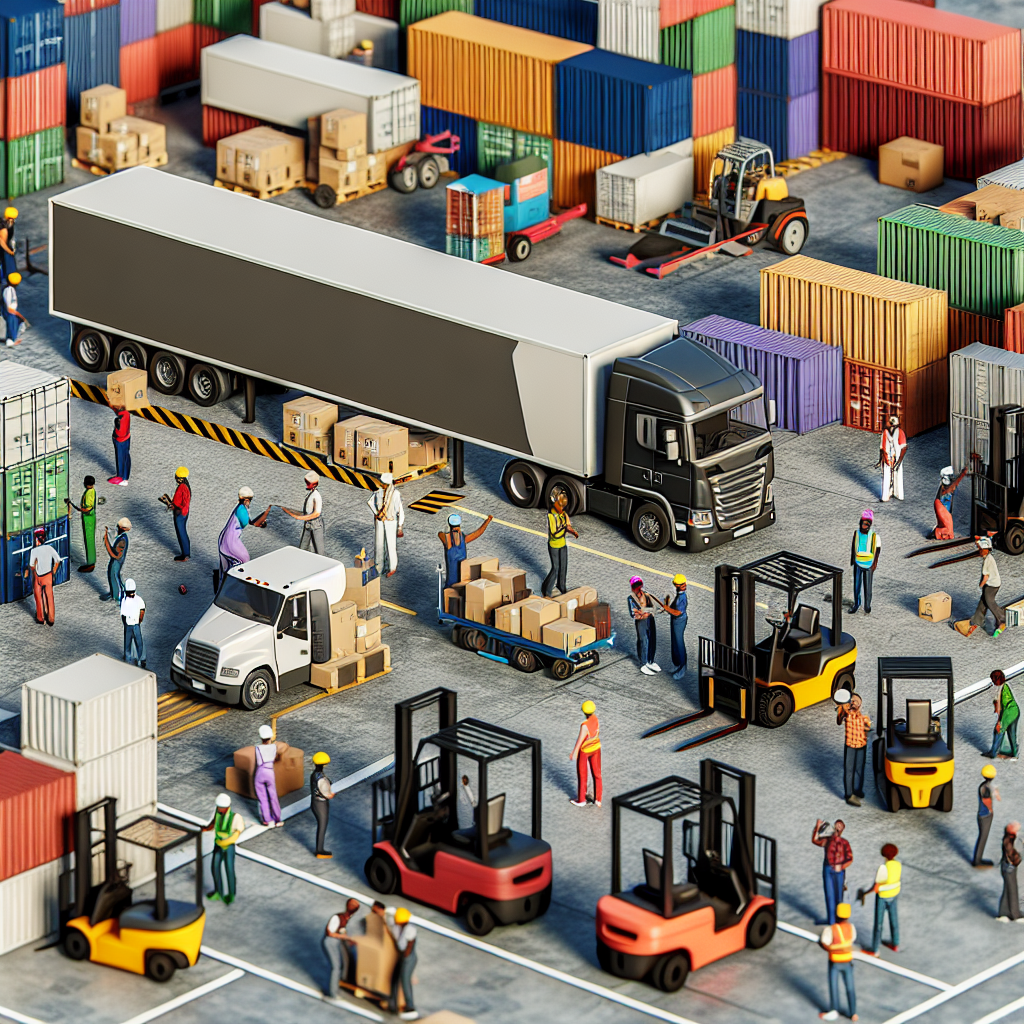
Regulatory Challenges Affecting Excess Capacity in the Trucking Market
The trucking industry in 2025 faces several regulatory challenges that impact excess capacity. Insights from industry experts James Menzies and Avery Vise highlight these concerns:
Insurance Costs
High insurance costs are affecting trucking capacity. Avery Vise, Vice President at FTR Transportation Intelligence, pointed out that “trucking insurance premium costs surged to levels never seen before, up 6% year over year.” This rise in costs can be especially hard for smaller carriers, prompting many to exit the market to reduce financial pressure.
English Proficiency Regulations
New regulations on English proficiency are likely to limit the number of qualified drivers. These regulations aim to improve safety, but could further reduce the driver pool in a market already under strain. This emphasizes the importance of having skilled drivers for running truck operations successfully.
Driver Inc. Model
The misclassification of truck drivers as personal service businesses, known as the Driver Inc. model, remains a contentious issue. James Menzies reported that carriers are concerned about the lack of government action on this issue, which leads to unfair competition and loss of business for traditional trucking fleets. The unclear regulatory guidance exacerbates challenges for compliant trucking operators.
Market Oversupply and Carrier Exits
The industry has an oversupply of capacity due to many new entrants during the pandemic. Avery Vise noted, “We still have more capacity in the market than we need,” due to many trucking startups during the pandemic boom. Recent data shows that more trucking companies left the market than entered in late 2025, indicating a potential tightening of capacity as the market adjusts.
These regulatory challenges contribute to the complex landscape of trucking in 2025. Such changes and capacity dynamics create significant hurdles for carriers. Stakeholders must grasp these challenges to navigate the trucking industry more effectively.
| Year | Insurance Premium Cost (cents/mile) | Year-over-Year Increase |
|---|---|---|
| 2013 | 6.4 | – |
| 2014 | 6.5 | 1.56% |
| 2015 | 6.8 | 4.62% |
| 2016 | 7.0 | 2.94% |
| 2017 | 7.2 | 2.86% |
| 2018 | 7.4 | 2.78% |
| 2019 | 7.6 | 2.70% |
| 2020 | 8.0 | 5.26% |
| 2021 | 10.2 | 27.50% |
| 2022 | 8.8 | -13.73% |
| 2023 | 9.9 | 12.50% |
| 2024 | 10.2 | 3.03% |
Market Exit Strategies for Trucking Companies
As trucking companies navigate the complexities of excess capacity, various market exit strategies become crucial for mitigating financial strain and ensuring long-term viability. Here are potential strategies, accompanied by their pros and cons, to help stakeholders make informed decisions.
1. Selling Assets
Pros:
- Provides immediate liquidity for the company, allowing for reallocation of capital.
- May eliminate maintenance and operational costs tied to underperforming assets.
Cons:
- Selling equipment can sometimes yield less than expected due to market conditions; prices may be too low.
- A potential loss of long-term operational capacity can affect future growth prospects.
2. Mergers and Acquisitions (M&A)
Pros:
- Allows companies to pool resources and expertise, improving operational efficiencies.
- Consolidation can lead to economies of scale, lowering costs.
Cons:
- M&A transactions can be complex and require substantial upfront investment and time.
- Cultural clashes between merging entities can lead to integration challenges and affect morale.
3. Downsizing Operations
Pros:
- Reducing operational capacity can immediately cut costs and help stabilize financial performance.
- It might involve less complexity than executing a sale or merging, allowing quicker adaptation to market conditions.
Cons:
- Can lead to decreased market presence and potential loss of knowledgeable staff.
- Downsizing might create negative perceptions among stakeholders and impact brand reputation.
Industry Insights
Sam Anderson, CEO of Bay and Bay Transportation, emphasized that the ongoing high operational costs pose significant challenges, urging carriers to evaluate their exit strategies carefully. He stated, “If the freight market doesn’t improve, consolidation through M&A could become a survival strategy for industry players.” This perspective highlights the necessity for trucking companies to consider viable market exit strategies amid shifting landscapes.
Additionally, Anderson discussed adapting company operations alongside implementing cost-saving measures, such as nearshoring. By transforming operational structures, companies can better position themselves in a competitive and challenging environment.
These examples illustrate that robust planning and execution of market exit strategies are vital for trucking companies aiming to navigate the complexities of excess capacity and enhance profitability.

In summary, the trucking industry is facing a significant challenge with excess capacity that has arisen post-COVID, compounded by soaring operational costs and regulatory pressures. The dramatic fluctuations in freight demand have highlighted the vulnerability of many carriers, particularly smaller operators who struggle under rising insurance premiums and regulatory requirements. Key insights illustrate that financial pressures are accelerating market exits, with a growing number of companies opting for strategies such as asset sales, mergers, or operational downsizing to remain viable.
Moreover, industry leaders stress the importance of adapting business strategies to navigate these turbulent times effectively. Initiatives such as consolidations can provide necessary liquidity and operational efficiencies, while careful management of costs remains crucial to sustaining profitability. Overall, for trucking companies aiming to thrive amidst these challenges, a strategic evaluation of market conditions and proactive adaptations will be essential to ensure long-term success and stability in an increasingly competitive landscape.
As the industry grapples with trucking market trends that include driver shortages and changing freight dynamics, gaining comprehensive freight industry insights becomes more critical. Companies must not only react to current challenges but also anticipate future shifts to enhance their competitive edge and operational resilience.
Fuel Prices Impacting Trucking Operations
Fuel prices significantly affect the operational costs in the trucking industry, impacting profitability directly. As of September 2025, the national average for on-highway diesel fuel reached approximately $3.749 per gallon, reflecting an increase from the previous months, with fluctuations observed throughout the year. In January 2025, the price started at $3.72, experiencing a peak of around $3.80 in August. These changes indicate a volatile market influenced by domestic production trends and shifting global demands for fuel. The U.S. Energy Information Administration predicts that crude oil prices will be under pressure, averaging $68.76 per barrel throughout 2025 due to oversupply. These rates compound the challenges faced by trucking companies, as increased fuel costs can strain operating margins further. [Overdrive Online]
Moreover, rising fuel prices propelled many owners to reconsider their fleet management strategies and operational efficiencies, with increased emphasis on alternative fuel technologies offering a glimmer of hope in reducing long-term costs. The ongoing transition in regions like China, where electric trucks are set to account for nearly 46% of new truck sales by year-end, signals a trend that may reshape fuel demands globally. [AP News]
Banking Sector Dynamics: Financing and Equity Trends
The trucking industry is currently under significant pressure from external economic factors, particularly concerning bank equity. In 2025, U.S. banks have raised about $1.7 billion in equity to bolster their balance sheets and support mergers and acquisitions (M&A) within the trucking sector. This financial commitment from banks reflects optimism about future recovery and the potential for greater consolidation in the market. Regional players like Valley Bank and KeyCorp are actively engaging in capital raises, which could be pivotal for trucking companies facing operational challenges amid shrinking profitability due to excess capacity. [Reuters]
In light of the finance trends, the trucking industry has seen over 33,000 net carrier exits since 2023, primarily as smaller operators struggle to navigate high operational costs. This consolidation has presented opportunities for larger firms, enabling them to acquire smaller businesses and expand their market presence. For instance, Schneider National and Werner Enterprises have capitalized on acquisitions, indicative of how well-capitalized companies are navigating industry turbulence effectively.
As of the second quarter of 2025, the national shipment volumes witnessed a 2.4% rise, showcasing a brief recovery amidst prevalent uncertainties. Nevertheless, the market faced a decline in the third quarter, which indicates ongoing struggles within the trucking sector due to increasing operational costs and fluctuating regulatory environments. [US Bank]
Conclusion
In conclusion, the interplay of fuel prices and banking equity trends is shaping the future of the trucking industry in 2025. Carriers must adapt to fluctuating fuel costs and increasing competition driven by financial sector activities. Strategic planning amid these dynamics will be key to sustaining operational viability and enhancing profitability for trucking companies in this evolving landscape.
Challenges Faced by Small Carriers in Managing Excess Capacity
The trucking industry amid the current economic landscape presents a myriad of challenges for small carriers, primarily revolving around managing excess capacity. The rise in operational costs, coupled with reduced freight volumes and fierce market competition, has created a precarious environment for these businesses.
Cash Flow Volatility and Rising Operational Costs
Small trucking companies are struggling to maintain positive cash flow, as operational costs surged to an all-time high of $2.27 per mile in 2023 (American Transportation Research Institute). This record expense, combined with declining freight rates, has significantly compressed profit margins, leaving carriers with dangerous gaps in cash flow that threaten their survival.
Excess Capacity and Market Imbalances
Despite carriers exiting the industry, the market remains saturated with an oversupply of trucks, particularly among smaller fleets. Even with many companies leaving, the trucking sector witnessed a 39% increase in drivers at fleets with one to five trucks compared to early 2020. Industry experts predict that an equilibrium in the market may not materialize until 2027, heightening the challenges for small operators who are unable to maintain profitability in such a constrained environment (Entourage Freight Solutions).
Regulatory Pressures and Compliance Costs
Compounding these challenges is the impact of regulatory pressures, particularly on insurance premiums, which are climbing at alarming rates—up 6% year over year. These costs can be disproportionately burdensome for smaller carriers, as they often lack the resources to absorb such increases. Avery Vise of FTR Transportation Intelligence stated, “We’ve had a very resilient group of very small carriers. But there are threats, such as continuing low freight rates, plodding volumes, and a sluggish…macro-economic outlook” (Truck Parts and Service). This indicates that the market’s recovery remains uncertain, intensifying the ongoing difficulties for smaller players.
Driver Shortages and Retention Issues
The continuing driver shortage further complicates matters for small carriers. An estimated 60,000-driver gap in 2024 indicates that small operations are battling not just for freight, but for talent too. This shortage pressures wages upwards while simultaneously constraining operational flexibility, contributing to cash flow strains (Drive Midwest).
Conclusion
In summary, small carriers in the trucking industry face an uphill battle in managing excess capacity amid fluctuating demand. The interplay of cash flow volatility, rising operational costs, regulatory pressures, and ongoing driver shortages creates a challenging environment that threatens the viability of these essential service providers. Only through strategic planning and adaptation can small carriers hope to navigate these turbulent waters effectively to ensure their sustainability in the future.
Market Exit Strategies for Trucking Companies
As trucking companies navigate the complexities of excess capacity, various market exit strategies become crucial for mitigating financial strain and ensuring long-term viability. Here are potential strategies, accompanied by their pros and cons, to help stakeholders make informed decisions.
1. Selling Assets
Pros:
- Provides immediate liquidity for the company, allowing for reallocation of capital.
- May eliminate maintenance and operational costs tied to underperforming assets.
Cons:
- Selling equipment can sometimes yield less than expected due to market conditions; prices may be too low.
- A potential loss of long-term operational capacity can affect future growth prospects.
2. Mergers and Acquisitions (M&A)
Pros:
- Allows companies to pool resources and expertise, improving operational efficiencies.
- Consolidation can lead to economies of scale, lowering costs.
Cons:
- M&A transactions can be complex and require substantial upfront investment and time.
- Cultural clashes between merging entities can lead to integration challenges and affect morale.
3. Downsizing Operations
Pros:
- Reducing operational capacity can immediately cut costs and help stabilize financial performance.
- It might involve less complexity than executing a sale or merging, allowing quicker adaptation to market conditions.
Cons:
- Can lead to decreased market presence and potential loss of knowledgeable staff.
- Downsizing might create negative perceptions among stakeholders and impact brand reputation.
Industry Insights
Sam Anderson, CEO of Bay and Bay Transportation, emphasized that the ongoing high operational costs pose significant challenges, urging carriers to evaluate their exit strategies carefully. He stated, “If the freight market doesn’t improve, consolidation through M&A could become a survival strategy for industry players”. This perspective highlights the necessity for trucking companies to consider viable market exit strategies amid shifting landscapes.
Additionally, Anderson discussed adapting company operations alongside implementing cost-saving measures, such as nearshoring. By transforming operational structures, companies can better position themselves in a competitive and challenging environment. These examples illustrate that robust planning and execution of market exit strategies are vital for trucking companies aiming to navigate the complexities of excess capacity and enhance profitability.
Challenges Faced by Small Carriers in Managing Excess Capacity
The trucking industry amid the current economic landscape presents a myriad of challenges for small carriers, primarily revolving around managing excess capacity. The rise in operational costs, coupled with reduced freight volumes and fierce market competition, has created a precarious environment for these businesses.
Cash Flow Volatility and Rising Operational Costs
Small trucking companies are struggling to maintain positive cash flow, as operational costs surged to an all-time high of $2.27 per mile in 2023 (American Transportation Research Institute). This record expense, combined with declining freight rates, has significantly compressed profit margins, leaving carriers with dangerous gaps in cash flow that threaten their survival.
Excess Capacity and Market Imbalances
Despite carriers exiting the industry, the market remains saturated with an oversupply of trucks, particularly among smaller fleets. Even with many companies leaving, the trucking sector witnessed a 39% increase in drivers at fleets with one to five trucks compared to early 2020. Industry experts predict that an equilibrium in the market may not materialize until 2027, heightening the challenges for small operators who are unable to maintain profitability in such a constrained environment (Entourage Freight Solutions).
Regulatory Pressures and Compliance Costs
Compounding these challenges is the impact of regulatory pressures, particularly on insurance premiums, which are climbing at alarming rates—up 6% year over year. These costs can be disproportionately burdensome for smaller carriers, as they often lack the resources to absorb such increases. Avery Vise of FTR Transportation Intelligence stated, “We’ve had a very resilient group of very small carriers. But there are threats, such as continuing low freight rates, plodding volumes, and a sluggish…macro-economic outlook” (Truck Parts and Service). This indicates that the market’s recovery remains uncertain, intensifying the ongoing difficulties for smaller players.
Driver Shortages and Retention Issues
The continuing driver shortage further complicates matters for small carriers. An estimated 60,000-driver gap in 2024 indicates that small operations are battling not just for freight, but for talent too. This shortage pressures wages upwards while simultaneously constraining operational flexibility, contributing to cash flow strains (Drive Midwest).
Conclusion
In summary, small carriers in the trucking industry face an uphill battle in managing excess capacity amid fluctuating demand. The interplay of cash flow volatility, rising operational costs, regulatory pressures, and ongoing driver shortages creates a challenging environment that threatens the viability of these essential service providers. Only through strategic planning and adaptation can small carriers hope to navigate these turbulent waters effectively to ensure their sustainability in the future.
As we delve deeper into the financial landscape of the trucking industry, it is crucial to acknowledge the regulatory challenges that have intensified the issues of excess capacity. Understanding these regulatory pressures provides a vital context for exploring viable market exit strategies. By recognizing how these factors intertwine, stakeholders can better navigate the complexities of the current trucking environment.
With a clearer picture of the regulatory landscape influencing trucking operations, we can now examine effective market exit strategies available to companies navigating the turbulence of excess capacity. These strategies are not just reactive measures; they represent critical decisions that can help sustain operations amid ongoing challenges. Here are potential strategies, accompanied by their pros and cons, to assist stakeholders in making informed decisions.