
Driving a commercial truck requires complete focus, alertness, and quick reaction times. Understanding the impact of medications on these critical abilities is vital for ensuring not only your safety but also that of others on the road. This article aims to provide logistics and freight company owners, procurement teams in construction and mining enterprises, as well as small business owners managing delivery fleets, with crucial insights into the types of medications that can impair driving performance. Each chapter will systematically address commonly used medication categories, including antihistamines, sedatives, pain relievers, blood pressure medications, and diabetes medications, alongside essential actions to mitigate risks associated with their use.
null
null
Clear Minds, Safe Rigs: Sedatives and Pain Relievers for Commercial Truck Driving

Operating a commercial truck demands a high level of alertness, and medications can affect driving ability. The FMCSA sets standards that require careful consideration of any drug that may impair wakefulness, reaction time, or judgment. This chapter provides practical guidance on sedatives and pain relievers so drivers can address health needs without compromising safety on the road.
Sedatives and related medications
Sedatives such as benzodiazepines and barbiturates can depress the central nervous system and reduce alertness, coordination, and reaction time. In most cases, driving while taking these drugs is not compatible with professional trucking, and a clinician or medical examiner may restrict or delay operation until safe use is demonstrated. If there is any doubt about impairment, do not drive and seek medical guidance regarding alternatives, dose timing, or safer options.
Over the counter (OTC) options
Many drivers rely on OTC products for cold or allergy symptoms. First generation antihistamines (for example diphenhydramine) are well known to cause daytime drowsiness, blurred vision, and slowed reaction times. Even if a product is labeled for driving, personal sensitivity varies, so test in non driving contexts first. Second generation antihistamines tend to be less sedating but can still affect some people. Always read the label, check for sedating warnings, and consider non sedating alternatives when you expect to drive.
Pain relief: non opioids and opioids
Non opioid options such as acetaminophen and NSAIDs can be appropriate if used at the recommended dose and with awareness of your overall condition. They carry risks of stomach upset or interactions with other medications, so use as directed and monitor how you feel while driving.
Opioid analgesics carry significant risks for trucking. They dull perception, slow reaction times, and can cause cognitive clouding. The FMCSA generally forbids driving while under the influence of controlled substances, and opioids often require formal medical assessment and potential exemptions or waivers. If an opioid is deemed necessary, obtain clear medical clearance and ensure you can drive safely before resuming work.
Other medications and medical conditions
Diabetes medications that lower blood sugar can cause hypoglycemia, which can impair driving through symptoms like confusion, sweating, dizziness, and faintness. Always check blood glucose before driving, carry fast acting glucose, and schedule meals and medications to minimize hypoglycemia risk. Some antihypertensives can cause orthostatic dizziness; if you feel lightheaded after taking a drug, postpone driving and consult a clinician about dosage adjustments or timing. Antidepressants and antipsychotics can have sedating or dizziness effects; the goal is to balance symptom management with safe driving. When in doubt, consider adjusting timing to take sedating medicines at night and discuss safer alternatives with a clinician.
Practical guidance for staying safe
- Read medication labels carefully and watch for warnings about drowsiness, dizziness, or impaired driving.
- Discuss all medications with both your treating clinician and the medical examiner or employer medical team before starting something new.
- If a drug may cause impairment, consider postponing driving, using non sedating alternatives, or adjusting dosing times to night hours when you are not behind the wheel.
- Maintain an updated, portable list of all prescribed drugs, OTC products, and supplements to share with medical reviewers.
- If you experience symptoms like persistent drowsiness, dizziness, blurred vision, or slow reaction times, stop driving and seek medical advice before resuming.
Regulatory context and practical steps
FMCSA standards emphasize functional impairment rather than drug labels alone. Stay informed about medical exemptions and know that a waiver may be possible in certain situations, with proper documentation and ongoing evaluation. When operating across state or national borders, be mindful of jurisdiction-specific requirements and collaborate with regulators and employers to ensure safe operation.
Conclusion
The central question is not what you can take while driving, but what you can take that will not compromise your driving safety. With careful selection, timing, and open communication with clinicians and employers, drivers can manage health needs while protecting themselves, their cargo, and the traveling public.
Steady Gears, Steady Glucose: Safe Hypertension and Diabetes Medications for Commercial Truck Driving
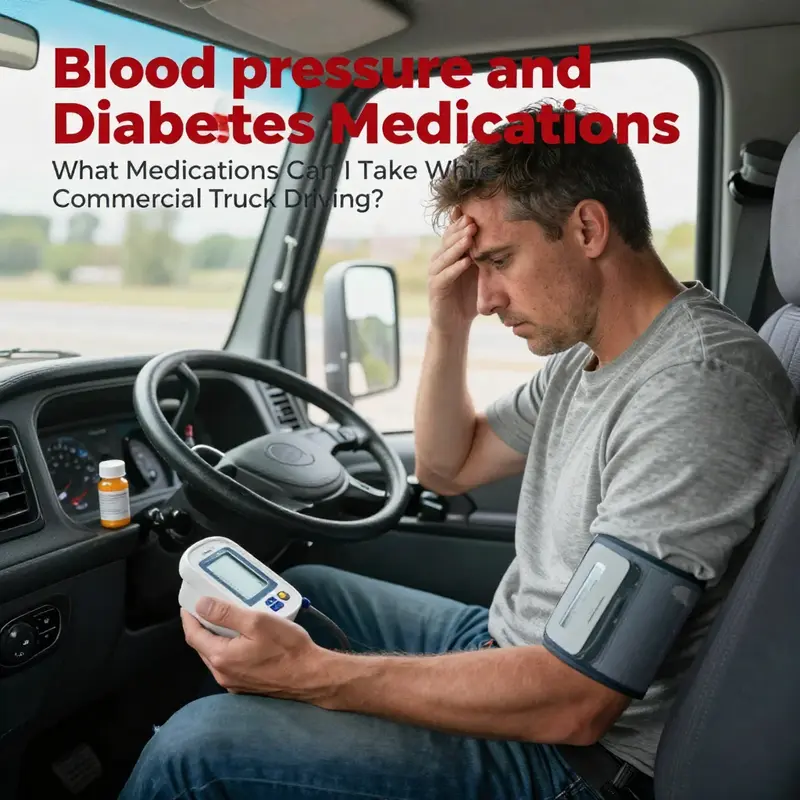
Operating a commercial truck demands a steady hand, sharp focus, and unbroken vigilance from the moment you start the engine until you bring that rig to a safe stop. The road does not forgive missteps, and the impact of even a momentary lapse can ripple through traffic, cargo, and lives. When you manage chronic conditions like hypertension and diabetes, the choices you make about medications matter as much as your hours on the road. The aim is not only to control the conditions but to do so in a way that preserves alertness, reflexes, vision, and the capacity to react to unpredictable events—whether a sudden brake light on a hill, a wobbling trailer in crosswinds, or a fatigue signal from a long shift. This chapter focuses on medications for hypertension and diabetes in the context of commercial trucking, drawing on medical guidelines and regulatory considerations to identify options that minimize the risk of driving impairment while still delivering effective disease management. It is essential to partner with a clinician who understands the unique demands of long-haul or regional trucking. When in doubt, the guiding principle is simple: seek the safest, most stable therapeutic approach, with close monitoring and a clear plan for any adjustments that may be needed on the road.
The intersection of hypertension and diabetes in drivers brings a set of safety challenges. Hypertension medications can influence blood pressure, heart rate, and energy levels, all of which can alter driving performance if not carefully tuned. Some agents cause dizziness, fatigue, or postural changes, especially during the early days of therapy or after dose adjustments. Diabetes medications carry the risk of hypoglycemia, which can rapidly erode awareness, judgment, and reaction time. Hypoglycemia is particularly dangerous behind the wheel, because an impaired driver may misread road cues, experience blurred vision, or suddenly lose coordination. The stakes are high enough that standard medical care must be reframed in light of the driving task. The result is a cautious, patient-specific approach: selecting long-acting, stable medicines when possible, timing doses to minimize daytime drowsiness, and keeping a steady routine that aligns medication schedules with driving duties and meal patterns.
A practical rule of thumb for drivers with hypertension is to favor long-acting, steady-control agents. Among the antihypertensives, two classes stand out for their reliability and relative neutrality on cognitive function: certain calcium channel blockers and renin-angiotensin system blockers. Within the calcium channel blockers, a long-acting formulation of amlodipine provides robust 24-hour blood pressure coverage with a favorable safety profile for alertness. The drug’s effect on heart rate is typically modest, and when used as a once-daily dose, it minimizes peaks and troughs that might translate into dizziness or fatigue during the shift. This makes amlodipine a steady partner for drivers who require a predictable hemodynamic baseline without compromising mental clarity.
Another dependable pillar is the angiotensin II receptor blocker class, notably losartan and olmesartan. These agents offer reliable blood pressure control with fewer common respiratory or central nervous system side effects. A dry cough, a well-known nuance with some other blood pressure medicines, is less of an issue with these ARBs, and the overall tolerability profile tends to support consistent daily functioning. For drivers, the emphasis is on minimizing fluctuations that could lead to orthostatic symptoms—dizziness or lightheadedness upon standing—which can be hazardous when climbing into and out of the cab or performing pre-trip inspections. When a clinician selects an ARB, the goal is stable daily performance rather than rapid-onset correction of high readings that might provoke fatigue or faintness later in the day.
Beta-blockers enter the conversation with a slightly more nuanced role. A long-acting formulation of metoprolol, known in medical practice as metoprolol succinate, can be a prudent choice for patients who require a heart-rate–modulating agent to protect against exertional strain or in the context of comorbid cardiovascular risk. Compared with short-acting beta-blockers, the long-acting version tends to produce smoother cardiovascular responses and fewer abrupt shifts in hemodynamics, which translates into fewer abrupt changes in alertness or energy. Nevertheless, any beta-blocker requires careful monitoring for fatigue, especially during the early weeks of therapy or after dose adjustments. The driver’s perspective is to weigh the benefit of heart-rate control against the possibility of reduced stamina during the workday.
Diuretics, particularly thiazides like hydrochlorothiazide, are common tools in hypertension management when used in combination therapy. They can be effective for blood pressure control and have a long track record of safety in many patients. For drivers, the critical consideration with diuretics is electrolyte balance and hydration. If a driver maintains a steady fluid intake and monitored electrolytes, hydrochlorothiazide can be incorporated with careful timing—often dosing in the morning to minimize nocturnal urination. The objective is to avoid a mid-shift interruption caused by palpitations or fatigue linked to dehydration or electrolyte shifts. It is worth noting that while some drivers tolerate diuretics well, others may experience more pronounced thirst, weakness, or cramping, all of which can distract from the road. Regular blood tests to monitor potassium, sodium, and kidney function help mitigate these concerns and ensure that the regimen remains safe across weeks of heavy driving.
While there is a clear appetite for stability, there are also explicit cautions about agents known to produce more immediate driving impairment. Short-acting nifedipine, for example, can provoke sudden drops in blood pressure accompanied by reflex tachycardia, a combination that can feel erratic or disorienting behind the wheel. Clonidine and some other agents in the same broad family have sedative properties that may linger and interfere with daytime performance, particularly when starting therapy or adjusting doses. Methyldopa and reserpine have historical associations with drowsiness and fatigue, and those effects are particularly dangerous when the truck is rolling through busy urban corridors or on extended interstate stretches. The guidance here is explicit: avoid these options when safe and equally effective alternatives exist, and pursue a treatment plan that minimizes abrupt changes in alertness or energy.
On the diabetes front, the emphasis is on avoiding hypoglycemia and maintaining steady cognitive function during long drives. Metformin, as a first-line agent for type 2 diabetes, stands out for its minimal risk of hypoglycemia when used alone. It does not typically cause drowsiness or dizziness, which makes it a sensible anchor in a driver’s regimen. For those who need additional glycemic control without increasing hypoglycemia risk, GLP-1 receptor agonists, such as those that promote weight loss and improve glycemic control, offer another valuable path. These medications significantly reduce the likelihood of low blood sugar, particularly when not combined with insulin or certain other classes. DPP-4 inhibitors form another well-tolerated option, offering non-hypoglycemic action and a profile that generally does not impair alertness or reaction times.
There is, however, a clear cautionary note about medications with higher hypoglycemia potential. Sulfonylureas—such as glimepiride or glyburide—require meals and timing to stay effective, and missed meals or long drives where a break becomes impractical can sharply raise the risk of hypoglycemia. Insulin, particularly rapid-acting insulin analogs, demands careful timing with meals and precise carbohydrate management. In a trucking context, this can be extremely challenging. Even the best laid plans can be disrupted by traffic, delays, or irregular meal schedules, turning a controlled condition into a dangerous driver’s hazard if hypoglycemia develops on the road. Repaglinide shares a similar risk profile to sulfonylureas and is generally not favored for long-haul drivers seeking stable day-to-day performance. The overarching theme is risk reduction—minimizing the potential for a hypoglycemic event while maintaining reliable glycemic control through a regimen that aligns with driving routines.
Intertwined with the pharmacology is a practical approach that the medical guidance reinforces: long-acting, stable medications that minimize daytime variability tend to be safer choices for drivers. In the realm of hypertension, this translates to choosing amlodipine or an ARB as the backbone of therapy, possibly complemented by a long-acting beta-blocker like metoprolol succinate if clinically appropriate. In diabetes management, the combination of metformin with a GLP-1 receptor agonist or a DPP-4 inhibitor often offers robust control with a lower risk of hypoglycemia. This approach aligns with a broader safety philosophy: align disease management with the daily realities of long-haul and regional trucking, including irregular meal schedules, long hours, and the need for rapid, unimpaired decision-making on the road.
The chapter’s practical guidance extends beyond the pharmacologic choices to the rhythms of daily life on the highway. One of the most important steps is to administer medications at consistent times, ideally in the morning before a shift begins. This reduces the chance of daytime cognitive drift or post-dose sedation that might interfere with pre-trip checks or safe lane changes. For diabetes, regular self-monitoring of blood glucose becomes a non-negotiable habit. Before setting out on a long leg of a journey, drivers should verify their glucose levels, carry fast-acting sources of sugar, and establish a plan for immediate action if symptoms of hypoglycemia appear. Carrying glucose tablets or other rapid-acting carbohydrates is a small but essential precaution for any driver with diabetes who is navigating the unpredictable rhythms of road life. The goal is to maintain a stable energy baseline across the hours behind the wheel, with quick access to aid if the body signals a high or low drift from the optimal range.
Regulatory and safety considerations also shape how medications are managed in trucking. Drivers should always inform their clinician that they are operating a commercial vehicle, so prescribing decisions take into account potential regulatory implications and required medical qualifications for fitness to drive. Budgeting time for periodic medical reviews, including blood pressure checks, electrolyte panels, and, for those with diabetes, HbA1c monitoring, helps ensure that the treatment remains aligned with safety requirements. Label warnings and drug interactions are not mere formalities; they are practical signals that guide day-to-day choices behind the wheel. If a medication carries warnings about dizziness, sedation, orthostatic changes, or impaired cognitive function, a driver may need to adjust timing or select a safer alternative. This attentive collaboration between driver and clinician is a core pillar of road safety and personal health.
An additional layer of practical safety emerges when considering an integrated pharmacologic plan for drivers who simultaneously manage hypertension and diabetes. The research and guideline-based recommendations suggest that a combination such as amlodipine with metformin can deliver steady antihypertensive coverage while preserving cognitive clarity and energy. A parallel option, losartan paired with a GLP-1 receptor agonist, can address both conditions with a favorable tolerability profile. These pairings are not universal prescriptions; they reflect a larger principle: use agents with stable, predictable effects and low interference with driving tasks. The clinician’s role is to tailor these choices to the driver’s overall health status, comorbidities, feeding patterns, and work schedule. The aim remains consistent: minimize side effects that could impair judgment or physical coordination while maintaining effective disease control.
In practice, the path to safer driving when managing hypertension and diabetes includes several concrete steps. First, always discuss any new medication with your clinician and explicitly ask whether it is compatible with driving. Second, read every label carefully for warnings about drowsiness, dizziness, or impairment of thinking or coordination. Third, wean into new regimens slowly at times when driving requirements are lower, scheduling changes so that any potential side effects have time to stabilize before you get behind the wheel. Fourth, adopt non-pharmacological foundations that support medication effectiveness and road safety, such as consistent meal timing, balanced hydration without excessive fluid intake in the hours before driving, and regular physical activity within the limits of your schedule and health status. Fifth, set up a robust plan for hypoglycemia management that includes quick-acting carbohydrates within arm’s reach and a trusted person you can contact if symptoms emerge while you are en route. The goal of these steps is not only to prevent illness but to ensure that the road remains a place where controlled health translates into controlled performance.
As with any specialized field, the literature and guidelines emphasize that there is no one-size-fits-all solution. Individual factors—such as baseline blood pressure, kidney function, obesity, lipid status, liver function, and the presence of other diseases—will influence which medications are safest and most effective for a particular driver. The real-world application of this information is collaborative care: the driver, the prescribing clinician, the trucking company’s health and safety personnel, and, when applicable, DOT-approved medical examiners. When the driver and clinician align on a regimen of long-acting, stable medications with minimal cognitive or motor side effects, the roads become safer for everyone. The aim is to translate medical evidence into practical, daily choices that support alertness, judgment, and quick reaction in every kilometer traveled.
In this spirit, the shared conclusion across medical guidance is clear: the safest approach for a commercial truck driver with hypertension and diabetes is to emphasize long-acting, stable medications and to avoid agents that carry higher risks of drowsiness, dizziness, low blood pressure on standing, or hypoglycemia. When possible, regimens like amlodipine plus metformin or losartan plus a GLP-1 receptor agonist offer a balanced strategy that controls both conditions while preserving the driver’s ability to perform safely. Of course, every individual’s response will differ, and ongoing vigilance is essential. If you notice new symptoms, such as persistent dizziness upon standing, unusual fatigue, or episodes of low blood sugar, contact your clinician promptly. The road to safety is paved with caution, regular monitoring, and a willingness to adjust the plan in light of real-world driving experiences.
For drivers navigating these complexities, there is value in drawing on broader regulatory discussions that explore how medications intersect with driving fitness across borders. These discussions highlight that pharmacologic safety must be contextualized within a framework of hours of service, medical certification, and the practical realities of long-haul operations. While the specifics of regulations vary, the central message remains constant: driving safety hinges on a driver’s ability to remain alert, responsive, and in control. The literature encourages proactive dialogue—between driver and clinician, and between drivers and their employers—so that health management becomes an integrated part of safe trucking rather than a sidebar concern. For those exploring the regulatory landscape in more depth, consider engaging with cross-border regulatory discussions that examine how medical treatments align with regulatory expectations, such as this overview: Cross-border regulatory issues in trucking. Cross-border regulatory issues in trucking.
In sum, the approach to medications for hypertension and diabetes in commercial drivers is about choosing stability, safety, and predictability. It is about recognizing the road as a dynamic environment where even small variations in blood pressure, energy, or blood glucose can have outsized consequences. The safest course is to work with a clinician to select long-acting, well-tolerated medications that manage both conditions without compromising alertness or cognitive function. It is a process of ongoing assessment and adjustment, guided by symptoms, lab results, and the driver’s lived experience behind the wheel. The objective is not simply control of illness but the preservation of the driver’s capacity to perform with precision, to respond quickly, and to keep the road safe for everyone who shares it. The steps outlined here reflect a practical, evidence-informed path that respects the realities of trucking life while prioritizing safety above all.
For authoritative guidance on medication safety and commercial driving regulations, refer to the DOT and FMCSA resources and discuss any concerns with your clinician and employer when applicable.
Final thoughts
Understanding the impact of various medications on driving ability is essential for the safety of commercial truck drivers and compliance with regulations. By recognizing the risks associated with antihistamines, sedatives, pain relievers, blood pressure medications, and diabetes treatments, fleet managers and drivers can make informed decisions about their health and driving safety. Always consult with healthcare professionals before starting any medication and prioritize safety on the roads to protect yourself and others. Your health must come first, and vigilance in medication management is key to maintaining safe logistics operations.