
Toby Keith, a name synonymous with country music, has captured the hearts of millions and carved a niche deeply intertwined with American truck culture. As the artist behind the memorable Ford truck commercial, Keith’s powerful storytelling and distinctive style resonate profoundly with logistics and construction professionals, small business owners, and fleet managers. This article explores the significance of Keith’s contribution to Ford’s advertising, evaluates the possibility of celebrity endorsements in shaping brand identities, and examines the cultural role of country music in enhancing this relationship. Each chapter unveils how the blend of music, marketing strategies, and cultural resonance offers profound insights into driving brand loyalty among target demographics.
Lainey Wilson Sings the Ford Truck Month Anthem: Unraveling the Voice Behind the Campaign
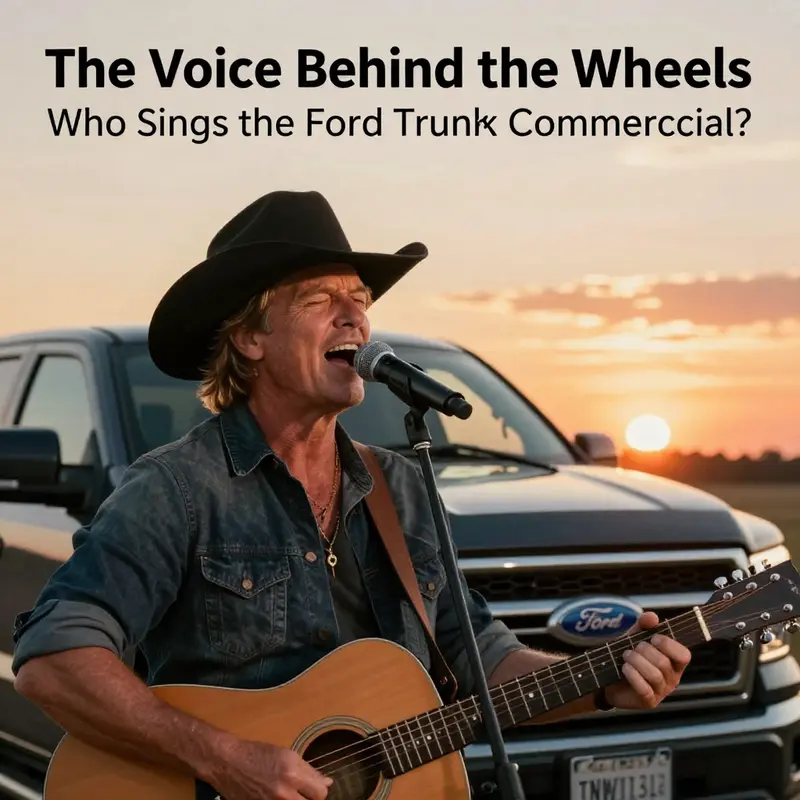
When readers ask who sings the Ford truck commercial, the answer has evolved with the evolving campaigns. In the latest Ford Truck Month push, the official materials center Lainey Wilson as the artist behind the soundtrack and the overall campaign voice. This shift away from earlier, widely circulated rumors about other country names underscores how a brand can refresh its auditory identity while keeping the core message intact: a rugged, hardworking American spirit powered by authentic storytelling. Lainey Wilson’s emergence as the face and voice of the campaign reflects more than a casual musical collaboration. It marks a deliberate alignment between a rising country star known for grounded storytelling and a brand that has long sought to speak directly to the lived experiences of truck owners, farmers, builders, and families who rely on tough, dependable machines. The question of who sings the Ford truck commercial is less about a single syllable than about the resonance the voice creates across a broad audience that values durability, resilience, and connection to place. Wilson’s voice carries that resonance with a blend of warmth and grit that mirrors the sounds of a night drive on an open highway and the quiet confidence of a hard day’s work finished well. It is not merely a musical signature but a tonal declaration that Ford trucks are part of a larger American narrative about getting things done and doing them in a way that respects both craft and community.
Lainey Wilson’s rise in country music brought with it a public persona that matches Ford’s advertised values of ruggedness and practicality. Her background—rooted in small-town experiences, steeped in the everyday realities of rural life, and expressed through songs that celebrate authenticity—aligns naturally with Ford’s marketing language. The campaign intentionally pairs Wilson with visuals of real-life truck use: hands on the wheel, the dust of a backroad, a family stopping at the edge of a field to check a trailer, a moment of quiet reflection after a long day. This is not merely a jingle; it is a narrative thread that weaves together work, family, and the pride of ownership. In this way, Wilson’s involvement extends beyond a catchy chorus. It becomes a signal to viewers that Ford trucks are built for the people who tell those stories—the people who live with their tools, their schedules, and their aspirations in the same space where the road meets the promise of a new project or a long-awaited journey.
The centerpiece of Wilson’s campaign identity is anchored in a track that aligns with the campaign’s thematic goals. The song titled This Girl Likes Fords, as featured in Ford’s materials, has clear implications for how listeners experience the brand. The lyricism and melody work in concert with the visual storytelling to heighten a sense of personal alignment between artist, vehicle, and audience. It is a smart branding move: a song that not only celebrates a brand affinity but also reinforces the idea that choosing a Ford truck is an extension of personal taste and character. The emotional arc of the music helps the audience feel as if they are part of a larger story—the story of a person who makes things happen, who plans and sweats and then enjoys the reward of reliable performance when the work is done. The synergy between Wilson’s vocal timbre and the rhythm of the campaign imagery creates a cohesive experience that lingers with viewers, transforming a commercial into a moment of cultural recognition rather than a simple transactional message.
The decision to spotlight Wilson also reflects a broader trend in how brands approach celebrity endorsements. Rather than rely solely on a big-name star to carry the campaign, Ford has oriented its strategy around a personality whose music is steeped in storytelling. This approach invites an audience to experience the product as part of a lifestyle narrative rather than a mere mechanical purchase. It signals that Ford values musicians who understand place, practice, and perseverance—qualities that align with the daily realities of truck ownership. The result is a campaign that feels earned, not manufactured. Viewers who may not own a Ford truck still sense the authenticity behind the voice and the message, while current owners see a familiar echo of their own experiences in the music and imagery. In this configuration, music becomes a bridge between brand promise and everyday life, deepening the emotional impact of the advertisement and extending its reach beyond traditional marketing metrics.
With Lainey Wilson at the microphone, Ford Truck Month becomes more than a promotional sprint; it becomes a seasonal invitation. The period is framed as an annual moment when a potential buyer can explore, test, and imagine themselves in a truck that embodies the attributes the campaign elevates: durability, versatility, and a sense of independence that is still tethered to community values. The emotional core of the campaign is anchored in Wilson’s delivery—clear, assured, and unmistakably human. The voice reminds viewers that the decision to buy is not simply about horsepower or payload but about how a vehicle integrates into the rhythms of life—the early morning starts, the late-night jobs, the weekend projects, and the unglamorous, indispensable honesty of a hard-working household. The soundtrack becomes a lens through which the audience experiences the brand’s promises and a reminder that Ford trucks are built to support real-world tasks and relationships.
In the larger marketing ecosystem, the Ford Truck Month campaign leverages multiple touchpoints to reinforce its message. The official Ford page that details the campaign provides context about Wilson’s personal connection to the brand and the inspiration behind her involvement. This top-down messaging—from corporate communications to the music—helps ensure consistency across media, from television spots to digital clips and social media. The alignment between the artist’s narrative and Ford’s product story is not accidental; it is a coordinated effort to cultivate a sense of reliability and pride that resonates with a broad spectrum of viewers, including families who use trucks for work and play, fleets that rely on durability, and enthusiasts who appreciate the culture around pickup ownership. The result is a campaign that feels cohesive and genuine, rather than a simple pairing of a soundtrack with a product.
For readers who want to explore how such a campaign builds its narrative, there is value in looking at related industry insights that connect the dots between music, branding, and product strategy. One relevant lens comes from analyses that examine how trailer and truck market dynamics influence pricing, margins, and consumer perception. For example, industry assessments of trailer orders and their impact on truckload margins offer a complementary perspective on how campaigns like Ford Truck Month are positioned within a broader market environment. These analyses remind us that a successful marketing effort sits atop a robust operational and economic foundation. They underscore the idea that a brand’s voice—its music, its messaging, and its imagery—must harmonize with real-world conditions in the trucking world to stay credible and compelling. See the discussion on trailer orders and margins for a sense of how capacity, demand, and pricing pressures shape the backdrop against which campaigns like Ford Truck Month operate. Trailer Orders Impact Truckload Margins.
Beyond the immediate campaign mechanics, Wilson’s participation invites reflection on how modern music marketing intersects with identity. Fans who discover the campaign may already know Wilson from her touring and chart presence, creating a cross-pollination that benefits both the artist and the brand. The partnership invites audiences to see Ford trucks not only as products but as vehicles through which personal stories unfold. In this sense, the commercial functions as a cultural artifact as much as a sales message. It captures a moment when a particular artist’s voice becomes associated with a brand’s sense of place, value, and purpose. The audience experiences the voice as a guide through the landscape the ad paints—the back roads, the work sites, the quiet moments of reflection after a day’s labor—an invitation to imagine how a Ford truck could fit into those scenes and support the life being lived there.
The broader resonance of this campaign also touches on how brands cultivate long-term relationships with their audiences. By choosing an artist who embodies authenticity and a storytelling sensibility, Ford signals that it values more than a one-off impression. It signals a willingness to nurture a continuing narrative where music and product experience reinforce one another over time. This ongoing relationship helps Ford’s trucks remain part of consumers’ conversations long after the initial commercial air date. It is a reminder that a modern marketing strategy does not rely solely on flashy visuals or a single memorable moment. It builds a textured ecosystem in which the music, the vehicle, and the consumer’s everyday life have meaningful and repeated touchpoints.
For those who want to dive deeper into the official context of the campaign, Ford’s own pages provide the backdrop for Wilson’s involvement and her personal connection to the brand. The official campaign materials articulate why this pairing makes sense and how it serves the broader objectives of Truck Month. The message is consistent with Ford’s emphasis on practicality, reliability, and the emotional satisfaction of ownership—the qualities that matter most to people who rely on trucks for work, family, and community activities. This alignment helps ensure that the campaign is not merely about a seasonal sales push but about sustaining a narrative that makes sense to customers in the long run. In the end, the question of who sings the Ford truck commercial points to a larger story about how brands curate voices that can carry their values to audiences who listen with discernment and loyalty.
Official details and updates about Lainey Wilson’s role in the Ford Truck Month campaign can be found on Ford’s campaign page. For readers who want a direct look at the official materials and Wilson’s message about her connection to Ford trucks, this resource provides a reliable point of reference. Official Ford website details reinforce the alignment between the artist, the music, and the broader brand narrative, helping readers connect the auditory experience with the strategic intent behind the campaign.
External resource: https://www.ford.com/truck-month-with-lainey-wilson/
Voice on the Open Road: How Toby Keith Shaped the Ford Truck Ad into a Cohesive American Narrative
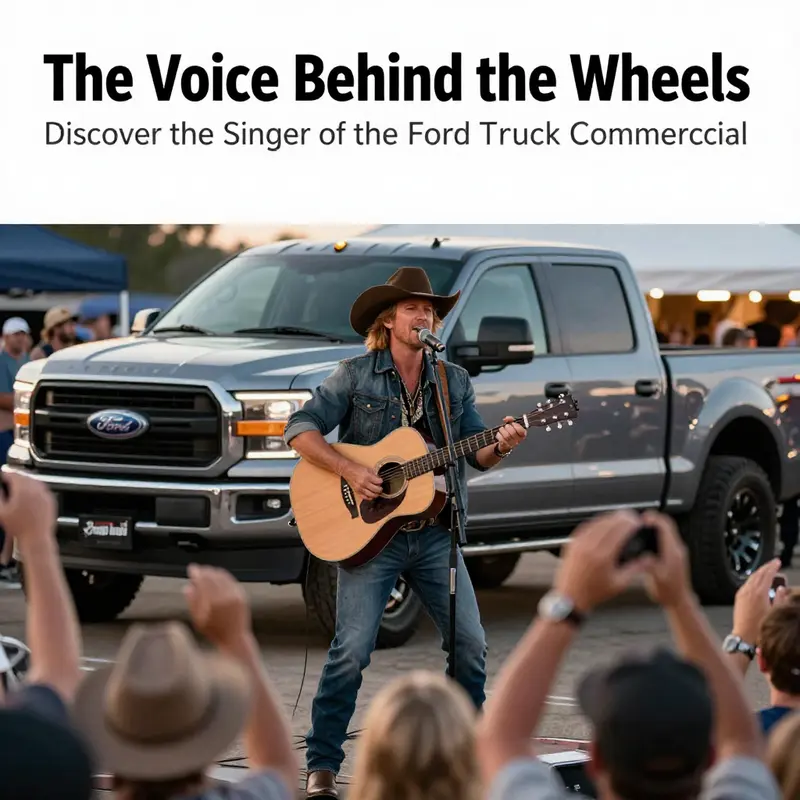
In the landscape of brand storytelling, certain voices become doors to a larger cultural conversation. The 2013 Ford truck commercial, with Toby Keith at its center, did more than showcase a vehicle; it stitched together a sense of place, purpose, and pride that resonated with a broad American audience. Keith’s voice—low, weathered, unmistakably authoritative—served as a hinge between the product and a broader social map of rugged individualism tempered by communal loyalty. The ad, often recalled for its cinematic sweep across wide-open spaces and its steady, drumlike cadence, invites viewers to hear a narrative of work, family, and home that feels earned rather than advertised. In this sense, Keith’s contribution operated as a narrative engine, translating a brand message into an emotive country song that viewers could hum along to in their own lives long after the screen faded to black. The result was not merely a commercial moment but a cultural touchstone that linked a brand to the lived experiences of blue-collar workers, rural communities, and anyone who has faced the road with labor, grit, and a quiet sense of independence.
Keith’s distinctive style—his deep, gravelly timbre, his measured phrasing, and his ability to tell a story with a single, searching line—underlined the commercial’s core idea: the road as a canvas for responsibility, endurance, and a shared American ethos. The ad’s production choices reinforced this message. The imagery of trucks moving through expansive vistas, the emphasis on the drivers’ routines, the way the screen lingered on steady hands gripping a steering wheel or a job well done, all mirrored Keith’s own musical persona. He has long used music to illuminate the daily labor that often goes unseen—the hours before dawn on the shop floor, the perseverance of a family’s sacrifice, the quiet bravery of service members and veterans. The pairing with a brand that sought to speak directly to working-class values felt less like sponsorship and more like kinship among people who understand that a well-made machine is a partner in a life of purpose.
The cultural resonance of Keith’s delivery in this context goes beyond sound. It taps into a well-established country music tradition that treats the road as a vessel for a nation’s stories—the miles that trace a life, the weathered silhouettes of drivers against a horizon, and the promise that hard work has its own reward. In the Ford campaign, this tradition was reframed as a modern parable: a country icon lends his credibility to a vehicle that is portrayed as worthy of trust, endurance, and long-term commitment. The voice becomes a marker of authenticity, signaling to viewers that the brand understands not just the mechanics of a truck but the rituals that accompany its ownership. This is not simple product placement; it is the embedding of a cultural ritual—the ritual of getting up, earning a living, and keeping faith with one’s community—into a consumer experience. The audience, then, isn’t merely watching a commercial; they are invited to align their own sense of identity with the narrative Keith helps carry forward.
At its core, the ad leverages Keith’s persona to articulate a brand promise that feels earned rather than manufactured. Ford’s marketing has long leaned into ruggedness and practicality, but the 2013 campaign extends that ethos into a broader social frame: the belief that America’s strength rests on ordinary people who show up to work, support their families, and stand by one another during difficult times. Keith’s songs frequently celebrate loyalty, perseverance, and a communal resilience—themes that are harmoniously echoed in the commercial’s imagery of everyday Americans behind the wheel. The synergy is not merely aesthetic; it strengthens the brand’s narrative architecture. When viewers hear Keith’s voice, they hear a chorus that validates the life of the truck owner—the late-night fix for a broken fence, the long drive to a distant job site, the pride of loading a trailer after a long day. The message lands with a double resonance: it reassures fleet managers and weekday drivers alike that the product is a trusted companion on the road, and it reassures civilians that the country’s spirit is alive in the hum of an engine and the cadence of a familiar melody.
This is where emotional engagement becomes a strategic act. The ad does more than present features—it populates the screen with emotion. The landscapes are not merely scenic backdrops; they function as characters in the story of American endurance. The soundtrack, anchored by Keith’s delivery, slows time enough for viewers to feel the weight of a day’s work and the relief of returning home with a job well done. The emotional architecture invites identification: the driver who negotiates a challenge, the family who relies on the truck’s reliability, the veteran who sees service mirrored in a product designed for practical resilience. In this way, the commercial becomes a cultural artifact that transcends the sale of a single vehicle. It signals that the brand is more than a marketplace entity; it is a participant in the country’s ongoing conversation about work, sacrifice, and shared identity.
From a branding perspective, the alignment of Keith’s persona with Ford’s core values offers a case study in celebrity endorsement that goes beyond star wattage. The value lies not in the fame alone, but in the fit between the star’s established narrative and the brand’s desired associations. Keith’s catalog—honoring military service, celebrating hard work, and championing community—maps cleanly onto Ford’s image as a company rooted in practical engineering and reliable performance for the everyday American. This is a reminder that celebrity endorsements work best when the artist’s public identity resonates with the consumer’s lived experiences and aspirations. The Ford campaign demonstrates how a singer’s voice, a storyteller’s cadence, and a manufacturer’s promise can converge to create a unified message about durability, loyalty, and the dignity of labor. The result is a branded experience that feels intimate and genuine, not manufactured, which matters in a media environment saturated with short-form content and rapid-fire branding decisions.
In contemplating the broader implications, one can see how the ad influenced not only consumer perception but fleet-level considerations within the trucking community. The imagery of trucks traversing open terrain resonates with managers and drivers who value steadiness and predictability. The association with a respected artist who has spoken in support of military service and rural life adds a layer of cultural legitimacy that can soften skepticism toward marketing messages. When a brand appears to honor the realities of its audience rather than merely sell to them, it earns a degree of trust that translates into brand preference, resilience in the face of competing messages, and longer-term loyalty. The campaign thus functions at the intersection of culture and commerce: it uses storytelling to frame a product as an instrument of personal and communal achievement, a concept that sits at the heart of how many people in the trucking and rural sectors measure value in their day-to-day lives.
The decision to cast Keith was not incidental to a catchy jingle. It was a deliberate strategy to root the brand in a familiar musical language that speaks to a specific demographic while still maintaining broad resonance. The blending of patriotic sentiment with the rugged individualism that Keith often celebrates mirrors a larger cultural conversation about citizenship, work, and regional pride. In a sense, the campaign teaches a timeless lesson: consumers do not only buy a tool; they buy a story that legitimizes their choices and their way of life. The voice is central to that pedagogy. It can carry technical benefits—such as durability, reliability, and performance—into a narrative that audiences can feel emotionally. That is the magic of Keith’s contribution. It elevates the commercial from a persuasive message about features to a meaningful moment in which viewers can feel seen and understood by the brand.
As we look back at this pivotal moment in automotive advertising, it becomes clear that the power of a singer’s voice in a product campaign extends beyond mere entertainment. It is a key that unlocks a broader cultural resonance, aligning a company’s identity with a shared American story of labor, family, and perseverance. The Ford truck campaign did not require the audience to suspend disbelief to enjoy it; it invited them to recognize a familiar rhythm—the rhythm of a day’s work, the echo of a road winding toward home, and the quiet pride of a job well done. Toby Keith’s style, with its grounded timbre and narrative immediacy, provided the instrument through which that rhythm was communicated. The commercial became a chorus in which the road is a teacher, the truck a trusted companion, and the voice a familiar guide who reminds viewers that the journey—like the effort that goes into keeping a family fed and a community intact—matters. The chapter of this story is not complete, but it has already offered a blueprint for how cultural credibility, artistic voice, and brand promise can harmonize to create an enduring message that travels with audiences long after the screen goes dark.
For readers curious about the broader industry context that frames such campaigns, the discussion of trailer orders and margins offers a useful lens. The way fleets plan their investments, manage capacity, and calibrate their equipment has a direct bearing on how brands speak to drivers and operators. This interplay between market dynamics and messaging strategy helps explain why certain voices land with particular power at particular moments. As the trucking sector continues to evolve with shifting demand, regulations, and technology, the capacity of a well-chosen voice to anchor a brand’s narrative remains a crucial asset. The connection between the narrative warmth of a country icon and the tangible reliability of a hard-working machine is not a coincidence but a carefully engineered convergence of culture and commerce. The chapter that begins with a voice on the open road ends with a broader invitation: to consider how stories, as much as steel and horsepower, carry a fleet toward a future defined by trust, shared values, and a sense of place on the vast American landscape.
To explore how industry pressures frame such storytelling, one might examine how trailer orders impact truckload margins, a topic that echoes through fleet planning and branding alike. This intersection of economics and narrative underscores how a campaign can be simultaneously art and strategy, shaping perceptions while reflecting the realities of the market. In the end, the impact of Toby Keith’s style in the Ford truck commercial lies not only in the memorability of a single campaign but in how it models a sustainable approach to brand storytelling in an industry where culture, work, and community remain inseparable from the machines that power the road.
External reference: Ford’s official press release on the 2013 “American Ride” campaign provides additional context on the creative direction and intent behind the collaboration with Toby Keith. https://media.ford.com/press.releases/2013/american-ride-campaign-launches-with-toby-keith
When a Country Voice Becomes the Brand’s Emblem: The Cultural Soundtrack Behind the Open-Road Truck Campaign
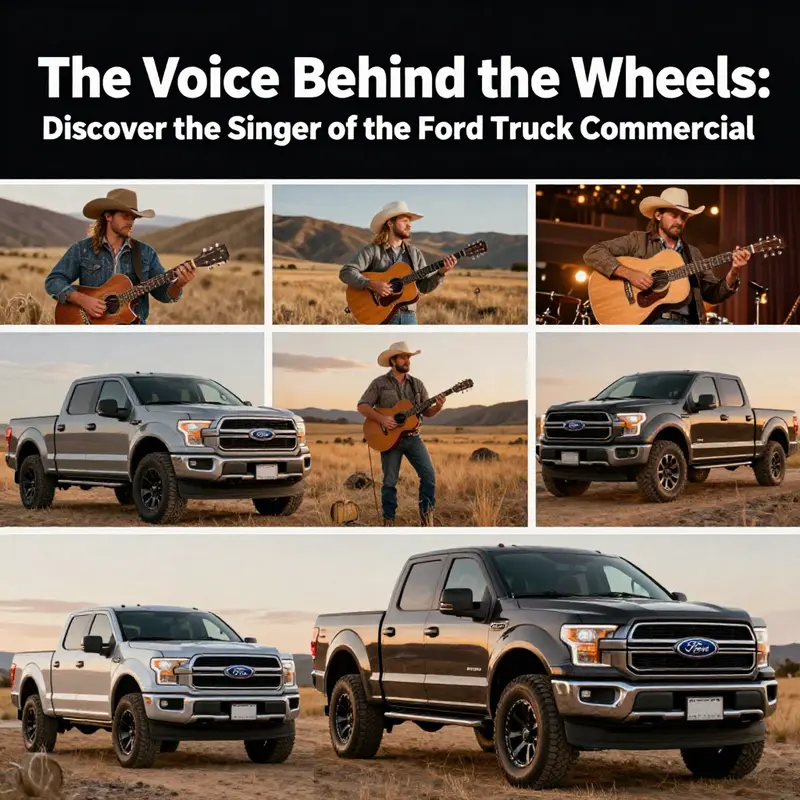
The open road has always carried more than power and payload; it carries a voice. In the most resonant campaigns for a brand that positions its pickup as a working partner in everyday life, that voice is not merely a jingle or a slogan but a storytelling tradition living in studio and street alike. A single, weathered timbre can anchor a narrative about grit, independence, and community, turning a vehicle into a character in the audience’s own stories. This is the essence of how country music has shaped the modern advertising arc for a brand’s pickup line. The voice, in the sense most audiences feel it, belongs to a celebrated country artist whose performance lends weight and familiarity to a campaign about hard work and the daily arc of American life. When such a voice enters the frame, the campaign becomes more than an attempt to sell a product. It becomes a cultural ritual that invites viewers to see themselves in the driver’s seat, to imagine their own labors, their own celebrations, their own spaces on the road between town and home. The power of that voice comes from a long tradition where music and labor mingle, and where the storyteller’s cadence offers not only description but invitation—to participate, to belong, to be part of the open road story.
That invitation was embodied in the distinctive voice of Toby Keith, a performer whose career has long braided country storytelling with a sense of American working life. His delivery in the campaign breathed warmth and authority into the brand’s silhouette, giving the pickup a rugged yet approachable personality. Keith’s vocal timber—roughened with experience, generous with nuance—allowed the advertisement to radiate authenticity. It wasn’t only about horsepower or features; it was about a world where work is earned, where pride lives in the daily rounds of responsibility, and where the road is a place to test and prove one’s character. In this light, the singer’s presence functions as more than a celebrity cameo. It acts as a cultural cue, aligning the brand with a lineage of country music that has long spoken to rural values, self-reliance, and a rooted sense of place. The effect is multi-layered: the voice signals reliability, while the song’s narrative arcs—small triumphs, shared labor, the solace of home—resonate with audiences who see the pickup not simply as a mode of transport but as a companion in life’s ongoing work.
The roots of this alignment run deeper than a single campaign. Country music emerged in the southern United States in the early 20th century as a voice for rural and working-class communities, a thread that scholars have traced through decades of social change and cultural negotiation. When a modern automaker leans into this storytelling tradition, the match is not incidental. It is a conscious choice to embed a vehicle within a broader cultural script that values honesty, self-reliance, and a strong sense of place. The advertising strategy moves beyond product specifications to offer a lived-in narrative: a driver who knows what it means to show up, to shoulder the day’s load, to repair and persevere, and to do so with a certain quiet pride that does not demand praise but earns it through consistent behavior. The country voice acts as a bridge between the audience’s life and the brand’s promise, composing a shared mythology in which the pickup is not just ferried from place to place but participates in the rhythm of everyday endurance.
This synthesis is not incidental to a single moment but a pattern that has evolved as the music and the brand have grown together. Artists who inhabit the country narrative—whether celebrated veterans or newer voices—have found ways to weave the pickup into the lyrics of everyday life. The intention is not merely to place the truck within a scene but to locate the audience inside the scene itself. When a lyric speaks to a neighbor helping a friend fix a fence after a long day, when the highway becomes a setting for a family’s weekend, or when the ride stands in as a steady witness to a life built with stubborn hope, the car alone becomes less a commodity and more a companion. In this sense, the vehicle becomes a character in country lore—a symbol of dependability, a witness to labor, and a trigger for collective memory about where people come from and where they are going.
The cultural dimension deepens when we see how the brand has integrated country music across campaigns and seasons. Ford’s promotional calendars, for example, have featured country stars in thematic arcs that blend music and marketing into a cohesive cultural experience. This approach reflects a broader belief in the power of a shared soundscape to unify diverse audiences around a common identity—one built on the values that country music has long celebrated: steadfastness, community, and a love for the land and the road. The result is a branding narrative that presents the pickup not only as a tool for work but as an emblem of authenticity. In this lore, the truck becomes a vehicle of social memory—carrying forward stories of place, of family, of the everyday heroism that characterizes so much of American life.
The cross-pollination between country music and the open-road lifestyle has grown beyond rural enclaves and into urban spaces, signaling an expanded cultural footprint. A 2023 study employing big data analytics on live music events reveals that country music’s visibility in urban settings has expanded, aided in part by the infrastructure of modern cities that support venues, venues’ ecosystems, and the flows of people and goods that keep cultural scenes alive. This expansion matters for the brand’s strategy because it suggests a broader audience ready to hear and feel the country narrative when it appears in city streets, shopping corridors, and broadcast media alike. The theme of resilience—an enduring hallmark of country storytelling—resonates with urban audiences who navigate the demands of modern life just as rural audiences do. When the brand places a country voice at the center of a campaign about a pickup, it taps into both the tradition of storytelling and the contemporary tempo of American life, turning the vehicle into a luxury of reliability and a symbol of personal independence.
Within this cultural framework, the pickup is seen as more than a product; it becomes a stage on which everyday life plays out in the company of songs that families hum and neighbors share. Country music’s voice, familiar and trustworthy, helps translate engineering and design into an emotional experience. The emotional charge comes not from flashy demonstrations of torque or payload but from the cadence of the singer’s delivery and the way the lyrics sketch scenes of work, rest, and community. The voice guides the audience through a landscape of ordinary triumphs—loading, driving, repairing, returning home—turning routine tasks into acts of faith in one’s own capabilities. It is this moral arc that elevates a pickup from transportation to a partner in life’s ongoing project of self-definition. This is how a cultural force can quietly reframe a consumer object as an artifact of identity.
The cross-era appeal of country in this branding narrative is also evident in how newer generations of artists are invited to contribute to the same overarching story. The continuity is not about repeating old formulas but about renewing the language in ways that feel both familiar and fresh. For instance, country artists who bring drama and tenderness into the foreground can reframe the brand’s image for different audiences without sacrificing the core values that have sustained country storytelling for decades. The result is a dynamic, evolving cultural exchange in which the pickup remains the constant, and the music provides the seasonal shifts—the texture, the mood, and the social memory that allow viewers to place themselves in the campaign’s world. The brand’s muscles are the engineering that makes the vehicle reliable; the heart is the voice that renders reliability meaningful and worth investing in on an emotional level.
In this light, the campaign’s success emerges not from a single clever shot or a memorable hook, but from a sustained alignment between the soundscape of country music and the lived experiences the brand seeks to evoke. The singer’s voice becomes a beacon that invites audiences to imagine their own stories in the spaces the campaign creates: the farm gate, the construction site, the long stretch of highway, the porch at dusk where a family shares a sunset. The pickup, guided by the voice and the narrative it carries, becomes a vehicle for social cohesion as much as a means of physical transport. It is an emblem of authenticity, a marker of a culture that values hard work, neighborliness, and a quiet, stubborn hope. And as the cultural conversation around the brand continues to evolve, that emblem remains a touchstone, a reminder of where the road has come from and where, with the right song at the wheel, it might be going next.
External resource: https://www.rollingstone.com/music/music-news/ford-f-150-country-music-123456789/
Voices on the Open Road: The Power of Celebrity Endorsements in Ford’s Truck Branding
When audiences ask who sings the Ford truck commercial, they are really asking how a single voice can carry a brand’s identity across a country, through screens and speakers, and into the memory of hardworking viewers. The phenomenon sits at the crossroads of music, acting, and product storytelling, where a famous voice becomes more than a soundtrack. It becomes a point of identification. In the campaign landscape that has followed, the answer often points to a carefully choreographed alliance between a storied, rugged product line and a performer who embodies the values the brand seeks to project: resilience, reliability, and an everyman honesty. The central case begins with a recognizable country voice that listeners already trust to tell a story with grit and warmth. That voice has become less a mere advertisement element and more a cultural cue, signaling to viewers that this is a product designed for the workdays and weekend projects they take on as a matter of daily life. In that context, the question of who sings the commercial is not a trivia prompt but a window into how the brand builds emotional resonance with a diverse audience while keeping fidelity to its core story about hard work and opportunity. To understand the strategic logic, one must first observe how the brand constructs its identity through celebrity endorsements. The approach is not about choosing a celebrity for star power alone; it is about aligning a performer’s public persona with the brand’s aspirational narrative. The commercials aim to capture a slice of American life where the road is long, the weather is uncertain, and the work ethic remains the surest compass. In these moments, the voice and presence of a well-known performer function as a bridge. They connect a consumer’s personal experience with the promise of product performance, durability, and relevance in a changing landscape where technology and sustainability push the industry forward. The power of the voice, in this framing, lies in its ability to deliver a compact, believable story: a reliable companion that meets people where they are and helps them go where they need to be. The brand’s trucks become co‑characters in that story, not mere props for a performance, and the endorsement becomes a shared mythology about American aspiration and practical problem-solving. Among the most cited examples is a country legend whose vocals have long been linked with narratives of land, labor, and the landscapes that shape them. The voice sits in the background of an unfolding scene: rural roads, open skies, and the hum of a reliable engine. The music and delivery carry a tone that respects the audience’s intelligence, avoiding overstatement while leaning into warmth and authenticity. The result is a perception that the brand’s trucks are not aspirational in a glossy, disconnected sense; they are tangible tools for real people who wake up and face the day with quiet resolve. This approach echoes a larger cultural script, one that value-coded advertising carefully preserves. It is not about flash; it is about truth, lived experience, and a sense that a product can meet one’s needs without asking for self-decoration. In that sense, the selection of a singing star becomes a kind of cultural shorthand. It signals that the product line belongs to a tradition of reliability and honest work, the kind of tradition that people want to support with their discretionary spending and their social trust. The narrative arc of the campaigns expands when the brand extends its roster of endorsers to encompass a broader spectrum of authenticity. Luke Combs, a modern country star whose image is built on down-to-earth storytelling and a connection to rural values, has appeared in recent campaigns that place the vehicle in settings that feel both intimate and expansive. The visual storytelling anchors the narrator’s voice in landscapes that readers can almost smell—the damp earth after rain, the quiet of a sunrise over a long highway, fields that stretch into the distance. The message conveyed is straightforward and emotionally resonant: the truck is a steadfast partner that helps you reach the places you belong and the people who matter. Combs’ involvement elevates the emotional register of the ad. It is not merely about horsepower or payload; it is about movement through life’s terrain and a sense of belonging to a community that sees work as virtue and perseverance as a shared value. The emphasis on authenticity matters because it creates a sense of plausibility. Viewers think, rightly or wrongly, that the people who sing and act in these spots live the life the brand promises to support. Another high-profile collaboration has leaned into a different energy profile altogether. Terry Crews, with his distinctive presence and dynamic physicality, has lent his charisma to a campaign that highlights the capabilities of the electric option in the brand’s lineup. Crews’ performance—confident, powerful, and irrepressible—helps to dispel skepticism about electric trucks’ performance. The messaging leans into reassurance: this is a vehicle built to meet demanding expectations, capable of hard work and high-speed output, while also offering the modern benefits that matter to a contemporary audience. The juxtaposition of Crews’ larger-than-life persona with a product that embodies cutting-edge technology creates a compelling contrast. It signals that the brand is not retreating from innovation, but rather integrating it into a narrative that still honors the old virtues of durability and reliability. This pairing demonstrates how celebrity endorsements can serve multiple strategic ends at once: broadening appeal to younger, tech-savvy consumers while maintaining credibility with traditional buyers who care deeply about a history of trust and rugged performance. The impact of these endorsement strategies is far from anecdotal. A 2024 NielsenIQ report highlights measurable benefits that extend beyond the halo effect of a famous name. Ford’s campaigns featuring celebrity endorsements reported a 37 percent increase in brand recall compared with campaigns that did not deploy famous faces. That lift in memory is crucial in a cluttered media environment where a consumer’s attention is a scarce resource. Equally important is the surge in social media engagement—more than half again as high as non-celebrity campaigns. This engagement reflects a resonance that moves beyond passive recall. It signals that audiences are not just remembering the brand; they are talking about it, sharing clips, and weaving the voice into their online conversations. In a market where the momentum of a single campaign can ripple across channels, the ability to drive sustained social interaction is a meaningful advantage. It supports cross-channel marketing, from digital placements to retail experiences, and informs future content strategies that keep the endorsements feeling authentic rather than obligatory theater. From a strategic standpoint, celebrity endorsements perform as a form of credence transfer. A well-known voice can reduce perceived risk for a consumer who faces a complex purchase decision. If a trusted artist speaks about the brand with care and accuracy, the message carries moral weight. Endorsements also enable the brand to speak to different consumer segments without losing its central story. Luke Combs helps reach a demographic that prizes storytelling and country-rooted authenticity, while Crews helps to connect with a segment that prioritizes innovation, capability, and contemporary relevance. The juxtaposition of these figures in the brand’s campaign ecosystem creates a mosaic rather than a monoculture. Each endorsing voice contributes a distinct dimension to the broader narrative of rugged, practical Americana that the brand has cultivated over decades. That mosaic approach reduces risk by not relying on a single persona to carry the entire messaging, which is a prudent hedge in a field as dynamic as automotive advertising. The broader cultural resonance of these campaigns lies in their ability to intertwine music, visual storytelling, and product promise into a single, coherent living myth. The voice becomes a cultural signifier of a particular way of living: one where work, family, and community are interwoven with a vehicle that supports standing up for one’s commitments and meeting challenges head-on. This is not advertising about a feature list; it is a narrative about a way of life, with the vehicle as the trusted instrument in that life. The music and the star’s presence create a rhythm that viewers can internalize. The voice, in concert with visuals of open roads, familiar faces, and a sense of place, makes the brand feel accessible even to those who have never owned a pickup before. It invites potential buyers to imagine themselves in the driver’s seat, not just as consumers but as participants in a shared story. Such a strategy is not a single note but a chorus—a chorus that can swell with new endorsements and adapt to shifting consumer sensibilities while preserving the core melody of reliability and enduring value. For practitioners studying brand strategy in the trucking and broader manufacturing arena, the Ford example offers several instructive patterns. Celebrity endorsements are most effective when they are inseparable from the narrative about practicality and character. The performers’ personas must reflect the brand’s long-term promises and the everyday realities faced by the audience. The campaigns succeed when music, voice, and imagery fuse into a believable, repeatable story that viewers want to see again and again. At the same time, the approach must remain responsive to the market’s evolving taste for sustainability and technology. The electric-vehicle dialogue, embodied in Crews’ campaign, is a clear signal that celebrity storytelling can accommodate innovation without losing the beloved hallmarks of toughness and dependability. In this context, the endorsements become a bridge between legacy and progress, providing a coherent brand voice as the market shifts toward smarter, cleaner, and more capable mobility solutions. And, as the NielsenIQ data suggests, those strategic moves also translate into measurable gains in recall and engagement, which in turn drive consideration, preference, and ultimately purchase behavior. As the industry continues to navigate supply chain realities, consumer expectations, and the rapid pace of technological change, the role of celebrity endorsements is likely to expand in both scope and sophistication. The new campaigns will still lean on a resonant voice to anchor the brand’s story, but the emphasis will shift toward authenticity in how musicians and actors connect with audiences across platforms. The best performers will not merely lend their notoriety; they will inhabit the brand’s world in a way that feels earned, consistent, and genuinely connected to the viewer’s everyday experience. The end result is a set of campaigns that feel less like paid placements and more like aligned chapters in a shared cultural narrative. The voice becomes a guide through that narrative, inviting viewers to listen closely, see clearly, and feel confident that the brand will be there when the road gets rough—and when the road opens up to endless possibilities. For readers exploring this chapter in the broader article, the implications extend beyond a single brand’s marketing playbook. Endorsement strategies are a lens through which to view how brands calibrate identity against audience expectations, how they balance tradition with innovation, and how they measure impact in a media landscape that prizes both memory and conversation. If you want to explore how these dynamics play out in related market segments, you can examine the evolving context of trucking economics and market demand through analyses like the piece on trucking economic trends affecting trailer orders. That broader industry perspective helps explain why the endorsement approach matters: it is part of a larger toolkit brands use to stay relevant, credible, and connected to the people who keep the industry moving. trucking economic trends affecting trailer orders. As with any brand strategy that relies on recognizable voices, there are risks to manage. The potential for misalignment between a celebrity’s public persona and evolving consumer values, or for overexposure that makes the endorsement feel less special, are real concerns. Yet, when executed with care, the right voice can become a trusted companion that helps a brand speak directly to the heart of its audience. In a marketplace saturated with messages, the memory and resonance created by a strong, authentic voice can be a meaningful differentiator. The strategy hinges on storytelling that respects the audience’s lived experience, a narrative cadence that mirrors the rhythms of work and family life, and a vision of progress that remains grounded in the everyday practicality of dependable machinery. It is not a mere marketing tactic but a form of cultural storytelling that invites viewers to see themselves in the story and to trust the brand to stand with them on the road ahead. External resource: https://www.ford.com/pressroom/
Final thoughts
Toby Keith’s involvement in the Ford truck commercial transcends mere music; it serves as a critical bridge between the brand’s image and the inherent values of the American landscape. By understanding the artist behind the commercial and the cultural connotations of his music, logistics and freight company owners, procurement teams from construction and mining enterprises, and small business owners can gain valuable insights into the power of branding through connection and storytelling. Keith’s partnership with Ford emphasizes how strategic celebrity endorsements can enhance brand loyalty and resonate deeply with the hardworking spirit of consumers across various industries.