
The longevity of commercial trucks represents a significant factor in operational costs and efficiency for logistics, construction, and delivery businesses. With a typical lifespan ranging from 10 to 15 years, understanding the variables affecting this duration is crucial. This article delves deeply into three critical aspects: the impact of regular usage, the importance of maintenance, and how different operating conditions can extend or shorten a truck’s lifespan. By grasping these elements, company owners and procurement teams can make informed decisions that ultimately reflect in improved fleet management and cost savings.
Endurance on the Open Road: How Long Commercial Trucks Last Under Regular Use

The lifespan of a commercial truck is not a fixed calendar date or a solitary mileage figure. It is a product of the marriage between design intent and the daily realities of operation. Fleets ask a simple question when they purchase equipment: how long will this truck keep delivering value? The answer, in practical terms, lies at the intersection of duty cycle, maintenance discipline, operating environment, and the quality of components that compose the drivetrain and the supporting systems. When a truck is kept in service through routine maintenance, thoughtful repairs, and disciplined driving, it tends to outlive the earliest retirement plans. In general terms, most well-maintained commercial trucks travel somewhere between 150,000 and 300,000 miles before major retirement-related considerations surface. That range typically equates to roughly eight to twelve years of service life for many fleets. Yet the truth underneath is more nuanced: some trucks can grind well past that mileage, and others may exit service earlier due to a combination of heavy load demands, low-maintenance lapses, or harsh operating conditions. The practical pathway to longevity is less about chasing a fixed mile mark and more about engineering a lifecycle where wear and tear are anticipated, managed, and absorbed by reliable maintenance routines and adaptive fleet practices.
The type of truck matters, but not always in the way people expect. Heavy-duty, long-haul applications place different stresses on components than local delivery routes. Long-haul operations accumulate more miles, and they provoke different wear patterns in engines, transmissions, axles, and cooling systems. Yet regional and local operations—while lower in cumulative miles—often introduce frequent starts and stops, more frequent idling, and a higher exposure to urban driving hazards. These patterns can accelerate certain failures, such as brake wear, tire fatigue, or sensor-driven issues in a modern exhaust aftertreatment system. The takeaway is not a single generic lifespan but a spectrum shaped by usage intensity and the cadence of maintenance. The same truck can be a long-lived asset in one fleet and a sooner-discarded unit in another if the two operate under markedly different duty cycles. The practical implication is clear: longevity thrives where maintenance discipline aligns with the operational tempo.
Maintenance is the fulcrum of longevity. Regular servicing and timely repairs act as a shield against creeping failures that silently erode life. Routine tasks—oil and filter changes, coolant flushes, fuel system maintenance, brake inspections, and tire management—become the nonnegotiable routines that keep a truck healthy. A well-run maintenance program looks beyond the calendar and focuses on actual wear indicators, known failure points, and the vehicle’s diagnostic data. Modern trucks produce a steady stream of health signals through onboard telematics and fault codes. Fleet managers who monitor these signals can anticipate problems before they cascade into chronic, expensive downtime. The discipline of proactive maintenance translates directly into longer service life, steadier uptime, and improved resale value. It is not just about replacing parts; it is about replacing them on schedule with the right parts, lubricants, and settings that preserve engine health, electrical integrity, and the reliability of the hydraulic and braking systems. In practice, this means a maintenance plan that is data-driven, mechanically sound, and executed with consistency rather than as a series of ad hoc repairs.
The quality of components and the architecture of the truck itself are not mere technical footnotes. They determine a baseline durability that interacts with usage. Heavier duty rating, robust cooling systems, and resilient suspension assemblies all contribute to life extension. The materials used in engine blocks, pistons, and bearings, the reliability of fuel injectors, the efficiency of turbochargers, and the longevity of exhaust aftertreatment—and, crucially, the reliability of the transmission and driveline—play significant roles in how long a truck remains productive. Advanced engines today are designed to operate efficiently for long stretches, but their longevity depends on consistent lubrication, clean fuel, and proper cooling. The human variables—driver behavior, adherence to speed limits and shift schedules, and timely responses to warning lights—also steer the outcome. A driver who respects the vehicle, avoids aggressive acceleration, and follows best-practice shift patterns reduces wear on clutches, gears, and valve trains, contributing to longer engine life and steadier performance across the life of the vehicle.
Technology is a silent partner in longevity. Telematics, predictive maintenance, and data-driven scheduling transform maintenance from a reactive expense into a proactive strategy. When fleet operators aggregate data from thousands of miles of operation, patterns emerge: certain routes, trailers, or load profiles consistently correlate with faster wear in particular subsystems. With this insight, preventive actions—such as preemptive rotor or pad replacements, cooler maintenance before peak heat seasons, or brake management aligned with road grade—become routine. The value of these actions compounds over time. A truck that is kept on a predictable maintenance schedule experiences less downtime, fewer emergency repairs, and a steadier, more reliable uptime profile. The net effect is a slower rate of component aging and a more predictable depreciation curve, which improves total cost of ownership and extends the effective life of the asset in a meaningful way.
The operating environment also shapes a truck’s life. Trucks navigating harsh climates, rough roads, or extreme ambient temperatures face added stress. Dust, heat, and altitude push cooling systems and air intake paths to work harder, and heavy loads plus frequent city driving can amplify brake, tire, and suspension wear. Conversely, routes with smoother roads, moderate temperatures, and steady speeds tend to yield lower wear. A truck that competently handles varied conditions, combined with a disciplined maintenance approach, is more likely to achieve a longer service life across a diversified set of assignments. This versatility matters because fleets often rotate equipment through different duty cycles. A truck that endures well in multiple environments can be redeployed effectively, preserving value and delaying retirement decisions.
Component quality and lifecycle management also intersect with strategic decisions about when to retire or rebuild equipment. Some fleets choose to retire trucks at a certain age or mileage, while others pursue refurbishment options when wear becomes inefficient to repair or when the remaining value exceeds the cost of a rebuild. In practice, many fleets treat the vehicle as a living asset whose ability to generate revenue is the primary measure of its value. When maintenance costs begin to rise, or when components forecast to fail become costly, fleets weigh the economics of replacing versus rebuilding. The decision often hinges on factors like residual value, fuel efficiency gains from newer platforms, access to favorable financing, and the anticipated reliability improvements from a newer engine or transmission design. In other words, longevity is not simply a matter of mechanical endurance; it is a calculated financial choice about how to allocate capital across a fleet with ever-shifting demands.
Industry data and professional practice converge on a practical frame: most trucks sustain around 150,000 to 300,000 miles with regular use before major refurbishment or retirement becomes the rational option. In less demanding applications, such as steady regional routes with moderate loads and favorable maintenance, trucks can roam well past 300,000 miles. In more demanding contexts, the same mileage mark might prompt earlier retirement if the cost of keeping the vehicle in service exceeds the value generated by continued operation. The variability is real, but the levers are clear: consistency in maintenance, disciplined driving, and thoughtful lifecycle planning for each asset. The point is not certainty about a precise endpoint; it is a disciplined, data-informed approach to extending productive life while controlling risk and cost.
A broader industry perspective emphasizes that technology adoption and policy dynamics influence durability, too. As fleets adopt more sophisticated diagnostic tools and as manufacturers publish more comprehensive service guides, the ability to manage life cycles improves. Telematics platforms deliver continuous health checks, and advanced analytics translate those checks into actionable maintenance plans. This is where the discussion links to wider industry trends and to the operational choices that fleets make every day. For readers who want to explore how macro trends shape equipment lifecycles, an accessible entry point is a discussion of trucking-economic trends affecting trailer orders, which can be explored here: trucking-economic-trends affecting trailer orders. This linkage reminds us that longevity is not just the outcome of mechanical care; it is also shaped by economic incentives, market demand, and the strategic allocation of assets within a fleet.
All these considerations converge in a simple, practical conclusion: regular use does not doom a truck to a short life. Instead, regular use, paired with disciplined maintenance and intelligent asset management, can sustain a vehicle for many years and contribute to a stable, reliable footprint for a fleet. The number of miles and the number of years a truck remains in service are both influenced by how well the vehicle is cared for and how well the fleet plans for future needs. The best fleets treat longevity as a continuous process—an ongoing program rather than a one-time decision. They invest in training for drivers to cultivate fuel efficiency, minimize abrupt shifts, and recognize warning signs early. They invest in maintenance teams and redundant processes that ensure service is timely and predictable. They invest in data: dashboards that show health, wear, and expected remaining life in actionable terms. And they align that data with a broader strategy of asset growth, cost management, and reliability that keeps the fleet productive for years beyond the initial purchase.
From a practical vantage point, this approach translates to a simple operating rhythm. Foreseeable wear areas get scheduled attention, and the health of a truck is tracked through a living record that travels with the vehicle through its service life. A well-documented maintenance history is a powerful lever for extending life, improving uptime, and preserving resale value. When maintenance is proactive and consistent, a truck is not merely surviving; it remains capable of delivering reliable performance across varied routes and conditions. It stays aligned with the business’s revenue-generating goals, and its life cycle remains extendable, with retirement deferred until the asset no longer meets the fleet’s economic or safety standards. If there is a newer congruence between lifespans and economic realities, it lies in the steady pull of efficiency improvements, better lubricants, more durable materials, and smarter maintenance logistics that together nudge the lifecycle upward. In short, longevity is a product of disciplined care, informed decision-making, and an operating environment that rewards consistency over improvisation.
As the industry evolves, so too will the benchmarks for what constitutes a long life for a commercially operated truck. The core principles—routine maintenance, high-quality components, intelligent use of data, and prudent lifecycle planning—will continue to underpin the durability of these essential vehicles. The practical takeaway for fleet operators is straightforward: invest in maintenance as a strategic asset, treat driver behavior as a lever for reducing wear, and use data to forecast life-cycle costs with greater precision. When these pieces come together, the result is not a fixed endpoint but a longer, more predictable, and more cost-effective period of productive service. The road to longer life is paved with small, regular acts of care that accumulate into substantial gains over years of operation. In that sense, the open road becomes not a test of endurance but a managed environment where longevity is earned through steady stewardship.
External resource: For a broader industry perspective on how policy, economics, and market dynamics influence fleet asset management, see the American Trucking Associations resource at https://trucking.org/.
Endurance on the Open Road: How Long Do Commercial Trucks Last When Maintenance Is a Priority

The lifespan of a commercial truck is not a fixed number but a narrative told by cycles, stresses, and the care it receives. In many fleets, a well-maintained truck will run for a decade or more, with 10 to 15 years often cited as a practical envelope. With diligent upkeep and favorable operating conditions longevity can stretch even farther. The difference is maintenance discipline and operating context rather than a single element.
From the outset, the notion of durability begins with construction and component design that favors long service intervals under heavy-duty conditions. The modern heavy-duty platform is engineered to tolerate continuous use, high loads, and extended miles, but the real test occurs when the calendar and the miles accumulate together. Regular servicing such as oil and filter changes, cooling system checks, brake inspections, and fluid analyses forms the backbone of longevity. Routine maintenance is not a cost to be minimized; it is an investment in reliability. A disciplined maintenance program aligned with manufacturer guidelines and enhanced by data-driven monitoring pays dividends in uptime, fuel efficiency, and eventual resale value. In practical terms, fleets that keep service intervals, perform timely repairs, and address emerging wear before it becomes a failure form the core of the longevity story. The most important truth about endurance is that it is earned, not assumed.
The life expectancy of a commercial truck moves in tandem with its duty cycle. Long-haul configurations, with consistent highway speeds and steady loads, can produce different wear patterns than regional routes that involve frequent stops, idling, and diverse elevations. Vocational applications such as construction, oil and gas support, or municipal refuse collection place other demands on brakes, suspensions, and drivetrain components. Each operating context imparts a distinct cadence of wear. Yet across these variations, a common thread remains: longevity follows a regimen of proactive upkeep. Engines, transmissions, axles, and the supporting systems thrive when they are not allowed to operate in the shadows of unnoticed degradation. Fluid condition, filtration quality, and the health of cooling and exhaust systems are as critical to a truck’s life as the powertrain itself. The objective is not merely to avoid premature failures but to sustain efficient performance across thousands of miles and years of service.
In discussing durability, it is essential to consider the role of preventative maintenance. A robust maintenance program does more than replace worn parts; it interprets the vehicle’s story through data. Modern fleets increasingly rely on diagnostics, oil analysis, tire pressure and tread monitoring, brake wear sensors, and real-time fault reporting. These tools transform maintenance from a reactive measure into a predictive discipline. When data indicate a component is nearing the end of its reliable life, operators can plan replacement or refurbishment with minimal disruption to service. Guardrails such as scheduled PM intervals, manufacturer-recommended service practices, and a policy of timely repairs reduce the probability of cascading failures. This is especially important for items that do not wear out in a linear fashion but degrade gradually, sometimes without obvious symptoms until a critical moment arrives. The ability to detect subtle shifts in oil viscosity, coolant composition, or exhaust aftertreatment performance can be the difference between a routine repair and an unexpected costly downtime event.
The miles-per-year metric often serves as a shorthand for durability in fleet planning, but miles tell only part of the story. A truck that logs many miles at light duty may experience a different set of stresses than one that carries heavy payloads through rough terrains. The wear patterns of a truck reflect not only how far it travels but how hard it works. Heavy-duty engines are built to withstand demanding cycles, but sustained high-load operation accelerates wear in components such as the cooling system, turbochargers, injectors, fuel pumps, and exhaust aftertreatment. Transmission life, too, is shaped by driving style and climate. Frequent shifts with heavy loads, at low speeds or in stop-and-go traffic, can hasten wear on clutches, gear sets, and hydraulic systems. The same machine can deliver similar performance in one climate and a markedly different life profile in another. Climate factors influence corrosion, battery health, and structural integrity over time, underscoring that longevity is as much about environmental exposure as it is about mechanical design.
One notable implication of durability discussions is the importance of maintenance scheduling that aligns with the vehicle’s age and accumulated use. Early in a truck’s life, the emphasis is on establishing reliable routine, a setting of baseline measurements, and the practical habit of timely service. Midlife often centers on reinforcing core systems, such as the engine, transmission, and drivetrain, while paying attention to the evolving needs of the exhaust and emissions systems. Late life brings a different calculus: many fleets evaluate whether continued operation remains cost-effective, whether a retrofit makes sense, or whether remanufactured or rebuilt components can extend service without compromising safety and reliability. The decision at this stage is not simply about when to retire a vehicle, but how to responsibly navigate replacement cycles, upgrades, and potential reassignment to less demanding duties. In all cases, the guiding principle is simple: use data to inform decisions, and let preventive maintenance anticipate rather than chase faults.
A critical dimension of longevity is the management of engine and drivetrain health through careful attention to engine temperatures and lubrication. The basic rule of thumb that clean oil and proper cooling sustain life has only become more nuanced with modern engines and emission-control systems. Many engines are designed to operate at high efficiency in long-haul conditions, but their longevity depends on keeping strain within designed limits. Regular oil changes with appropriate viscosity, attentive cooling system maintenance, and timely replacement of belts, hoses, and sensors reduce the risk of overheats, premature wear, and degraded fuel economy. Fluid analysis, a diagnostic approach that examines metal contamination and additive depletion, offers a window into the internal state of critical components. This practice helps crews identify wear signatures before a failure occurs, enabling targeted maintenance rather than blanket part replacement. The net effect is straightforward: better monitoring translates into longer, more predictable service life and less downtime.
From a governance perspective, fleet owners and operators often consider the total cost of ownership when weighing how long to keep a truck in service. Upfront capital costs are only part of the equation; the cost of downtime, fuel inefficiency, repairs, and the residual value of the vehicle as it ages significantly influence retirement timing. When a machine shows a rising trajectory of repair costs or a diminishing rate of return on performance, operators may choose to retire it from primary service, reallocate it to less demanding tasks, or invest in remanufactured parts to restore performance without new capital expenditure. In this calculus, longevity is not merely a function of time but a function of opportunity costs. How much downtime can be tolerated in the schedule? How much performance can be sacrificed while aging components are replaced or upgraded? These are the questions that convert a machine’s age into a practical forecast of its remaining value and usefulness to the fleet.
The practical realities of maintenance discipline are vividly illustrated by the shared experiences of fleets operating in challenging conditions. In regions where extreme heat, cold, or rough road surfaces are common, components experience more rapid wear; tires, suspensions, cooling systems, and electrical systems require greater vigilance. In these contexts, the longevity window might compress if maintenance practices are reactive or underfunded. Conversely, fleets that invest in comprehensive PM programs, proactive part replacements, and robust diagnostics often find that their equipment surpasses the standard expectations. The difference is not simply in having better parts, but in the disciplined culture of upkeep—an ethos that treats maintenance as a continuous investment rather than as a cost to be minimized.
The environment in which a truck operates also shapes its long term durability. Severe climates accelerate corrosion and fatigue in metal components, while dust, moisture, and road salts can attack critical systems. Proper storage, protective coatings, and timely rust prevention measures contribute to longer service life in the field. As miles accumulate, the state of tires and wheel assemblies becomes increasingly important. Tire management—rotations, alignment checks, and tread depth monitoring—reduces uneven wear and protects wheel bearings, which in turn supports smoother operation and less energy loss. A well-managed tire program not only improves safety but also contributes to the overall efficiency and longevity of the truck by reducing undue mechanical stress on other systems.
The maintenance discipline that supports longevity is also a driver of reliability, which athletes a fleet’s uptime and operational tempo. When drivers understand and participate in preventive maintenance, the entire system becomes more resilient. Operators who report odd vibrations, unusual noises, or abnormal gauge readings promptly help prevent small problems from becoming major failures. In practice, this means a culture where drivers feel empowered to raise maintenance concerns and where technicians are equipped to investigate quickly and thoroughly. Reliability, in this sense, is a collaborative outcome—an emergent property of people, processes, and parts working together to keep trucks on the road longer and with fewer unplanned interruptions.
The broader regulatory and technological landscape also shapes long term durability in meaningful ways. Emissions regulations, engine management standards, and fuel economy specifications drive the design and upkeep of engines and aftertreatment systems. These factors influence maintenance schedules, the timing of retrofit options, and the availability of parts through the lifecycle of a vehicle. Effective maintenance programs therefore need to stay in step with evolving requirements, so that a vehicle’s long term viability is not compromised by compliance related disruptions or obsolete components. OEMs and service providers increasingly emphasize data driven maintenance, remote diagnostics, and predictive analytics. This shift supports a more precise understanding of when to intervene and what interventions will yield the best return on investment over years of operation. For fleets, the implication is clear: longevity benefits when operations stay aligned with the changing regulatory and technological environment, rather than when maintenance decisions lag behind new standards.
Regulatory clarity around emissions regulations shapes maintenance strategies and retrofit timelines. See OEMs seek clarity in emissions regulations for more context. This emphasis reflects a broader industry truth: the pace of environmental policy and the cadence of technology adoption push maintenance into a forward looking posture. When fleets anticipate regulatory trajectories, they can plan for component replacements, engine and aftertreatment refreshes, and potential retrofits in a way that preserves uptime and avoids sudden high cost interruptions. In practical terms this means aligning maintenance budgets with expected regulatory milestones and ensuring that the workforce is trained to handle evolving systems. The result is not only compliance but a smoother progression toward longer, more reliable operation. The ability to forecast these needs becomes a competitive advantage, allowing fleets to maximize the life of their assets while minimizing risk.
Despite the emphasis on longevity, there remains a natural limit to how long a given truck can or should stay in service. The decision to retire or repurpose a vehicle is seldom binary. Beyond the engineering realities of wear and fatigue, there are strategic considerations about fleet composition, maintenance capacity, and the availability of up to date technology that can deliver improved safety and efficiency. Some fleets make a deliberate choice to rotate equipment into lower fidelity tasks as the high demand roles become more resource intensive. Others invest in remanufactured cores or certified rebuilt components that restore performance at a fraction of the cost of new purchases. Such options can extend a vehicle’s usable life while preserving safety margins and reducing the risk of catastrophic failure on the road. In this sense, longevity is not a fixed limit but a continuum—an ongoing judgment about how best to balance reliability, cost, and service quality as a fleet evolves over time.
The narrative of truck longevity also touches on the human dimension. Skilled maintenance technicians, trained in diagnostics, repair, and preventive care, are essential to extending the life of any vehicle. The presence of a capable, well supported maintenance team reduces the likelihood of deferred or incomplete repairs, which are major drivers of premature aging. Driver engagement matters, too. When operators take pride in their equipment, follow checklists, and report issues promptly, the overall health of the fleet improves. A culture that treats equipment as a valued asset rather than a disposable tool tends to deliver longer, more predictable lifespans. The interplay of human factors and technical systems is a reminder that longevity is as much about processes and people as it is about bolts and pistons.
In practical terms, what should a fleet manager do if the goal is to maximize truck life without sacrificing safety or reliability? Start with a willing commitment to data-driven maintenance, ensuring that the maintenance program is tailored to the fleet’s operational profile. Establish clear PM intervals based on both manufacturer guidance and real world usage. Embrace diagnostic analytics, oil analysis, and performance monitoring to anticipate failures before they happen. Invest in high quality parts and timely replacements, even when a component appears to be running within spec. Maintain robust tire programs and drive training that prioritizes smooth acceleration, efficient braking, and fuel-conscious operations. Allocate budget for potential retrofits or remanufactured components when appropriate, so that the fleet can adapt to regulatory or technology shifts without destabilizing service levels. Above all, foster a culture of transparency and accountability: maintenance decisions should be traceable, data-driven, and aligned with the broader business objective of reliable, cost-effective operations.
This perspective on durability naturally connects to the broader literature and industry guidance that anchors this topic. The American Trucking Associations, as a leading industry authority, provides resources that reinforce the importance of maintenance, safety, and lifecycle planning in extending truck life. For readers seeking a more structured understanding of maintenance best practices and lifecycle management, ATA resources offer a comprehensive foundation that complements the insights described here. For readers exploring the regulatory and operational context around fleet maintenance, the referenced industry guidance provides a useful backdrop against which practical decisions can be made.
The trajectory of a truck’s life, when measured against the yardstick of maintenance discipline, reveals a compelling pattern: longevity is achievable, but it requires consistent, proactive care. A well-run maintenance program translates into more reliable service, lower total costs of ownership, and a longer window of productive operation. The miles accumulate, the wear becomes predictable, and the fleet gains the confidence to plan in multi year horizons rather than year to year improvisation. When a truck is treated as an asset with a long term plan, its life becomes a story of resilience rather than a tale of inevitable decline. This is the essence of endurance on the open road: a shared commitment to maintenance, a readiness to invest in reliable technology, and a pace of operation that respects the realities of heavy duty work.
In closing, the longevity of commercial trucks is best understood as a balance between design durability and the daily discipline of maintenance. Engines and drivetrains can endure a great deal, but their success stories are written by fleets that combine preventive care with pragmatic decision making about retirements, upgrades, and refurbishments. The timespan of 10 to 15 years is not a hard deadline but a practical range that grows with careful stewardship. As operators continue to refine maintenance practices, embrace data driven approaches, and plan for evolving regulatory and technical landscapes, the prospect of keeping trucks productive beyond the conventional horizon becomes more achievable. The road ahead will still be long, but with the right maintenance culture, it can be traveled with confidence, efficiency, and sustainability. The continuity of service that fleets seek rests on that steady, informed, and proactive approach to keeping the wheels turning for as long as the business demands it.
For further reading on how emissions policy and maintenance practices intersect, see the external resource from industry leadership: https://ata.org.
Endurance in the Fleet: How Operating Conditions Decide the Lifespan of Commercial Trucks
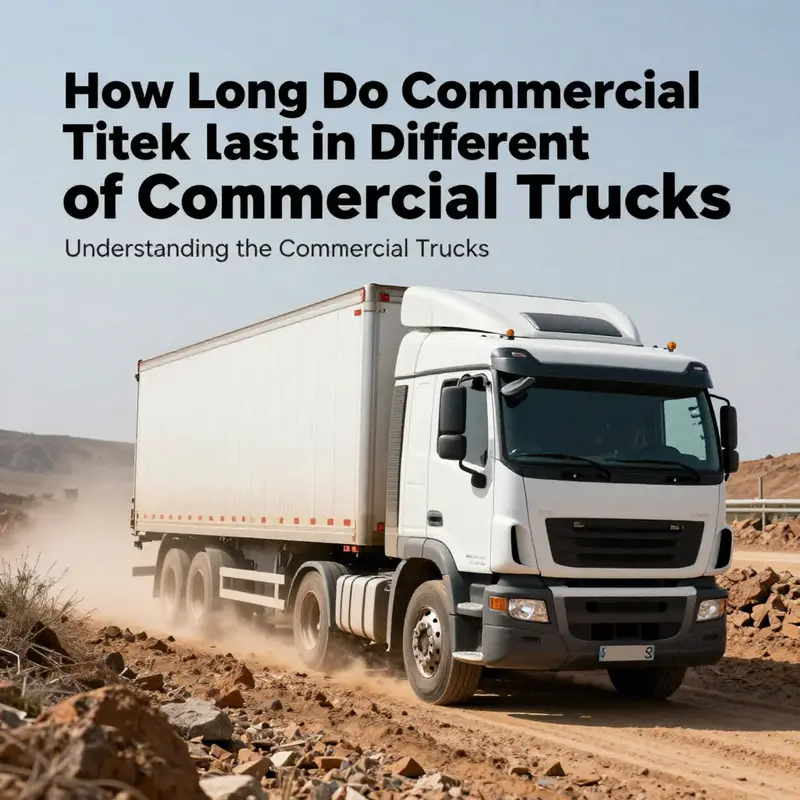
The lifespan of a commercial truck is shaped by miles, workload, climate, maintenance discipline, and duty cycles. For fleets that treat assets as strategic capital, the common shorthand of 10-15 years or roughly 750000-1000000 miles reads as a baseline rather than a ceiling. Longevity emerges when maintenance is proactive, driving patterns reduce stress, and the governance of the fleet aligns with the realities of the market and the road. Operating conditions are the main draft behind the narrative of durability. Trucks do not wear out at the same rate on a quiet highway as they do on a grinding inner-city route. On long-haul runs, a tractor-trailer spends hours at steady speeds, exerting a steadier load on the drivetrain, cooling system, and tires. The energy expenditure is high, but the mechanical stresses tend to be more predictable. In contrast, urban duty cycles force repeated accelerations and decelerations, with frequent idling, wheel torque variations, and rapid shifts in cadence that push brakes, transmissions, and exhaust aftertreatment components harder in shorter bursts. The result is a higher frequency of wear cycles than one might see on a straight highway, even if the total miles traveled is similar. This is where the moral of longevity becomes clear: total mileage matters, but the pattern of that mileage—how many stops, how many starts, how hot the engine runs, and how cleanly the air intake is kept—matters just as much, if not more. Maintenance practices play the leading role in translating that mileage and load pattern into actual years of service. A truck is not a set of components but a system that needs synchronized care. Regular servicing—oil changes aligned with mileage and time, timely replacement of filters, and precise attention to tire tread and inflation—keeps the engine and axle assemblies operating within designed tolerances. Preventive maintenance acts like a script in a play: it outlines the scenes where minor issues are addressed before they become major plot twists. When a fleet commits to a robust preventive maintenance program, the odds of unplanned downtime fall, and the vehicle’s ability to cover more miles without a major overhaul increases. The reliability of ancillary systems—cooling, lubrication, hydraulics, braking, and electrical subsystems—also improves when routine checks are practiced with discipline. This is where the driver’s role evolves from simply operating the truck to actively reporting anomalies, recognizing patterns, and working with maintenance teams to ensure that potential problems never reach a crisis point. The type of truck and the nature of its usage also cast a long shadow over longevity. Urban delivery fleets, for example, typically contend with a succession of start-and-stop cycles, heavy city braking, and tire and suspension wear from urban potholes and curbs. A vehicle designed for such rhythms will endure differently than a unit built for long, uninterrupted highway miles. Long-haul tractors, engineered for efficiency over thousands of miles with fewer rapid decelerations, accumulate wear in a more gradual fashion, yet they may encounter higher loads on the engine, turbocharger, and cooling system during peak periods. The nuanced reality is that a well-built, purpose-muited vehicle paired with the right maintenance cadence often yields more total life than a heavily utilized top-line model pushed to marginal operating limits. The driving pattern becomes a kind of metronome, dictating when components need the most attention and how frequently expensive overhauls might be postponed in favor of timely replacements of wear-prone parts. The modern commercial truck fleet benefits from advances in engine technology, materials science, and manufacturing precision. What once required frequent major overhauls now can be extended with improvements in efficiency, durability, and corrosion resistance. Better metallurgy, refined engine components, and advances in lubricants and aftertreatment systems help trim the rate of deterioration under the same workload. Yet these gains are not a universal shield; they work best when matched to disciplined maintenance and informed operating practices. The most durable fleets are the ones that embed longevity into their culture. They train drivers to smooth out power application, to anticipate and reduce harsh braking, and to identify potential issues at the earliest signs. They implement data-driven maintenance programs that monitor oil wear and coolant health, track brake usage, and flag tires when tread approaches critical thresholds. They also standardize parts and procedures so that replacements do not create variability that can compromise reliability. In this sense, longevity is as much about sustaining a culture of care as it is about the hardware itself. A key factor that intertwines with maintenance and usage is decision-making around retirement and replacement. Fleet managers constantly synthesize data on miles, downtime, maintenance costs, salvage values, fuel efficiency, and uptime. Each asset has a retirement profile that reflects not only its current condition but also the economics of keeping it in service versus replacing it with newer, potentially more efficient equipment. The calculus is not purely age-based; it weighs reliability metrics, the cost per mile of operation, and the downtime that an asset’s failure could entail for a customer schedule. A well-managed fleet treats a vehicle as a living asset—one that can accumulate many hundreds of thousands of miles if the operating environment, maintenance discipline, and driver behavior align toward efficiency and reliability. When fleets remain vigilant about this balance, they can push well beyond the simplistic 10-15 year range, and in certain cases surpass the million-mile milestone with minimal downtime. The reality, though, is that longevity is a function of many moving parts rather than a single metric. To understand that complexity more deeply, consider how market dynamics weave into the lifecycle of trucks. Age and mileage do not exist in a vacuum; they interact with the pace of new equipment introductions, financing terms, fuel prices, regulations, and the availability of service networks. A fleet facing reliable supplier support, stable maintenance contracts, and predictable replacement cycles may extract more life out of older assets than one stuck in a downturn or grappling with supply chain delays. The procurement side of the business—the timing of when to replace or refresh equipment and how to align it with trailer and axle groups—directly influences total cost of ownership and, ultimately, fleet longevity. In this sense, the path to extended life is as much a planning exercise as a maintenance discipline. When planning horizons anticipate future demand, anticipated retirements, and the cost of downtime, fleets can optimize the mix of on-road reliability and off-road durability, ensuring that assets remain productive beyond conventional mile thresholds. The narrative here also gains clarity when we anchor it to real-world data and lifecycle analyses. Researchers and practitioners increasingly rely on field data that captures performance across regions, climates, and duty cycles. Real-world fleet data reveal that a well-managed truck can operate with high uptime for a substantial portion of its life, and with careful scheduling, preventative maintenance, and timely interventions, it is possible to push beyond typical expectations. Data sets that compare hours of operation, miles logged, and days out-of-service across fleets highlight a consistent pattern: longevity improves when maintenance is timely, operations are stable, and the driving workforce is empowered with information about how to drive for durability. Conversely, when fleets push for aggressive utilization without commensurate maintenance investments, the risk of early failures increases, and the true cost of ownership can rise sharply. The practical implication is straightforward: durability is a function of PDCA—plan, do, check, act—applied to maintenance and operations in equal measure. Within this broader framework, it is also useful to reflect on the role of information in shaping longevity. The advent of telematics and fleet analytics has turned data into a kind of shared memory for the vehicle and the fleet. With sensors reporting oil temperatures, vibration patterns, brake wear, tire health, and coolant chemistry, maintenance teams can anticipate what might come next. This predictive capability translates into longer asset life by enabling timely interventions rather than reactive repairs. It also enables better asset allocation—matching the most suitable trucks with the most demanding routes—and reduces the likelihood that a vehicle will be kept in service past its optimal operating window. The pace of improvement in these systems continues to accelerate, turning aging assets into opportunities for learning and adaptation rather than simply liabilities that must be replaced. In the broader context of lifecycle planning, managers must weigh the implications of market dynamics on the pace of retirement and renewal. When the industry experiences tight capacity and rising replacement costs, fleets may be incentivized to push older equipment further, provided the reliability metrics support it. In looser markets, the economics may tilt toward earlier renewal, because newer equipment can deliver better uptime and fuel efficiency. This interplay between operating conditions, maintenance capability, and market conditions shapes the observed lifespans of commercial trucks. The figure that emerges from this synthesis is not a single line but a corridor: a range within which a well-run fleet can keep trucks on the road for many years if it treats durability as an operational principle rather than a byproduct of heavy use. The corridor itself narrows or widens with the quality of maintenance programs, the efficiency of driver training, the stability of the regulatory and economic environment, and the availability of replacement parts and service. A crucial yet often overlooked dimension is the durability of ancillary systems that support operation in challenging environments. Drivetrain reliability, cooling systems, and brake assemblies may set the pace for a vehicle’s useful life more than the engine alone. In regions with extreme temperatures, for instance, cooling systems and thermal management become critical survival components. In dusty or salt-laden environments, corrosion protection, seal integrity, and air filtration determine how long a vehicle remains viable on the road. The drivers, mechanics, and fleet planners who recognize these sensitivities can tailor maintenance schedules, spare parts inventories, and route planning to minimize the wear that harsh conditions impose. By doing so, they create a life story for each asset that transcends the simple arithmetic of miles and years—one that tells a tale of resilience built through deliberate, informed choices. The practical takeaway for any fleet aiming to maximize longevity is simple in principle, difficult in execution: integrate operating discipline with proactive maintenance and informed retirement planning. Start with a robust preventive maintenance program that aligns with manufacturer recommendations and usage patterns. Build a data-enabled picture of how each asset behaves, looking at trends in fuel efficiency, tire wear, brake usage, and engine temperatures. Use that picture to guide driver coaching, fleet scheduling, and parts procurement. And when it comes to replacement decisions, let the real-world performance data steer the timing rather than relying solely on calendar years or mileage thresholds. This approach does not promise a universal destiny for all trucks; it offers a pragmatic path to extend life where possible while preserving uptime and service quality for customers. For readers seeking a broader, data-backed frame that complements this operational view, industry resources provide empirical context on how fleets perform in the real world. A valuable external reference offers detailed lifecycle analyses derived from large-scale fleet operations, showing how commercial vehicles age under varied duty cycles and maintenance regimes. This perspective helps translate the everyday pressures of road life into actionable maintenance, replacement, and budgeting strategies that keep deliveries running and costs in check. To broaden the discussion with concrete data, consult the National Renewable Energy Laboratory’s fleet data and related analyses, which illuminate patterns across the landscape of commercial vehicle use and efficiency. NREL Fleet Data equips readers with a data-driven lens on how different operating conditions influence lifecycle outcomes in the real world. In addition, as you consider your own fleet’s trajectory, you may find it useful to explore related discussions on how procurement and operational decisions interact with market dynamics. For instance, the balance between asset replacement timing and the pace of trailer orders can influence margins and overall fleet health. A deeper look into how trailer orders affect truckload margins offers a perspective on how asset strategy intersects with market conditions, helping to frame longevity within a broader business context. Taken together, the trajectory of a commercial truck’s life under different operating conditions is a story of leverage: leverage from smart maintenance, leverage from disciplined driving, and leverage from strategic timing in replacement planning. The more a fleet can align these elements with the realities of the road—whether that road is long and straight through open country or twisting through congested urban streets—the more likely it is to extract maximum life from its assets. The numbers—10 to 15 years, 750000-1000000 miles—are signposts on a path shaped by conditions, decisions, and disciplined care. And as technology evolves and data become more integral to upkeep and planning, the horizon for longevity will continue to shift, offering even greater possibilities for fleets willing to invest in durable, reliable operations.
Final thoughts
Understanding the factors that impact the lifespan of commercial trucks allows fleet owners and logistics managers to make better operational decisions. Regular use, diligent maintenance practices, and awareness of varying operating conditions play pivotal roles in determining how long these vehicles can effectively serve in their intended roles. By prioritizing maintenance schedules and considering the unique challenges posed by different environments, companies can not only maximize the longevity of their fleet but also enhance overall productivity and cost-effectiveness.