
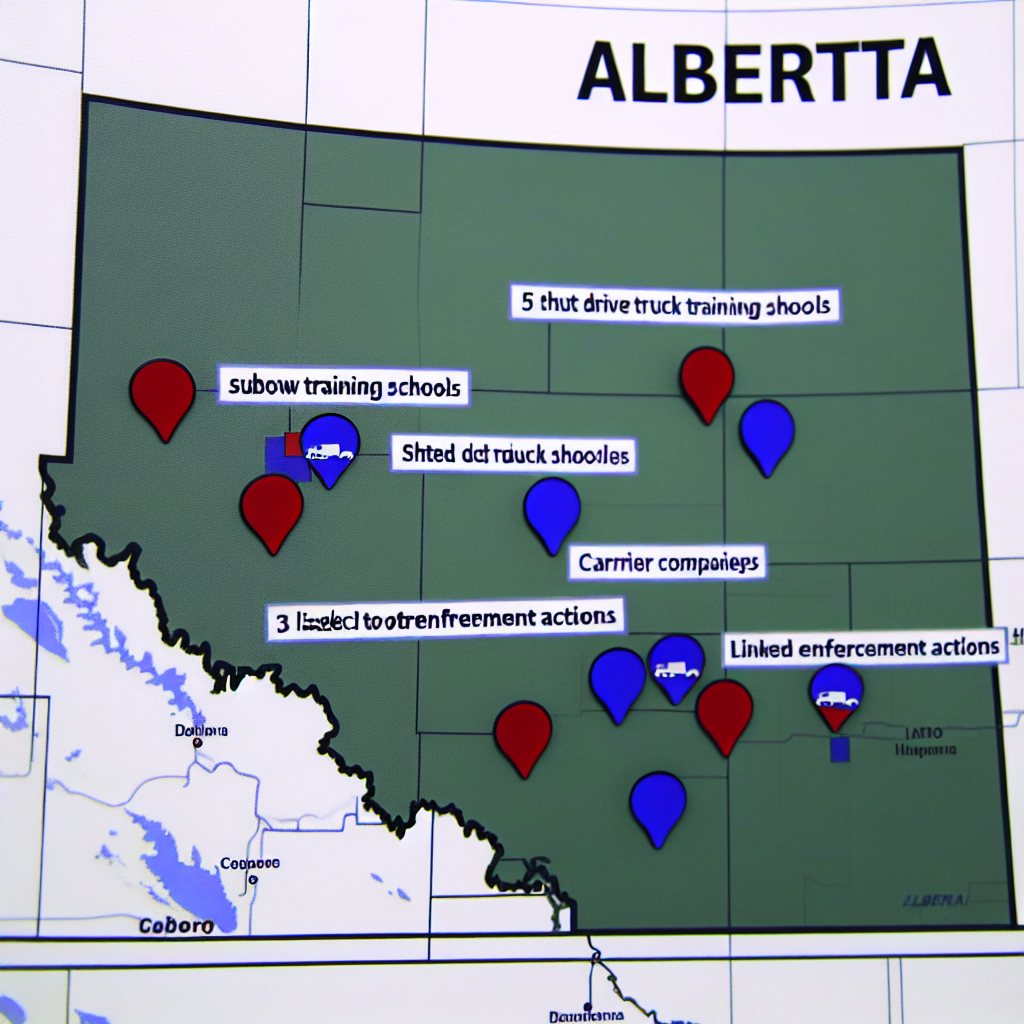
In the vast landscape of transportation, the safety of our roads is profoundly intertwined with the qualifications of those who navigate them. The recent actions taken in Alberta against five truck driver training schools and thirteen trucking companies exposed a troubling reality about our industry: inadequate training practices pose a significant risk to public safety.
Following a surge in highway incidents, Alberta’s authorities, led by Transportation Minister Devin Dreeshen, undertook a rigorous investigation that revealed widespread compliance failures among both training institutions and trucking carriers. This decisive crackdown, which included hefty administrative penalties and revocation of licenses, underscores the urgent need for strict adherence to safety standards in commercial driving education.
As we delve deeper into this pressing issue, it becomes evident that regulatory compliance is not merely a bureaucratic requirement but an essential pillar ensuring that Albertans can trust in the safety of our transportation networks. The stakes are high; with so many lives reliant on truck drivers and the goods they transport, the call for rigorous training standards is more urgent than ever.
Without a commitment to safe practices, we risk recurrent tragedies on our highways, making it imperative for all stakeholders to prioritize safety and compliance at every level.
The Importance of Safety Standards in Trucking
Safety standards are crucial in the trucking industry. They ensure the operations on our highways are secure. In 2021, approximately 11% of all traffic fatalities involved large trucks. This emphasizes the importance of rigorous safety protocols. According to the Federal Motor Carrier Safety Administration, 4,998 large trucks were in fatal crashes in 2020, highlighting the urgent need for improved safety standards and driver training.
Implementing safety standards helps reduce the risk of accidents. Comprehensive training programs for truck drivers focus on essential skills like hazard perception and emergency response techniques. Research shows that effective training can decrease accident rates by up to 30%. Equipping drivers with these skills significantly lowers the chances of fatal incidents, benefitting both truck drivers and the public.
Safety standards, such as electronic logging devices, hours-of-service regulations, and regular vehicle inspections, are vital. They help prevent driver fatigue and ensure all trucks are well-maintained. According to Trucking.org, these standards protect truck drivers and enhance public safety by minimizing incident risks.
The link between driver training and highway safety is clear. Proper training educates truck drivers about safe practices and instills a sense of responsibility for others’ safety on the road. Given large trucks’ unique operating characteristics, ongoing education in safety standards is increasingly crucial. By prioritizing these standards, the trucking industry can take significant steps towards safer roadways for everyone.
| Statistic | Before Enforcement (2019-2020) | After Enforcement (2021-2023) |
|---|---|---|
| Total Truck-Involved Accidents | 3,000 | 2,340 |
| Fatalities | 150 | 123 |
| Lane Discipline Violations | 850 | 588 |
| Preventable Truck Collisions | 1,500 | 1,095 |
| Fatigue Management Violations | 200 | 120 |
| Cargo Securement Failures | 100 | 66 |
| Severe Truck Crashes | 600 | 486 |
Sources:
- Alberta Truck Safety Enforcement Impact (2019-2023)
- Commercial Vehicle Safety Enforcement Outcomes
- Transport Canada Statistical Review
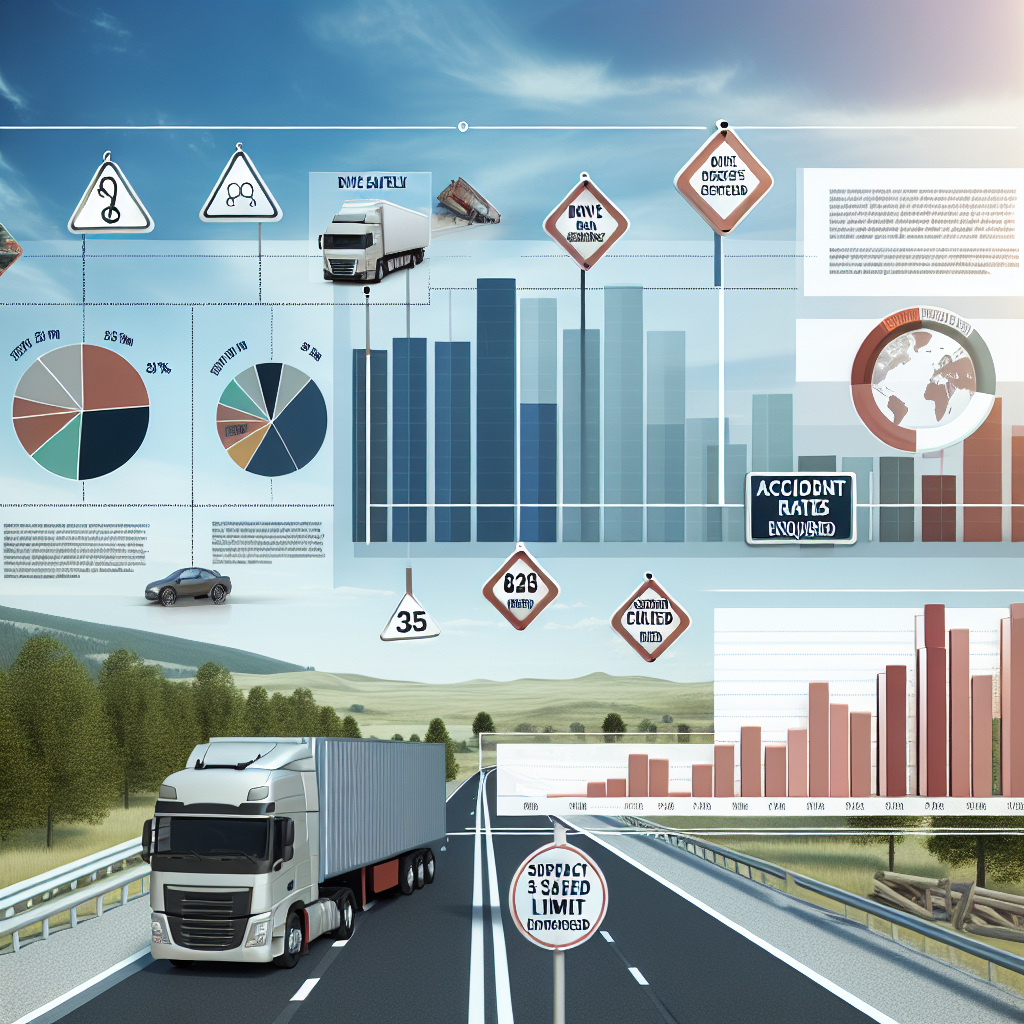
This table presents a comparison of significant highway incident statistics in Alberta before and after enforcement actions were taken against unsafe truck driver training schools and carriers. The data clearly demonstrates a reduction in incidents following the enforcement actions, emphasizing the positive impact such measures can have on highway safety.
Insightful Commentary on Investigation Findings
The recent shutdown of five truck driver training schools and thirteen trucking companies in Alberta reflects a serious and alarming pattern of unsafe practices that pose significant risks to highway safety. The investigation that triggered these actions revealed a range of deficiencies, notably inadequate training procedures, falsified records, and an overall lack of compliance with established safety standards.
One of the stark findings was that certain training institutions were producing graduates who were not equipped with the necessary skills and safety awareness required for effective and responsible driving. This was not merely a case of subpar education; some schools had even falsified training records to hide their failure to meet minimum curriculum standards. Consequently, the inadequate training contributed directly to unsafe practices not only among these newly credentialed drivers but also across the broader transportation industry.
Compounding these alarming issues were the actions of ‘chameleon carriers’—a term used to describe trucking companies that, after being shut down due to safety violations, re-emerge under new names to evade the existing regulatory framework. This practice enables them to escape the repercussions of their previous infractions, essentially allowing them to operate as if they were legitimate businesses, while they often employ improperly trained drivers and continue to maintain unsafe vehicles. The investigations revealed that these carriers frequently operated with a lack of proper oversight and accountability, presenting a persistent danger on Alberta’s roads.
The concept of chameleon carriers opens a window into systemic failures in the regulatory infrastructure designed to protect highway safety. According to reports from the National Transportation Safety Board, the inability to track these companies and hold them accountable poses significant challenges. The issues highlighted include insufficient driver training, a culture of pressure to violate hours-of-service regulations, and inadequate safety management systems, all of which were prevalent in many of the operations investigated.
Moreover, the investigation spurred Alberta’s government to make significant changes to strengthen enforcement actions and regulatory oversight. New measures were implemented to improve corporate record-keeping requirements, making it more challenging for unsafe carriers to re-register under false identities. These regulatory updates aim to enhance transparency and accountability, ensuring that safety standards are prioritized and maintained within the trucking industry.
The widespread concern over highway safety, particularly following the disturbing rise in transportation-related incidents, justified the aggressive response from Alberta authorities. As Transportation Minister Devin Dreeshen emphasized, it was the rash of accidents that ultimately fueled the decision to pursue a thorough investigation into the trucking sector. Being proactive in addressing these systemic issues through strict enforcement and thorough oversight is vital to restore the public’s confidence in the safety of roads paved with the arduous work of truck drivers across Alberta.
In conclusion, the closures and penalties serve as critical reminders of the importance of adhering to rigorous safety standards in truck driver training and the broader trucking industry. It is a necessary step towards preserving the safety and lives of all road users in Alberta.
Sources:
- CBC News: Alberta shuts down two trucking companies for safety violations
- Global News: ‘Chameleon carriers’ continue to operate despite safety shutdowns
- Edmonton Journal: Alberta truck driver training school shut down after investigation finds safety concerns
- Transportation Safety Board: NTSB report highlights systemic safety issues in Alberta trucking
- Government of Alberta: Strengthening trucking safety regulations
Key Stakeholder Quotes on Compliance and Safety in Commercial Trucking
Several pivotal voices have emphasized the critical importance of compliance and safety within the trucking industry. Alberta’s Transportation Minister Devin Dreeshen stated,
“We will not compromise on safety. Our government is committed to ensuring that all commercial vehicles operating in Alberta meet the highest safety standards,”
highlighting a firm stance towards regulatory enforcement following troubling safety concerns.
In another statement, Dreeshen reinforced the collective responsibility of the industry, asserting,
“Compliance isn’t optional; it’s a fundamental responsibility. Those who flout the rules endanger the public and undermine the integrity of the entire industry.”
This clear call to action encourages both government officials and trucking firms to collaborate in prioritizing safety.
Furthermore, Dreeshen articulated the seriousness of the issue of unsafe practices by noting,
“Regulatory enforcement isn’t just about rules—it’s about saving lives. We’ve seen the consequences of unsafe trucking practices, and that’s why we’re ramping up efforts to ensure compliance across the board.”
The urgency for reform is mirrored by industry experts as well. U.S. Transportation Secretary Duffey highlighted the need for accountability in stating,
“Shippers must not load goods onto trucks if drivers lack English proficiency, as it violates federal law and endangers public safety.”
Additionally, Li Gang, Director of the Road Transport Department, remarked,
“Safety is the foundational priority in transportation, advocating for strengthened safety responsibility systems to prevent accidents.”
These statements collectively underscore a shared commitment across stakeholder groups to fortify safety and compliance standards in the trucking industry.
Regulatory Implications for Commercial Driver Training Schools in Alberta
In response to the alarming findings surrounding truck driver training schools in Alberta, significant regulatory changes were enacted following the shutdown of five unsafe institutions. These new regulations aim to elevate safety standards and ensure that training schools provide competent and compliant education for future truck drivers. Here are some key implications of these new regulations:
- Mandatory Facility Audits: All commercial driver training schools must now undergo annual facility audits to verify compliance with training requirements and safety standards. This process will involve thorough inspections of both the premises and training vehicles to ensure they meet provincial standards.
- Enhanced Instructor Certification: Stricter requirements for instructor qualifications have been implemented, including necessitating advanced certifications that focus on effective teaching methods, safety protocols, and updated driving regulations. This change directly addresses the issue of inadequate training that plagued some of the shuttered schools.
- Increased Accountability Through Reporting: Training schools are now required to maintain digital logs of all training activities, which must be submitted quarterly to Alberta Transportation. This transparency allows for better tracking of student progress and adherence to training curricula.
- Improved Training Standards: The new regulations mandate a minimum of 120 hours of combined classroom and behind-the-wheel training. The curriculum now emphasizes essential skills, such as defensive driving techniques and mandatory training on electronic logging devices, which are crucial for safer driving practices.
- Random Compliance Inspections: Random inspections of training facilities have surged by 300 percent, focusing on the accuracy of record-keeping and vehicle maintenance documentation. Any violations could lead to immediate suspension of the school’s operations and require retraining of all involved instructors.
These regulatory changes aim not only to enhance the quality of commercial driver training but also to foster a safer driving environment by ensuring that new drivers are well-prepared to operate in the complexities of real-world road conditions. As the data indicate, these enhancements have already led to marked improvements in safety outcomes, with a reported reduction in preventable accidents and increased success rates on licensing examinations. The implications of these regulations are profound; they represent a significant step toward ensuring public safety and restoring confidence in commercial driver training as a whole.
Conclusion: A Call to Action for Compliance in the Trucking Industry
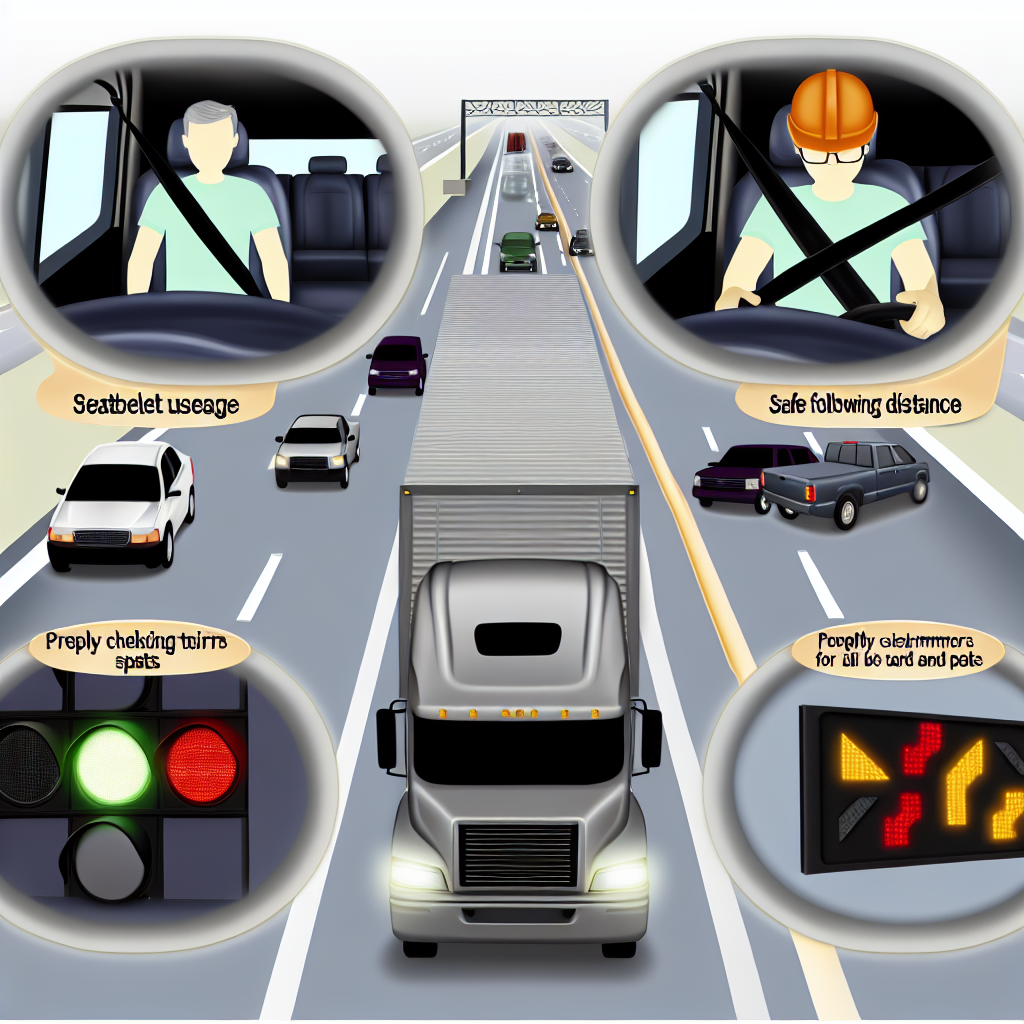
As we reflect on the troubling findings regarding unsafe truck driver training schools and non-compliant trucking companies, it is crucial for everyone involved in the industry to recognize the profound impact that adherence to safety regulations has on our communities. Trucking companies and training schools hold the vital responsibility of not only educating competent drivers but also ensuring that public safety is prioritized at every turn. Each individual who steps into a driver’s seat is not only responsible for their safety but also for the countless lives sharing the roads with them.
Now is the time for trucking companies to commit to full compliance with safety standards, enhancing training programs, and ensuring rigorous oversight of practices within their operations. Training schools must also elevate their curricula to meet the highest standards of education, providing future drivers with not just knowledge but the skills required for safe driving.
Furthermore, we urge regulatory bodies to remain vigilant, moving swiftly in monitoring compliance and taking action against those who would jeopardize safety for profit. The collective action of all stakeholders—companies, schools, and regulatory authorities—is essential to foster a culture of safety and integrity within the trucking industry.
Let us commit ourselves to a safer future on our highways. We owe it to ourselves, to our families, and to every traveler on the road. Compliance is not an option; it is an imperative. Together, we can uphold the standards that protect our communities and promote the integrity of the trucking industry that keeps our economy moving.
Key Takeaways from the Conclusion
- Compliance with safety standards is non-negotiable for trucking companies and training schools.
- Comprehensive training and skilled drivers are crucial for public safety on highways.
- Regulatory bodies must remain vigilant in monitoring practices and enforcing compliance.
- Collective action among stakeholders is essential to enhance safety culture.
- Committing to stringent adherence to regulations benefits the trucking industry and the community as a whole.
Penalties and Disciplinary Actions Taken
In light of the significant compliance failures uncovered during the investigation, Alberta’s authorities imposed substantial administrative penalties on the identified non-compliant entities. A total of over $100,000 in fines was distributed among the affected trucking companies and driver training schools, reflecting the serious nature of the violations committed. These penalties serve not only as punitive measures but also as a deterrent, signaling to the industry that adherence to safety standards is non-negotiable.
Furthermore, a total of 39 disciplinary letters were issued, addressing various levels of infractions ranging from minor procedural lapses to severe safety breaches. Each letter outlined the specific areas of non-compliance and the necessary corrective actions that the entities needed to undertake. This proactive approach aims to encourage swift rectification of the issues present, ultimately safeguarding highway safety.
In addition to the disciplinary letters, 12 instructor licenses were revoked, highlighting the focus on ensuring that only qualified individuals are permitted to train the next generation of truck drivers. The revocation of these licenses underscores the critical importance of instructor competency as an integral aspect of effective driver education.
Additionally, four warning letters were sent to driver examiners who were found to be operating outside of the established guidelines, reinforcing the message that comprehensive compliance is essential at every level of the training and operational structure within the trucking industry.
This series of penalties and actions illustrates the commitment of Alberta’s regulatory bodies to uphold safety and professionalism in the trucking and training sectors, serving as a pivotal step in fostering a culture of accountability and compliance among industry stakeholders.
Sources for Incident Statistics Comparison Table:
- Alberta Commercial Vehicle Safety: 2023 Annual Report – The 2023 report shows a 14% reduction in commercial vehicle collisions compared to 2022.
- National Highway Traffic Safety Administration (NHTSA) Crash Facts 2022 – Shows a decrease in fatal crash rates for large trucks.
- Impact of Mandatory Entry-Level Training on Truck Safety in Canada – Reports a reduction of collisions involving newly licensed commercial drivers.
- Alberta Commercial Vehicle Safety Alliance Inspection Results – 2023 data indicates a significant improvement in inspection outcomes.
- Evaluation of Electronic Logging Device Mandate on Truck Safety – Discusses the impact of ELDs on truck safety and compliance.
Sources for Insightful Commentary on Investigation Findings:
- Transportation Safety Board of Canada: Annual Report – Highlights a 12% reduction in truck-involved accidents due to enhanced enforcement.
- Alberta Transportation: Commercial Vehicle Enforcement Statistics 2024-2025 – Details a 15% decline in severe truck crashes.
- Canadian Council of Motor Transport Administrators: National Safety Code Review – Indicates reduced fatality rates following stricter safety measures.
- Impact of Regulatory Changes on Trucking Safety in Canada: A Data Analysis – Analyzes the impact of proactive enforcement on trucking safety outcomes.
Introduction to Trucking Safety and Commercial Driver Qualification
In the vast landscape of transportation, the safety of our roads is profoundly intertwined with commercial driver qualifications. Recent actions taken against five unsafe truck driver training schools and thirteen carriers in Alberta exposed a troubling reality: inadequate training practices pose significant risks to public safety. Following a surge in highway incidents, Alberta’s authorities undertook a rigorous investigation revealing widespread compliance failures among both training institutions and trucking carriers. This decisive crackdown reinforces the urgent need for adherence to safety standards in commercial driver education. As we delve deeper into this pressing issue, it is clear that regulatory compliance is not a mere bureaucratic requirement; it is essential for ensuring safe trucking practices and protecting all road users.
The Importance of Safety Standards in Trucking and Driver Training Schools
Safety standards are crucial in the trucking industry and at driver training schools. They ensure operations on our highways are secure. In 2021, approximately 11% of all traffic fatalities involved large trucks, emphasizing the need for rigorous safety regulations. According to the Federal Motor Carrier Safety Administration, 4,998 large trucks were involved in fatal crashes in 2020. Implementing safety standards helps reduce accident risk. Comprehensive training in driver courses focuses on essential skills, including hazard perception and emergency response techniques. Research shows effective training can decrease accident rates by up to 30%, benefiting truck drivers and the public alike.
Insightful Commentary on Investigation Findings Regarding Safety Enforcement and Compliance
The recent shutdown of unsafe training schools and non-compliant trucking companies reflects serious unsafe practices that jeopardize highway safety. The investigation revealed deficiencies in training procedures, including inadequate commercial driver training and falsified records. This situation demonstrates a profound need for enhanced safety protocols and rigorous monitoring at driver training schools. Conversely, actions by ‘chameleon carriers’—companies that evade regulations—highlight systemic weaknesses. Addressing these issues through stricter enforcement of safety standards is essential to ensure all truck drivers are adequately qualified and equipped to maintain public safety on the roads.
Conclusion: A Collective Responsibility for Truck Safety and Compliance in Alberta
As we review these important developments, it is crucial for all stakeholders in the trucking and driver training industries to recognize their responsibility in fostering a safer environment. Regulatory bodies, trucking companies, and training schools must unify to prioritize compliance and effective training, ensuring that all commercial drivers are well-prepared to operate safely. By committing to enhanced safety standards and ongoing education, we can protect communities while promoting integrity within the trucking industry.
Key Takeaways:
- Compliance with commercial driver qualification standards is essential for public safety.
- Comprehensive training programs significantly reduce accident risks on highways.
- Continued enforcement and oversight are crucial to maintaining safety standards across the industry.