
The Truckload Carriers Association (TCA) is holding its annual Bridging Border Barriers meeting. This event takes place on November 19 in Mississauga, Ontario. It is important for stakeholders in the trucking industry.
The meeting will cover key issues related to cross-border transportation. Regulatory updates will be discussed, along with industry risks and economic trends impacting trucking. Attendees will gain valuable insights to help navigate the challenges in cross-border trade.
Additionally, the meeting will facilitate networking among key players in the trucking community. This is crucial for optimizing operations and ensuring compliance in a regulated environment.
Agenda and Key Speakers
The Truckload Carriers Association’s Bridging Border Barriers meeting is scheduled for November 19 in Mississauga, Ontario. This vital event will convene key stakeholders in the trucking community to address critical cross-border and regulatory issues impacting the industry. The agenda will include updates on regulatory changes, discussion of industry risks, and insights into prevailing economic trends affecting the trucking sector.
Key Speakers
-
David Heller, Senior Vice President of Safety and Government Affairs, Truckload Carriers Association
David Heller will present a government affairs update that focuses on federal regulations relevant to the trucking industry. He is well-equipped for this role, having been with TCA since 2005 and adept at communicating vital information on trucking-related regulations to members and congressional representatives. His extensive background includes developing responses to industry mandates and providing technical support on federal motor carrier safety regulations. Heller’s insights into the regulatory landscape will be crucial for attendees seeking to navigate the complexities of compliance and safety in trucking.
-
Arun Rebello, TD Bank
Arun Rebello, representing TD Bank, will provide an economic update on the conditions shaping the trucking industry. Although specific biographical details were not readily available, industry context reveals that economic factors such as high tariffs, labor shortages, and fluctuating fuel prices have significantly impacted trucking operations. Rebello’s insights will likely address these challenges, helping attendees understand the financial landscape and make informed operational decisions in their businesses.
The discussions led by these key speakers, along with networking opportunities, will be instrumental in equipping participants with knowledge and strategies to address ongoing industry challenges.
Visual depiction of the TCA meeting agenda emphasizing critical discussions.
The event will focus on cross-border issues, regulatory updates, industry risks, and economic trends. These themes signify the meeting’s importance as stakeholders seek to address and understand the complexities shaping the trucking industry.
Cross-Border Issues Facing the Trucking Industry
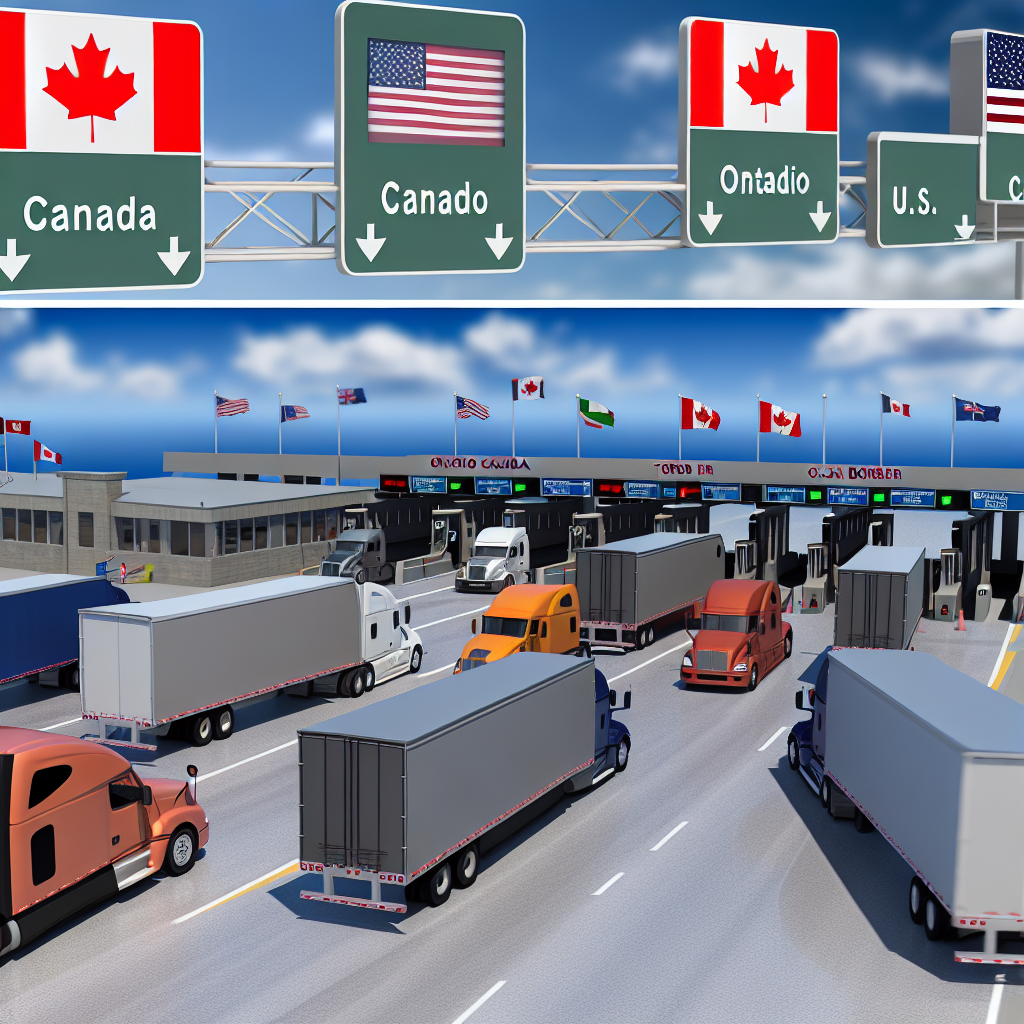
The trucking industry is currently confronting a myriad of cross-border issues that significantly impact both regulatory compliance and overall operations. These complexities stem from various factors ranging from evolving customs regulations to infrastructure challenges, creating a daunting backdrop for industry stakeholders in cross-border logistics.
Regulatory Compliance Challenges
One of the most pressing challenges for cross-border trucking is maintaining compliance with the multiple and often conflicting sets of regulatory standards imposed by different countries. Each nation has distinct customs procedures and trucking tariffs that can complicate the transport of goods. For instance, more than 73% of product categories in cross-border shipments are subjected to tariffs, impacting shipping costs and logistics planning. A 2025 report by ePost Global emphasizes that rising customs complexities often lead to delays in shipments, necessitating robust compliance management strategies in the face of increasing regulatory scrutiny.
Moreover, compliance costs have escalated significantly. According to a recent survey by Fleetworthy, 96% of trucking companies reported needing to cut costs in other areas to accommodate compliance expenses. The financial burden has resulted in 35% of owner-operators considering ceasing operations altogether due to compliance-related pressures.
Operational Challenges
In tandem with compliance issues, operational challenges are exacerbated by factors such as infrastructure limitations and tariff-induced rate fluctuations. For example, as new tariffs were announced in early 2025, cross-border trucking rates surged significantly. Spot rates from the U.S. to Canada for dry vans and refrigerated trucks jumped 18% and 35%, respectively. This unpredictability complicates financial management and can lead to potential losses if not navigated well.
Poor infrastructure at the borders is another vital operational issue. Many border crossings lack modern facilities, leading to long wait times and disruptions in delivery schedules. Adequate investment in infrastructure is needed to alleviate some of these inefficiencies that not only affect the speed of transport but also operational costs due to increased maintenance requirements from navigating poor road conditions.
Security and Driver Shortages
Furthermore, security concerns compound the operational landscape. The threat of cargo theft is prevalent, with cargo trucks often targeted due to their valuable loads. In addition, the trucking industry is grappling with a significant shortage of qualified drivers, which places additional strain on logistics and can lead to delivery delays, further complicating operational planning.
Expert Insights
Industry experts have echoed these concerns, stating the critical need for trucking companies to adapt quickly to the ever-changing landscape. Chris Spear, President of the American Trucking Associations, noted that tariffs alone could increase truck prices by as much as $35,000. This financial strain underscores the necessity for the trucking industry to stay ahead of regulatory changes and improve operational strategies.
Overall, the combination of regulatory compliance challenges, operational inefficiencies, and security concerns has created a multifaceted set of obstacles for the cross-border trucking sector. Stakeholders must remain vigilant and adaptable to continue thriving in this complex environment.
| Jurisdiction | Key Regulatory Challenges | Insights from Previous TCA Meetings | Expected Updates in Upcoming Meeting |
|---|---|---|---|
| United States |
|
|
|
| Canada |
|
|
|
Economic Updates Impacting the Trucking Industry
Recent insights gathered from various analyses reveal significant economic trends affecting the trucking industry, particularly in the realm of cross-border trade. Arun Rebello’s update at the Truckload Carriers Association meeting emphasizes both the opportunities and challenges that the sector faces due to these economic parameters.
Trade Volume and Growth
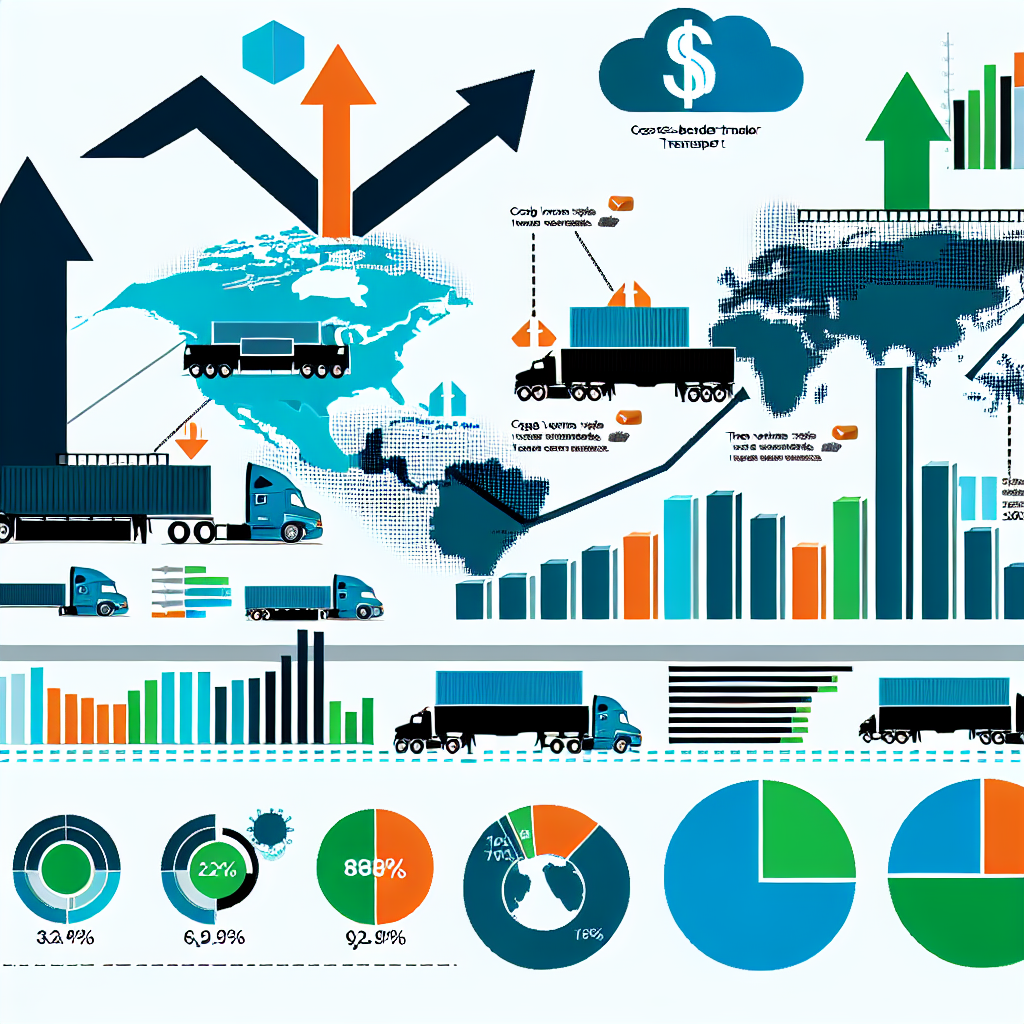
In 2023, trade volume between the U.S., Canada, and Mexico reached $1.57 trillion, with trucks responsible for the majority, transporting goods worth nearly $996.4 billion. This highlights the trucking sector’s vital role in facilitating cross-border commerce. Notably, trucking experienced a year-over-year increase of approximately 5% in cross-border freight values by November 2024, marking a growth streak that has persisted for the past 33 months. This resilience signals an ongoing robust demand despite looming challenges.
Tariffs and Supply Chain Pressures
The introduction of new tariffs in early 2025 has created immediate pressure on trucking operations, causing spikes in shipping rates by as much as 35% for certain goods. Experts highlight that while there was a surge in shipments ahead of the tariffs, a deeper analysis reveals a potential decrease in demand, particularly from manufacturing sectors. This dual nature of tariff impacts adds a layer of strategic uncertainty for trucking companies as they navigate their pricing and supply chain processes.
Labor Shortages and Nearshoring Trends
Additionally, workforce constraints remain a formidable challenge, with trucking companies reporting substantial driver shortages. This issue has been exacerbated by rising operational costs driven by tariffs, thus leading to increased turnover rates among drivers. As companies look towards nearshoring—relocating production closer to the U.S.—Mexico is becoming an increasingly crucial manufacturing hub. In 2024, the value of freight transported by trucks between the U.S. and Mexico rose by approximately 6%, reflecting this shift in manufacturing strategy.
These economic updates underscore the interconnected nature of trade policies, demand fluctuations, and operational challenges that will be instrumental in shaping the future of the trucking industry.
Conclusion: Key Insights and Call to Action
The Truckload Carriers Association’s Bridging Border Barriers meeting has highlighted several critical insights essential for navigating the complexities of cross-border transportation and regulatory compliance. A significant takeaway from this gathering is the importance of collaboration among industry stakeholders. As the trucking sector grapples with diverse regulatory challenges and operational issues, it is increasingly evident that cooperative initiatives and shared strategies will be crucial for overcoming barriers.
Several topics discussed underscored the need for a unified approach in addressing regulatory standards, compliance costs, and infrastructure deficiencies. The attendance of key speakers provided valuable perspectives on navigating federal and provincial regulations, emphasizing that staying informed about changes is paramount to achieving compliance and operational excellence.
Moreover, the discussions surrounding economic updates pointed towards the necessity of adaptable strategies in response to shifting trade dynamics and tariff impacts. Engaging in continuous dialogue with fellow industry participants can foster an environment where knowledge is shared, and collaborative efforts are made to tackle pressing issues collectively.
In light of the discussions at the meeting, David Heller, Senior Vice President of Safety and Government Affairs at TCA, remarked, “One of the most important things that we in the industry need to start talking about is zero-emissions vehicles… the reality is the rules are, realistically, a cart-before-the-horse scenario.” This quote encapsulates the urgency for industry stakeholders to address not only compliance but also innovative solutions that align with evolving regulations and expectations.
As we prepare for further discussions at the upcoming event, we encourage all stakeholders to remain engaged and proactive. Your participation is vital in shaping a more resilient trucking community that can adeptly navigate the intricate landscape of cross-border trade and regulatory compliance. Let us work together to turn insights into action and drive positive change in the industry.
Related Topics for Further Reading
Here are several resources focusing on autonomous vehicles, safety regulations, and infrastructure funding within the trucking industry, particularly aligned with the Truckload Carriers Association’s (TCA) focus areas:
-
Fleet Safety: The Human + AI Synergy
This event discusses the integration of artificial intelligence (AI) in fleet safety, emphasizing the importance of balancing AI with human intelligence to enhance safety and compliance in the trucking industry. (February 27, 2025) -
Driver Privacy and AI Fleet Video
This session explores the balance between utilizing AI-driven fleet cameras for safety and addressing driver privacy concerns, including legal frameworks and strategies to protect fleets from privacy-related litigation. (March 6, 2025) -
TCA’s Position on Vehicle Miles Traveled Tax (VMT)
TCA supports an increased fuel tax, coupled with indexing the tax to inflation, to increase revenue for the Highway Trust Fund. They also recognize the potential of a vehicle miles traveled tax (VMT) as an alternative taxation method to address future revenue shortfalls due to the growing use of electric and fuel-efficient vehicles. -
AMERICA DRIVES Act Aims to Regulate Autonomous Freight Trucks Across the U.S.
The AMERICA DRIVES Act proposes a federal framework for autonomous commercial trucking, allowing Level 4 and Level 5 automated trucks to operate across state lines without human drivers, aiming to standardize regulations and address safety and public health concerns. (August 27, 2025) -
Control of Connected and Automated Vehicles: State of the Art and Future Challenges
This paper introduces a control and planning architecture for connected and automated vehicles (CAVs), surveying existing algorithms and identifying future challenges, with a focus on improving energy efficiency and enhancing cooperation through vehicle communication. (April 11, 2018)
These resources provide insights into the integration of autonomous technologies, safety regulations, and infrastructure funding strategies pertinent to the trucking industry and TCA’s focus areas.
Recent Developments on Tariffs Impacting U.S.-Canada-Mexico Trade:
- US truck makers look for cover as Trump’s tariffs raise costs, Published on Tuesday, August 26
- Tariff deadline set off spike in cross-border trucking rates, data shows, Published on Thursday, March 06
- Study finds Trump’s 25% auto tariffs could cost US automakers $108 billion, Published on Thursday, April 10
- US farmers face higher costs, fewer markets from tariffs, farm groups warn, Published on Tuesday, March 04
- The High Economic Cost of Proposed Tariffs on Imports from Canada and Mexico.
| Category | Statistic | Trend |
|---|---|---|
| Cross-Border Trade | $1.57 trillion | Trade volume between U.S., Canada, and Mexico in 2023. |
| Trucking Value | $996.4 billion | Value of goods transported by trucks in cross-border trade. |
| Yearly Growth | 5% | Year-over-year increase in cross-border freight values by November 2024. |
| Tariff Impact | Up to 35% increase in shipping rates | Immediate spike in rates due to new tariffs in early 2025. |
| Driver Shortage | Significant shortage | Ongoing issue affecting trucking companies, exacerbated by rising operational costs. |
| Compliance Challenge | 96% facing increased costs | Trucking companies reporting the need to cut costs in other areas to meet compliance. |