
As industries across Canada grapple with an aging workforce and a growing demand for skilled labor, the Trucking HR Canada Student Work Placement Program emerges as a beacon of hope and opportunity. This innovative initiative not only connects students with invaluable real-world experience but also enriches the trucking sector with fresh talent and diverse perspectives.
Since its inception, the program has funded over 1,600 placements, showcasing the transformative power of practical learning. By participating in the Trucking HR Canada Student Work Placement Program, students are not just entering the workforce; they are stepping into a future filled with potential, mastering essential skills like problem-solving, teamwork, and adaptability.
As we explore the profound impact of this program, it becomes evident that it serves as a crucial bridge between education and employment, nurturing the next generation of industry leaders while simultaneously addressing the critical skill gaps in the trucking landscape. This initiative also highlights the importance of filling trucking job vacancies and engaging young talent in trucking, ensuring that the industry continues to thrive amid the changing workforce dynamics.
Benefits for Students Participating in the Trucking HR Canada Student Work Placement Program
Participating in the Trucking HR Canada Student Work Placement Program offers students various benefits that greatly enhance their careers. Through this program, students develop essential skills and gain valuable experiences that prepare them for exciting careers in the trucking industry.
Some key benefits include:
- Expanded Professional Networks: About 85% of students reported expanding their professional network, which helps with future job opportunities and career growth.
- Skill Development: Around 90% of students observed improvements in important skills like problem-solving, teamwork, independence, and adaptability, all of which are crucial in today’s job market.
- Real-World Experience: Gaining hands-on experience helps students understand what it’s like to work in the trucking sector, making them more competitive job candidates.
- Increased Employability: More than 80% of companies surveyed are open to hiring their placement students for future positions. This significantly boosts participants’ chances of finding jobs after the program.
- Financial Support: The program has provided over $8 million to employers, enhancing job roles for students, which may include stipends or allowances.
- Addressing Workforce Gaps: Since 29% of trucking employees are 55 or older, this program is essential for training younger generations to fill the upcoming workforce gap.
Comparison of Benefits: Student and Employer Perspectives
| Benefit | Student Perspective | Employer Perspective |
|---|---|---|
| Skill Improvements | 90% reported enhancement in various skills | Employers see a fresh skill set being introduced |
| Job Offers | 80% of students likely to be hired post-placement | More than 80% of employers would consider hiring students for future roles |
| Overall Satisfaction | High satisfaction reported due to real-world experience | Employers express satisfaction with the enthusiasm and innovation brought by students |
| Networking Opportunities | 85% reported expanded professional networks | Employers gain potential future hires and save time on recruitment |
| Financial Support | Beneficiary of over $8 million in employer subsidies | Reduced hiring costs due to program funding |
This table highlights the dual benefits realized from the Trucking HR Canada Student Work Placement Program, showcasing the value it brings not only to students but also to employers who are keen to engage with a new generation of professionals.
Advantages for Employers Engaging in the Trucking HR Canada Student Work Placement Program
Employers participating in Trucking HR Canada’s Student Work Placement Program (SWPP) have reported significant benefits from hiring students, particularly in terms of their willingness to employ these individuals and the advantages of integrating fresh talent into the trucking industry.
A recent impact report indicates that over 80% of surveyed companies would consider hiring their student placements for future roles. Employers have praised the creativity and fresh ideas that students bring, along with stronger ties to post-secondary institutions. One employer noted, “By tapping into this rich pool of young talent, we not only infuse our business with a steady stream of innovative ideas but also benefit from the fresh perspectives they bring to the table.“
Since 2021, the SWPP has facilitated over 1,600 student placements across more than 250 employers, with more than $8 million disbursed to support these initiatives. This program has been instrumental in building a pipeline of young talent, addressing the industry’s aging workforce—29% of trucking employees are 55 or older—and preparing for projected labor shortages, with over 40,000 trucking and logistics jobs expected to be vacant by 2030.
Financial incentives are a key component of the program, offering employers up to $7,000 per student to offset hiring costs and provide valuable work-integrated learning opportunities. This support has enabled employers to introduce a new generation to trucking and logistics as attractive, progressive career options.
Overall, the SWPP has proven to be a critical strategy for sustaining Canada’s freight economy by equipping students with practical, job-ready skills and strengthening the capacity of Canadian businesses to grow and innovate.

Workforce Aging Trends in the Trucking Industry
The trucking industry is facing significant challenges due to workforce aging, with 29% of employees now aged 55 or older. This demographic trend has led to a growing concern regarding the sustainability of the industry and its ability to meet future demands. In the United States, the average age of truck drivers is reported to be 47 years, contributing to a notable driver shortage that is currently estimated at around 80,000. Projections indicate that this shortfall could double, exceeding 160,000 drivers by the year 2030.
Similarly, in Canada, similar patterns are emerging as well. Trucking HR Canada warns that the industry could see over 40,000 job vacancies by 2030. Among these vacancies, nearly 10,800 are anticipated to be specifically for truck-driving positions. This situation is exacerbated by the fact that 32% of Canadian truck drivers were over the age of 55 as of 2019.
Efforts to attract younger individuals into the trucking profession are currently underway. However, obstacles persist, including legal and insurance hurdles. Federal regulations prohibit drivers under 21 years of age from operating across state lines, while insurers frequently impose surcharges on drivers under the age of 25. These barriers complicate the industry’s recruitment of younger talent, which is essential for replenishing its aging workforce.
In conclusion, addressing the challenges associated with an aging workforce is crucial for the trucking industry’s sustainability. Ensuring a steady influx of new drivers is not only vital for the industry’s growth but also for maintaining the economic stability of goods transportation and supply chains.
Trucking Job Vacancies
| Job Title | Projected Vacancies by 2030 | Average Salary | Common Skills Required |
|---|---|---|---|
| Truck Driver | 10,800 | $50,000 | Safe driving, Time management |
| Logistics Coordinator | 5,000 | $60,000 | Organization, Communication |
| Warehouse Manager | 7,000 | $70,000 | Leadership, Inventory management |
| Fleet Manager | 3,500 | $80,000 | Management, Problem-solving |
| Heavy-Duty Mechanic | 4,000 | $65,000 | Technical skills, Attention to detail |
This table illustrates the anticipated job vacancies in the trucking industry by 2030, highlighting various positions and requirements for potential candidates.
Conclusion
The Trucking HR Canada Student Work Placement Program has emerged as a transformative force within the trucking industry, profoundly benefiting both students and employers. By connecting over 1,600 students with practical work experiences since 2021, the program has allowed students to expand their professional skills, broaden their networks, and increase their employability in a rapidly evolving job market. The impressive statistics, such as 90% of students reporting enhanced problem-solving and teamwork skills, underscore the program’s effectiveness in preparing a capable workforce.
On the employer side, the influx of young talent has brought innovative ideas and fresh perspectives, as highlighted by reports where over 80% of employers expressed interest in hiring their placement students. This symbiotic relationship not only addresses the pressing issue of workforce aging—with nearly 30% of employees currently 55 or older—but it also lays the groundwork for a sustainable future in the trucking sector.
Looking ahead, the Trucking HR Canada Student Work Placement Program represents a proactive approach to mitigating labor shortages projected to affect the industry in the coming years. As more students enter this vital sector, we can anticipate a rejuvenated workforce equipped with the necessary skills and knowledge to thrive. The optimism surrounding this initiative reaffirms confidence in the sustainable growth of careers in trucking, ultimately benefiting the entire economy that relies on efficient transportation and logistics services.
Financial Aspects of the Trucking HR Canada Student Work Placement Program
The financial component of the Trucking HR Canada Student Work Placement Program plays a pivotal role in its success and sustainability. Since its launch, over $8 million has been disbursed to employers participating in the program. This substantial financial investment supports the hiring of students, helping employers to offset costs associated with onboarding and training new talent.
The funding is particularly beneficial for companies looking to adapt to the evolving landscape of the trucking industry. Not only does it help businesses alleviate some of the financial burdens of hiring students, but it also encourages them to invest in the next generation of workers. Through this program, employers can receive subsidies of up to $7,000 per student, which serves as a strong incentive to bring young talent into their organizations.
By leveraging these financial resources, companies are better positioned to take risks on inexperienced workers, ultimately leading to the infusion of fresh ideas and innovation within their teams. Furthermore, the program’s support fosters a culture of learning and development, where students can gain hands-on experience while being compensated for their contributions.
This economic backing is essential in an industry facing significant challenges, particularly those related to an aging workforce. As heavy investments in youth talent are made, employers can not only prepare for the future workforce requirements but also aid in diminishing the current labor shortages anticipated in the trucking sector.
In summary, the financial aspects of the Trucking HR Canada Student Work Placement Program are integral to its operation, providing necessary support to employers while facilitating opportunities for students to establish meaningful careers in the trucking industry.
Supporting Statistics for the Financial Aspects of the Trucking HR Canada Student Work Placement Program
To better understand the financial implications of the Trucking HR Canada Student Work Placement Program, several important statistics reflect the program’s funding and impact on the workforce:
-
Total Funding Disbursed: Since its launch, over $8 million has been provided to over 250 employers, supporting 1,670 student placements across Canada. This financial backing is instrumental for companies looking to onboard new talent.
Source -
Financial Incentives for Employers: Employers can receive up to $7,000 per student placed through the program, significantly offsetting the costs associated with hiring and training new workers. This funding encourages businesses to adopt a proactive approach to integrating younger talent.
Source -
Satisfaction Rates: According to reports, 93% of students expressed satisfaction with their placements, while 87% felt better prepared for employment in their respective fields, illustrating the program’s efficacy in enhancing students’ work readiness.
Source -
Employer Feedback: An impressive 90% of employers reported satisfaction with their student hires, and 82% indicated a strong likelihood of considering these students for future roles, showcasing the positive impact of the program on employment opportunities.
Source
These links and statistics not only validate the funding claims within the program but also underscore its significance in supporting both students’ entry into the job market and employers’ needs for fresh talent.
Quotes from Participants in the Trucking HR Canada Student Work Placement Program
Student Testimonials
-
Aman Minhas, Co-op Student at Light Speed Logistics:
“They’ll actually take feedback into consideration and make changes for the better of the program. There are always new challenges to solve on a daily basis.”
-
Anonymous Student from the Program:
“The real-world experience I gained helped build my confidence and prepared me for my career. I feel more employable now!”
Employer Testimonials
-
Rob Aronson, Programs Lead at Light Speed Logistics:
“The new generation tends to be more entrepreneurial and innovative, so they bring that mindset which is needed for a growing company. I am impressed by his enthusiasm and how he’s really rolled up his sleeves. He’s taking it more than seriously.”
-
Anonymous Employer Participant:
“By tapping into this rich pool of young talent, we not only infuse our business with a steady stream of innovative ideas but also benefit from the fresh perspectives they bring to the table.”
These quotes highlight the transformative experiences gained through the Trucking HR Canada Student Work Placement Program, emphasizing the mutual benefits for both students and employers.
Trucking HR Canada Student Work Placement Program Statistics
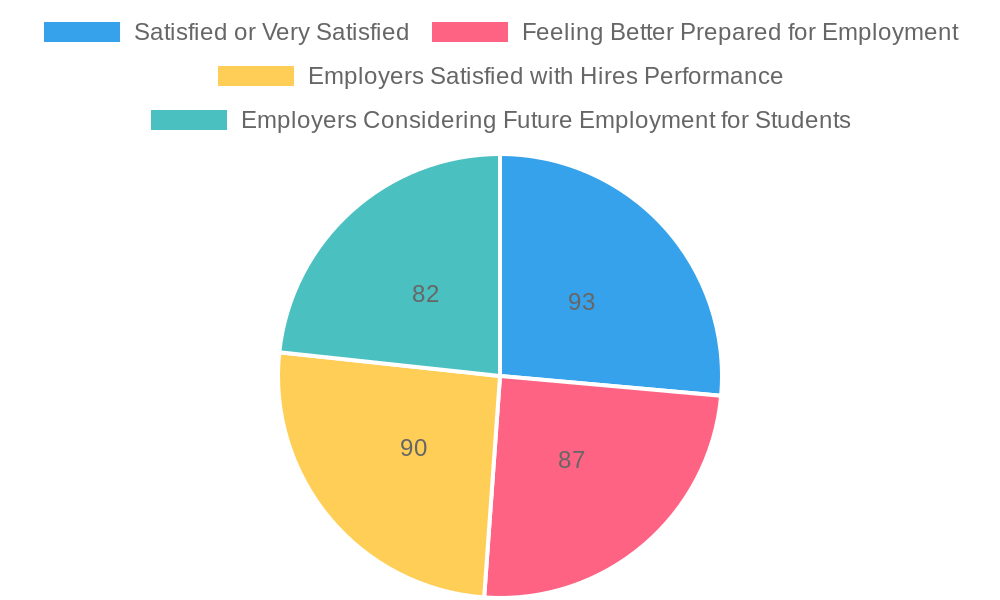
In summary, key statistics related to the Trucking HR Canada Student Work Placement Program include the following:
- Number of Student Placements: 1,670 funded placements since 2021 across more than 250 employers.
- Financial Investment: Over $8 million disbursed to support placements, employers receiving up to $7,000 per student.
- Student Satisfaction: 93% of students reported satisfaction with the program, and 87% felt better prepared for employment.
- Skill Improvements: Over 90% noted enhancements in problem-solving, teamwork, independence, and adaptability.
- Employer Feedback: 90% of employers are satisfied with student performance, with 82% considering hiring students for future roles.
- Projected Job Vacancies: Over 40,000 positions in the trucking industry are expected to be vacant by 2030.
Transition Paragraph
This paragraph serves as a bridge between sections, providing a smooth transition.