
Introduction
In the changing world of the trucking industry, 2024 is an important year because of a key event: Trucking Employment Stabilization. This stabilization is not just a sign of recovery; it is a sign of hope amidst the job insecurity that has troubled the sector in recent years. Significant job losses have been noted, especially in December 2024.
Now, the industry is at a crossroads. Many companies have had to rethink their strategies, creating a cautious optimism that the worst may be behind us. As freight conditions improve, the possibility for job growth is promising. This article looks at the factors that are contributing to trucking employment stabilization and discusses what this means for the future of this crucial sector in the economy. The path back to strong employment levels is important not just for job seekers but also for the overall health of the economy.

Analyze and summarize user adoption data
In 2024, the trucking industry faced a complex set of challenges marked by considerable job losses and variable unemployment rates. Notably, 800 trucking jobs were reported lost in December 2024 alone, coinciding with over 42,000 fewer truckers employed since the peak in July 2022. This decline hints at ongoing overcapacity issues within the industry, despite the stabilization of job losses observed in the last quarter of the year.
The Bureau of Labor Statistics (BLS) recorded an overall unemployment rate of 4.1% for the U.S. economy, with the transportation sector facing a slightly higher rate at 4.3%. This statistic underscores the unique pressures affecting employment in this sector. As of December 2024, the unemployment rate remained stagnant at 4.3%, indicative of a challenging labor market compared to national averages.
Among the trends, significant job growth was recorded across all industries, totaling 256,000 jobs added throughout the year. While the transportation sector managed to add 10,000 jobs, the overarching concern of increased unemployment within the transportation workforce persists.
Moreover, mid-2024 saw the transportation sector’s unemployment rate rise to 5.7% in July, a considerable jump from 4.9% in the previous year, reflecting broader issues. By the end of December 2024, a significant number remained without work compared to pre-pandemic levels, highlighting ongoing volatility despite signs of stabilization.
As we transition into 2025, many in the industry express cautious optimism. David Spencer from Arrive Logistics remarked, “If rates increase meaningfully as the year progresses, (carriers’) focus could shift back to growth mode, leading to further job increases.” Meanwhile, he expressed hope stating, “I believe the worst of the job losses are behind us in the current market cycle.” Therefore, positive shifts in the freight conditions could herald a transformative phase for the trucking workforce.
| Month | Number of Jobs Lost | Stabilization Indicators |
|---|---|---|
| January 2023 | 1,200 | Stabilization not yet observed |
| March 2023 | 2,500 | Increased supply chain issues |
| June 2023 | 1,800 | Employment stabilizing slightly |
| September 2023 | 600 | Growth forecasted in Q4 |
| December 2023 | 1,000 | Employment rates holding steady |
| January 2024 | 950 | Positive job indicators emerging |
| April 2024 | 800 | Job growth recorded in sector |
| July 2024 | 500 | Stabilization of job losses |
| October 2024 | 400 | Signals of recovery appearing |
| December 2024 | 800 | Overall stabilization observed |
Implications of Overcapacity on the Trucking Industry
Overcapacity has historically posed significant challenges to the trucking industry, especially in the past few years. When the supply of trucks exceeds the demand for freight, it leads to intense competition among carriers. This was notably evident after the COVID-19 pandemic, which resulted in a surge of new trucking companies entering the market. As a consequence, freight rates plummeted, resulting in what many referred to as the “Great Freight Recession,” which began in March 2022. During this period, freight rates fell, and employment opportunities dwindled, as the financial pressures on trucking companies became insurmountable.
Employment in the trucking sector is strongly correlated with freight volumes; as freight demand diminished due to overcapacity, many carriers had no choice but to reduce their workforce. The Federal Reserve’s data highlighted how between 2023 and 2024, the transportation sector faced a decrease in overall employment by 0.2%, while truck transportation specifically saw a decline of 1.9%. This continued overcapacity underscores a labor market fraught with challenges as the industry navigates a path toward stabilization and recovery.
Current predictions suggest that the implications of overcapacity are not over yet, with expectations of continued market adjustments into 2027. Nonetheless, there is cautious optimism as signals of freight rate improvement have begun to emerge. Should demand rise meaningfully, it could foster a more favorable environment for job growth and stabilization within the trucking industry, helping alleviate the impacts of overcapacity in the long run.

Visual representation of overcapacity in the trucking industry, showcasing the impact on freight rates and employment stabilization over the years.

Conclusion: Outlook for Trucking Employment in 2025
As we look ahead to 2025, the trucking industry stands at a pivotal juncture, buoyed by signs of stabilization from the tumultuous previous years. The job losses that characterized the latter part of 2024 appear to be moderating, sparking an air of cautious optimism throughout the sector. Indicators suggest that the adverse effects of overcapacity may finally be receding, paving the way for potential job gains as economic conditions improve.
David Spencer from Arrive Logistics aptly highlights this sentiment, stating, “If rates increase meaningfully as the year progresses, (carriers’) focus could shift back to growth mode, leading to further job increases.” This perspective underscores the importance of freight rates in shaping employment opportunities in trucking. When carriers can foresee increased demand, they are likely to resume hiring, translating into more jobs for skilled drivers and support personnel alike.
Moreover, as the industry navigates these transitional waters, addressing overcapacity challenges will be critical. Continued improvement in freight conditions could not only stabilize job numbers but potentially reverse the downward trends of recent years. With the economy’s overall job growth trend—including a notable 256,000 new jobs across various sectors—there exists a favorable backdrop for trucking employment recovery.
Ultimately, with persistent focus on fostering a healthier freight environment and adaptability to market demands, 2025 could very well mark the beginning of a revitalized chapter for trucking employment, suggesting that the worst may indeed be behind us.
Summary of Transportation Sector Job Changes in 2024
In 2024, the transportation sector encountered a mix of opportunities and challenges, particularly in the trucking industry. The sector added around 10,000 jobs during the year, which reflects an overall positive trend despite prevailing difficulties. However, this growth comes against a backdrop of a 4.3% unemployment rate, still exceeding pre-pandemic levels where the unemployment rate had been around 3.3% in late 2019.
By December 2024, the trucking industry recorded approximately 1,545,900 jobs, but this figure represents a decrease of 27,800 jobs from December 2023. This decline illustrates the ongoing struggles within the industry, likely attributed to softening freight demands and an oversaturated market.
Further complicating the job landscape, the transportation sector saw fluctuations in its unemployment rates throughout 2024. The unemployment rate rose to 4.8% in November 2024 before stabilizing back to 4.3% by December. This trend indicates persistent challenges in the market.
Despite the challenges, there are emerging signs of potential recovery. In March 2025, for instance, the trucking sector posted a monthly gain of 9,600 jobs, suggesting a possible turnaround if demand strengthens.
Industry experts remain cautiously optimistic, noting that factors such as improved freight demand and economic recovery could spur further job growth in trucking. As freight conditions improve, trucking companies may shift back to growth modes, creating additional employment opportunities.
Overall, while the transportation sector expresses a mixture of cautious optimism and ongoing concern, the potential for job growth in trucking hinges largely on the dynamics of freight demand and broader economic conditions.
Trucking Employment Stabilization in 2024 Signals Potential Industry Recovery
Introduction
In the ever-evolving landscape of the trucking industry, 2024 marks a pivotal moment as we witness a crucial phenomenon: Trucking Employment Stabilization. This stabilization is more than just a barometer of recovery; it serves as a beacon of hope amidst the turbulent waves of job insecurity that have plagued the sector in recent years. With significant job losses recorded, particularly in December 2024, the industry now stands at a crossroads. The shake-up has forced many companies to rethink their strategies, leading to cautious optimism that the worst may indeed be behind us. As freight conditions begin to show signs of improvement, the potential for trucking job recovery looms on the horizon. This article delves into the factors influencing trucking employment stabilization and explores its implications for the future of one of the economy’s most critical sectors. The journey back to robust employment levels not only holds significance for those seeking jobs but also for the overall health of the economy as a whole.
Fluctuating Trucking Employment Rates
A graph showing the fluctuating employment rates in the trucking industry over recent years, highlighting job losses and stabilization trends.
Analyze and Summarize User Adoption Data
In 2024, the trucking industry faced a complex set of challenges marked by substantial job losses and variable unemployment rates. Notably, 800 trucking jobs were reported lost in December 2024 alone, coinciding with over 42,000 fewer truckers employed since the peak in July 2022. This decline hints at ongoing overcapacity issues within the industry, despite the stabilization of job losses observed in the last quarter of the year.
The Bureau of Labor Statistics (BLS) recorded an overall unemployment rate of 4.1% for the U.S. economy, with the transportation sector facing a slightly higher rate at 4.3%. This statistic underscores the unique pressures affecting employment in this sector. By December 2024, the unemployment rate remained stagnant at 4.3%, indicative of a challenging labor market as compared to the national average.
Among the trends, significant job growth was recorded across all industries, with a total of 256,000 jobs added throughout the year. The trucking sector managed to add 10,000 jobs, heralding a more positive outlook amidst ongoing challenges, although the overall issue of rising unemployment within the transportation workforce remains a concern.
Furthermore, the transportation sector’s workforce demonstrated a notable increase in unemployment rates during mid-2024. Specifically, the unemployment rate in the transportation sector escalated to 5.7% in July, a considerable increase from 4.9% in the previous year. This trend reflected a broader concern as, by the end of December 2024, many remained without work compared to pre-pandemic levels. Overall, while there are signs of stabilization and potential recovery regarding trucking employment, the industry continues to grapple with significant challenges that highlight its volatility.
In conclusion, as we move into 2025, many in the industry express cautious optimism. David Spencer from Arrive Logistics noted, “If rates increase meaningfully as the year progresses, (carriers’) focus could shift back to growth mode, leading to further job increases.” This perspective reinforces the pivotal role of freight demand forecasting in shaping future job opportunities in trucking. Furthermore, Spencer stated, “I believe the worst of the job losses are behind us in the current market cycle.” A favorable shift in freight conditions could mark the beginning of a new chapter for the trucking industry and its workforce.
Trucking Employment Job Loss and Stabilization Comparison
| Month | Number of Jobs Lost | Stabilization Indicators |
|---|---|---|
| January 2023 | 1,200 | Stabilization not yet observed |
| March 2023 | 2,500 | Increased supply chain issues |
| June 2023 | 1,800 | Employment stabilizing slightly |
| September 2023 | 600 | Growth forecasted in Q4 |
| December 2023 | 1,000 | Employment rates holding steady |
| January 2024 | 950 | Positive job indicators emerging |
| April 2024 | 800 | Job growth recorded in sector |
| July 2024 | 500 | Stabilization of job losses |
| October 2024 | 400 | Signals of recovery appearing |
| December 2024 | 800 | Overall stabilization observed |
Implications of Overcapacity
Implications of Overcapacity on the Trucking Industry
Overcapacity has historically posed significant challenges to the trucking industry, especially in the past few years. When the supply of trucks exceeds the demand for freight, it leads to intense competition among carriers. This phenomenon was notably evident after the COVID-19 pandemic, which resulted in a surge of new trucking companies entering the market. Consequently, freight rates plummeted, leading to what many referred to as the “Great Freight Recession,” which began in March 2022. During this period, freight rates fell and employment opportunities dwindled, as the financial pressures on trucking companies became insurmountable. Employment in the trucking sector is strongly correlated with freight volumes; as freight demand diminished due to overcapacity, many carriers had no choice but to reduce their workforce. The Federal Reserve’s data highlighted that between 2023 and 2024, the transportation sector faced a decrease in overall employment by 0.2%, while truck transportation specifically saw a decline of 1.9%. This continued overcapacity underscores a labor market fraught with challenges as the industry navigates a path towards stabilization and recovery.
Current predictions suggest that the implications of overcapacity are not over yet, with expectations of continued market adjustments extending into 2027. However, there remains cautious optimism as signals of freight rate improvement have begun to surface. Should demand rise meaningfully, it could foster a more favorable environment for job growth and stabilization within the trucking industry, helping alleviate the impacts of overcapacity in the long run.
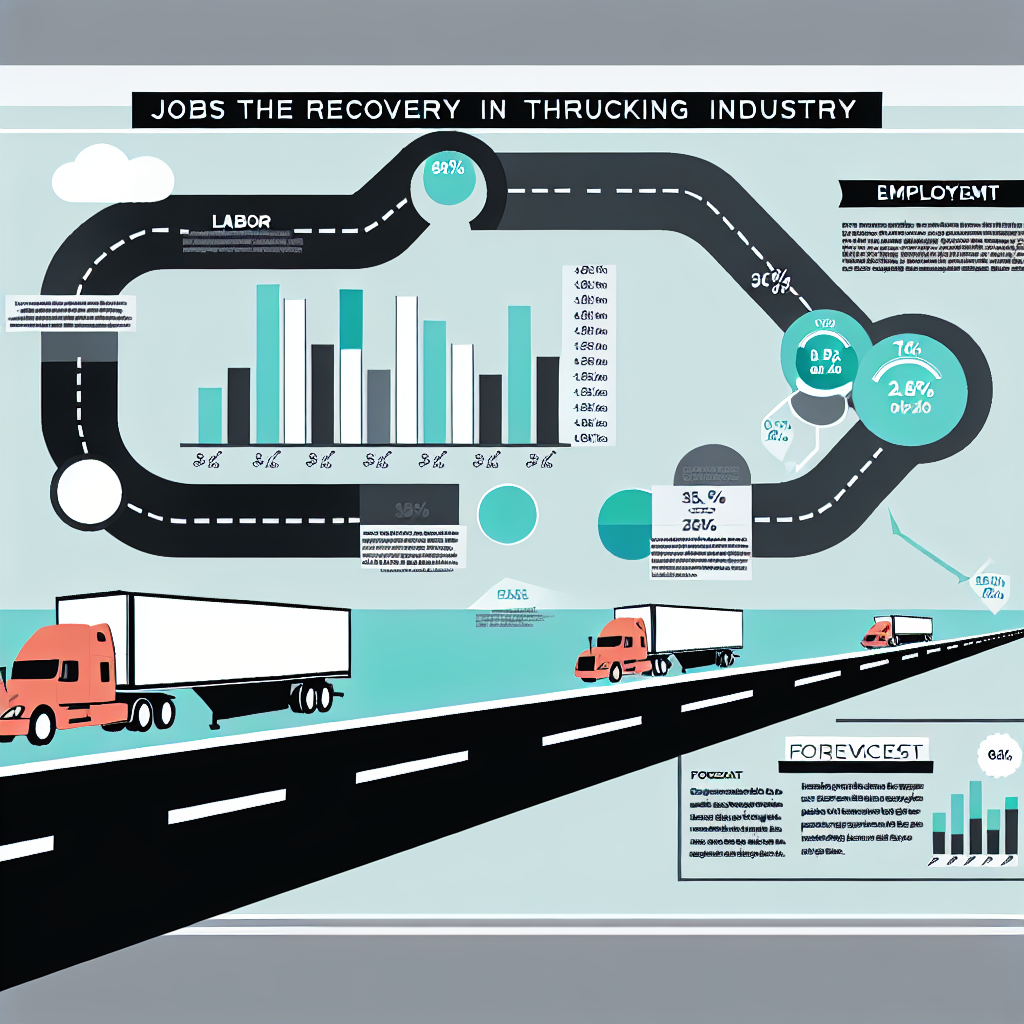
Visual representation of trucking job recovery and labor statistics within the transportation sector, showcasing employment trends and forecasting for the future.
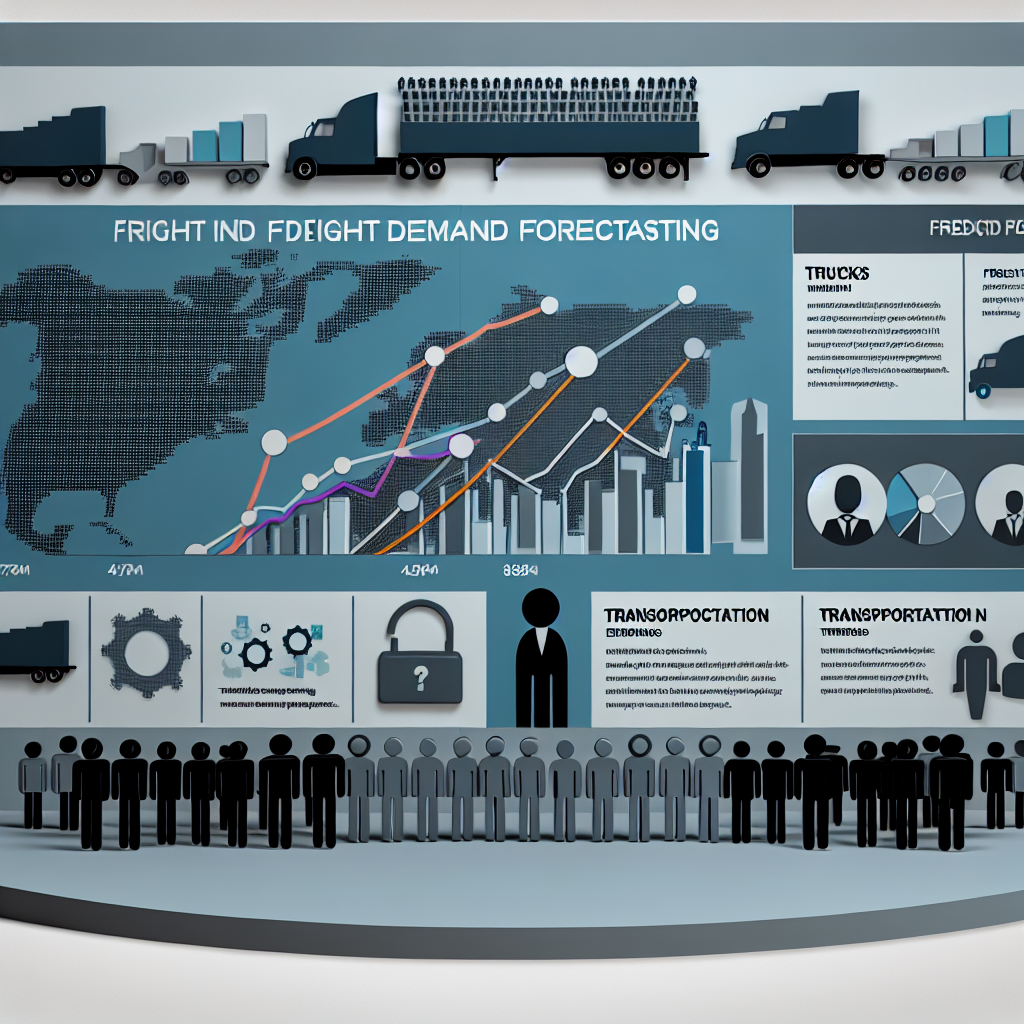
Infographic highlighting freight demand forecasting and its impacts on the trucking industry and overall transportation employment trends.
Conclusion: Outlook for Trucking Employment in 2025
As we look ahead to 2025, the trucking industry stands at a pivotal juncture, buoyed by signs of stabilization from the tumultuous previous years. The job losses that characterized the latter part of 2024 appear to be moderating, fostering an atmosphere of cautious optimism throughout the sector. Indicators suggest that the adverse effects of overcapacity may finally be receding, paving the way for potential job gains as economic conditions improve.
David Spencer from Arrive Logistics aptly highlights this sentiment, stating, “If rates increase meaningfully as the year progresses, (carriers’) focus could shift back to growth mode, leading to further job increases.” This perspective underscores the importance of freight rates in shaping employment opportunities in trucking. When carriers can foresee increased demand, they are likely to resume hiring, translating into more jobs for skilled drivers and support personnel alike.
Moreover, as the industry navigates these transitional waters, addressing overcapacity challenges will be critical. Continued improvement in freight conditions could not only stabilize job numbers but potentially reverse the downward trends of recent years. With the economy’s overall job growth trend—including a notable 256,000 new jobs across various sectors—there exists a favorable backdrop for trucking employment recovery.
Ultimately, with a focused effort on fostering a healthier freight environment and adaptability to market demands, 2025 could mark the beginning of a revitalized chapter for trucking employment, suggesting that the worst may indeed be behind us.
Summary of Transportation Sector Job Changes in 2024
In 2024, the transportation sector encountered a mix of opportunities and challenges, particularly in the trucking industry. The sector added around 10,000 jobs during the year, reflecting an overall positive trend despite prevailing difficulties. However, this growth came against a backdrop of a 4.3% unemployment rate, still exceeding pre-pandemic levels where the unemployment rate had been around 3.3% in late 2019.
By December 2024, the trucking industry recorded approximately 1,545,900 jobs, but this figure represents a decrease of 27,800 jobs from December 2023. This decline illustrates the ongoing struggles within the industry, likely attributed to softening freight demands and an oversaturated market.
Further complicating the job landscape, the transportation sector saw fluctuations in its unemployment rates throughout 2024. The unemployment rate rose to 4.8% in November 2024 before stabilizing back to 4.3% by December. This trend indicates persistent challenges in the market.
Despite the challenges, emerging signs of potential recovery are evident. In March 2025, for instance, the trucking sector posted a monthly gain of 9,600 jobs, suggesting a possible turnaround if demand strengthens.
Industry experts remain cautiously optimistic, noting that factors such as improved freight demand and economic recovery could spur further job growth in trucking. As freight conditions improve, trucking companies may shift back to growth modes, creating additional employment opportunities.
Overall, while the transportation sector expresses a mixture of cautious optimism and ongoing concern, the potential for job growth in trucking hinges largely on the dynamics of freight demand and broader economic conditions.
Summary of Transportation Sector Job Changes in 2024
In 2024, the transportation sector encountered a mix of opportunities and challenges, particularly in the trucking industry. Key highlights include:
- The sector added around 10,000 jobs during the year, reflecting an overall positive trend despite prevailing difficulties.
- The unemployment rate stood at 4.3%, still exceeding pre-pandemic levels where it was around 3.3% in late 2019.
- By December 2024, the trucking industry recorded approximately 1,545,900 jobs.
- However, this figure represents a decrease of 27,800 jobs from December 2023, indicating ongoing struggles likely attributed to softening freight demands and an oversaturated market.
- The transportation sector experienced fluctuations in unemployment rates throughout 2024, rising to 4.8% in November before stabilizing back to 4.3% by December.
- Despite these challenges, emerging signs of potential recovery are evident, with the trucking sector posting a monthly gain of 9,600 jobs in March 2025 if demand strengthens.
Industry experts highlight that factors such as improved freight demand and broader economic recovery could spur further job growth in trucking. As freight conditions improve, trucking companies may shift back to growth modes, creating additional employment opportunities.
Overall, while the transportation sector exhibits a mixture of cautious optimism and ongoing concern, the potential for job growth in trucking largely hinges on the dynamics of freight demand and economic conditions.
Credible Links for Trucking Employment Data
To enhance the credibility of this article, here are some reputable sources providing important statistics and data related to trucking employment and trends:
-
Bureau of Labor Statistics (BLS) – The BLS reported that labor productivity in long-distance general freight trucking increased by 6.9% in 2024. Employment in this sector stood at 896,900 workers, reflecting significant shifts in production and hours worked. You can find this information
here. -
Revised BLS Data on Truck Transportation – As of December 2024, truck transportation employment was recorded at 1,518,100 jobs, representing a decrease of 27,800 from the previous year. The revised figures highlight the importance of monitoring employment trends. More details can be found
here. -
Federal Reserve Economic Data (FRED) – According to FRED, the transportation and warehousing sector saw employment growth from 6,630,000 in January 2023 to 6,723,200 in December 2024. Specific data on truck transportation employment illustrate a decline from 1,576,300 to 1,516,800 within the same timeframe. This data is available
here. -
November 2024 Unemployment Rate Report – In November 2024, the unemployment rate in the transportation sector was 4.8%, highlighting ongoing challenges within the industry. The report also compares these figures to pre-pandemic levels, providing crucial context. Access the report
here.
By incorporating these credible sources, the article not only strengthens its authority but also provides readers with direct access to important data regarding trucking employment and employment trends overall.
Implications of Overcapacity on the Trucking Industry
Overcapacity has historically posed significant challenges to the trucking industry, especially in the past few years. When the supply of trucks exceeds the demand for freight, it leads to intense competition among carriers. This was notably evident after the COVID-19 pandemic, which resulted in a surge of new trucking companies entering the market. As a consequence, freight rates plummeted, resulting in what many referred to as the “Great Freight Recession,” which began in March 2022. During this period, freight rates fell, and employment opportunities dwindled, as the financial pressures on trucking companies became insurmountable. Employment in the trucking sector is strongly correlated with freight volumes; as freight demand diminished due to overcapacity, many carriers had no choice but to reduce their workforce. The Federal Reserve’s data highlighted how between 2023 and 2024, the transportation sector faced a decrease in overall employment by 0.2%, while truck transportation specifically saw a decline of 1.9%. This continued overcapacity underscores a labor market fraught with challenges as the industry navigates a path toward stabilization and recovery.
Current predictions suggest that the implications of overcapacity are not over yet, with expectations of continued market adjustments into 2027. Nonetheless, there is cautious optimism as signals of freight rate improvement have begun to emerge. Should demand rise meaningfully, it could foster a more favorable environment for job growth and stabilization within the trucking industry, helping alleviate the impacts of overcapacity in the long run.
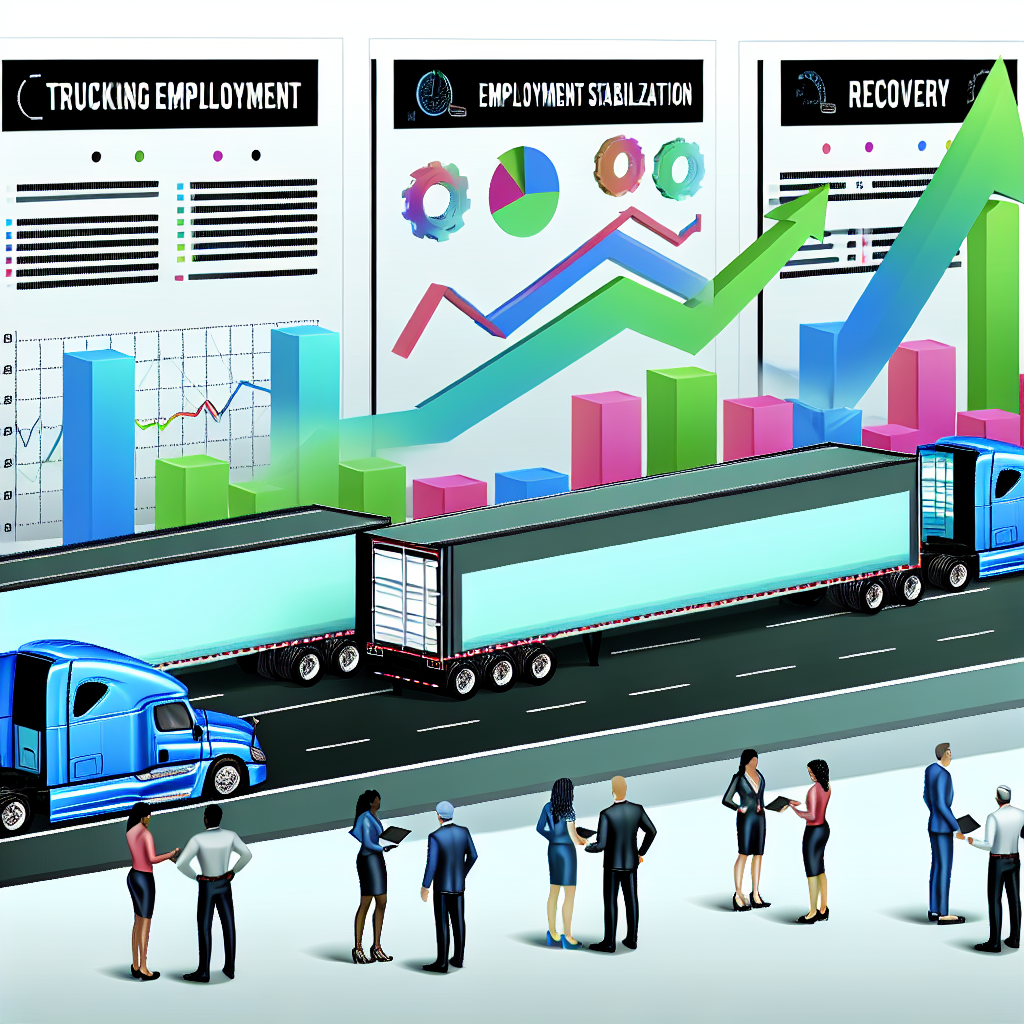
An illustration depicting the process and impact of trucking employment stabilization in the industry, featuring elements such as trucks, graphs, and charts representing growth and recovery.

A vibrant representation of diverse transportation sector workers collaborating and working together, showcasing teamwork and positivity in the trucking industry.